
Planting the Seeds of Cultural Sustainability
April 22, 2026 | Student Ambassador Aiyanna Tanyan’s (Seminole Nation of Oklahoma) work to reclaim food sovereignty
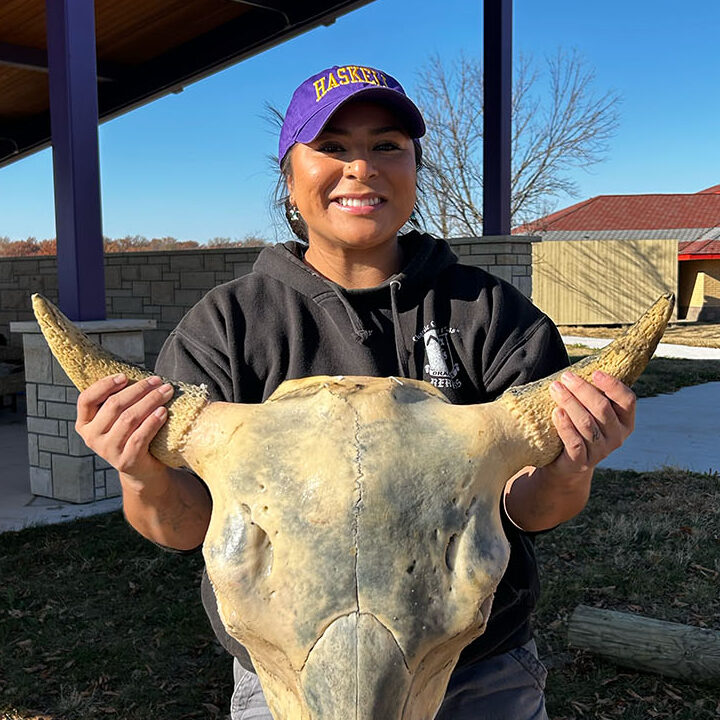
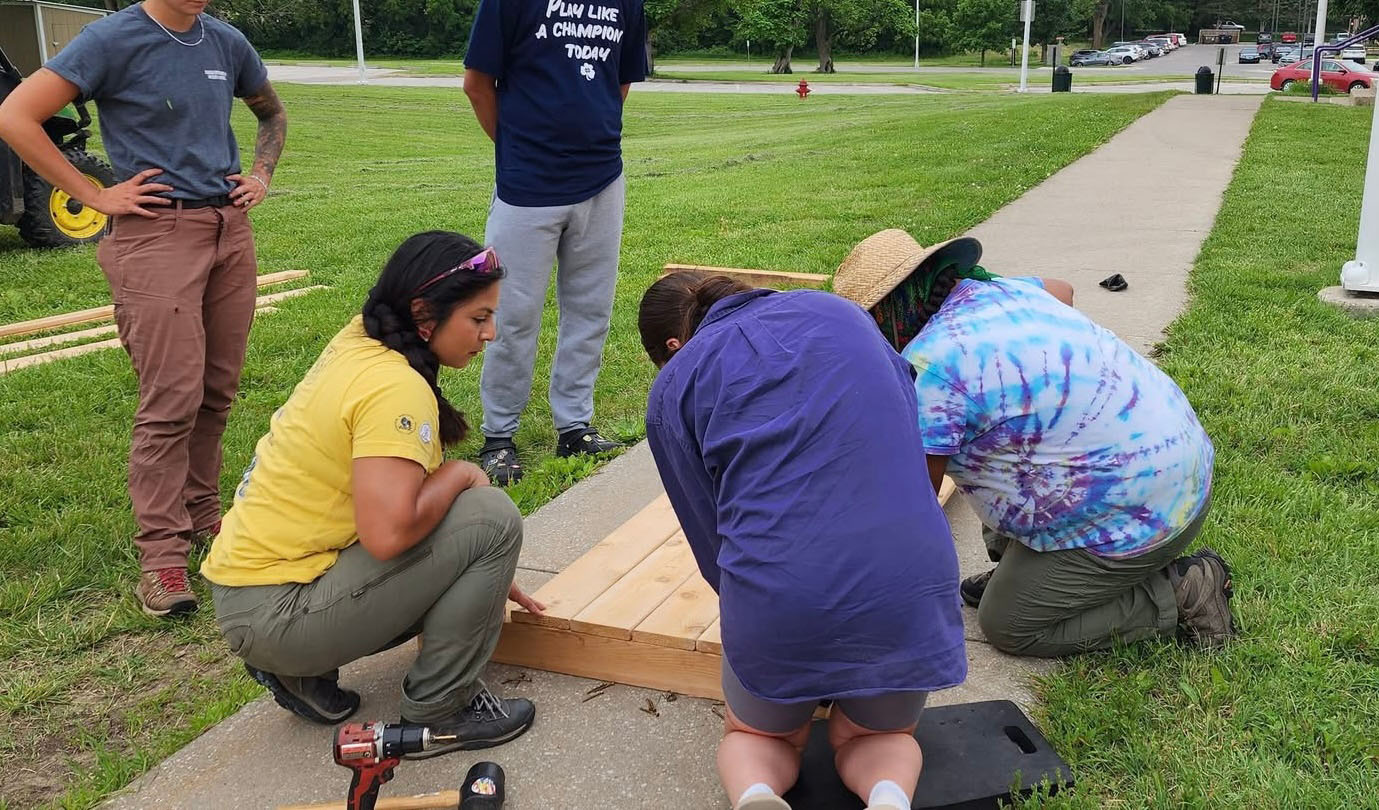
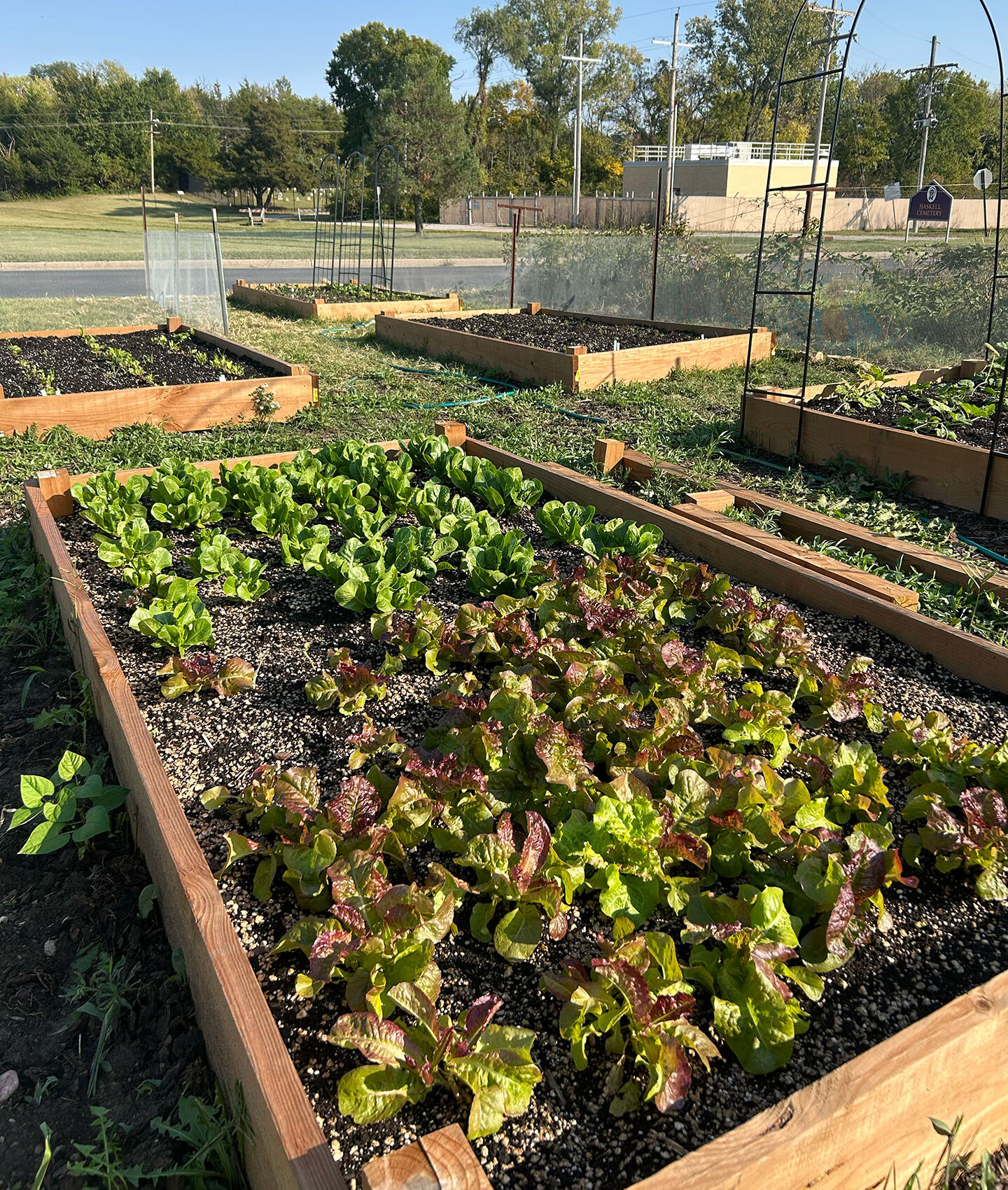
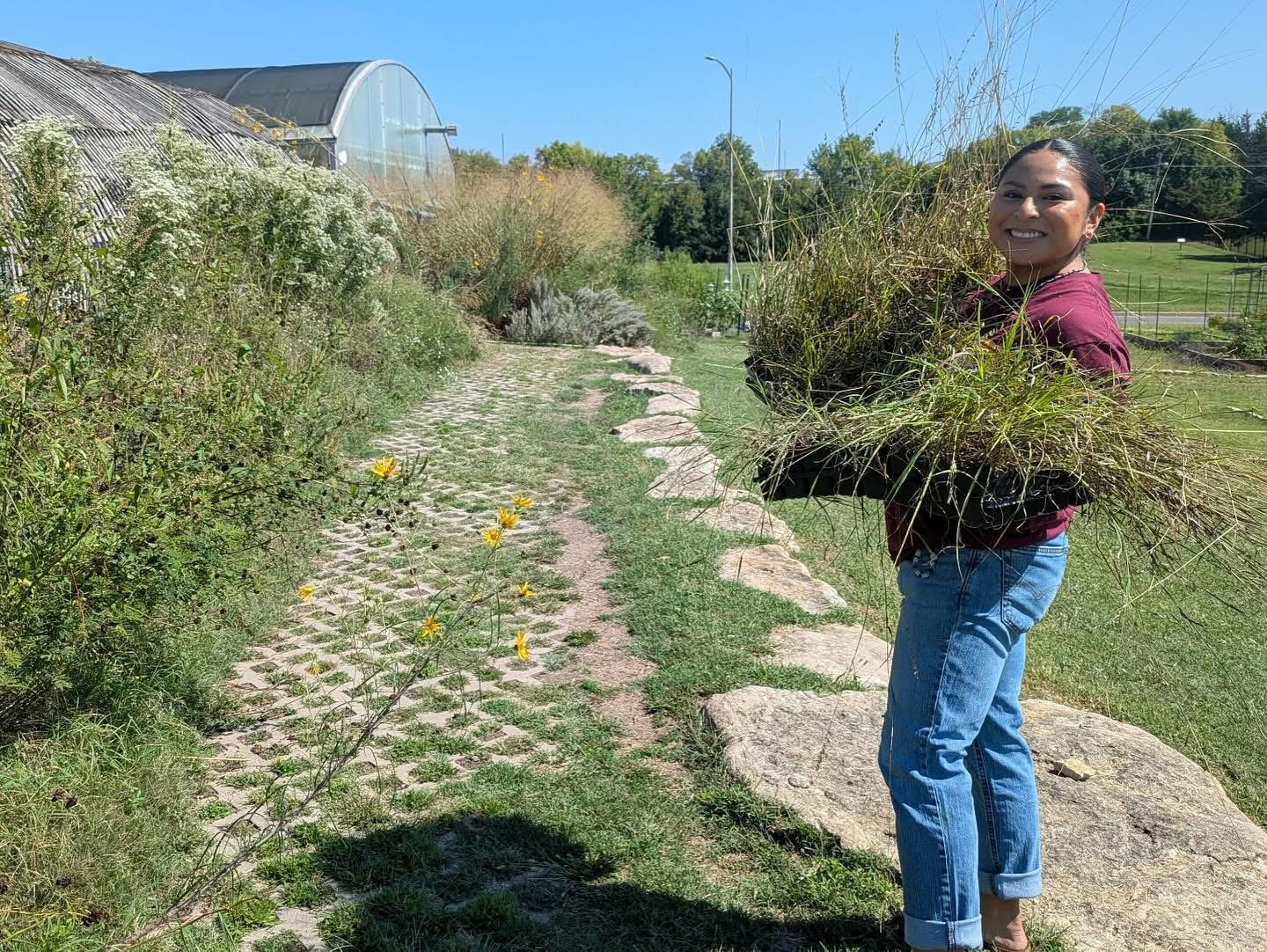
We came up with the idea of building raised garden beds near the dorms so students can easily access fresh foods and learn how to grow them themselves. Through support from the Haskell Greenhouse (funded through the USDA Equity Grant), we started building.
Last year was our first year doing this project and it was a learning experience as with many community-based projects, it comes with trial and error. However, that process taught us a lot about what works, what doesn’t, and how to build something more sustainable moving forward. This year, we’re continuing this work with stronger systems, more involvement, and a clearer vision.
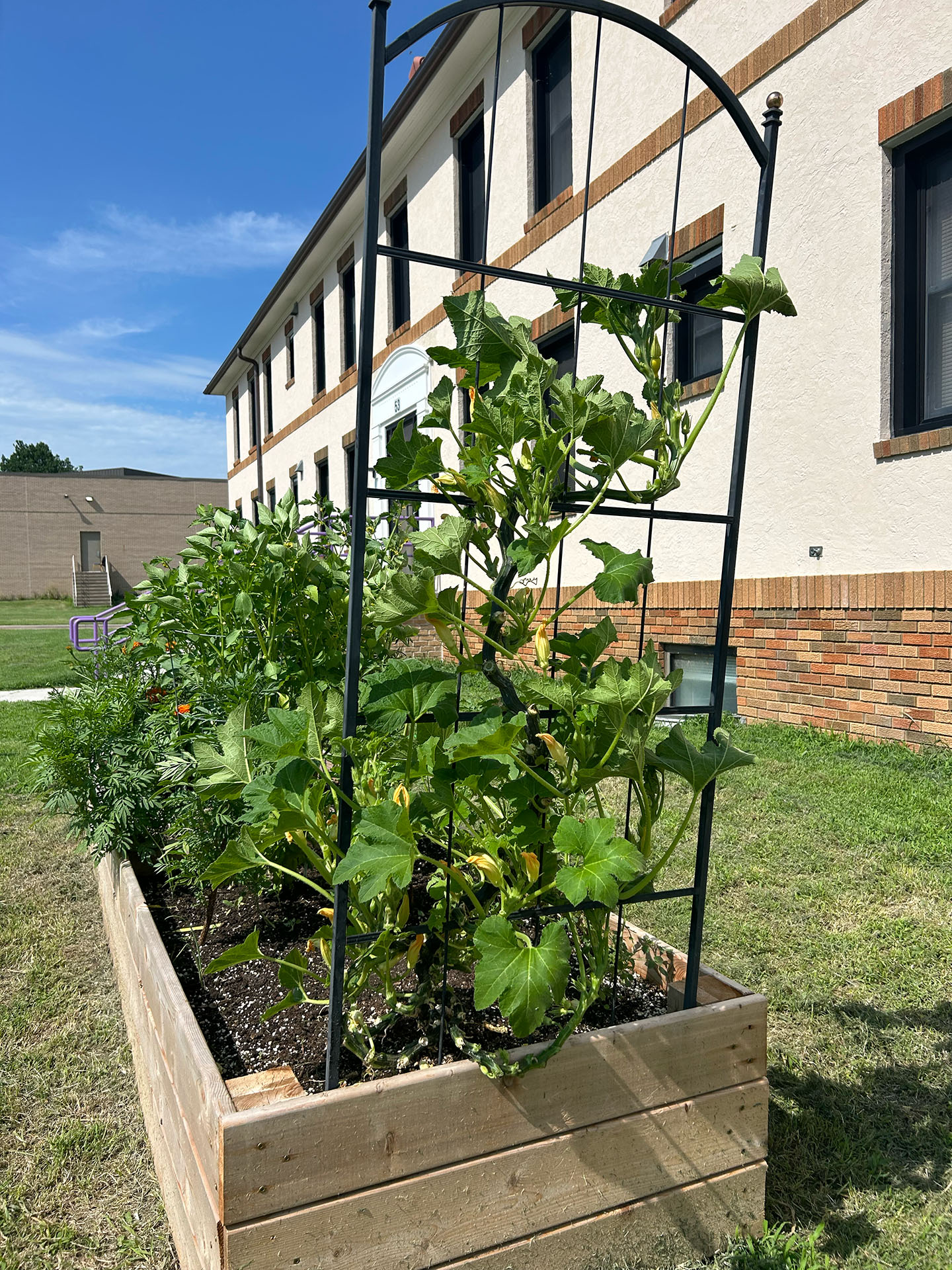
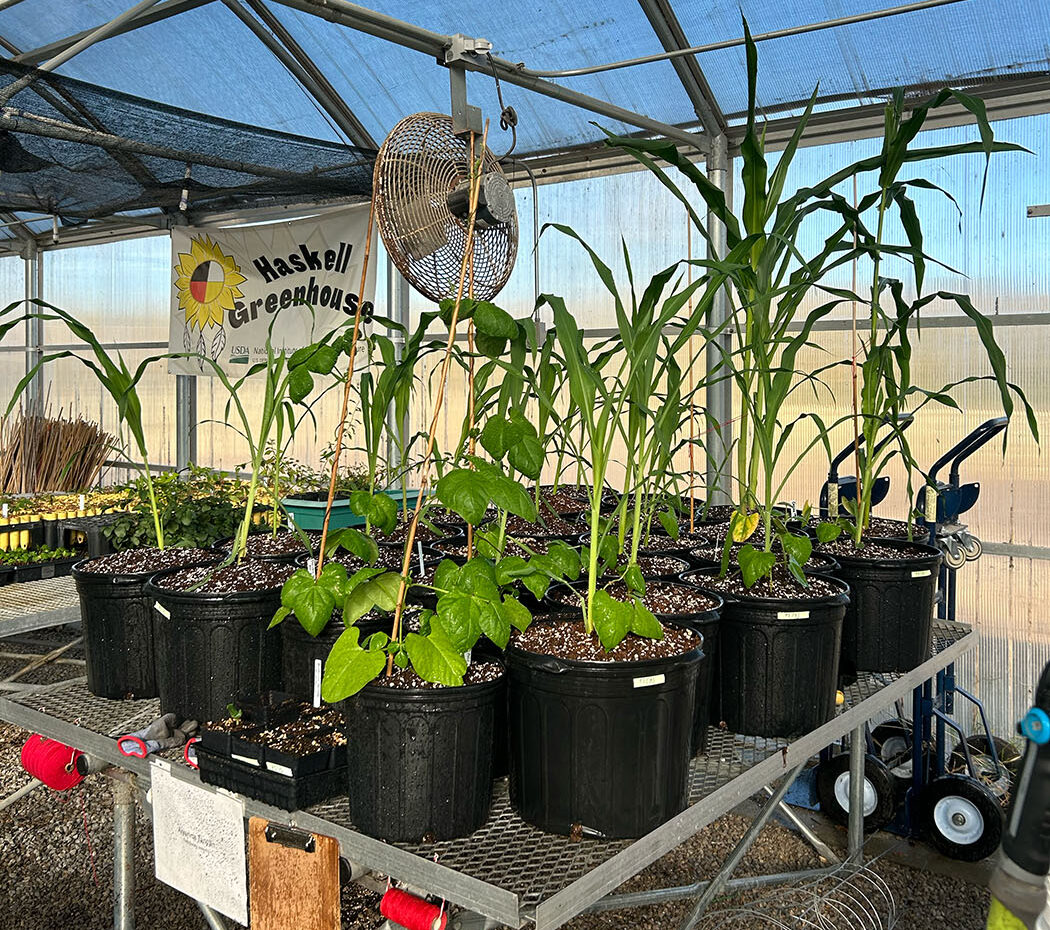
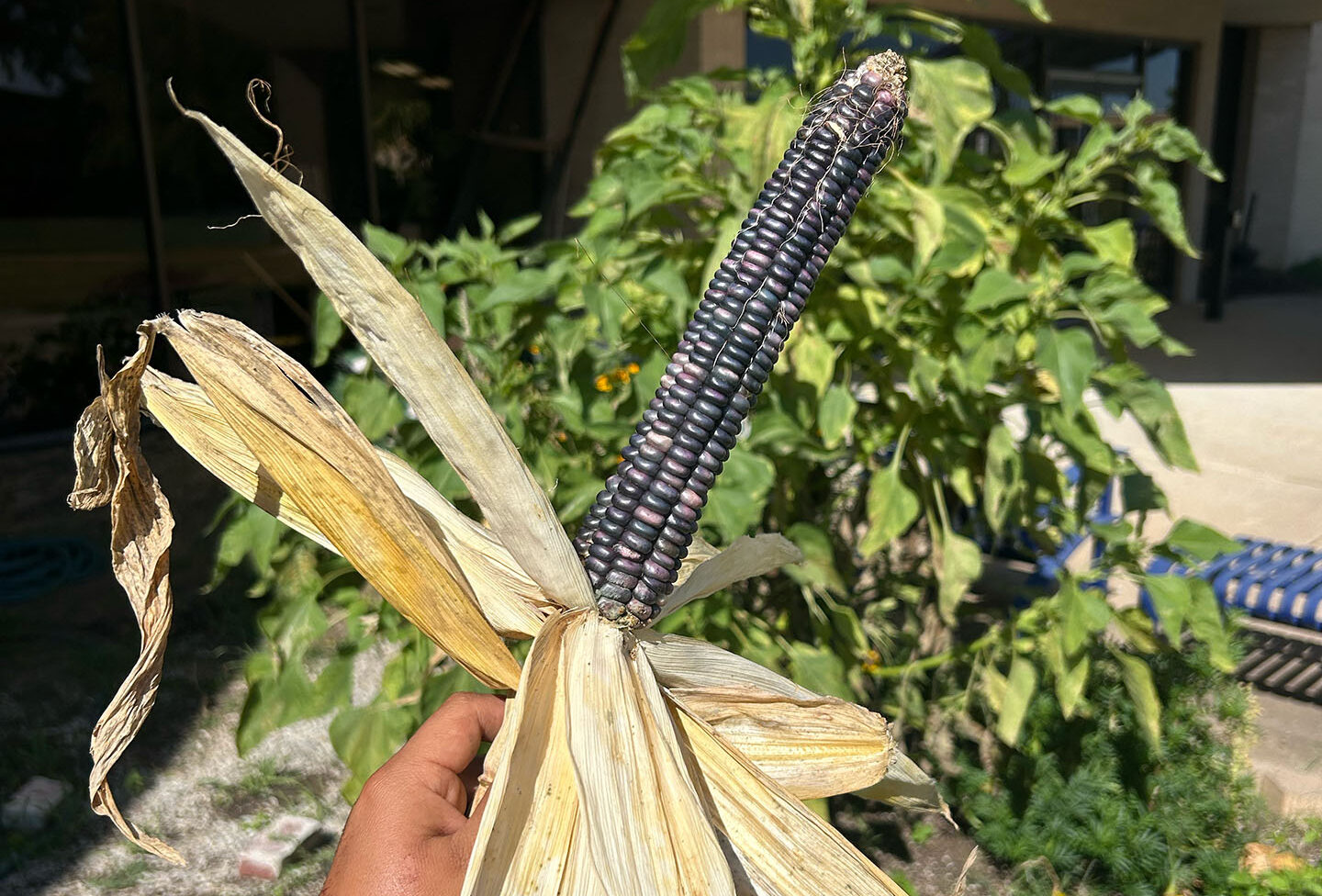
Everyone at the Haskell Greenhouse wants to help others learn, value, and view these spaces as places of teaching. I know they have taught me so much about responsibility and our relationship with the environment. Through these projects, we’re helping students reconnect with the land and understand the importance of food sovereignty for Indigenous communities. This work is ongoing, and we’re still learning. Every seed planted, and every workday shared brings us one step closer to a more sustainable and connected future.
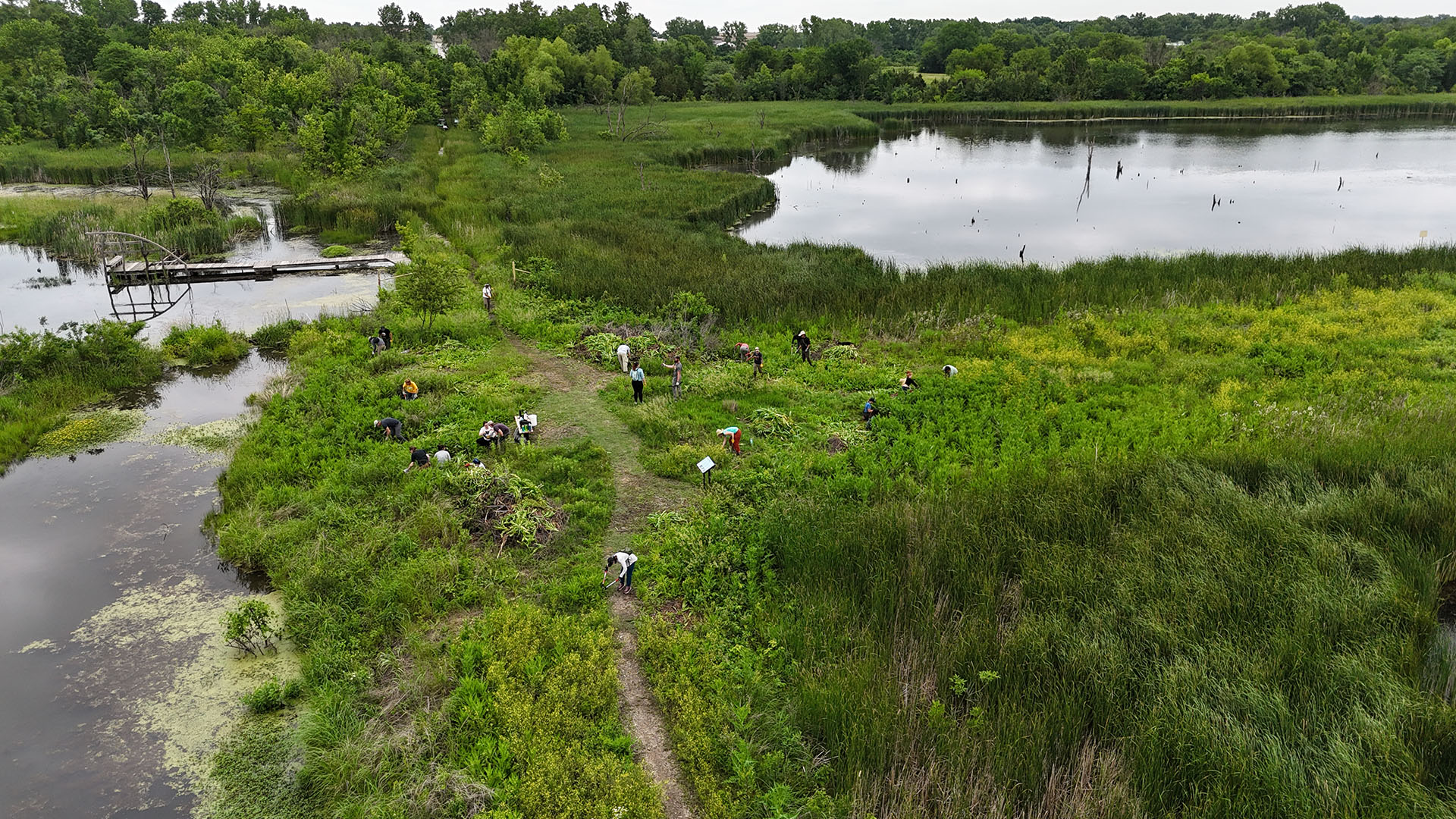
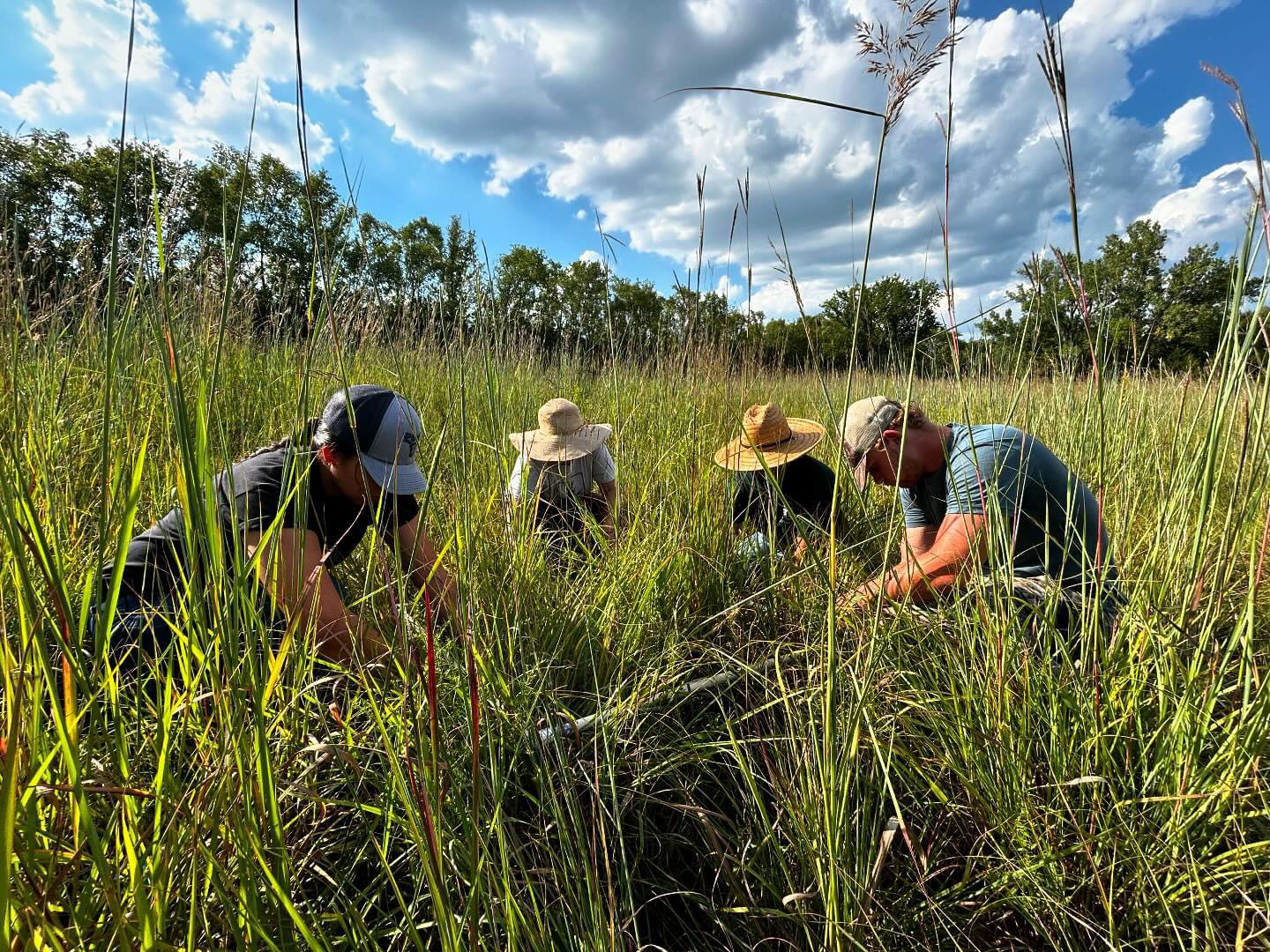
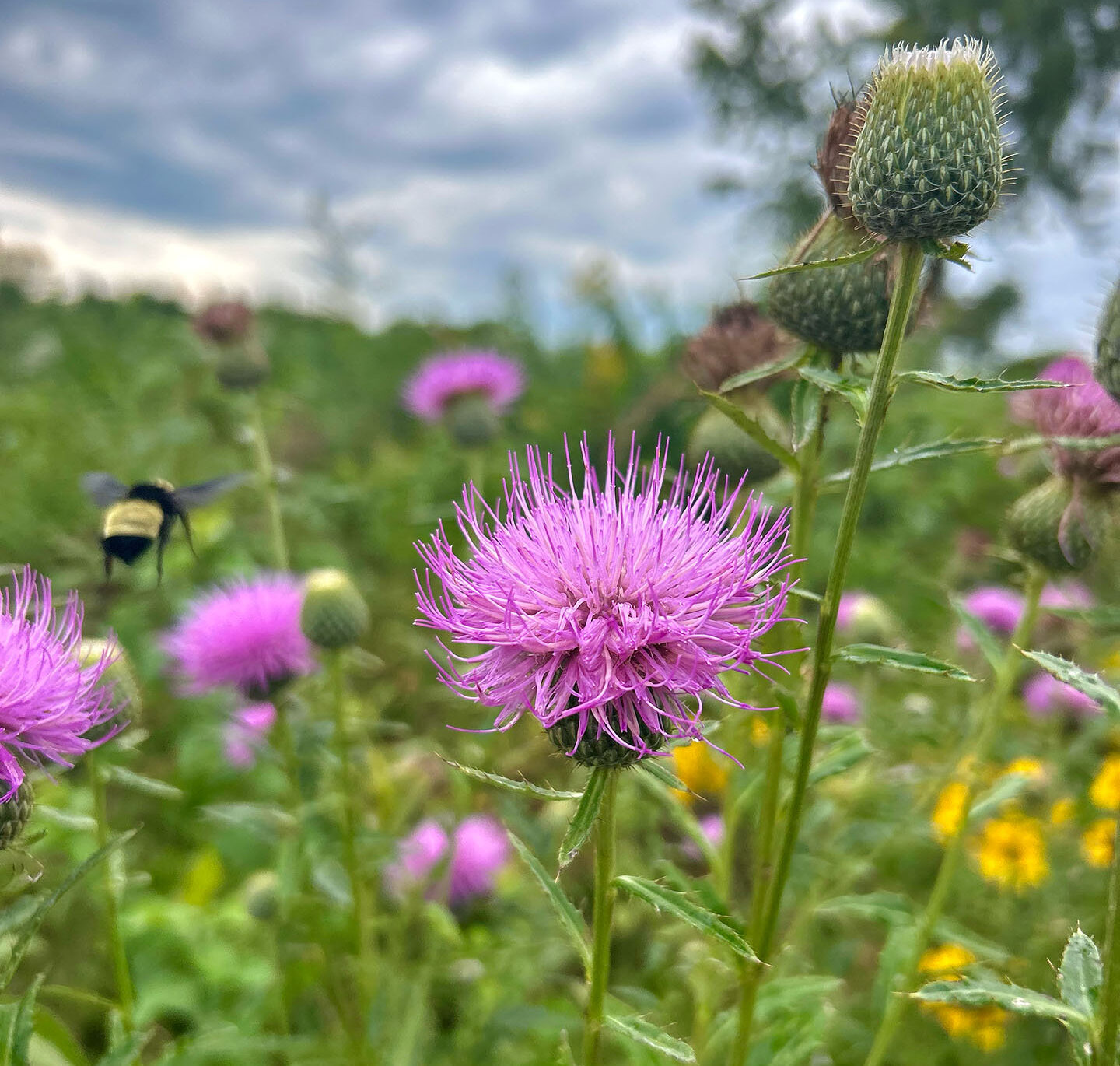
In Caring for Our Kin: Stories of Indigenous Environmental Stewardship, the College Fund shares the stories of Indigenous environmental leaders who are centering kinship and relational knowledge to build healthy ecological systems. These stories remind us that caring for the Earth means caring for one another—and that Indigenous knowledge systems continue to offer guidance, resilience, and hope for the future.
Learn more about our Environmental Stewardship Program.
Ekvnv Vcayecet. Mvto!
(Take care of the Earth/Land. Thank you)
More Blogs

Career Advice — Professional Etiquette
Professional etiquette is not just knowing what to discuss during a business dinner or how to address colleagues; it is a way of presenting yourself in such a way that you will be taken seriously. You must be aware of how your actions, small or large, impact others’ opinions of you. Understand and practice appropriate behavior to impress others that may lead into promotions and, possibly, a job.
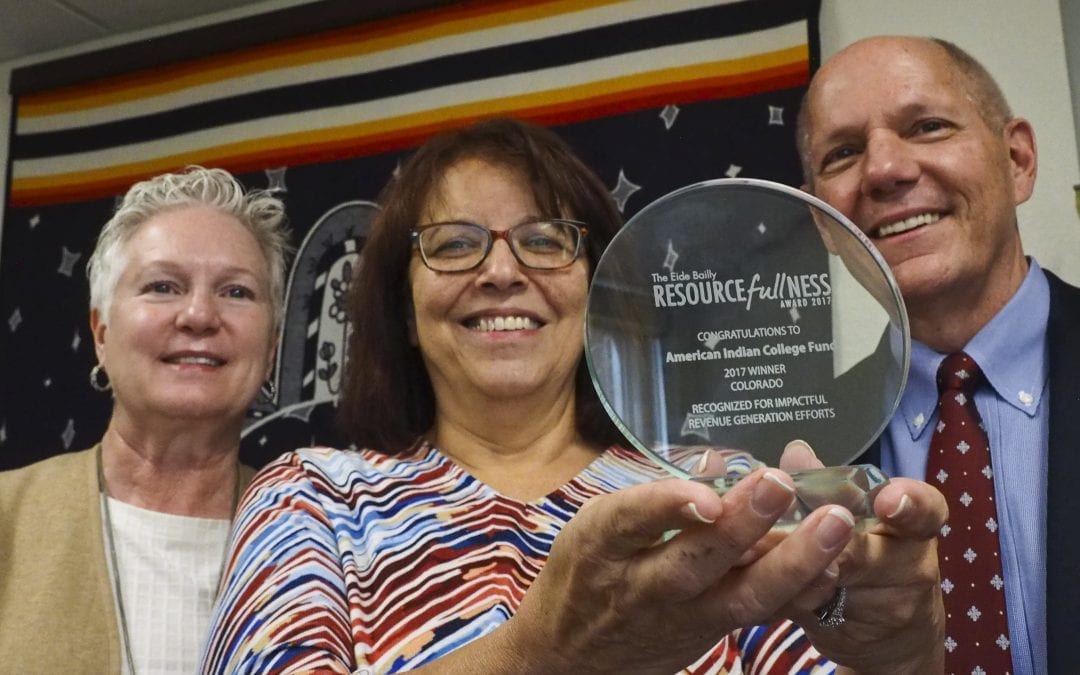
Blanket Collection Produced with Iconic Pendleton® Earns the Colorado Non-profit Resourcefulness Prize
The American Indian College Fund was awarded the $10,000 grand prize in CPA firm Eide Bailly’s Resourcefullness Award 2017 for Colorado. An independent panel of judges from Colorado non-profits chose the College Fund based on its relationship with for-profit Pendleton Woolen Mills in creating Pendleton’s American Indian College Fund collection.
College Fund President Highlights Native Higher Education Needs on Comcast Newsmakers
Cheryl Crazy Bull, President and CEO of the American Indian College Fund, spoke on Comcast Newsmakers in Washington, D.C. in November about the need for strong support systems to further Native Americans’ academic and professional success. View the video below.
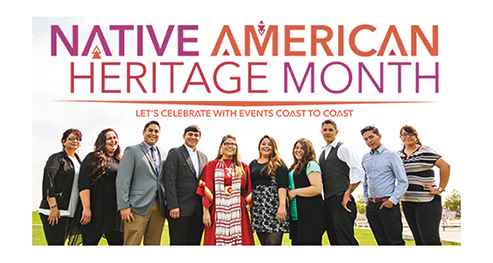
Embrace Native Heritage Month
Recently, I’ve been reflecting on how important it is to be able to identify myself using terms that are personal to me; and the impact that has for all of us in the way we feel self-confidence and pride in our individuality. Perhaps you define yourself by the job you do or the language you speak. Or maybe you identify yourself by your skin color, sexual orientation, or what part of the world you grew up in.
Celebrate Native American Heritage Month!
Native American Heritage Month is a special time of the year for us when we celebrate our history and heritage with our friends and neighbors. We are able to celebrate the wonderful things that make being Native unique, and it also gives us time to reflect on many of those aspects that bind us together as humans.
College Fund to Present National Forum on Culturally Relevant Early Childhood Education
The American Indian College Fund leads the nation in supporting development of culturally relevant early childhood education programs at tribal colleges and universities to secure the health and wellness of young Native learners and their families. Inspired by its work under its Restorative Teachings Early Childhood Education initiative, the College Fund will host the Tribal Indigenous Early Childhood Network (TIECN) Forum on November 15 at the National Association for the Education of Young Children Conference in Atlanta, Georgia.
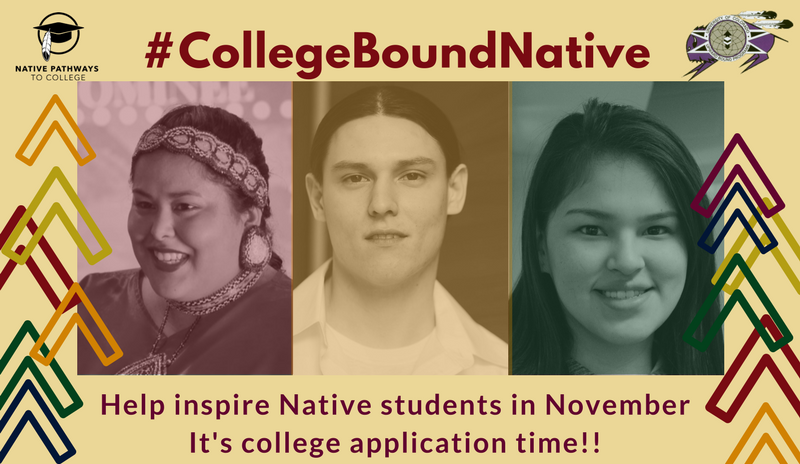
November is #CollegeBoundNative Month
The #CollegeBoundNative Campaign encourages high school seniors to apply for college. Native Americans are the least likely of any group to go to college. But college is essential to many careers, which require a certificate, associate or bachelor’s degree. The American Indian College Fund is setting out to change that statistic—and the future of Native students—through a campaign to get more Native high school seniors to apply for college.

Meet Our Indigenous Visionaries
The Indigenous Visionaries initiative builds upon the American Indian College Fund’s previous work for a number of years developing Native women leaders, through education, mentoring, and networking. Indigenous Visionaries focuses on connecting students at tribal colleges and universities (TCUs) with faculty members in their area of study.
College Fund Awards Four Tribal College and University Faculty Members Mellon Career Enhancement Fellowships
Since 2004, the American Indian College Fund has awarded the Mellon Career Enhancement Fellowship to deserving tribal college and university (TCU) faculty who are in the final stages of their doctoral programs to complete the writing process of their dissertations.
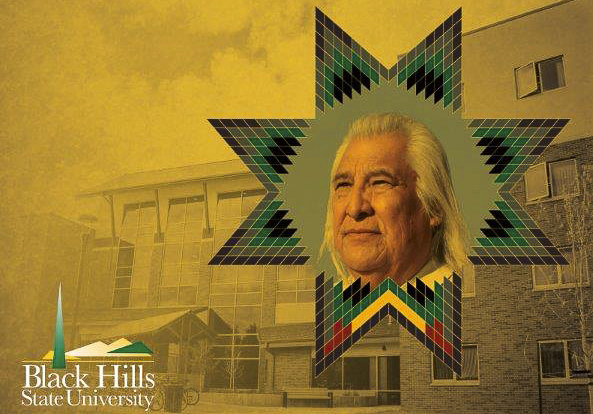
Black Hills State University in South Dakota Names Campus Building for Dr. Lionel Bordeaux, Longtime President of Sinte Gleska University
Black Hills State University in South Dakota honored Dr. Lionel Bordeaux (Sicangu Lakota), President of Sinte Gleska University and the longest-serving university president in the United States, by naming a residence hall on its campus in his honor. Bordeaux Hall gives university students a view of Crow Peak, Spearfish Mountain, and Lookout Mountain, while providing them with a place to meet, study, and learn.
