
Planting the Seeds of Cultural Sustainability
April 22, 2026 | Student Ambassador Aiyanna Tanyan’s (Seminole Nation of Oklahoma) work to reclaim food sovereignty
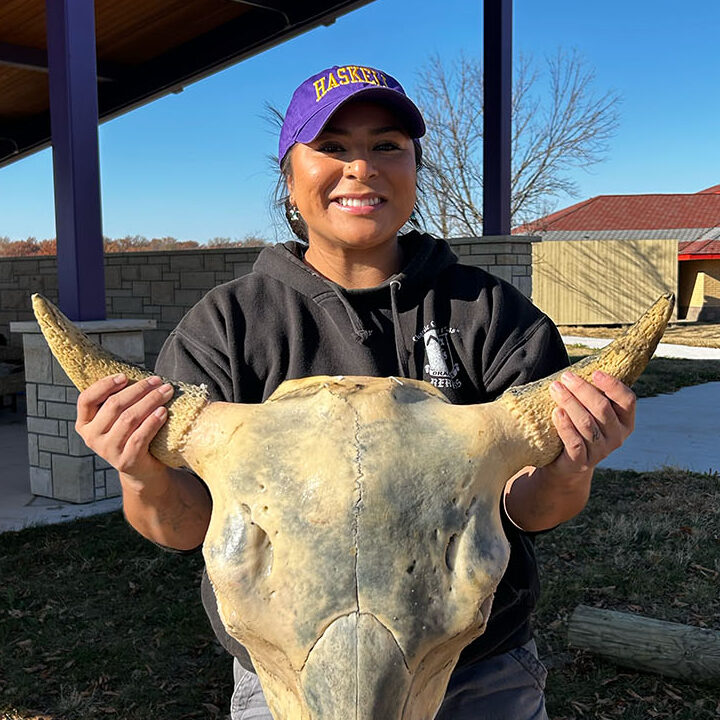
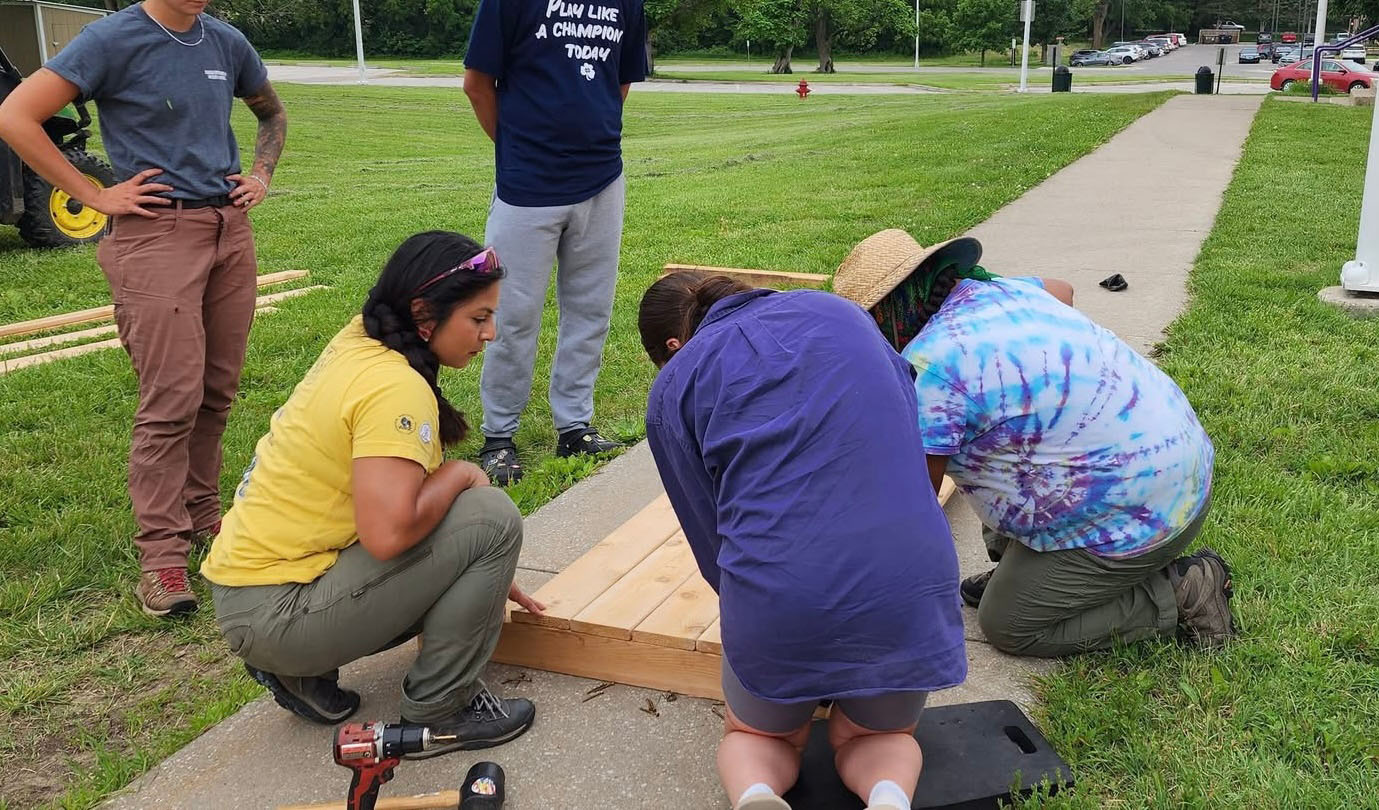
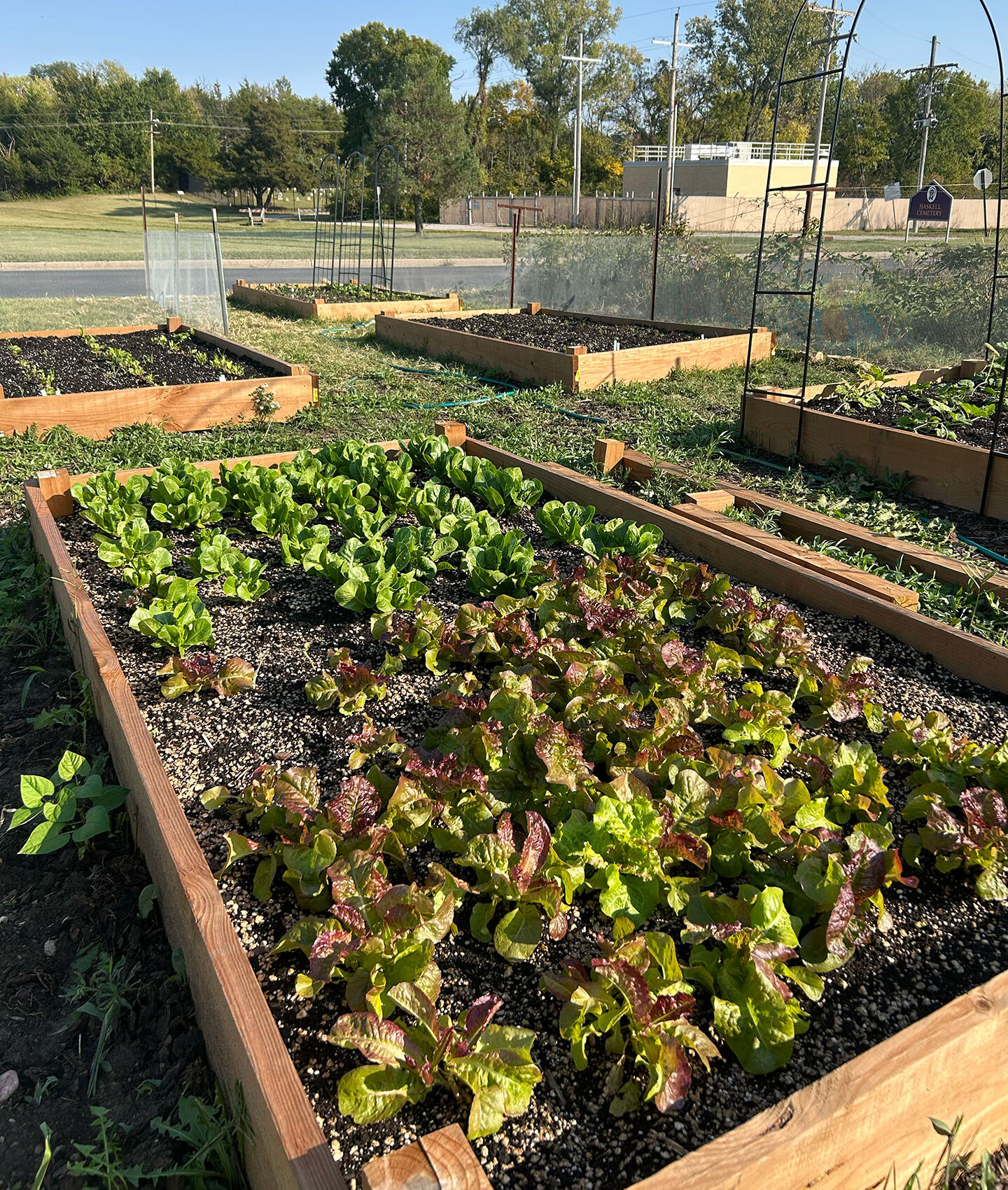
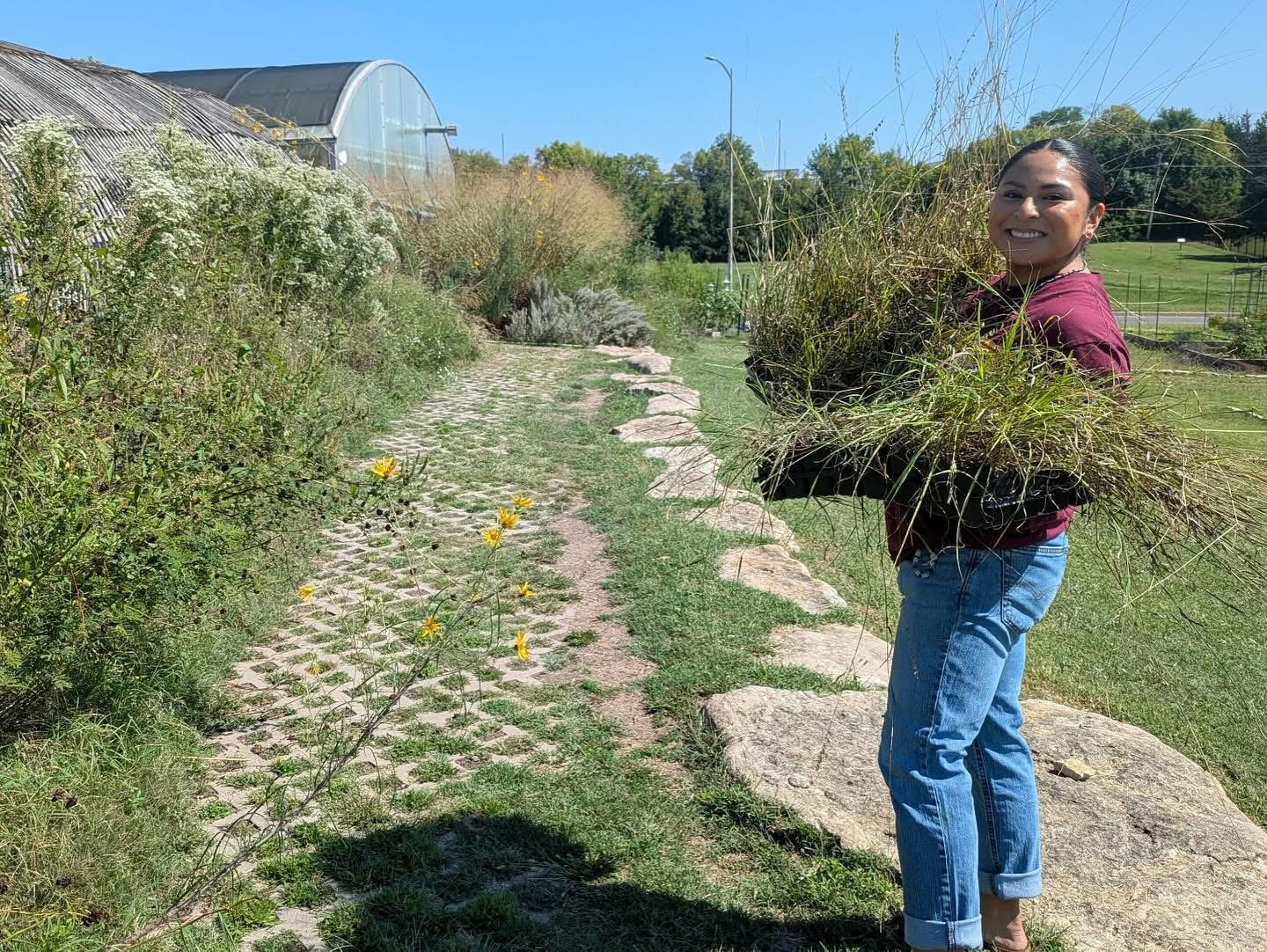
We came up with the idea of building raised garden beds near the dorms so students can easily access fresh foods and learn how to grow them themselves. Through support from the Haskell Greenhouse (funded through the USDA Equity Grant), we started building.
Last year was our first year doing this project and it was a learning experience as with many community-based projects, it comes with trial and error. However, that process taught us a lot about what works, what doesn’t, and how to build something more sustainable moving forward. This year, we’re continuing this work with stronger systems, more involvement, and a clearer vision.
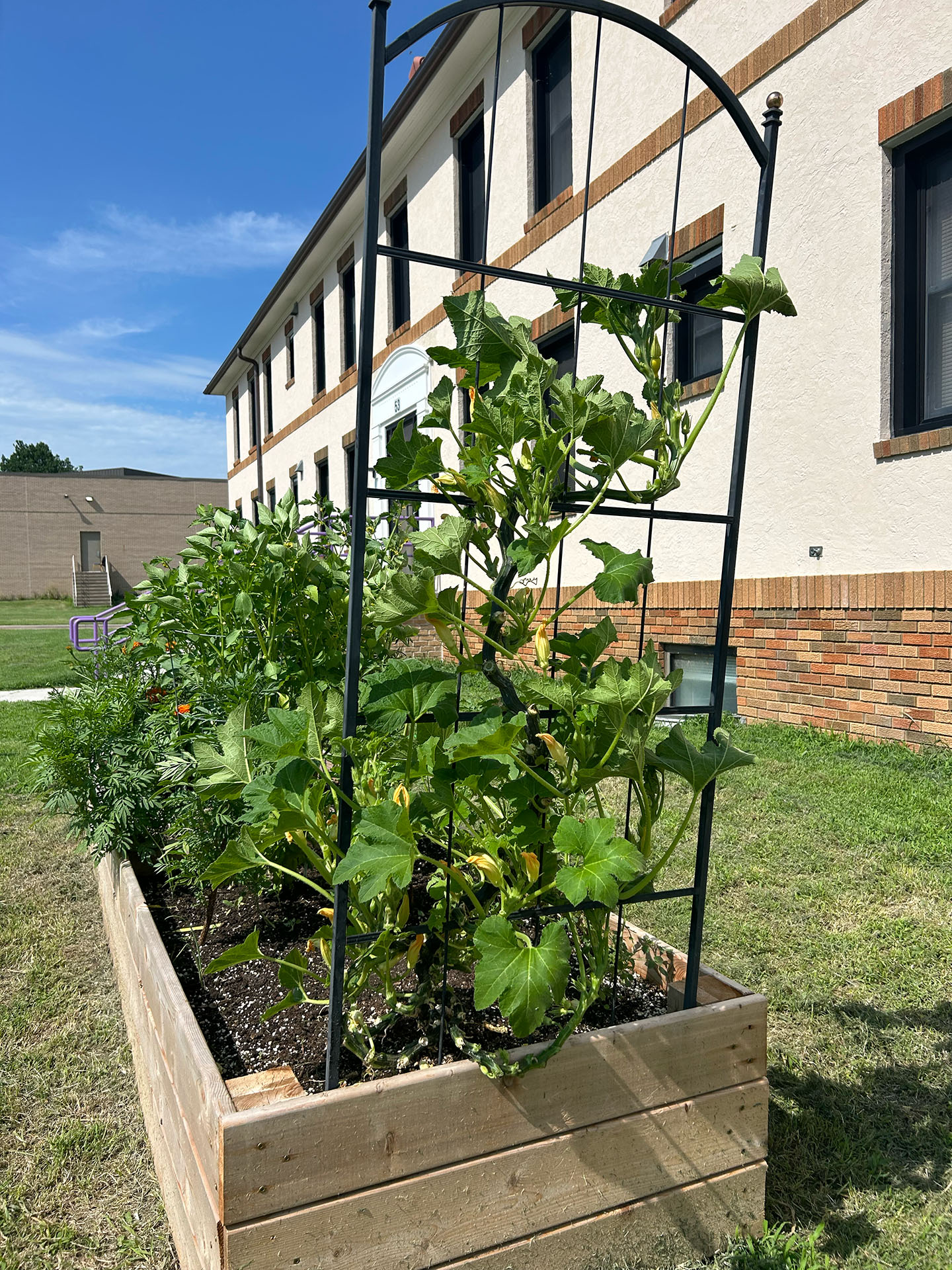
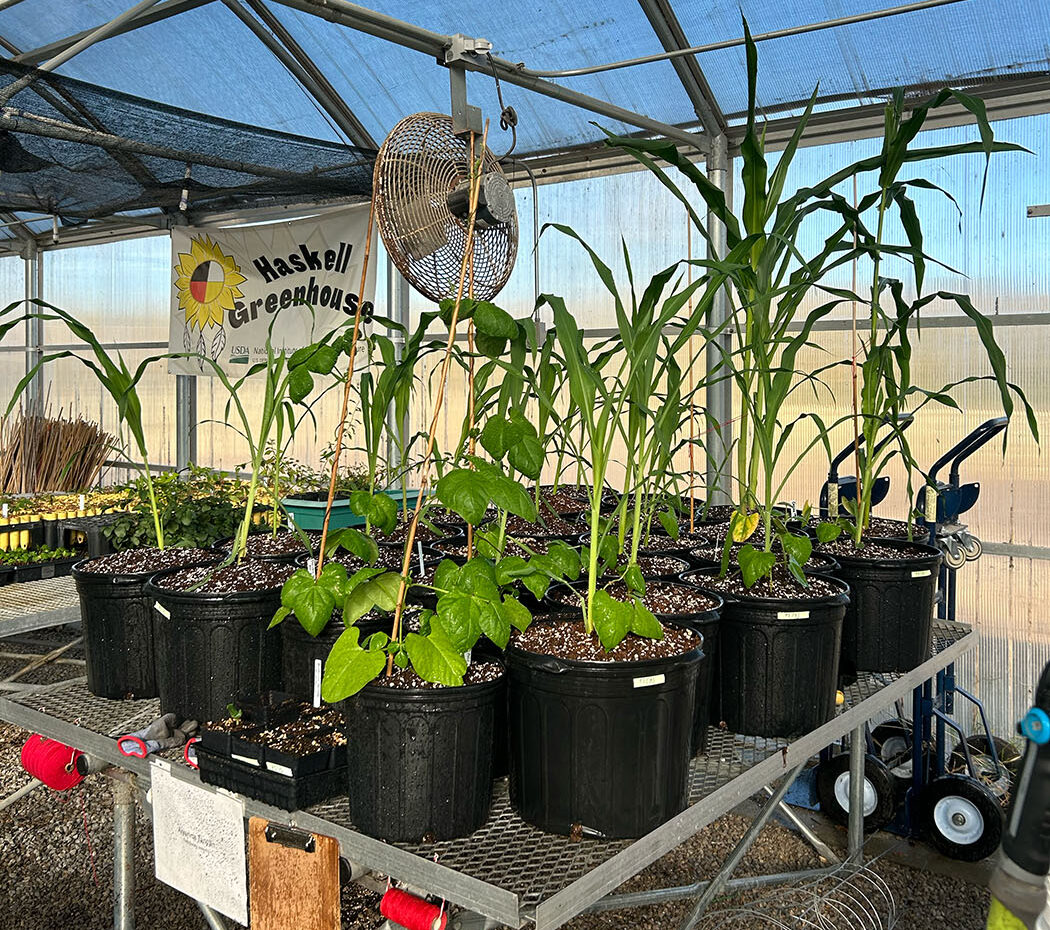
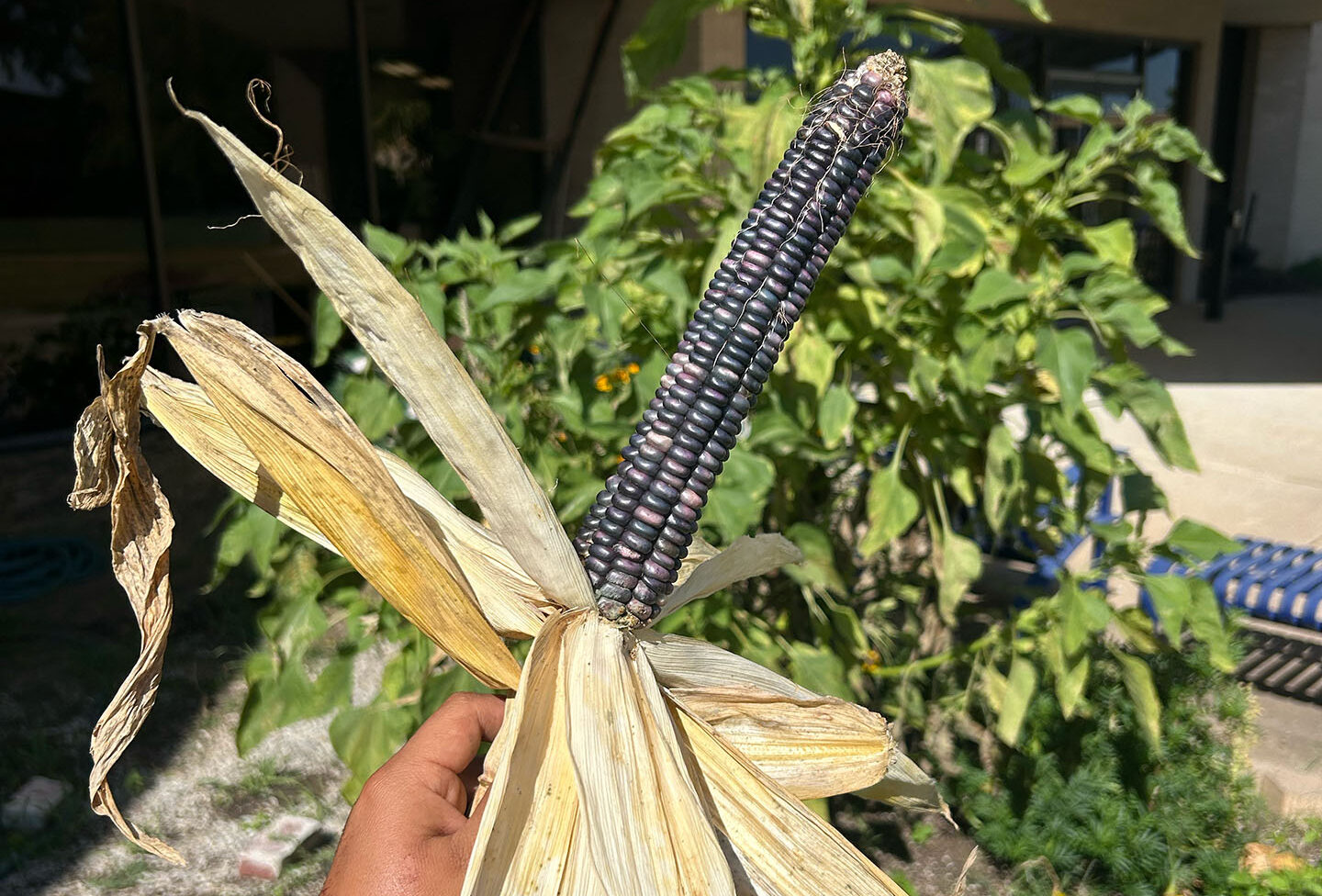
Everyone at the Haskell Greenhouse wants to help others learn, value, and view these spaces as places of teaching. I know they have taught me so much about responsibility and our relationship with the environment. Through these projects, we’re helping students reconnect with the land and understand the importance of food sovereignty for Indigenous communities. This work is ongoing, and we’re still learning. Every seed planted, and every workday shared brings us one step closer to a more sustainable and connected future.
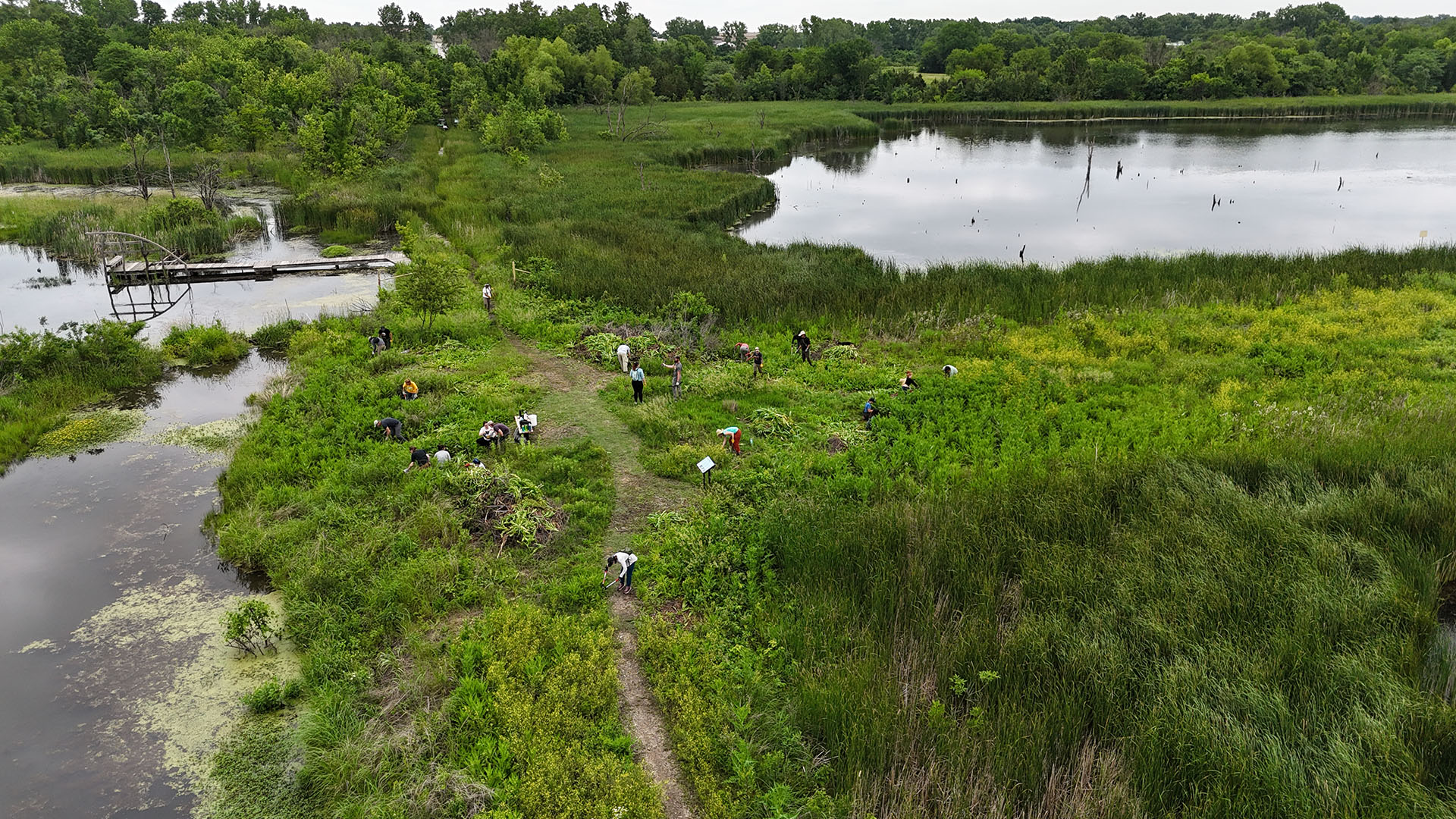
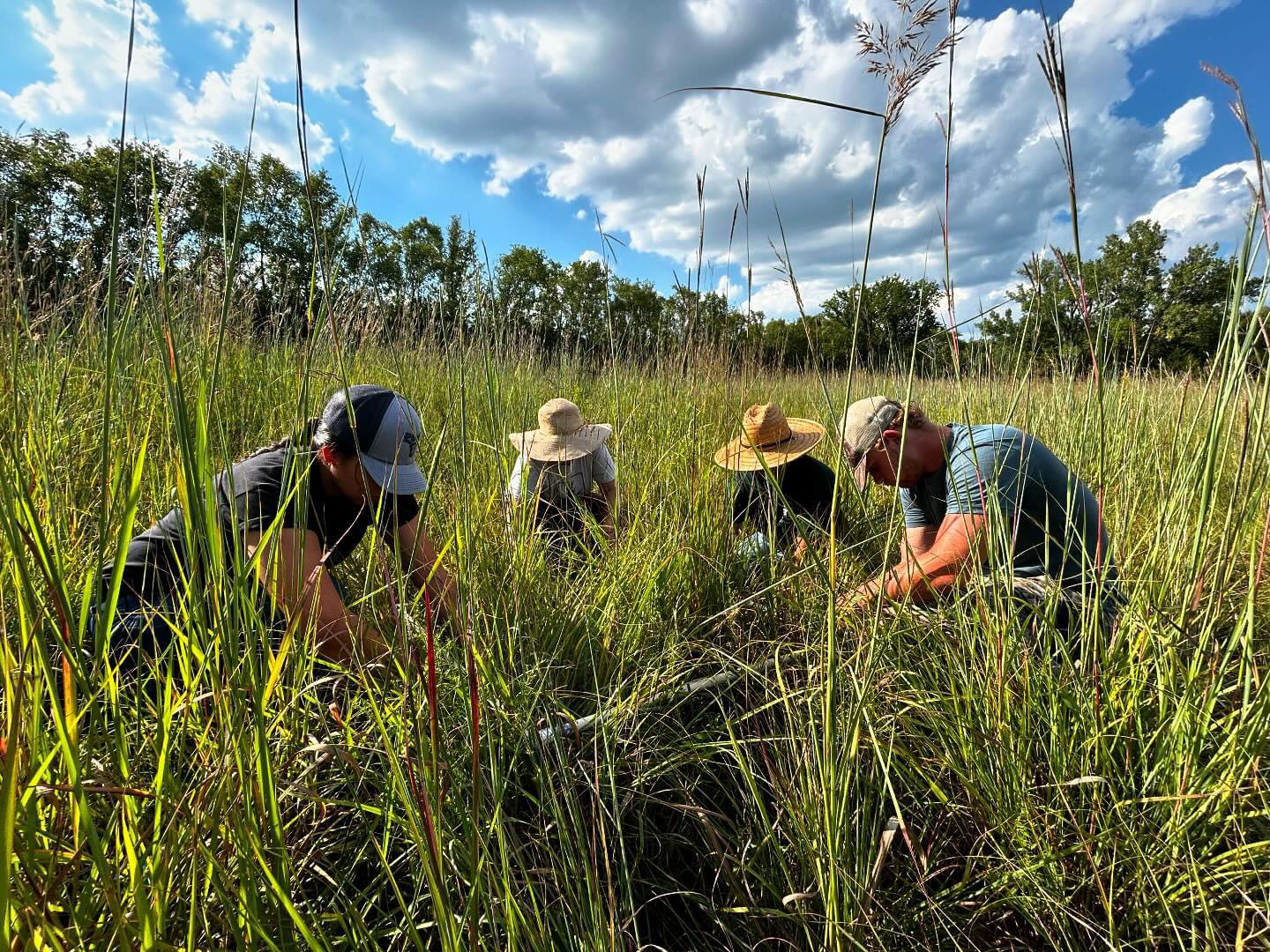
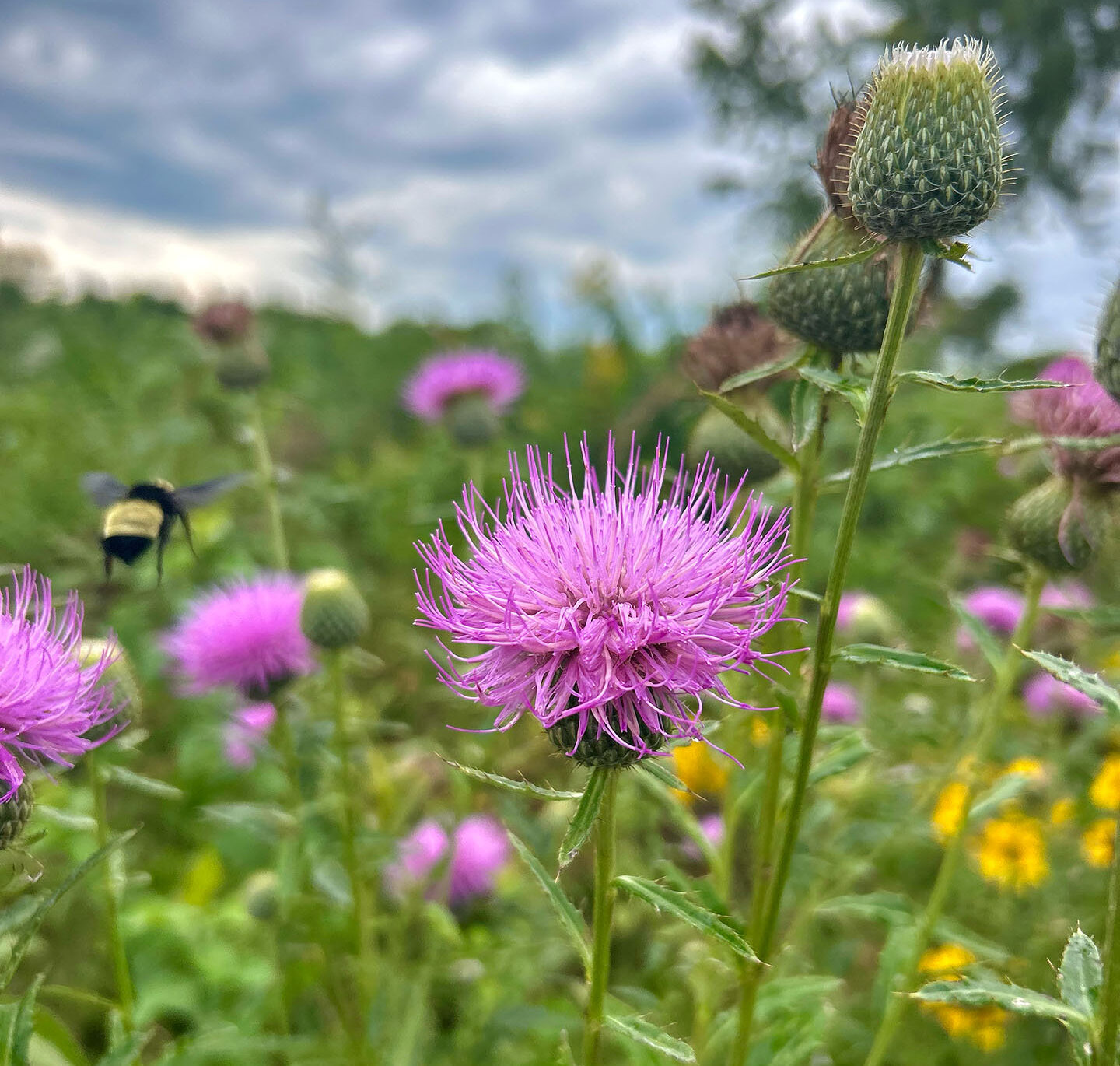
In Caring for Our Kin: Stories of Indigenous Environmental Stewardship, the College Fund shares the stories of Indigenous environmental leaders who are centering kinship and relational knowledge to build healthy ecological systems. These stories remind us that caring for the Earth means caring for one another—and that Indigenous knowledge systems continue to offer guidance, resilience, and hope for the future.
Learn more about our Environmental Stewardship Program.
Ekvnv Vcayecet. Mvto!
(Take care of the Earth/Land. Thank you)
More Blogs
We Support Finding Solutions for Modern Challenges
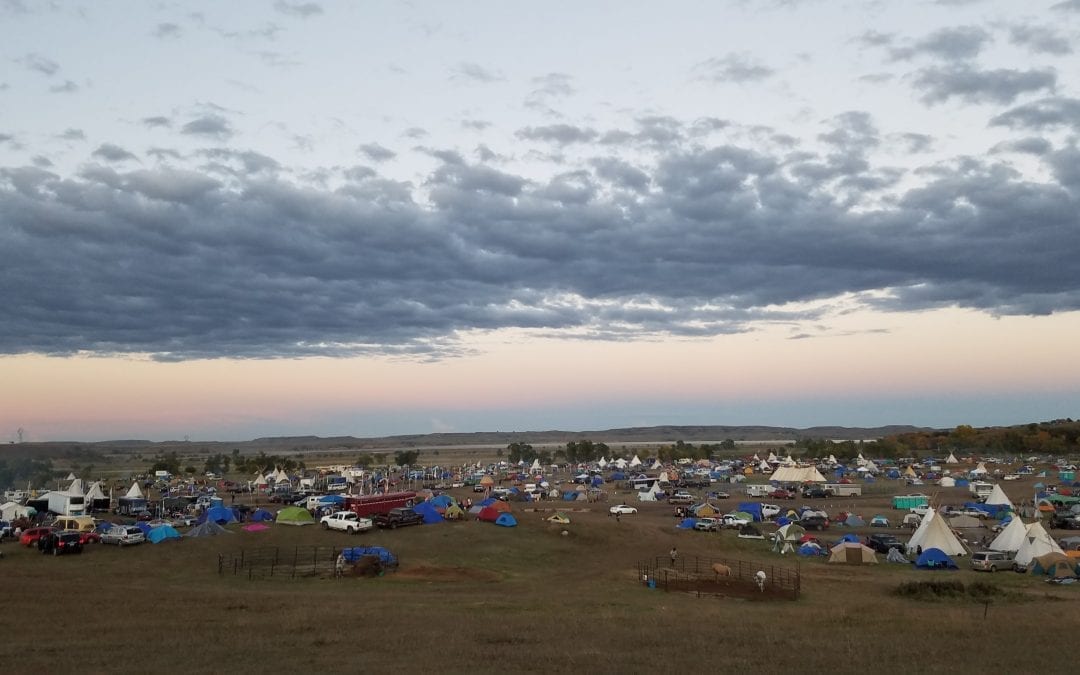
We at the American Indian College Fund stand with people concerned about the construction of the Dakota Access Pipeline in a peaceful way, based on our Native values of caring for the environment and each other. Our values are as relevant today as they were generations ago, based on the importance of the physical health of our citizens and the economic health of our nation. These are the values we incorporate in the education of our tribal college students.
Student Blogger: “Remin-icing or Reality?”
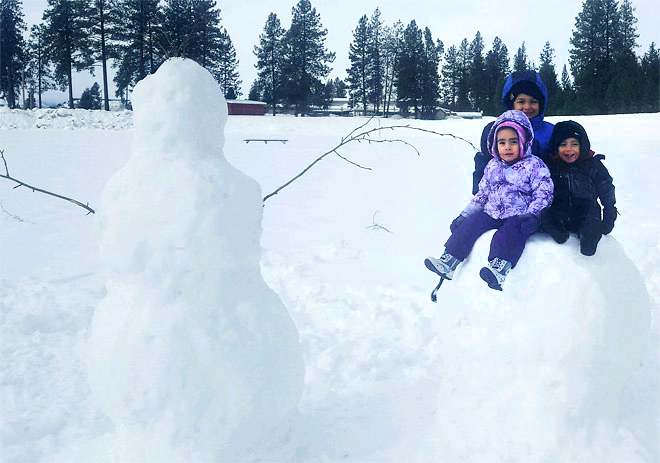
Author’s Note: This throwback tale is a testament of how things have changed and how they have stayed the same. Reminiscing reminds me to find humor every day. College life as a mom of twins doesn’t slow down, in fact it’s much like a tornado. So even when the twins, now in their terrible twos, hit hard, I am the foundation that this home is built on. Memories such as the story that follows provide reassurance.
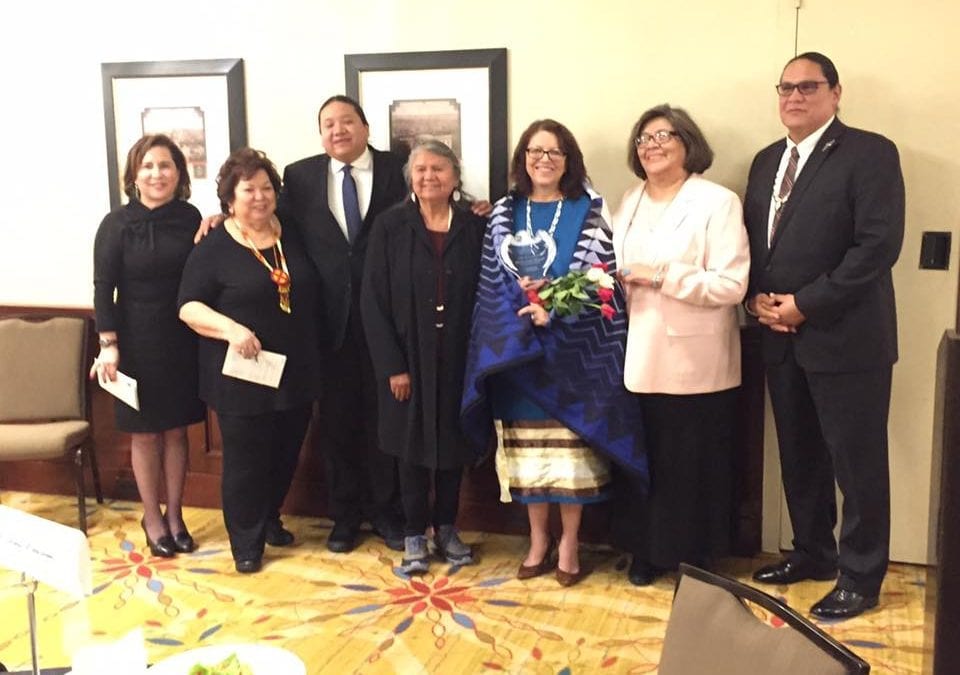
American Indian College Fund President Honored By National Indian Women’s “Supporting Each Other” Inc.
American Indian College Fund President and CEO Cheryl Crazy Bull (Sicangu Lakota) was one of two women American Indian leaders honored at the Capitol Hilton in Washington D.C. by the National Indian Women’s “Supporting Each Other” Inc. honoring lunch.
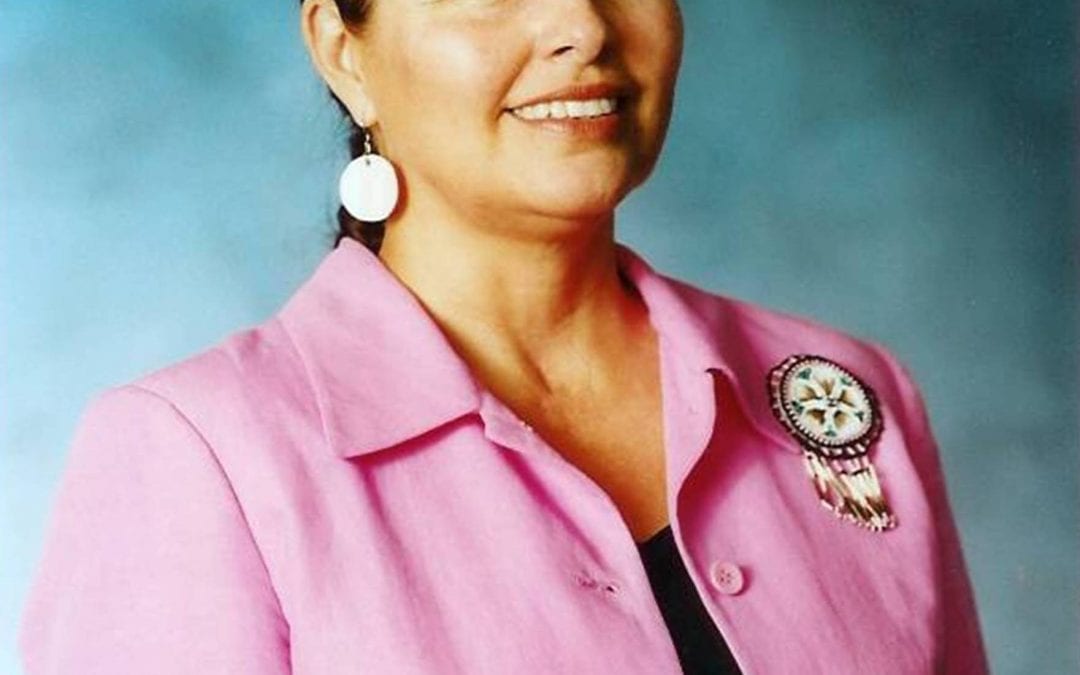
Book About Overcoming Racism in Community Colleges Features Work By Tribal College President Dr. Cynthia Lindquist
Dr. Cynthia Lindquist, Ta’Sunka Wicahipi Win (Star Horse Woman), President of Cankdeska Cikana Community College on the Spirit Lake Reservation in North Dakota, is a contributing author to a book titled Overcoming Educational Racism in the Community College: Creating Pathways to Success for Minority and Impoverished Student Populations, edited by Angela Long and published by Stylus Publishing LLC, 2016.
Line Drawn: Standing With Standing Rock
Deborah His Horse is Thunder has worked for the tribal colleges and universities for more than 25 years and currently serves as the American Indian Higher Education Consortium NARCH Project Director in addition to her work with individual colleges. She is Nakoda and lives on the Standing Rock Indian Reservation with her husband, Ron.
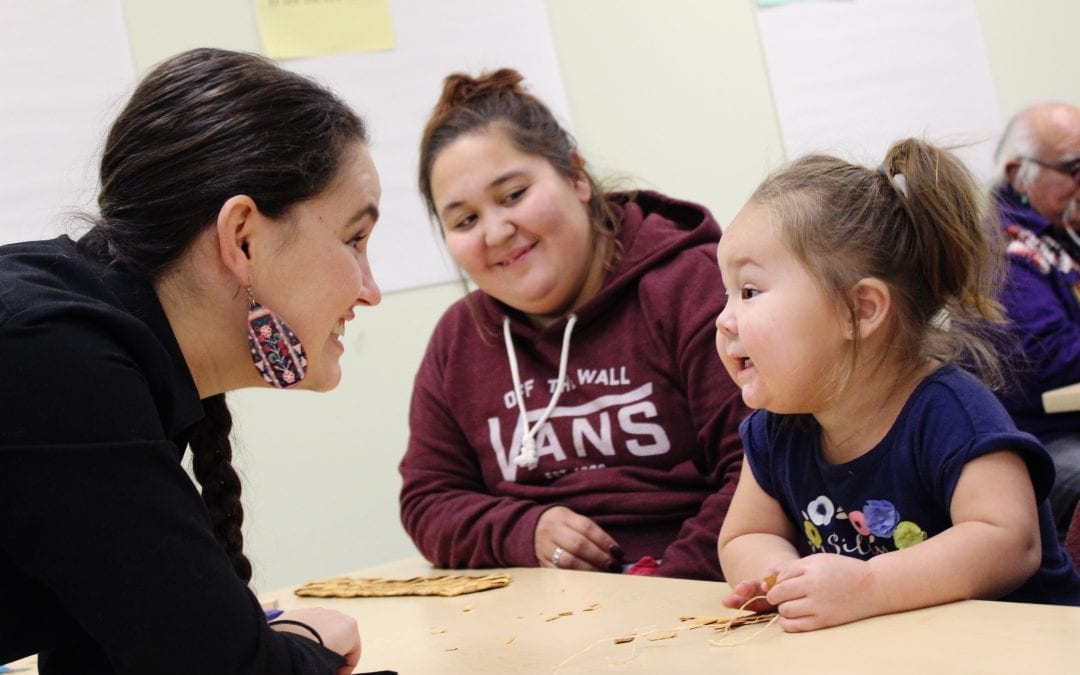
NWIC Restorative Teachings Holiday Cedar Weaving and Storytelling Event
On a blustery and bitterly cold December night Northwest Indian College (NWIC) Early Learning Center (ELC) welcomed families and community members to celebrate traditional plants and foods of the Coast Salish culture. In spite of the winter’s chill, the event was an amazing success, with nine enrolled ELC families and eight families from the Lummi community represented.
Sunny’s Campus Visit Reinforces Commitment to Continuing Studies
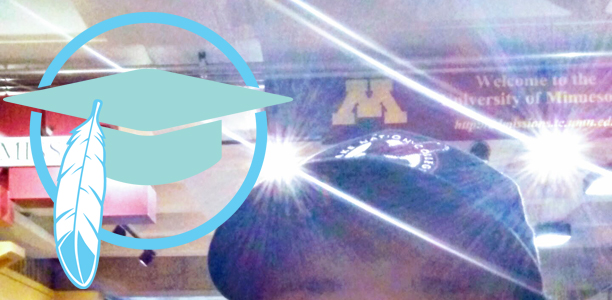
Sunny is a student at Leech Lake Tribal College in Red Lake, Minnesota. Through the help of the American Indian College Fund’s Native Pathways to College Transfer Program, she was able to travel to the University of Minnesota in Minneapolis, Minnesota for a campus visit.
College Fund Expert Lends Voice to Cell Phone Debate for Young Children
Tarajean Yazzie-Mintz, Co-Director of the American Indian College Fund’s Office of Research and Sponsored Programs and Senior Program Officer of Tribal College and University Early Childhood Education Initiatives, shared that cell phones are no longer merely communications devices, but are tools to access and exchange multiple sources of information. Parents must consider these factors while strategically monitoring and guiding children’s use of these tools.
President Obama Appoints Early Childhood Expert to Board of Directors of the National Board for Education Sciences
President Barack Obama announced his intent to appoint Tarajean Yazzie-Mintz of the Denver-headquartered American Indian College Fund to a key Administrative post on the Board of Directors of the National Board for Education Sciences.