
Planting the Seeds of Cultural Sustainability
April 22, 2026 | Student Ambassador Aiyanna Tanyan’s (Seminole Nation of Oklahoma) work to reclaim food sovereignty
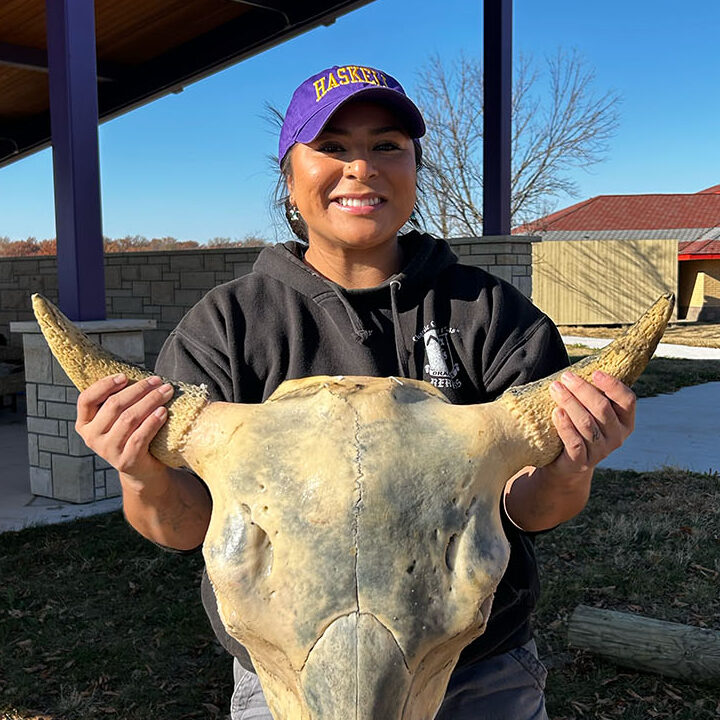
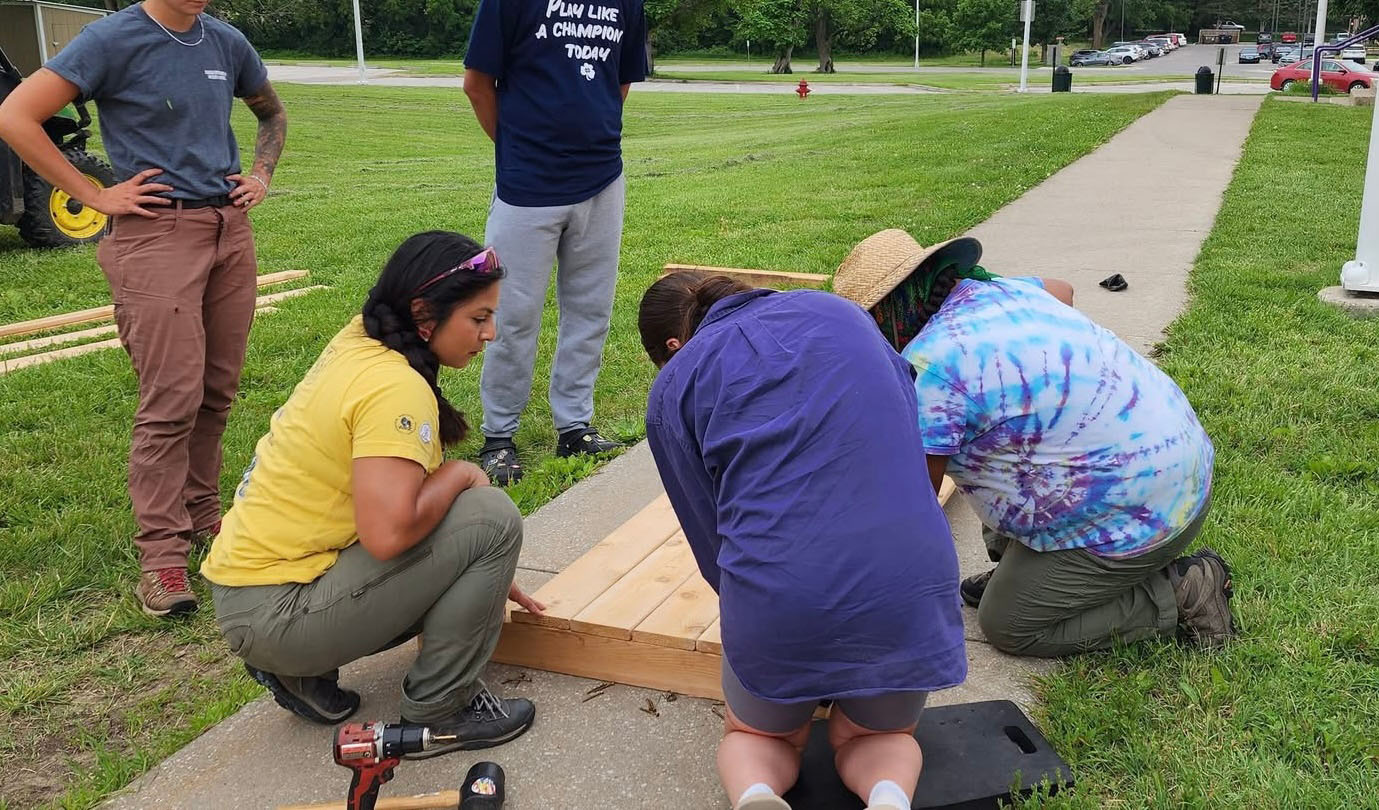
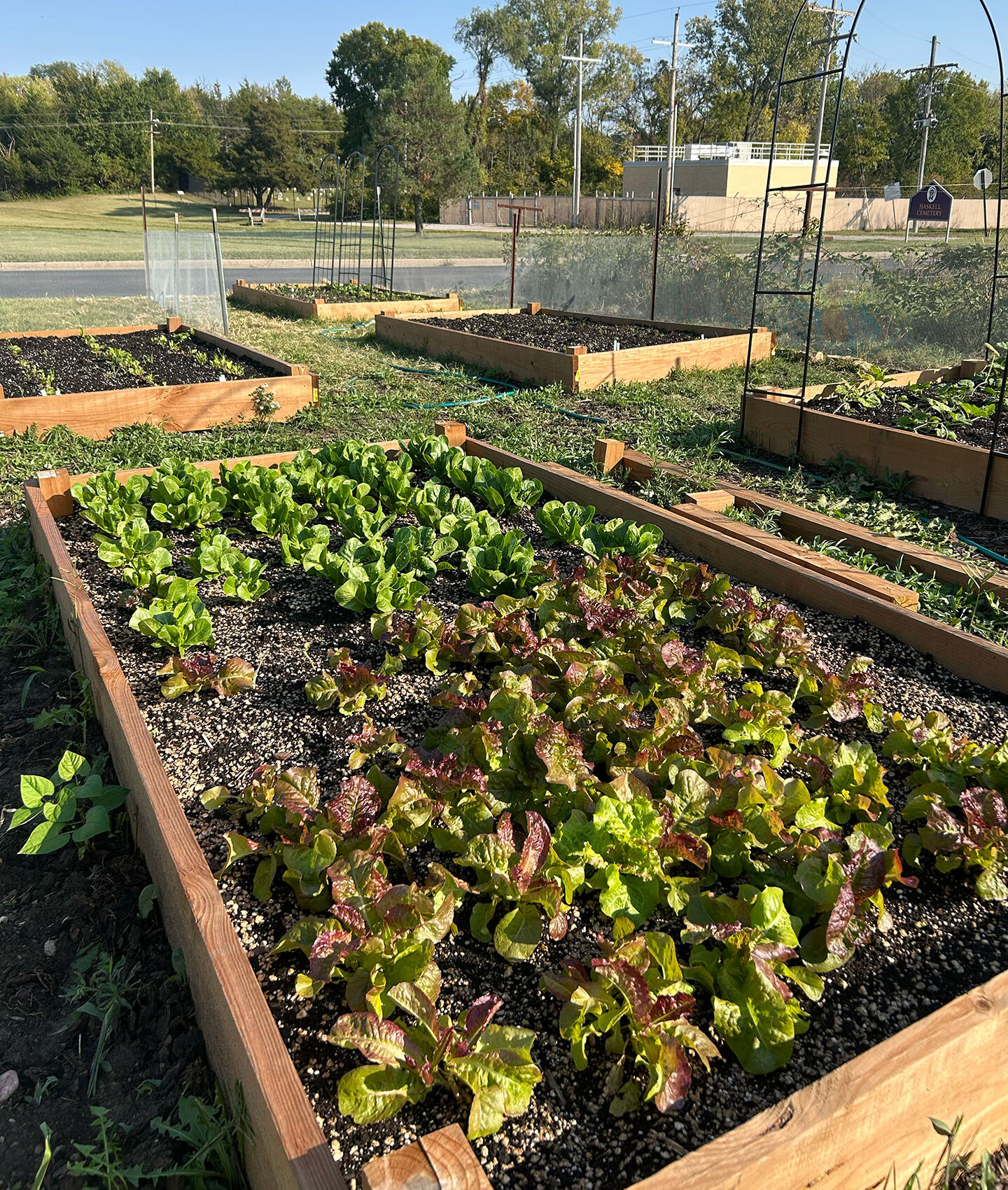
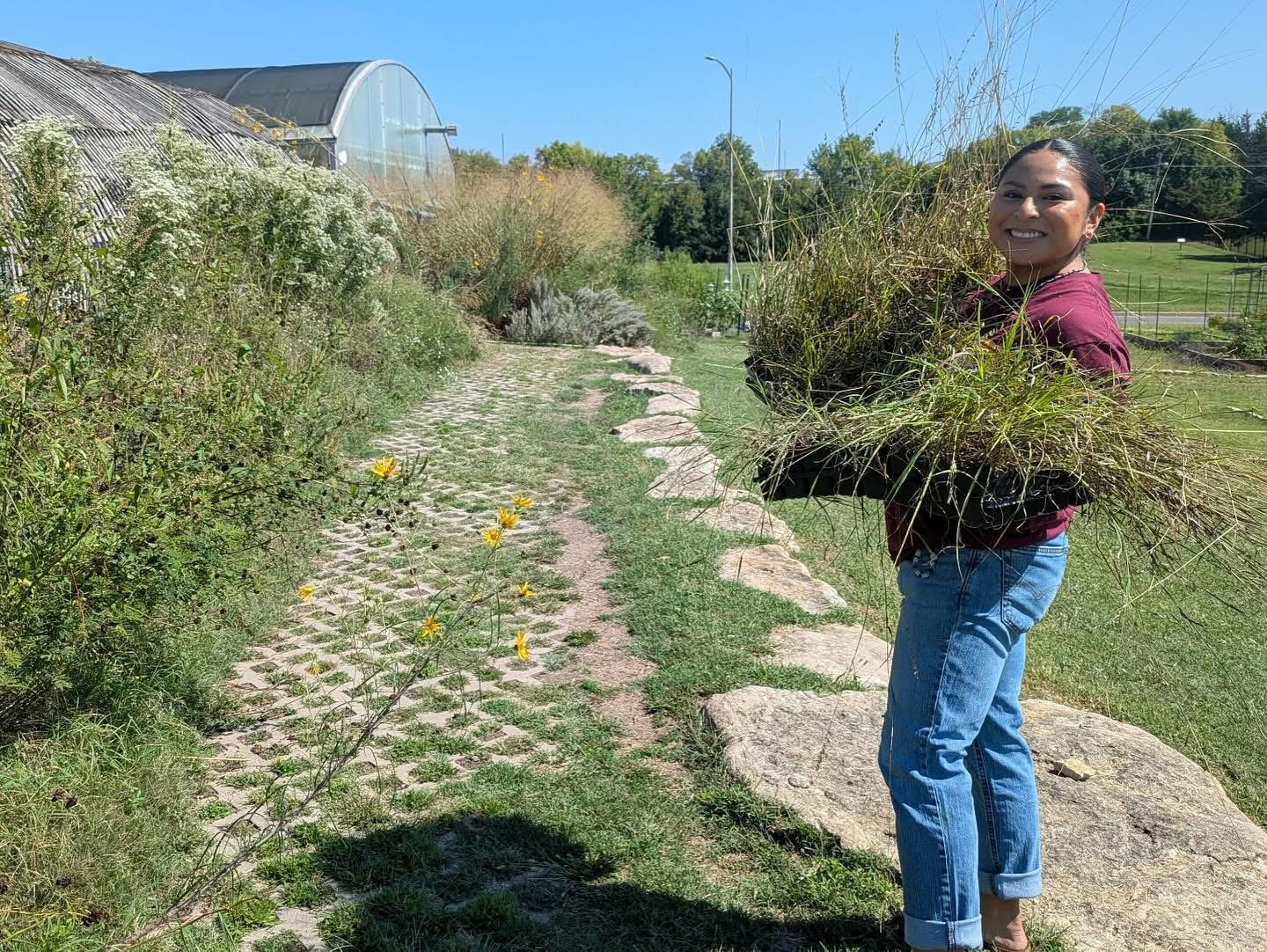
We came up with the idea of building raised garden beds near the dorms so students can easily access fresh foods and learn how to grow them themselves. Through support from the Haskell Greenhouse (funded through the USDA Equity Grant), we started building.
Last year was our first year doing this project and it was a learning experience as with many community-based projects, it comes with trial and error. However, that process taught us a lot about what works, what doesn’t, and how to build something more sustainable moving forward. This year, we’re continuing this work with stronger systems, more involvement, and a clearer vision.
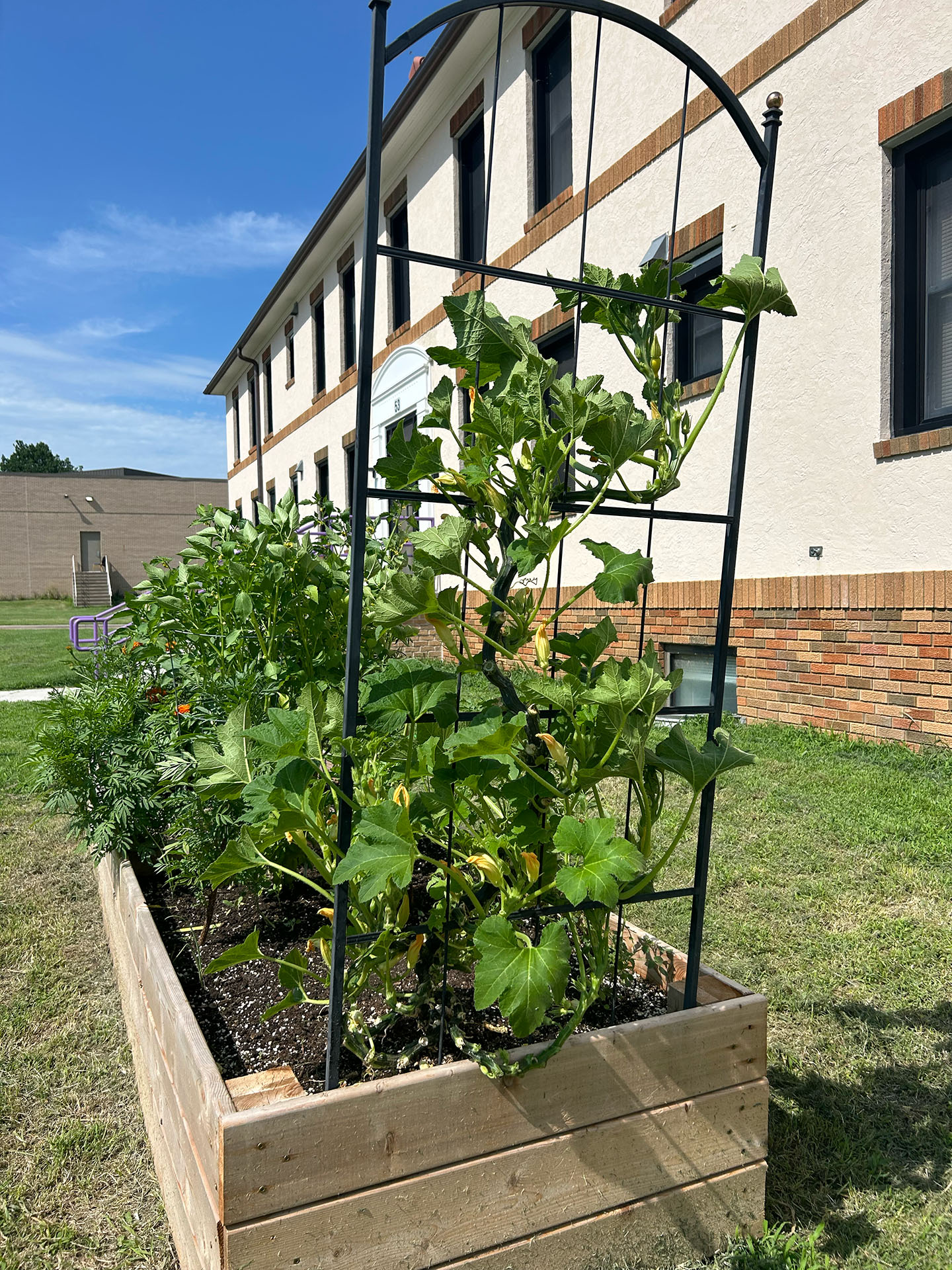
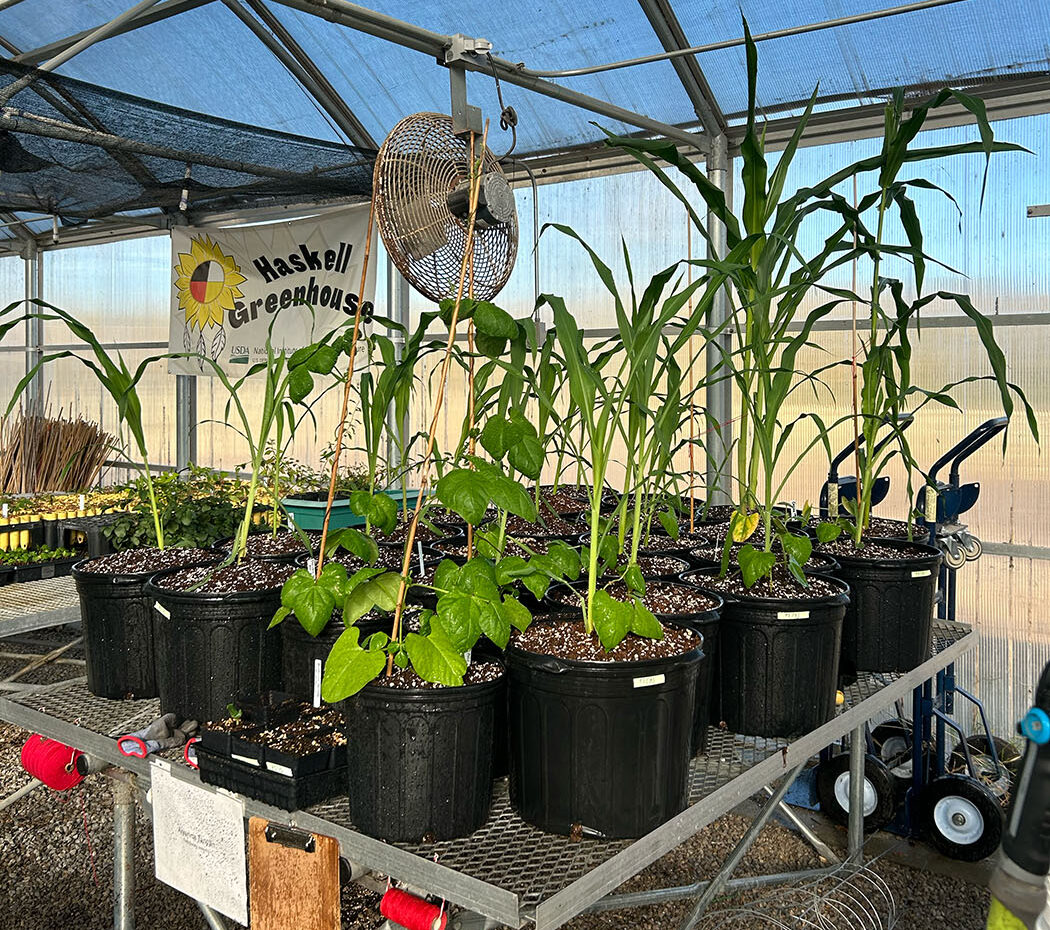
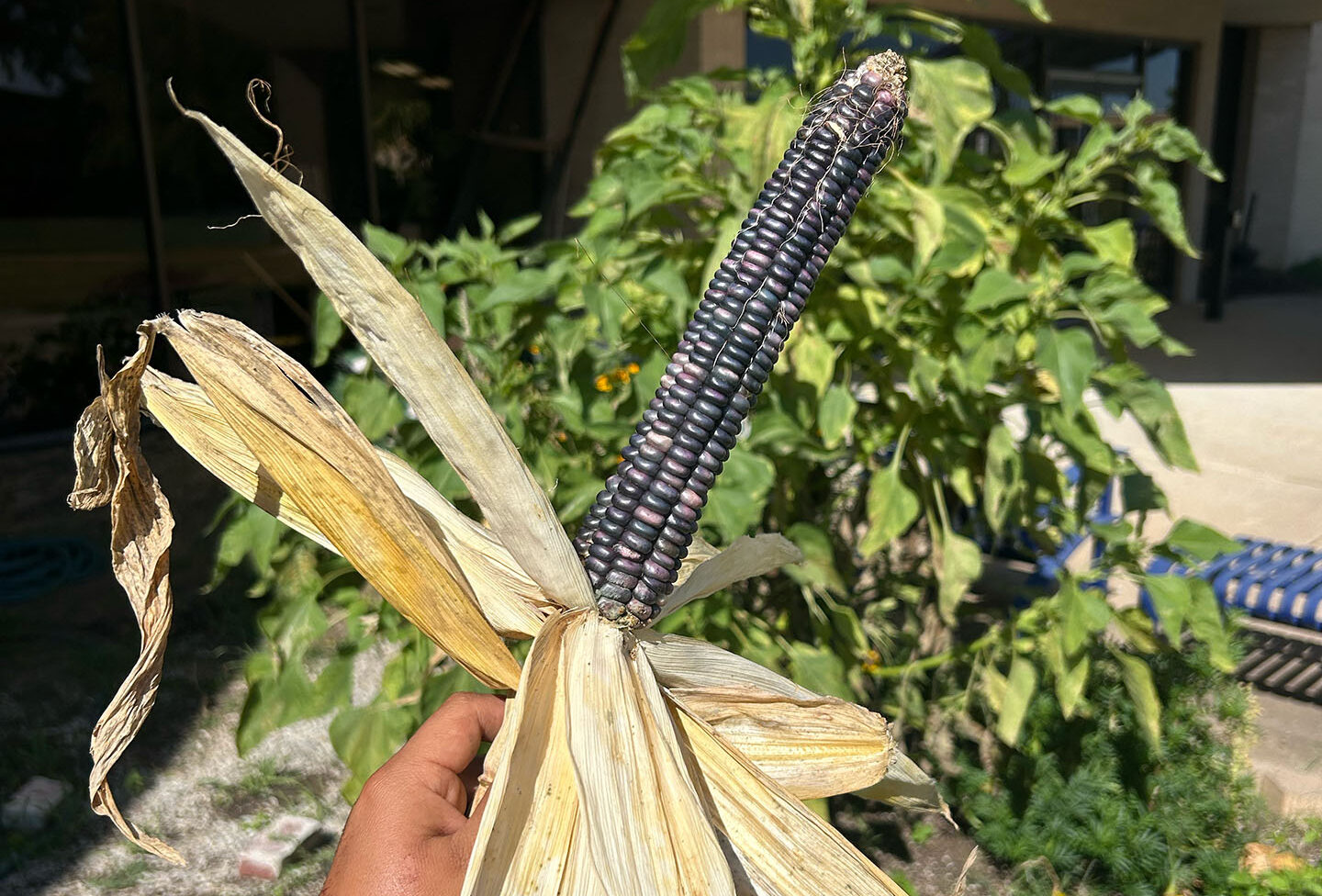
Everyone at the Haskell Greenhouse wants to help others learn, value, and view these spaces as places of teaching. I know they have taught me so much about responsibility and our relationship with the environment. Through these projects, we’re helping students reconnect with the land and understand the importance of food sovereignty for Indigenous communities. This work is ongoing, and we’re still learning. Every seed planted, and every workday shared brings us one step closer to a more sustainable and connected future.
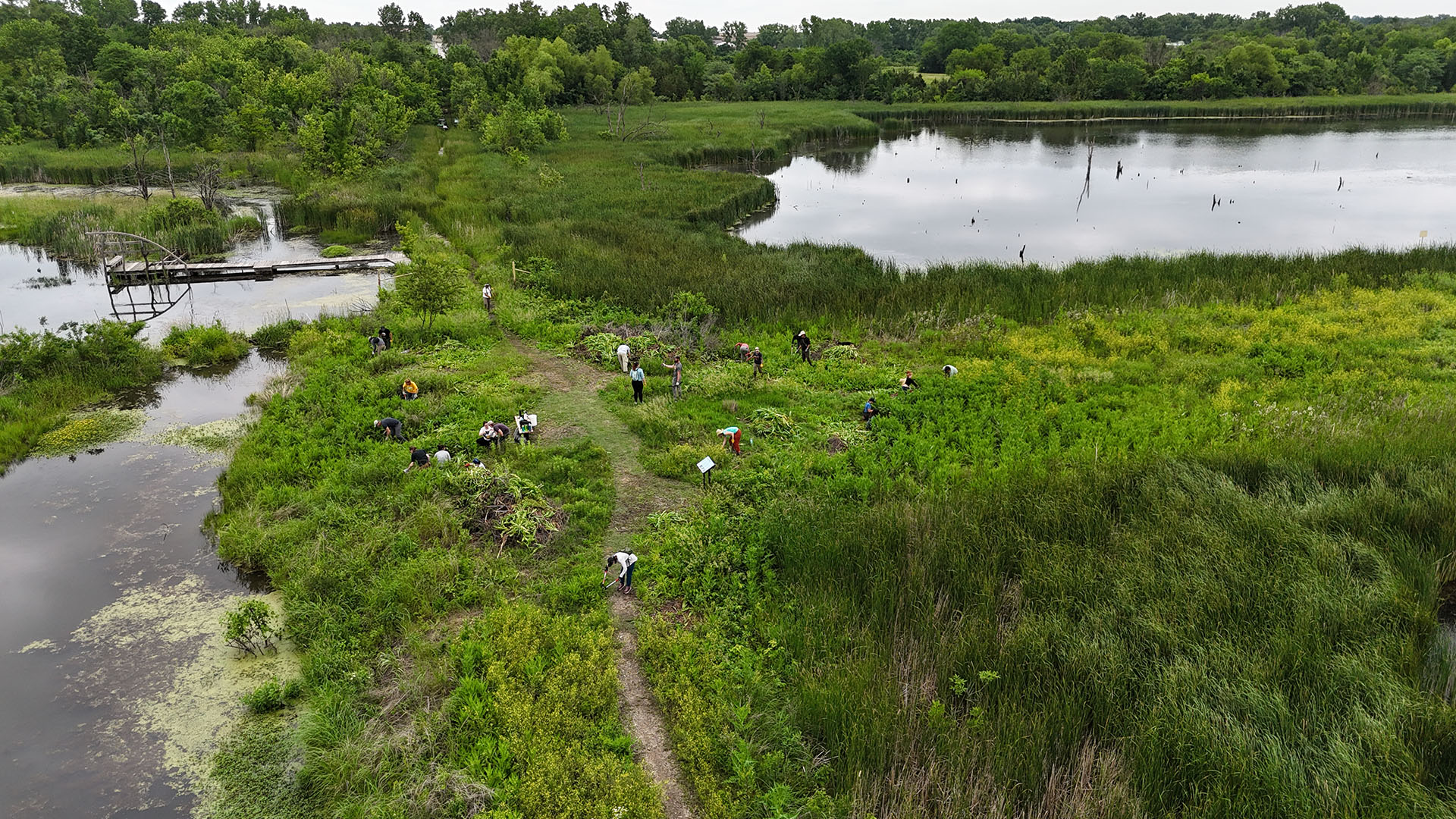
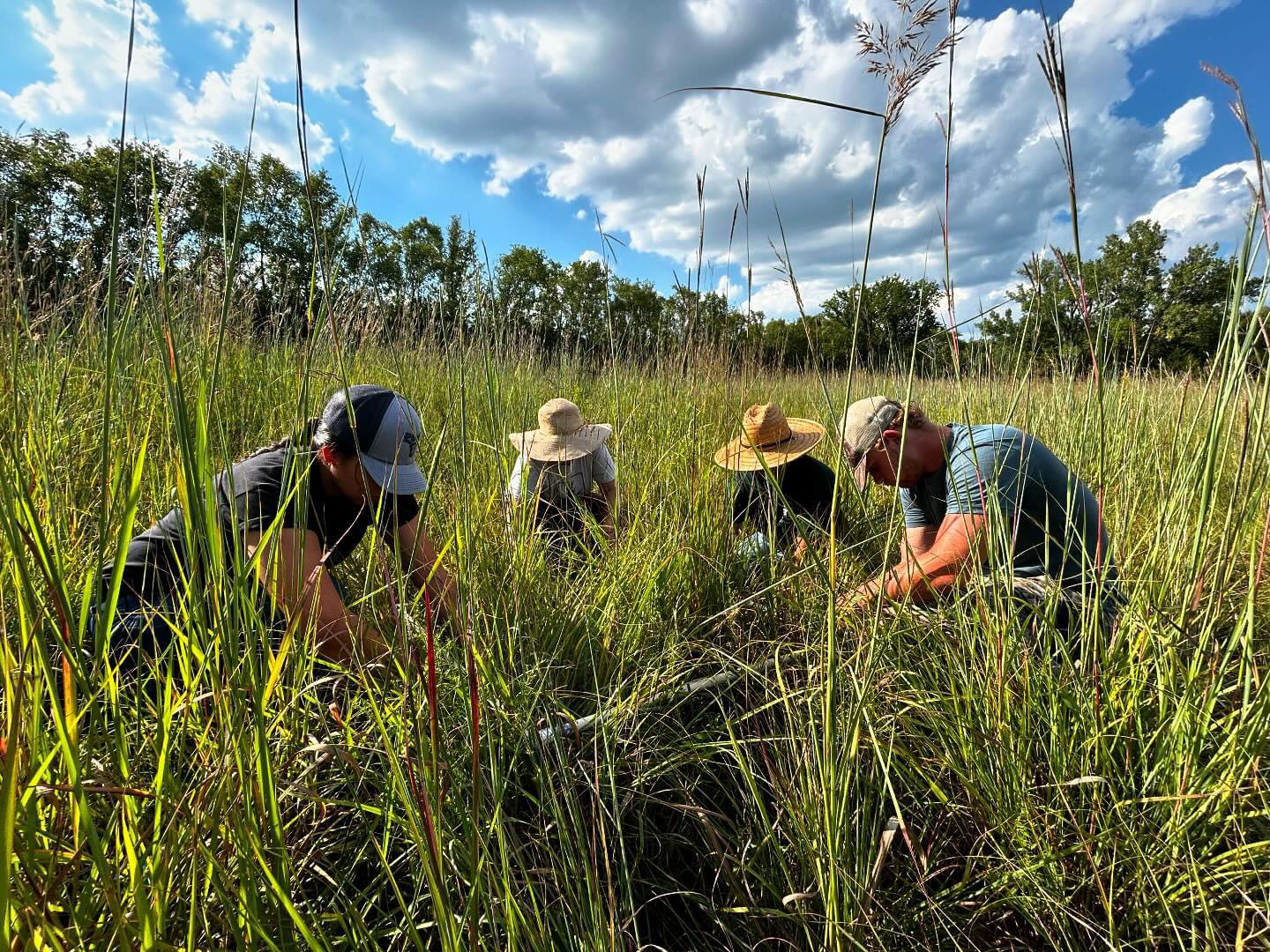
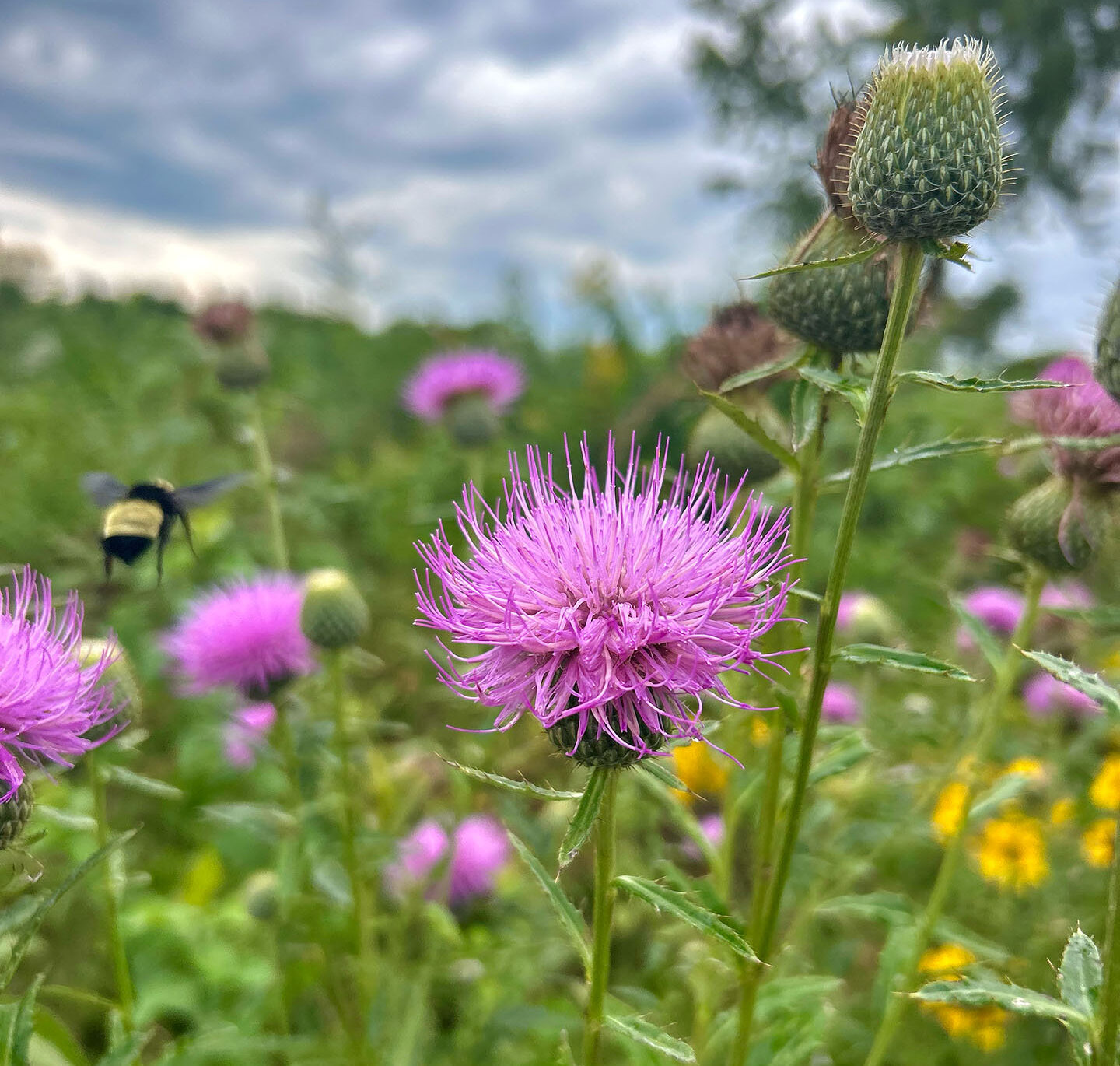
In Caring for Our Kin: Stories of Indigenous Environmental Stewardship, the College Fund shares the stories of Indigenous environmental leaders who are centering kinship and relational knowledge to build healthy ecological systems. These stories remind us that caring for the Earth means caring for one another—and that Indigenous knowledge systems continue to offer guidance, resilience, and hope for the future.
Learn more about our Environmental Stewardship Program.
Ekvnv Vcayecet. Mvto!
(Take care of the Earth/Land. Thank you)
More Blogs

Navigating College in Alaska
Our Native Pathways team embarked on a trip to Alaska to visit Ilisagvik College and Barrow High School. I thought my five hour plane trip to college every semester was a major journey. Barrow is situated on the northernmost part of the United States, in other words, the “top of the world.”
Tribal College Students Experiencing First National Party Convention
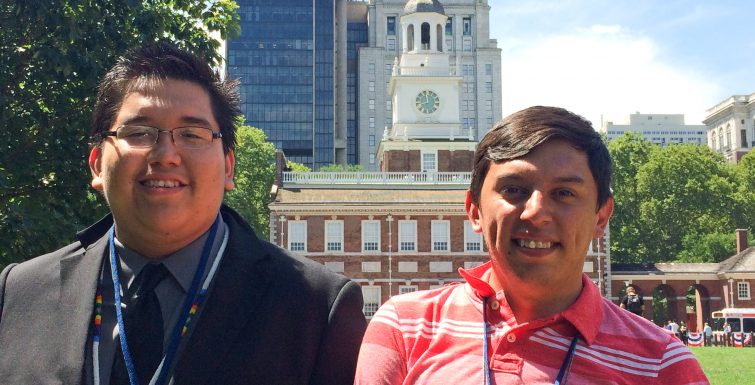
Tribal college students and Native Scholars Waycen and Brook are at the Democratic National Convention with our partner AT&T in Philadelphia. Among the tribal nations and delegates represented at the Democratic National Convention this week are some of our tribal college students and alumni.
College Fund Welcomes Three Summer Interns
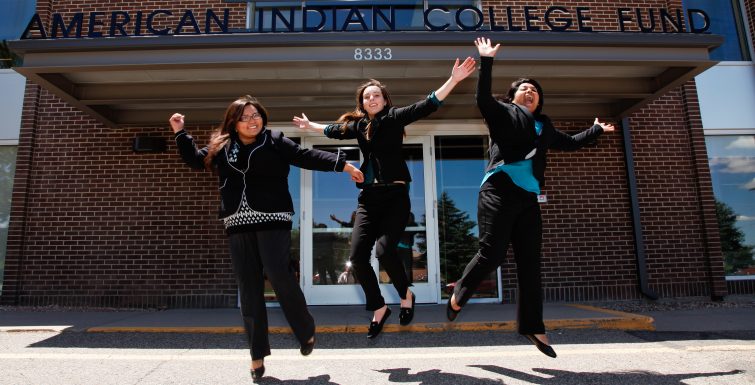
Internships, like scholarships, are an important piece of a student’s higher education process. Internships provide students with opportunities to improve their skills and confidence while allowing them to build relationships in their professional fields. Unfortunately, not all students have the opportunity to work as an intern.

Shakopee Mdewakanton Sioux Community Donates $50,000 to American Indian College Fund
I have relied heavily on scholarships to pay for my schooling and thanks to the American Indian College Fund I was able to attend the University of Montana and acquire my Bachelor’s degree without student loans. I now know what it takes to pursue and acquire a post-secondary education and this has given me motivation to go for my Masters of Public Health from the University of Montana
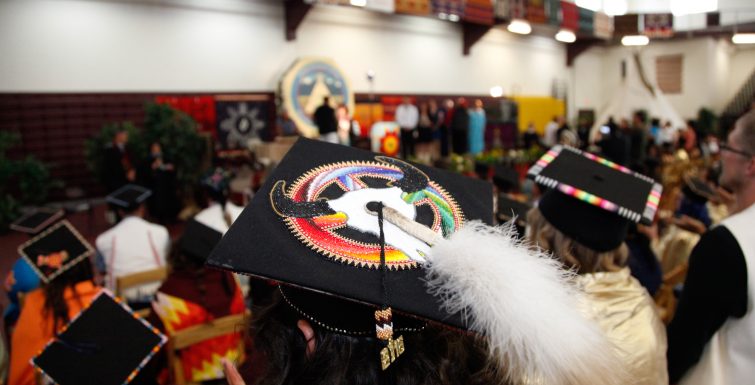
Traditions for Native Grads more than Feathers, Moccasins and Regalia
Last week the 2016 graduating class at Salish Kootenai College (SKC) celebrated its graduation. Located on the Flathead Indian Reservation in Montana, SKC has served the Flathead Valley since 1978. This year the school awarded baccalaureate degrees in the arts and sciences; associate degrees in the arts and sciences and associates of applied sciences; and and certificates to 127 graduates.
Education is Social Justice
Malcolm Macleod, President of the Johnson Scholarship Foundation, writes in the blog Giving Matters that the foundation stands with the American Indian College Fund to make scholarships a tool for social justice in achieving equity for Native peoples, mainly for education.
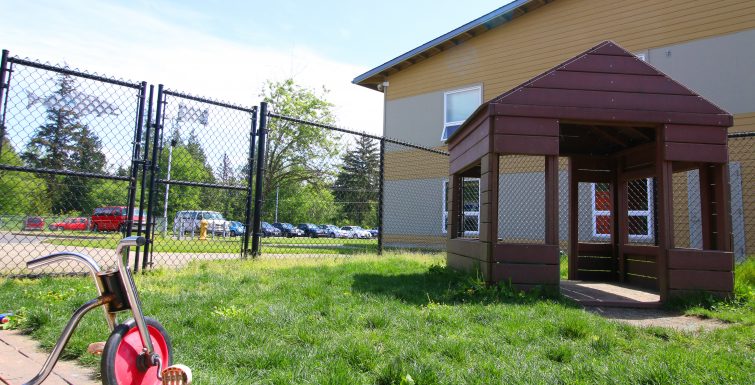
Northwest Indian College Restorative Teachings ECE Initiative, May 2016
Spring is in full bloom here at the Northwest Indian College (NWIC) Early Leaning Center, and the College Fund’s Restorative Teachings Early Childhood Education (ECE) Initiative is beginning to take shape. We are fortunate to live in a part of the country where the seasonal changes are so dramatic and each transition brings such a feeling of change to our surroundings.
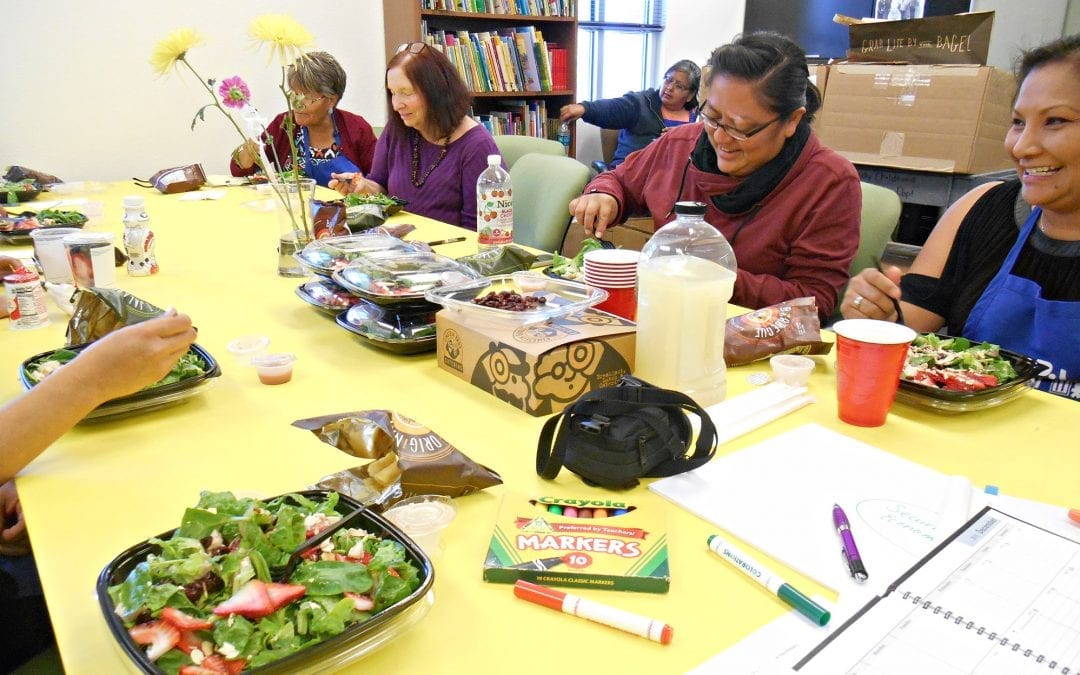
SIPI Launches Restorative Teachings Initiative
The Southwestern Indian Polytechnic Institute’s (SIPI) Early Childhood program, together with the Youth Development Incorporated (YDI) happily launched their Restorative Teachings initiative on April 26, 2016. SIPI’s initiative seeks to develop a campus wide community that is inclusive of SIPI staff, faculty, students and the YDI Head Start. The collaborative initiative will focus on providing educational opportunities that support knowledge in the areas of health/ wellness and economic security.
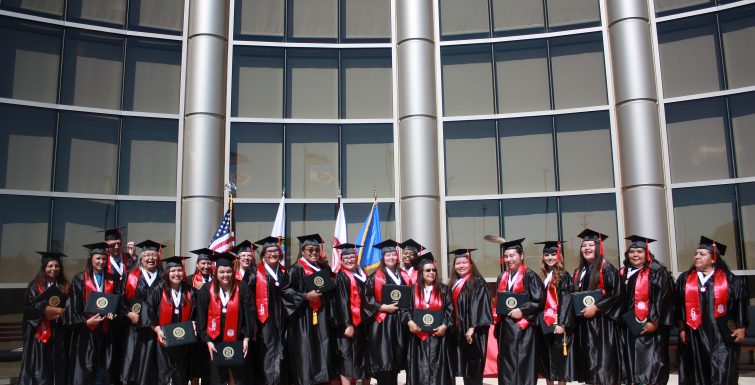
Social Justice Through Education a Shared Sentiment for Empowering Nations
I was inspired to see Hilary Pennington’s article, “Rethinking scholarships as social justice” in the Ford Foundation’s Equals Change blog. Her article examines the approach in action through the implementation of the Ford Foundation’s International Fellowships Program, which spans 22 countries and a decade to support emerging leaders who face discrimination because of their gender, race, ethnicity, religion, economic status, or physical ability. Her essay opens the door to discussing and examining further why scholarships are particularly important to indigenous people as tools of social justice and opportunity.
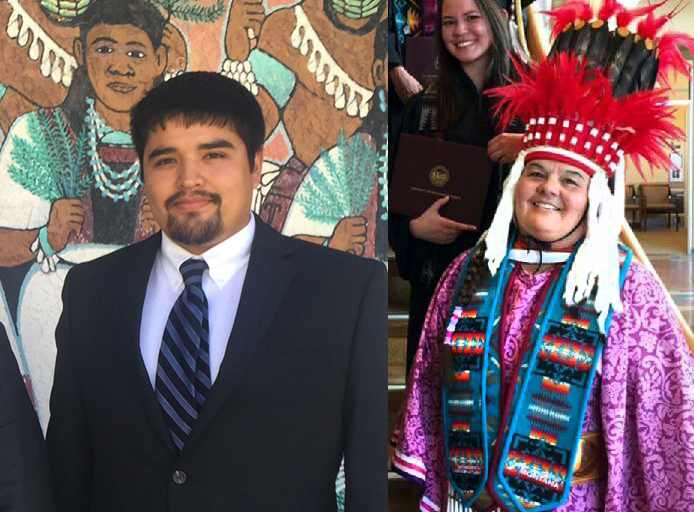
Congratulations to Our Graduates!
We salute all of our graduates who are embarking on new chapters in their lives with a college degree. Len Necefer, a College Fund alumnus, is just one of many recent graduates. The new Dr. Necefer successfully defended his dissertation, is an expert on energy policy, and now has a Ph.D. from Carnegie Mellon University’s Department of Engineering and Public Policy.