
Institutions
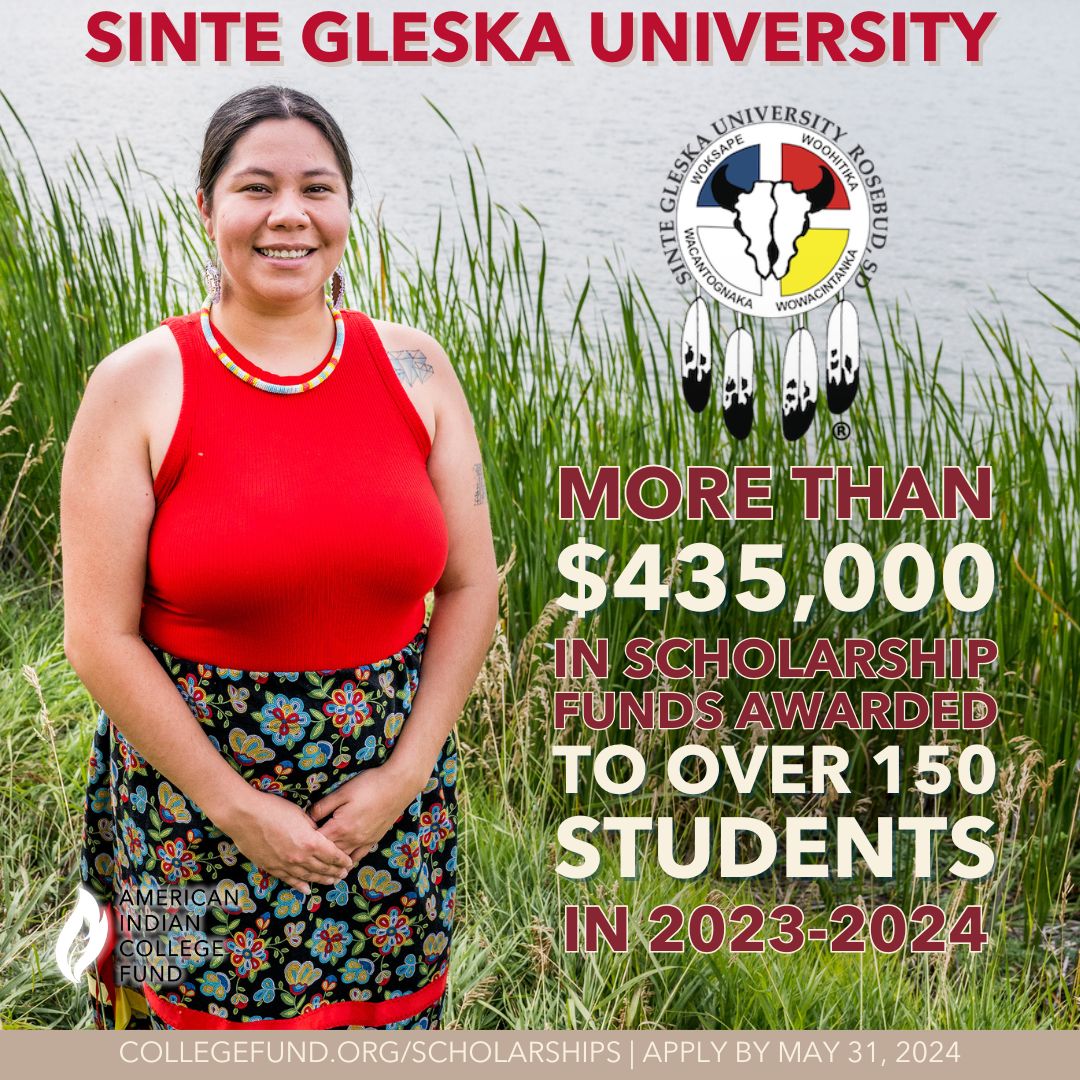
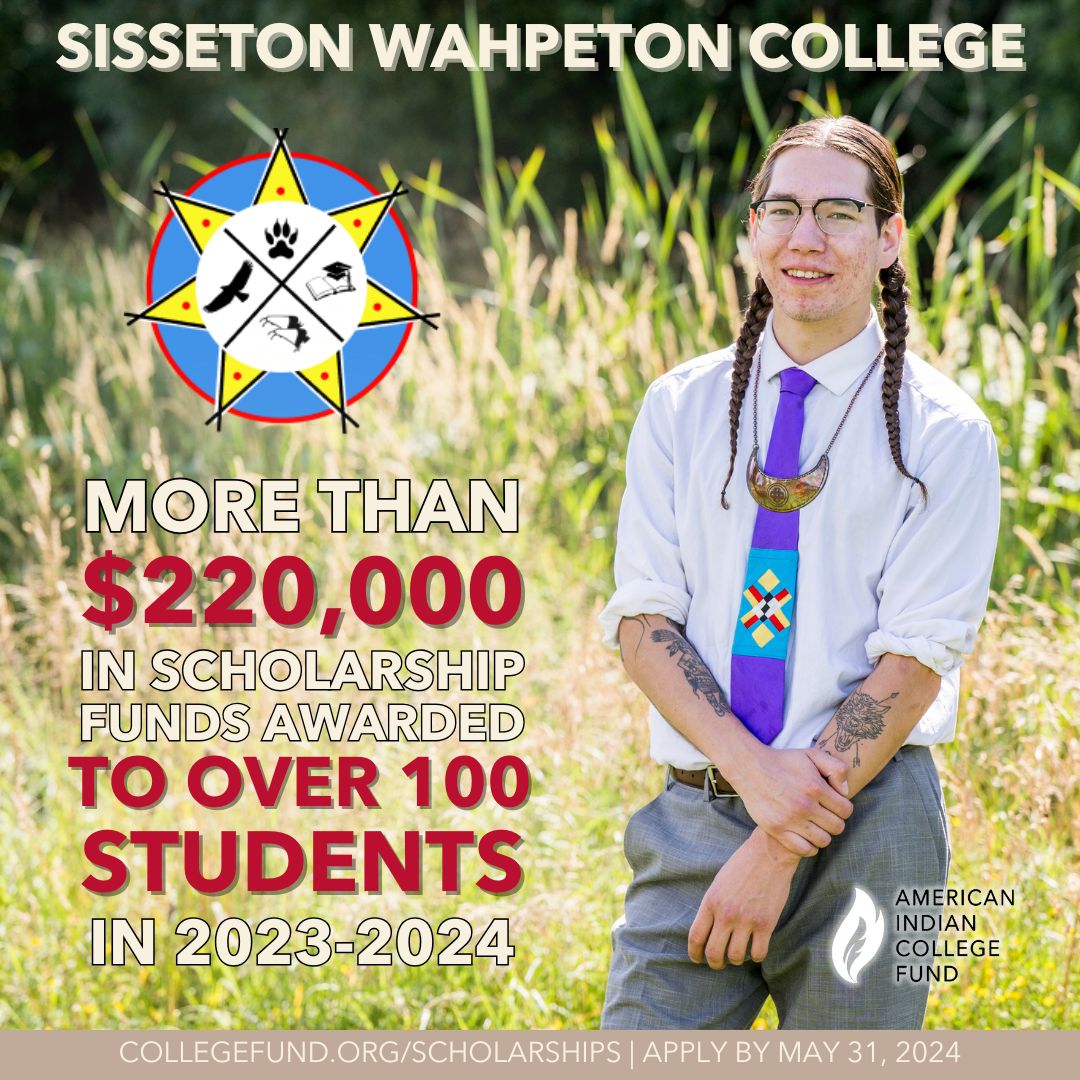
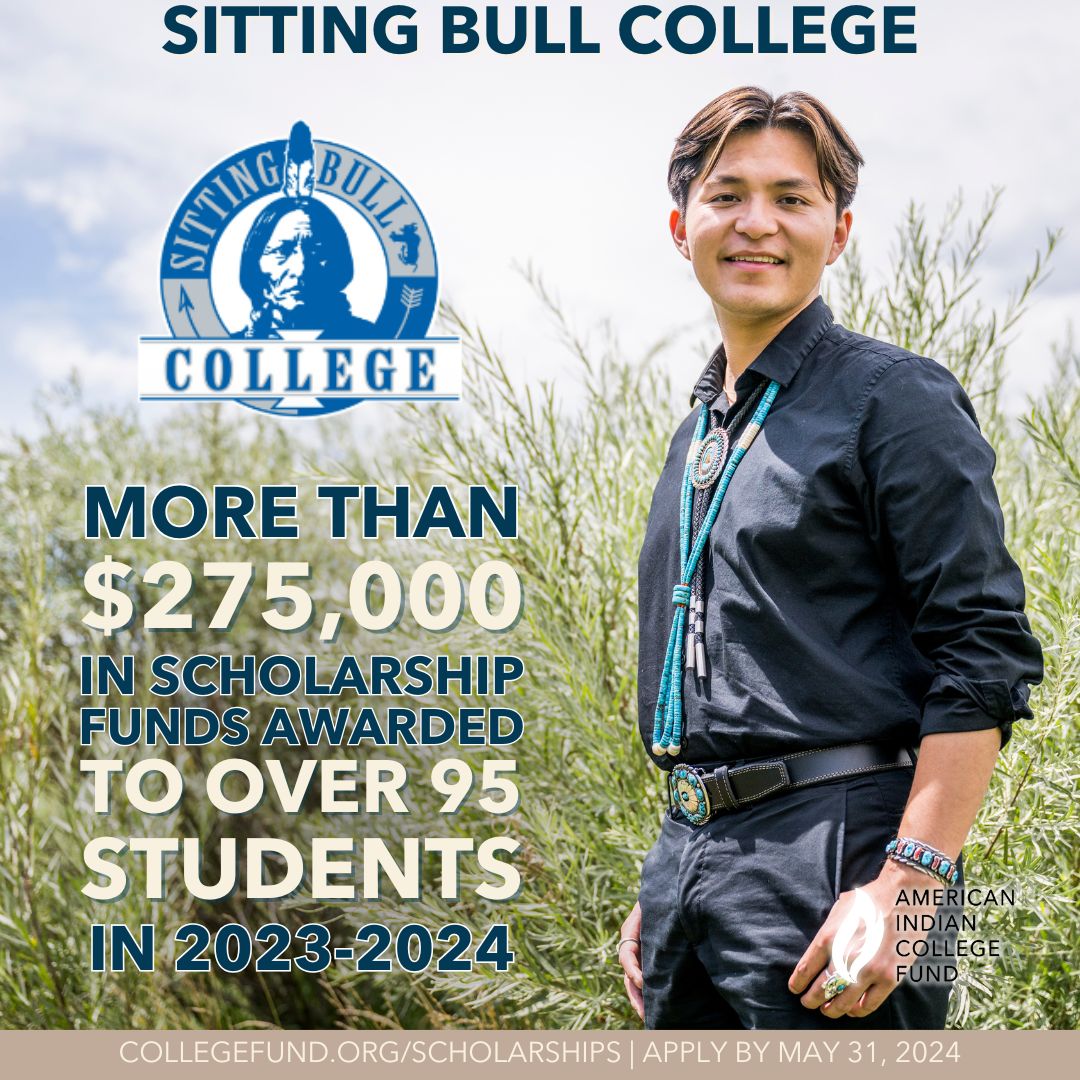
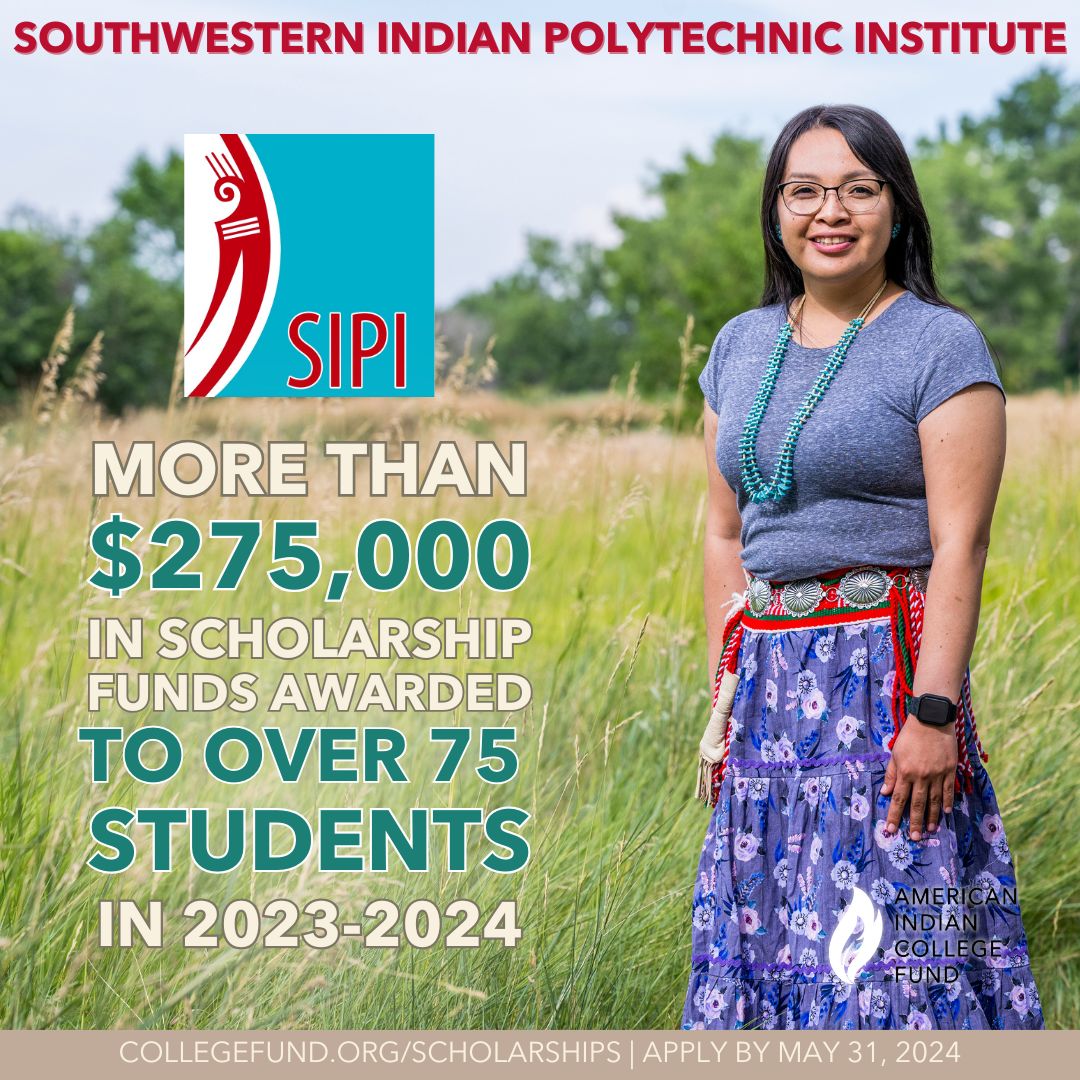
The College Fund supports Tribal Colleges and Universities (TCUs) in their efforts to strengthen students, emergent leadership, education, language and culture, health and wellness, the environment, and so much more, all moving our mission of transforming Native lives and communities.
Our work in partnership with TCUs focuses on supporting our relatives from cradle to career and beyond. This institutional capacity-building work consists of supporting TCU grantee partners in co-visioning programming, technical support, professional development, research and networking opportunities, and program elements that directly support students’ and communities’ needs.

Cultivating Native Student Success
Cultivating Native Student Success provides tribal colleges and universities the opportunity to examine their current enrollment management approaches and design long-term strategies that include holistic, place-based, and collaborative student supports to promote transformative and systemic change that impacts Native student success.
2026 Cultivating Native Student Success Convening
The American Indian College Fund and AIHEC are excited to host an opportunity to learn, network, and advance TCU Native Student Success.
Native higher education experts, organization partners, and TCU staff will come together to engage in discussions, workshops and breakout sessions about the Native student journey, strategic enrollment management, data storytelling, and the constantly evolving landscape of higher education.

TCU Programs
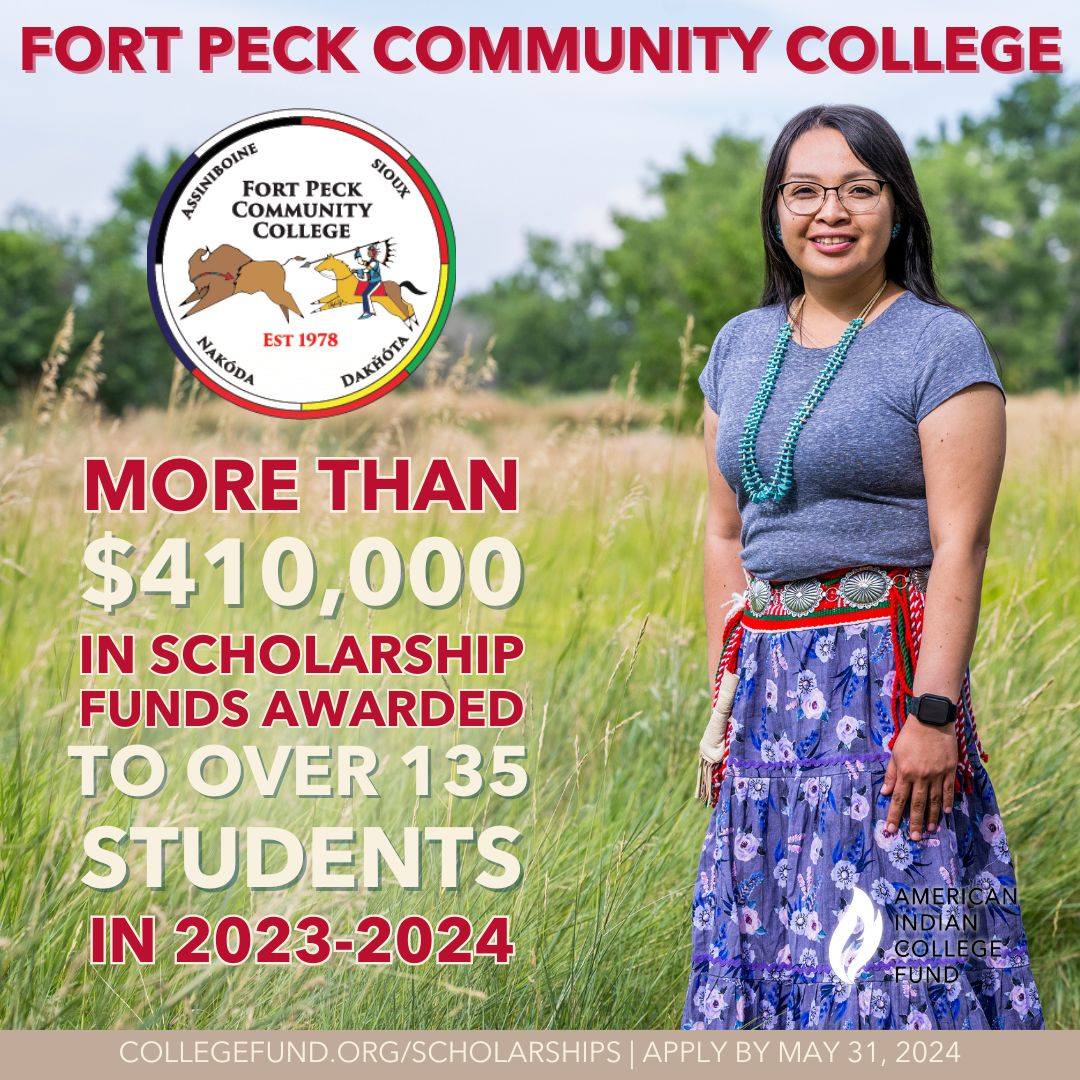
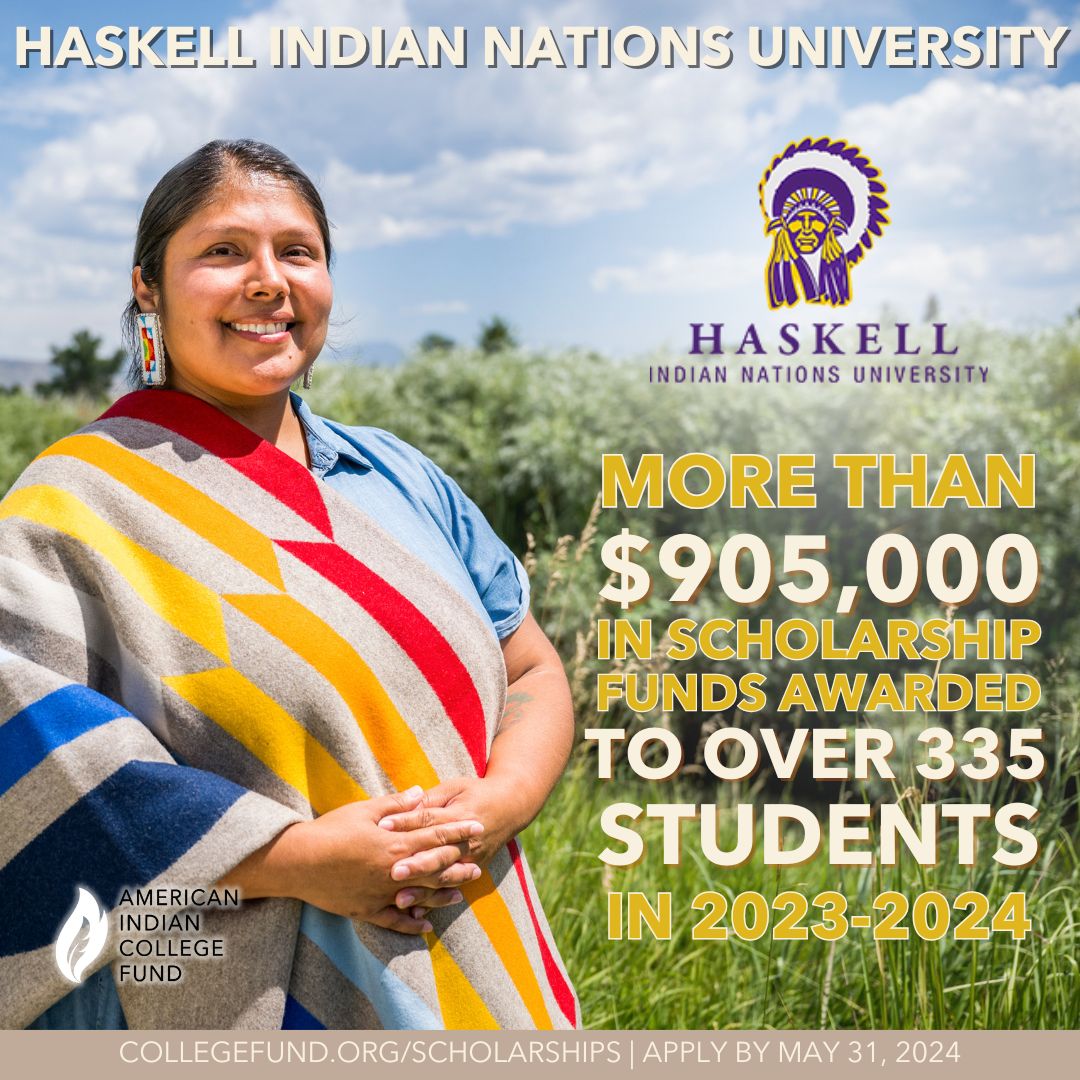
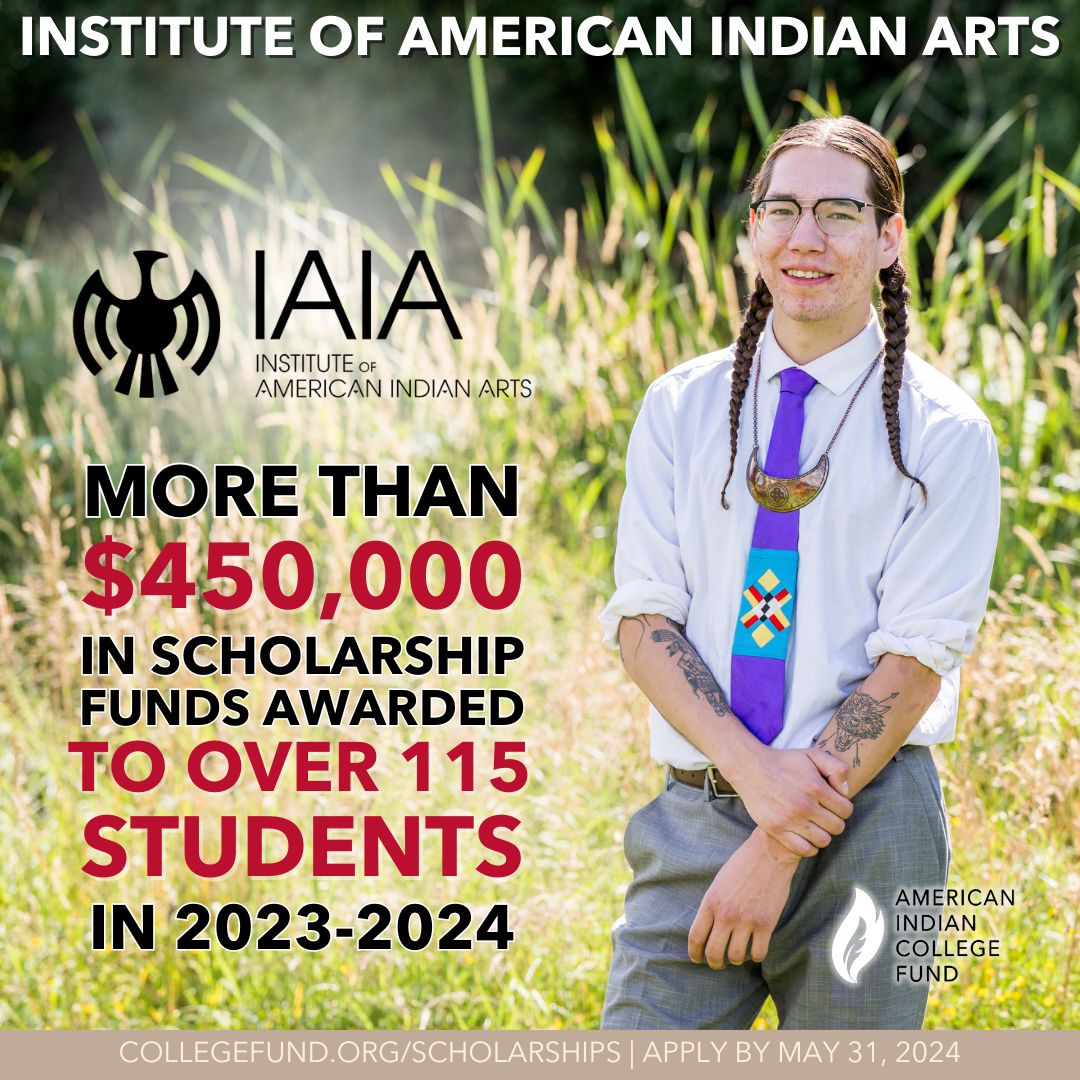
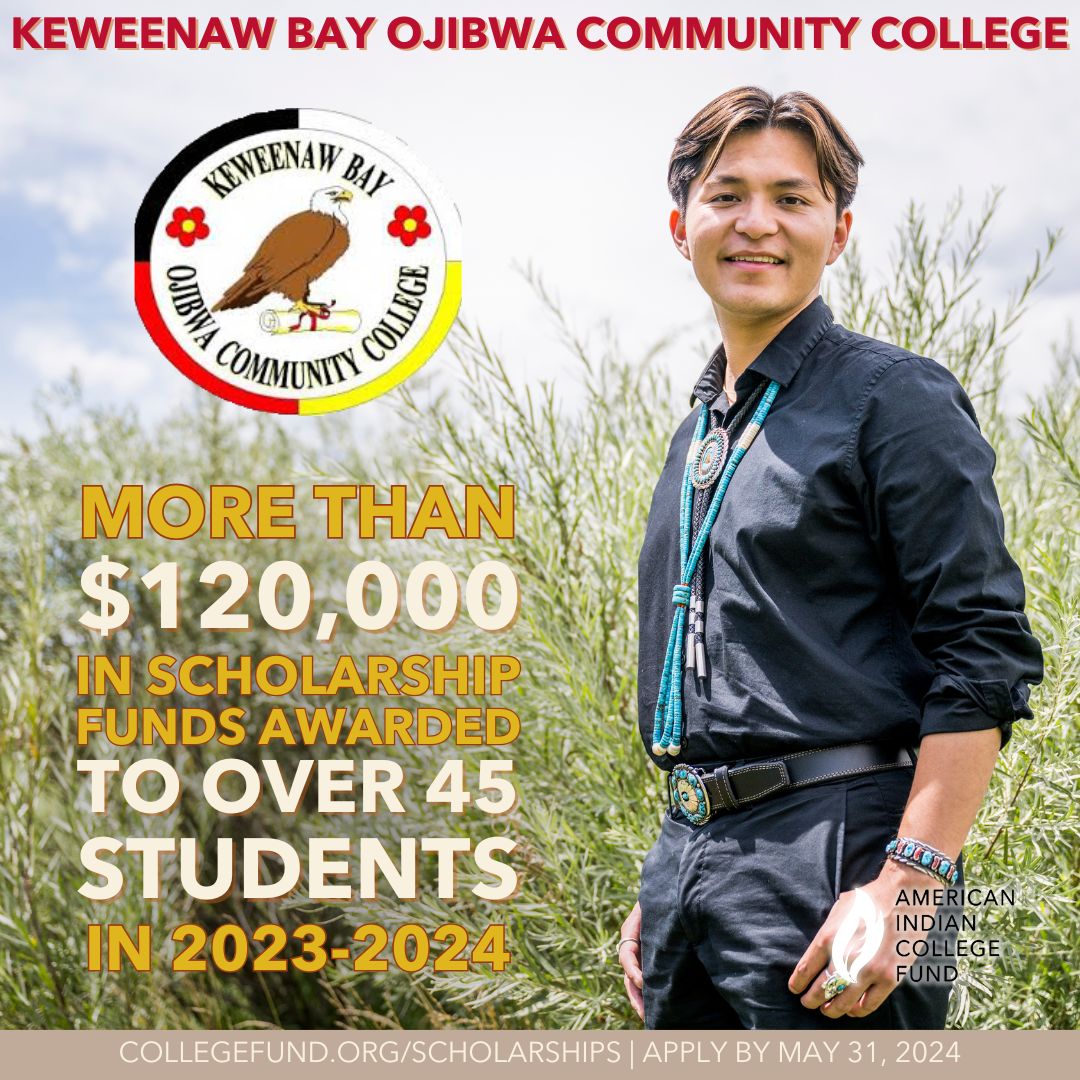
Our Programs, in partnership with TCUs, strengthen degree programs, support faculty and staff, prioritize students, and engage tribal nation communities across several program areas of targeted impact: Native Arts, Environmental Stewardship, Computer Science, Indigenous Early Childhood Education, Native Teacher Education, Adult Education, Women’s Leadership, Native Student Veterans, and more.
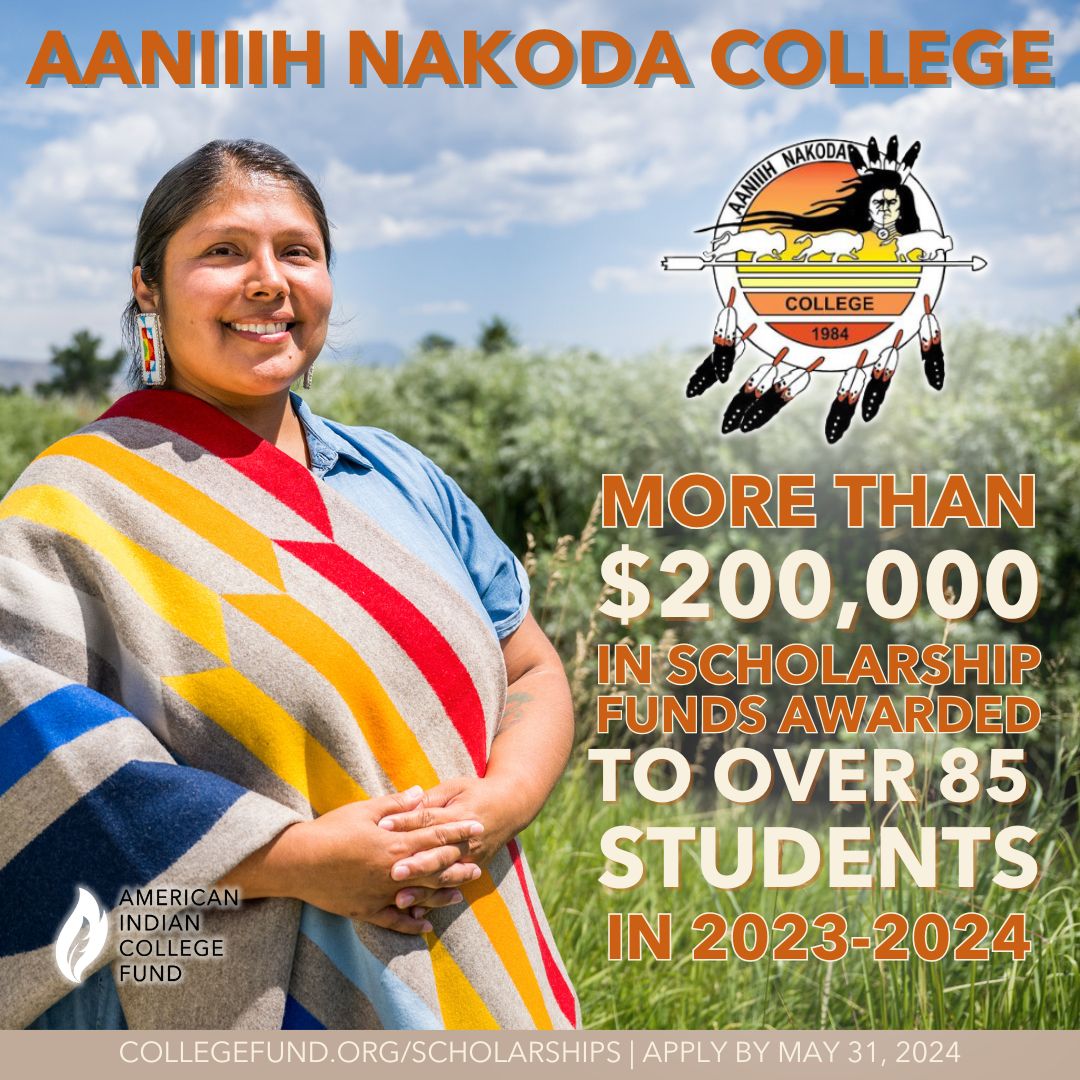
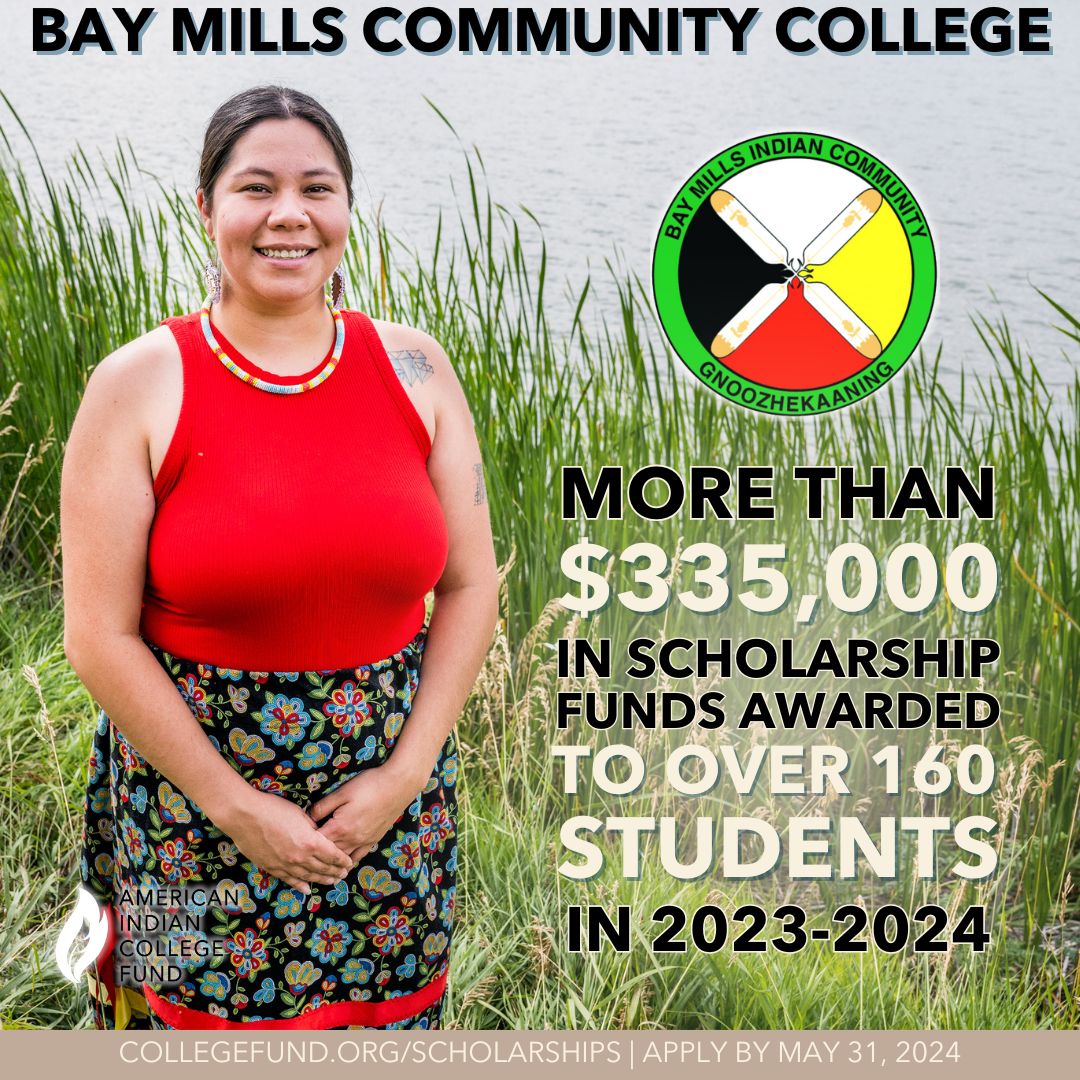
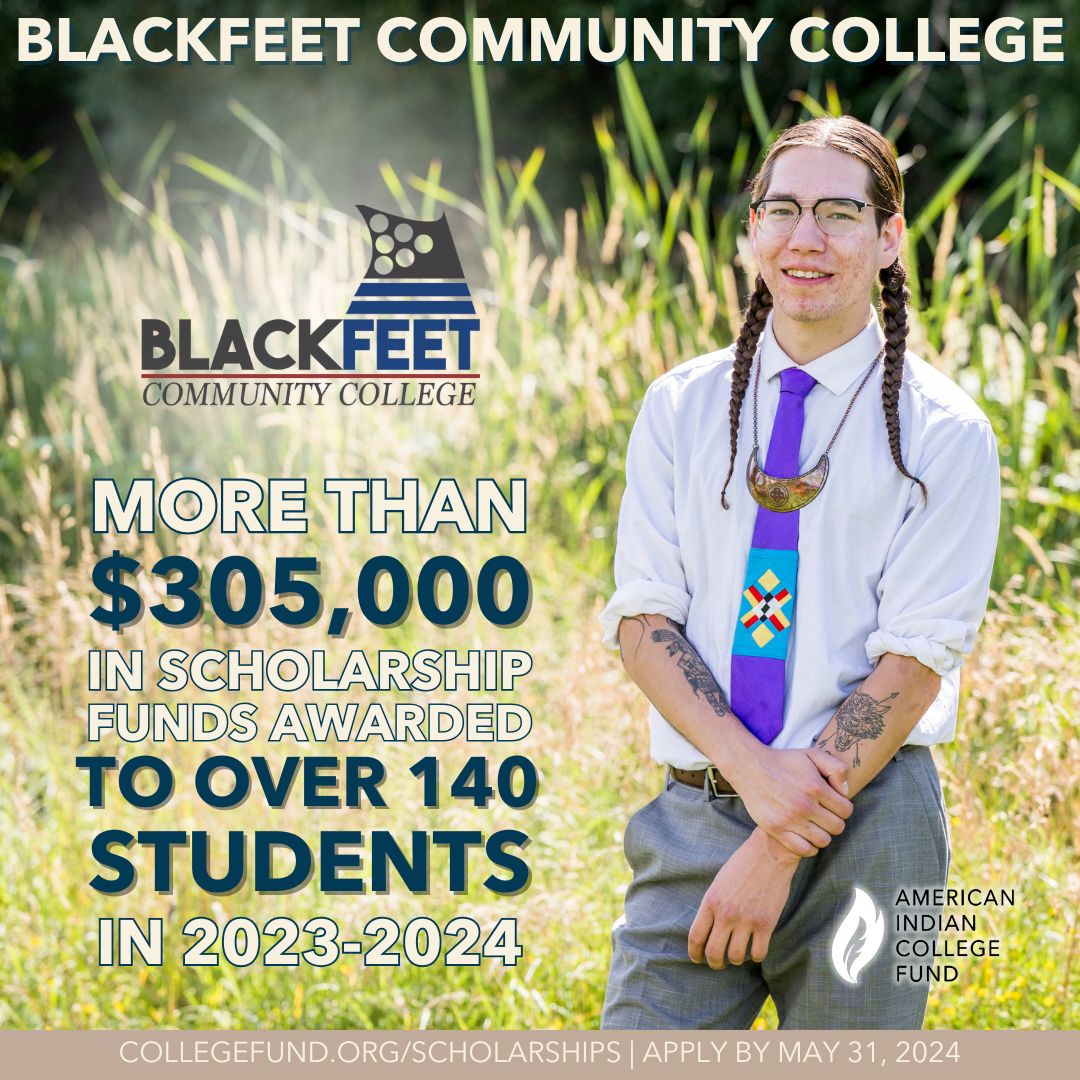
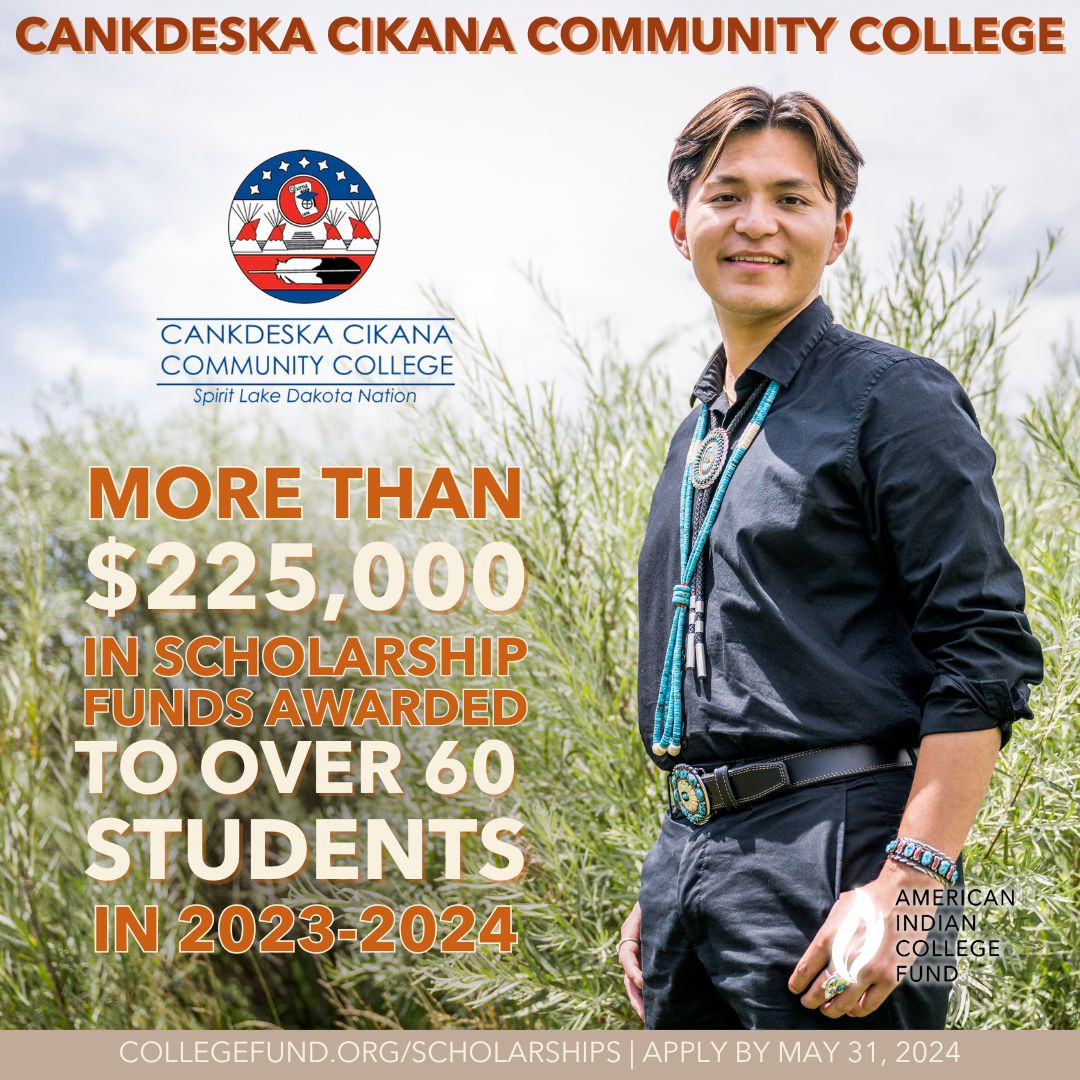
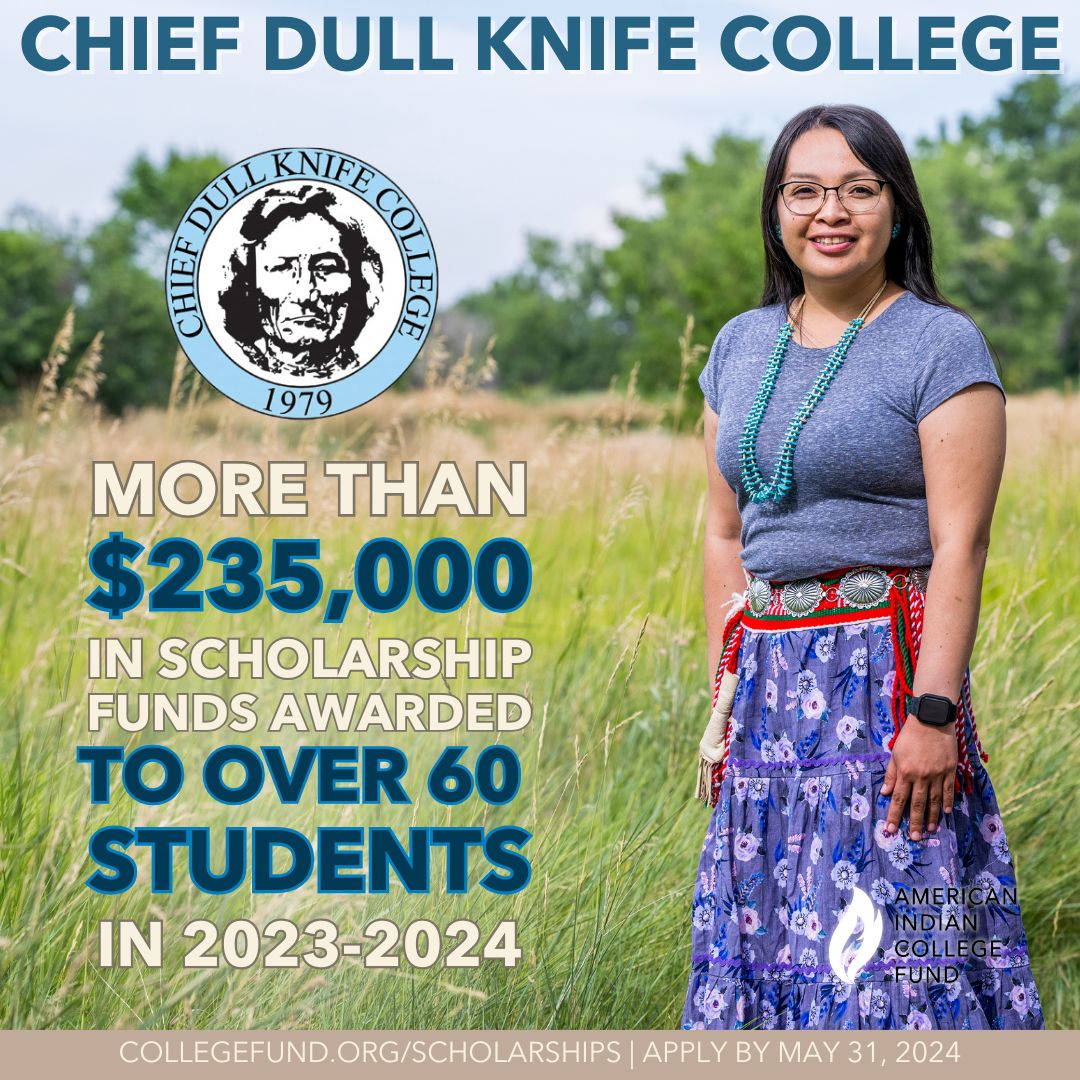
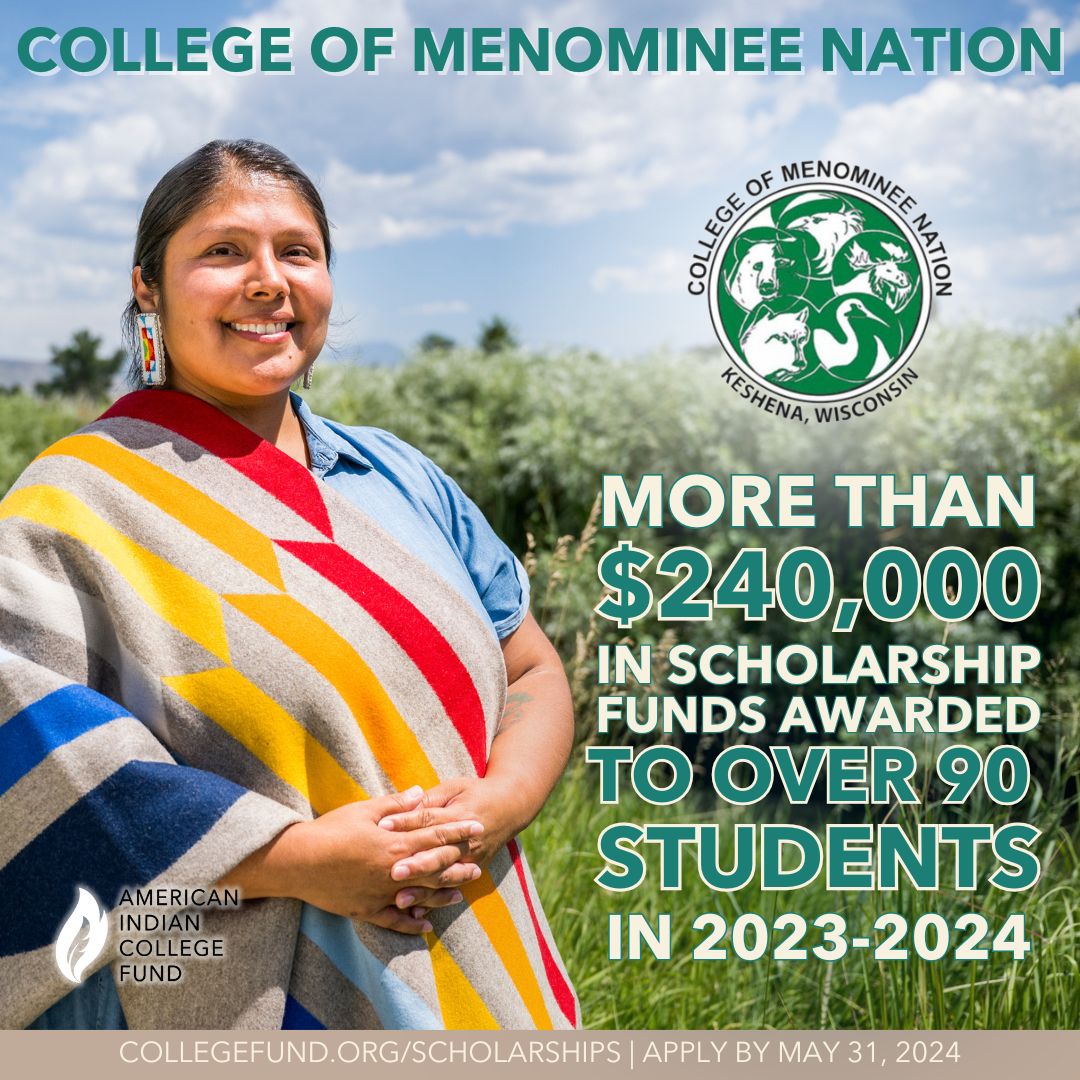
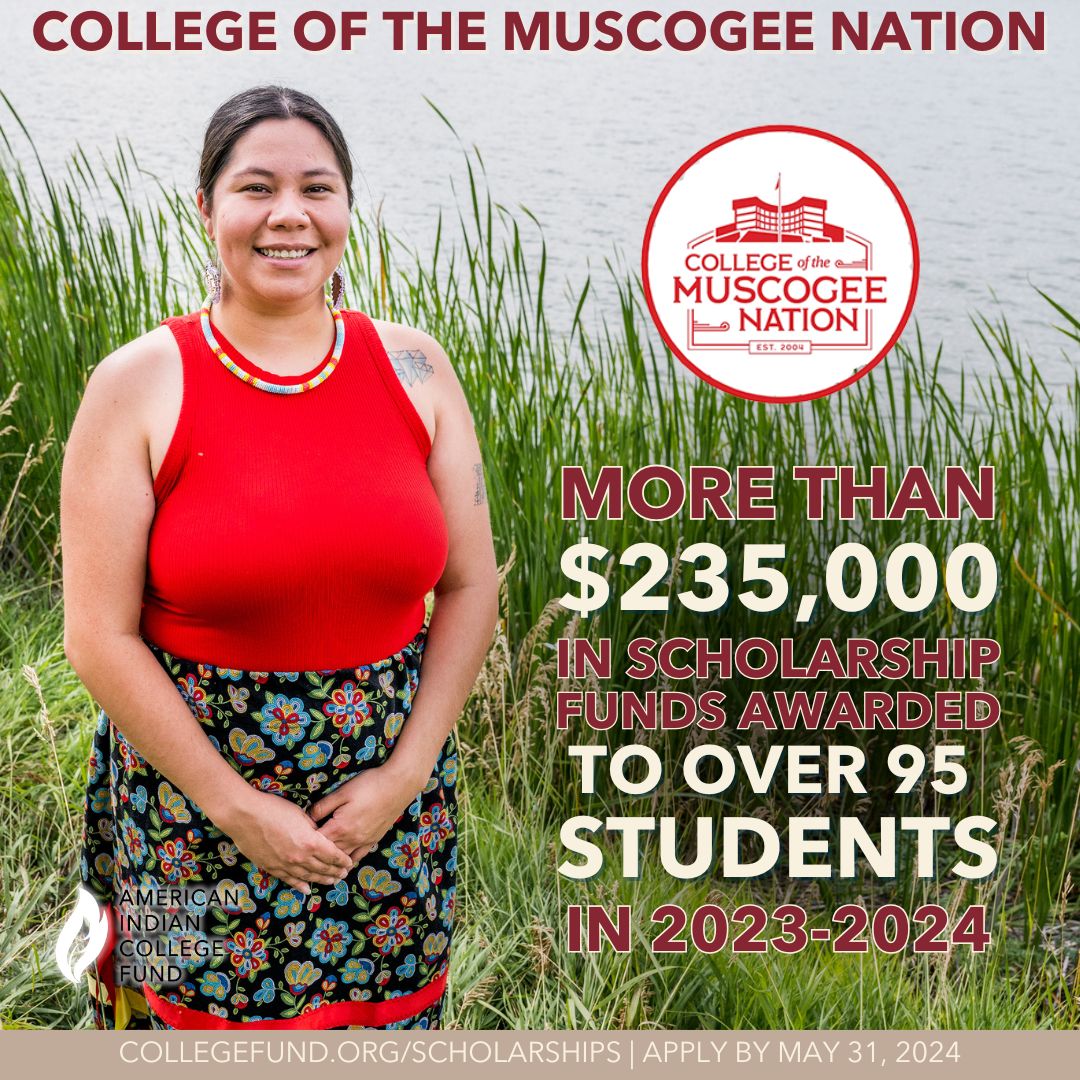
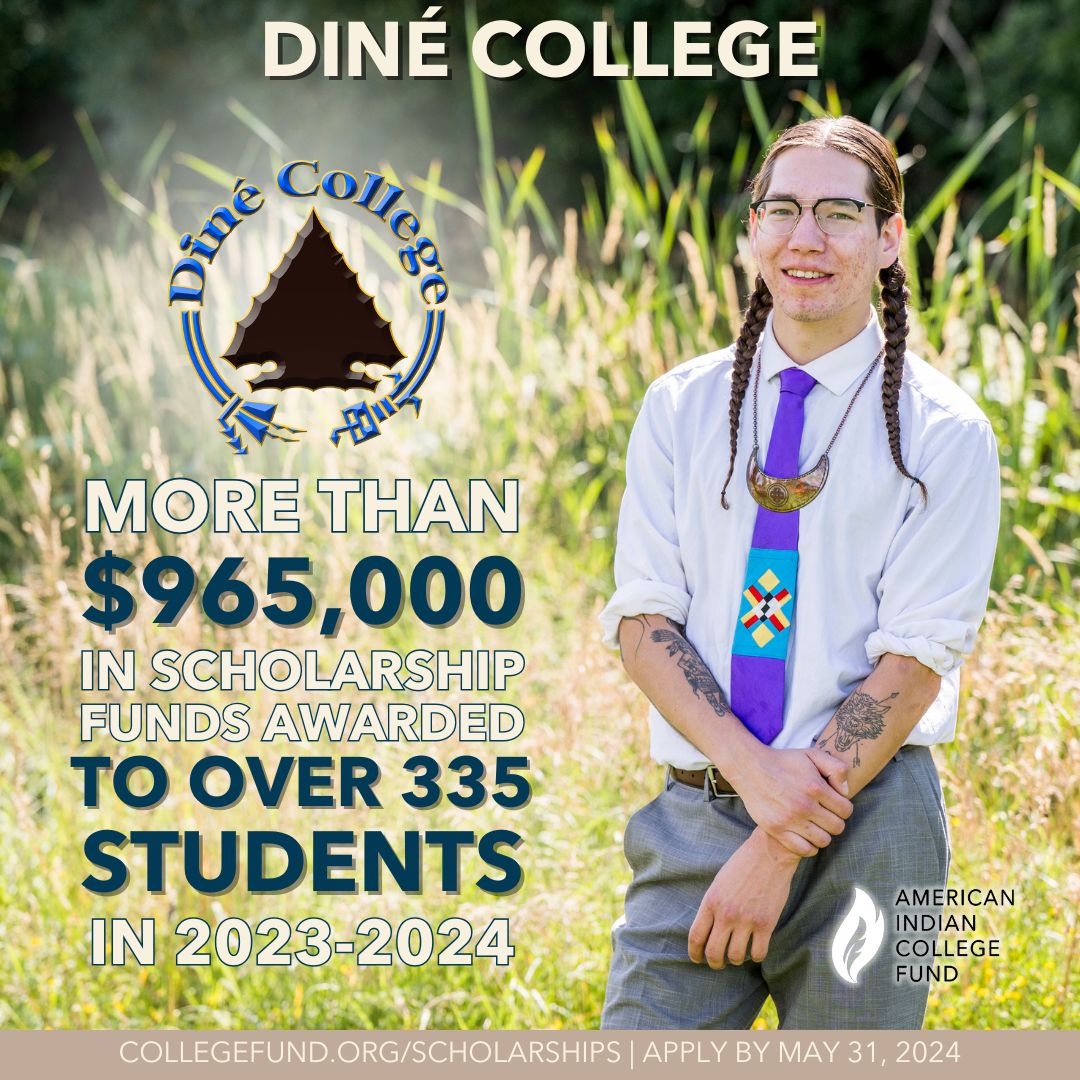

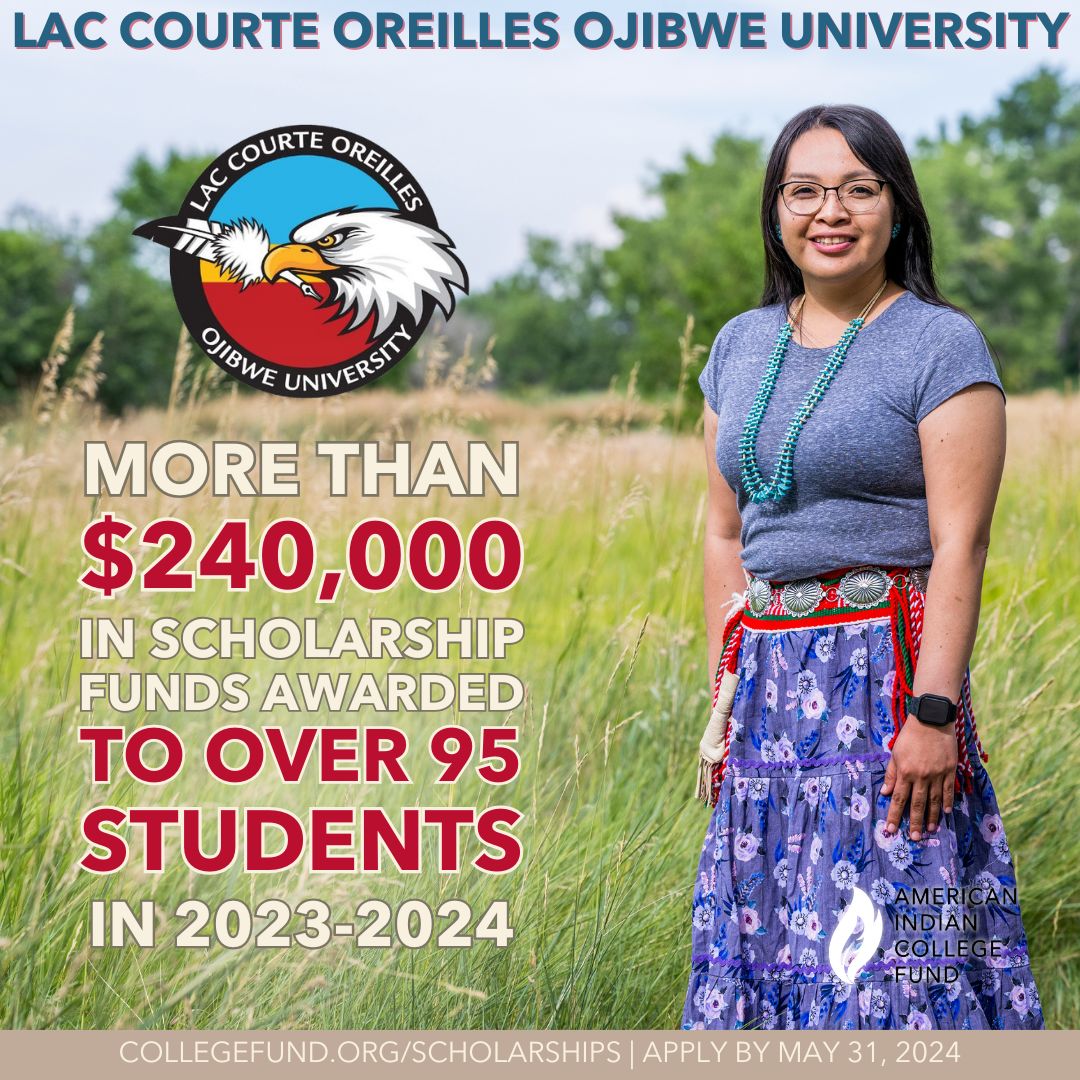
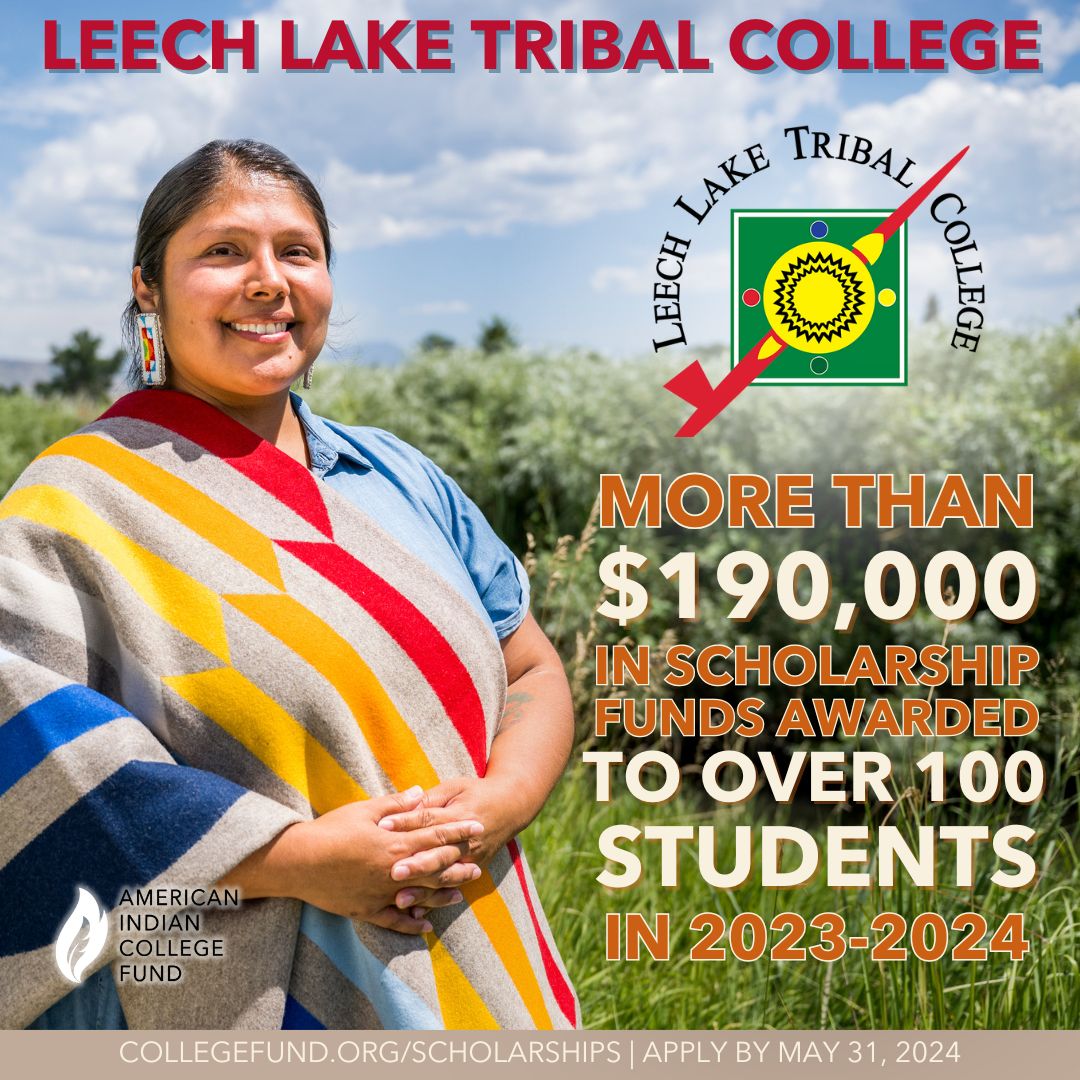
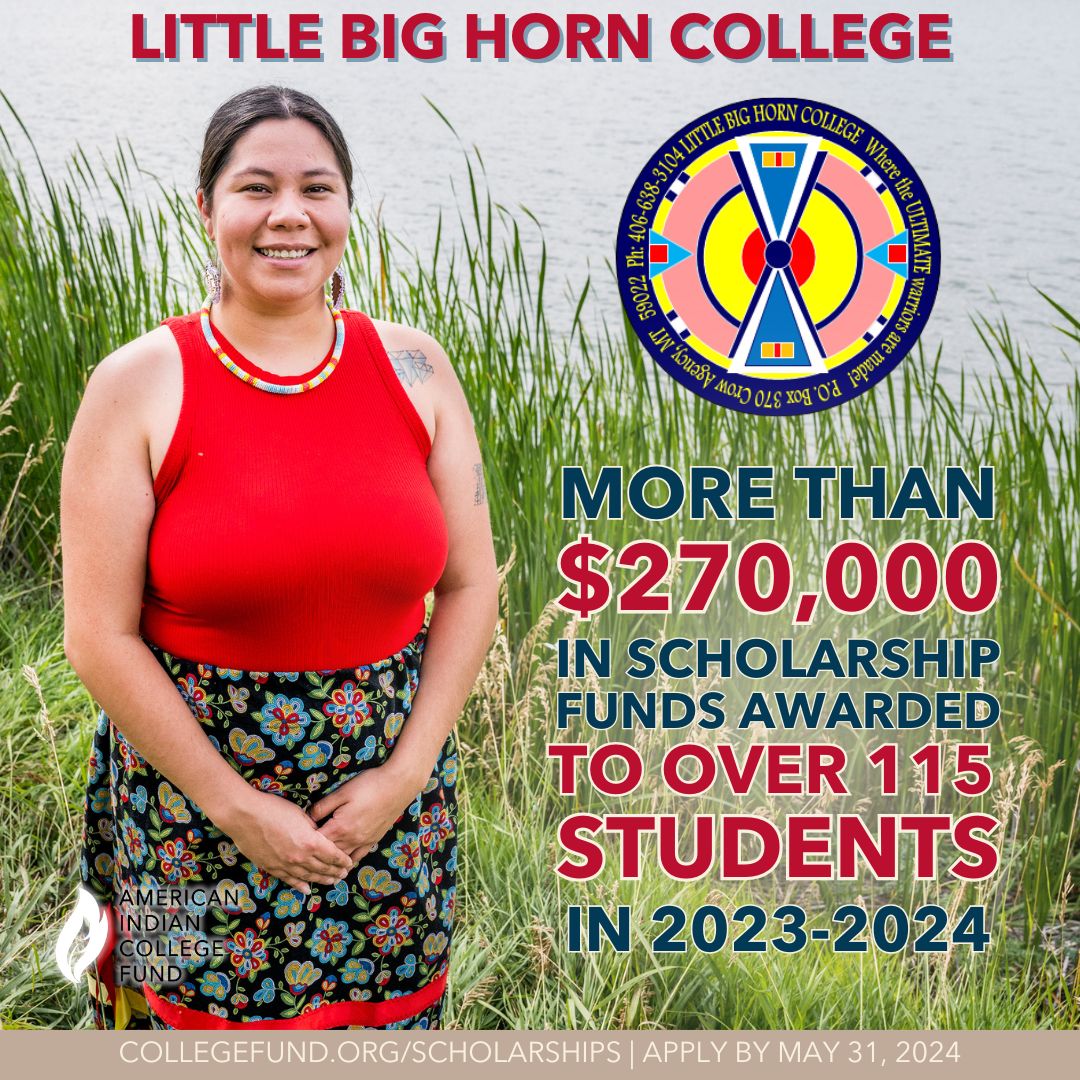
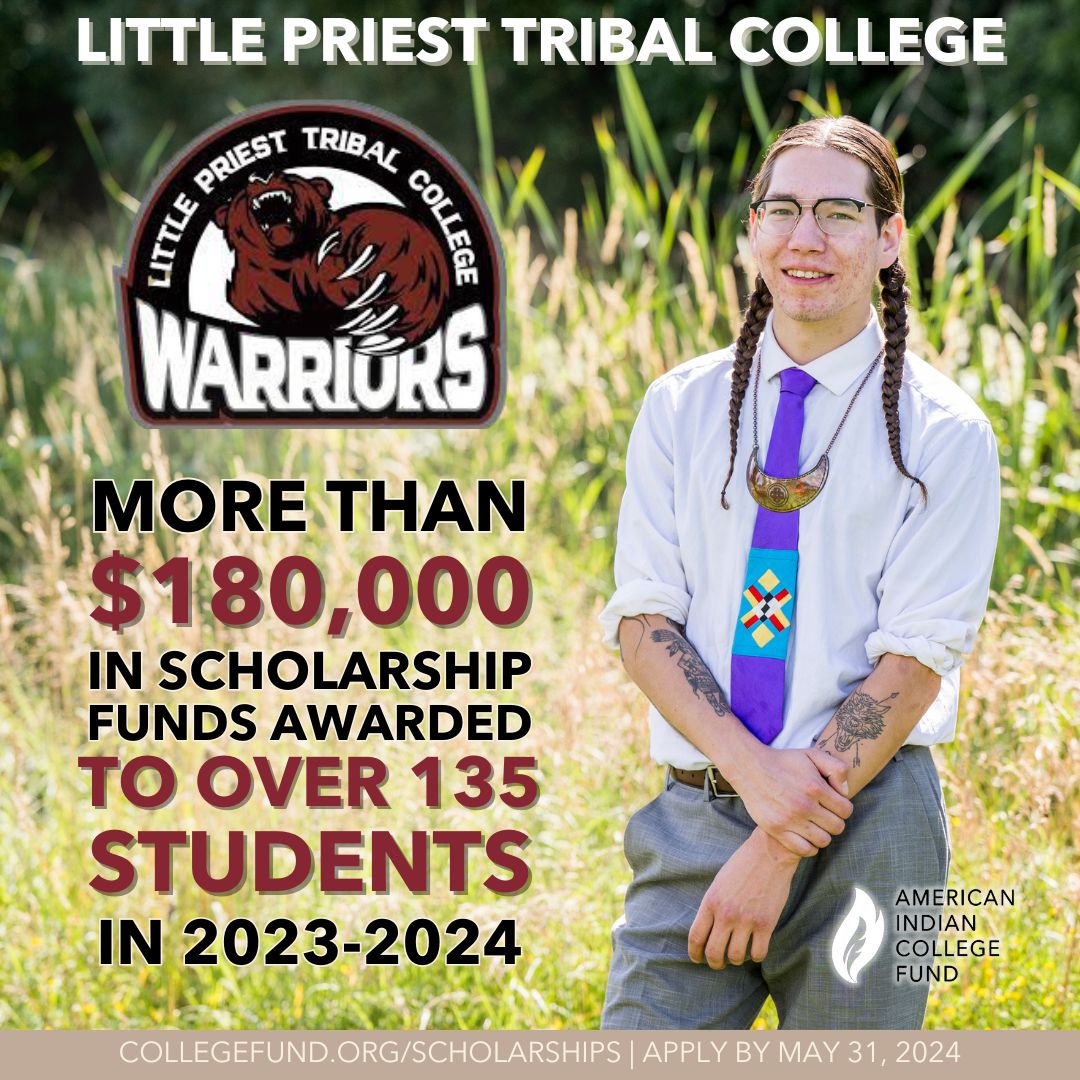
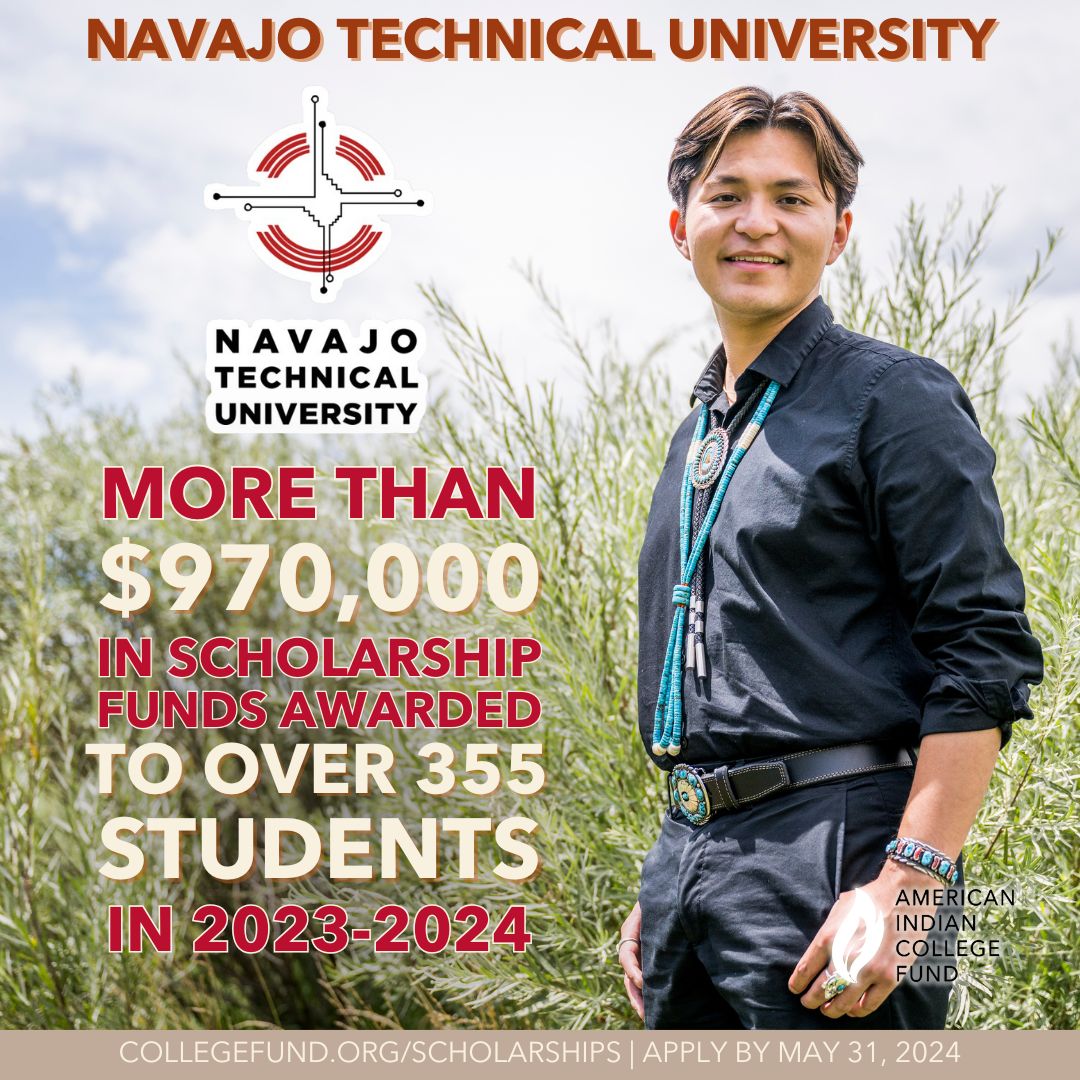
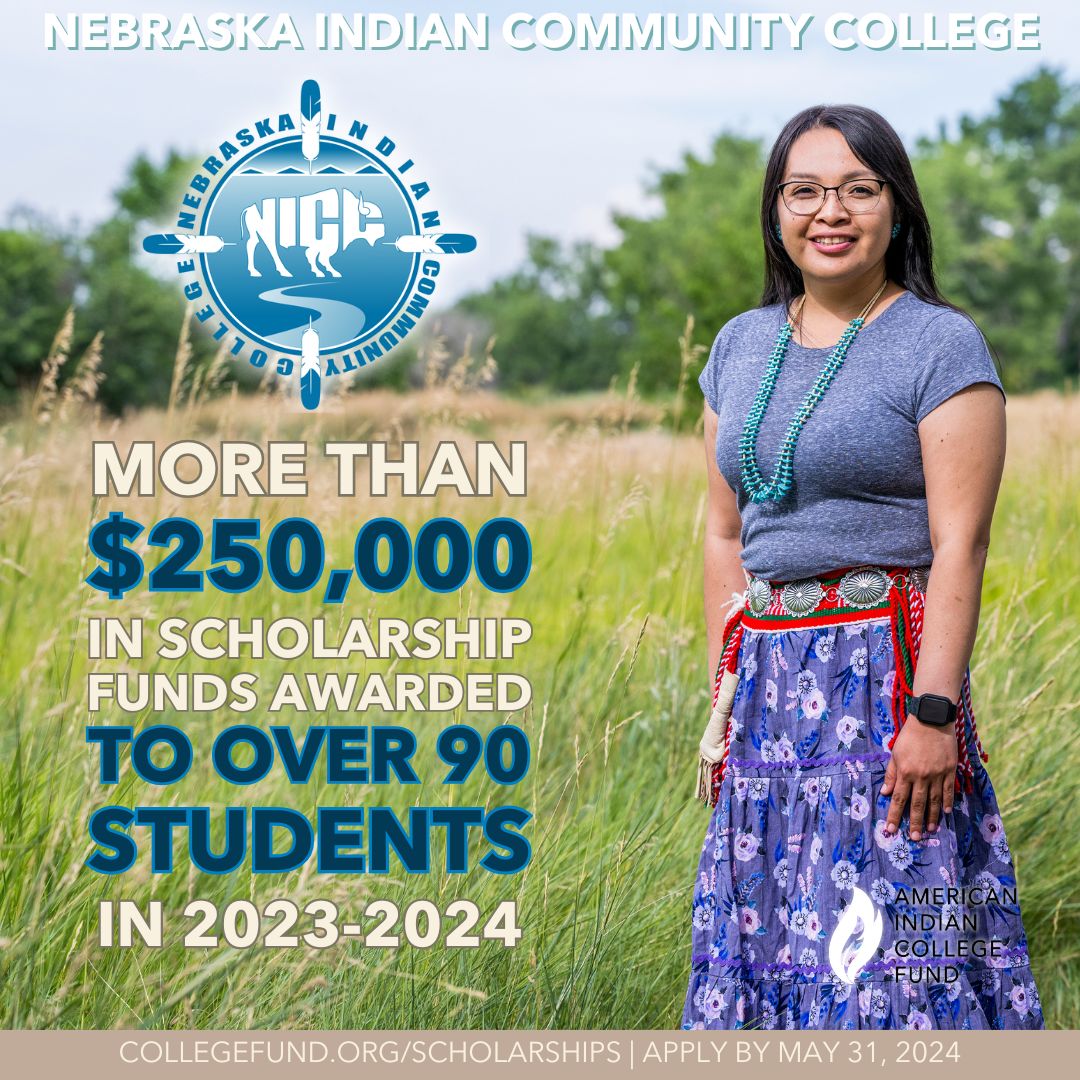
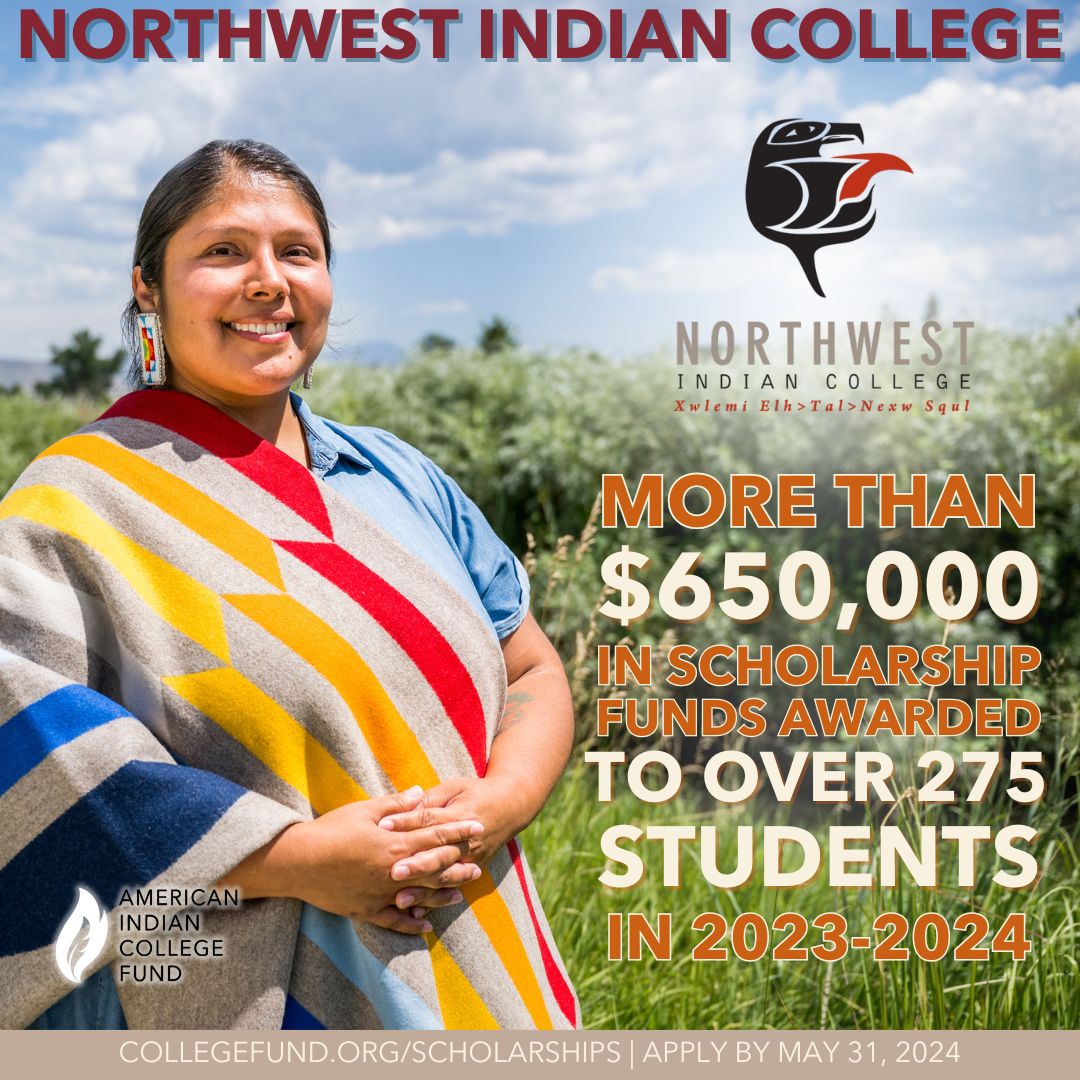
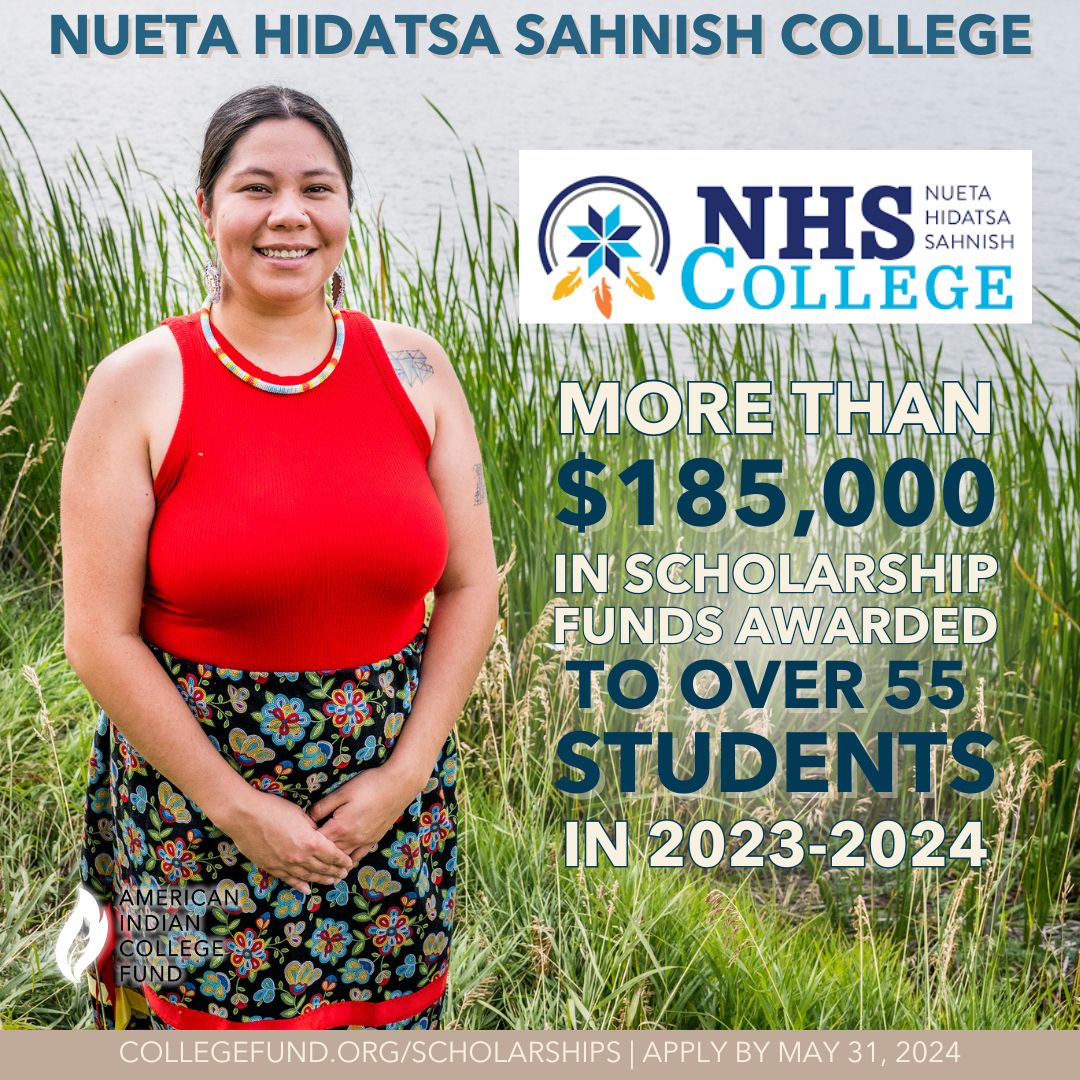
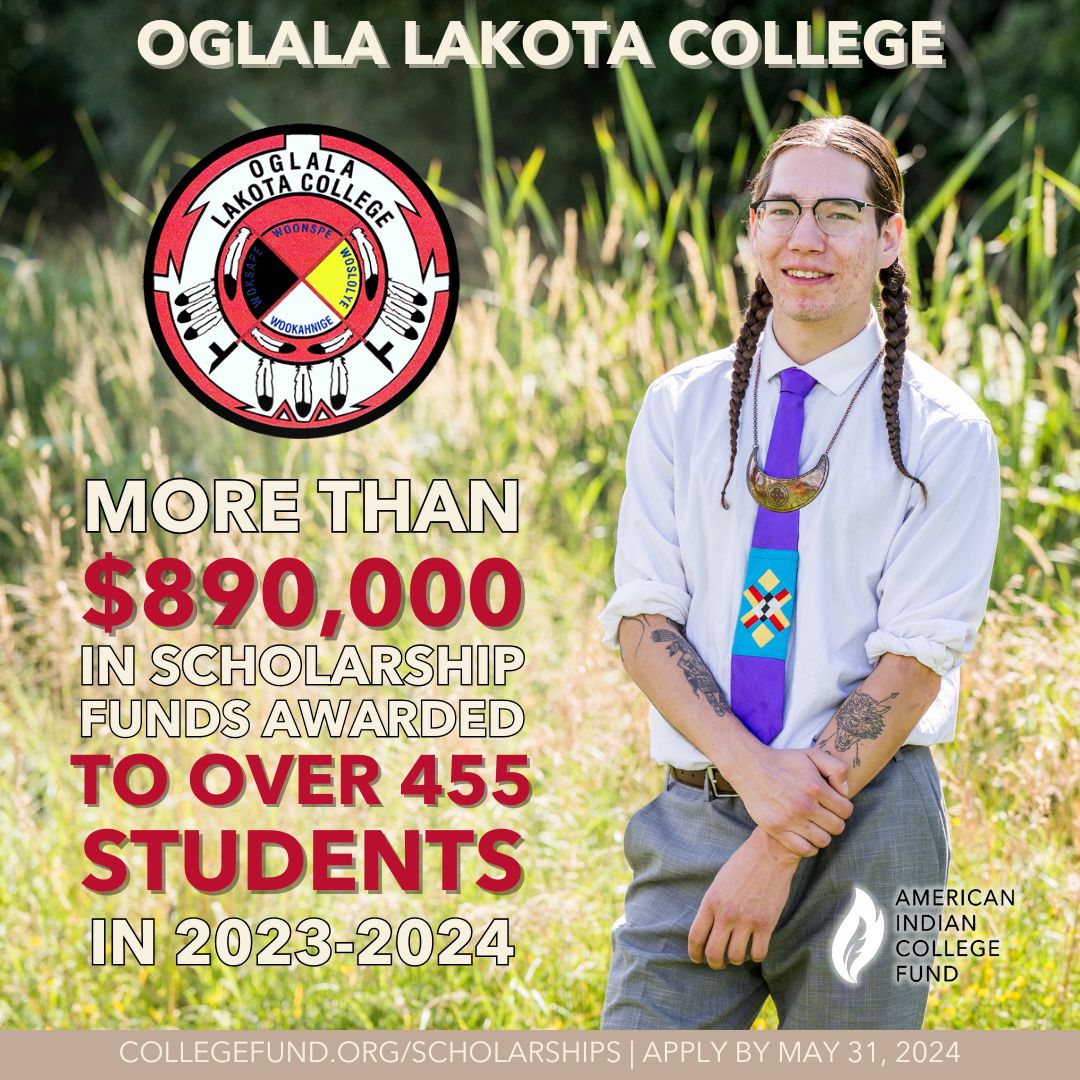
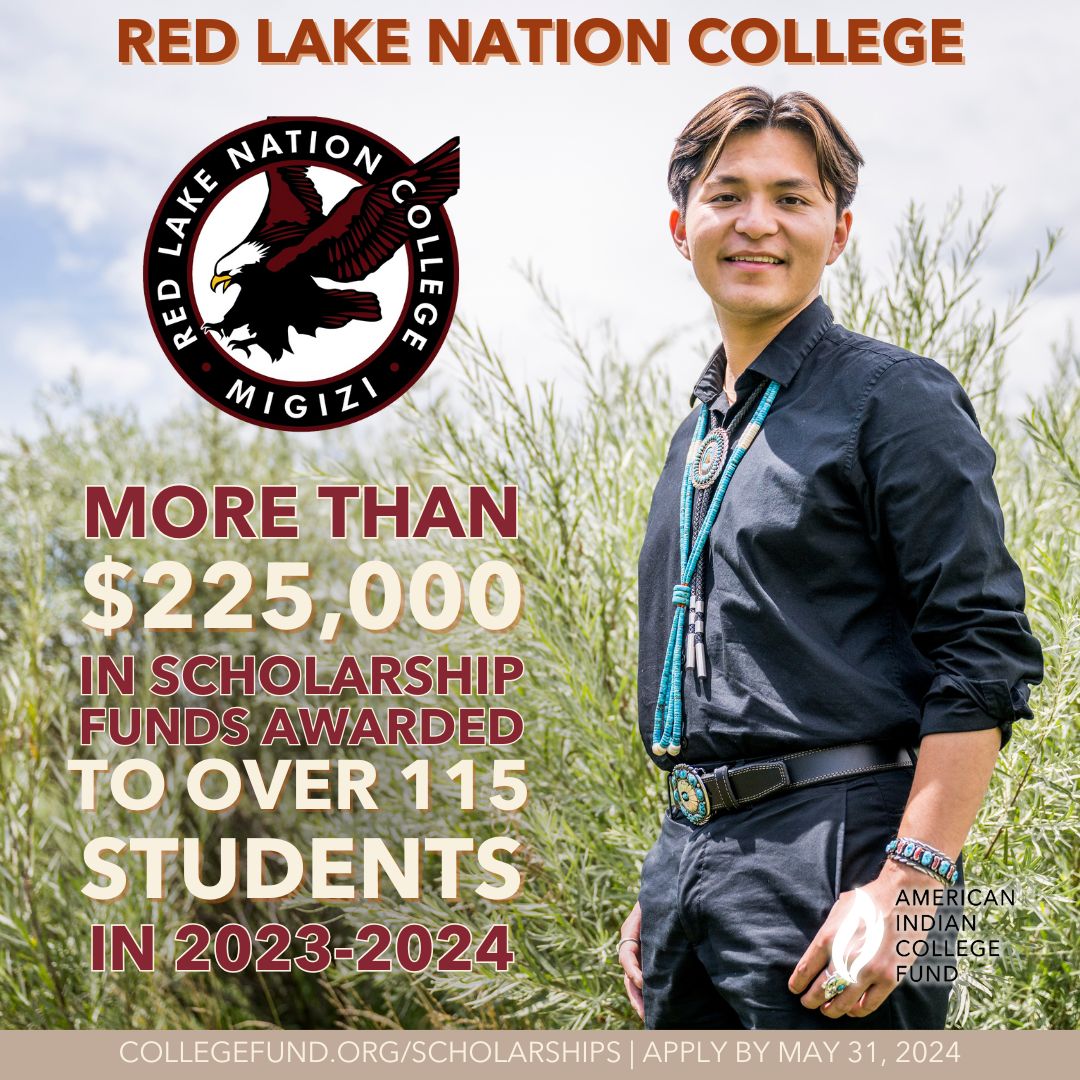
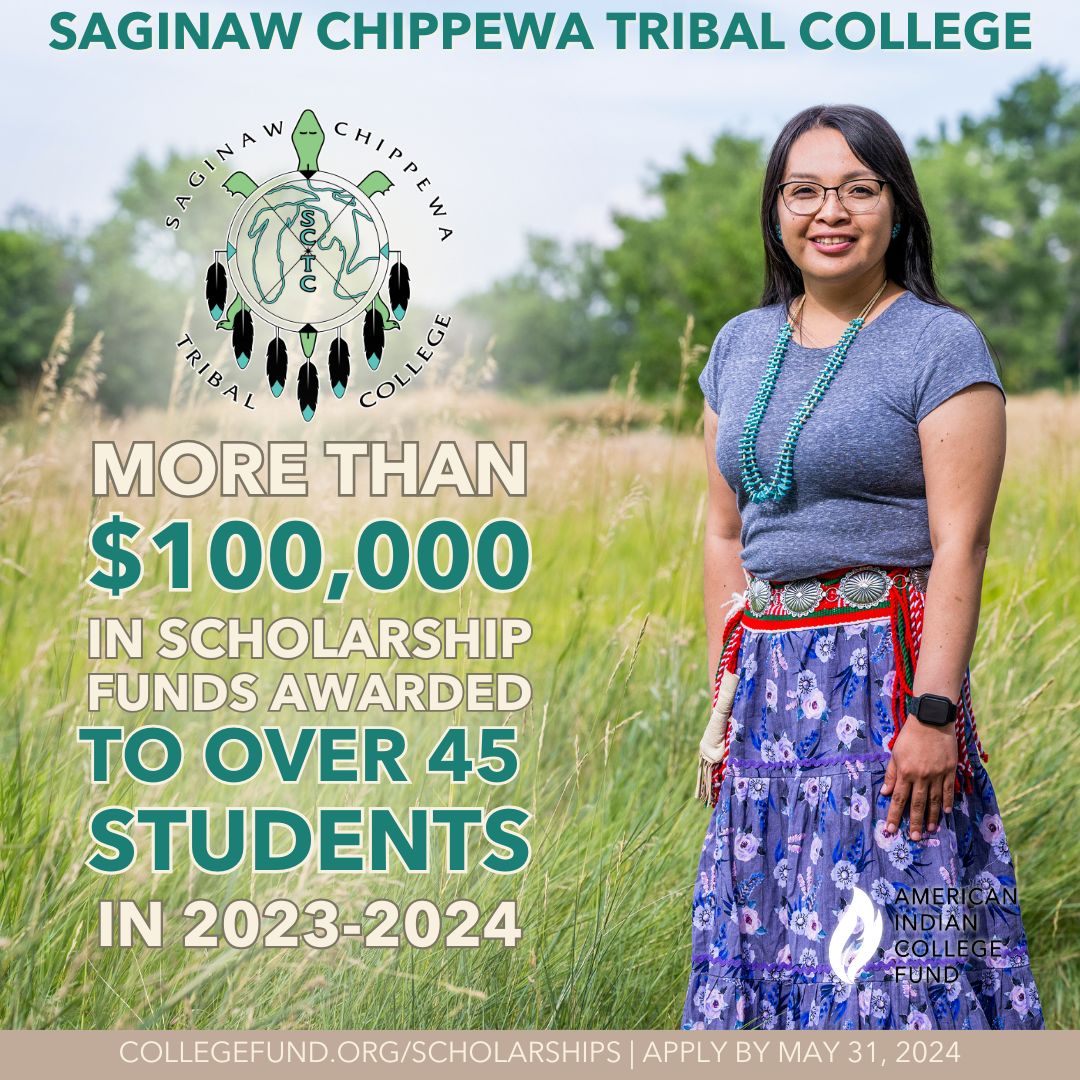
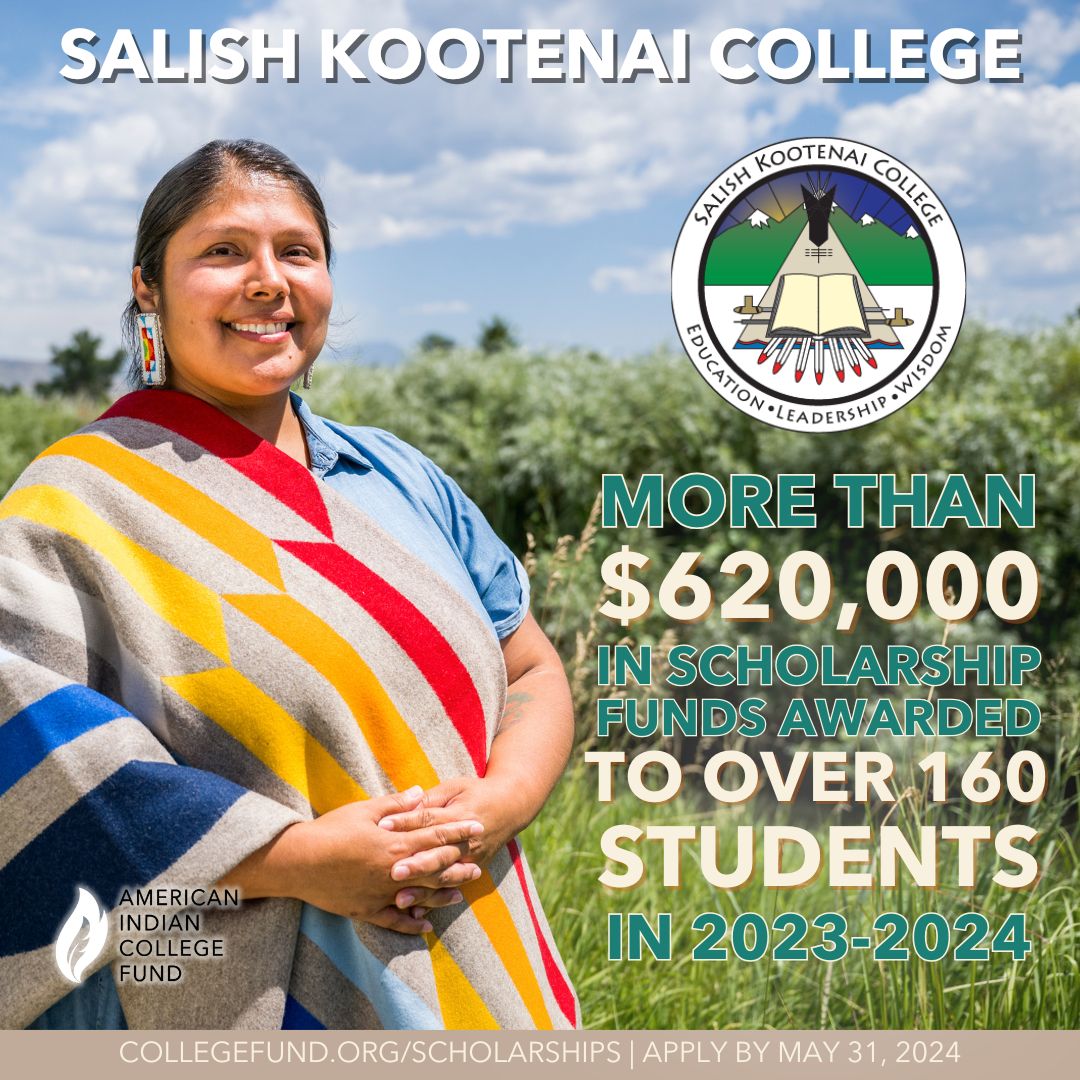
Programs TCU Capacity Support and Impact
2023-2024 Data
$12.9+
MILLION
4960+
34

Tribal Colleges and Universities
Tribal colleges and universities provide dynamic higher education opportunities, most on or near reservation lands. Known for their remarkable programs, culturally-relevant curricula, and familial student care – tribal colleges allow students to further their careers, attain an advanced degree, or better support their communities.
(DRUM) Circles Project
TCU Developing Research in Undergraduate Mathematics
WestEd and the American Indian College Fund have partnered to create greater math success for Native students studying at tribal colleges.
Institutions News
Read blog updates from our institutions teams


American Indian College Fund Honors 2025-26 Tribal College Students of the Year and Coca-Cola Scholars
On Sunday, the College Fund honored this year’s Tribal College and University Students of the Year and Coca-Cola First Generation Scholars. These students represent the values of their TCUs and the determination of all the Native students working to build better futures for themselves and their communities.
Determination and Dedication: Two GED Success Stories
By Mgizi Wemigwans, SCTC Student Services Assistant The Saginaw Chippewa Tribal College is a grant recipient of the College Fund’s Native Students Stepping Forward: Dollar General Adult Education Program. Through this support, we are proud to highlight two of our most...

