
Institutions
The College Fund supports Tribal Colleges and Universities (TCUs) in their efforts to strengthen students, emergent leadership, education, language and culture, health and wellness, the environment, and so much more, all moving our mission of transforming Native lives and communities.
Our work in partnership with TCUs focuses on supporting our relatives from cradle to career and beyond. This institutional capacity-building work consists of supporting TCU grantee partners in co-visioning programming, technical support, professional development, research and networking opportunities, and program elements that directly support students’ and communities’ needs.
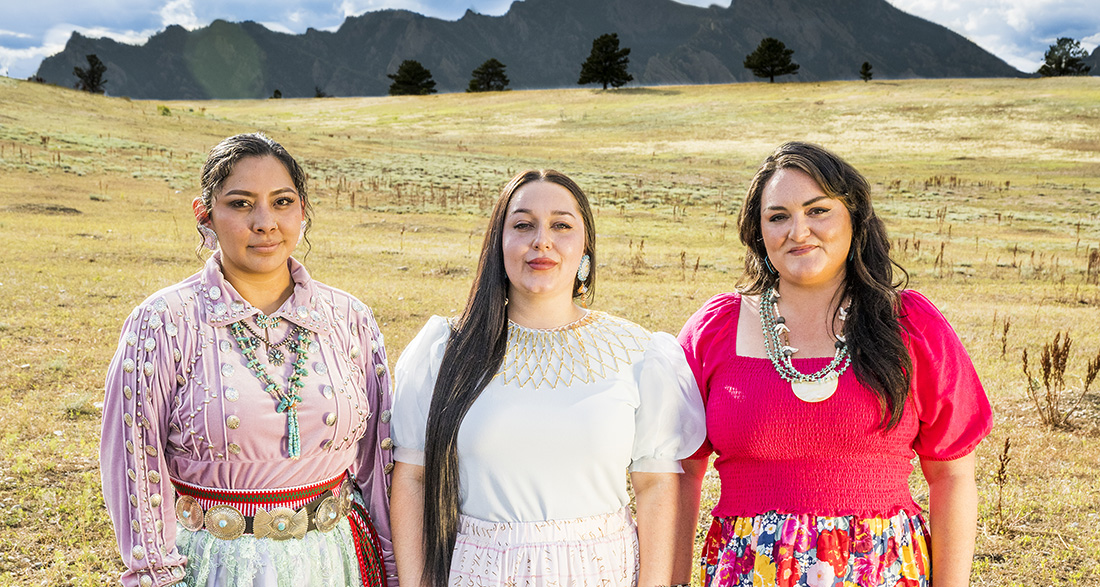
Cultivating Native Student Success
Cultivating Native Student Success provides tribal colleges and universities the opportunity to examine their current enrollment management approaches and design long-term strategies that include holistic, place-based, and collaborative student supports to promote transformative and systemic change that impacts Native student success.
2026 Cultivating Native Student Success Convening
The American Indian College Fund and AIHEC are excited to host an opportunity to learn, network, and advance TCU Native Student Success.
Native higher education experts, organization partners, and TCU staff will come together to engage in discussions, workshops and breakout sessions about the Native student journey, strategic enrollment management, data storytelling, and the constantly evolving landscape of higher education.

TCU Programs
Our Programs, in partnership with TCUs, strengthen degree programs, support faculty and staff, prioritize students, and engage tribal nation communities across several program areas of targeted impact: Native Arts, Environmental Stewardship, Computer Science, Indigenous Early Childhood Education, Native Teacher Education, Adult Education, Women’s Leadership, Native Student Veterans, and more.
Programs TCU Capacity Support and Impact
2023-2024 Data
$12.9+
MILLION
4960+
34

Tribal Colleges and Universities
Tribal colleges and universities provide dynamic higher education opportunities, most on or near reservation lands. Known for their remarkable programs, culturally-relevant curricula, and familial student care – tribal colleges allow students to further their careers, attain an advanced degree, or better support their communities.
(DRUM) Circles Project
TCU Developing Research in Undergraduate Mathematics
WestEd and the American Indian College Fund have partnered to create greater math success for Native students studying at tribal colleges.
Institutions News
Read blog updates from our institutions teams
Fond du Lac Tribal and Community College Hosts Native Arts Workshops Based in Place
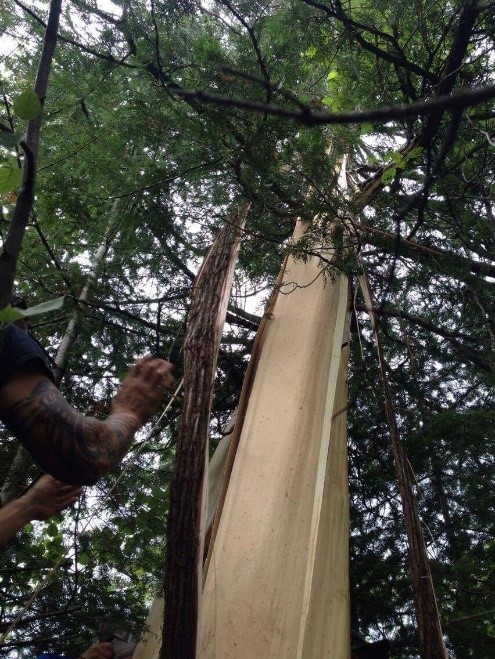
In the fall of 2017, Fond du Lac Tribal and Community College (FDLTCC) hosted a series of traditional Native Arts workshops that relied heavily on the surrounding environment for source materials to help produce a woven cedar mat. Using local resources and materials to create and revitalize traditional Native art forms is the essence of place-based education in the arts.

Connecting, Learning and Growing: Native Arts Convening
The American Indian College Fund (the College Fund) hosted a Native Arts convening in Seattle, Washington in September, 2018. Seven program Administrators of the Restoration and Preservation of Traditional Native Art Forms and Knowledge Grant participated in the Native Arts convening from the College of Menominee Nation, Lac Courte Oreilles Ojibwa Community College, Leech Lake Tribal College, Nueta Hidatsa Sahnish College, Sisseton Wahpeton College, Sitting Bull College and United Tribes Technical College.
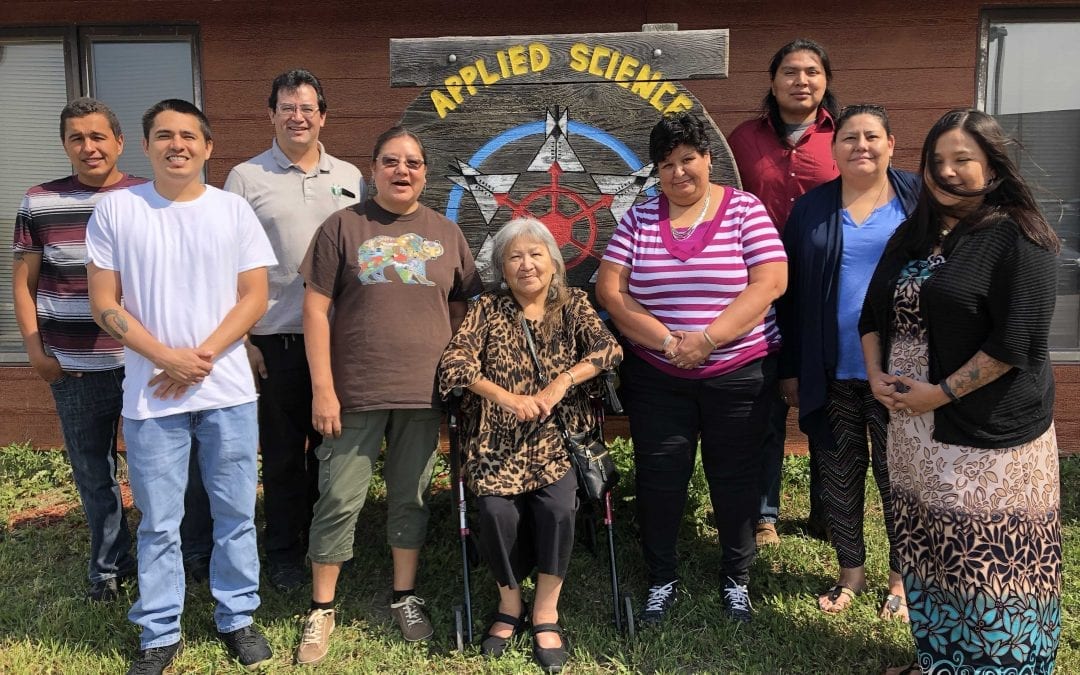
College Fund/Dollar General Remove Obstacles for Students Seeking GED
The Community Continuing Education/GED department of Oglala Lakota College is located on the Pine Ridge Indian Reservation of South Dakota. Oglala Lakota College is a decentralized campus with the main administrative buildings located six miles south of Kyle in South Dakota.
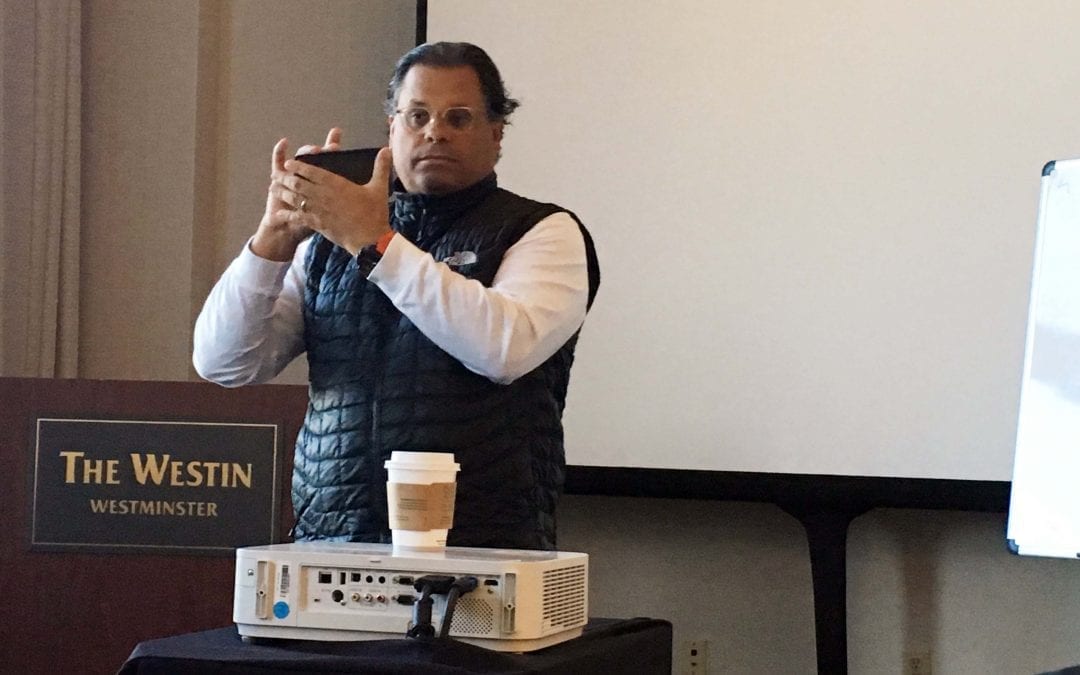
TCU Faculty and Staff: Getting Published
Dr. Bryan McKinley Jones Brayboy (Lumbee), the Borderlands Professor of Indigenous Education and Justice in the School of Social Transformation at Arizona State University, the Director of the Center for Indian Education, and co-editor of the Journal of American Indian Education, now in its 58th year, shared his tips with attendees at the TCU Faculty Intensive Writing Retreat October 26 in Colorado. By following Dr. Brayboy’s guidelines, you will be well on your way to publishing your work.