
Institutions
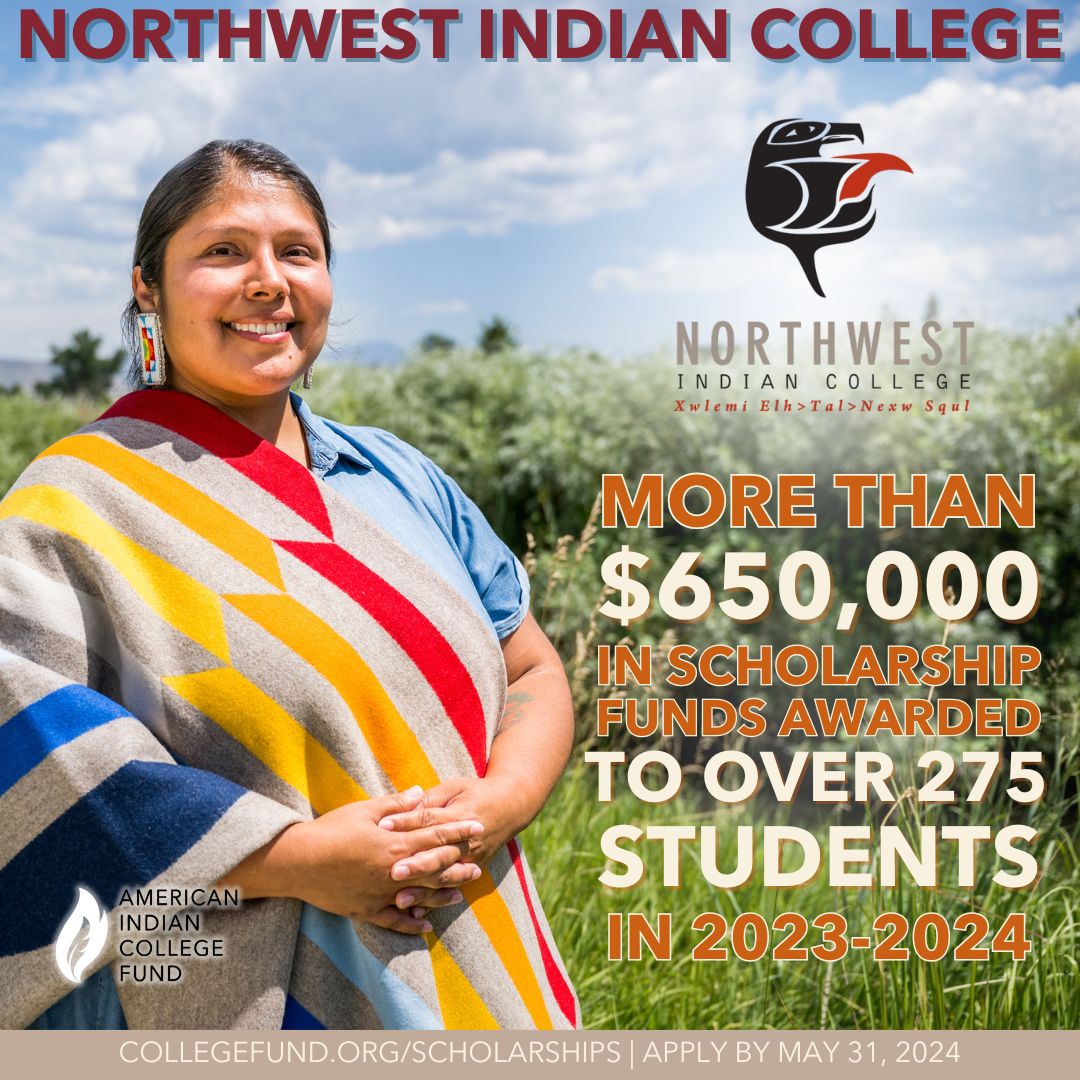
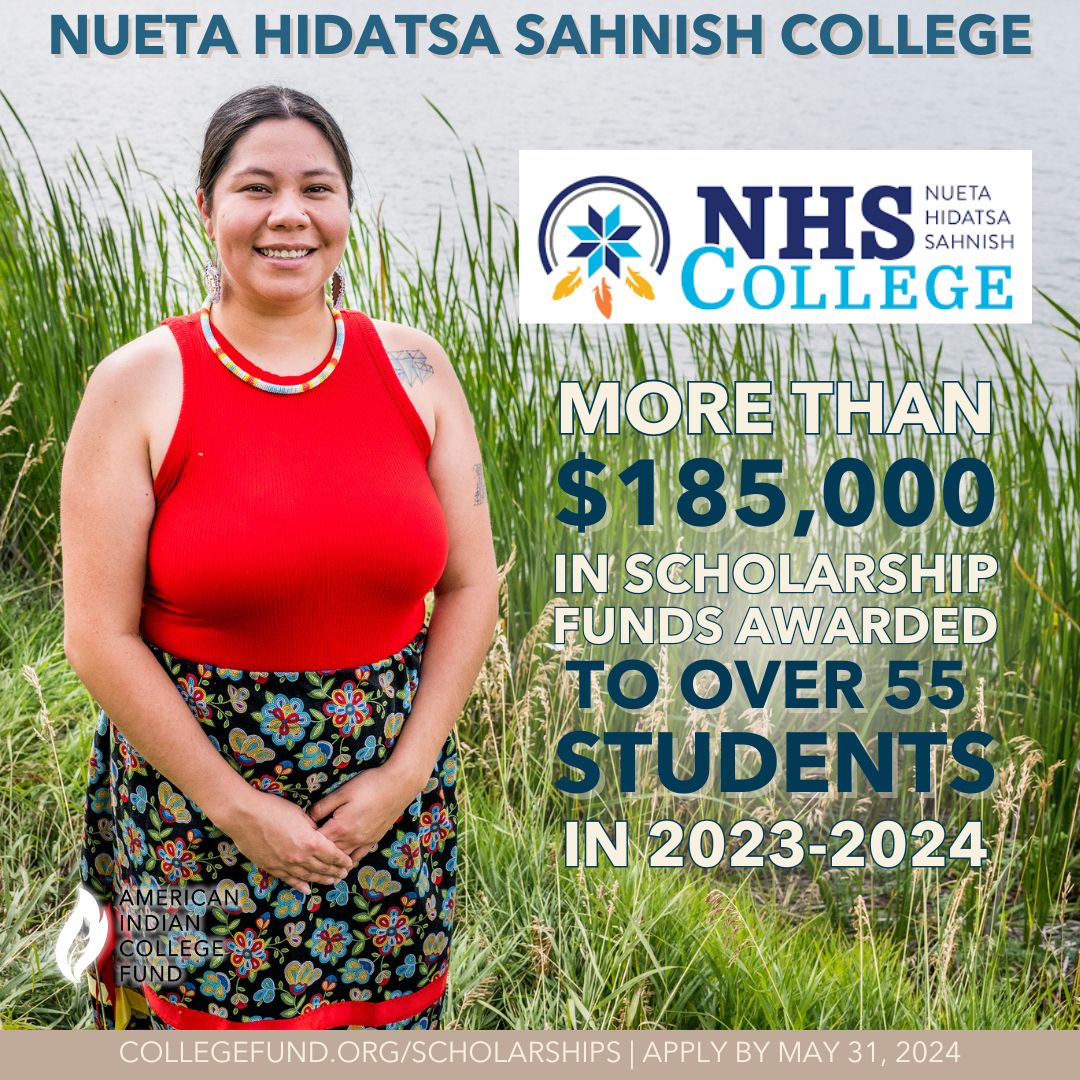
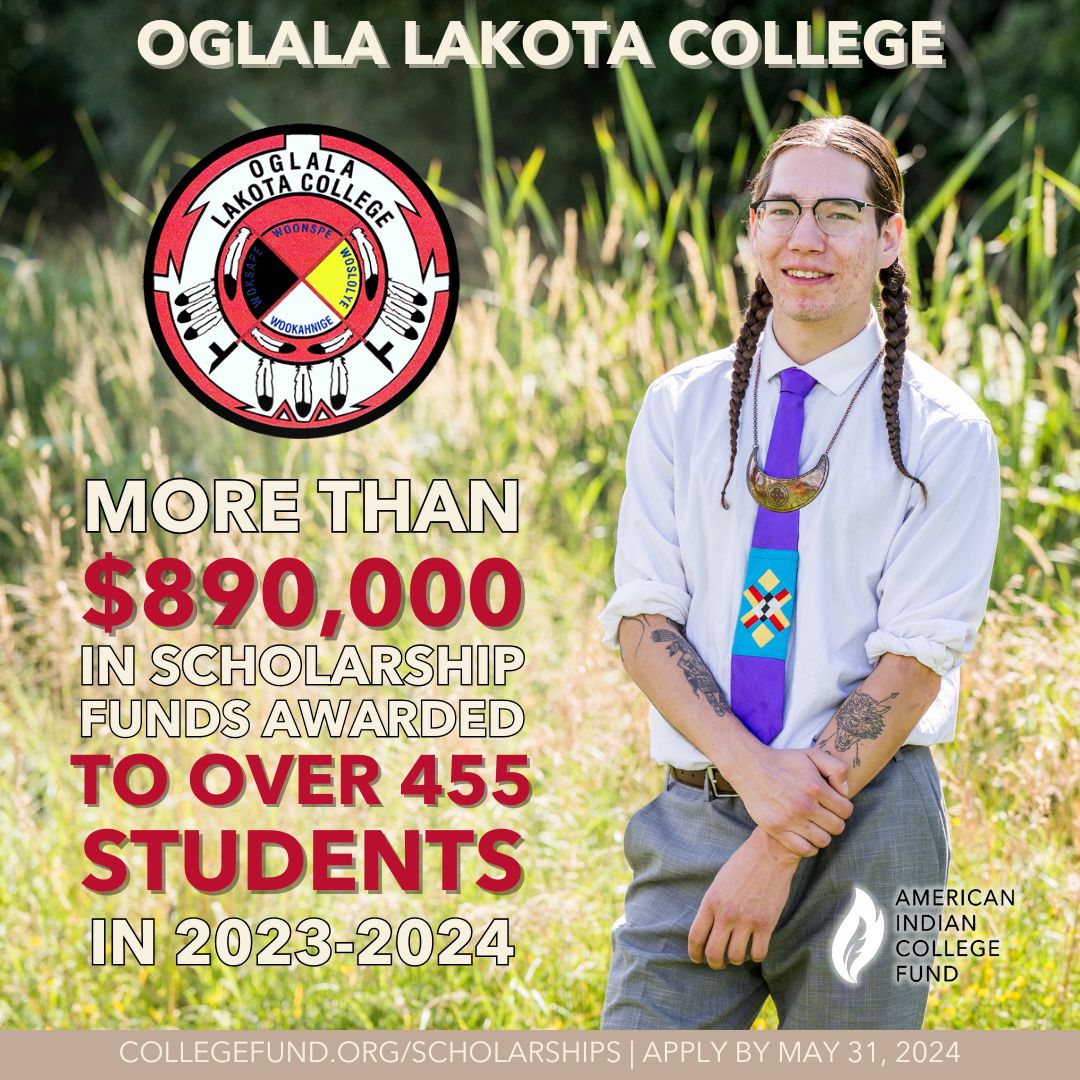
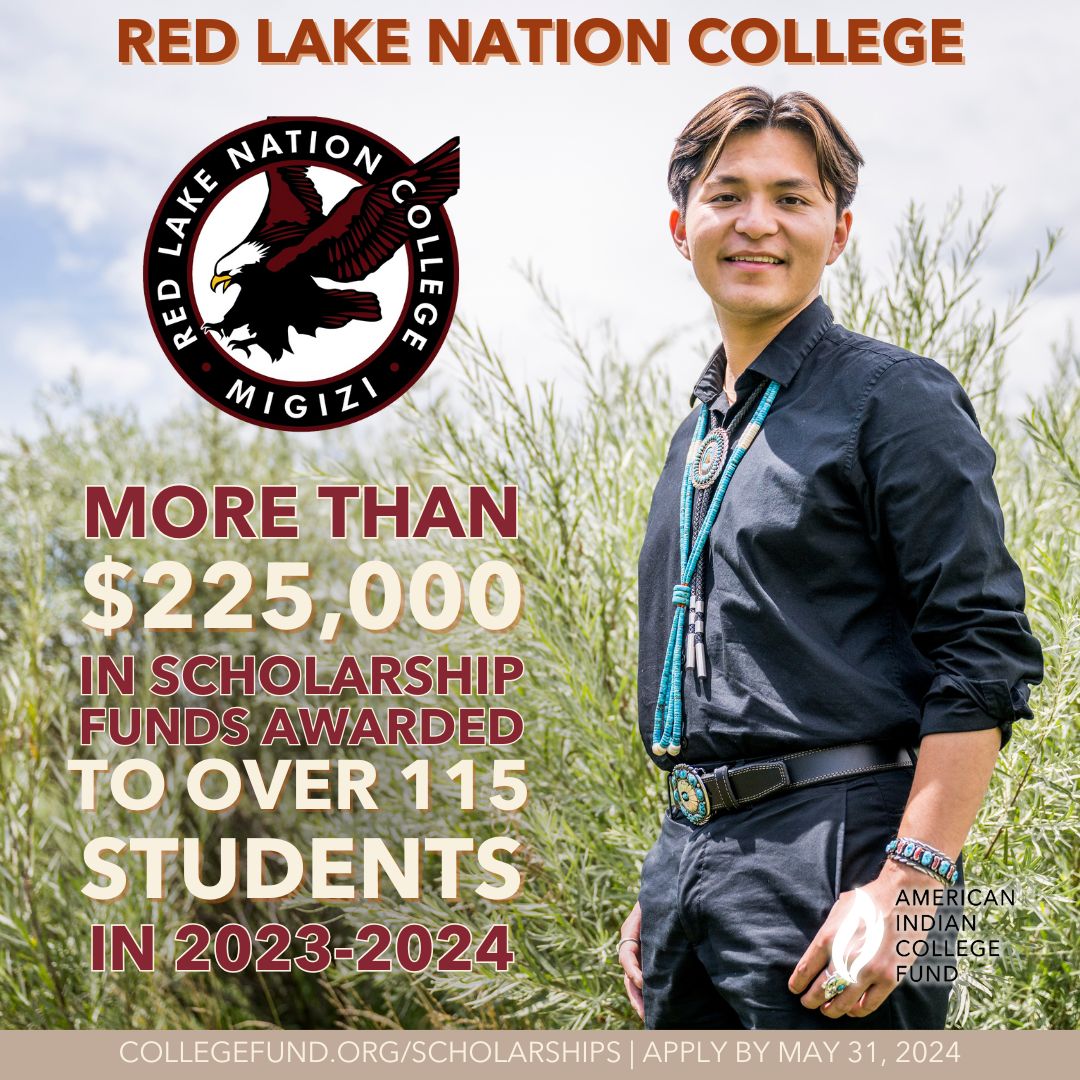
The College Fund supports Tribal Colleges and Universities (TCUs) in their efforts to strengthen students, emergent leadership, education, language and culture, health and wellness, the environment, and so much more, all moving our mission of transforming Native lives and communities.
Our work in partnership with TCUs focuses on supporting our relatives from cradle to career and beyond. This institutional capacity-building work consists of supporting TCU grantee partners in co-visioning programming, technical support, professional development, research and networking opportunities, and program elements that directly support students’ and communities’ needs.
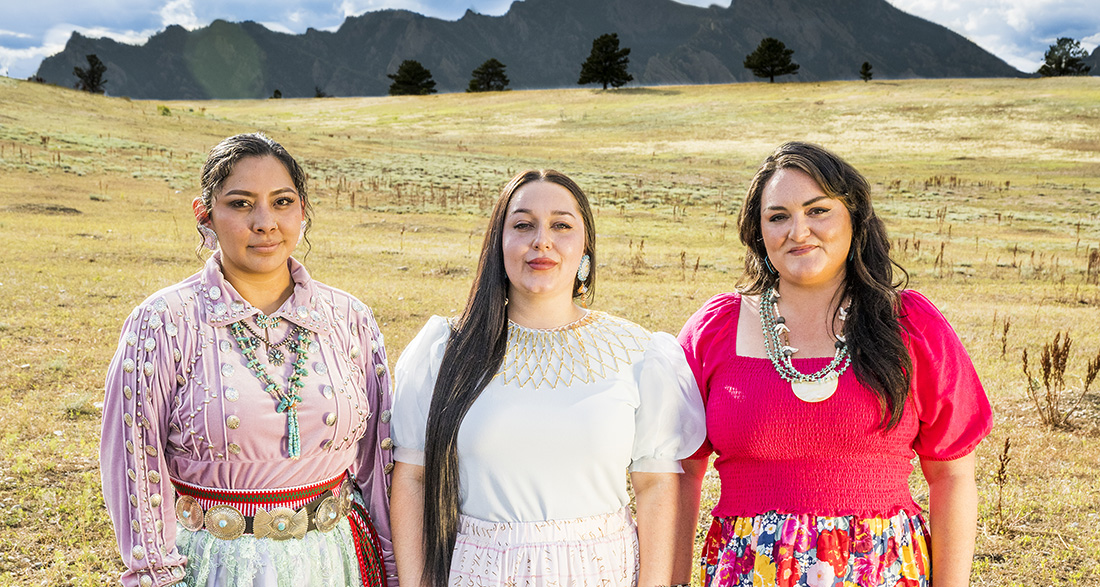
Cultivating Native Student Success
Cultivating Native Student Success provides tribal colleges and universities the opportunity to examine their current enrollment management approaches and design long-term strategies that include holistic, place-based, and collaborative student supports to promote transformative and systemic change that impacts Native student success.
2026 Cultivating Native Student Success Convening
The American Indian College Fund and AIHEC are excited to host an opportunity to learn, network, and advance TCU Native Student Success.
Native higher education experts, organization partners, and TCU staff will come together to engage in discussions, workshops and breakout sessions about the Native student journey, strategic enrollment management, data storytelling, and the constantly evolving landscape of higher education.

TCU Programs
Our Programs, in partnership with TCUs, strengthen degree programs, support faculty and staff, prioritize students, and engage tribal nation communities across several program areas of targeted impact: Native Arts, Environmental Stewardship, Computer Science, Indigenous Early Childhood Education, Native Teacher Education, Adult Education, Women’s Leadership, Native Student Veterans, and more.
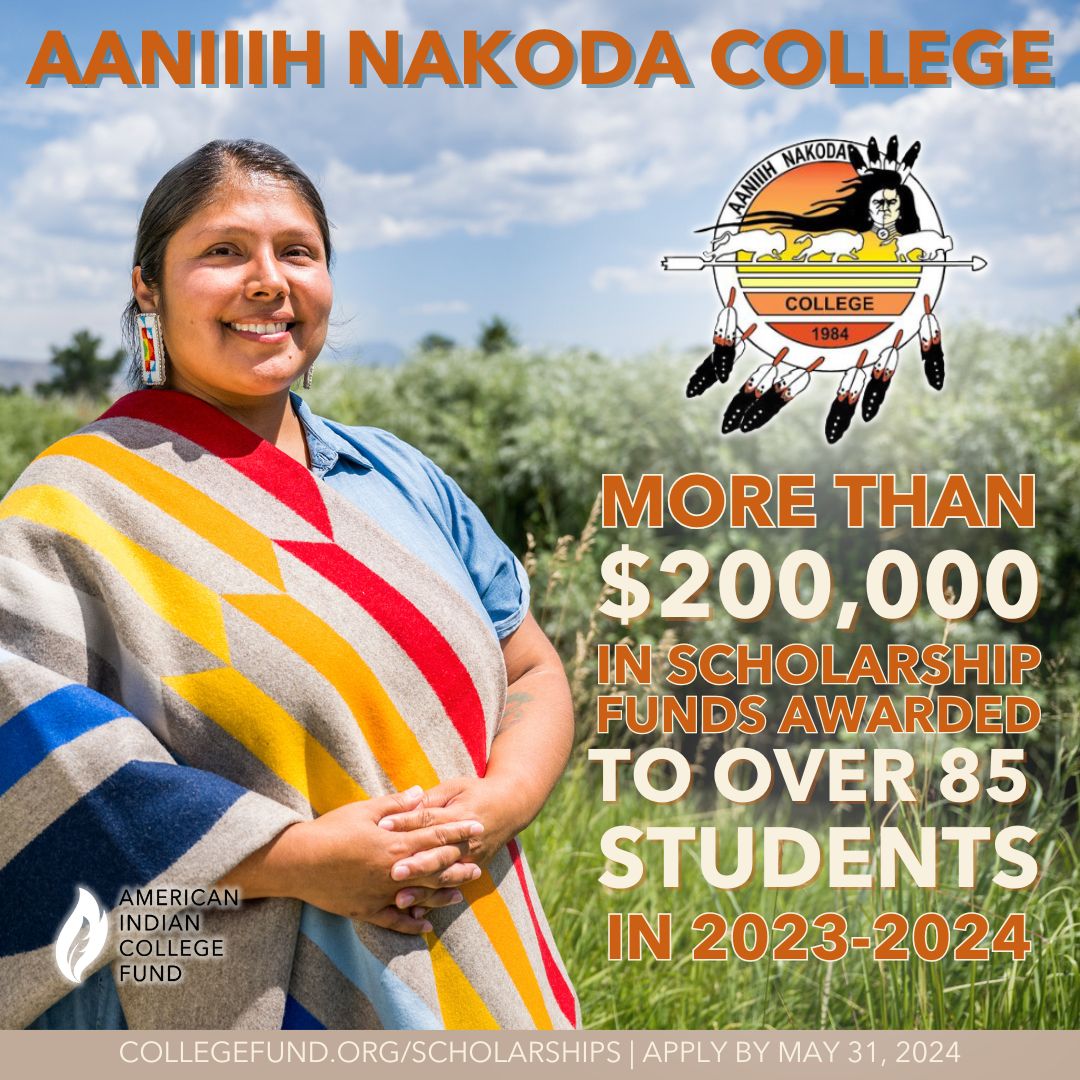
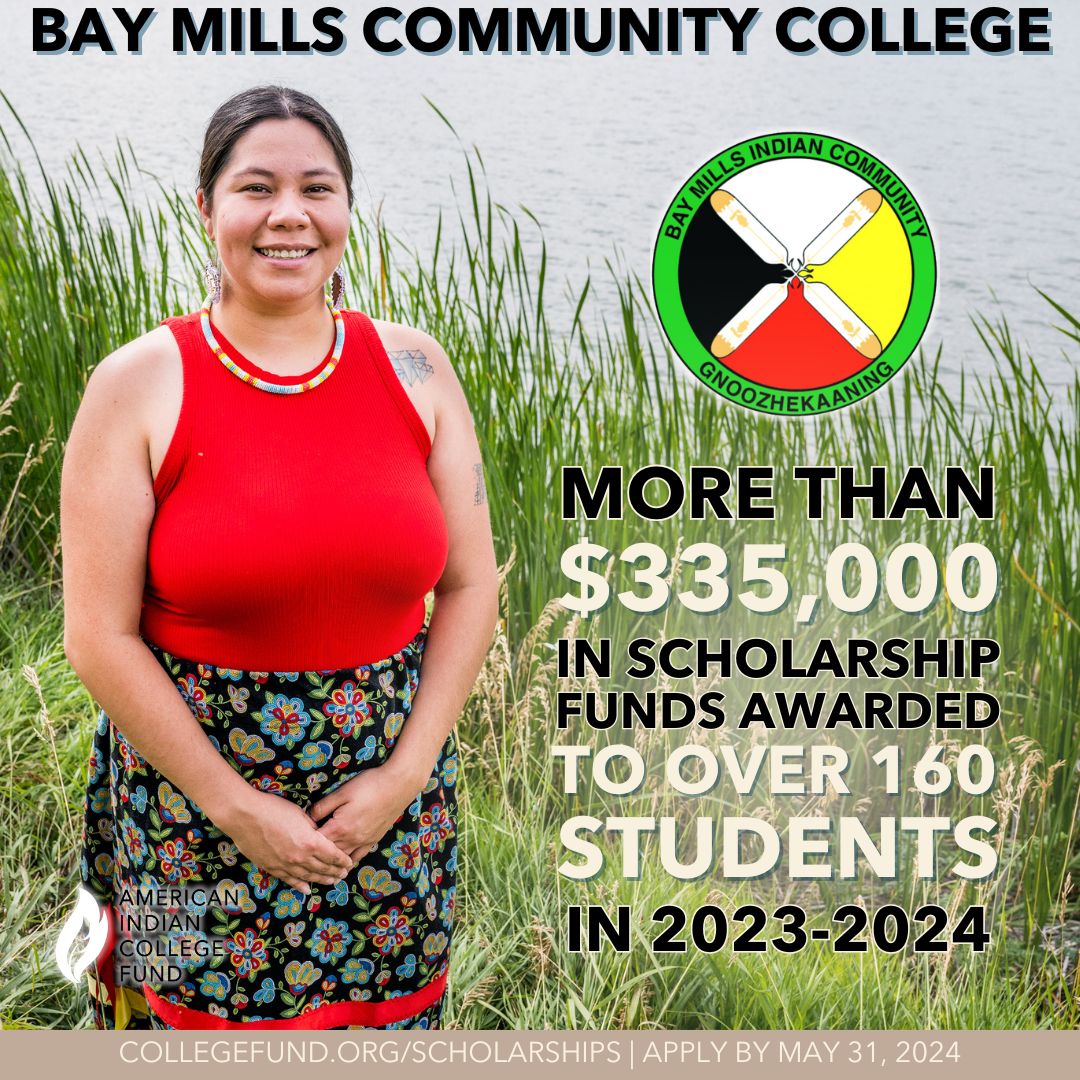
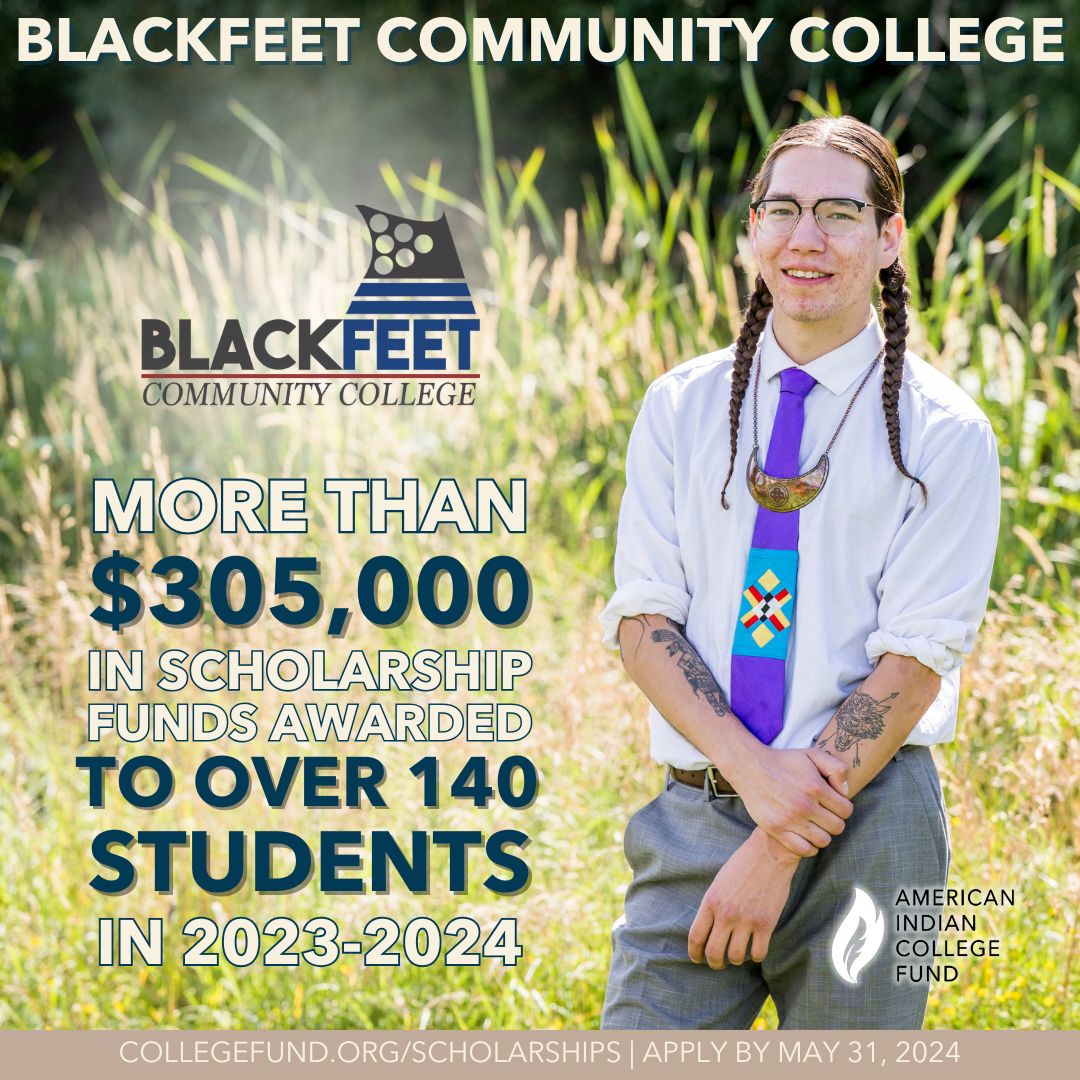
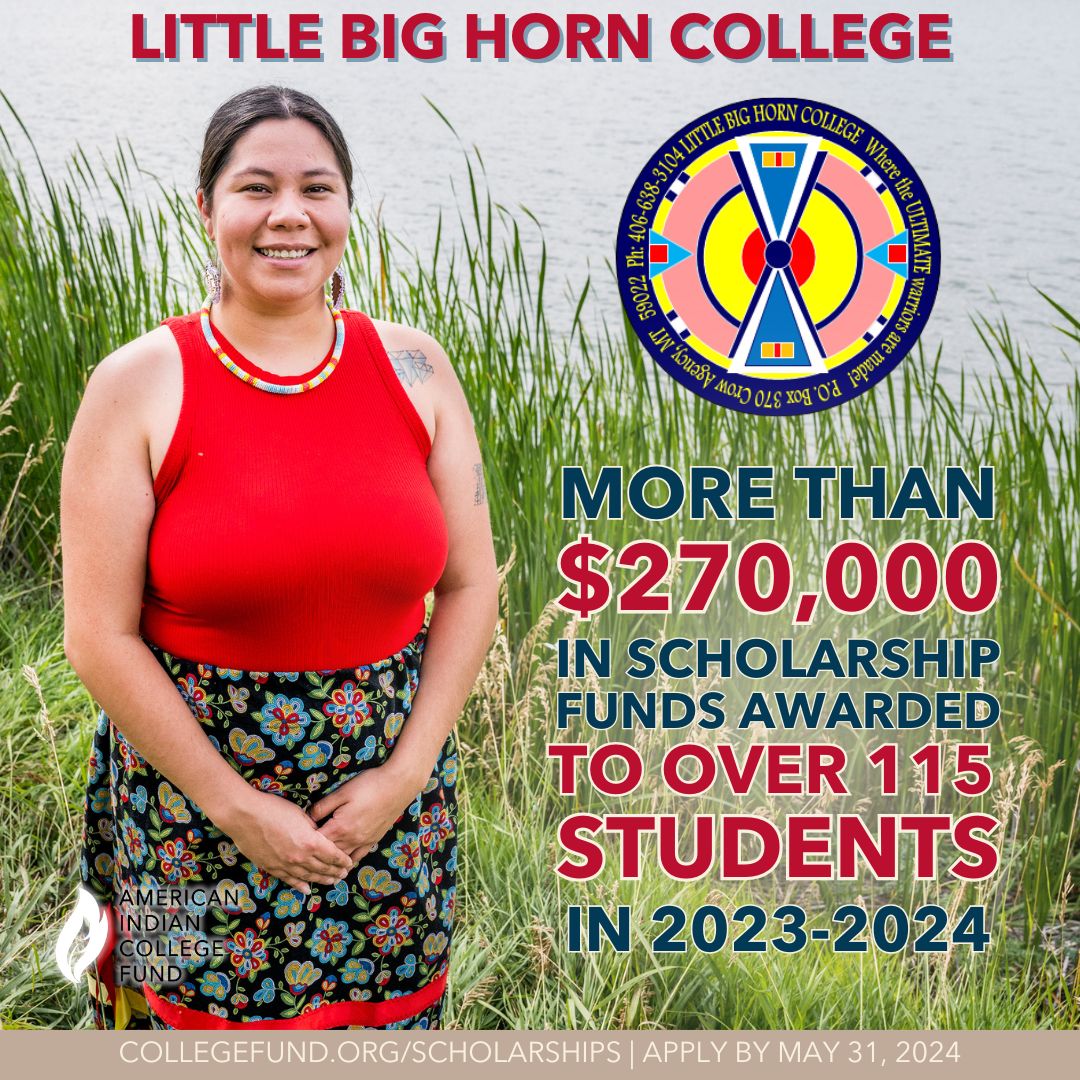
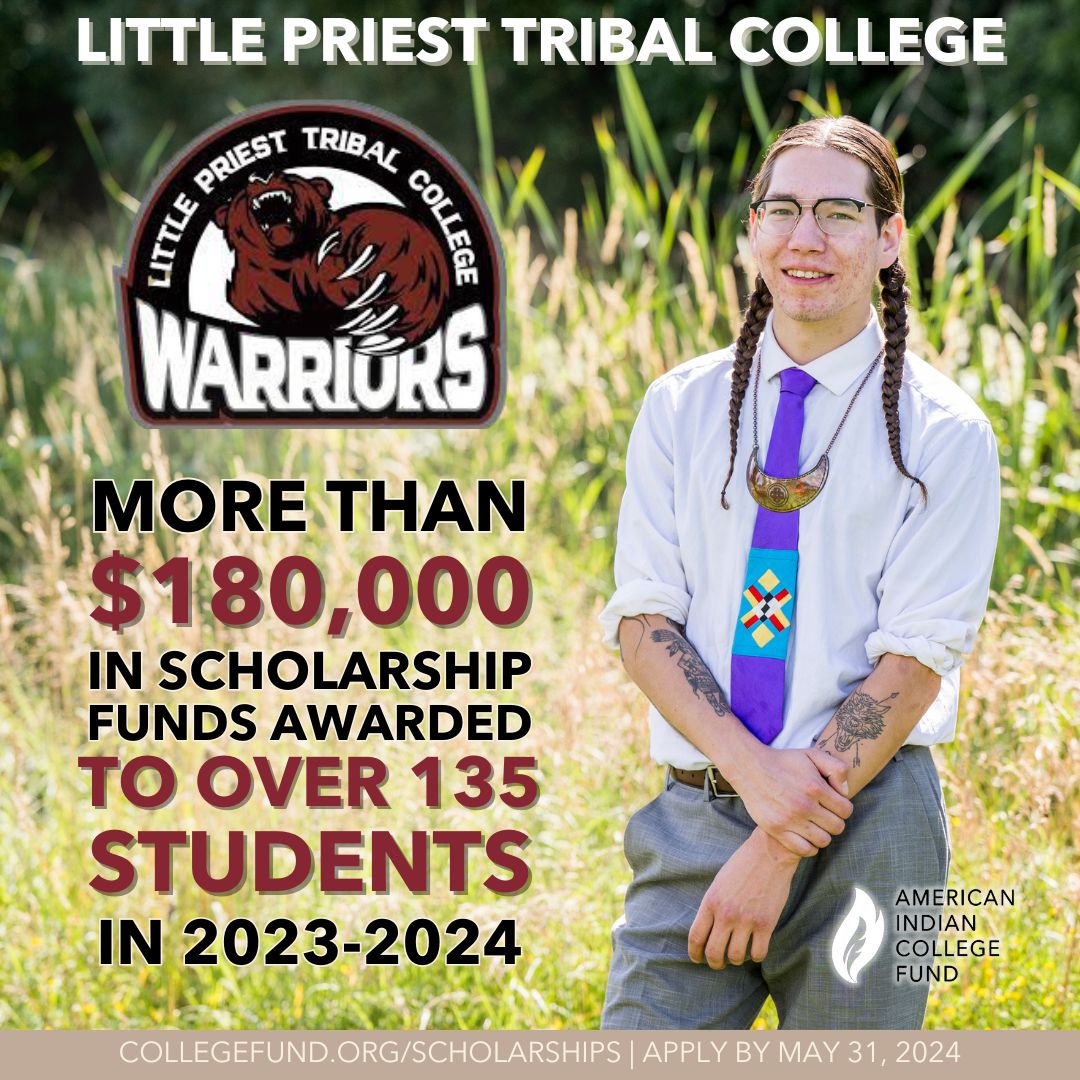
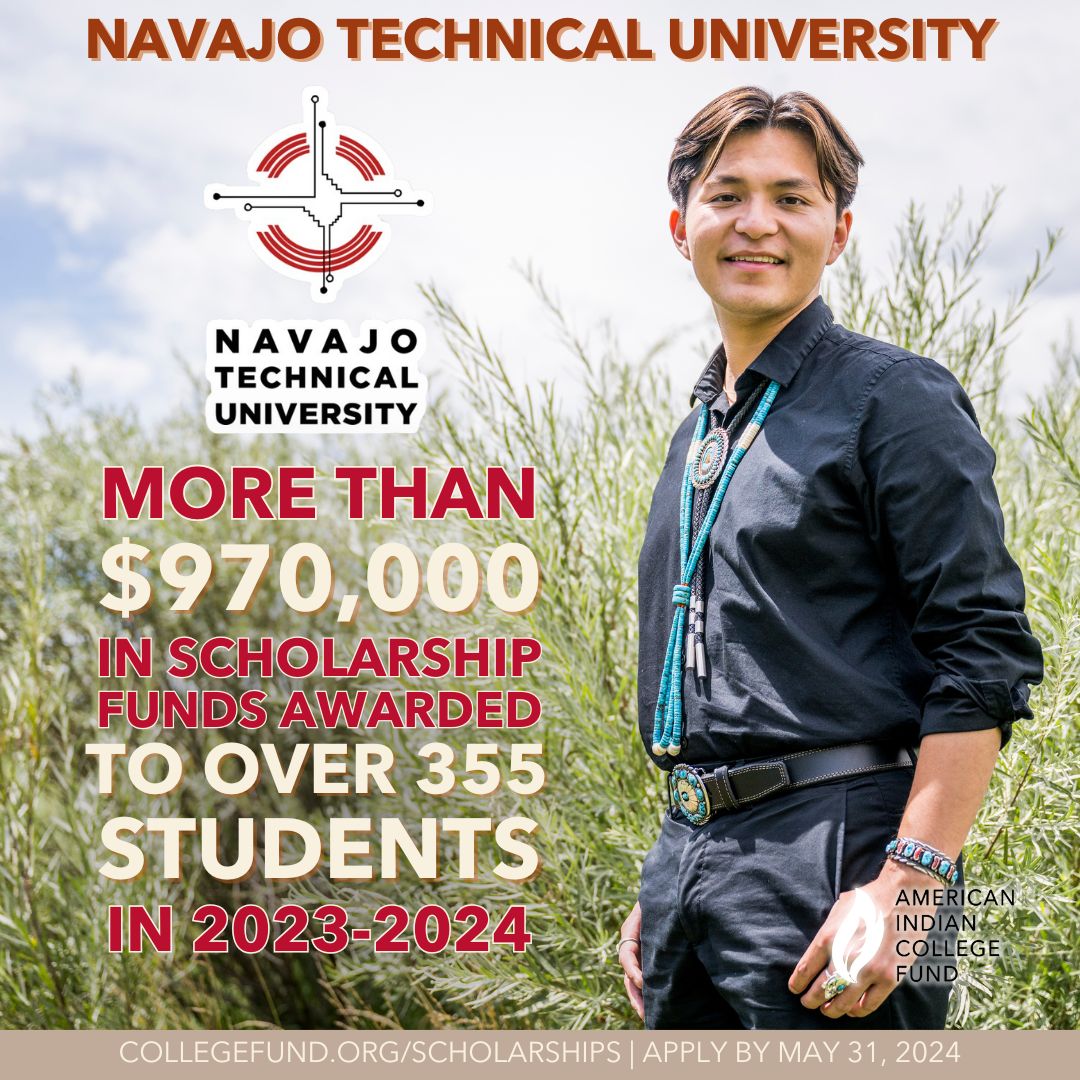
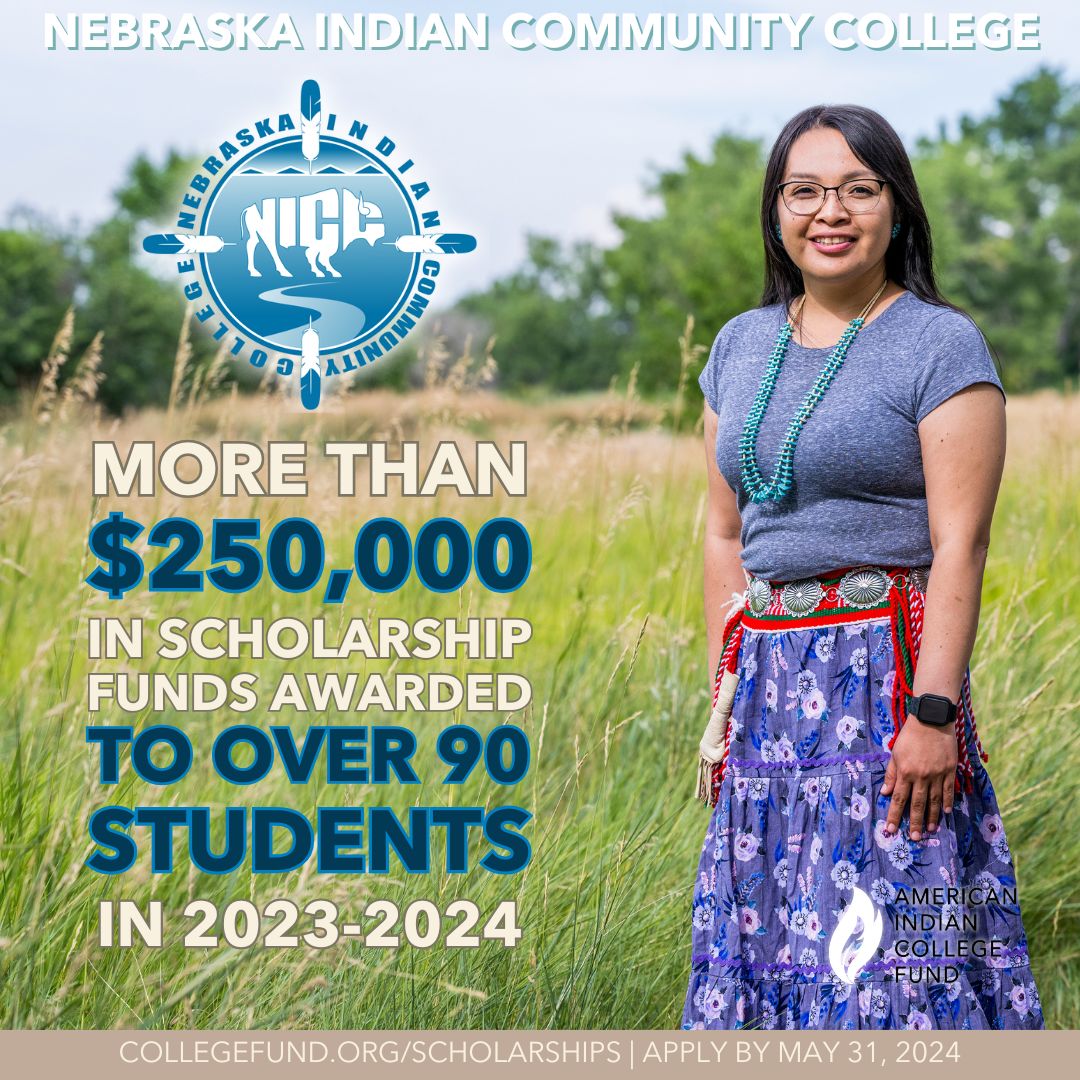
Programs TCU Capacity Support and Impact
2023-2024 Data
$12.9+
MILLION
4960+
34

Tribal Colleges and Universities
Tribal colleges and universities provide dynamic higher education opportunities, most on or near reservation lands. Known for their remarkable programs, culturally-relevant curricula, and familial student care – tribal colleges allow students to further their careers, attain an advanced degree, or better support their communities.
(DRUM) Circles Project
TCU Developing Research in Undergraduate Mathematics
WestEd and the American Indian College Fund have partnered to create greater math success for Native students studying at tribal colleges.
Institutions News
Read blog updates from our institutions teams
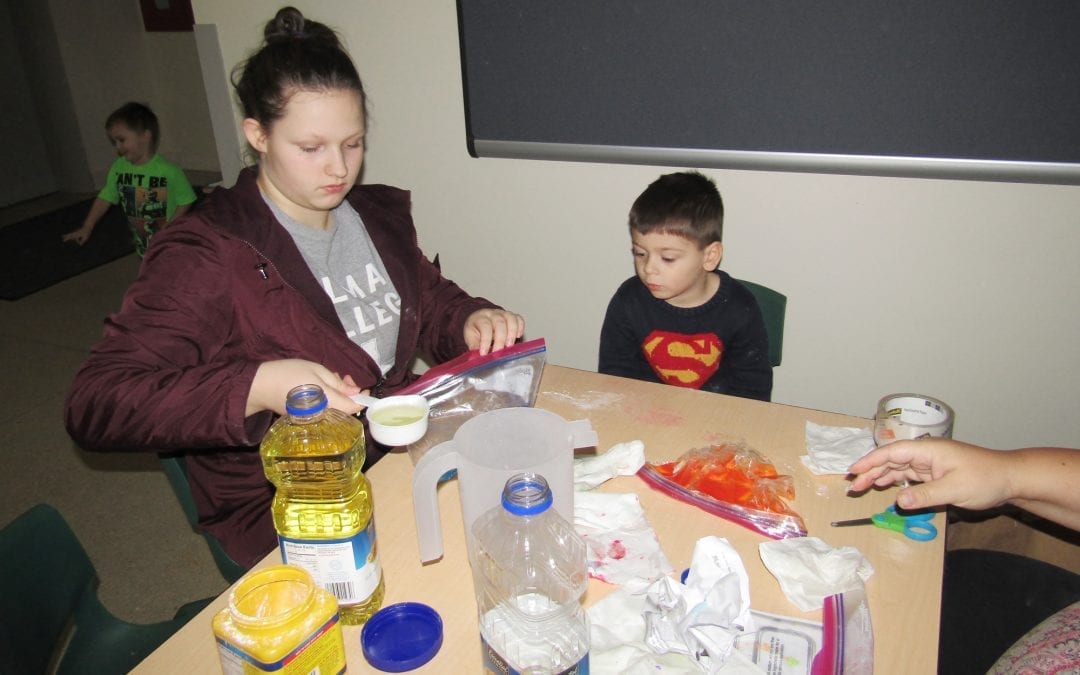
BIMAADIZIWIN: “A Healthy Way of Life” Through Family Fun Night
At Keweenaw Bay Ojibwa Community College (KBOCC) traditional Ojibwe teachings which portray the family as a part of the framework that honors the individual and the collective groups to which the individual belongs. Throughout the year, Migiziinsag (Little Eagles), an early childhood program for four-year-old children, engages by incorporating aspects of indigenous early learning, Anishinaabe language, cultural ceremonies, nutrition and physical activities. The “Family Fun Event Planning Framework” embraces four areas:
Guide for Educators First To Feature Tribal College Professionals’ Work
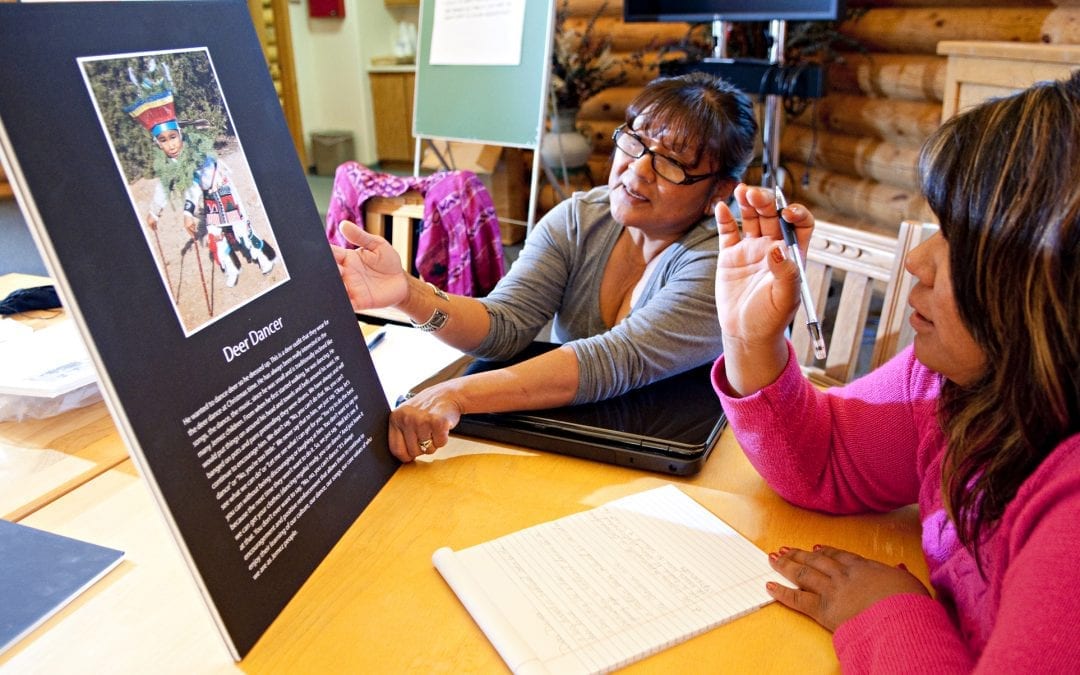
A new guide for educators titled Teacher Education Across Minority-Serving Institutions: Programs, Policies, and Social Justice, edited by Emery Petchauuer and Lynnette Mawhinney (Rutgers University Press, 2017) shares successful teaching practices and teacher education programs from minority-serving institutions (MSIs) across the country.
NWIC Restorative Teachings Holiday Cedar Weaving and Storytelling Event
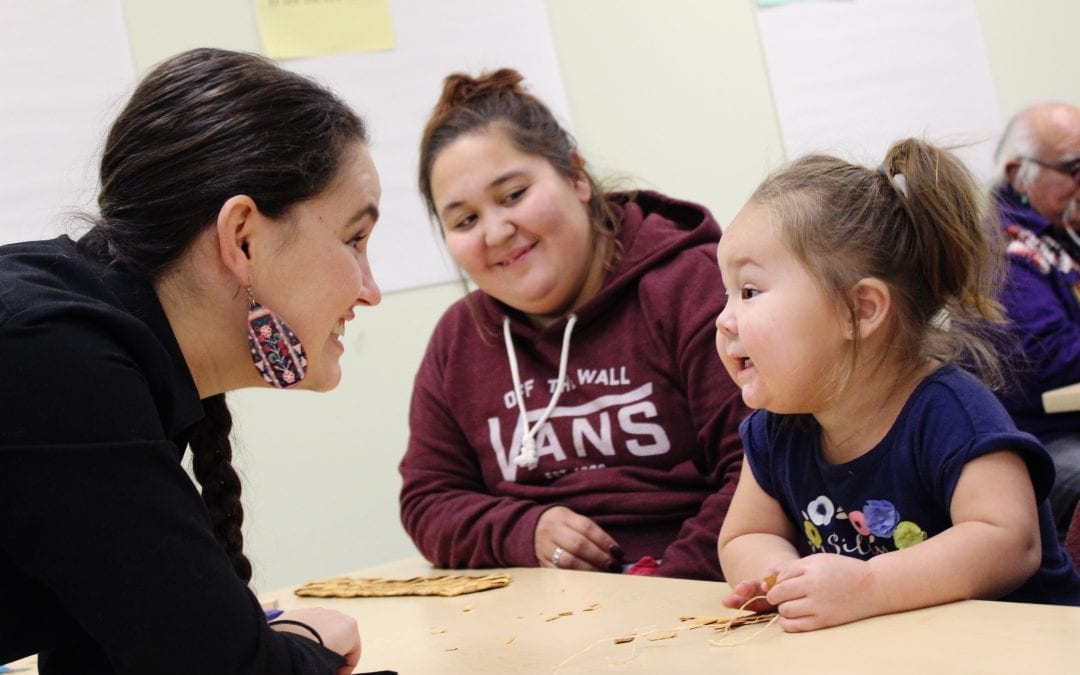
On a blustery and bitterly cold December night Northwest Indian College (NWIC) Early Learning Center (ELC) welcomed families and community members to celebrate traditional plants and foods of the Coast Salish culture. In spite of the winter’s chill, the event was an amazing success, with nine enrolled ELC families and eight families from the Lummi community represented.
College Fund Expert Lends Voice to Cell Phone Debate for Young Children
Tarajean Yazzie-Mintz, Co-Director of the American Indian College Fund’s Office of Research and Sponsored Programs and Senior Program Officer of Tribal College and University Early Childhood Education Initiatives, shared that cell phones are no longer merely communications devices, but are tools to access and exchange multiple sources of information. Parents must consider these factors while strategically monitoring and guiding children’s use of these tools.