
Invest in Native American college students today.
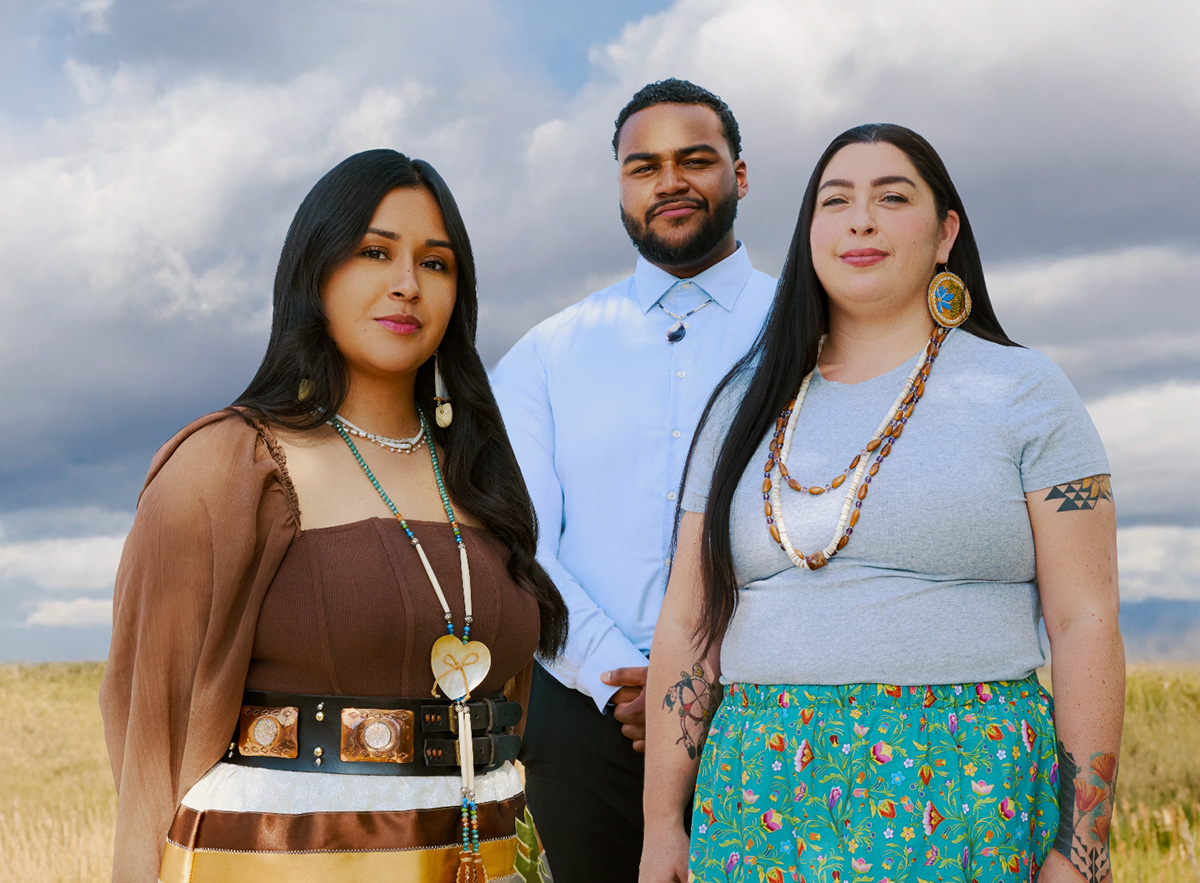
Invest in Native American college students today.
Our Vision: Empowering Native Communities

The vision of the American Indian College Fund is for healthy, self-sufficient, and educated American Indian and Alaska Native people.
Nearly 60 years ago, the Tribal College and University (TCU) movement took flight—born from the vision of Native leaders determined to reclaim education for their communities.
At TCUs curriculum is rooted in Indigenous values, cultural knowledge is passed down, and students build healthy, stable lives for themselves, their families, and the next seven generations.
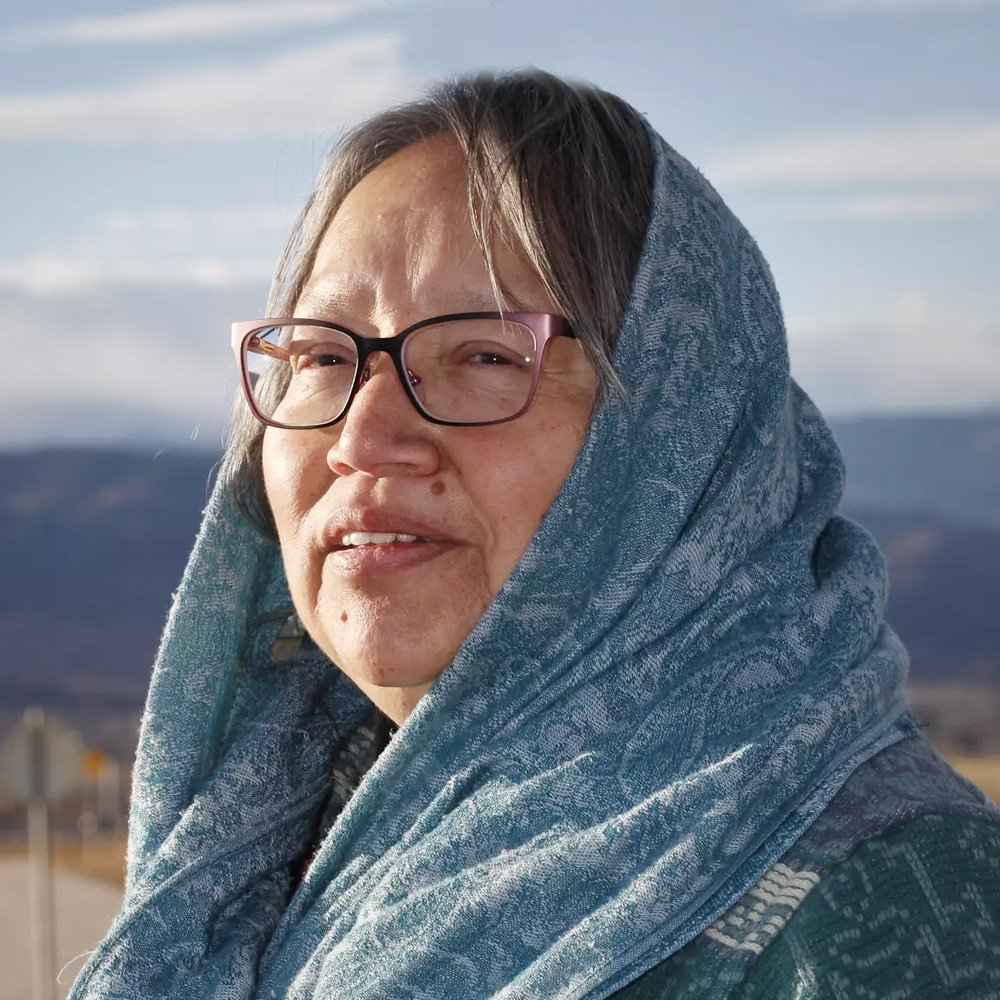
President Cheryl Crazy Bull of the American Indian College Fund shares how our work and the work of the TCUs have transformed thousands of lives—and how your continued support is helping Native students reach heights their ancestors always dreamed of.
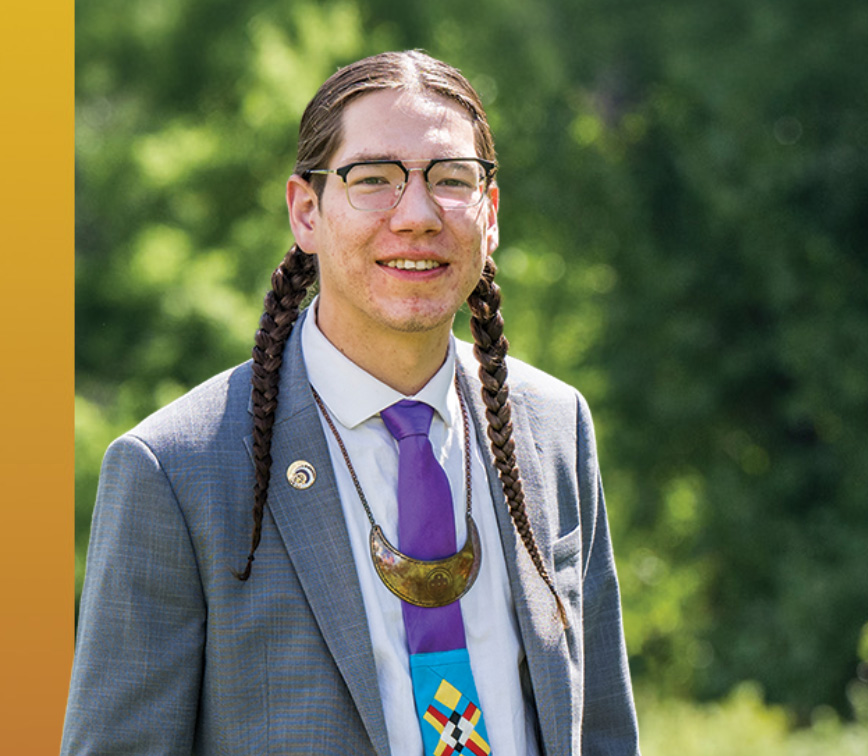

Reclaim Native Democracy
Democracy Has Native Roots.
Democracy didn’t arrive here. It evolved here. Systems of governance existed across Native nations long before European contact.
Consensus-building, clan systems, women’s councils, intertribal diplomacy, confederacies – these are democratic structures.
The land itself shaped governance models rooted in responsibility, balance, and collective wellbeing.
The Native vote impacts our education, our lands, our health, culture and future generations.
Featured News
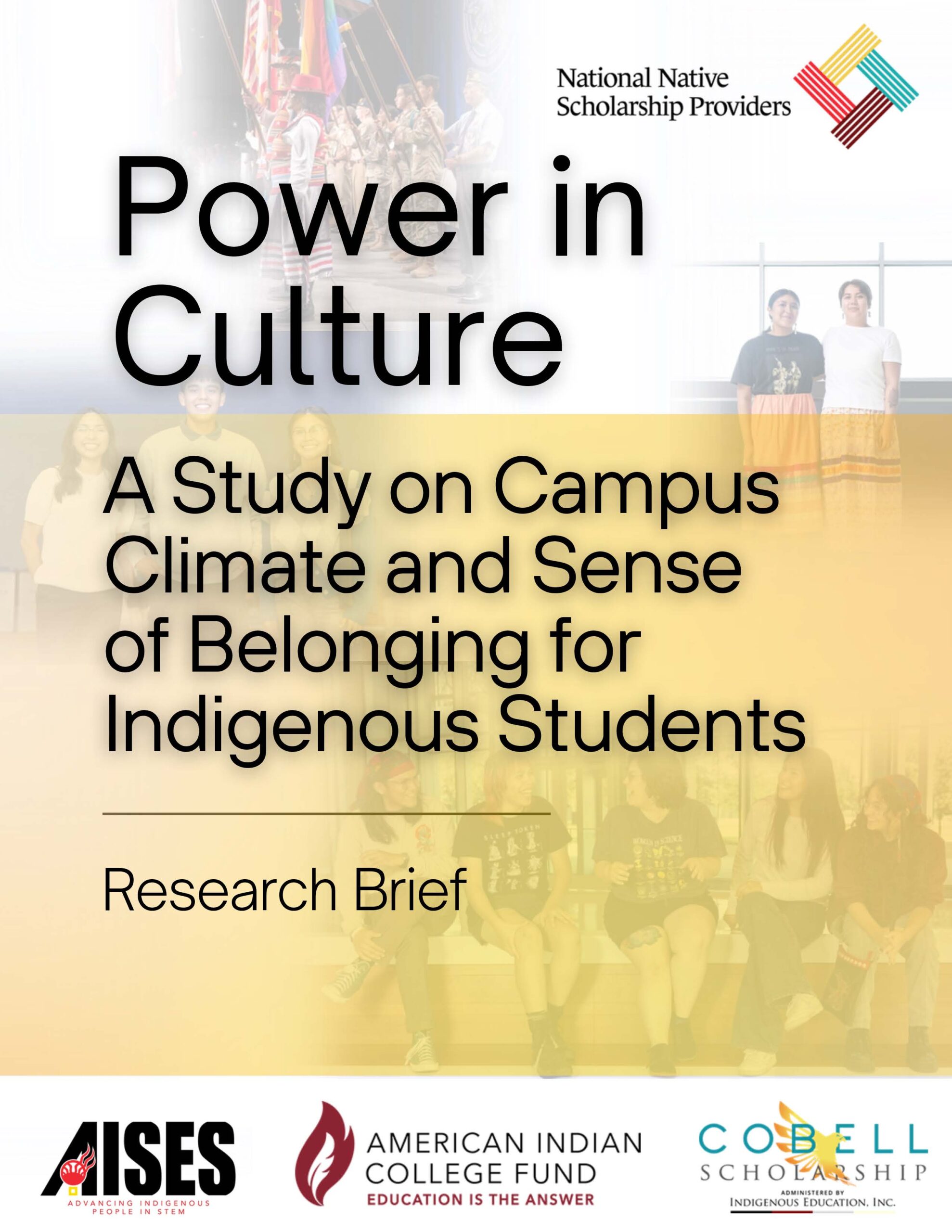
“Power in Culture: A Study on Campus Climate and Sense of Belonging for Indigenous Students” Research Released
Three members of the National Native Scholarship Providers (NNSP) group, which includes the American Indian College Fund, AISES, and Cobell Scholarship, Inc., collaborated on the research and release of a new study, “Power in Culture: A Study on Campus Climate and Sense of Belonging for Indigenous Students.” Indigenous students surveyed shared what factors make them feel they belong, stay enrolled in college, and graduate.
Because of You
Because of you, TCU faculty, Native students are learning, leading, and realizing their dreams. Your belief in them creates classrooms where culture and knowledge grow side by side. Together, we are shaping leaders who will strengthen their nations for generations to come. Thank you, faculty.
Our Impact: Native American Scholarships and Student Success
$310.6
MILLION
Invested into Native Communities
159,652
SCHOLARSHIPS
Awarded since 1989
93%
OF OUR SCHOLARS
Give back to their communities
How Your Donations are Used
4%
Management and General
20%
Fundraising

76%
Scholarships, Programs, and Public Education
A Commitment to Donors: The Most-Trusted Native American Nonprofit

Candid
2025 Platinum Seal of Transparency

Best Charity
Certified by America’s best charities
Charity Navigator
View our Charity Navigator profile
BBB Wise Giving Alliance
View our give.org charity profile
Tribal Colleges and Universities:
Culture-Based Native American Higher Education
Tribal colleges and universities provide dynamic higher education opportunities, most on or near reservation lands. Known for their remarkable programs, culturally-relevant curricula, and familial student care – tribal colleges allow students to further their careers, attain an advanced degree, or better support their communities.
Recent Blog Posts

From Our President
Featured News

FOR STUDENTS
American Indian College Fund Partners with National Native Scholarship Providers to Raise Awareness of Boarding School Students
The American Indian College Fund (College Fund) and other National Native Scholarship Providers (NNSPs), including AISES, Cobell Scholarship Fund, and Native Forward Scholars Fund, are raising awareness of Orange Shirt Day in solidarity with Native people in Canada, where it is observed on September 30 as a federal holiday called the National Day for Truth and Reconciliation.

Programs
Featured News
American Indian College Fund Offers Three-Year American Indian Law School Scholarship to Attend Harvard Law School
A law degree is foundational for Native leaders to ensure the rights of their sovereign Nations and citizens. Law school graduates work as lawyers, in public policy, government, law enforcement, education, and more.
American Indian College Fund Celebrates National Tribal College and University Week in Washington, D.C.
The American Indian College Fund (the College Fund) joins the American Indian Higher Education Consortium and its member tribal colleges and universities to celebrate National Tribal College Week beginning February 5. Native students, tribal college presidents, and American Indian College Fund staff will pay visits to U.S. legislative leaders who have tribal colleges and universities (TCUs) in their states.
American Indian College Fund President and CEO Publishes Chapter on Leadership for Women of Color
American Indian College Fund President and CEO Cheryl Crazy Bull shares her wisdom with writer and editor Analiza Quiroz Wolf on leadership in the new book “The Myths of Success: A Woman of Color’s Guide to Leadership,” which was released on January 15.
Student News

Graduation: A Time to Celebrate Your Achievements and Culture
In 2019, the American Indian College Fund teamed with the Native American Rights Fund to gather content Native American students need to work with school administrations in advance of graduation to ensure they can celebrate their graduations in a traditional way. We have updated this blog for 2024 but many of the principles are still the same.
May and Stanley Smith Charitable Trust Partners with American Indian College Fund to Support Native Student Veterans
The American Indian College Fund (College Fund) has received a $50,000 grant from the May and Stanley Smith Charitable Trust to implement a six-month fellowship focused on empowering Native student veterans to success. The Naabaahii Ółta’í (Student Warrior): Native Student Veterans Peer-to-Peer Program is a mentorship opportunity that builds relationships between veterans based upon their shared experiences.
American Indian College Fund Launches “Make Native Voices Heard” Voting Campaign
Native Americans are more impacted by the law than any other group in the United States. Native students in higher education, or seeking a higher education, in particular are impacted by federal and state laws impacting funding for education, such as Pell Grants, student loans, and federal funding for tribal colleges and universities (TCUs), 70% of which comes from federal sources.
News from our Progams Team
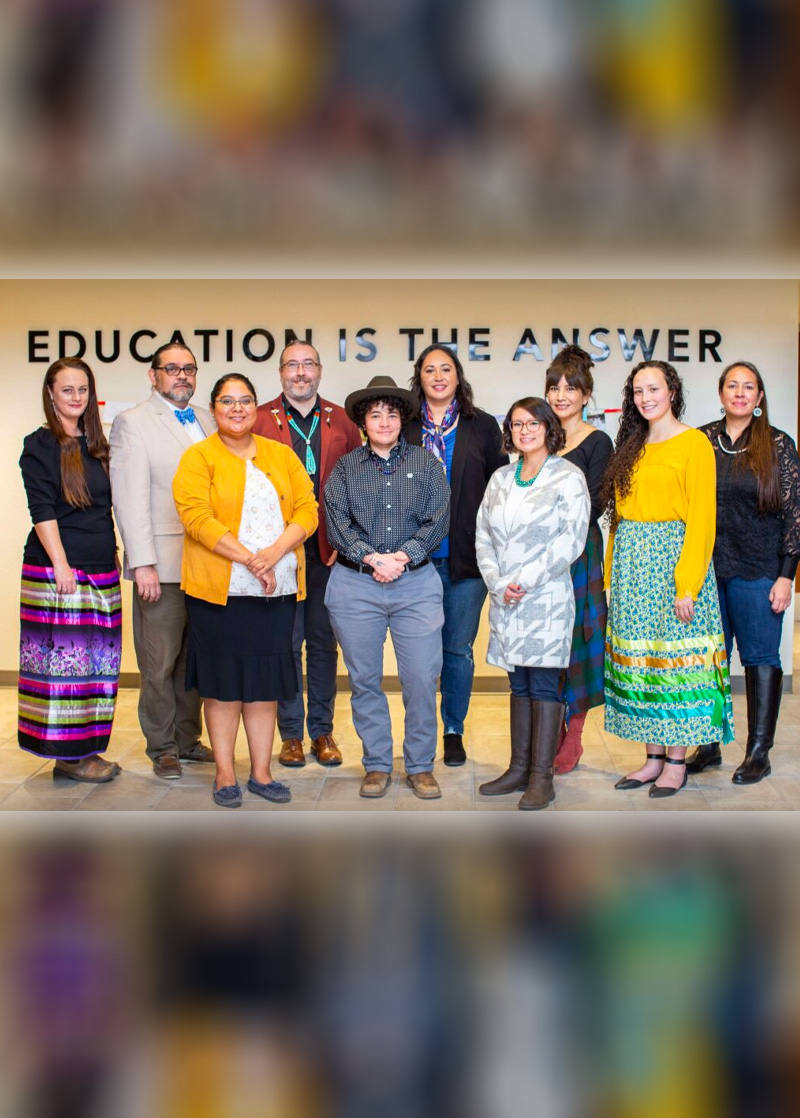
College Fund Programs Team
College Fund in the News

Federal budget could shutter America's Tribal colleges and universities
New computer science in art degree brings worlds together at Santa Fe’s IAIA

Tribal Colleges Brace for Disruption as Oversight Shifts to Interior Department

Why We Must Fully Fund Tribal Colleges and Universities
