Indigenous Literacy Story Series
The Indigenous Literacy Story Series seeks to shift perceptions of literacy and education in tribal nation communities, provide evidence of literacy success and innovation in tribal nation communities, establish the College Fund as a resource and leader in literacy resources, and encourage innovation and collaboration within TCUs, across TCUs, and between Native inservice teachers.
This story series features guest writers from the College Fund, TCUs, and Native educators in the field.

Indigenous Literacy is:
A means of expressing and sustaining connection, culture, and sovereignty.
The ability to communicate (tell stories, speak, write, create, teach, or demonstrate) and comprehend (listen, read, sense, interpret, view, learn, or practice).
A starting point for Native people to co-create their environment in ways that are grounded in – and sustaining of – Indigenous cultures, languages, and ways of knowing.
Relational and intergenerational, supporting kinship with each other, ancestors, and the land.
Essential to thriving Indigenous communities.
Featured Stories
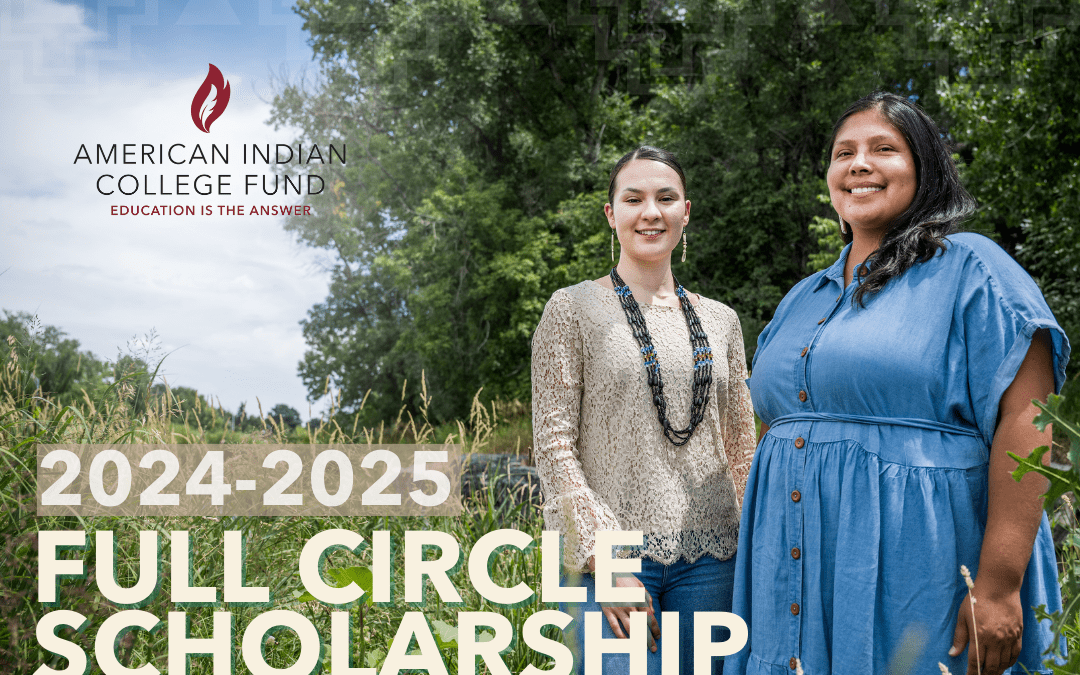
American Indian College Fund Scholarship Season Begins February 1
Hundreds of scholarships in all areas of study are available for Indigenous students with the American Indian College Fund. The College Fund’s scholarship season opens on February 1, 2024. Indigenous students attending tribal colleges and universities can receive additional scholarship support.
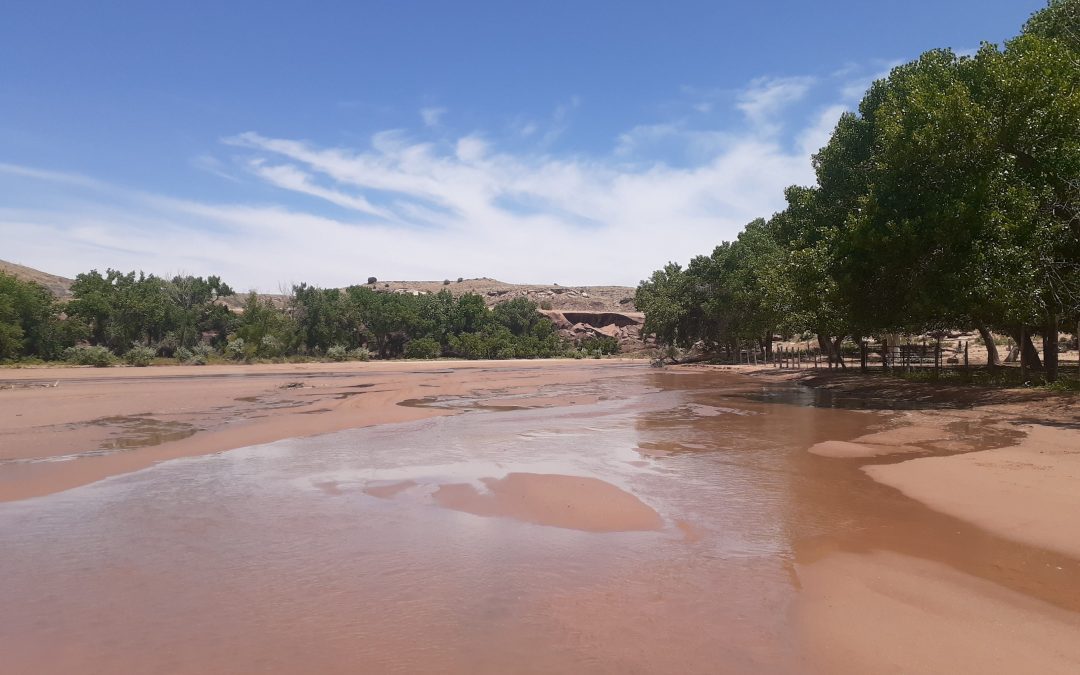
Keepers of the Flame: Part 1
This is part one of the story of a father who instilled in his daughter the value of education in its many forms, and a mother and grandmother who paved the way through their teachings.
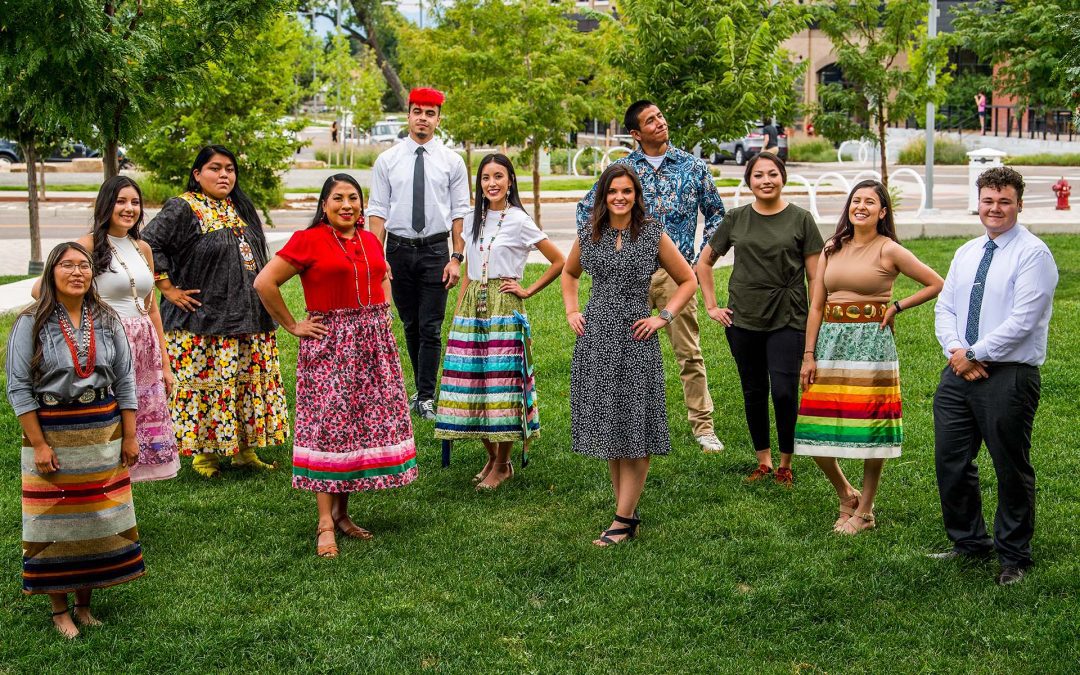
In Memoriam: Salish Kootenai College Founder and Former President Dr. Joe McDonald
The American Indian College Fund was saddened to hear of the passing of Joe McDonald, founder of Salish Kootenai College and a founder of the Tribal College Movement. Dr. McDonald passed away Thursday, December 14, 2023, at the age of 90.
From Adversity to Achievement: An Inspiring Journey to GED Success
Joeviyhl overcame a lot to get to where she is now as a college student with plans to pursue a degree in nursing, but her first steps were through the doors of Sinte Gleska University’s Adult Basic Education program.
Kelley Mitchell, American Indian College Fund Program Officer, Selected for Bank of America Neighborhood Builders Leadership Program
Kelley Mitchell, Diné (Navajo), American Indian College Fund Program Officer for College Access and Success, has been selected to participate in a year-long Neighborhood Builders Leadership program offered by the Bank of America.
Saginaw Chippewa Tribal College: Helping Students Meet Their Goals
Lawrence Fuller steps forward in his education through Saginaw Chippewa Tribal College’s GED program.
CoBank Partners with the American Indian College Fund to Support Native College Students
CoBank is partnering with the American Indian College Fund (College Fund) to provide American Indian and Alaska Native students with scholarships. CoBank has granted $300,000 over the next three years, providing $100,000 per year for 20 student scholarships in the amount of $4,500.
American Indian College Fund and Pendleton Woolen Mills Student Blanket Contest Opens November 15
The American Indian College Fund and Pendleton Woolen Mills, the international lifestyle brand headquartered in Portland, Oregon, are announcing they are accepting submissions for The Tribal College Blanket Design Contest, beginning November 15. All American Indian and Alaska Native students attending a tribal college or university are eligible to submit one or several designs in the competition, which awards scholarships and cash prizes to the top three designers.
Always Something to Learn – Oglala Lakota College GED Tutor Feature
Oglala Lakota College GED tutors find themselves learning and celebrating milestones along with their students.