Indigenous Literacy Story Series
The Indigenous Literacy Story Series seeks to shift perceptions of literacy and education in tribal nation communities, provide evidence of literacy success and innovation in tribal nation communities, establish the College Fund as a resource and leader in literacy resources, and encourage innovation and collaboration within TCUs, across TCUs, and between Native inservice teachers.
This story series features guest writers from the College Fund, TCUs, and Native educators in the field.

Indigenous Literacy is:
A means of expressing and sustaining connection, culture, and sovereignty.
The ability to communicate (tell stories, speak, write, create, teach, or demonstrate) and comprehend (listen, read, sense, interpret, view, learn, or practice).
A starting point for Native people to co-create their environment in ways that are grounded in – and sustaining of – Indigenous cultures, languages, and ways of knowing.
Relational and intergenerational, supporting kinship with each other, ancestors, and the land.
Essential to thriving Indigenous communities.
Featured Stories
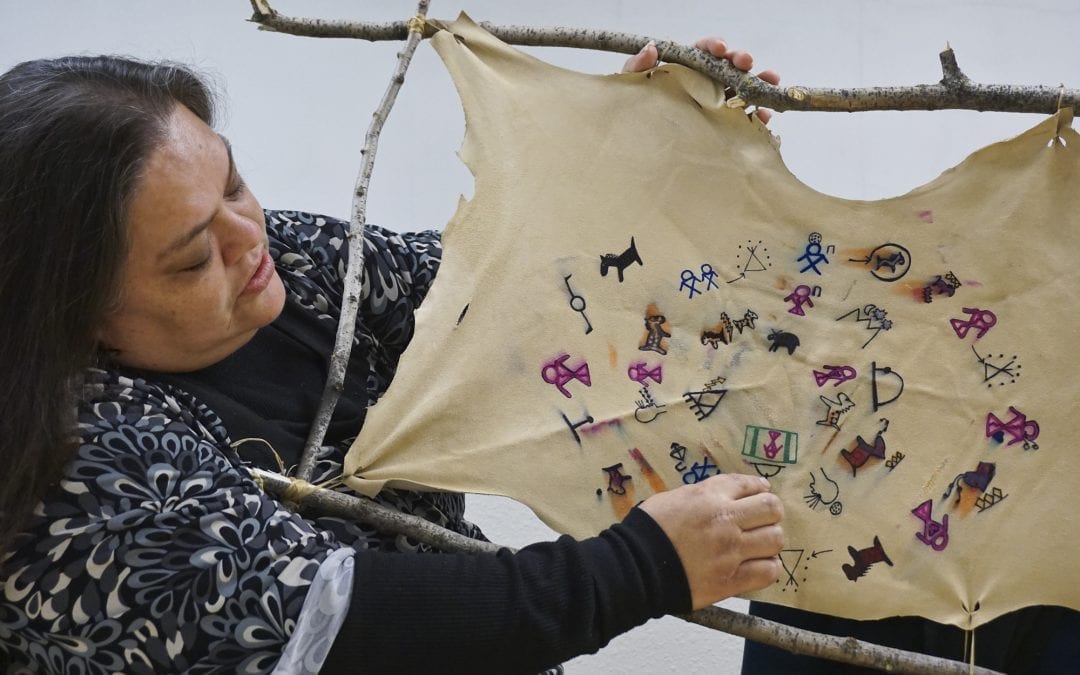
It’s More Than Just Telling a Story!
Through storytelling, the Menominee are keeping their tribal language alive. Storytelling is both an art and a necessary method for educating our young early childhood children in the Menominee community. The Menominee have used oral stories to pass down traditions to future generations, such as their local customs, how to live off the forest land, and how to survive in the natural environment in which they live
Three Hundred Native American High School Students Will Get Help for College Preparation from The College Fund
Only 1% of college students are Native American. The American Indian College Fund is helping to change that with its Native Pathways to College: Bridge Program, which will work with an estimated 300 high school students to increase their preparation for college.
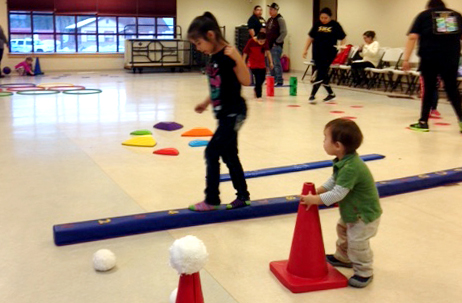
Salish Kootenai College’s Restorative Teachings Early Childhood Initiative Project
Thanks to a tribal college in Montana, American Indian students with disabilities are benefiting from the enhanced teacher training. Salish Kootenai College (SKC) is designing and delivering professional development to 40 teachers, pre-service teachers, and educational professionals to enhance the health, wellness, and educational opportunities for American Indian (AI) children with and without disabilities and their families.
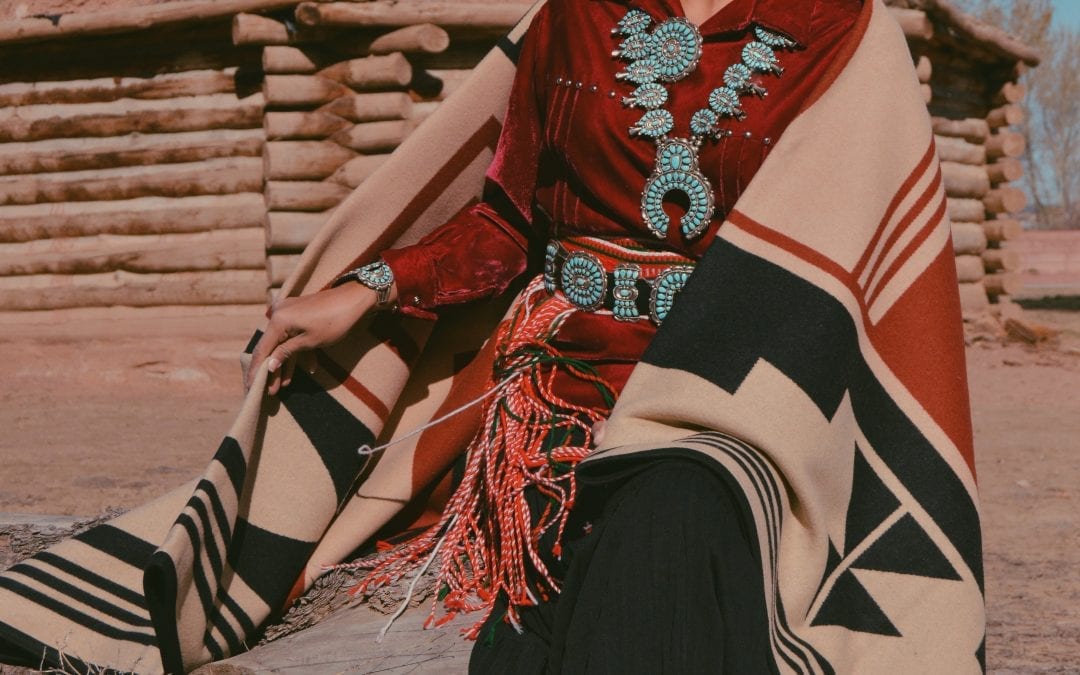
Pendleton® Introduces the 2017 College Fund Blanket in Partnership with Wieden+Kennedy
“The blanket tells of the Hopi nation and their sacred relationship with the ancient caretaker of the earth, Maasaw, and the respect of every gift given to them.” says designer Patty Orlando of creative agency Wieden+Kennedy. “The clay they and their ancestors have sourced from the land for centuries is treated with the utmost regard.
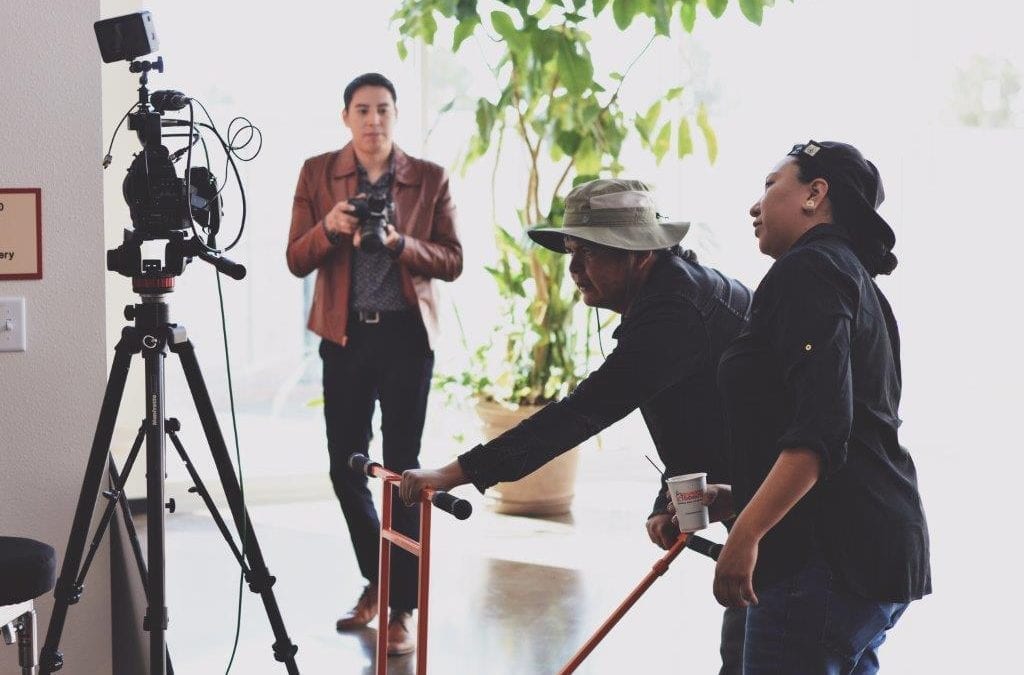
Why You Need an Internship
Internships are important help to students developing professionalism and an understanding of how to work in a professional environment. After having worked with Native student interns over the years in a professional capacity, I am sharing the following important insights for Native students when considering the importance of adding an internship to their college experience.
Southwestern Indian Polytechnic Institute Takes Top Prize at NASA Swarmathon
Schulte Cooke (Navajo Nation) a liberal arts &geospatial information technology major; Emery Sutherland (Navajo Nation) a computer aided design / drafting and network management major; Christian Martinez (Pueblo of Laguna) a network management major; Ty Shurley (Navajo Nation) a pre-engineering and computer aided design / drafting major and Nader Vadiee, Ph.D., SIPI engineering professor and the team’s faculty advisor for the SIPI-NASA I-CMARS Program pose with the trophy and prize.
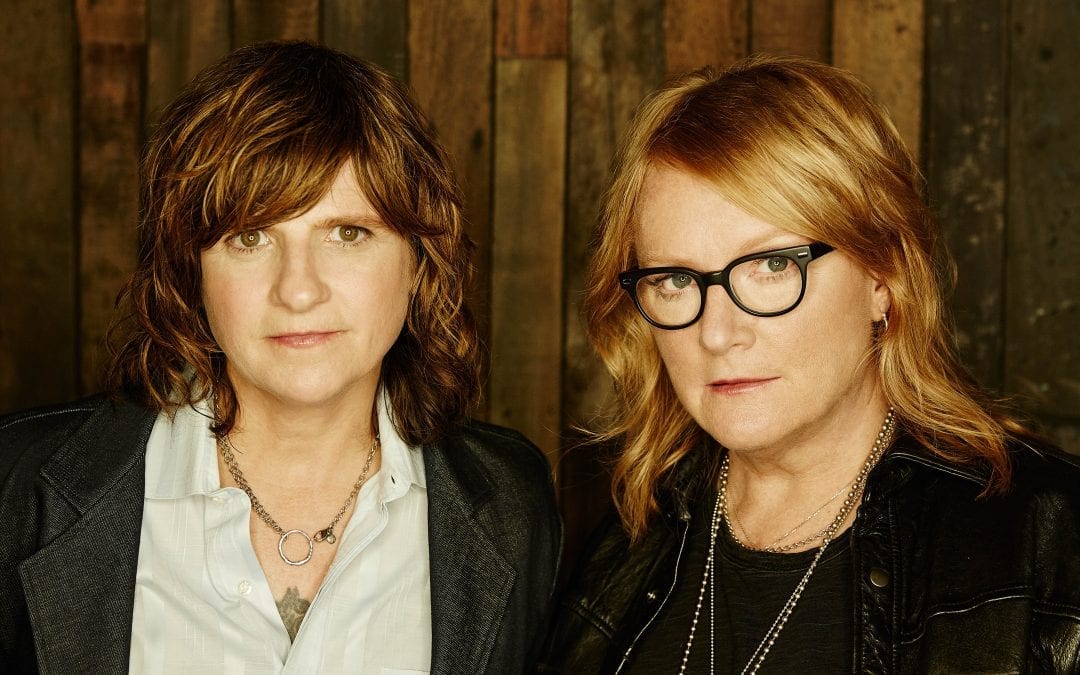
Flame of Hope Gala with Indigo Girls Aims to Raise Funds to Increase American Indians with College Degrees
Only 13.8% of American Indians have a college degree. The American Indian College Fund is changing that. American Indian students know an education will change their lives and communities by giving them knowledge and confidence to defend their rights and amplify their voices, as demonstrated in the recent Standing Rock protests.
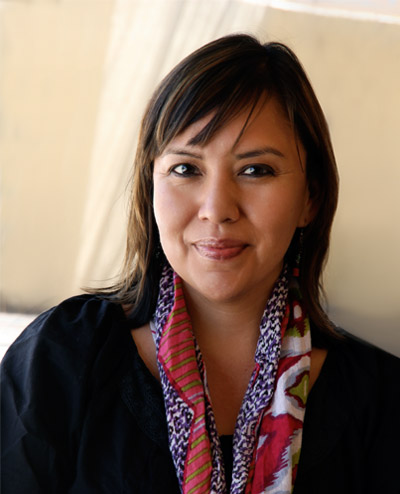
TCU Prof Shares Expertise on Teacher Education
TCU Professor Dr. Danielle Lansing, a faculty member in Early Childhood Education at the Southwestern Indian Polytechnic Institute (SIPI), a tribal college and university (TCU) participant in the American Indian College Fund’s Wakanyeja “Sacred Little Ones” early childhood initiative.

Indian Health and Tribal Colleges
The Republicans failed at their attempt to rewrite the Affordable Care Act. That’s good for Indian Country. But health care in Indian Country could get even better. And better health care for Native Americans translates to a healthier economic and educational outlook.
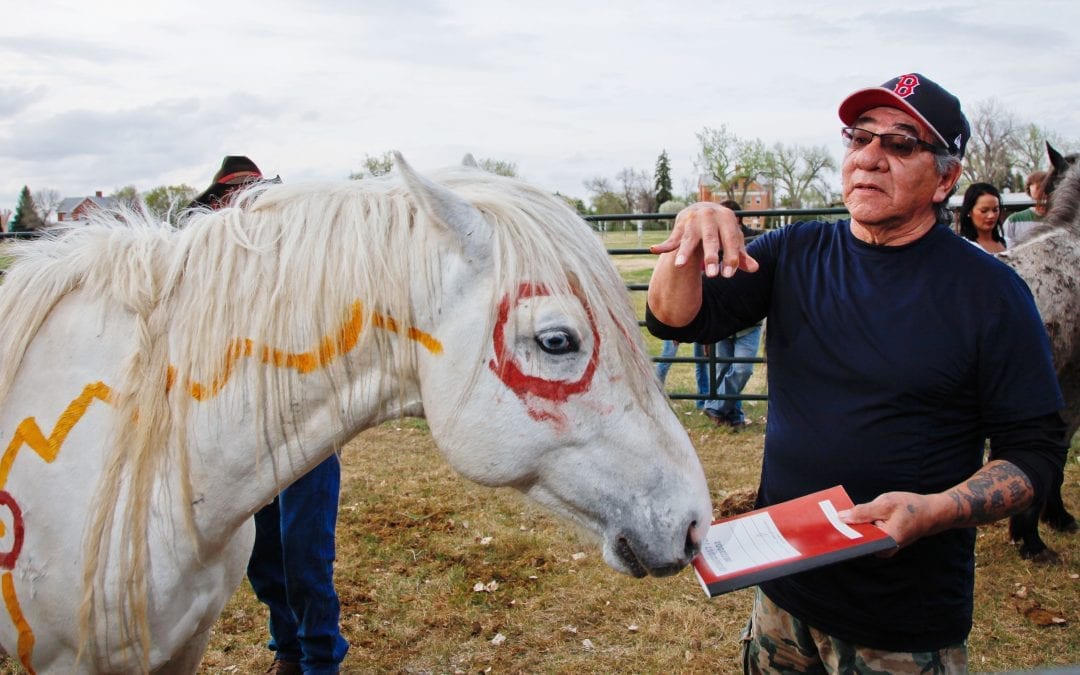
College Fund Receives $1 Million Traditional Arts Grant
The American Indian College Fund has received a $1 million grant to continue its Restoration and Preservation of Traditional Native Art Forms and Knowledge program at tribal colleges and universities (TCUs). The program is expanding knowledge and skills at these institutions across the country while also placing endangered art forms at the center of its focus.