By Dr. Kelli Chelberg, Assistant Professor, Teacher Education Department, CMN
2023-2024 Ihduwiyayapi: Advancing Indigenous Early Childhood Education Grant Program
A mere year ago in our blog Building the College of Menominee Nation’s Capacity through Culture, Community, Connections, and Collaboration we highlighted the goals outlined in the College of Menominee Nation’s (CMN) Ihduwiyayapi Indigenous Early Childhood Education Project. We were thankful for the opportunity to build CMN’s capacity through the opportunities that we were able to create as a part of our Ihduwiyayapi project.
CMN, a tribal college located on the Menominee Reservation with a satellite campus in Green Bay, Wisconsin, offers several education programs relevant to teacher education. Degree programs include an associate of arts and science degree in early childhood education, a bachelor of arts degree in culturally responsive programs and projects, and a bachelor of science degree in elementary/middle school education (K–9th grade, including a four-year-old kindergarten program) with Wisconsin state licensure.
In June 2023, as a result of a successful year of building capacity across the institution, community, and with our collaborative partners, we proposed Meniken, meaning, “It grows well, it does well, it is a good thing, it is good” in Menominee. The goal of our Meniken project is to build on the work that started in our first year and to expand our traditional teaching offerings to both pre-service and in-service teachers, offer opportunities for students to share their cultural knowledge with their peers, and provide faculty and staff professional development so that we can continue to build culturally responsive teachers. We are six months into the Menikan project. We have found that our monthly Talking Circle benefits our teacher education students, significantly impacting their growth as students, friends, and future teachers.
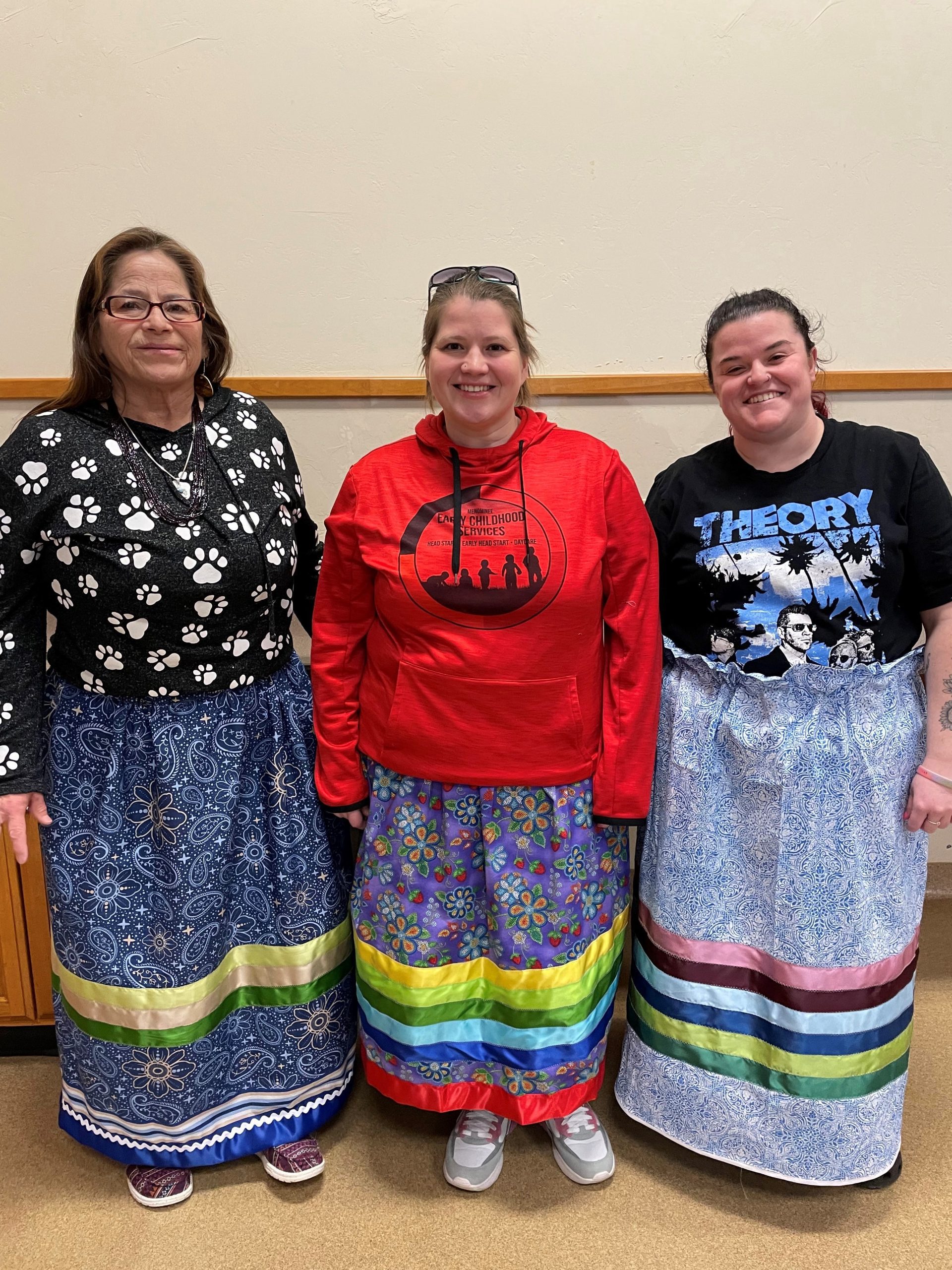
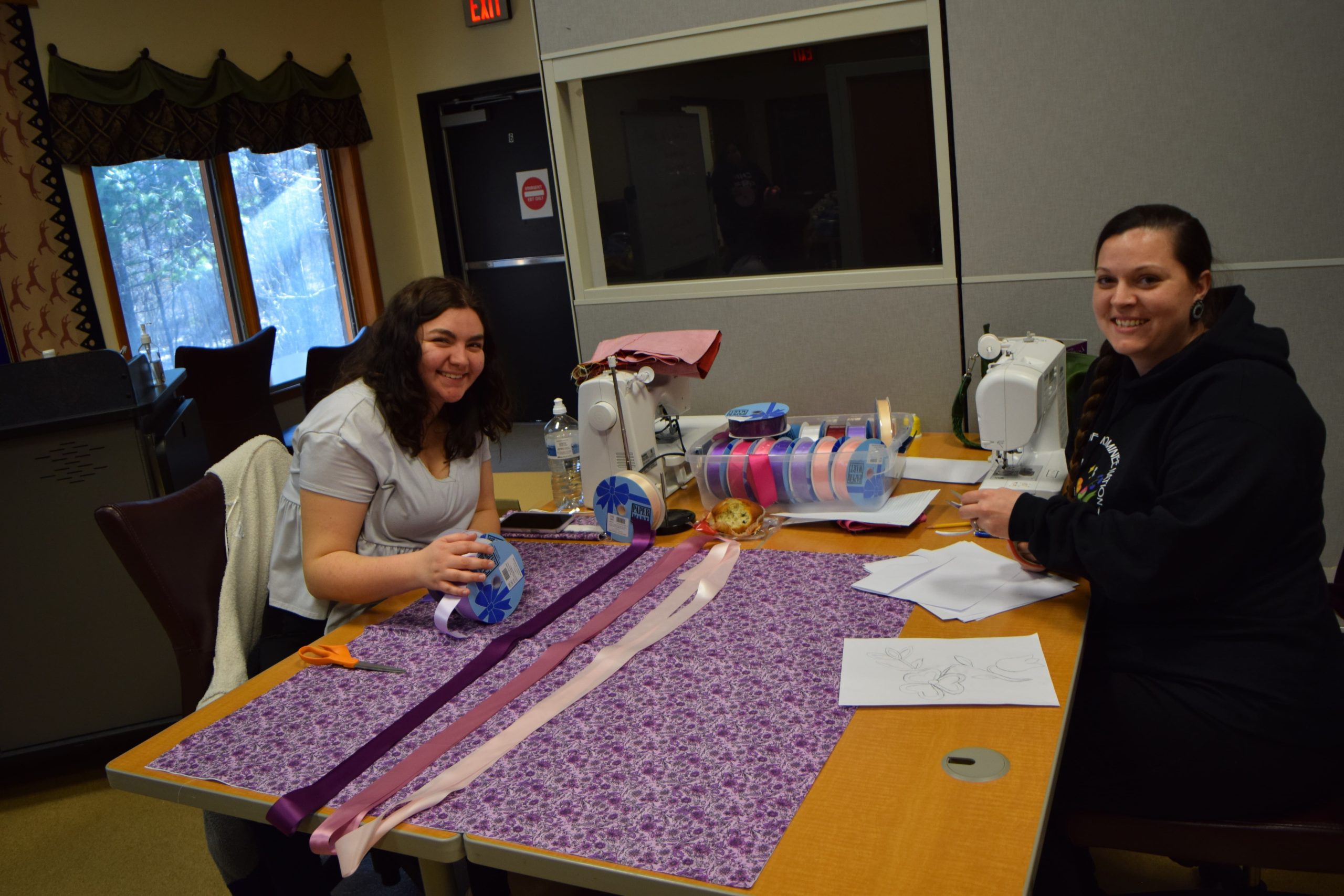
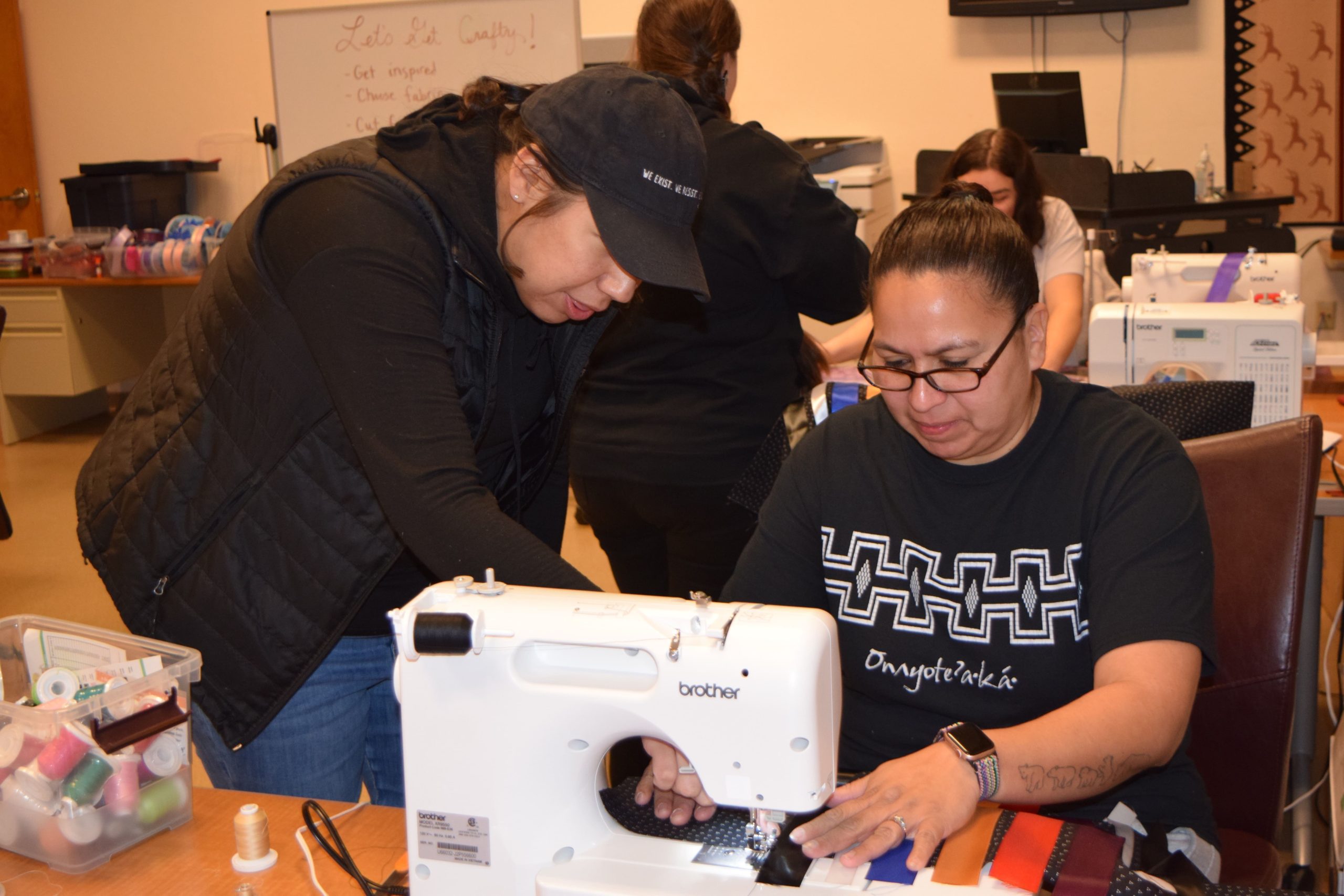
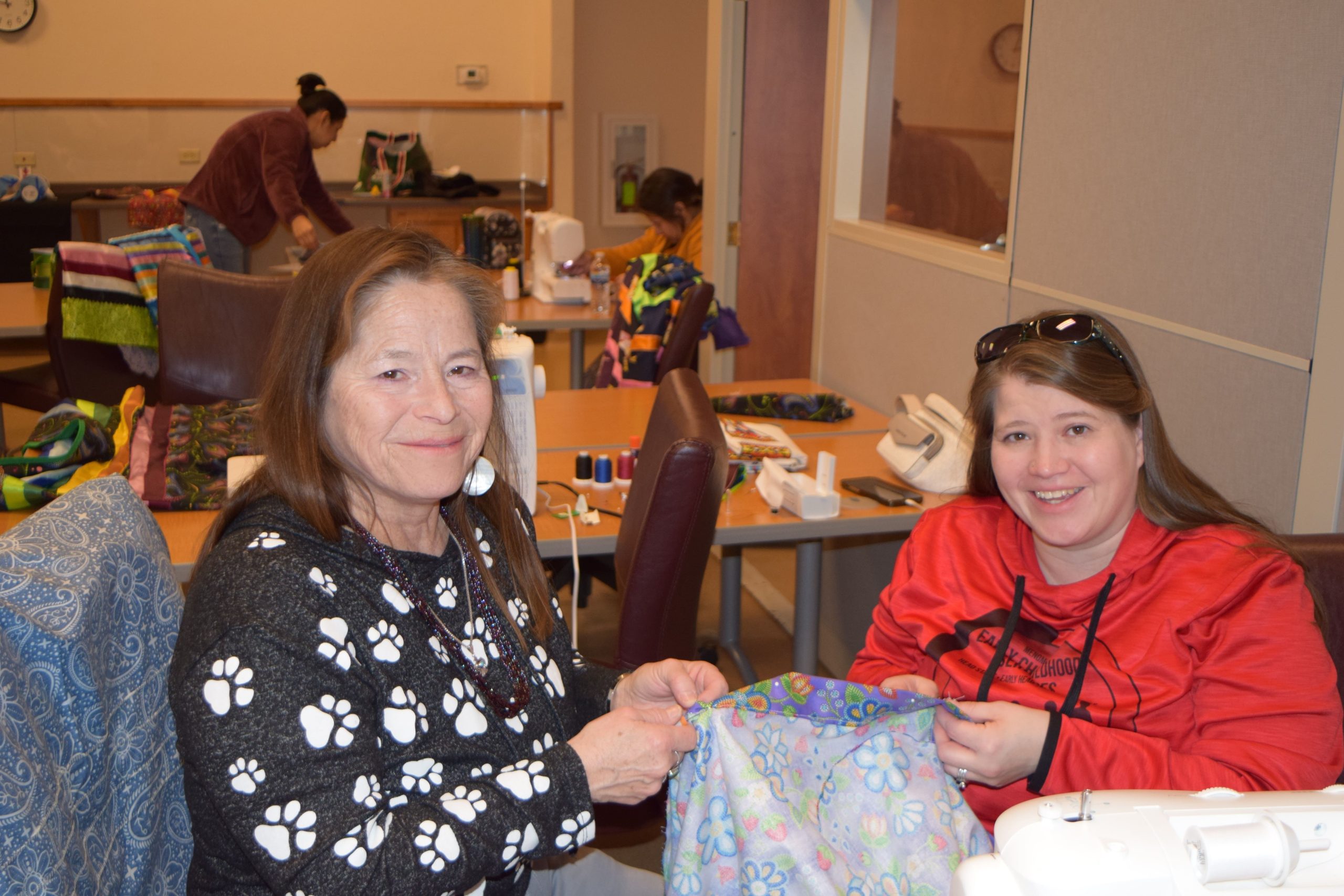
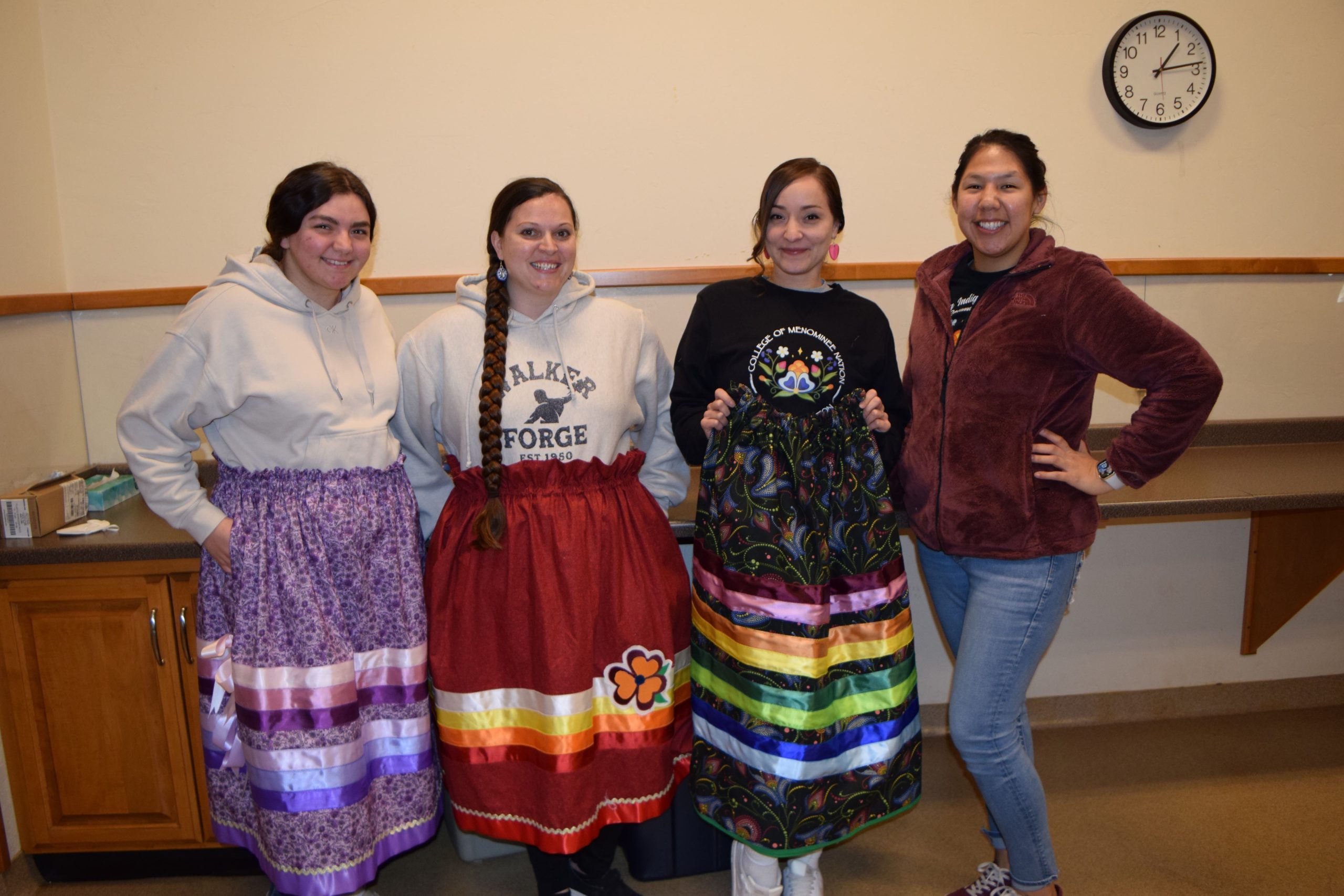
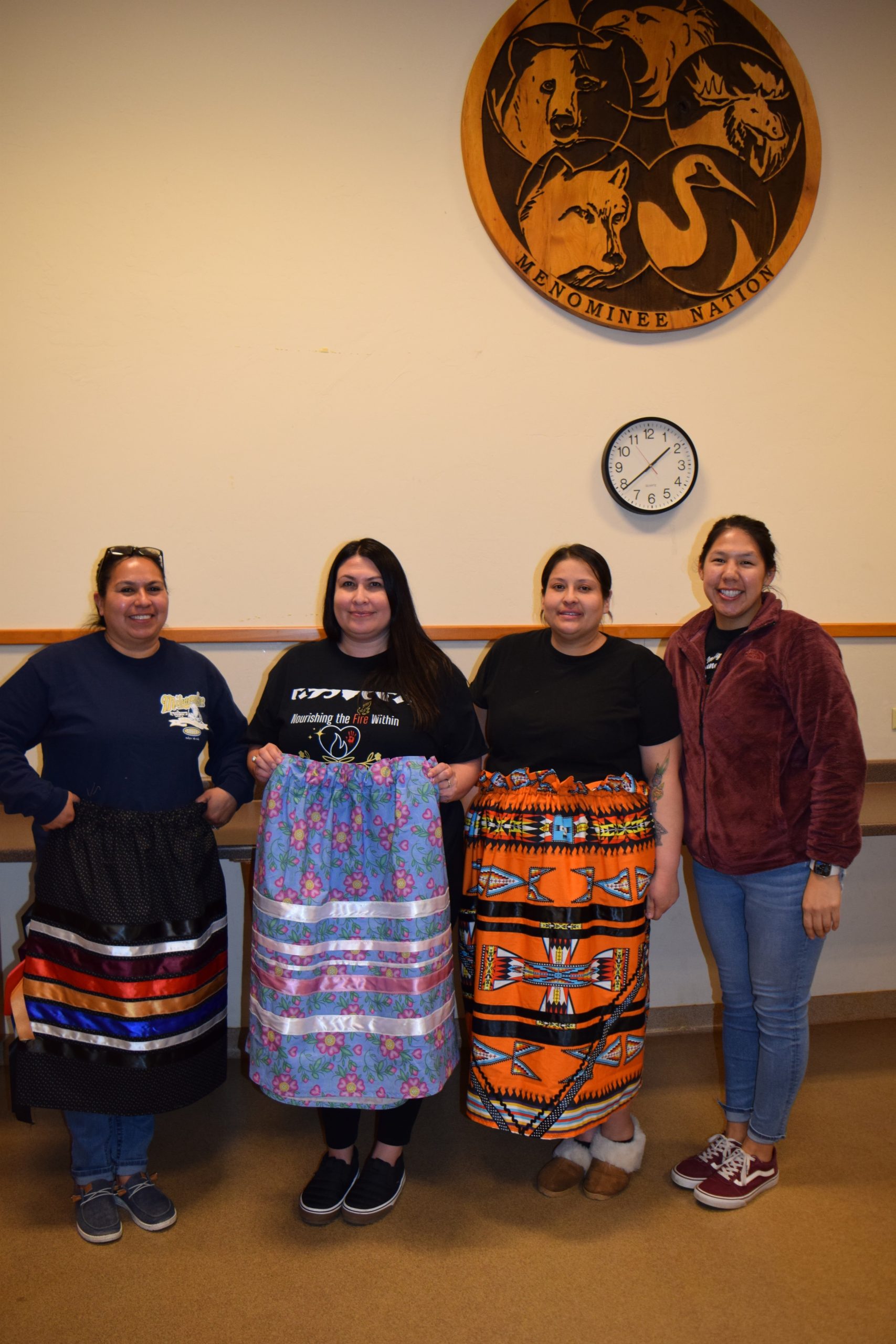
The purpose of our monthly Talking Circle is to provide a space to connect and build community and to learn about traditional teachings while participating in the creation of traditional Native crafts. For example, when discussing the importance of sustainability, our students sewed their own dishbags to bring to our monthly meetings to reduce waste. During the Spring 2024 semester, we will begin learning about beading with a local artist, participating in maple sugaring (if the weather permits), and learning about using local plants and herbs to make teas and salves from a Menominee community member. Most recently, our students were given the opportunity to sew their ribbon skirts for our upcoming Honoring Indigenous Round Dance. During this intimate time of sewing, connecting, and creating, the concepts of connectedness, confidence, and community continued to creep into my mind as a benefit. As I soaked up the camaraderie and the chatter, I spent a few moments asking students to share their experiences and thoughts regarding their participation in our talking circles and their perceived benefits.
Here is what they had to say:
Schuylar is a full-time student pursuing her bachelor’s degree in elementary/middle school education. She is a mom of two, and works full-time in a local childcare center. She emphatically noted during our quiet conversation that the connections she has made through our talking circles have made her more successful as a student. When asked to clarify, she stated, “the friendships and connections that I have made with fellow students and professors has allowed me to feel more comfortable in taking risks in my college coursework.” Schuylar also spoke on how the knowledge she has gained from traditional, Native teachings has allowed her to “build a stronger connection with my culture, which has changed how I live, raise my kids, and my viewpoint on the world.” Lastly, she emphasized that she felt that “personal connections are the key to being successful in all aspects of life,” and are something that she has gratefully created as a result of her participation in the Ihduwiyayapi project.
Amber is a new transfer student at CMN pursuing her bachelor’s in elementary/middle school education and has limited experience with our talking circles. However, she noted that participating in the talking circles has “made me more comfortable on campus, and learning with other students has been a lot of fun.” Furthermore, she noted that these experiences have helped her build connections with other students in the program and that the opportunities “make me want to continue taking classes and learning more.”
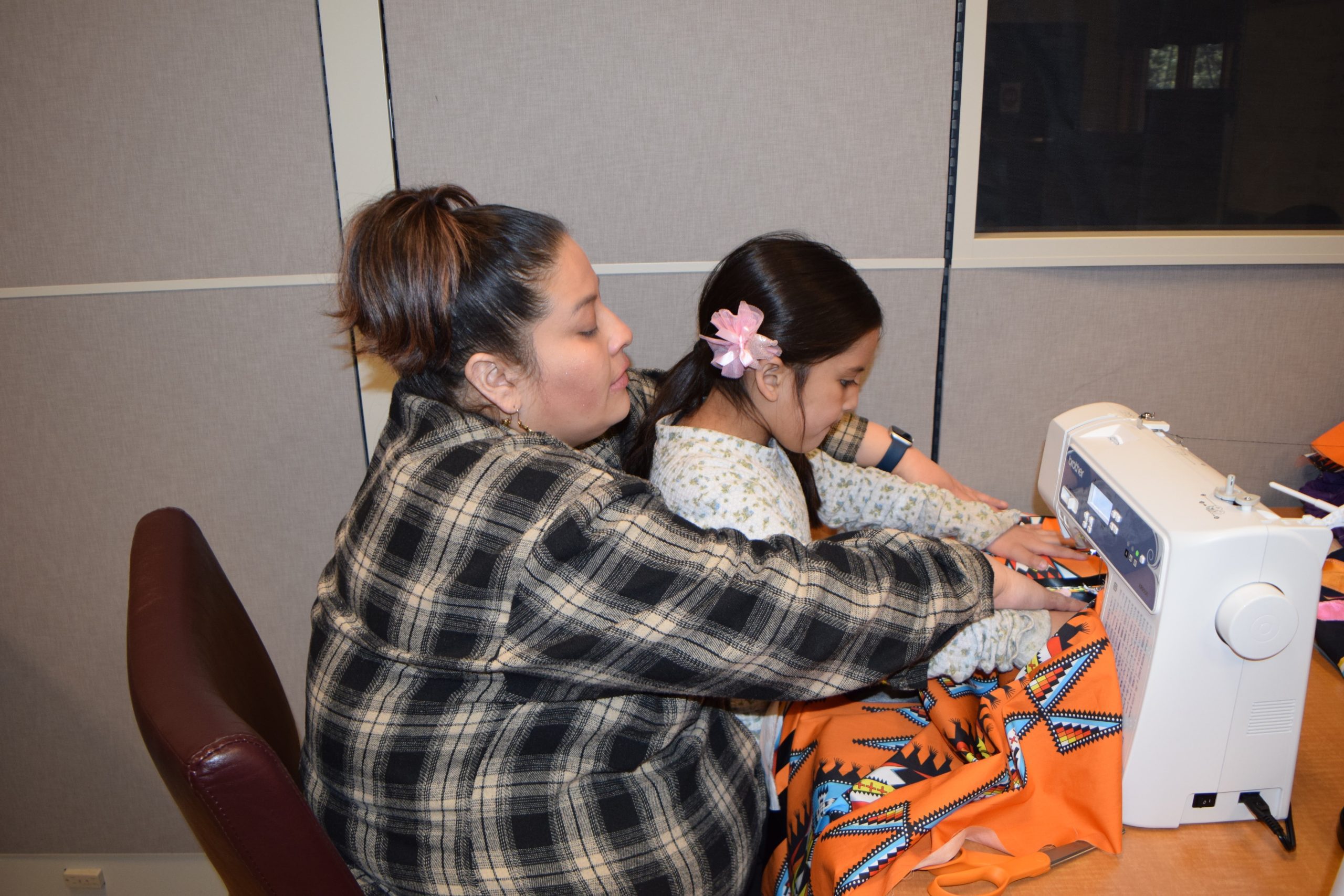
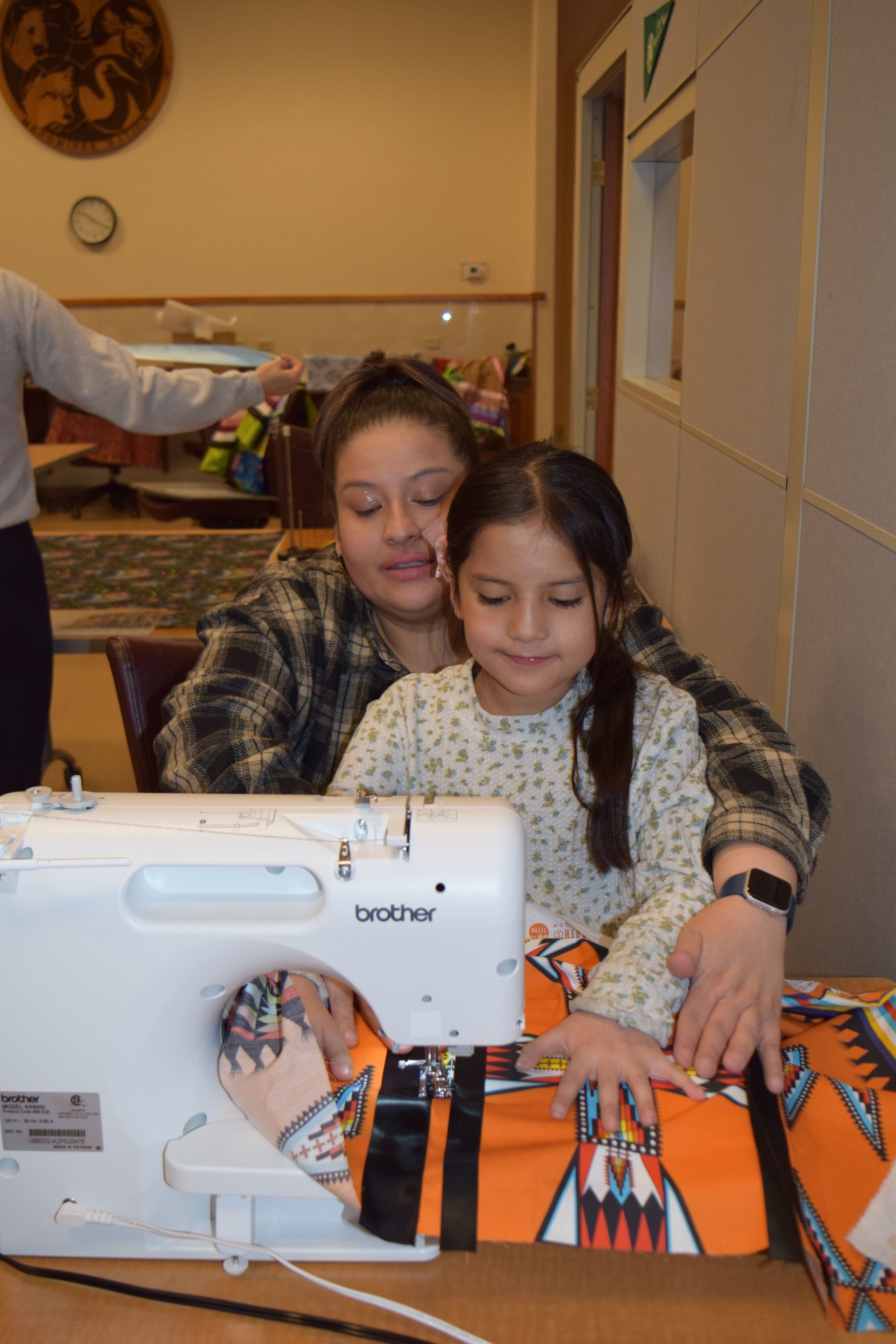
Lastly, Maria, who will be graduating with her associate degree in early childhood education in May and who has participated in CMN’s talking circles the longest, beamed with pride as she sat alongside her two young daughters. Maria provided guidance to one daughter on how to repair a ribbon skirt that needed some tender loving care, and guided her youngest daughter at the sewing machine. She enthusiastically commented that she appreciates our talking circles “because they have created a sense of community, where we as teachers can come together and learn from each other.” She also noted that she “appreciates the traditional teaching, as it keeps our roots strong…. I can pour the knowledge I have learned into my students, children, and community.”
As the chatter subsided and our time together was up and we needed to leave our skirts unfinished until our next talking circle time, it dawned on me that the members of our talking circle continue to experience Meniken: “It grows well, it does well, it is a good thing, it is good.” The building of connections, confidence, community, and culture within the CMN’s teacher education department is Meniken; it is good and is growing well!