
Planting the Seeds of Cultural Sustainability
April 22, 2026 | Student Ambassador Aiyanna Tanyan’s (Seminole Nation of Oklahoma) work to reclaim food sovereignty
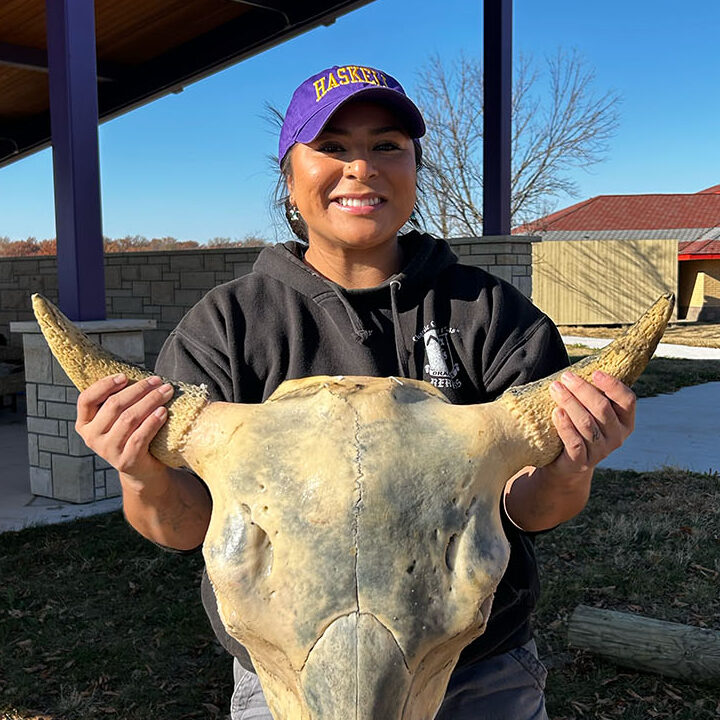
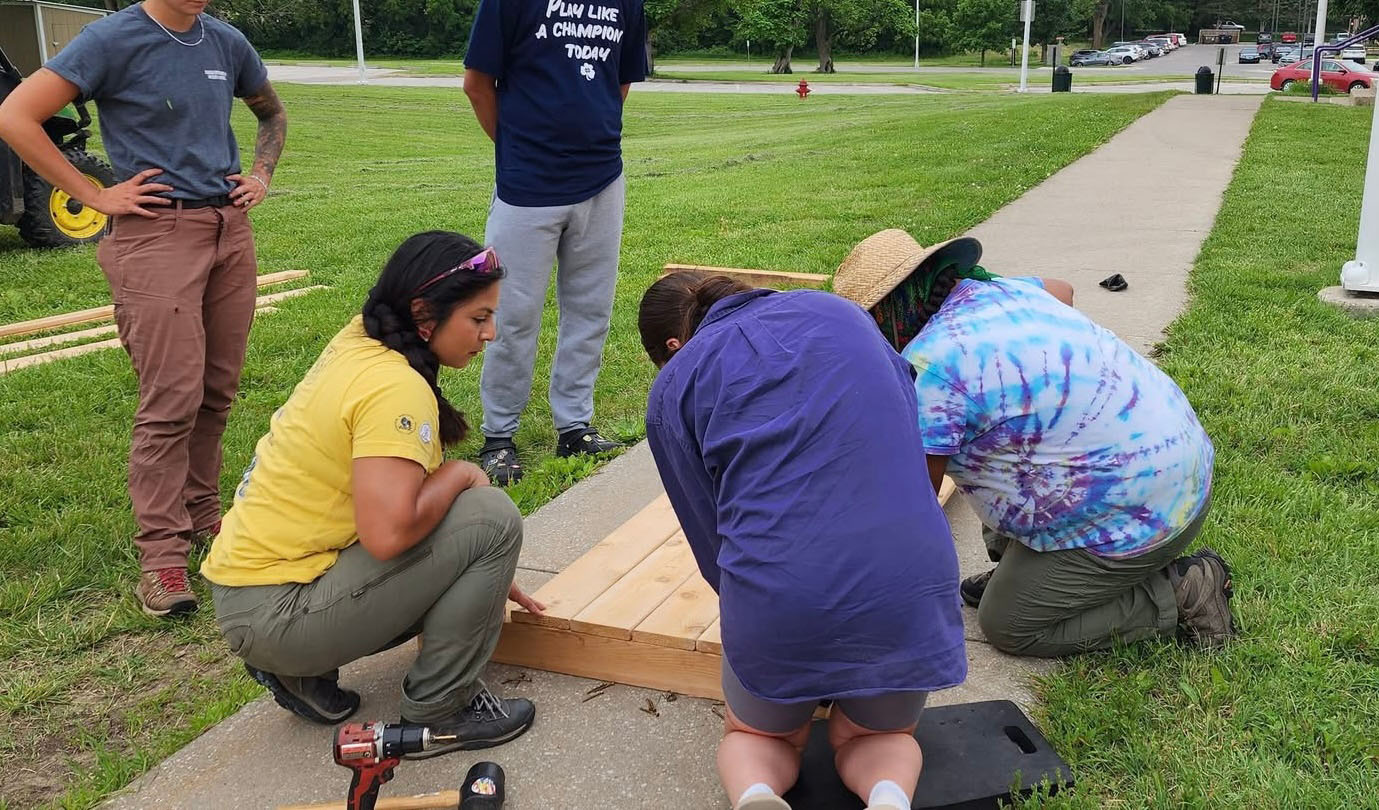
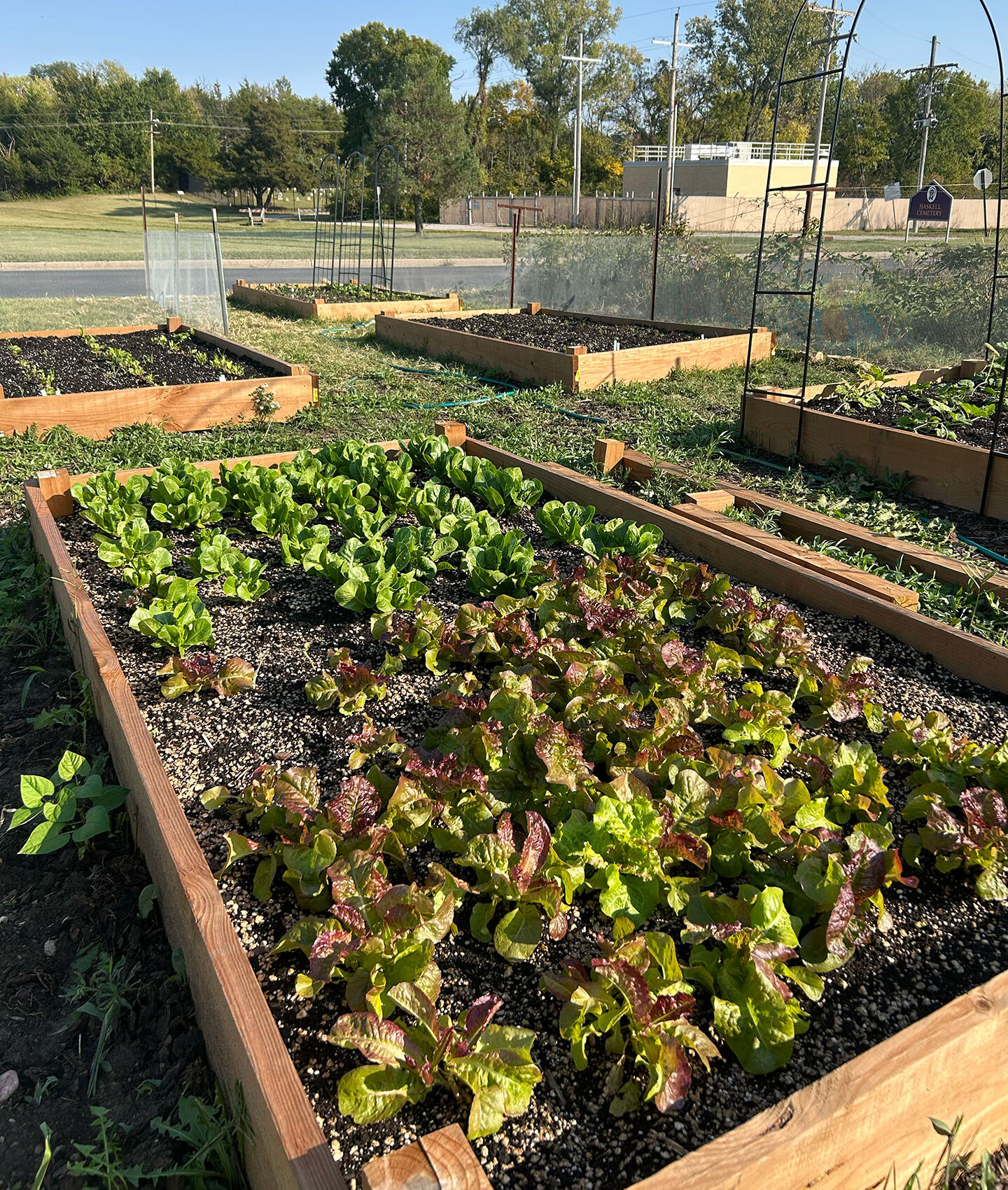
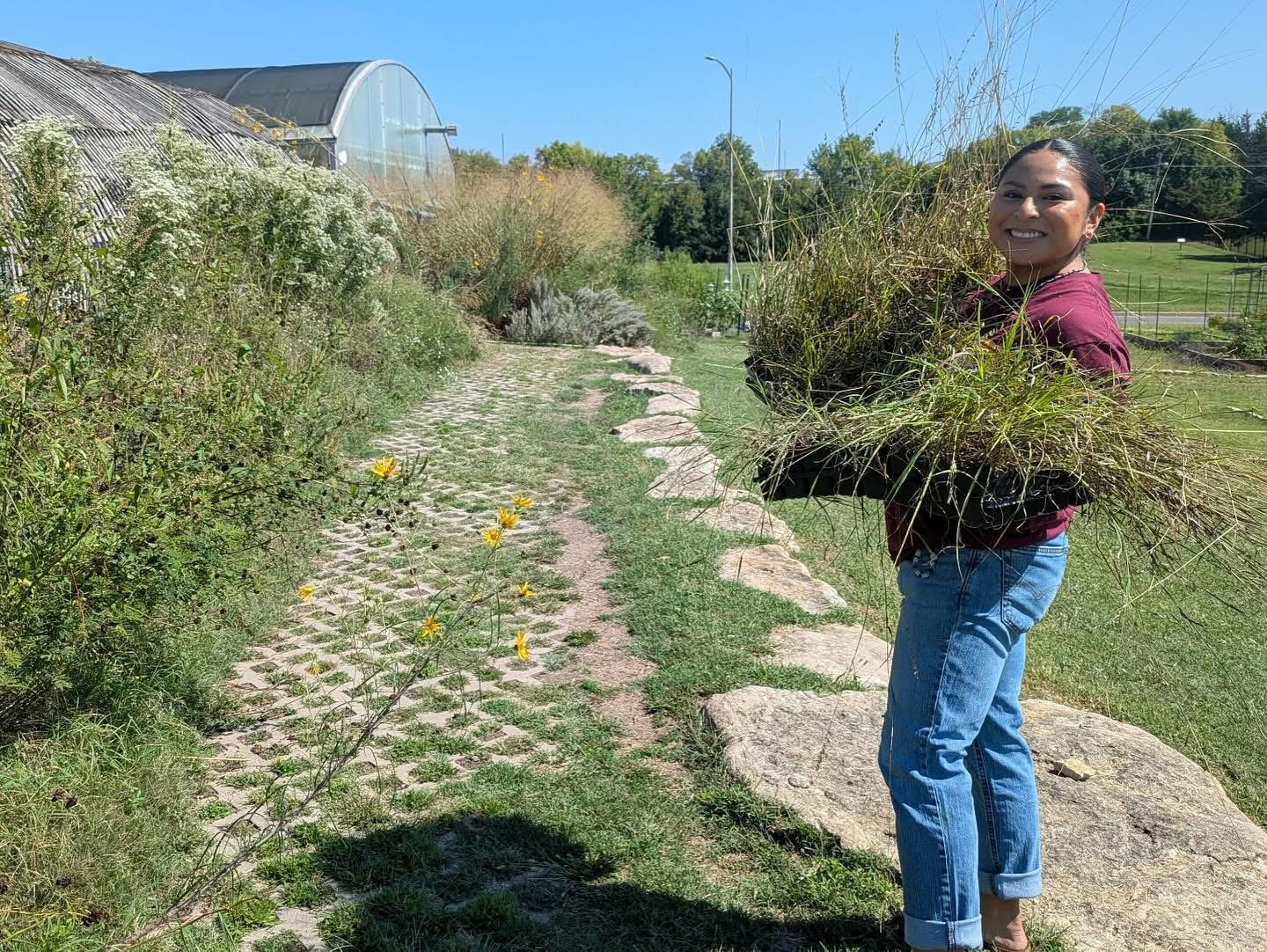
We came up with the idea of building raised garden beds near the dorms so students can easily access fresh foods and learn how to grow them themselves. Through support from the Haskell Greenhouse (funded through the USDA Equity Grant), we started building.
Last year was our first year doing this project and it was a learning experience as with many community-based projects, it comes with trial and error. However, that process taught us a lot about what works, what doesn’t, and how to build something more sustainable moving forward. This year, we’re continuing this work with stronger systems, more involvement, and a clearer vision.
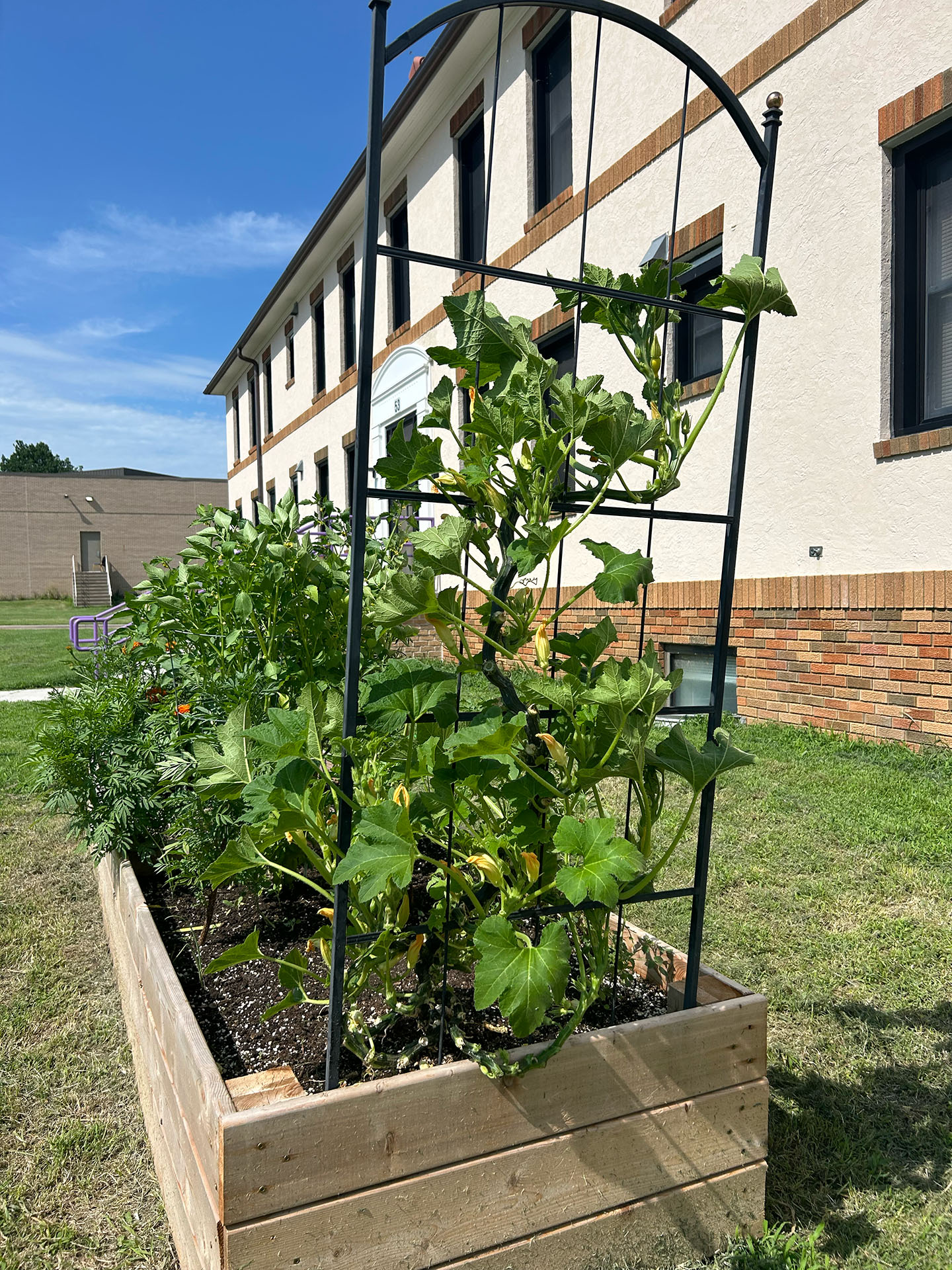
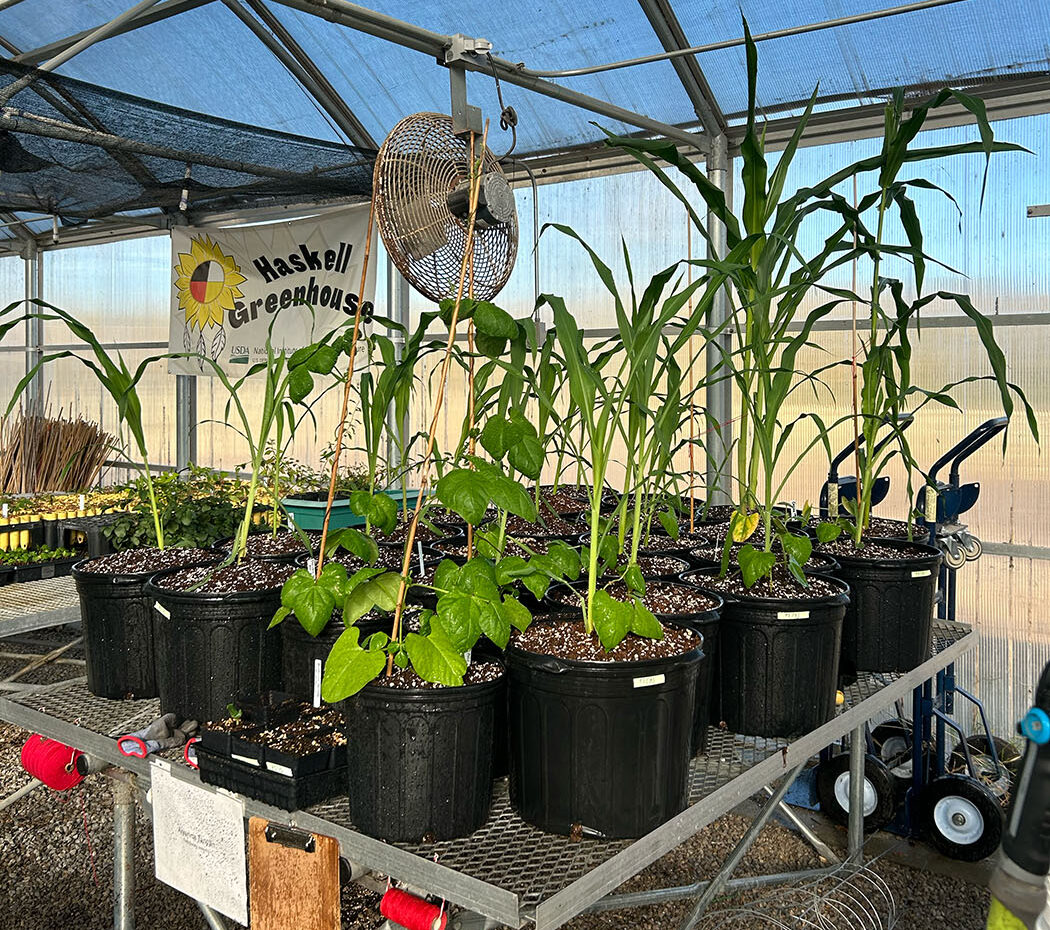
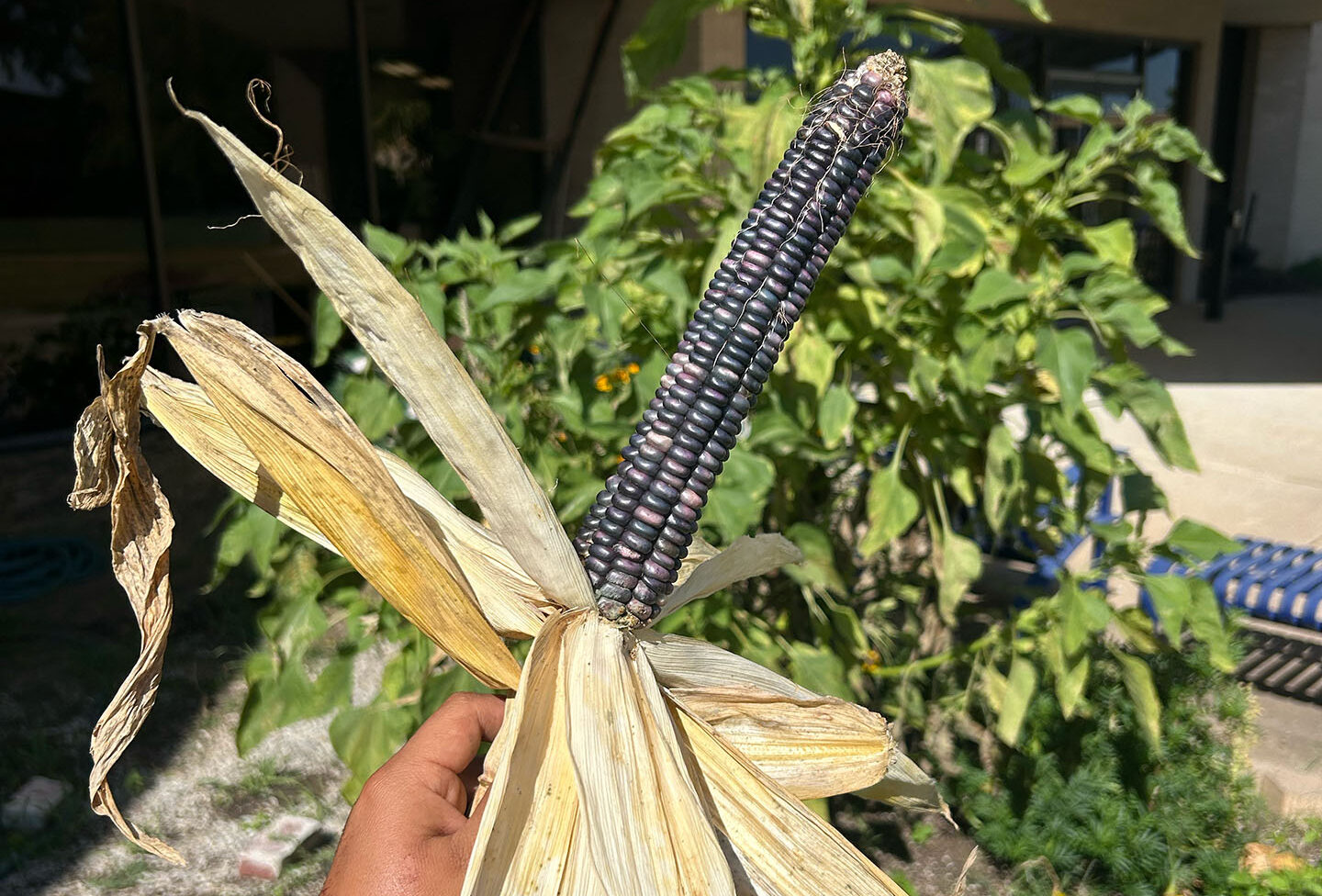
Everyone at the Haskell Greenhouse wants to help others learn, value, and view these spaces as places of teaching. I know they have taught me so much about responsibility and our relationship with the environment. Through these projects, we’re helping students reconnect with the land and understand the importance of food sovereignty for Indigenous communities. This work is ongoing, and we’re still learning. Every seed planted, and every workday shared brings us one step closer to a more sustainable and connected future.
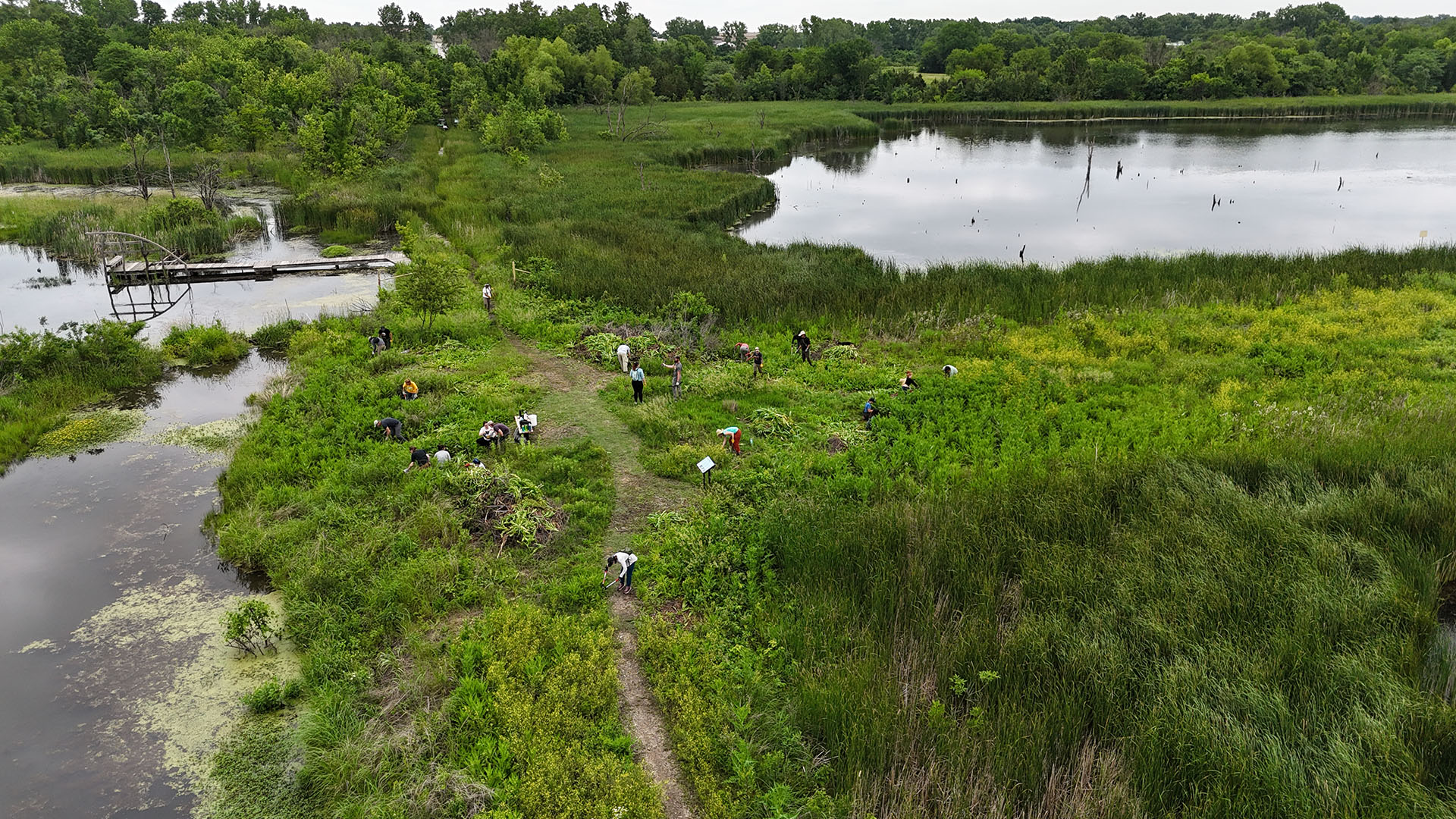
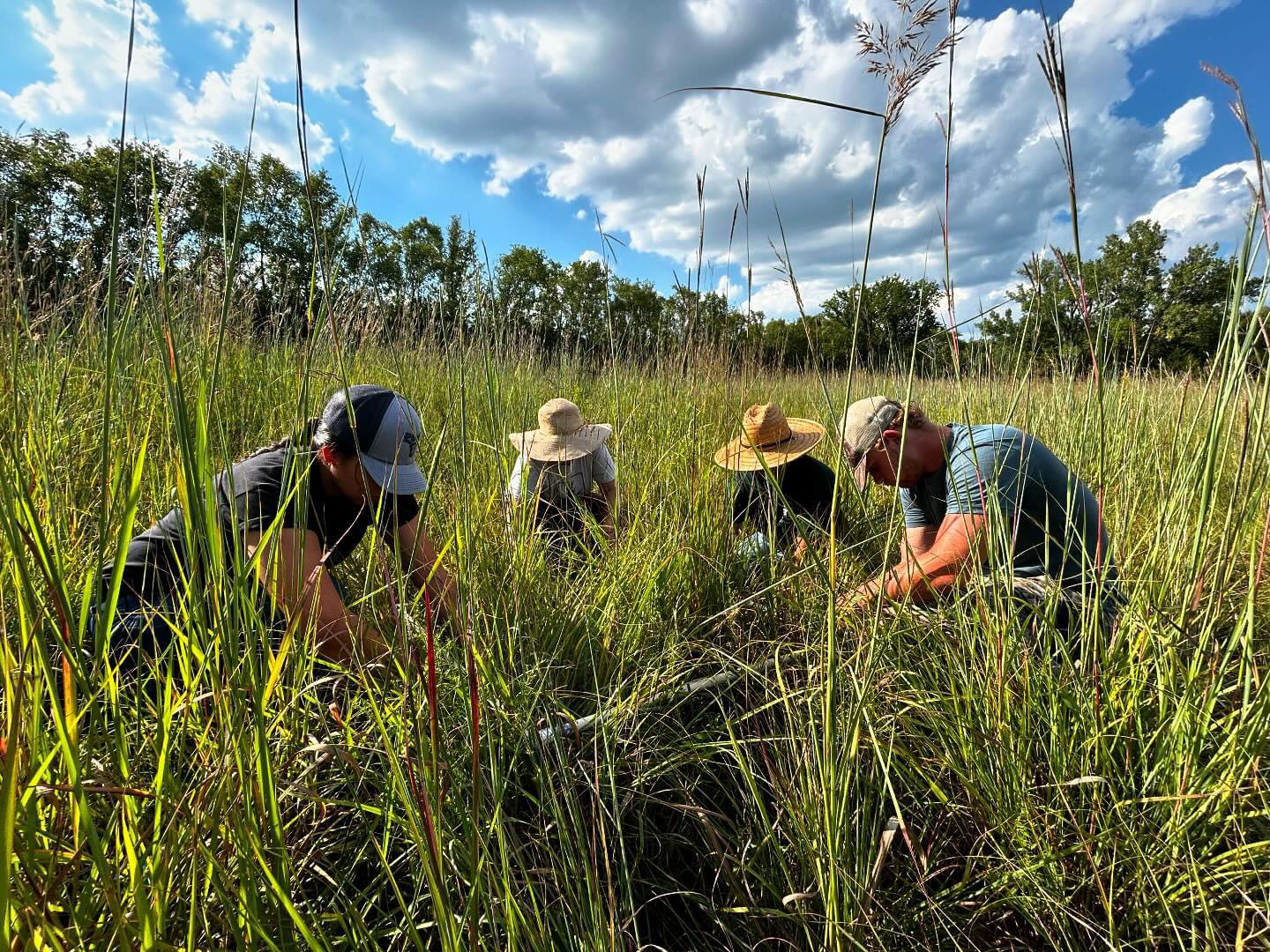
In Caring for Our Kin: Stories of Indigenous Environmental Stewardship, the College Fund shares the stories of Indigenous environmental leaders who are centering kinship and relational knowledge to build healthy ecological systems. These stories remind us that caring for the Earth means caring for one another—and that Indigenous knowledge systems continue to offer guidance, resilience, and hope for the future.
Learn more about our Environmental Stewardship Program.
Ekvnv Vcayecet. Mvto!
(Take care of the Earth/Land. Thank you)
More Blogs
Scholarship Recipient Karen King Featured on German Television
Karen King (Navajo), a nursing student at Diné College, was featured on German television station Deutsche Welle. King talked about the importance of a college education and how a scholarship from the American Indian College Fund is helping her meet her education goals. She also spoke about her desire to work in her own community after graduation.
Liberian Refugee Finds New Home at Tribal College
Fond du Lac Tribal and Community College (FDLTCC) graduate Reginnah Weah had a lot to celebrate last week. Reginnah achieved her childhood dream by graduating with a degree in nursing. And Reginnah, a refugee from Liberia, a West African nation that went through a devastating civil war, may have also been celebrating the fact that she will sleep better knowing that her country’s former president, Charles Taylor, was convicted and sentenced to 50 years in prison by the International Criminal Court in The Hague, Netherlands, for crimes against humanity.
“Hats Off” to the Class of 2012
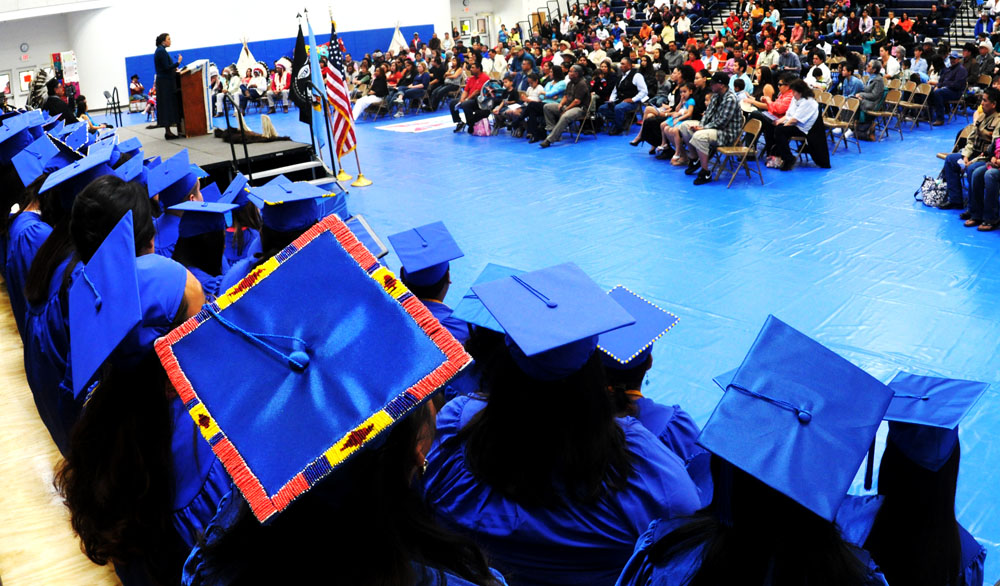
As many scholars celebrate their way across the stages at graduation many proceed with a sense of personal style and expression. I remember attending a graduation for the University of Notre Dame and there a row of graduates collectively spelled J.O.B.L.E.S.S across their graduate caps. Others, like a group of students from my own graduation at Texas Tech University, sent out messages honoring family or appreciation to those who helped them make this milestone accomplishment possible.
Graduations on the Warrior Trail
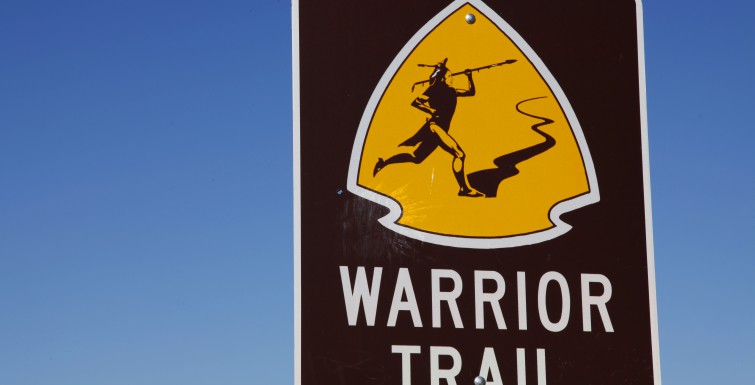
It is a great privilege when staff members of The American Indian College Fund are able to visit the tribal colleges and universities, as well as a chance to learn about our organization’s impact on Native communities first-hand. It is only my second visit to the state of Montana, and both times have been for The American Indian College Fund.
The Meaning of the Sacred White Buffalo
When a white buffalo calf, a male calf named Lightning Medicine Cloud, and its mother were slaughtered this week at Native-owned Lakota Ranch in Texas, Indian Country was outraged. This is because white buffalo are not only rare (according to the National Bison Association, just one out of every 10 million buffalo born are white), but they are considered sacred amongst many Native tribes.

AT&T Continues Longtime Support of American Indian College Fund
AT&T contributed $15,000 to the American Indian College Fund (the Fund), continuing two decades of supporting Native American students’ pursuit of higher education. The AT&T Tribal College Scholarship Program provides scholarships to students studying science, technology, engineering, mathematics and/or business at the nation’s tribal colleges and universities.
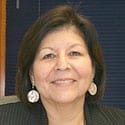
Florence M. Garcia and Albert Gaylor to Join American Indian College Fund Board of Trustees
The American Indian College Fund Board of Trustees has confirmed the addition of Florence M. Garcia, president of Fort Peck Community College in Poplar, Montana, and Albert Gaylor, vice president of industry relations and diversity for Sysco Corporation, to the boar
Sitting Bull College’s Mobridge Site Offers Community Head-Start in College
When Sitting Bull College (SBC) opened a new building for a satellite campus in January, administrators were pleasantly surprised. Nearly four times as many students (45) than in the past enrolled for classes at the tiny site in Mobridge, South Dakota.
Charity Navigator Awards American Indian College Fund Third Consecutive Four-Star Rating
Charity Navigator, the nation’s top charity evaluation system, has awarded the Denver-based American Indian College Fund (the Fund) a coveted four-star rating for sound fiscal management and transparency. This is the Fund’s third consecutive four-star rating.
Third Time Four-Star Rating from Charity Navigator Makes American Indian College Fund Wise Investment for Donors
When Charity Navigator, the nation’s top charity evaluation system, awarded the American Indian College Fund (the Fund) a coveted four-star rating for sound fiscal management and transparency, it was our third consecutive four-star rating. It was also no surprise to those that work at the American Indian College Fund.