
Planting the Seeds of Cultural Sustainability
April 22, 2026 | Student Ambassador Aiyanna Tanyan’s (Seminole Nation of Oklahoma) work to reclaim food sovereignty
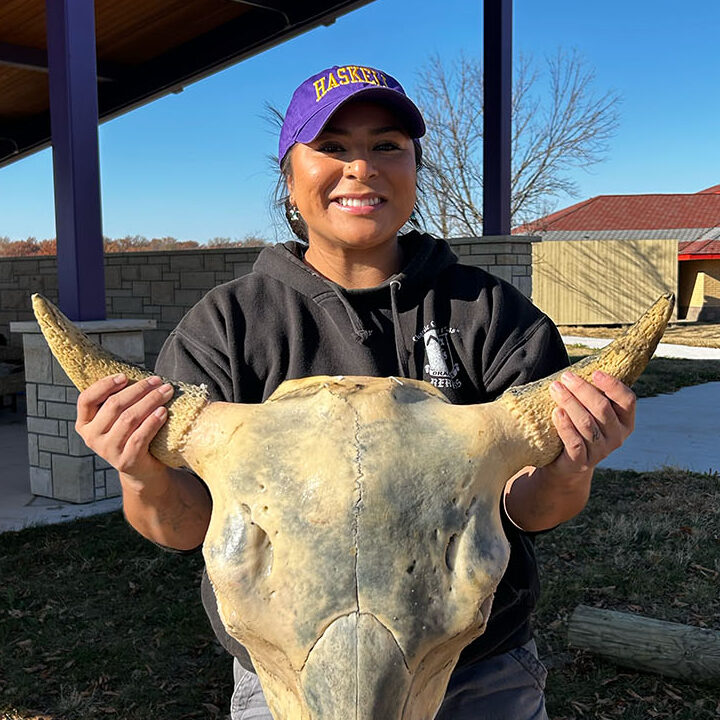
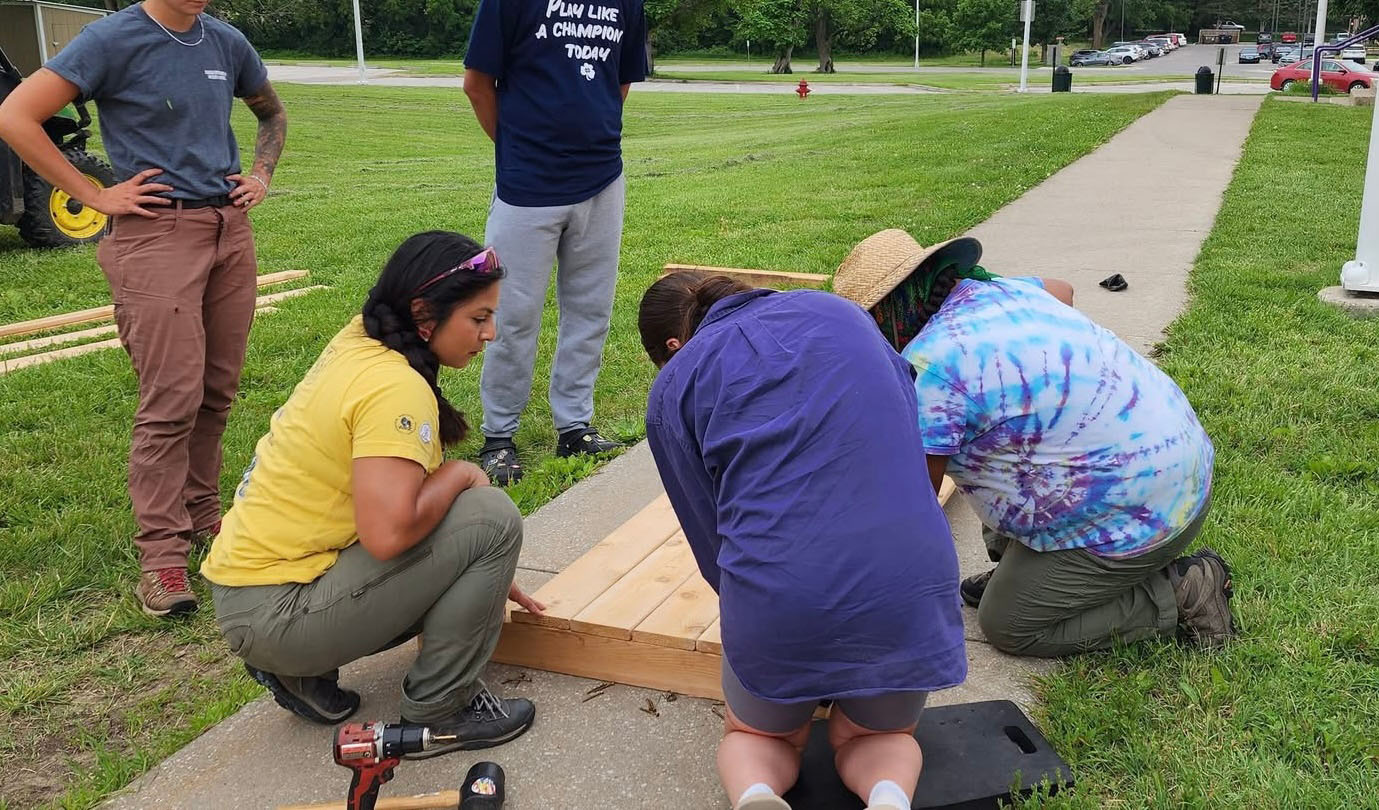
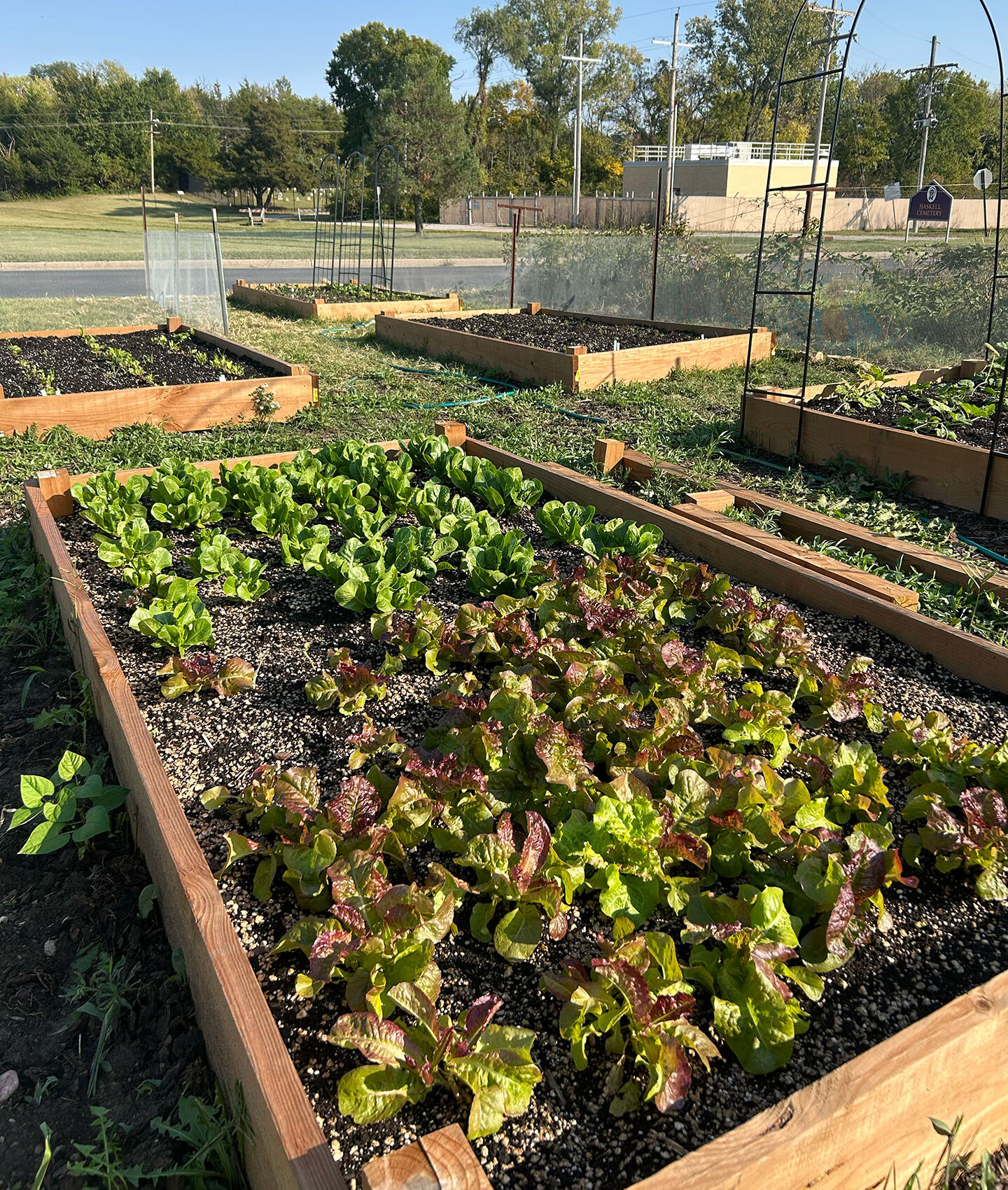
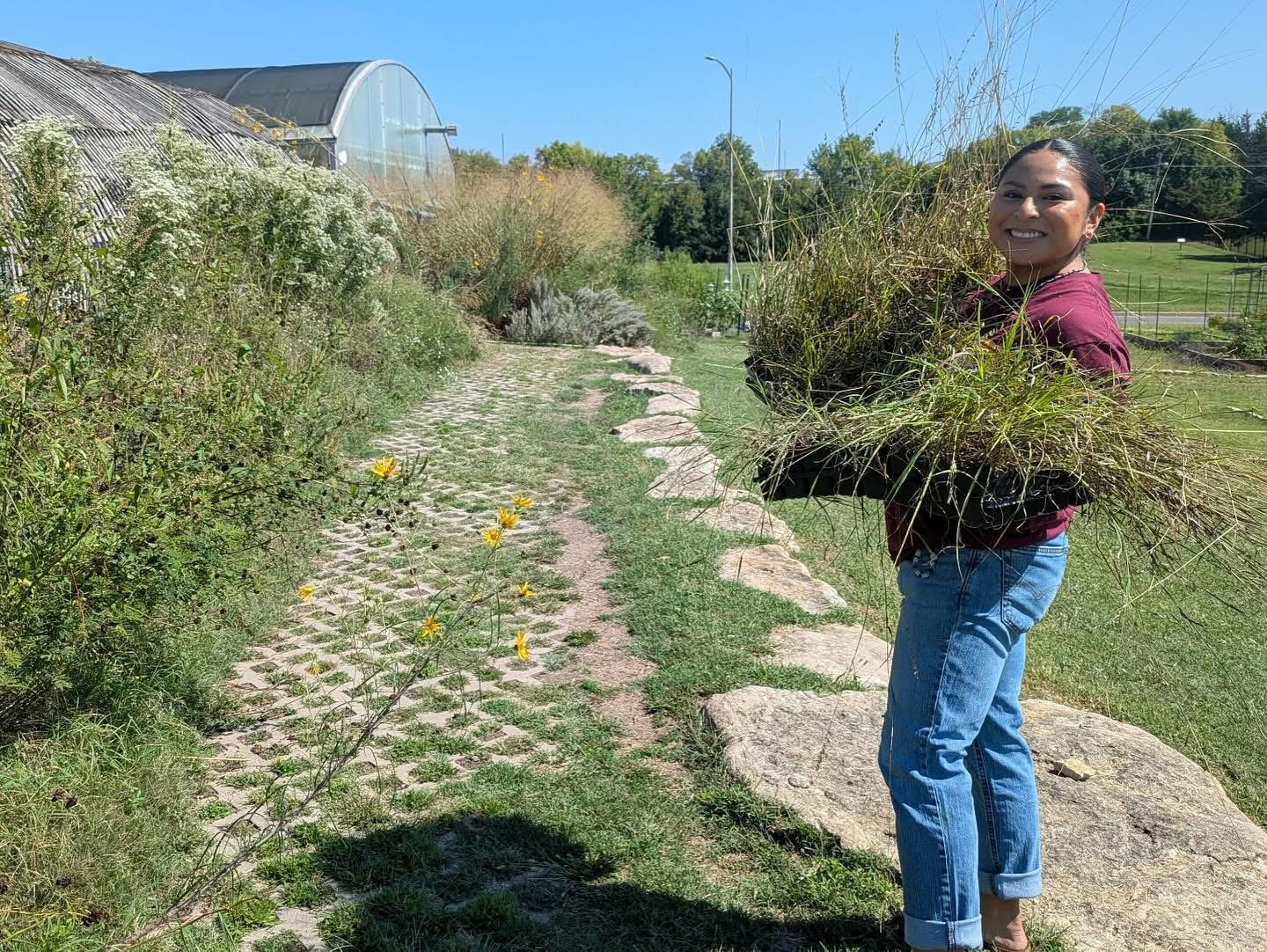
We came up with the idea of building raised garden beds near the dorms so students can easily access fresh foods and learn how to grow them themselves. Through support from the Haskell Greenhouse (funded through the USDA Equity Grant), we started building.
Last year was our first year doing this project and it was a learning experience as with many community-based projects, it comes with trial and error. However, that process taught us a lot about what works, what doesn’t, and how to build something more sustainable moving forward. This year, we’re continuing this work with stronger systems, more involvement, and a clearer vision.
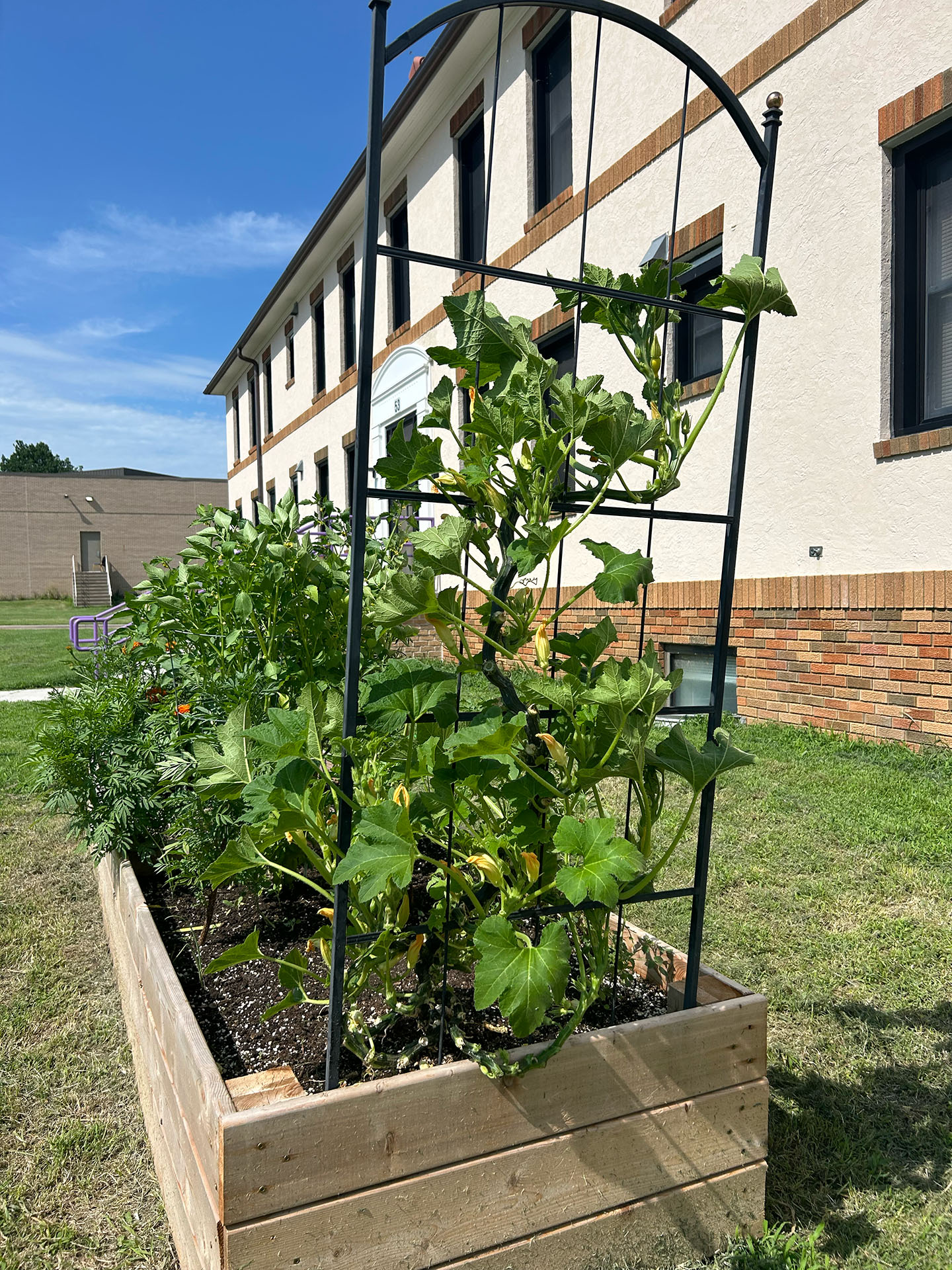
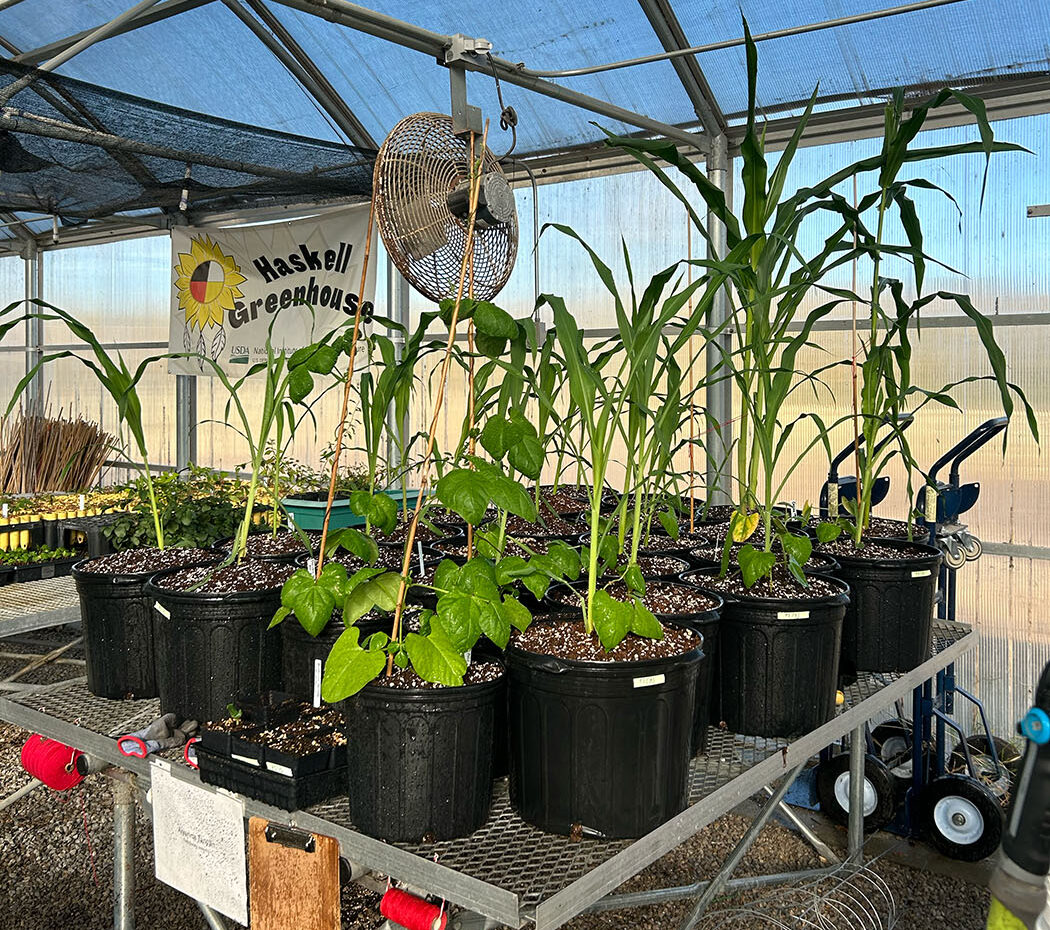
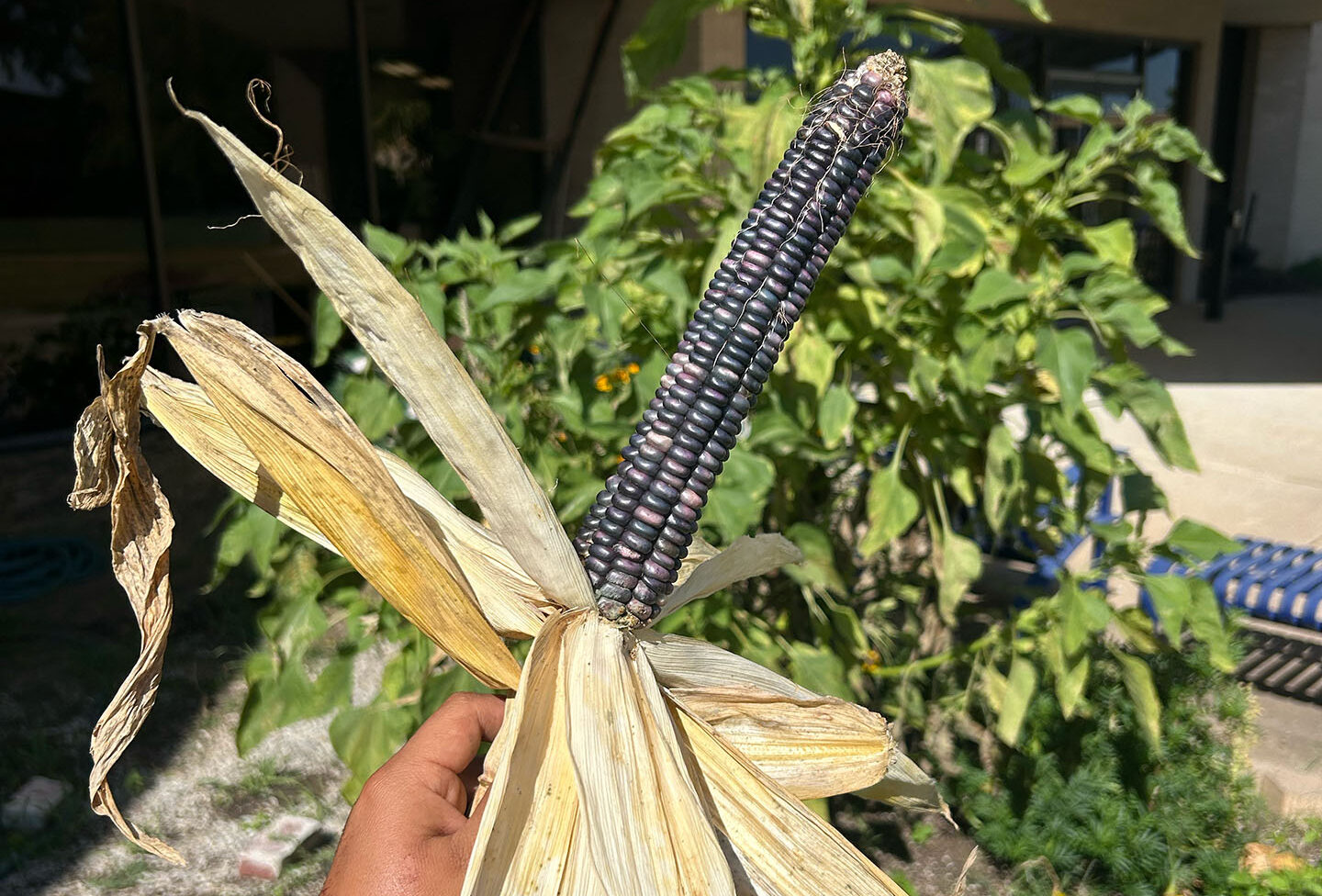
Everyone at the Haskell Greenhouse wants to help others learn, value, and view these spaces as places of teaching. I know they have taught me so much about responsibility and our relationship with the environment. Through these projects, we’re helping students reconnect with the land and understand the importance of food sovereignty for Indigenous communities. This work is ongoing, and we’re still learning. Every seed planted, and every workday shared brings us one step closer to a more sustainable and connected future.
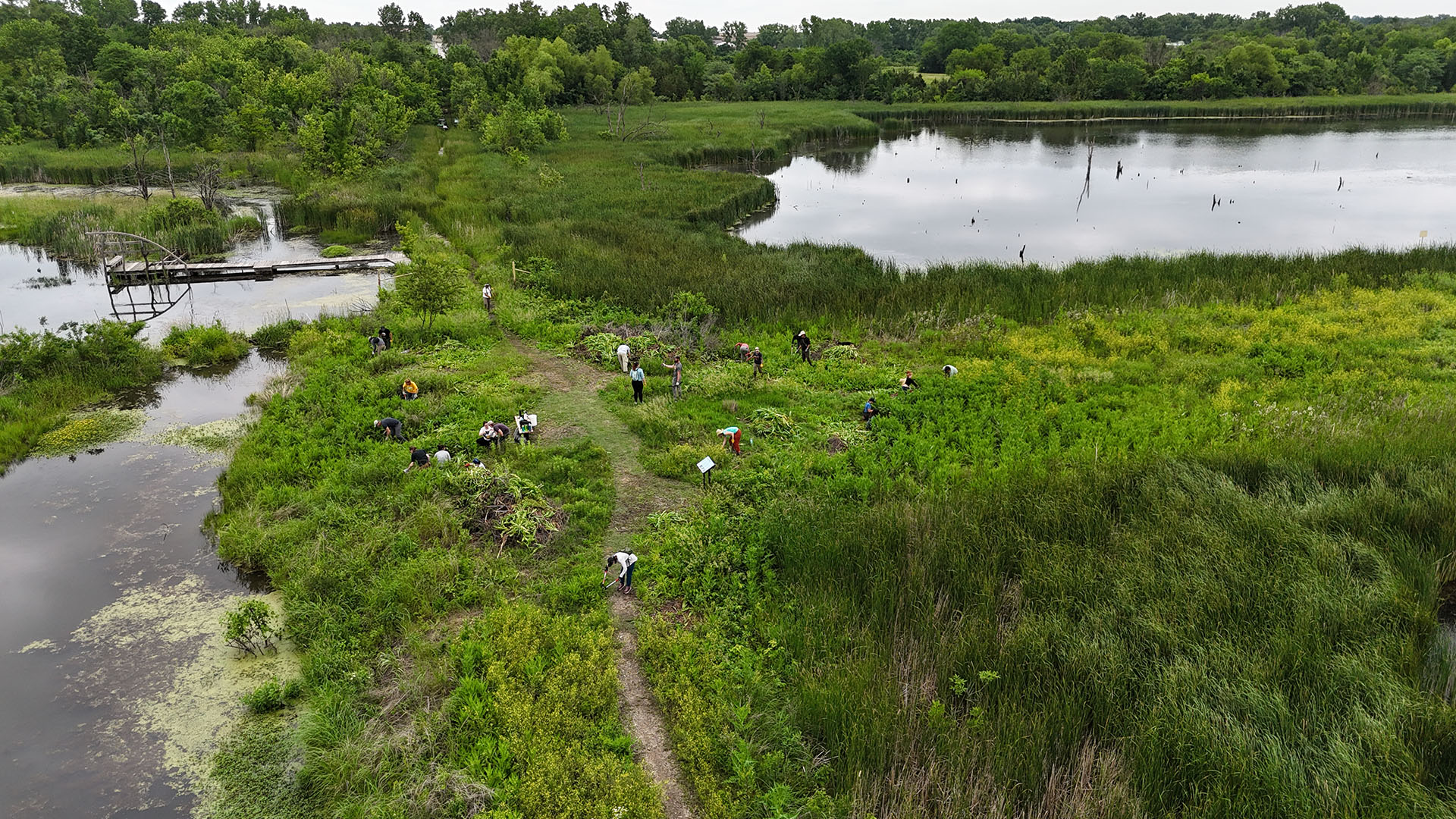
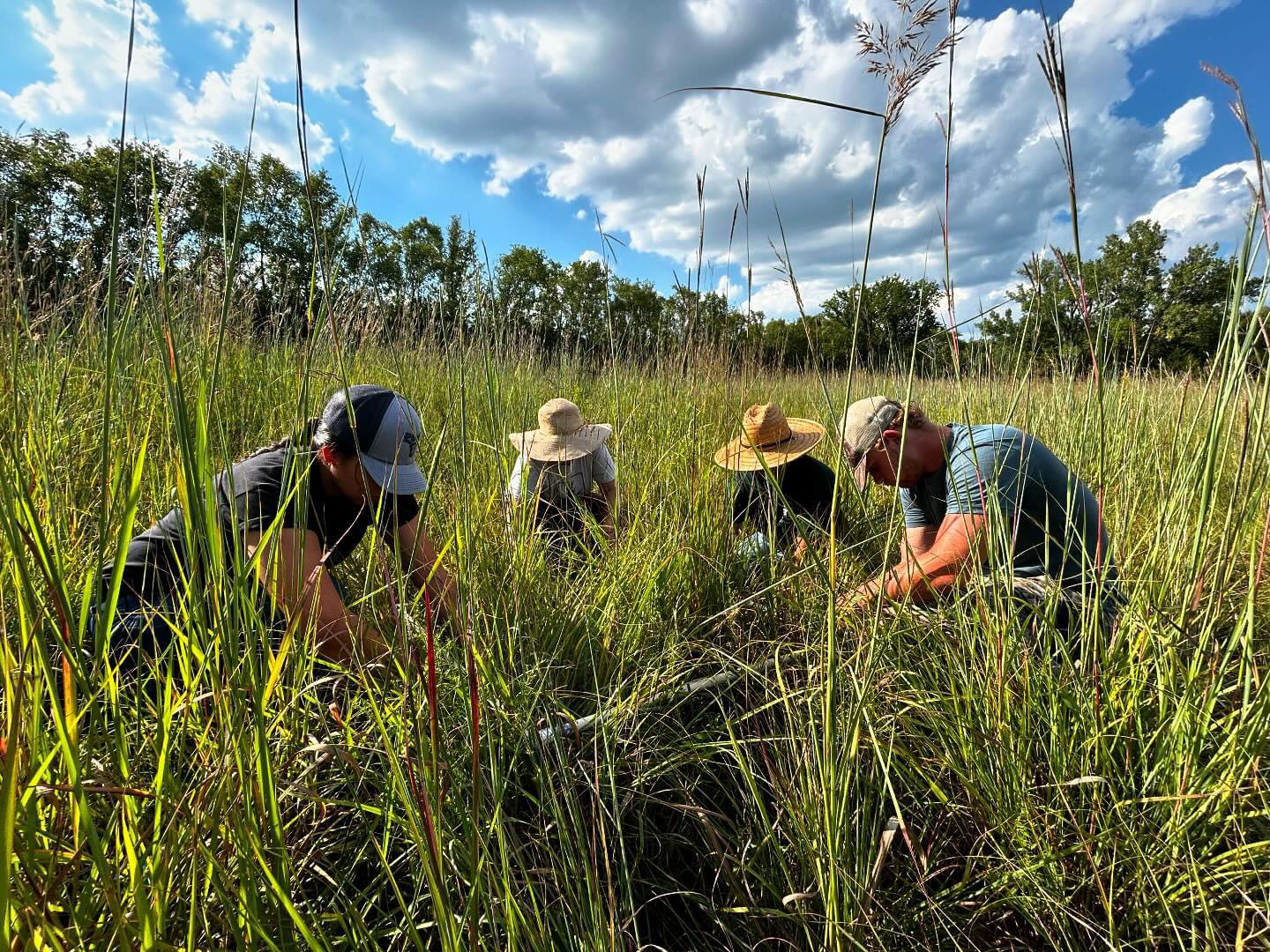
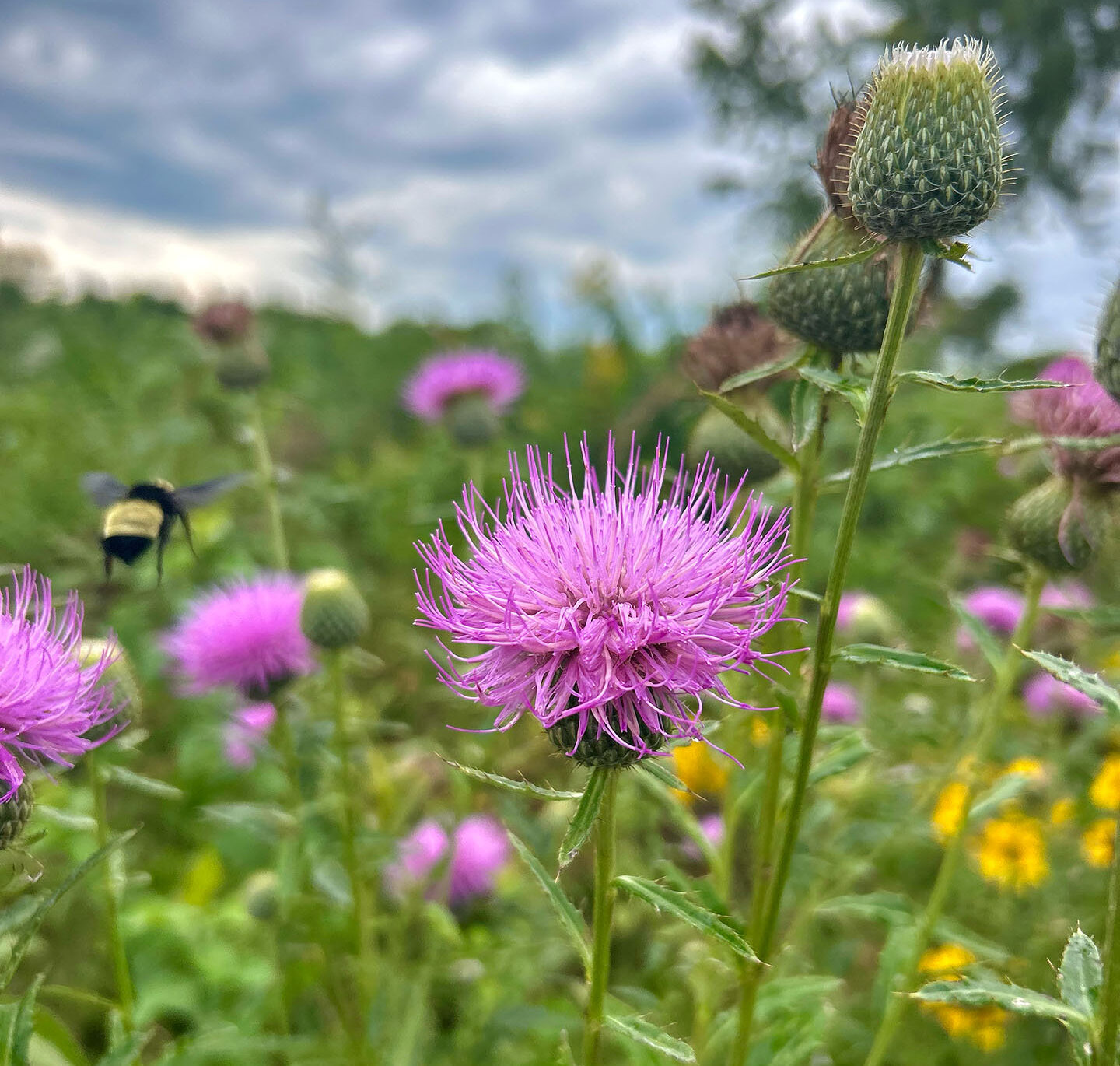
In Caring for Our Kin: Stories of Indigenous Environmental Stewardship, the College Fund shares the stories of Indigenous environmental leaders who are centering kinship and relational knowledge to build healthy ecological systems. These stories remind us that caring for the Earth means caring for one another—and that Indigenous knowledge systems continue to offer guidance, resilience, and hope for the future.
Learn more about our Environmental Stewardship Program.
Ekvnv Vcayecet. Mvto!
(Take care of the Earth/Land. Thank you)
More Blogs
Welcome to Our New Blog!
We hope you are enjoying our redesigned web site. We welcome your feedback and ideas about its interactive features, content, and more!
The LEF Foundation Grants the American Indian College Fund $10,000 for Scholarships
The LEF Foundation has granted the American Indian College Fund $10,000 for scholarships to support qualified American Indian students who show academic achievement and involvement in their communities. With a college education, students can build a better life for themselves, their families, and make valuable contributions to their communities and nation.
Fund Employee Recounts Haskell Indian Nations University Visit
As an employee of the American Indian College Fund, I recently visited Haskell Indian Nations University. This trip reminded me of the sense of pride I get from working for the Native community and it will continuously ignite my passion for working at the Fund on a daily basis.
Cargill Supports American Indian College Fund with $100,000 Donation to Scholarship Program
American Indian College Fund has received $100,000 from Cargill to continue the Cargill Tribal College Scholarship Program for the 2010-2011 academic year. This program provides much-needed scholarship support to Native students attending the nation’s tribal colleges and universities, with particular emphasis on tribal college students who attend institutions where Cargill has a strong business presence.
Passing of Margaret Teachout
All of us at the American Indian College Fund would like to express our sincere condolences to David, Gerald, and Robert Gipp on the loss of their mother, Margaret Teachout, who entered the Spirit World Thursday, October 28.

Casey Lozar Recognized As One of 40 Leading Native Leaders Under 40
Casey Lozar, an enrolled member of the Confederated Salish & Kootenai Tribes and Director of Corporate and Tribal Development for the Denver, Colo.-based American Indian College Fund, was honored as one of the National Center for American Indian Enterprise Development’s recipients of the 2010 Native American 40 Under 40 Award. Casey was recognized as part of the 35th Annual Indian Progress in Business Awards Event on Thursday, Oct. 21 at the Hard Rock Hotel & Casino in Albuquerque, N.M.
Tribal College Student Perspective: Speaking at the Gala
In addition to raising $385,000 for student scholarships, our Flame of Hope Gala on Oct. 14 presented our donors with the opportunity to meet many of our tribal college students, who came in for the event. But from a student’s perspective, the event was an opportunity for our tribal college students as well.
American Indian College Fund Meets All 20 BBB Standards for Charity Accountability
The American Indian College Fund has been informed that it has met all 20 of the Better Business Bureau’s Standards for Charity Accountability in its recent review. The American Indian College Fund has raised money for scholarships for Native college students from across the nation for 21 years, while also supporting the nation’s 33 tribal colleges and universities.
Hilton Worldwide Re-Establishes Scholarship Program
The American Indian College Fund received a generous grant from Hilton Worldwide, a renowned global leader in the hotel and hospitality industry, to re-establish the Hilton Worldwide Tribal College Hospitality Scholarship Program for the 2010-11 academic year.
2010 Flame of Hope Gala Raises $385,000 for Student Scholarships
For 15 years, the American Indian College Fund’s Flame of Hope Gala has been vital to raising money for scholarships and tribal college support. This year the event, held at the Seawell Grand Ballroom at the Denver Center of the Performing Arts in Denver on Thursday, Oct. 14, raised $385,000.