
Planting the Seeds of Cultural Sustainability
April 22, 2026 | Student Ambassador Aiyanna Tanyan’s (Seminole Nation of Oklahoma) work to reclaim food sovereignty
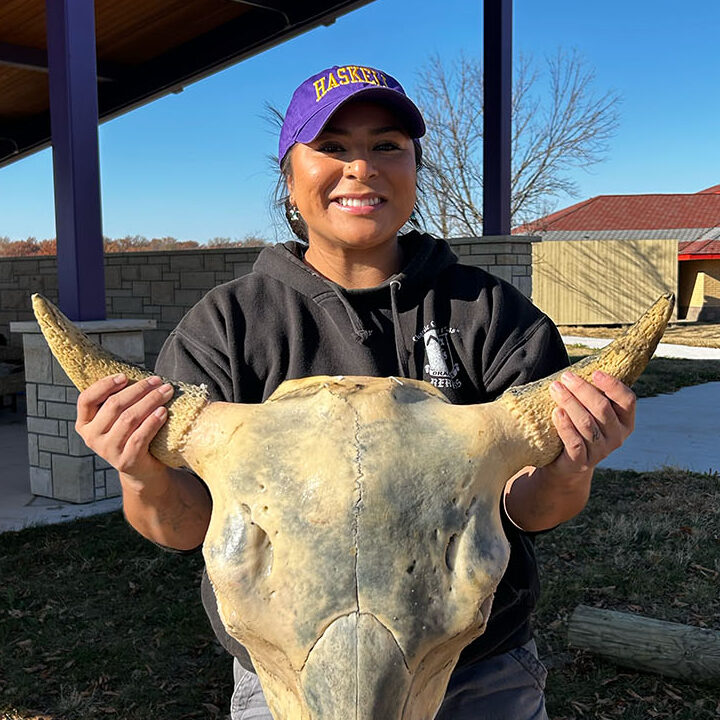
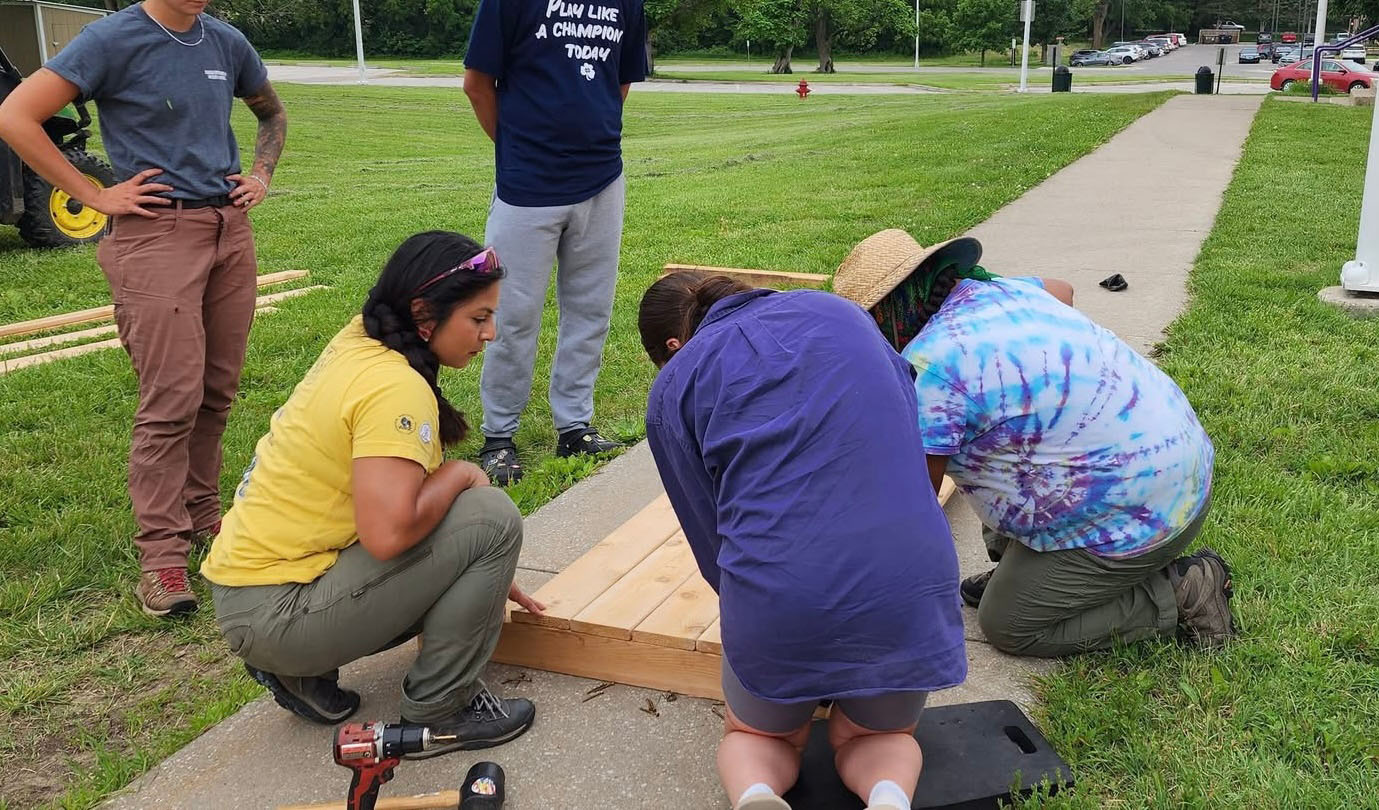
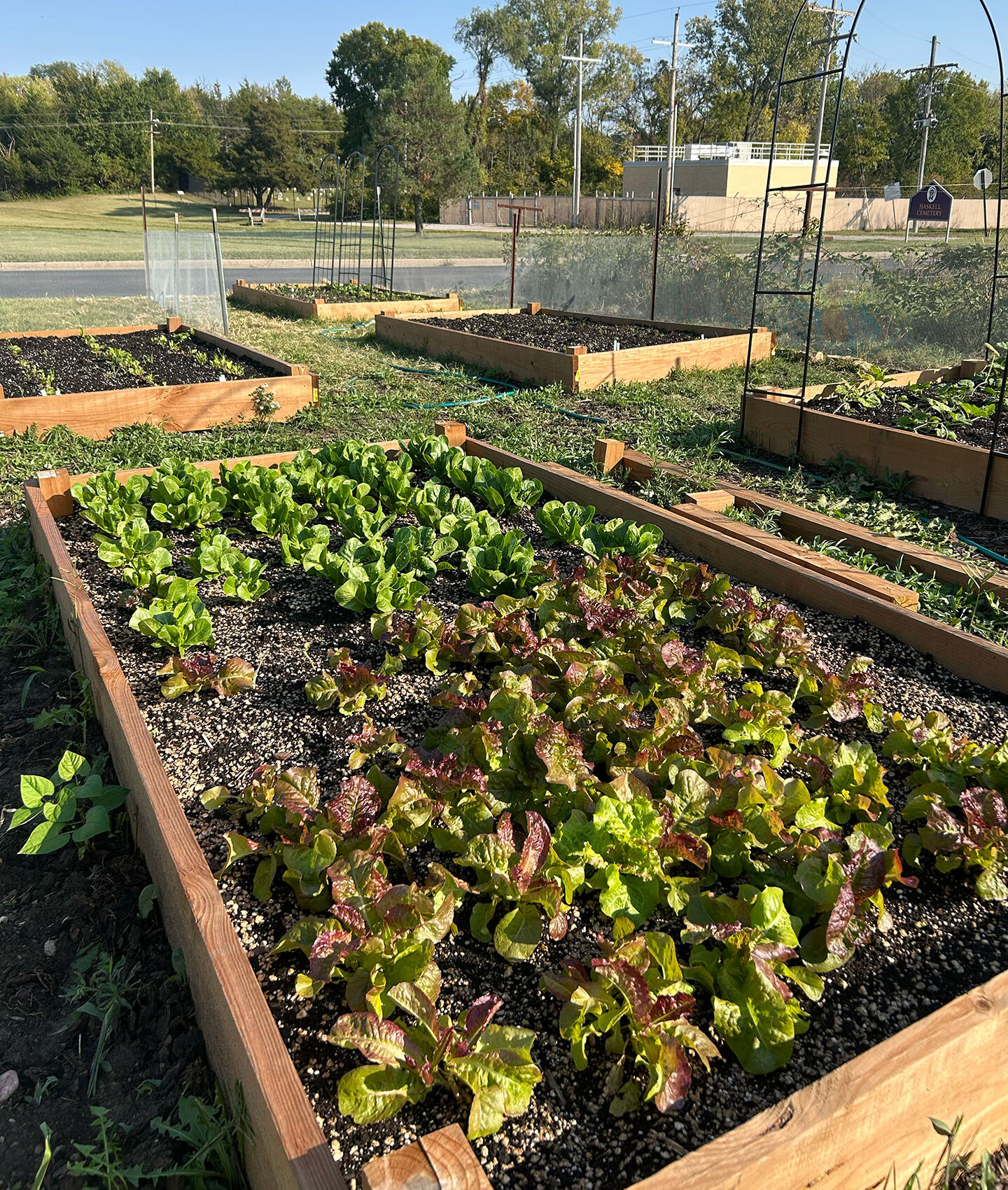
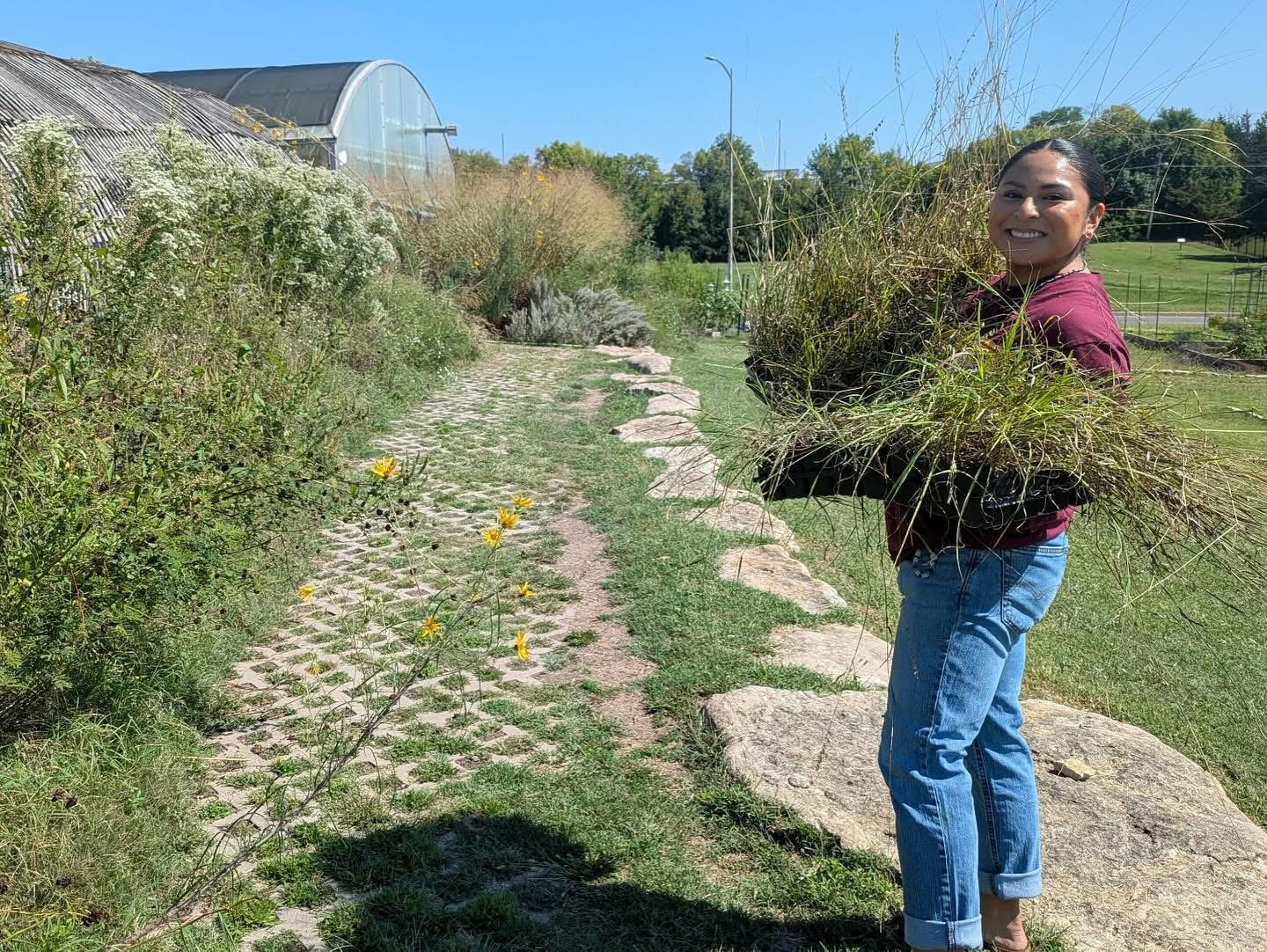
We came up with the idea of building raised garden beds near the dorms so students can easily access fresh foods and learn how to grow them themselves. Through support from the Haskell Greenhouse (funded through the USDA Equity Grant), we started building.
Last year was our first year doing this project and it was a learning experience as with many community-based projects, it comes with trial and error. However, that process taught us a lot about what works, what doesn’t, and how to build something more sustainable moving forward. This year, we’re continuing this work with stronger systems, more involvement, and a clearer vision.
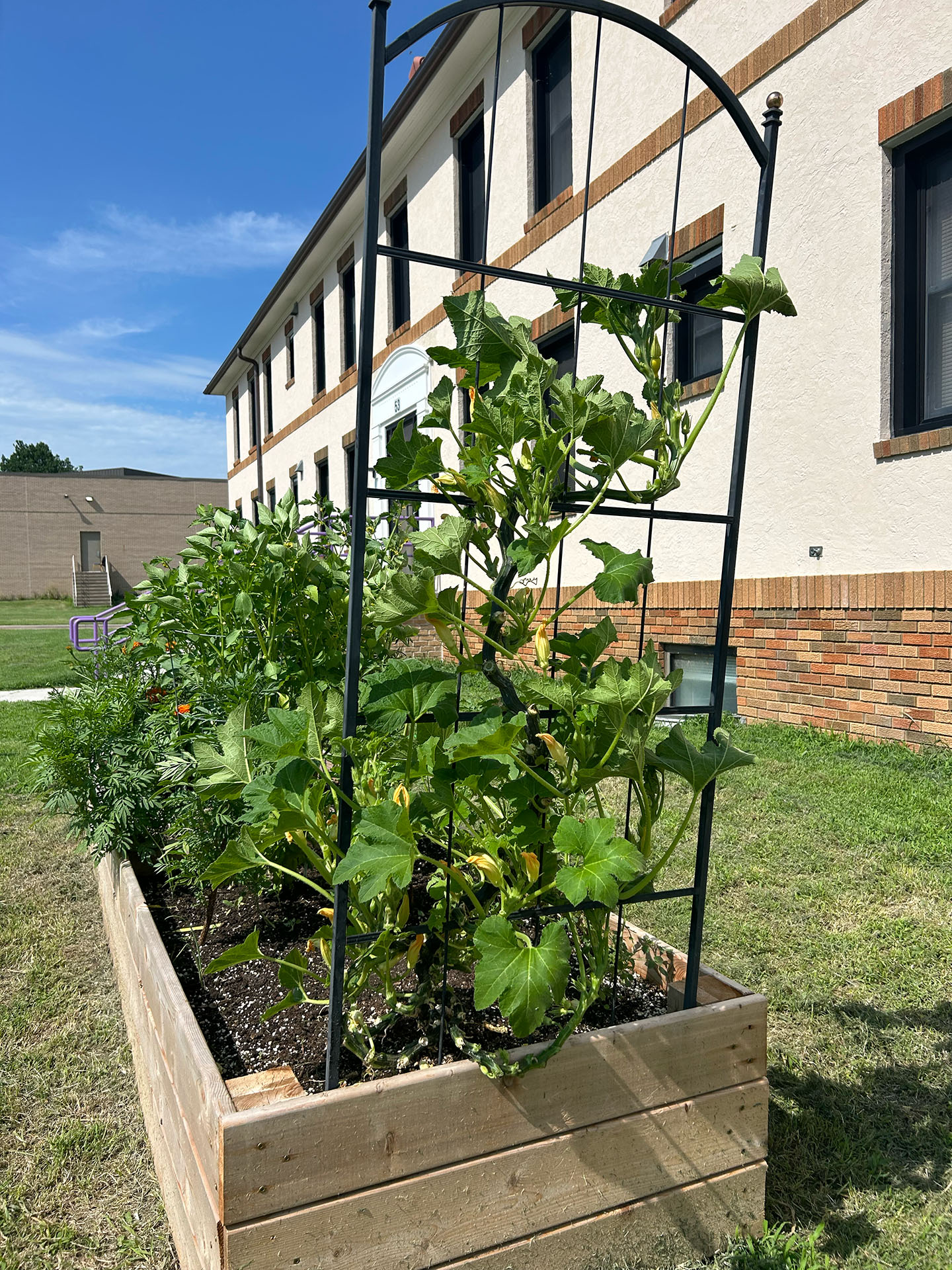
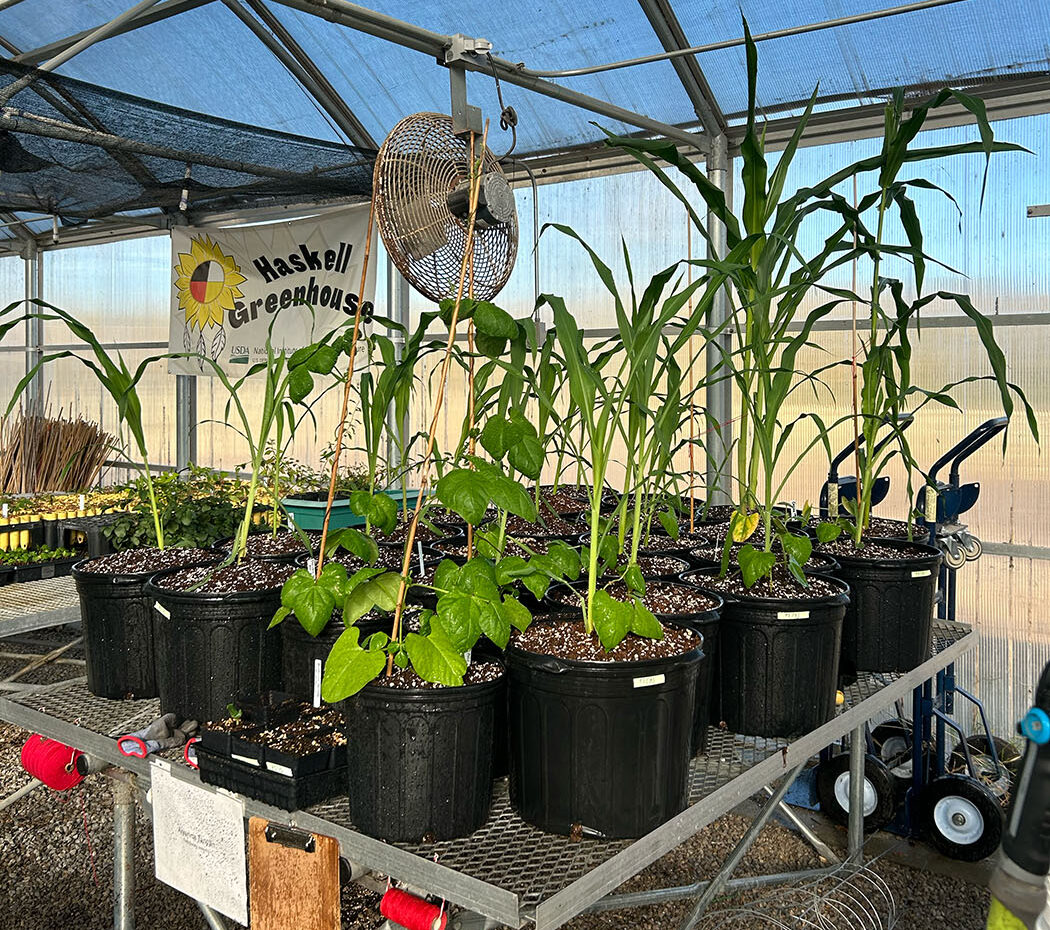
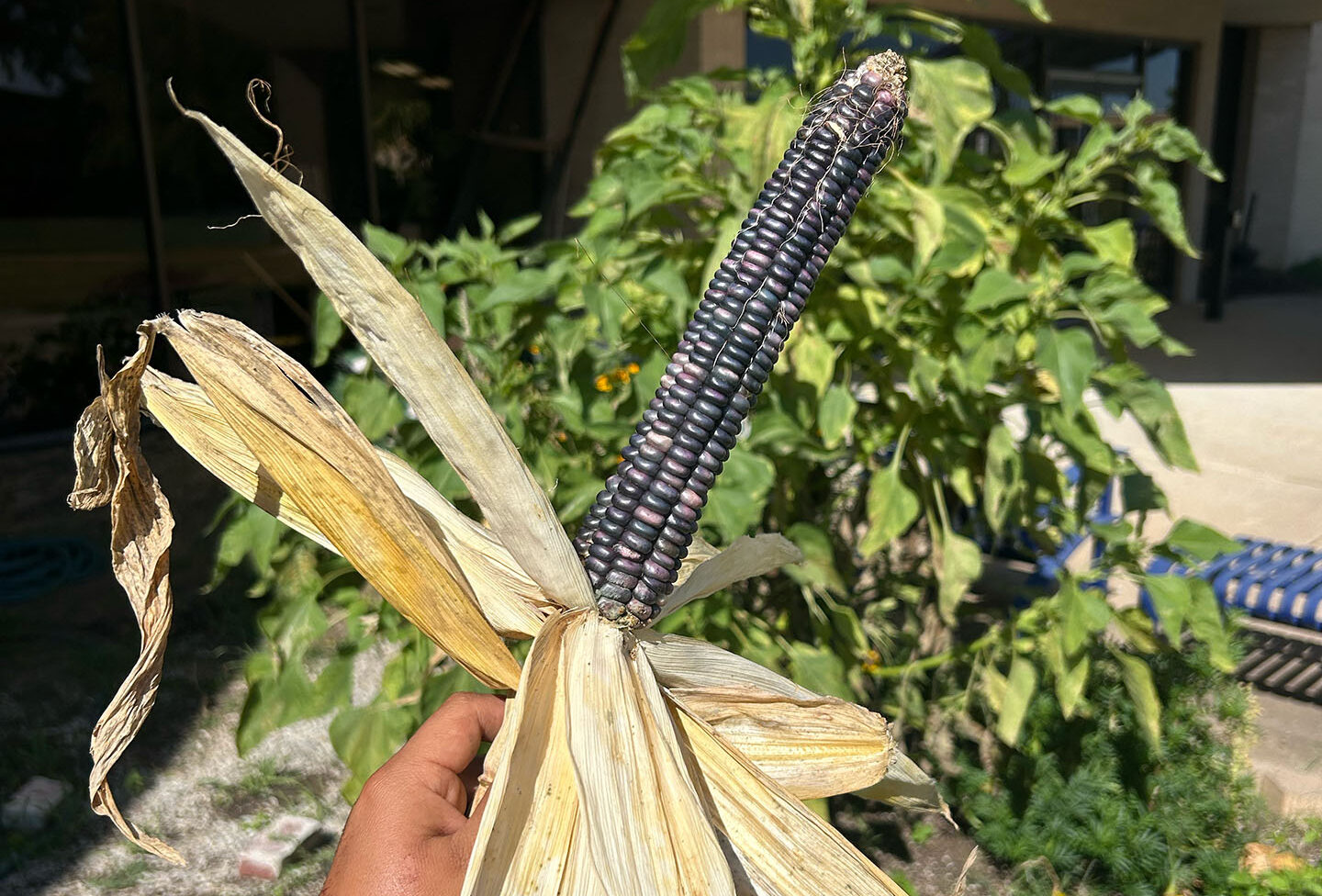
Everyone at the Haskell Greenhouse wants to help others learn, value, and view these spaces as places of teaching. I know they have taught me so much about responsibility and our relationship with the environment. Through these projects, we’re helping students reconnect with the land and understand the importance of food sovereignty for Indigenous communities. This work is ongoing, and we’re still learning. Every seed planted, and every workday shared brings us one step closer to a more sustainable and connected future.
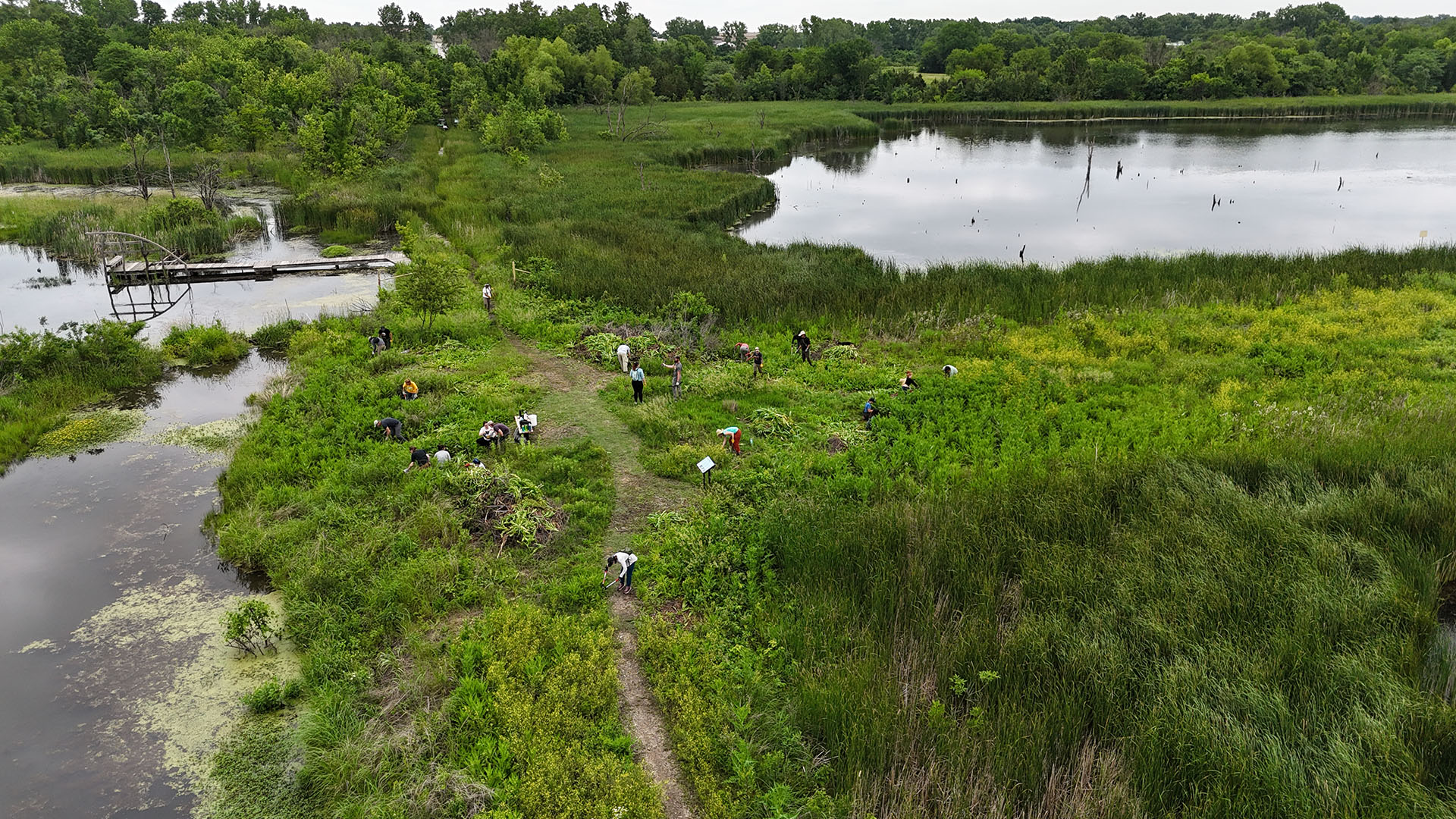
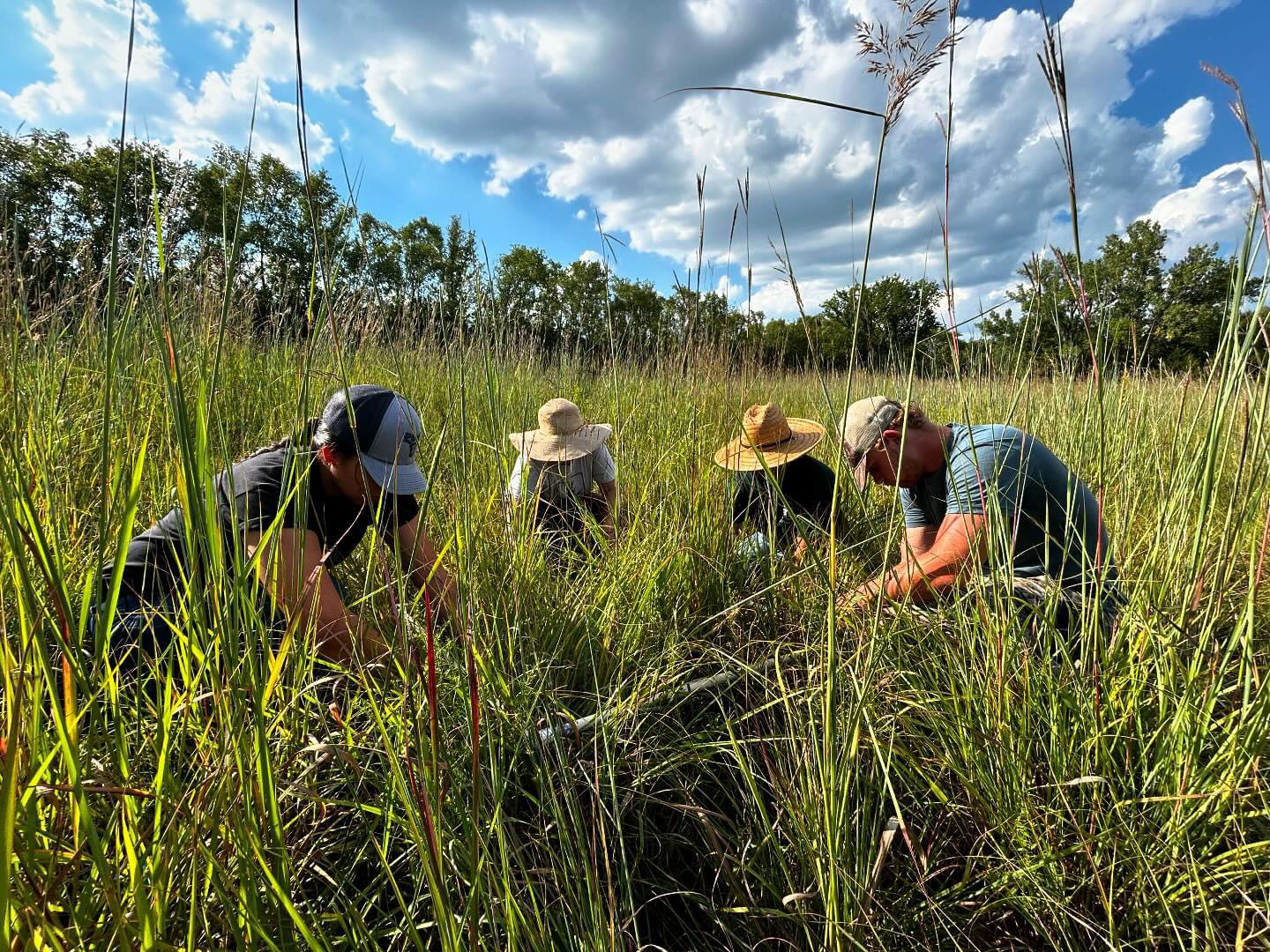
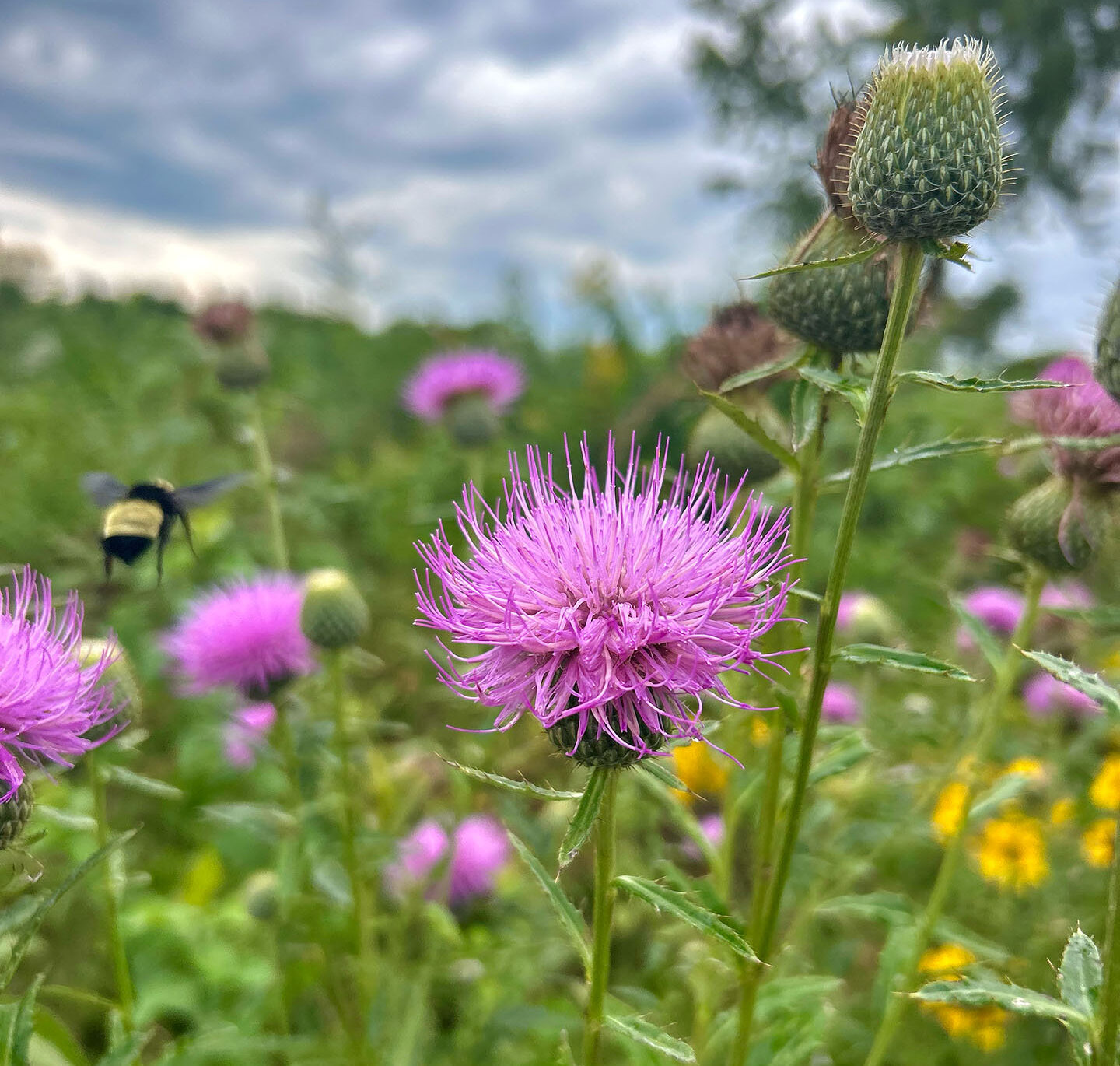
In Caring for Our Kin: Stories of Indigenous Environmental Stewardship, the College Fund shares the stories of Indigenous environmental leaders who are centering kinship and relational knowledge to build healthy ecological systems. These stories remind us that caring for the Earth means caring for one another—and that Indigenous knowledge systems continue to offer guidance, resilience, and hope for the future.
Learn more about our Environmental Stewardship Program.
Ekvnv Vcayecet. Mvto!
(Take care of the Earth/Land. Thank you)
More Blogs
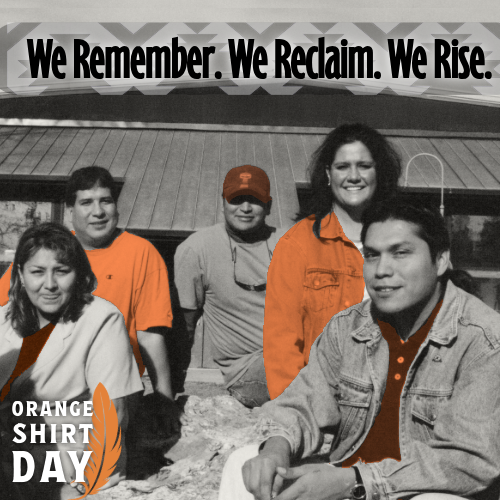
Observing Orange Shirt Day – Why Awareness Matters
In Canada, Orange Shirt Day is observed on September 30 as a federal holiday called the National Day for Truth and Reconciliation. The American Indian College Fund (College Fund) and other National Native Scholarship Providers are working to raise awareness of this important day of observation in solidarity with the survivors of boarding schools across North America.
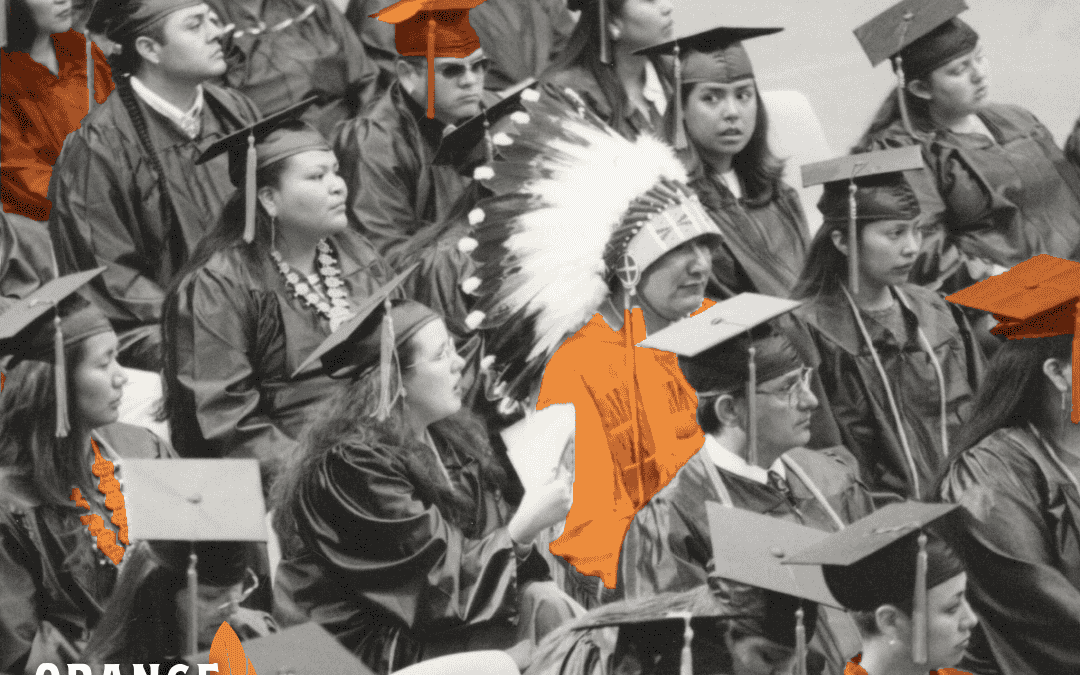
American Indian College Fund Partners with National Native Scholarship Providers to Raise Awareness of Boarding School Students
The American Indian College Fund (College Fund) and other National Native Scholarship Providers (NNSPs), including AISES, Cobell Scholarship Fund, and Native Forward Scholars Fund, are raising awareness of Orange Shirt Day in solidarity with Native people in Canada, where it is observed on September 30 as a federal holiday called the National Day for Truth and Reconciliation.
American Indian College Fund Publishes Free College-Going Guidebook for Native Students
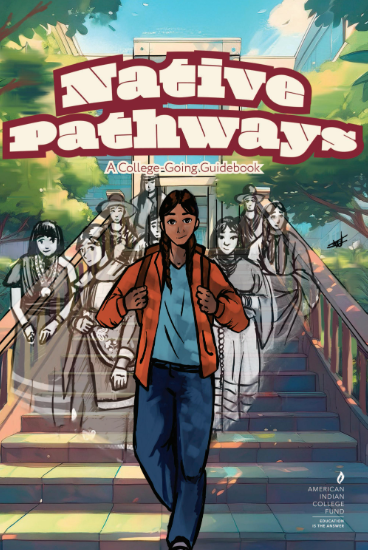
A free guide to help Native students seeking a higher education is available from the American Indian College Fund. “Native Pathways: A College-Going Guidebook,” available for download on the College Fund website, offers everything from considerations for choosing a college, an in-depth breakdown of financial aid, how to identify and create a support system, a glossary of terms, and encouragement from elders, faculty, and American Indian College Fund President and CEO, Cheryl Crazy Bull.
Why Apply
Today, September 19, the American College Application Campaign (ACAC) is celebrating #WhyApply Day on social media. This event celebrates the college application season by sharing supportive and motivating messages.
Tribal Colleges and Universities Face an 88% Cut in Federal Funding
Tribal Colleges and Universities (TCUs) are facing an unprecedented 88% budget cut in federal funding after the Trump administration's budget proposals suggest the funding for Bureau of Indian Education post-secondary programs be slashed from $183 million to just $22...

American Indian College Fund Partners with Tribal Colleges and Universities to Focus Research on Cultural Impact
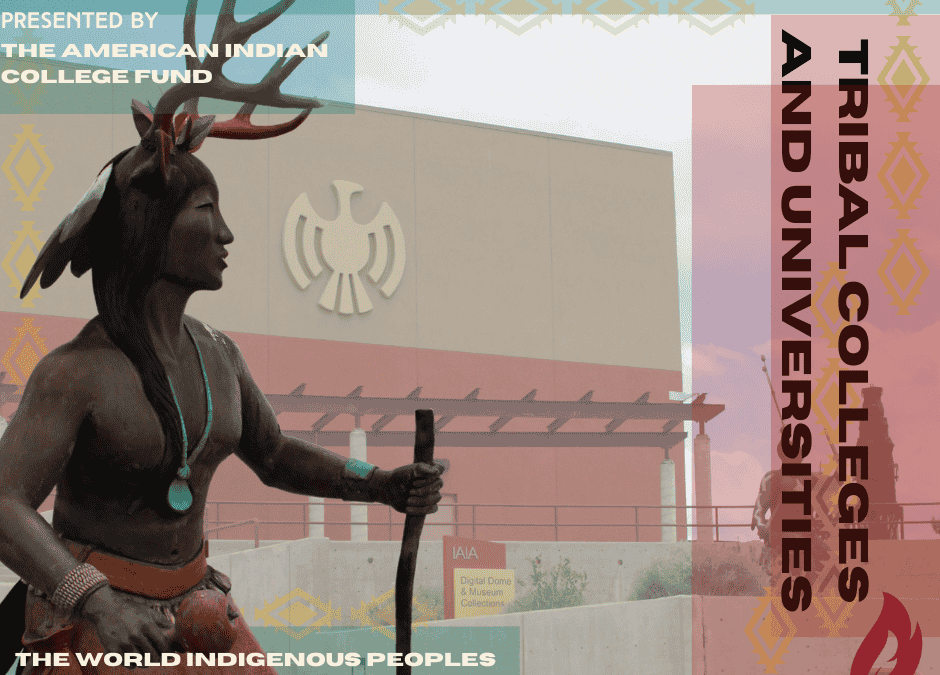
Three American Indian College Fund (College Fund) staff, along with partners from tribal colleges and universities (TCUs), were chosen in a competitive process to present two sessions at the upcoming World Indigenous Peoples Conference on Education (WIPCE) in November 2025. The College Fund’s partnerships with TCUs are a testament to our shared commitment to equity, inclusivity, and impact of tribally led education.
Circle of Hope Summer 2025
| Summer 2025 | Circle of Hope Dear Friends and Relatives, So much has changed since my last update. I’ve spent hours thinking about how important my words and actions are in this moment and struggling with what to do next – and I have to admit, it has been...
