
Planting the Seeds of Cultural Sustainability
April 22, 2026 | Student Ambassador Aiyanna Tanyan’s (Seminole Nation of Oklahoma) work to reclaim food sovereignty
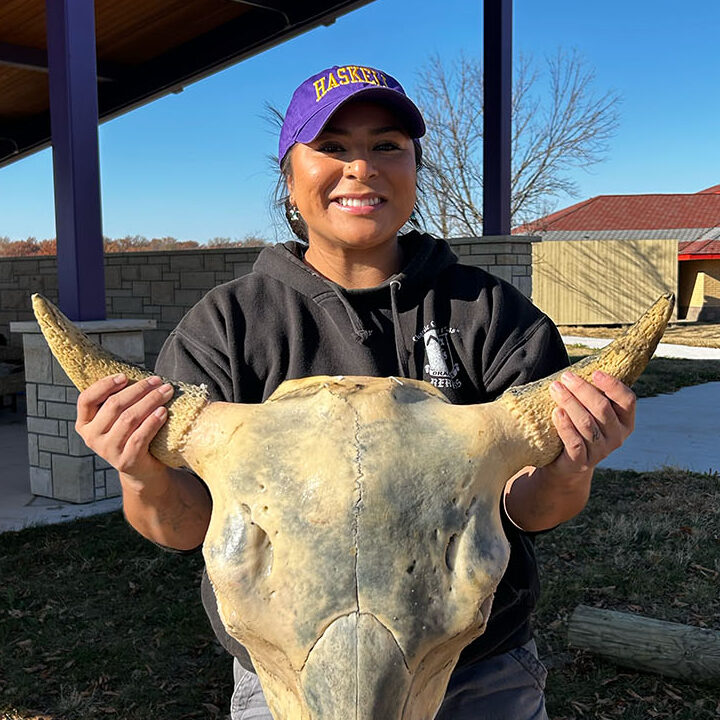
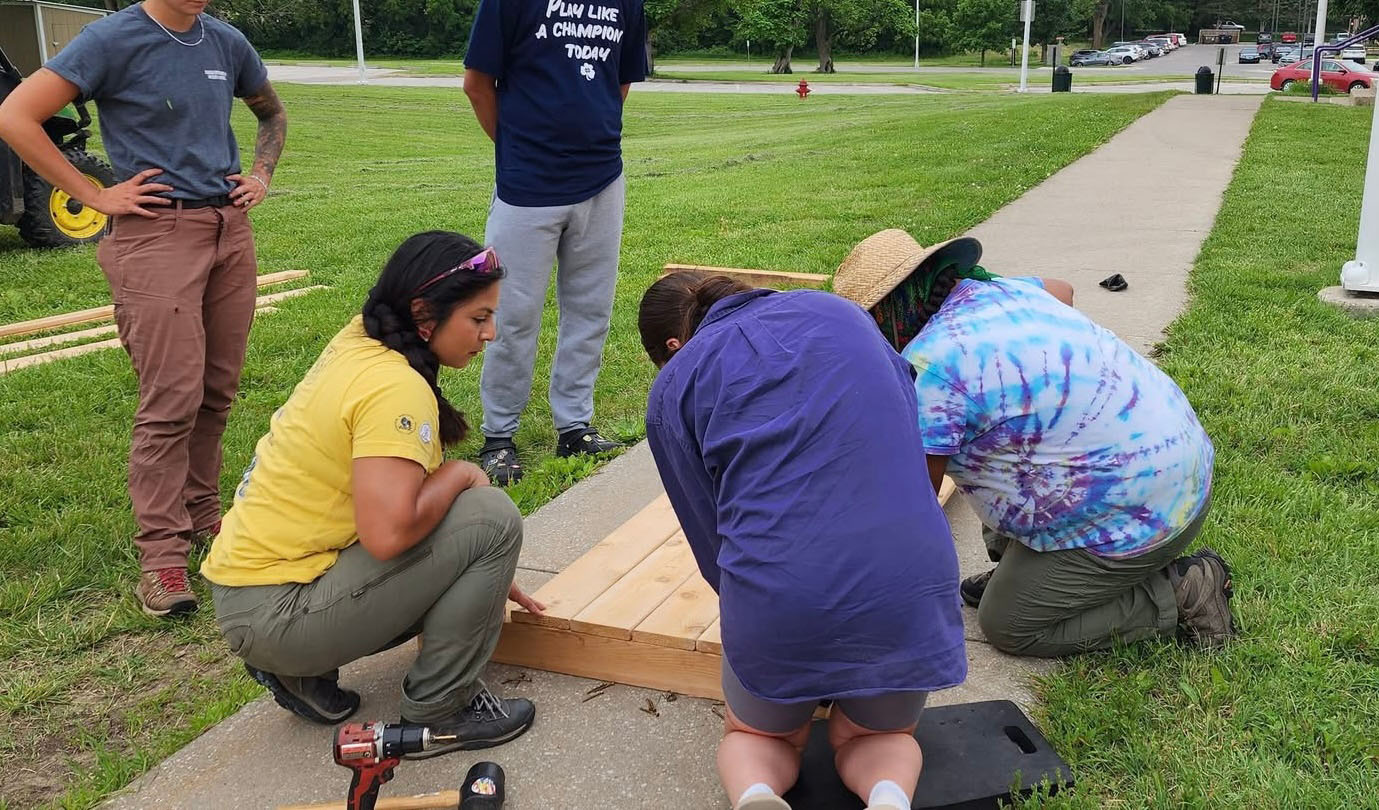
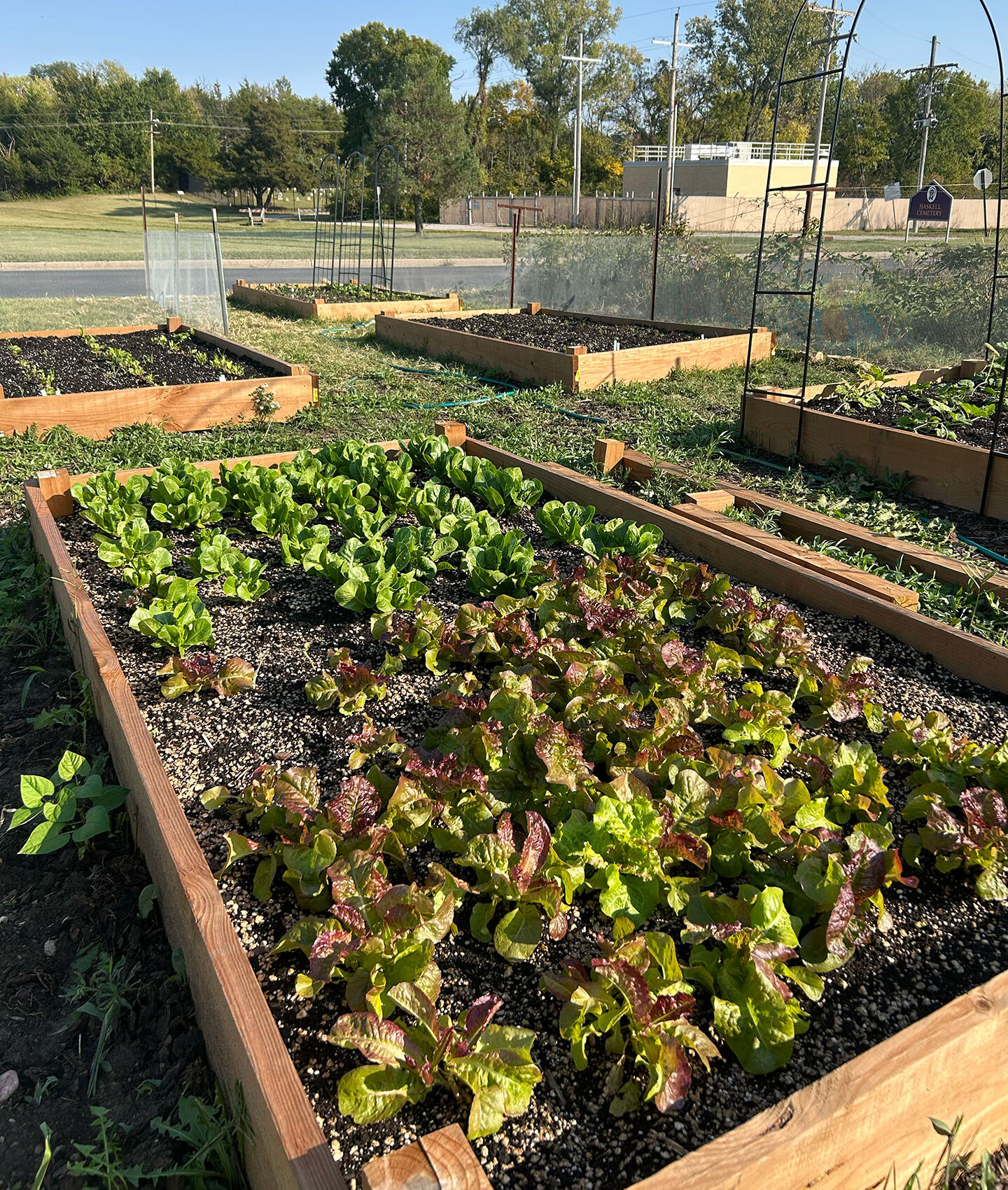
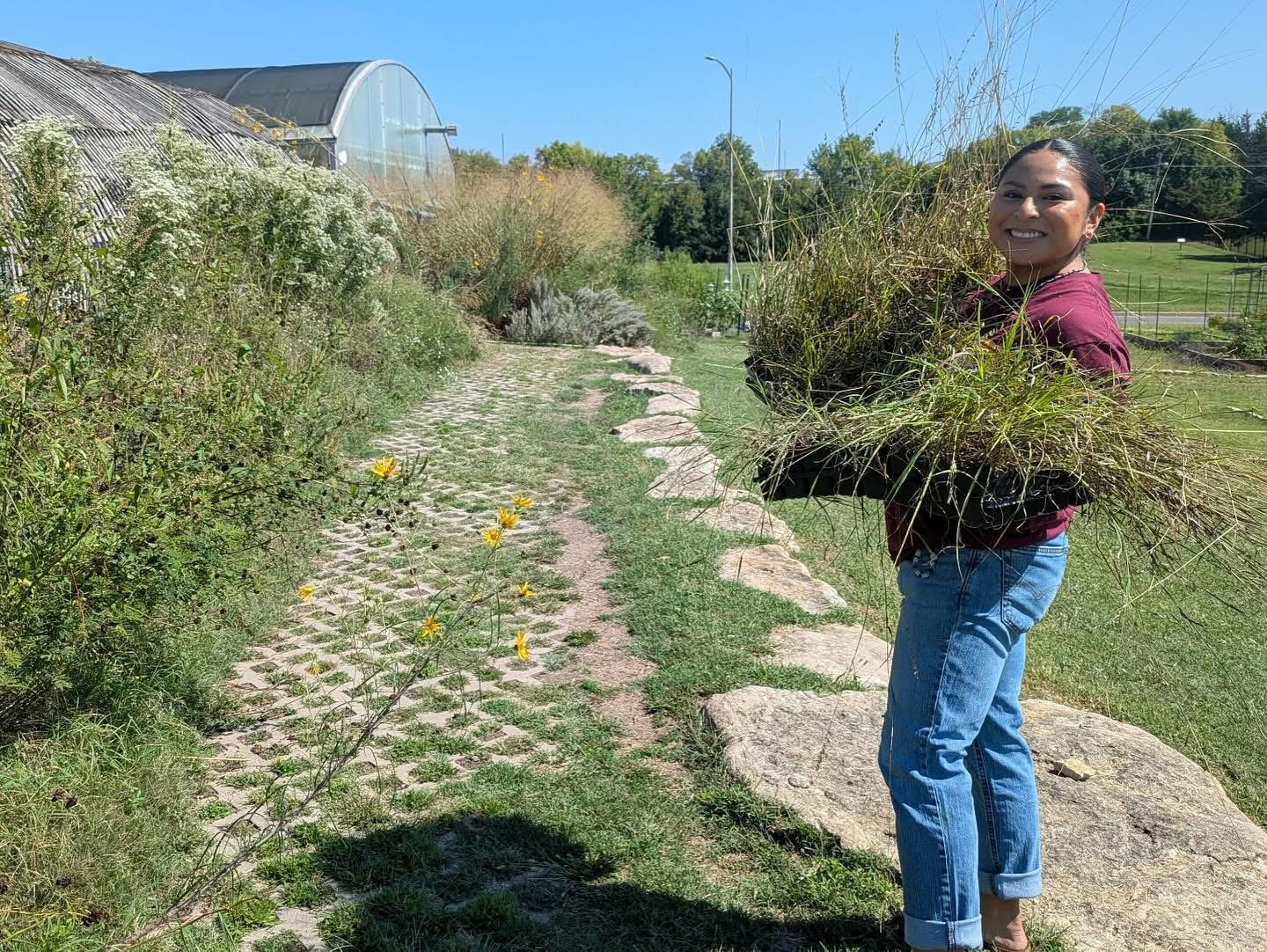
We came up with the idea of building raised garden beds near the dorms so students can easily access fresh foods and learn how to grow them themselves. Through support from the Haskell Greenhouse (funded through the USDA Equity Grant), we started building.
Last year was our first year doing this project and it was a learning experience as with many community-based projects, it comes with trial and error. However, that process taught us a lot about what works, what doesn’t, and how to build something more sustainable moving forward. This year, we’re continuing this work with stronger systems, more involvement, and a clearer vision.
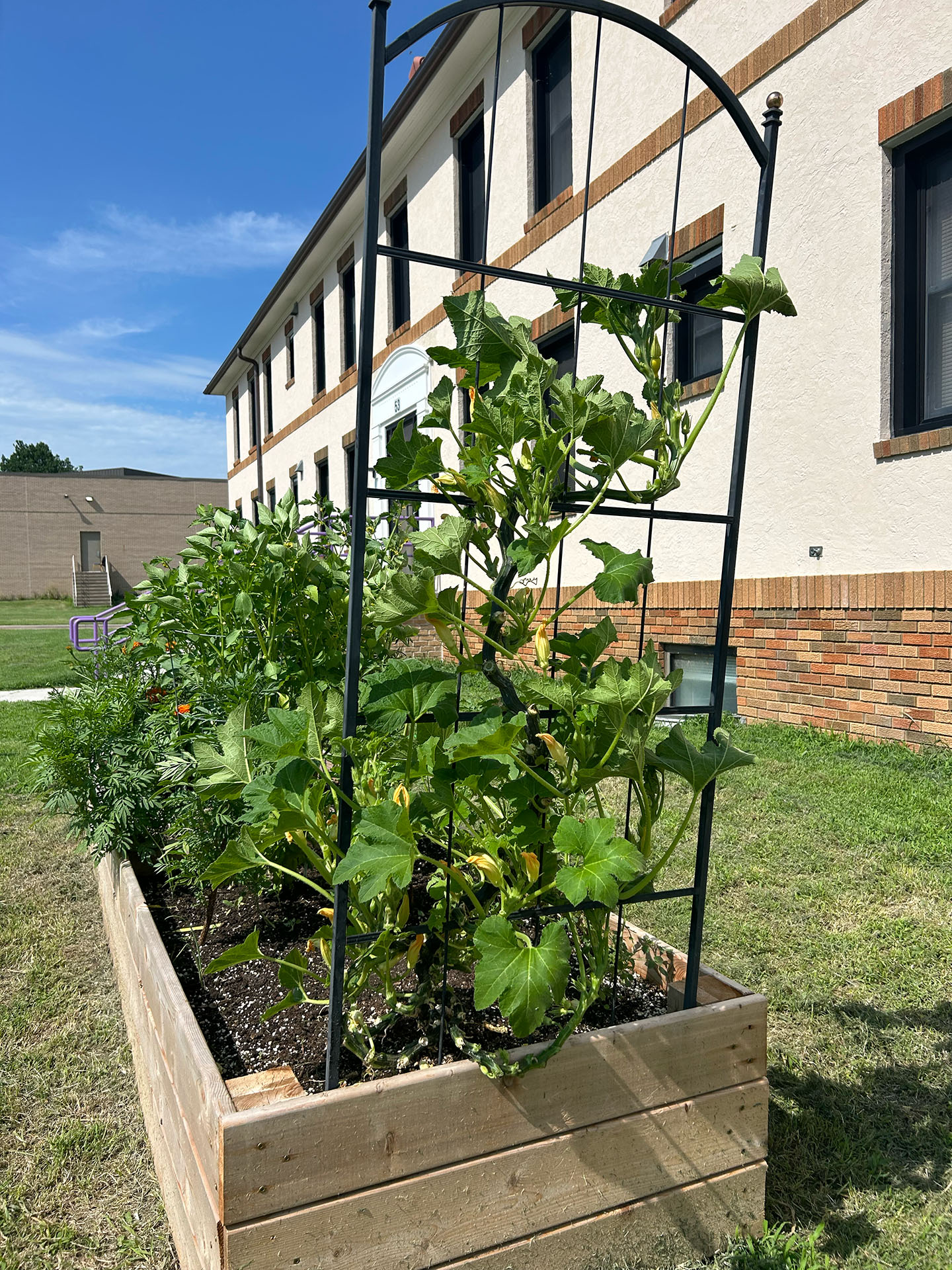
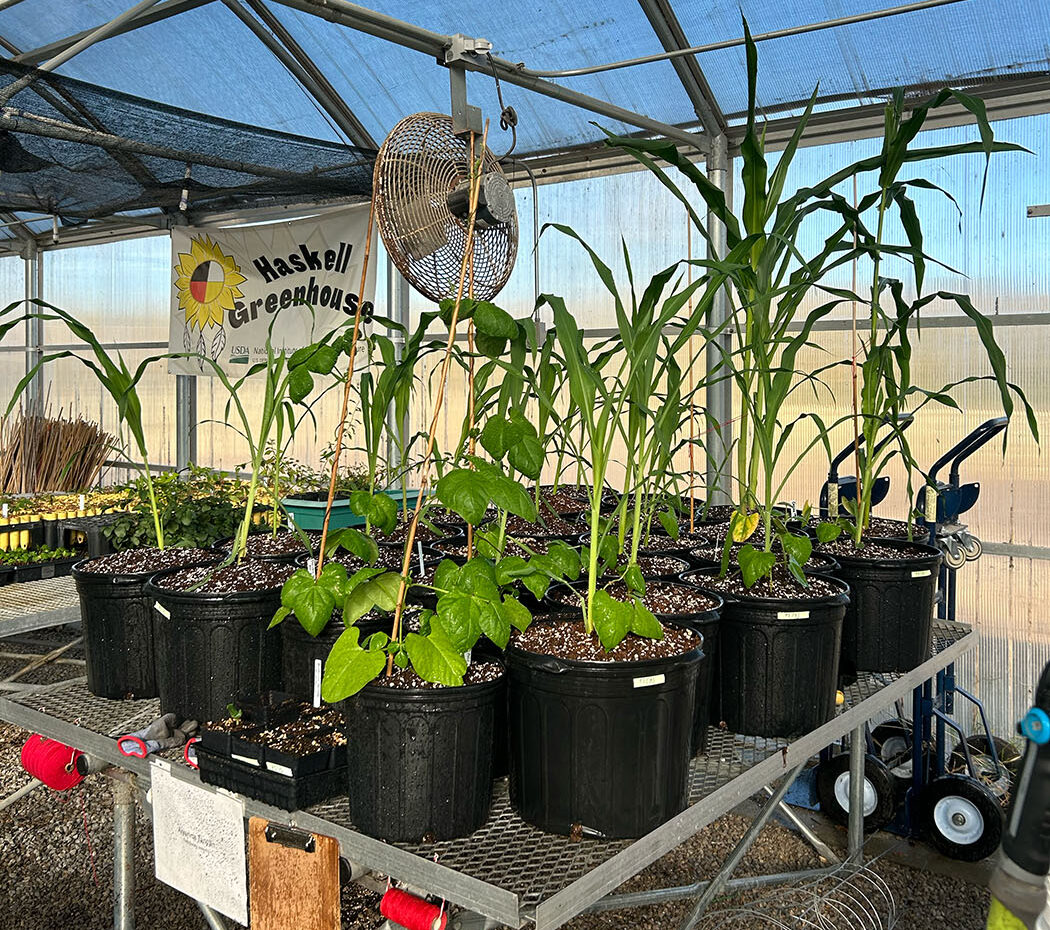
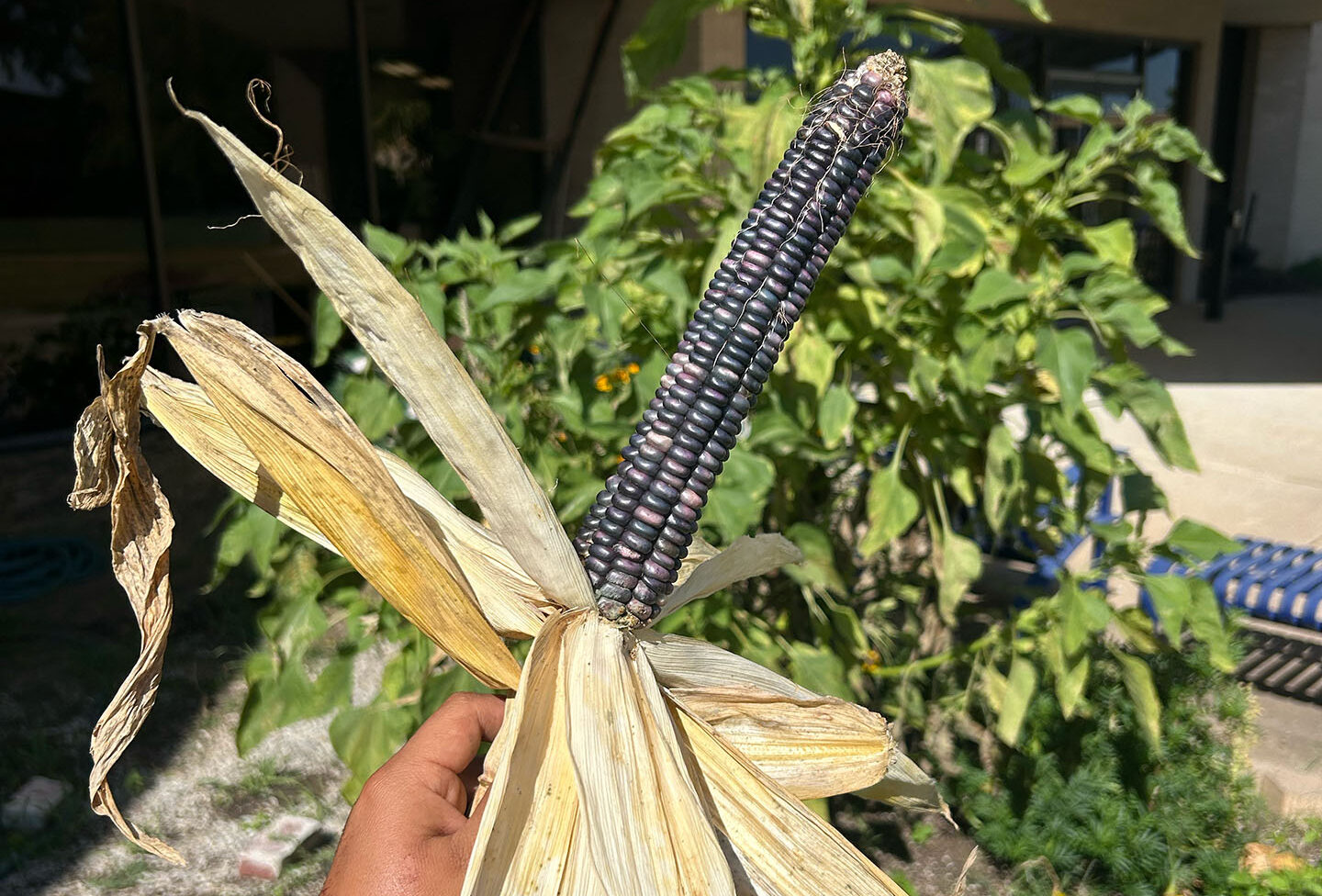
Everyone at the Haskell Greenhouse wants to help others learn, value, and view these spaces as places of teaching. I know they have taught me so much about responsibility and our relationship with the environment. Through these projects, we’re helping students reconnect with the land and understand the importance of food sovereignty for Indigenous communities. This work is ongoing, and we’re still learning. Every seed planted, and every workday shared brings us one step closer to a more sustainable and connected future.
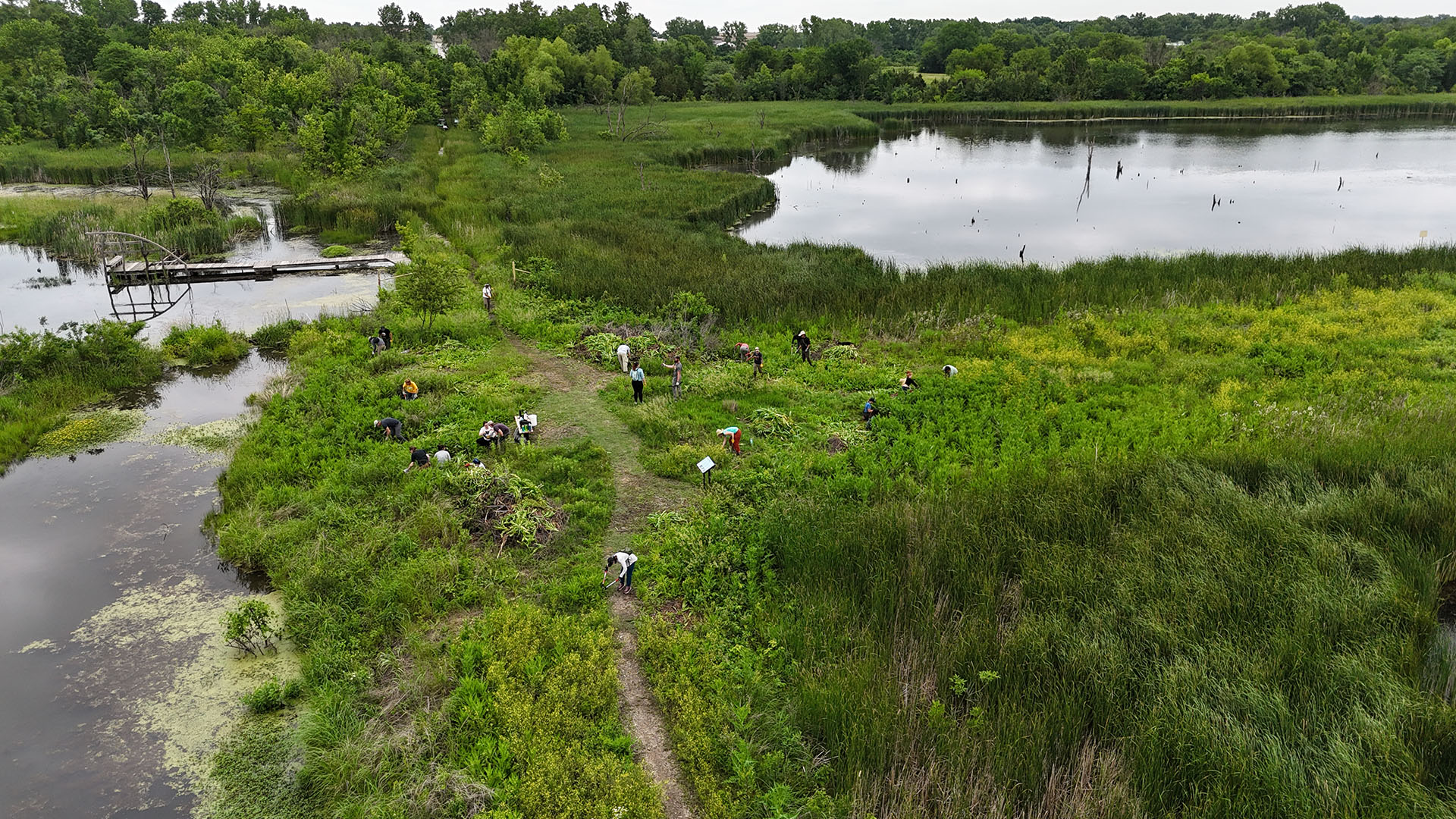
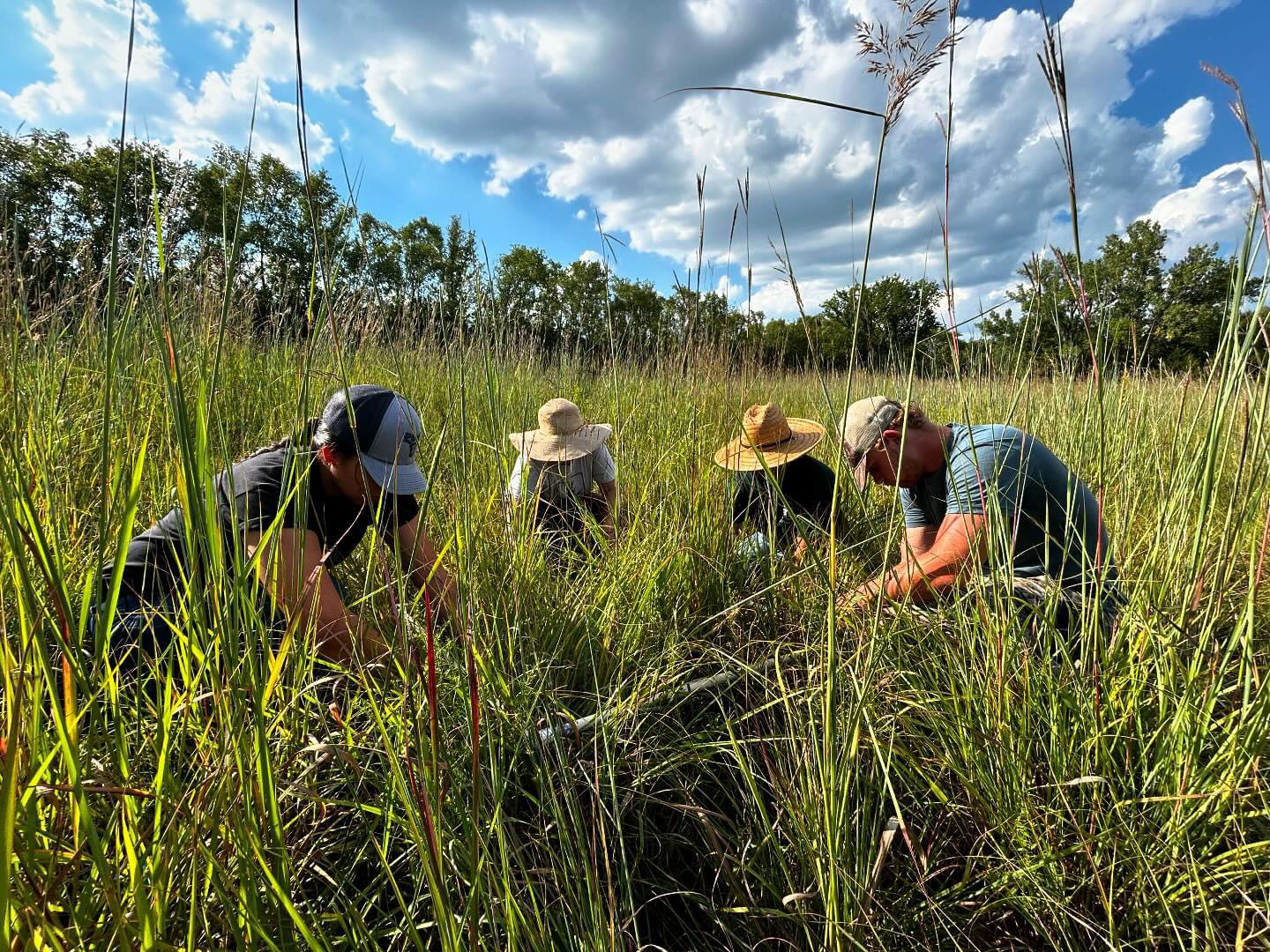
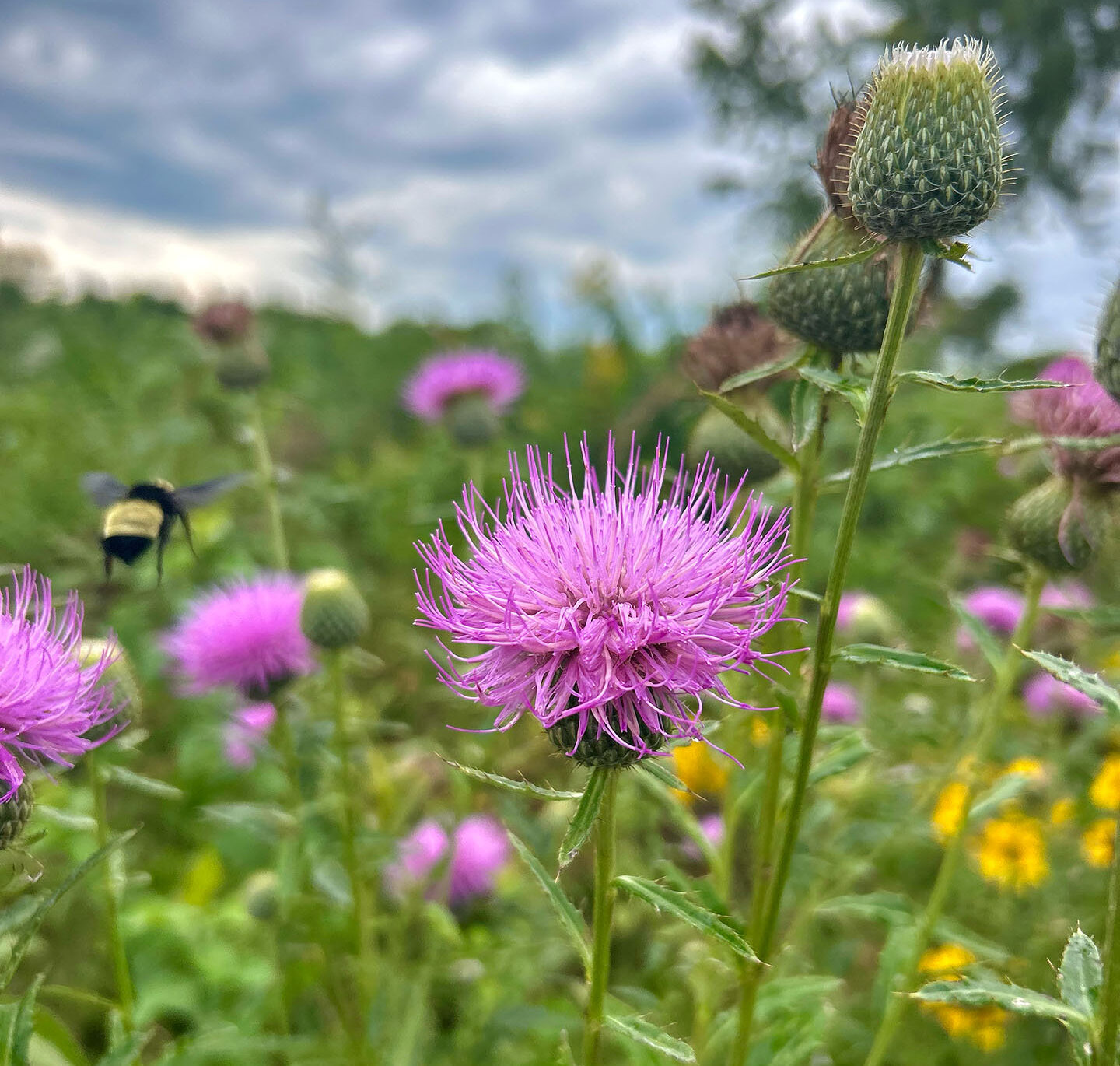
In Caring for Our Kin: Stories of Indigenous Environmental Stewardship, the College Fund shares the stories of Indigenous environmental leaders who are centering kinship and relational knowledge to build healthy ecological systems. These stories remind us that caring for the Earth means caring for one another—and that Indigenous knowledge systems continue to offer guidance, resilience, and hope for the future.
Learn more about our Environmental Stewardship Program.
Ekvnv Vcayecet. Mvto!
(Take care of the Earth/Land. Thank you)
More Blogs
Letter from a Supporter
I’d like to personally thank Sandra Beasley of Cleveland, Ohio, an unenrolled member of the Cherokee tribe who resides in Cleveland, Ohio, for taking the time to write to me about the Think Indian campaign. Sandra writes that the campaign “is absolutely brilliant, sensational, awesome, tremendous, epic, and life-changing” and that the stories of traditional and non-traditional students were inspiring for her.
Donaldson Foundation Grants $15,000 to The Fund to Establish Scholarship Program
The Minneapolis, Minnesota-based Donaldson Foundation donated $15,000 to the American Indian College Fund to establish the Donaldson Foundation Tribal College Scholarship Program. This program will provide greatly needed scholarships to Native American students studying science, technology, engineering, math, or business at tribal colleges and universities in Minnesota and Wisconsin.
MetLife Foundation Contributes $15,000 to the Fund for Native Student Scholarships
For nearly a decade, MetLife Foundation has been committed to supporting Native American scholars through the American Indian College Fund. The MetLife Foundation granted $15,000 this month to continue the MetLife Foundation Tribal College Scholarship Program. This program provides scholarships to Native students attending tribal colleges and universities across the country.
Allstate Insurance Company Sponsors American Indian College Fund Annual Flame of Hope Gala
The Allstate Insurance Company recently granted $10,000 to the American Indian College Fund to sponsor the American Indian College Fund’s Annual Flame of Hope Gala, to be held October 14th in the Seawell Ballroom at the Denver Center for the Performing Arts. The annual gala raises scholarship funds and awareness for our nation’s tribal colleges and universities and Native American students. Allstate has been generously sponsoring the event since 2004.
Summer is Time for Native Students to Prepare for School in Fall
Summertime. For many people across the nation, summer is a time to kick back, relax, and celebrate! But for many of our students in Indian nations, summer is a time to cobble together several jobs and pinch pennies to ensure they can continue their college education in the fall.
American Indian College Fund Supporter Treks to Pyrenees to Support Native Student Scholarships
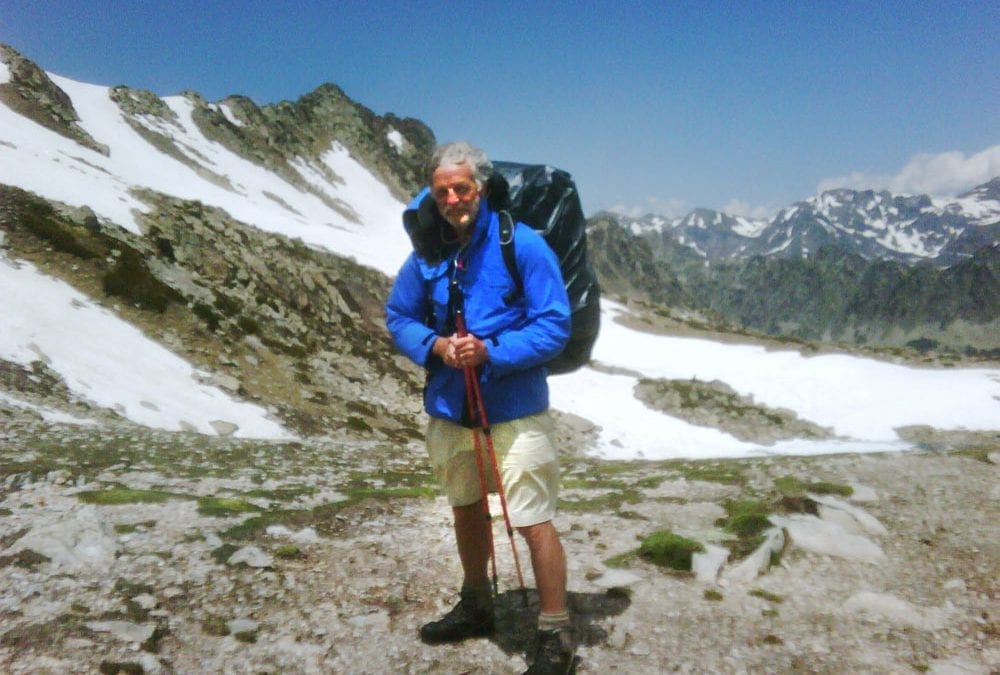
Dave Rogers, a member of the American Indian College Fund Board of Directors, went to adventurous and altruistic heights this year when he combined a trek across the Pyrenees Mountains with a fundraising challenge for the American Indian College Fund.
Wm. Wrigley Jr. Company Foundation Gives the Fund $10,000 for Named Scholarship Program
In support of Native American students attending the nation’s tribal colleges, the Wm. Wrigley Jr. Company Foundation generously donated $10,000 to the American Indian College Fund. Established in 2002, the Wm. Wrigley Jr. Company Foundation Tribal College Scholarship Program has allowed numerous American Indian students to pursue academic degrees at the tribal colleges and universities that combine traditional culture and contemporary learning.
Dr. Joe McDonald Looks Back (& Forward) as He Retires from the Helm of Salish Kootenai College
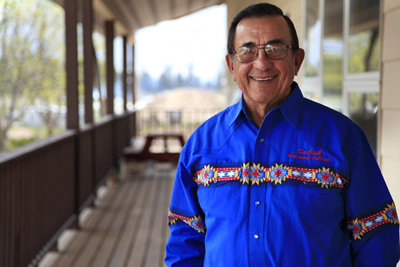
Joe McDonald, President of Salish Kootenai College since 1978, retired on July 1, 2010
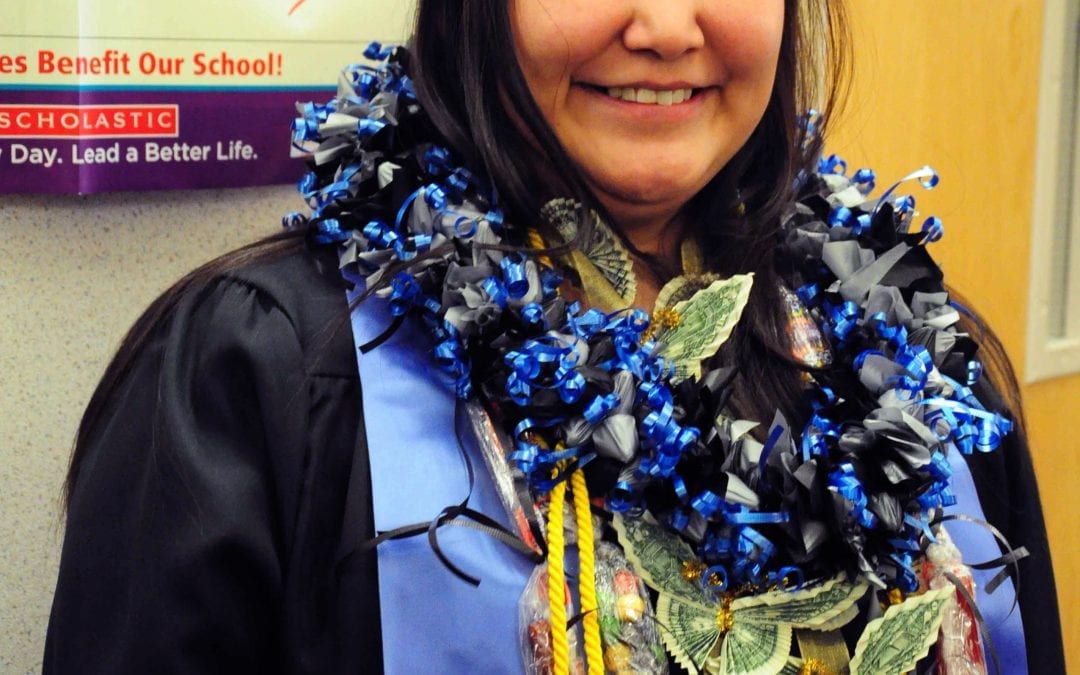
Congratulations Graduates!
As June ends, the last of graduations at our nation’s 33 tribal colleges and universities are winding down. Our students have worked long hours, often juggling work and family responsibilities with their studies, to earn their college degrees.
Native Students Thank You for Sharing Your Summer Bounty
June 21 marked the first day of summer solstice. Summer was traditionally a busy time among Native peoples, as sedentary tribes planted gardens and tended to their crops; and nomadic peoples followed the moving animals across the landscape and hunted and fished. Summers were and still are a time of bounty.