
Planting the Seeds of Cultural Sustainability
April 22, 2026 | Student Ambassador Aiyanna Tanyan’s (Seminole Nation of Oklahoma) work to reclaim food sovereignty
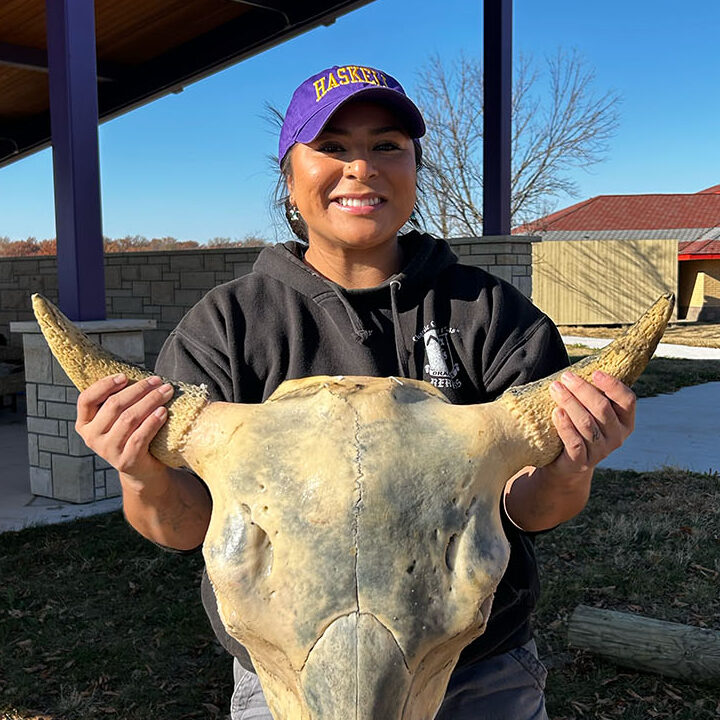
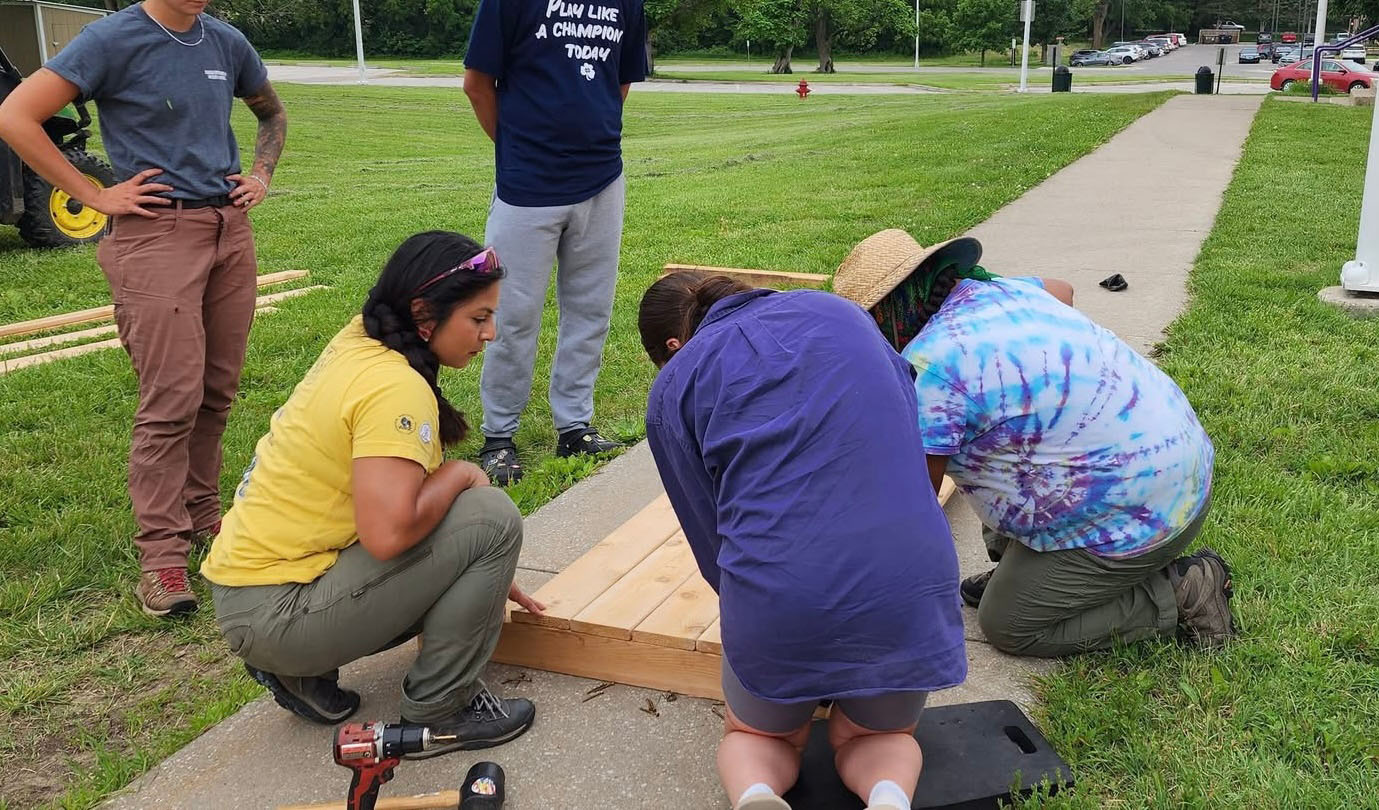
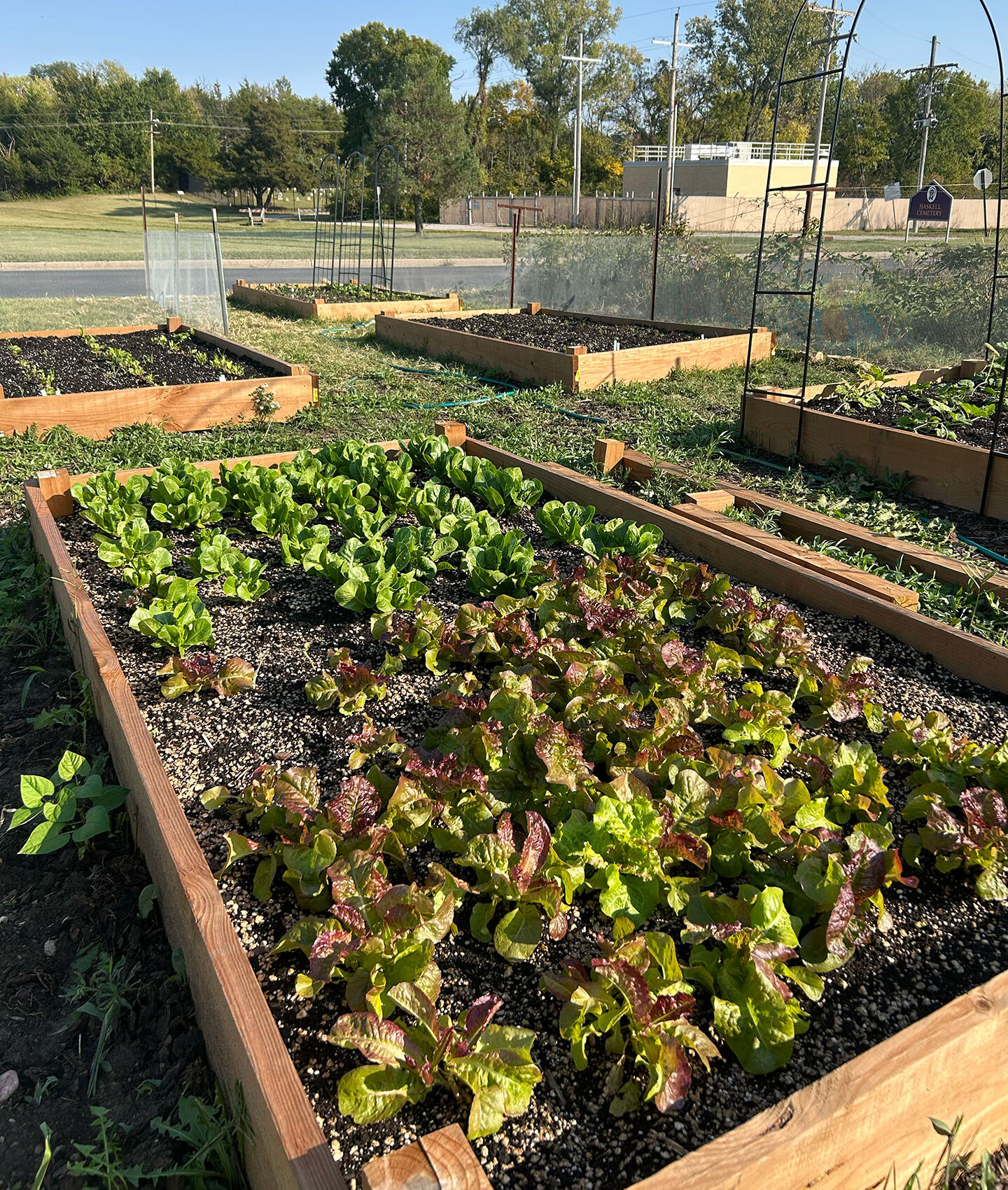
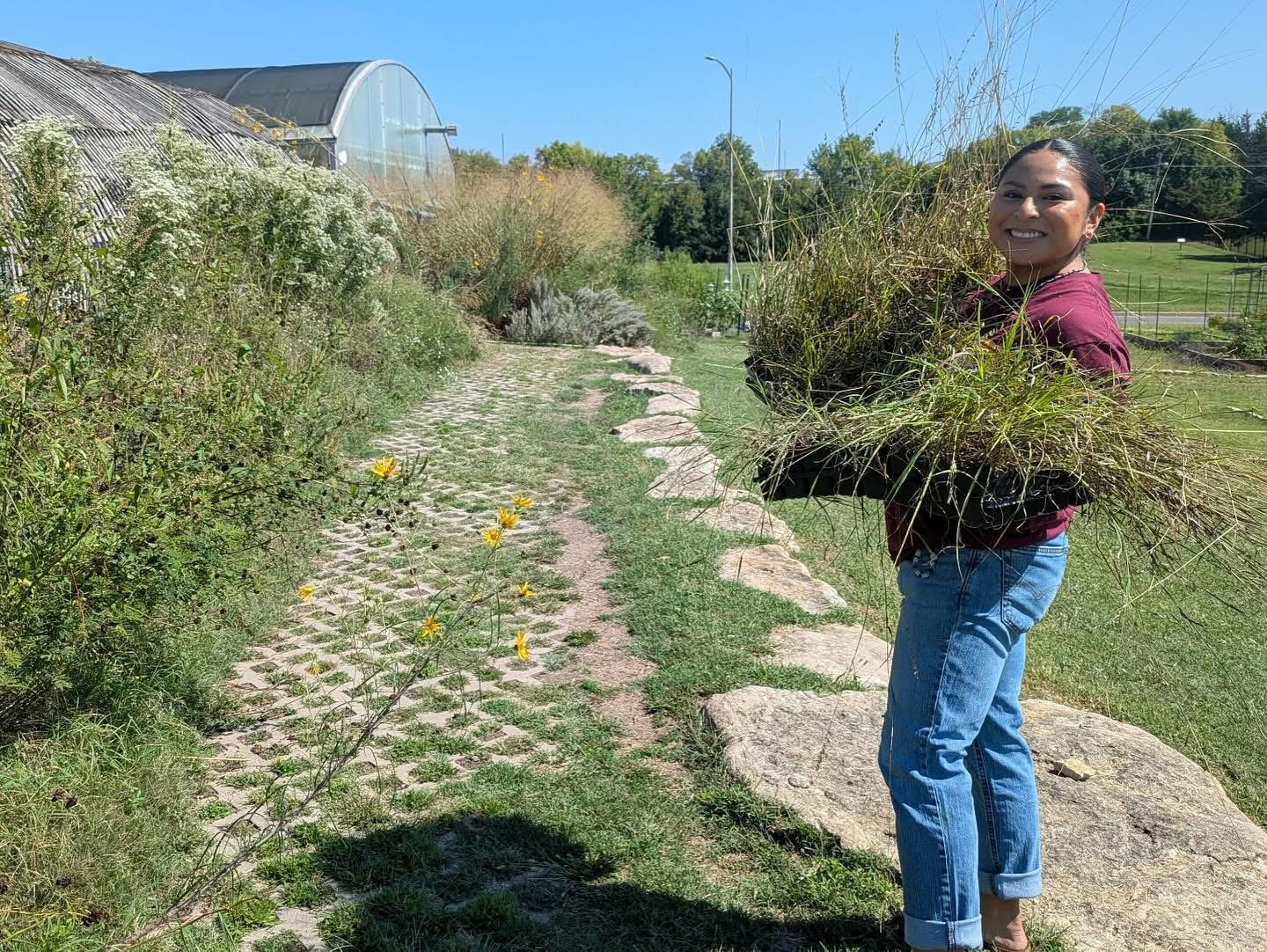
We came up with the idea of building raised garden beds near the dorms so students can easily access fresh foods and learn how to grow them themselves. Through support from the Haskell Greenhouse (funded through the USDA Equity Grant), we started building.
Last year was our first year doing this project and it was a learning experience as with many community-based projects, it comes with trial and error. However, that process taught us a lot about what works, what doesn’t, and how to build something more sustainable moving forward. This year, we’re continuing this work with stronger systems, more involvement, and a clearer vision.
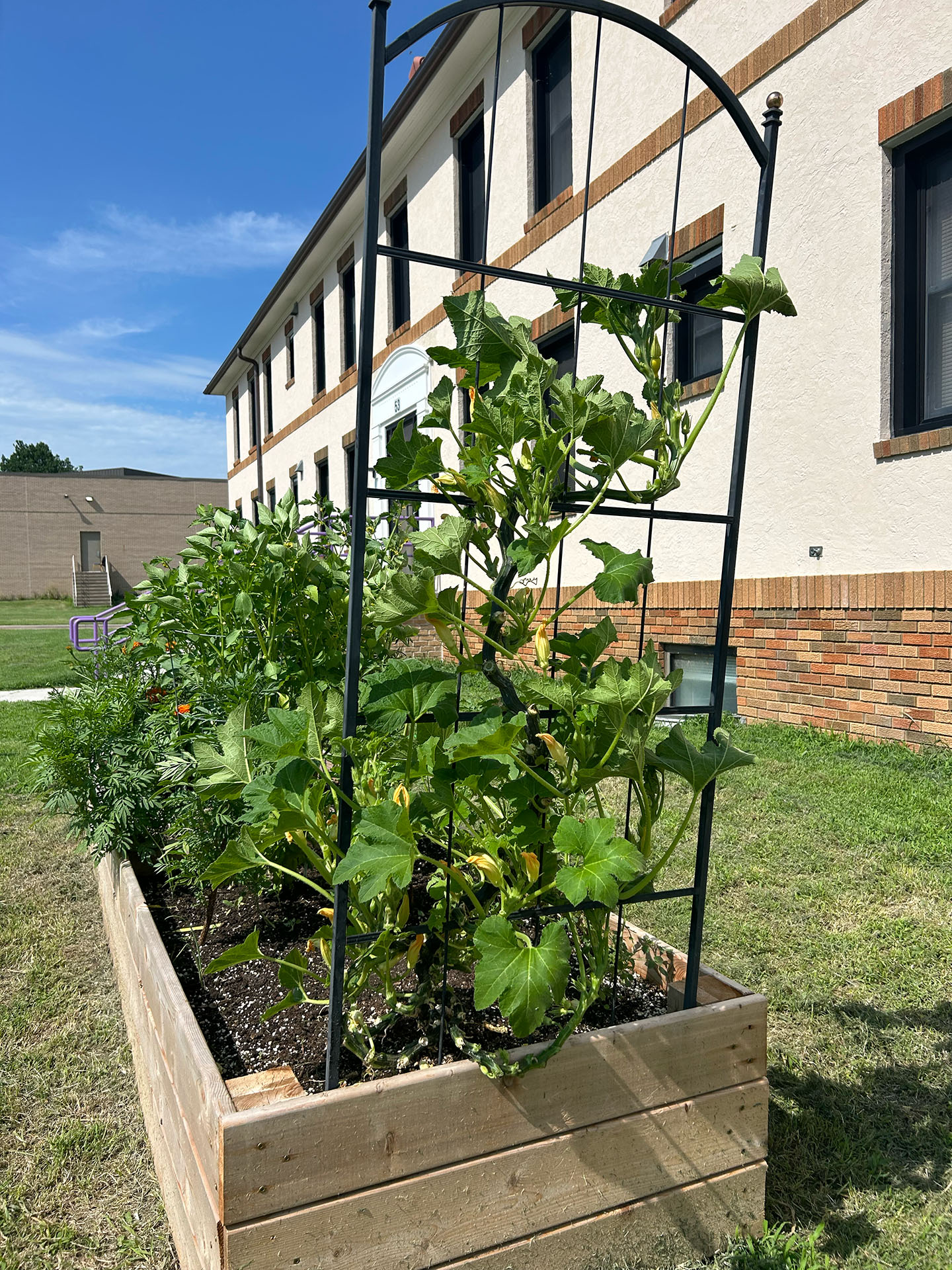
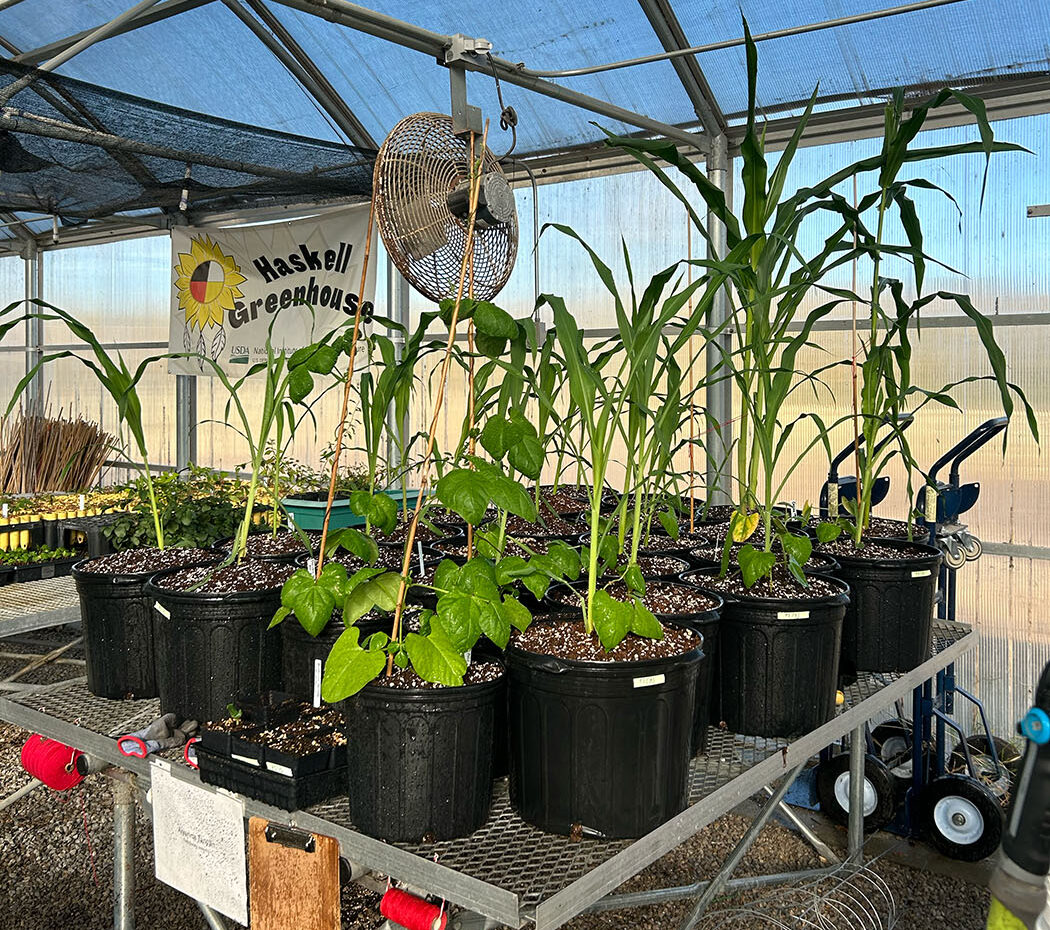
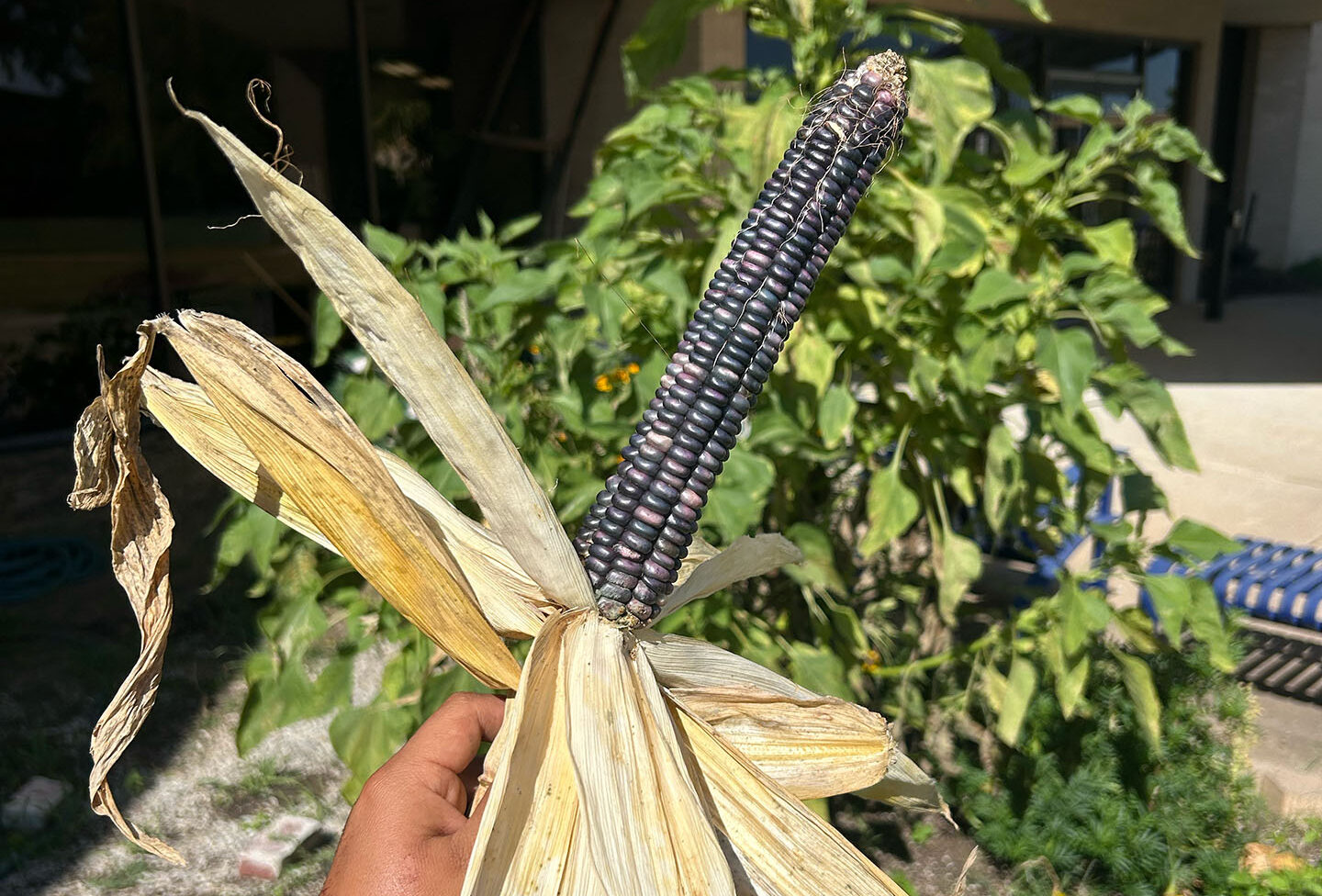
Everyone at the Haskell Greenhouse wants to help others learn, value, and view these spaces as places of teaching. I know they have taught me so much about responsibility and our relationship with the environment. Through these projects, we’re helping students reconnect with the land and understand the importance of food sovereignty for Indigenous communities. This work is ongoing, and we’re still learning. Every seed planted, and every workday shared brings us one step closer to a more sustainable and connected future.
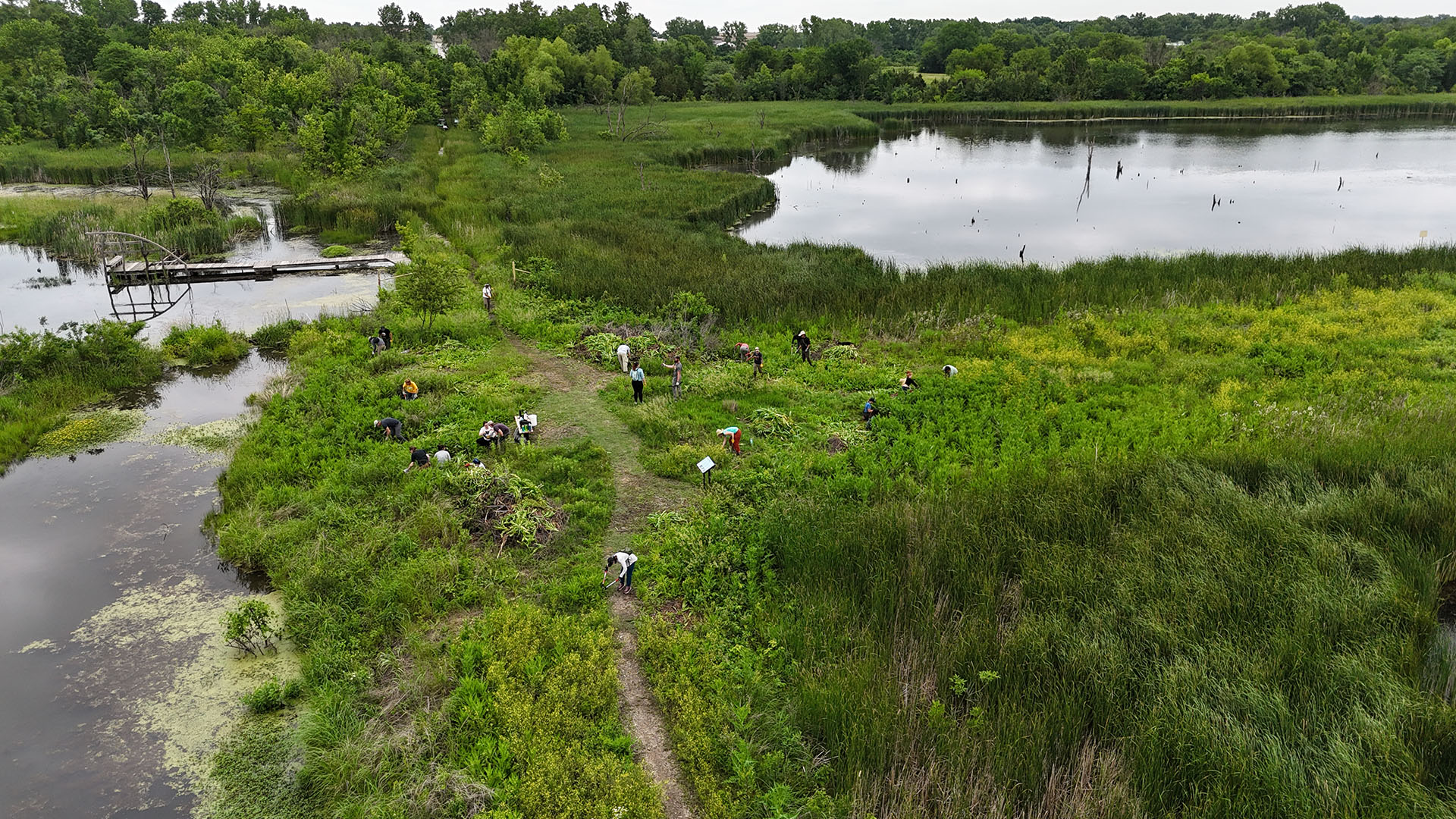
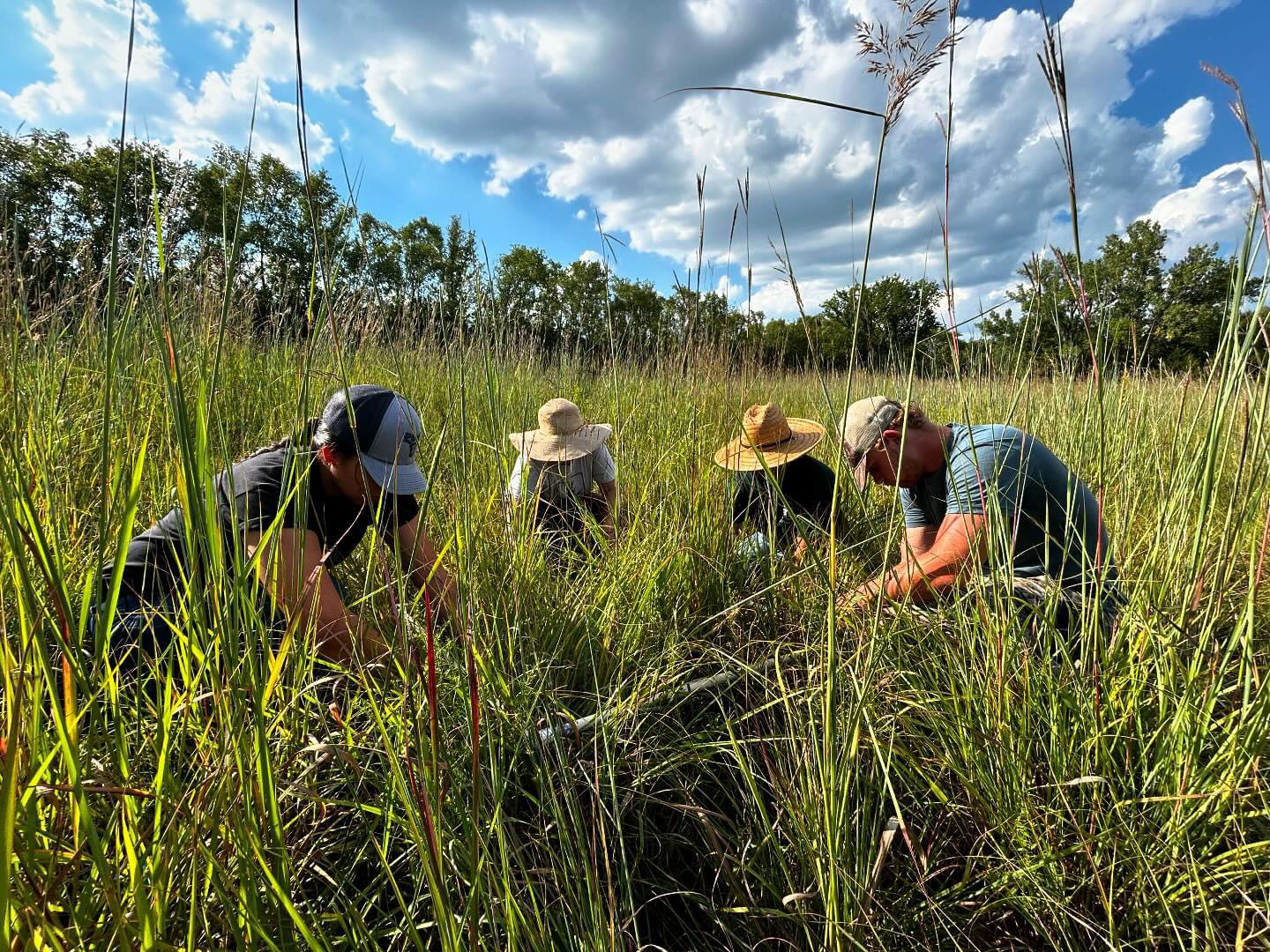
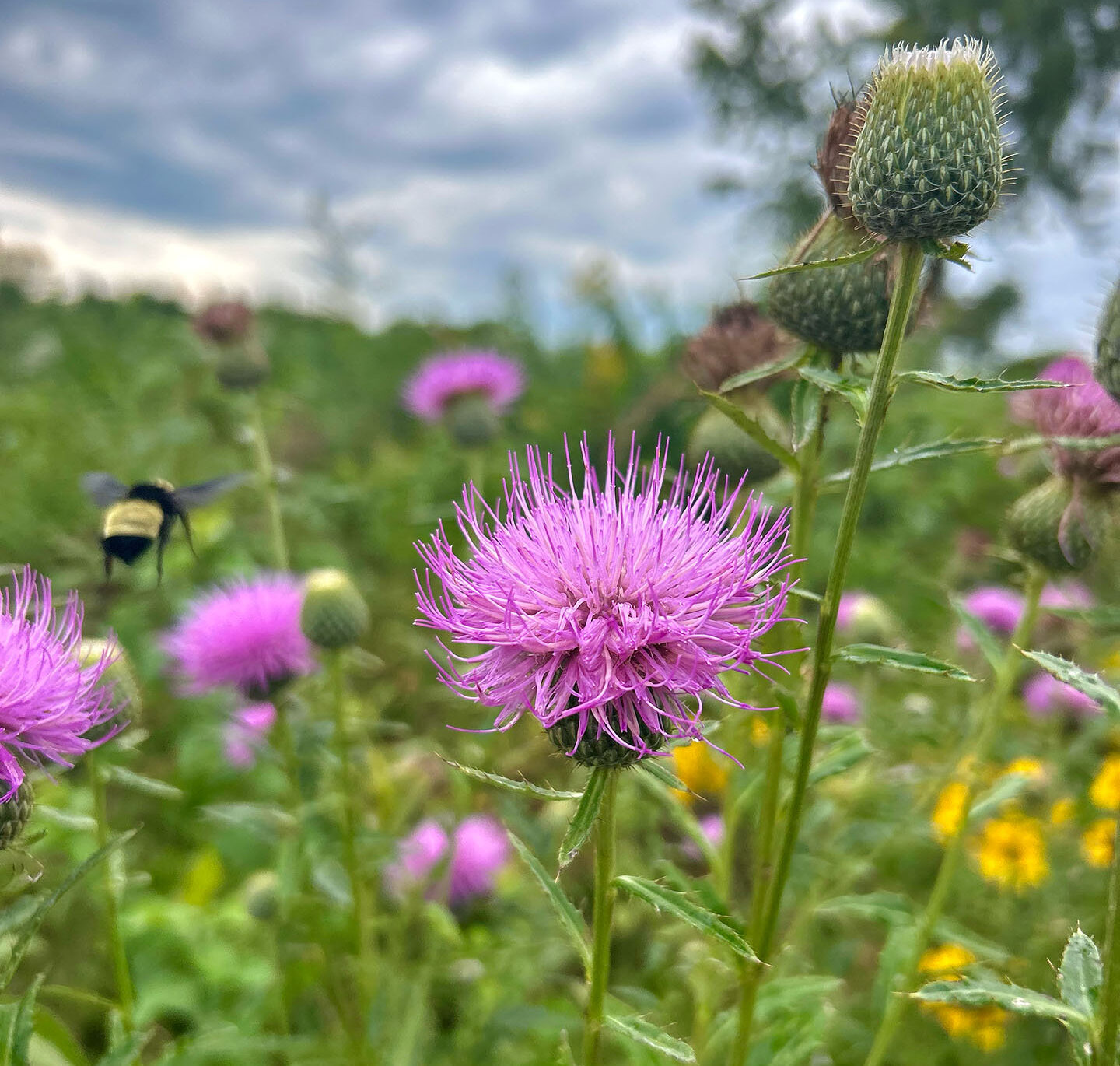
In Caring for Our Kin: Stories of Indigenous Environmental Stewardship, the College Fund shares the stories of Indigenous environmental leaders who are centering kinship and relational knowledge to build healthy ecological systems. These stories remind us that caring for the Earth means caring for one another—and that Indigenous knowledge systems continue to offer guidance, resilience, and hope for the future.
Learn more about our Environmental Stewardship Program.
Ekvnv Vcayecet. Mvto!
(Take care of the Earth/Land. Thank you)
More Blogs
President Cannot Impinge on First Amendment Rights
Please help spread the word that it is illegal and unconstitutional for the President to unilaterally halt federal funding to K-12 or #HigherEd due to participation in to lawful protests, and to imprison, deport, or expel protesters peacefully exercising their First...
Remembering What Was Before Me
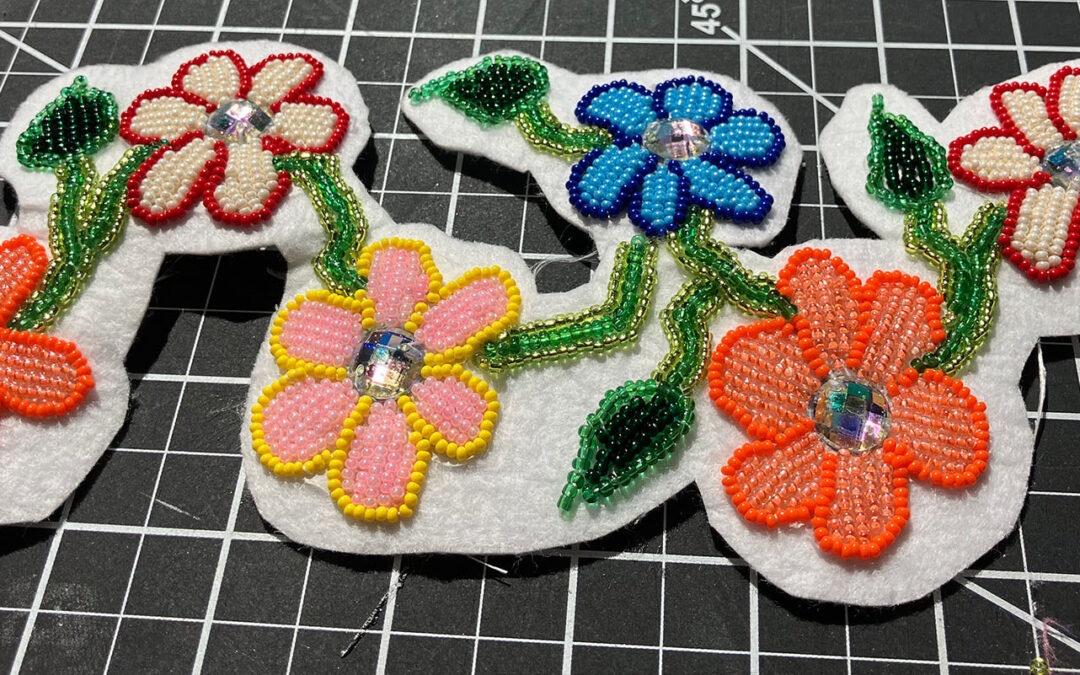
Written by Bryan Welsh, Cultural and Wellness Coordinator at Keweenaw Bay Ojibwa Community College Boozhoo, aaniin! Biinidigan! Our featured Native American artist this February is Mary Kay Shalifoe, Zhaawa nuung oo kwe (Southern Star Woman), Anishinaabe Arts adjunct...

Reframing Fear and Embracing Community
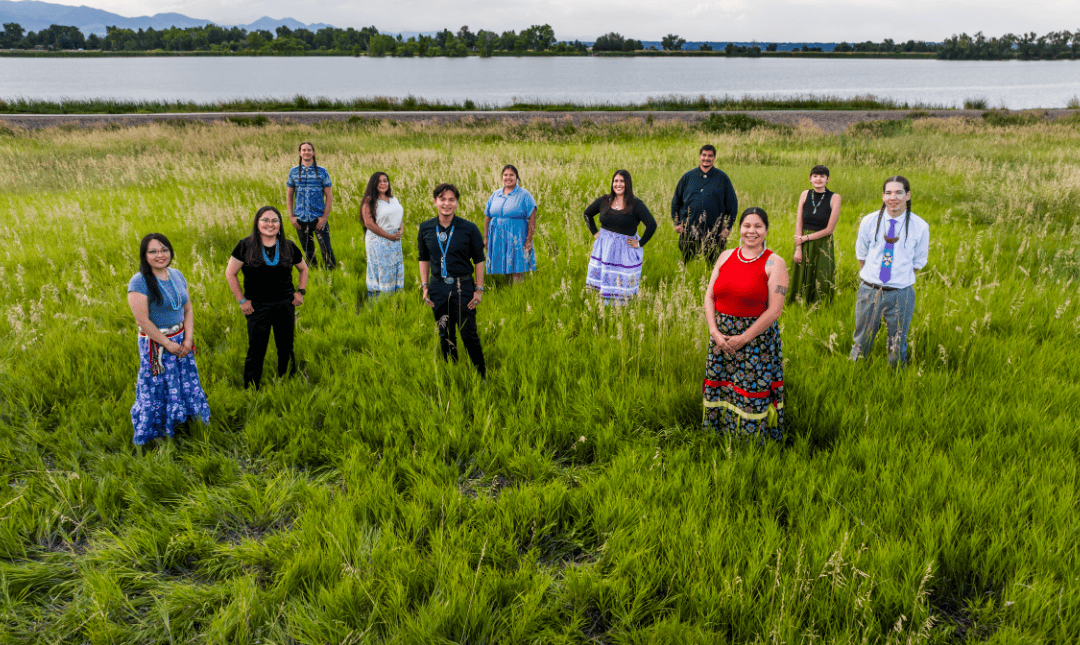
Written by Adriana Riggs, Turtle Mountain College, Turtle Mountain Accessing Choices in Education (ACE) Program Director 2024-2025 Indigenous Visionaries Fellow I first heard about the American Indian College Fund (College Fund) Indigenous Visionaries: Women’s...
Inspiring a New Generation of Salish Language learners
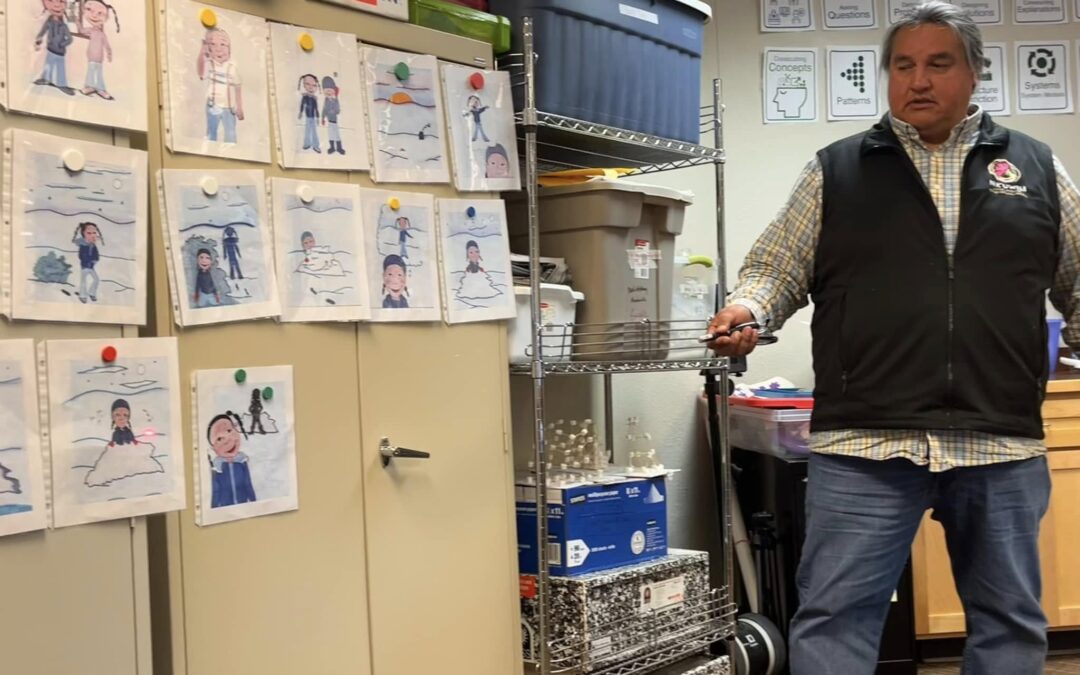
Written by Rosemary Matt, Dept. Chair-Native Language Teacher Education & Séliš-Ql̓ispé Language and Culture programs, Salish Kootenai College Steve Arca, also known as Stipi, plays a vital role in the Salish Kootenai College community, particularly in language...
Indigenous Art Has No Boundaries
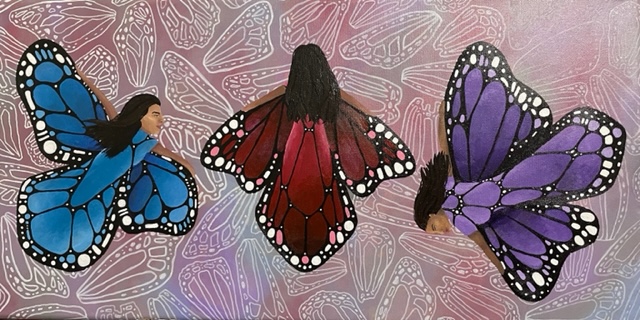
Written by Krystal Wind, Dean of Student Affairs, College of the Muscogee Nation Danielle Fixico is Chickasaw, Muscogee, and Choctaw. She is a College of the Muscogee Nation (CMN) alumna, class of 2017. She serves as faculty at CMN, teaching Art I and II, Freshman...

Exploring Futurism and Identity through Art with Mona Cliff
Written by Braydon Fitzpatrick, American Indian Studies Instructor, Aaniiih Nakoda College This past fall, Mona agreed to do an artist talk at Aaniiih Nakoda College (ANC), open to both ANC students and community members. ANC is dedicated to providing a platform for...

Growing Together: Keweenaw Bay Ojibwa Community College’s Commitment to Advancing Indigenous Early Childhood Education and Community Engagement
Keweenaw Bay Ojibwa Community College (KBOCC) is strengthening Indigenous early childhood education through the Ihduwiyayapi grant, supporting students and integrating Anishinaabe culture into learning. From distributing Native children’s books to organizing a community pow wow, KBOCC’s initiatives empower future educators while enriching the cultural literacy of young learners.
