
Planting the Seeds of Cultural Sustainability
April 22, 2026 | Student Ambassador Aiyanna Tanyan’s (Seminole Nation of Oklahoma) work to reclaim food sovereignty
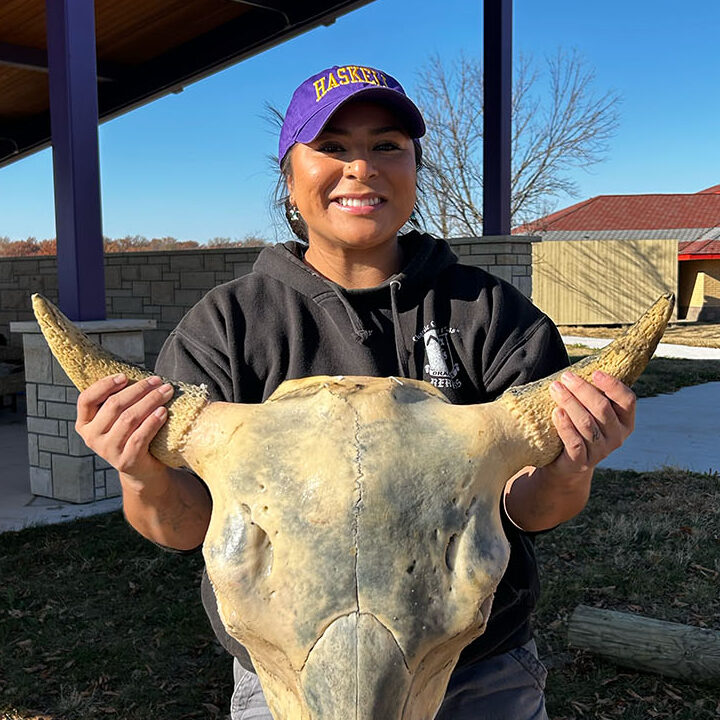
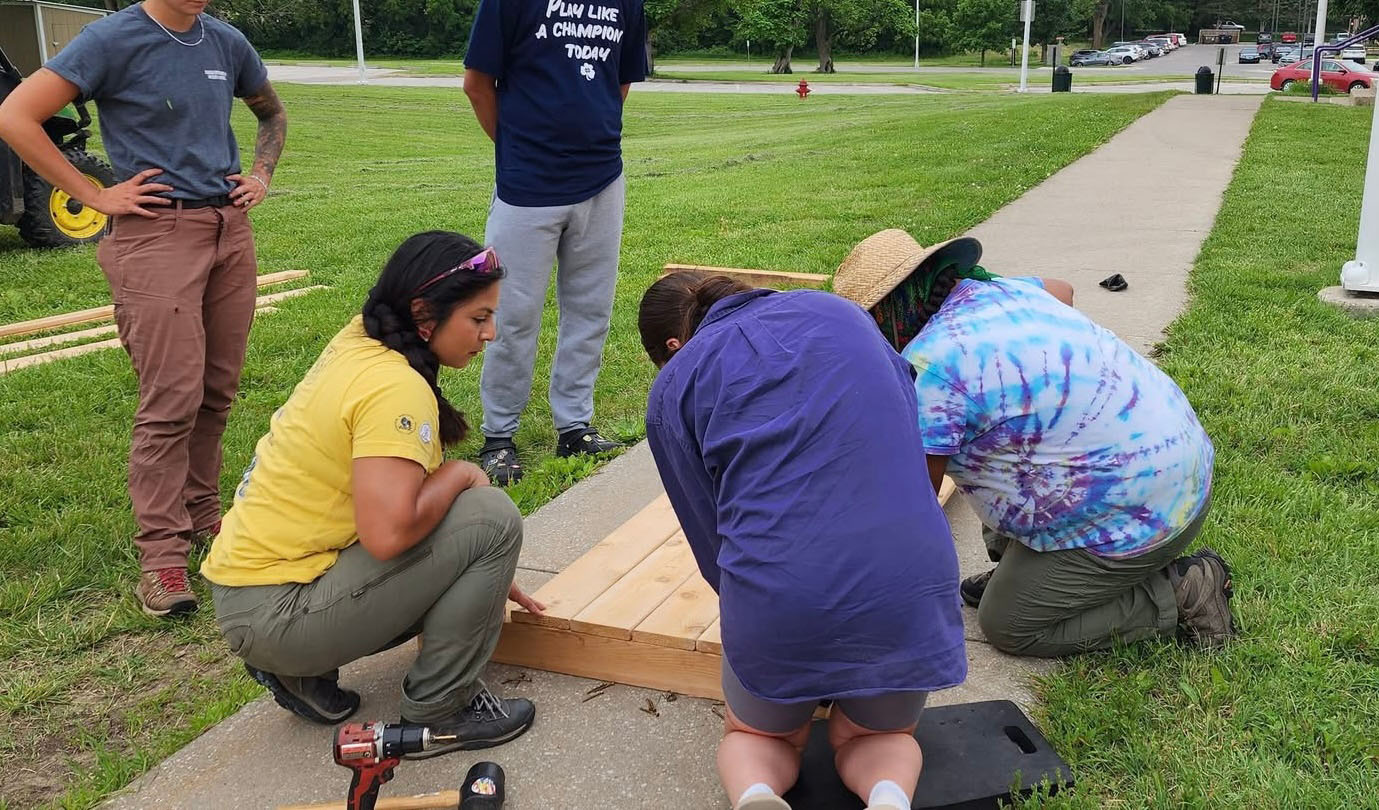
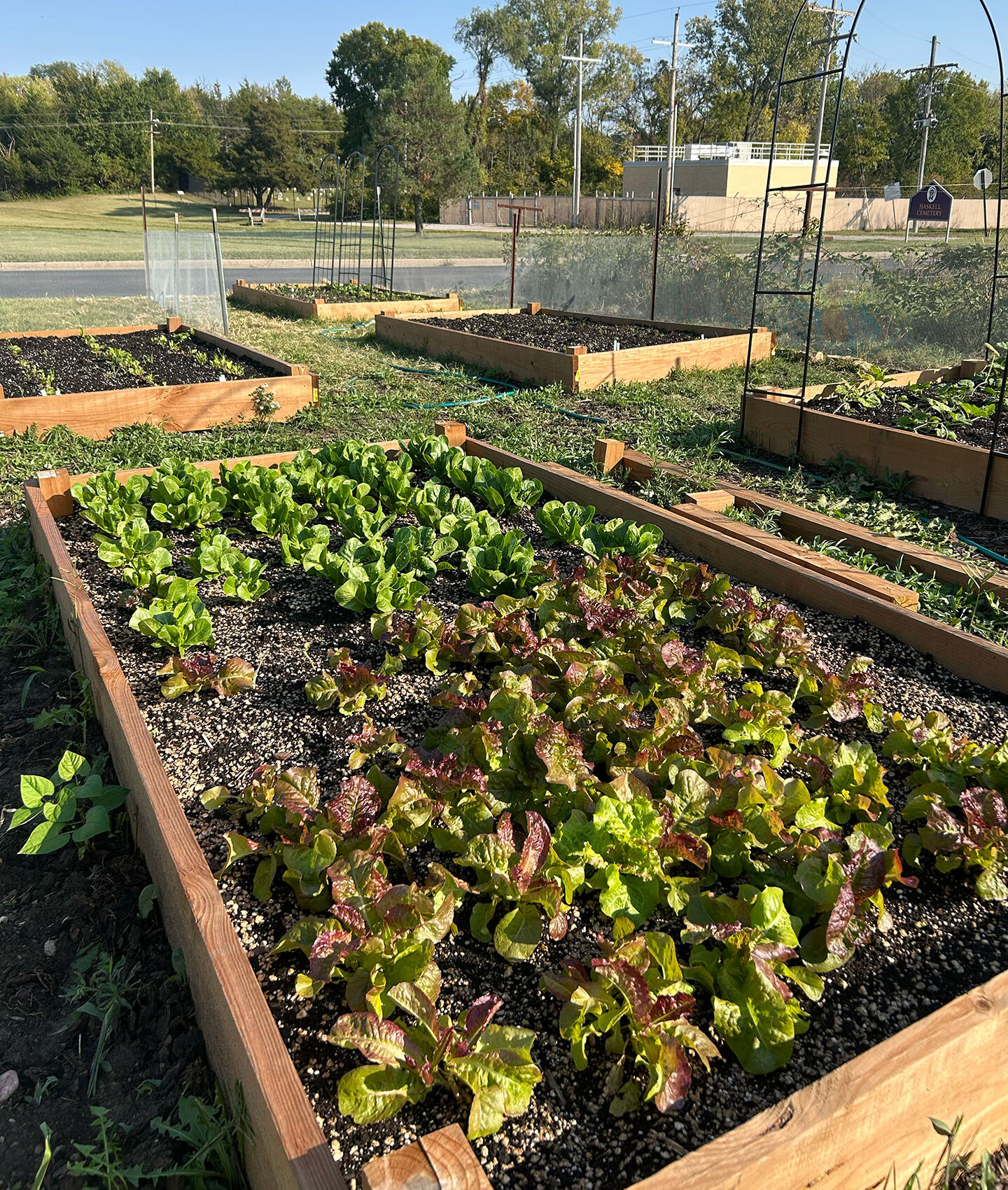
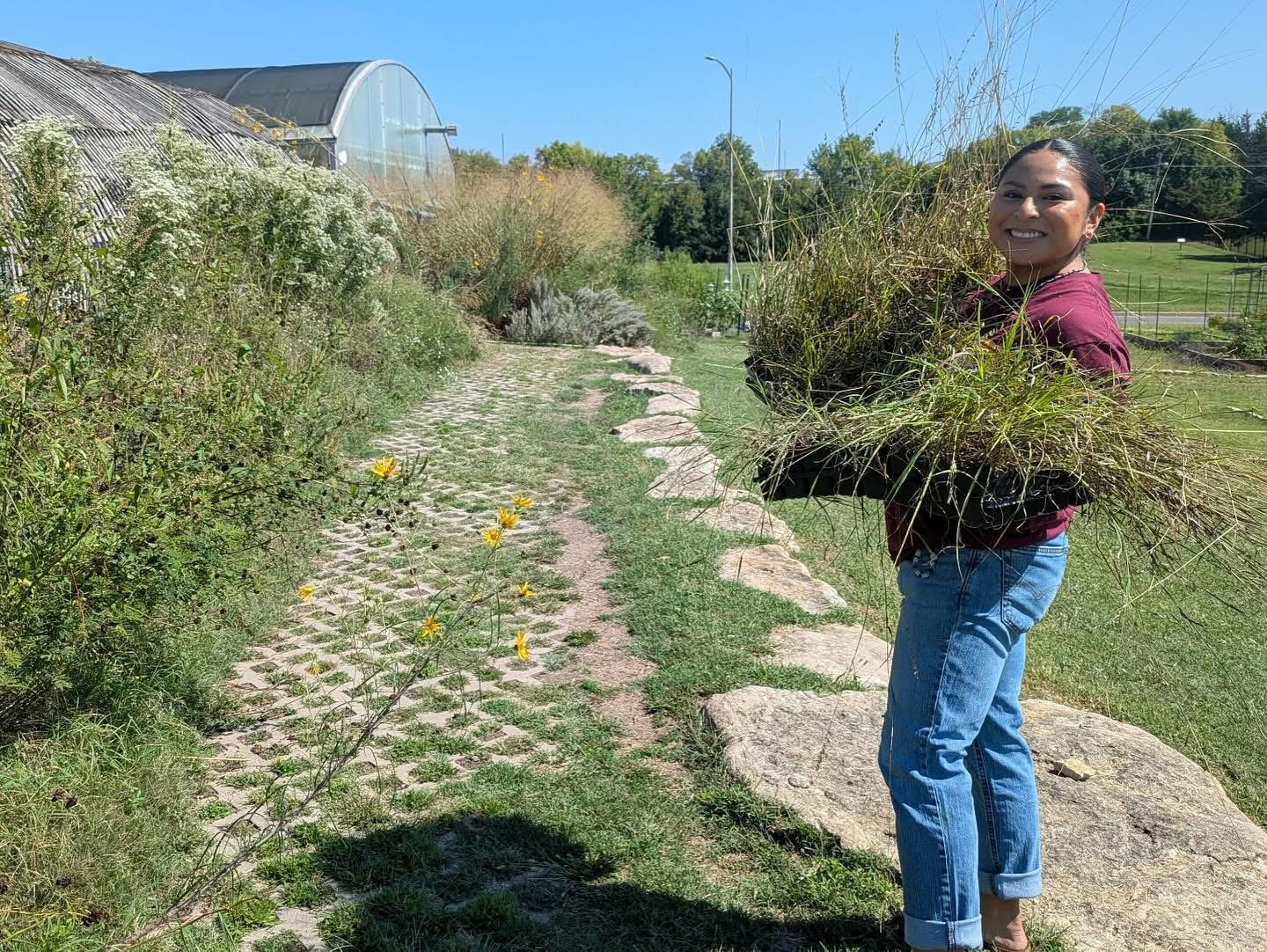
We came up with the idea of building raised garden beds near the dorms so students can easily access fresh foods and learn how to grow them themselves. Through support from the Haskell Greenhouse (funded through the USDA Equity Grant), we started building.
Last year was our first year doing this project and it was a learning experience as with many community-based projects, it comes with trial and error. However, that process taught us a lot about what works, what doesn’t, and how to build something more sustainable moving forward. This year, we’re continuing this work with stronger systems, more involvement, and a clearer vision.
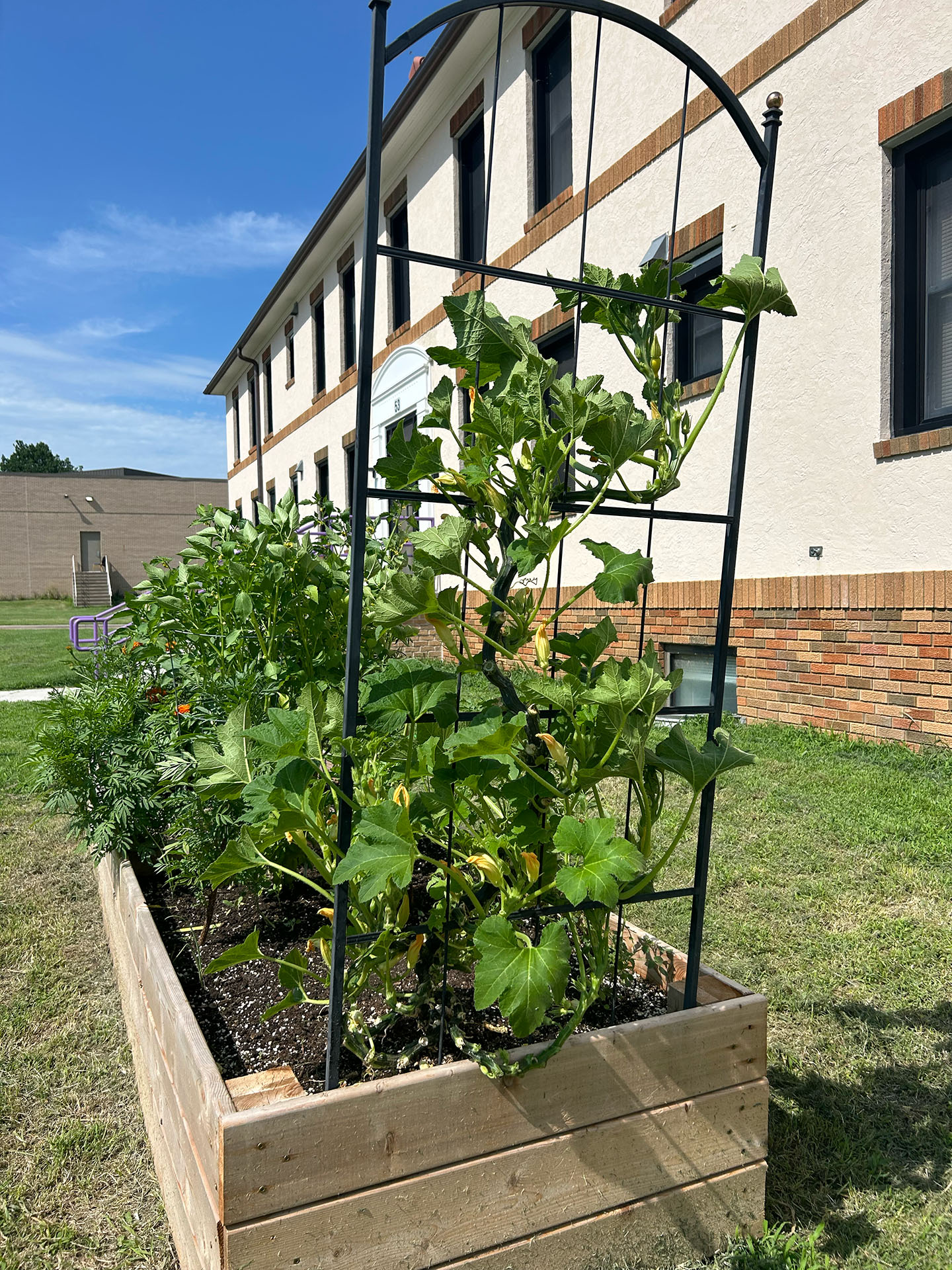
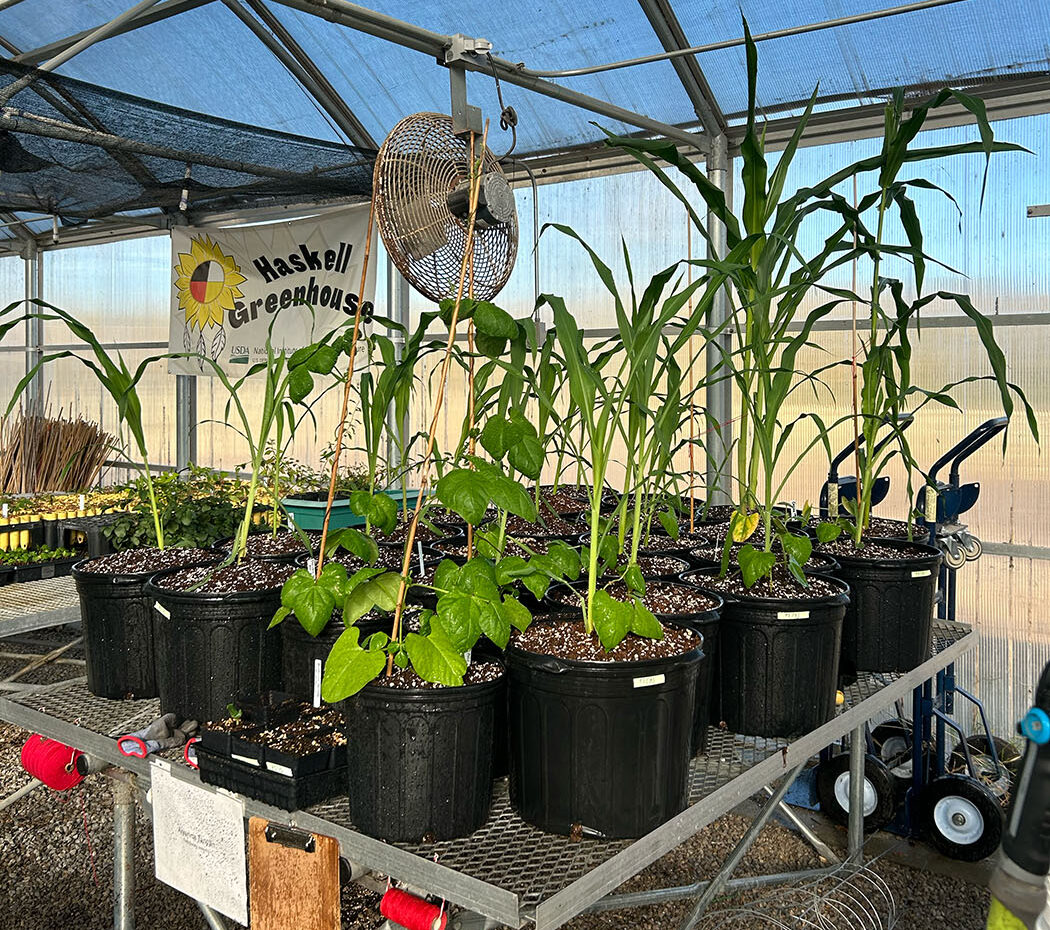
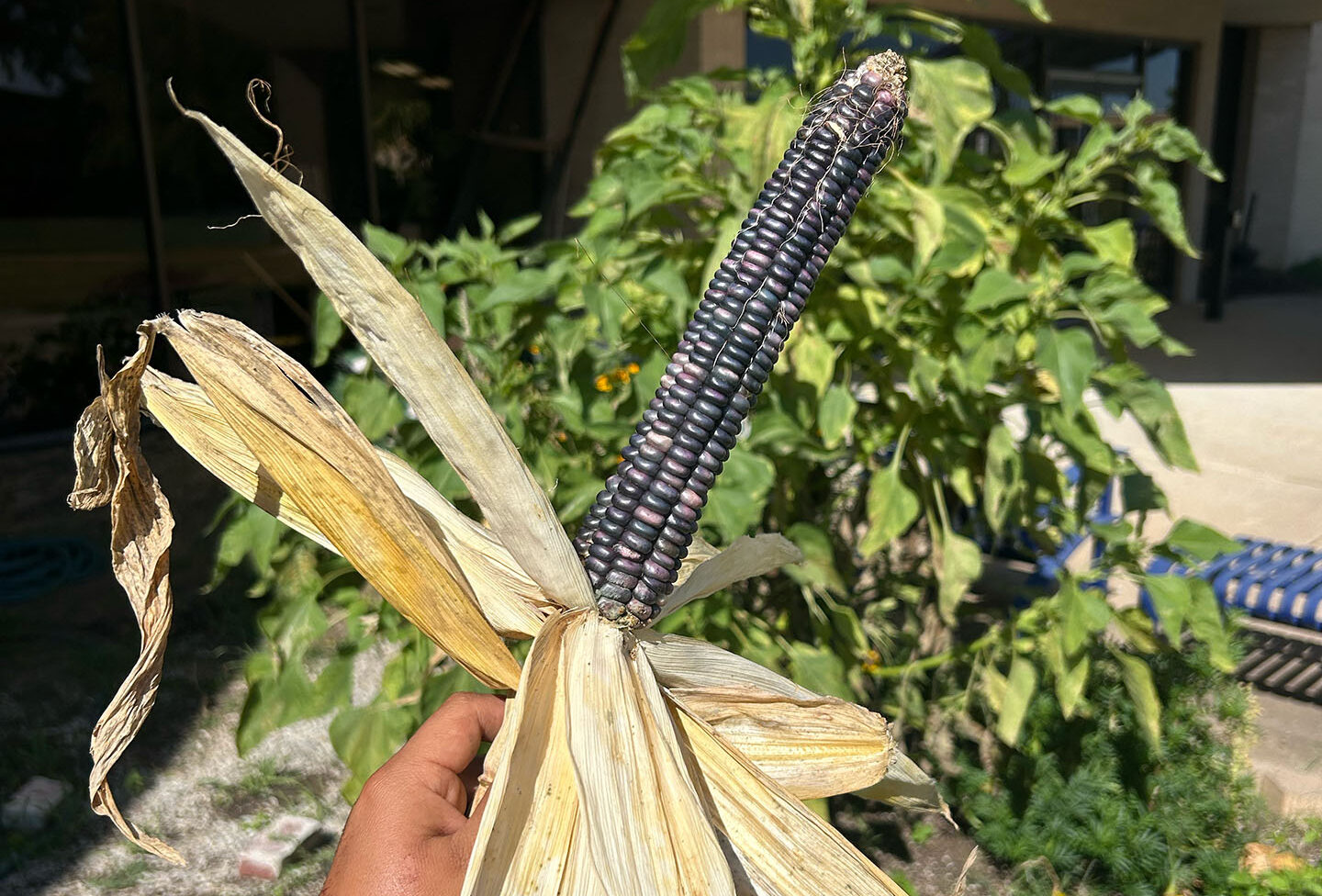
Everyone at the Haskell Greenhouse wants to help others learn, value, and view these spaces as places of teaching. I know they have taught me so much about responsibility and our relationship with the environment. Through these projects, we’re helping students reconnect with the land and understand the importance of food sovereignty for Indigenous communities. This work is ongoing, and we’re still learning. Every seed planted, and every workday shared brings us one step closer to a more sustainable and connected future.
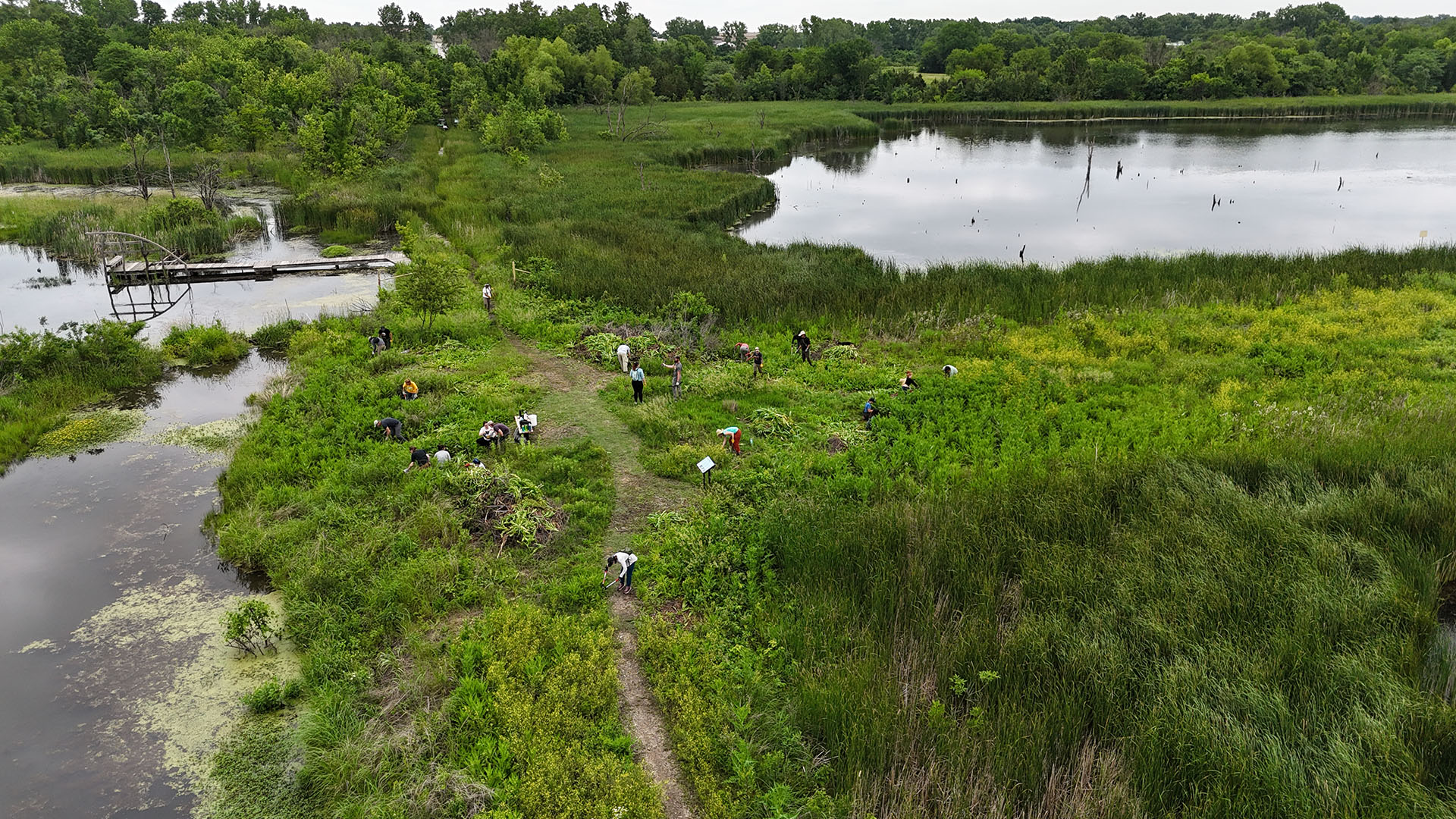
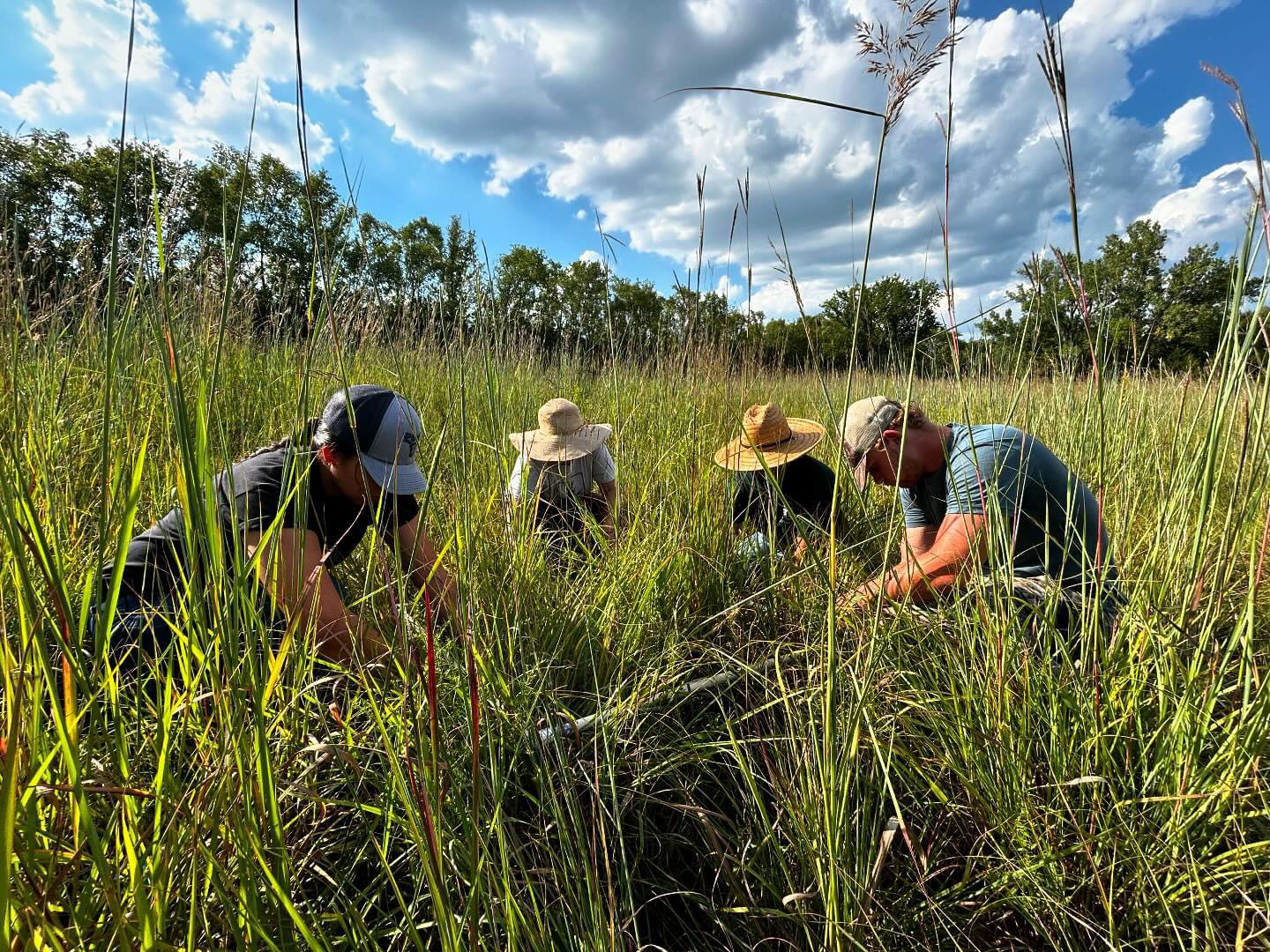
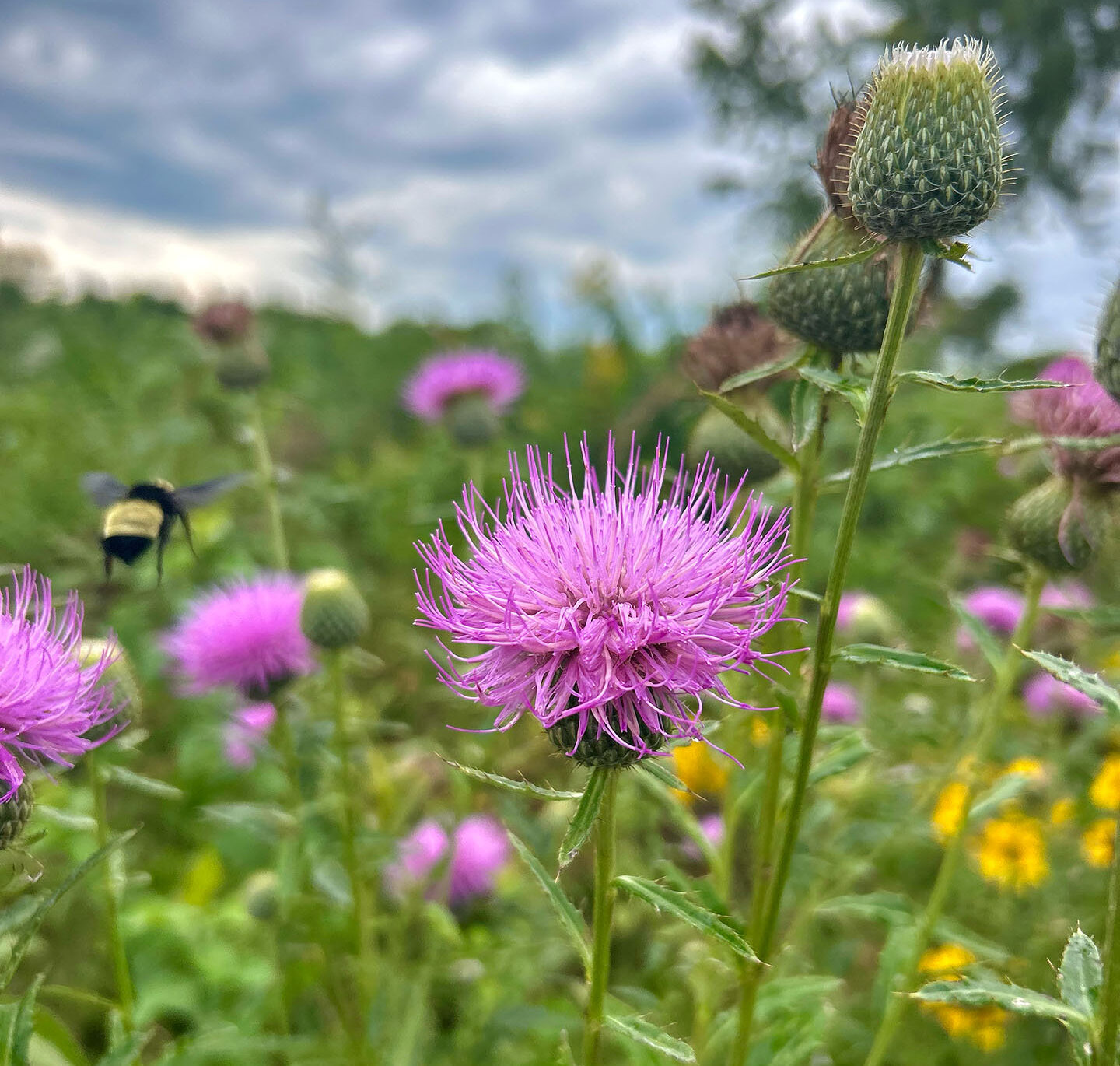
In Caring for Our Kin: Stories of Indigenous Environmental Stewardship, the College Fund shares the stories of Indigenous environmental leaders who are centering kinship and relational knowledge to build healthy ecological systems. These stories remind us that caring for the Earth means caring for one another—and that Indigenous knowledge systems continue to offer guidance, resilience, and hope for the future.
Learn more about our Environmental Stewardship Program.
Ekvnv Vcayecet. Mvto!
(Take care of the Earth/Land. Thank you)
More Blogs
American Indian College Fund’s Ded Unskanpi Adult Basic Education Program to Address Education Gap for Native Students
The American Indian College Fund’s Ded Unskanpi (which translates from Dakota as “we start here”) Adult Basic Education Program will support five tribal college and university (TCU) partners through June 2024.
College of the Muscogee Nation’s President Appointed to the Newly Established Carnegie Foundation for the Advancement of Teaching Postsecondary Commission
OKMULGEE, Okla. – The College of the Muscogee Nation (CMN) is proud to announce that its president, Dr. Monte Randall, was named as a commissioner with the Carnegie Foundation for the Advancement of Teaching in the newly established Carnegie Postsecondary Commission....
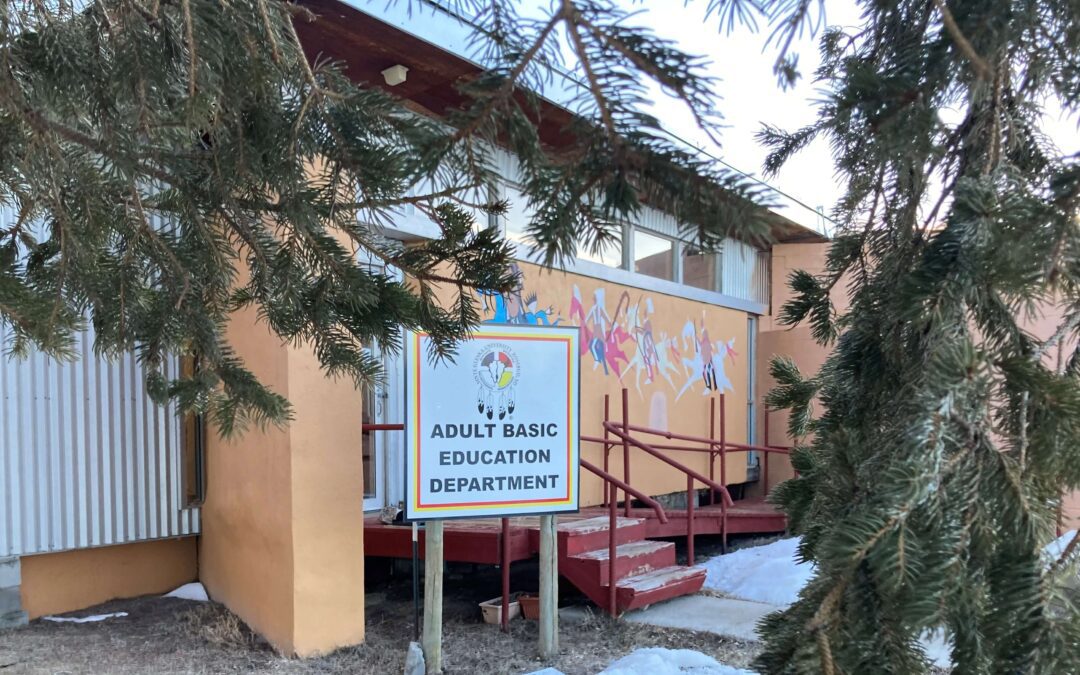
SGU Connects Arts and Culture to GED Classroom
Sinte Gleska University’s high school equivalency students become grounded in their cultural identities as they lead community engagement efforts through Native Arts workshops.
College Fund Research and Evaluation Associate Publishes Article on Faculty Evaluation Research
Dr. Kayla Alkire-Stewart (Standing Rock Sioux Nation), who joined the American Indian College Fund as a research and evaluation associate in 2023, published an article about faculty evaluations at tribal colleges and universities in the Tribal College Journal.
National Native Scholarships Providers Statement on Supreme Court Ruling on Student Loan Forgiveness
In light of the U.S. Supreme Court’s decision regarding student loan forgiveness, the NNSP shares how this decision will affect Tribal communities and calls on policymakers and higher education institutions alike to make a college education affordable for all.
American Indian College Fund Appoints Four New Members of Board of Trustees
The American Indian College Fund has appointed two tribal college presidents and two private sector professionals to its governing board of trustees.
National Native Scholarship Providers Statement on Affirmative Action: Concerns for Continued Native Student Access to Higher Education and Programs
The four organizations that comprise the National Native Scholarships Providers (the American Indian College Fund, the American Indian Science and Engineering Society, the Cobell Scholarship Program administered by Indigenous Education, Inc., and Native Forward Scholars Fund) are disheartened by the June 29th Supreme Court ruling on affirmative action.
Stone Child College Creating the Next Generation of Community Leaders
Stone Child College is highlighting “non-traditional” student Jason Rosette as an example of why the school’s Vision 2025 plan is important. Read about Jason’s academic accomplishments and how SCC hopes to help him, and other students, embrace their dreams and become community leaders.
College of Menominee Nation’s Teacher Education Program Receives Grant to Support Indigenous Early Childhood Education from American Indian College Fund
June 26, 2023 FOR IMMEDIATE RELEASE Contact: Michaela Welch mwelch@menominee.edu College of Menominee Nation’s Teacher Education Program Receives Grant to Support Indigenous Early Childhood Education from American Indian College Fund The funding assists Tribal...
