
Planting the Seeds of Cultural Sustainability
April 22, 2026 | Student Ambassador Aiyanna Tanyan’s (Seminole Nation of Oklahoma) work to reclaim food sovereignty
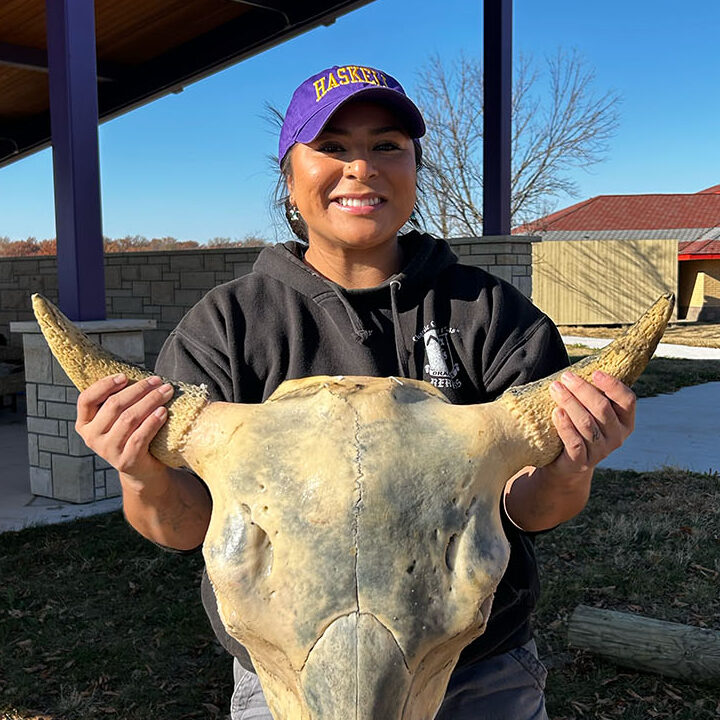
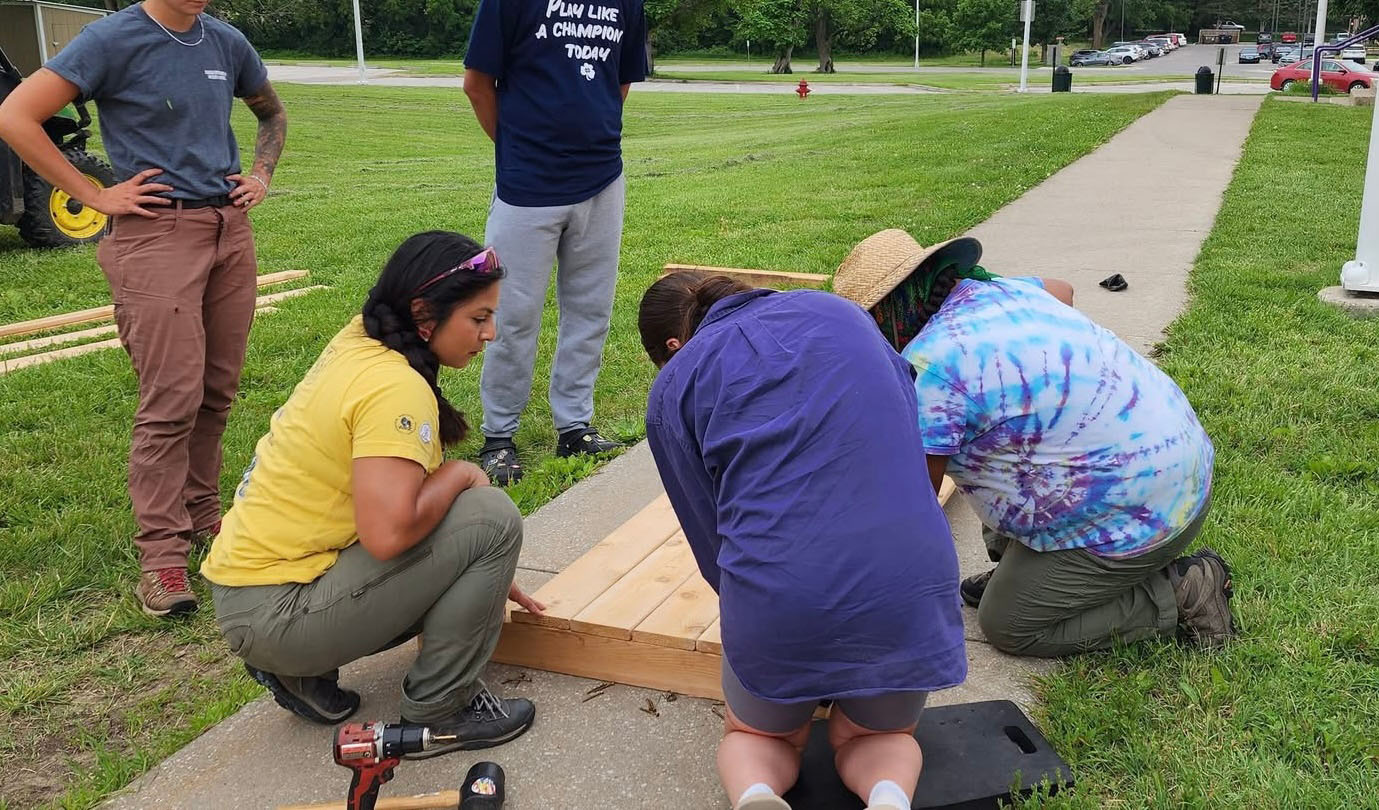
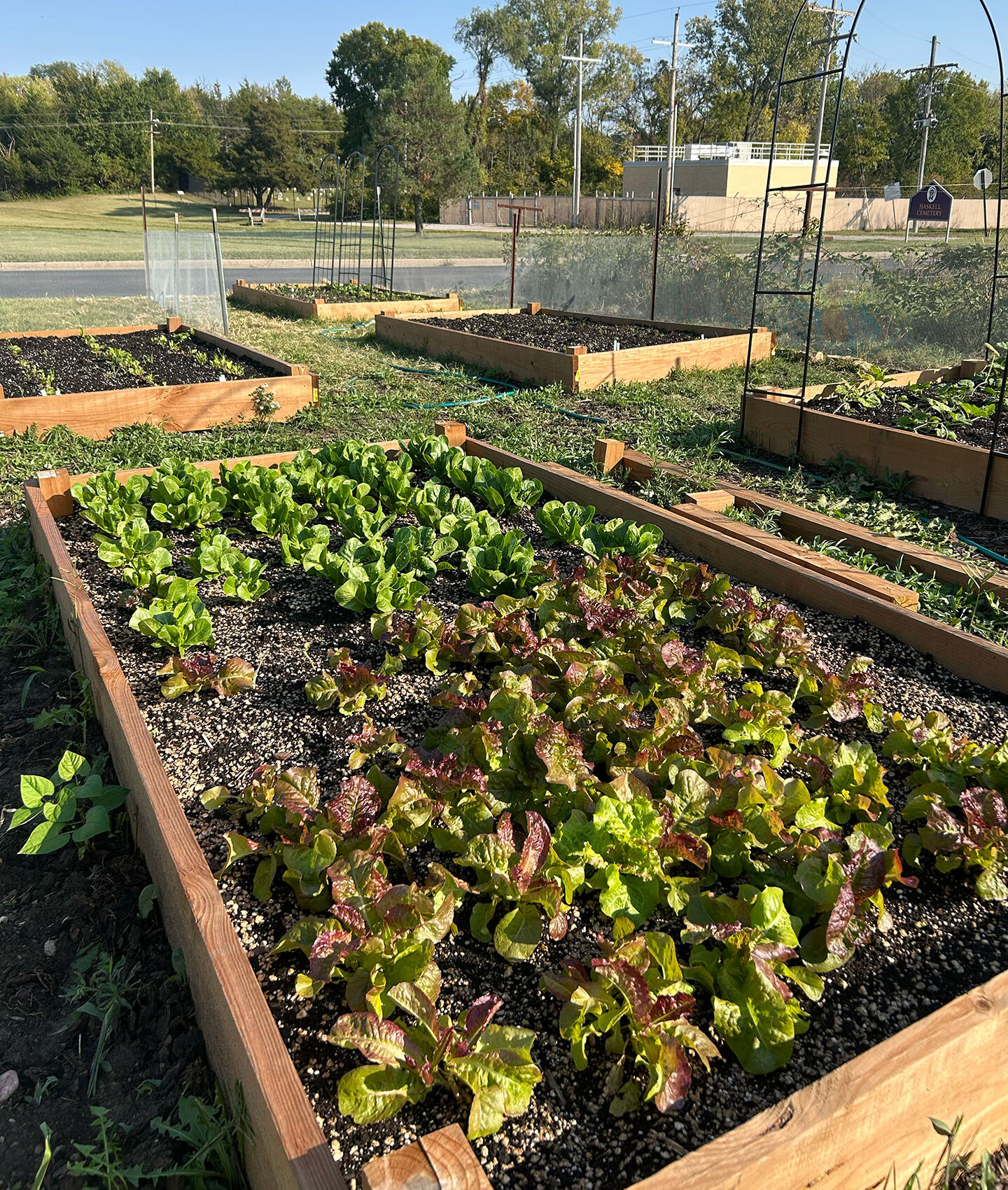
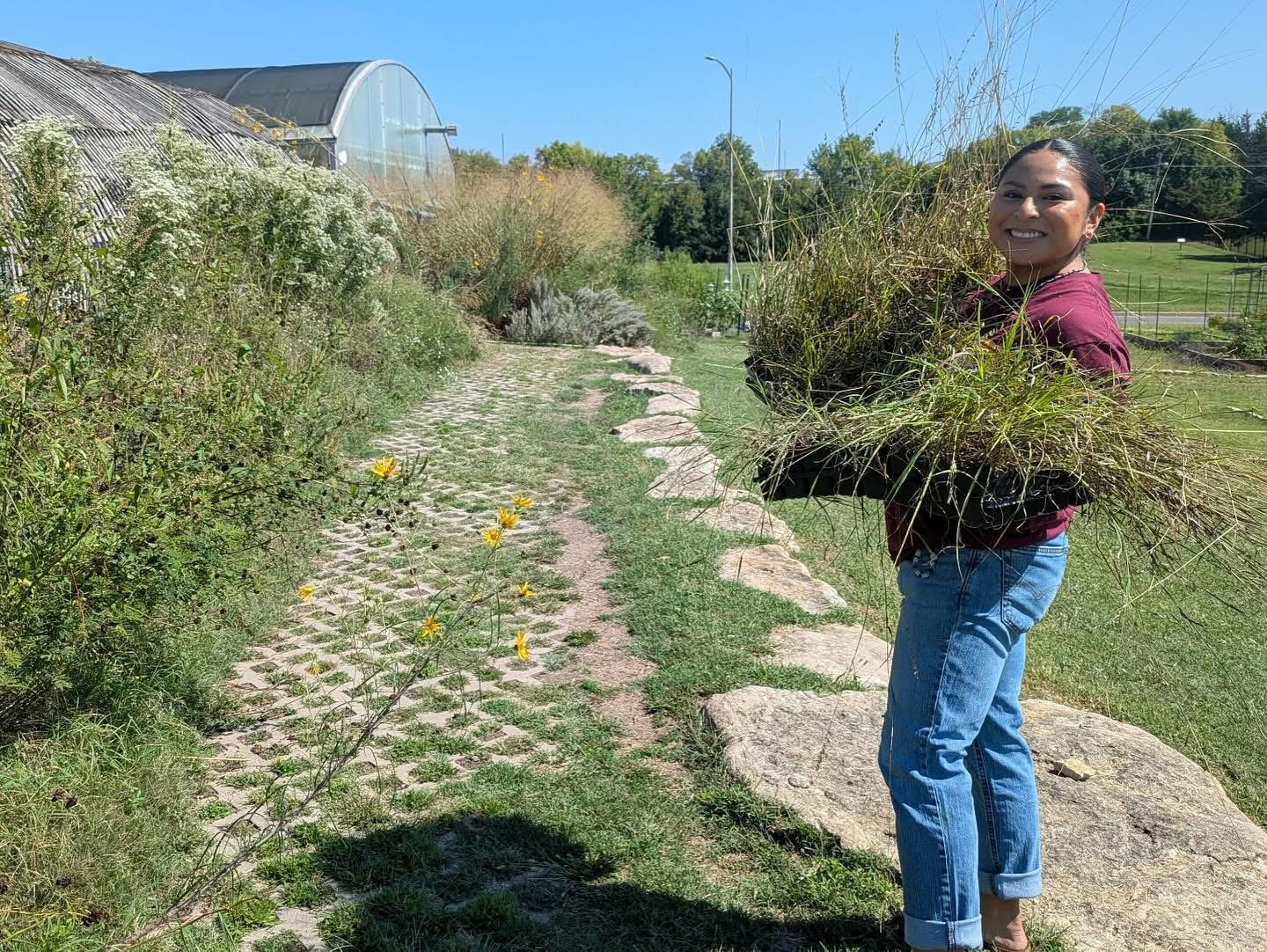
We came up with the idea of building raised garden beds near the dorms so students can easily access fresh foods and learn how to grow them themselves. Through support from the Haskell Greenhouse (funded through the USDA Equity Grant), we started building.
Last year was our first year doing this project and it was a learning experience as with many community-based projects, it comes with trial and error. However, that process taught us a lot about what works, what doesn’t, and how to build something more sustainable moving forward. This year, we’re continuing this work with stronger systems, more involvement, and a clearer vision.
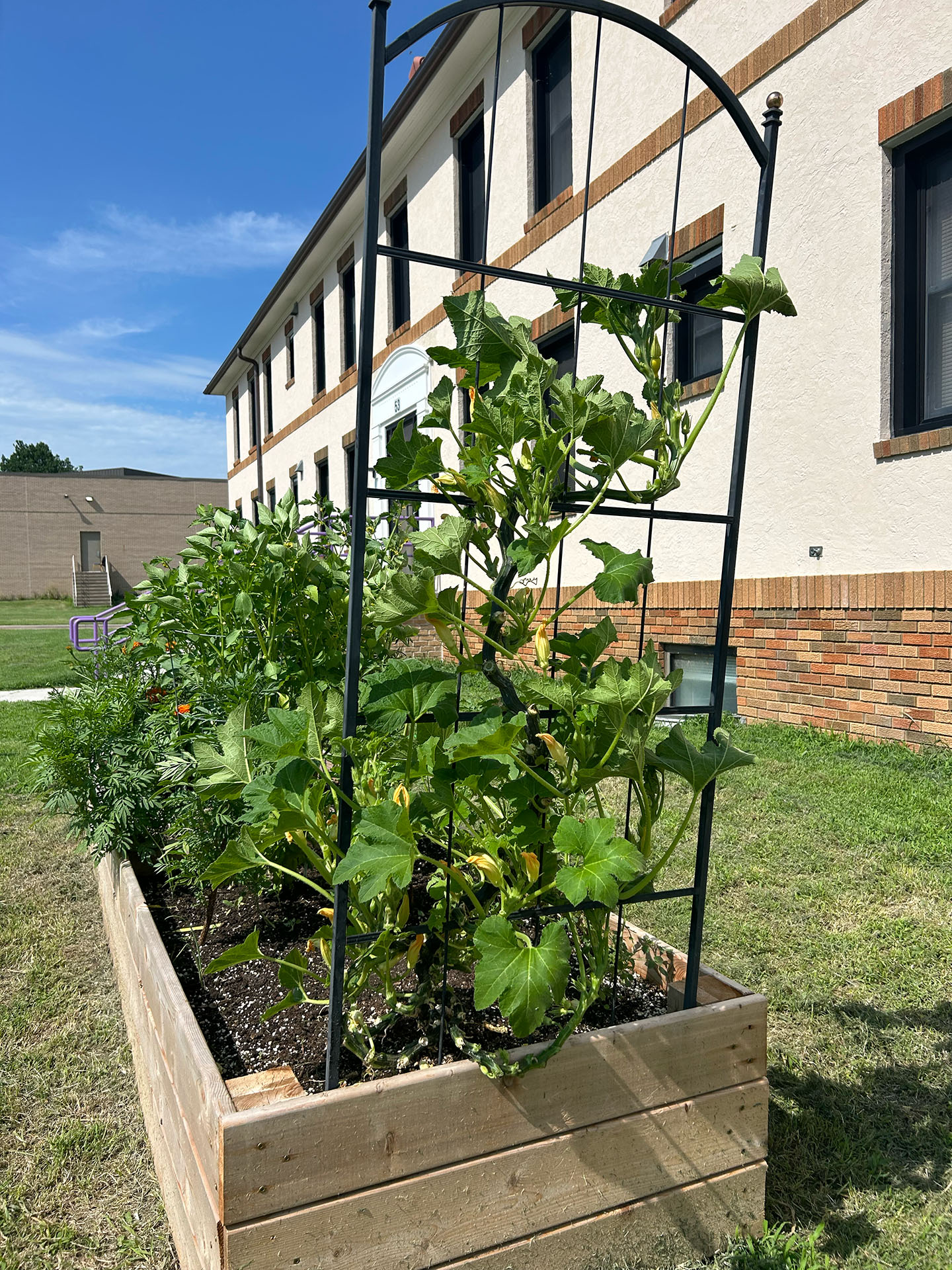
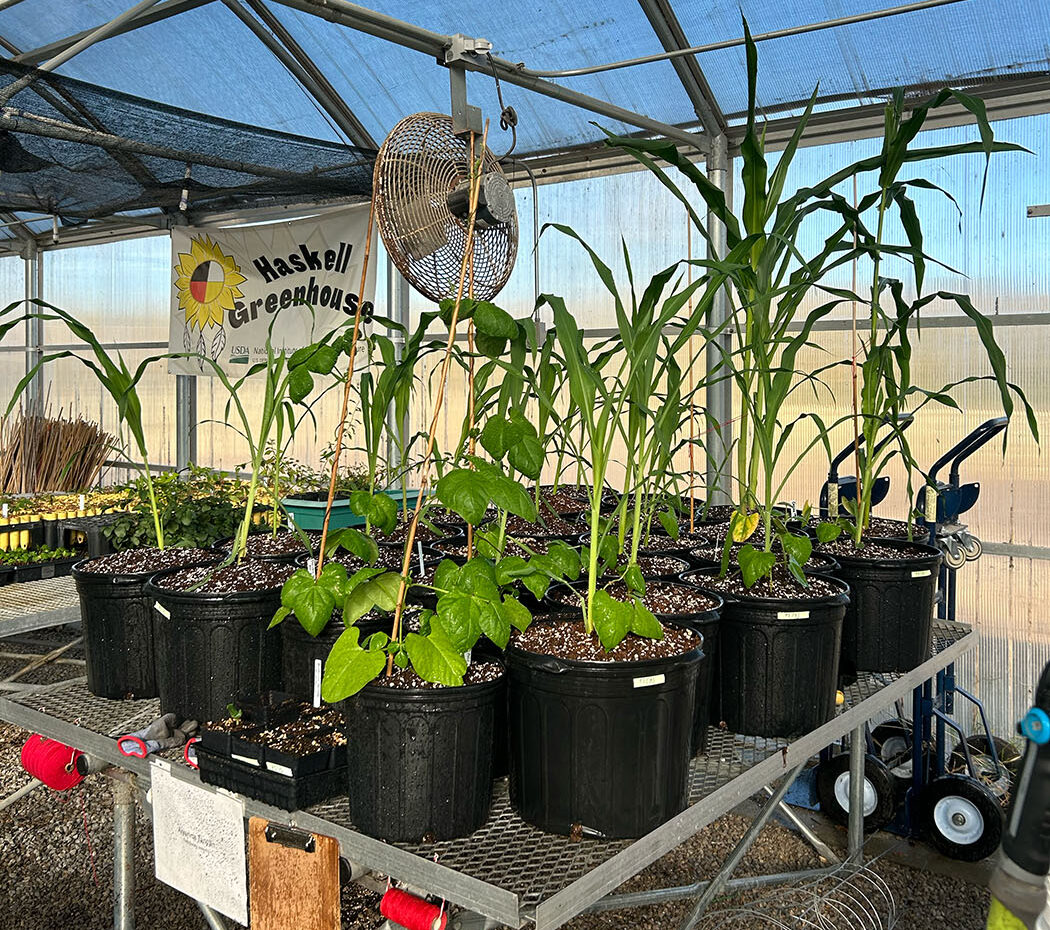
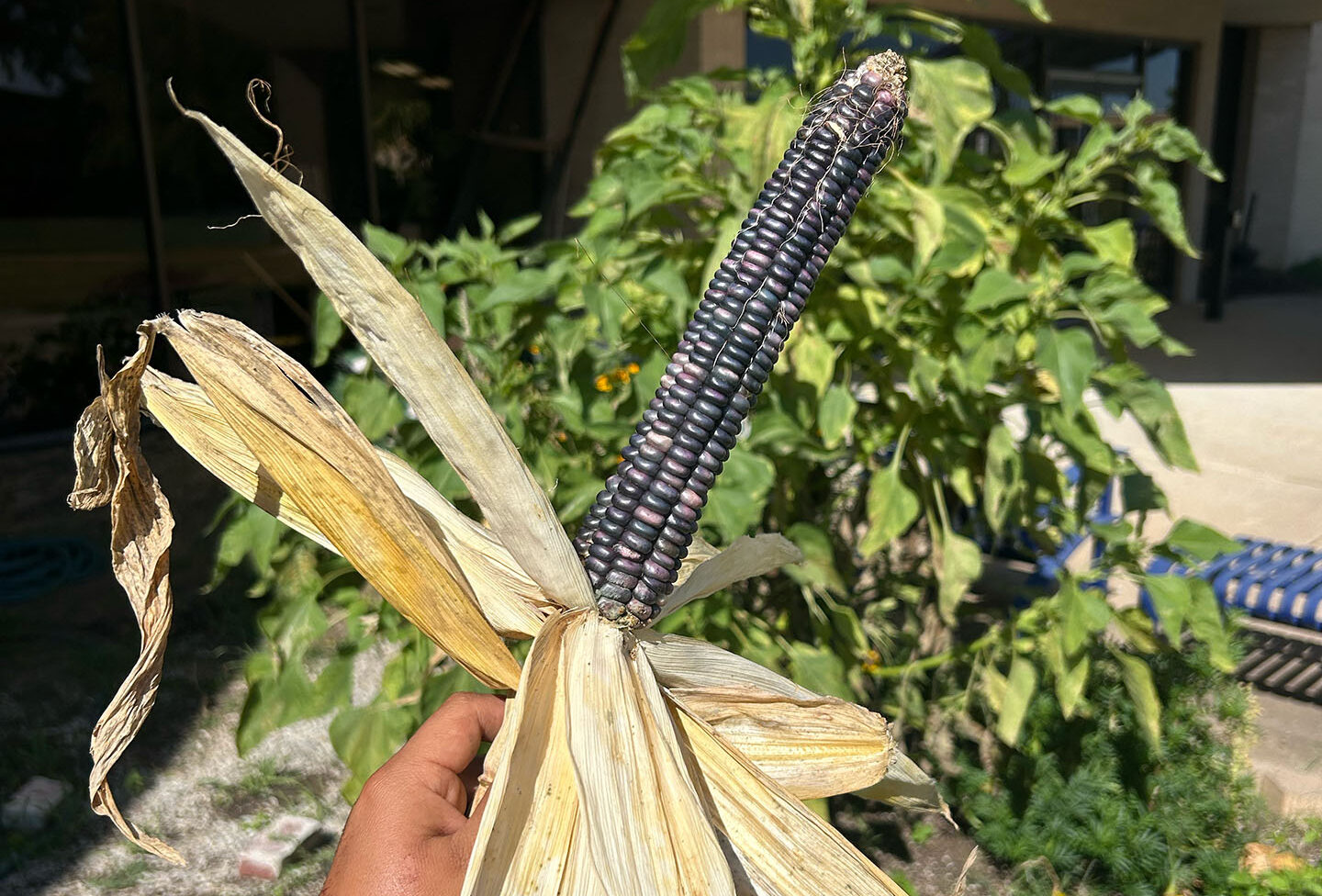
Everyone at the Haskell Greenhouse wants to help others learn, value, and view these spaces as places of teaching. I know they have taught me so much about responsibility and our relationship with the environment. Through these projects, we’re helping students reconnect with the land and understand the importance of food sovereignty for Indigenous communities. This work is ongoing, and we’re still learning. Every seed planted, and every workday shared brings us one step closer to a more sustainable and connected future.
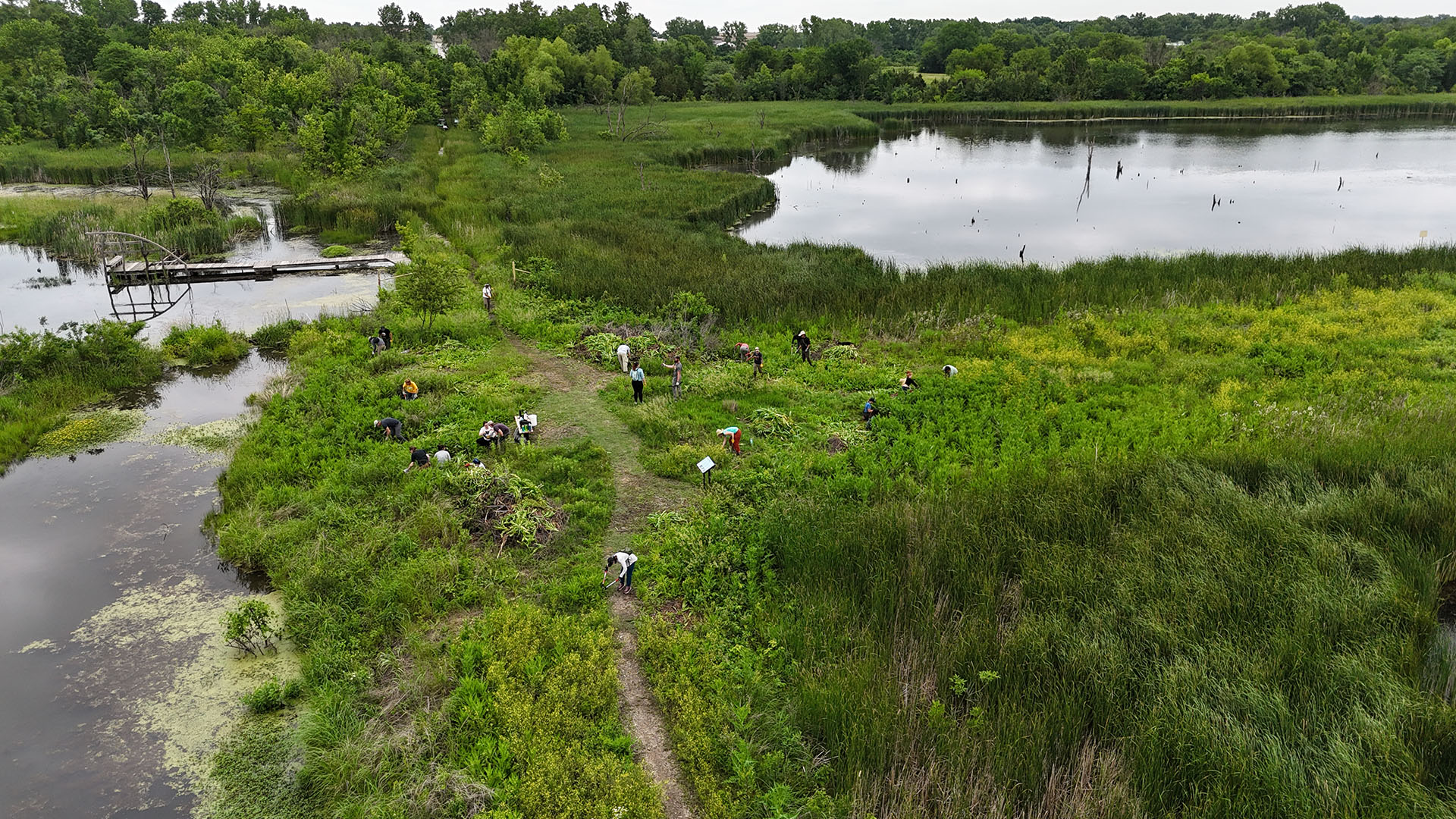
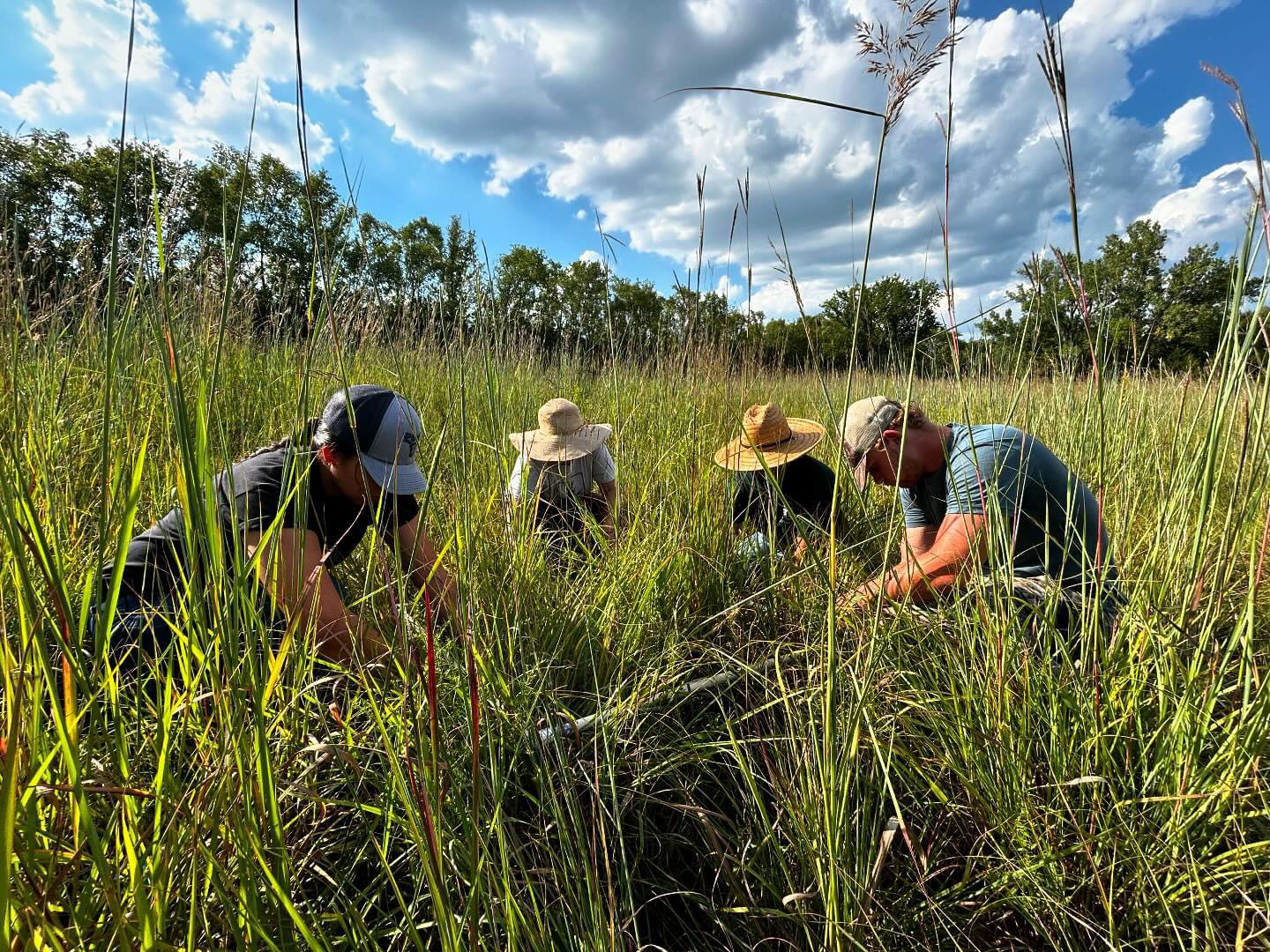
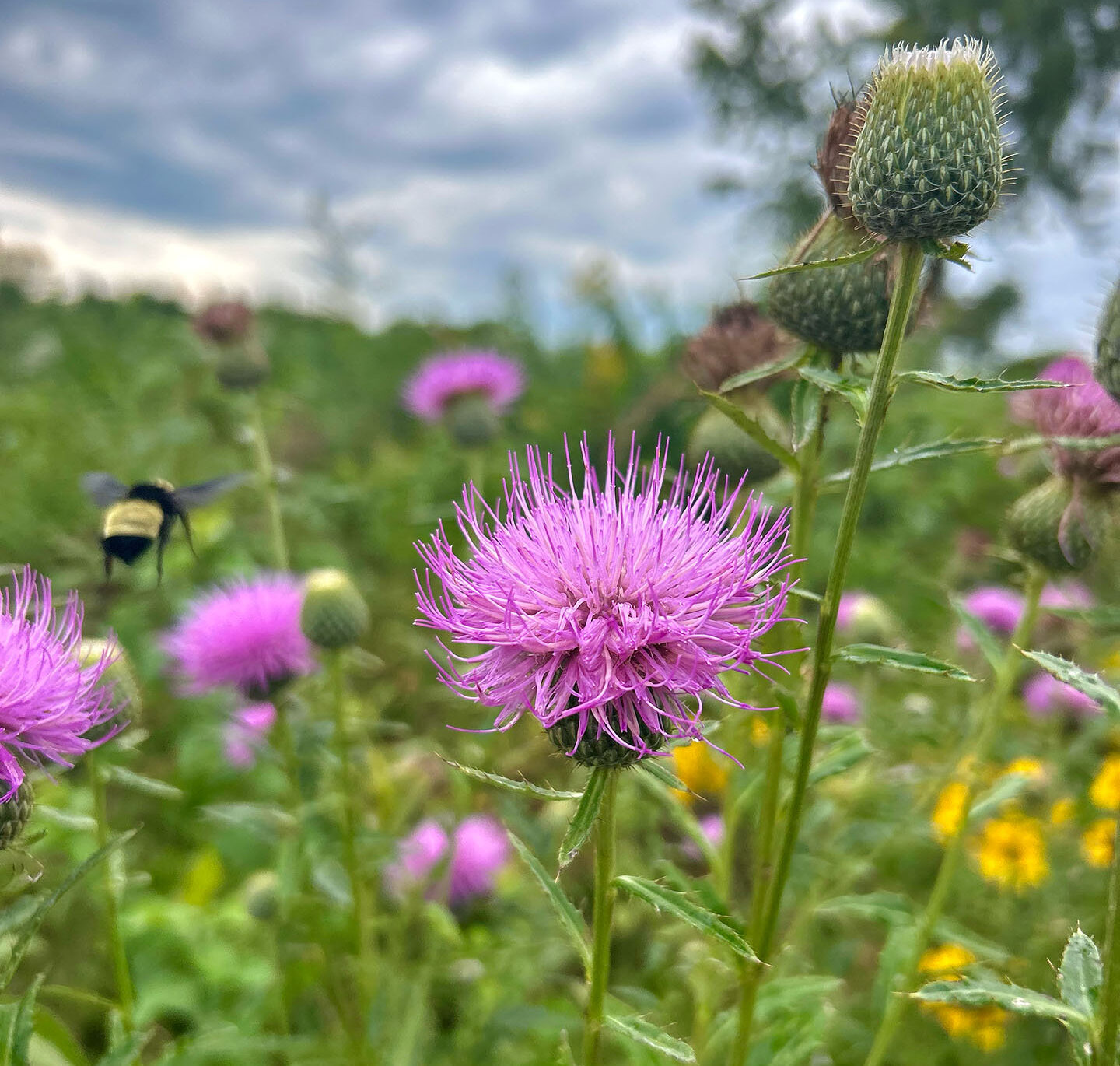
In Caring for Our Kin: Stories of Indigenous Environmental Stewardship, the College Fund shares the stories of Indigenous environmental leaders who are centering kinship and relational knowledge to build healthy ecological systems. These stories remind us that caring for the Earth means caring for one another—and that Indigenous knowledge systems continue to offer guidance, resilience, and hope for the future.
Learn more about our Environmental Stewardship Program.
Ekvnv Vcayecet. Mvto!
(Take care of the Earth/Land. Thank you)
More Blogs
Emily White Hat, American Indian College Fund VP of Programs, Delivers Proctor Academy 2022 Keynote Address
Emily White Hat (Sicangu Lakota), the VP of Programs at the American Indian College Fund and a member of the Proctor Academy board of trustees, delivered the keynote to the graduating class of 2022 on May 28.

Elevate Your Voice, Register to Vote!
Today Indigenous people nationwide commemorate June 2, 1924, as the day when Native people became official citizens of the United States. To mark the occasion, I urge everyone in our communities to register to vote!

American Indian College Fund to Host Summer of Success Virtual Conference June 21-23, 2022
Free program is open to students from high school to graduate school and education professionals serving Indigenous students.
Erin Griffin of American Indian College Fund Awarded 2022 Bush Fellowship
Erin Griffin (Sisseton-Wahpeton Oyate of Sisseton, South Dakota), a Program Officer for Indigenous Education at the American Indian College Fund, is one of 24 extraordinary leaders who was selected by the Bush Foundation for a 2022 Bush Fellowship.
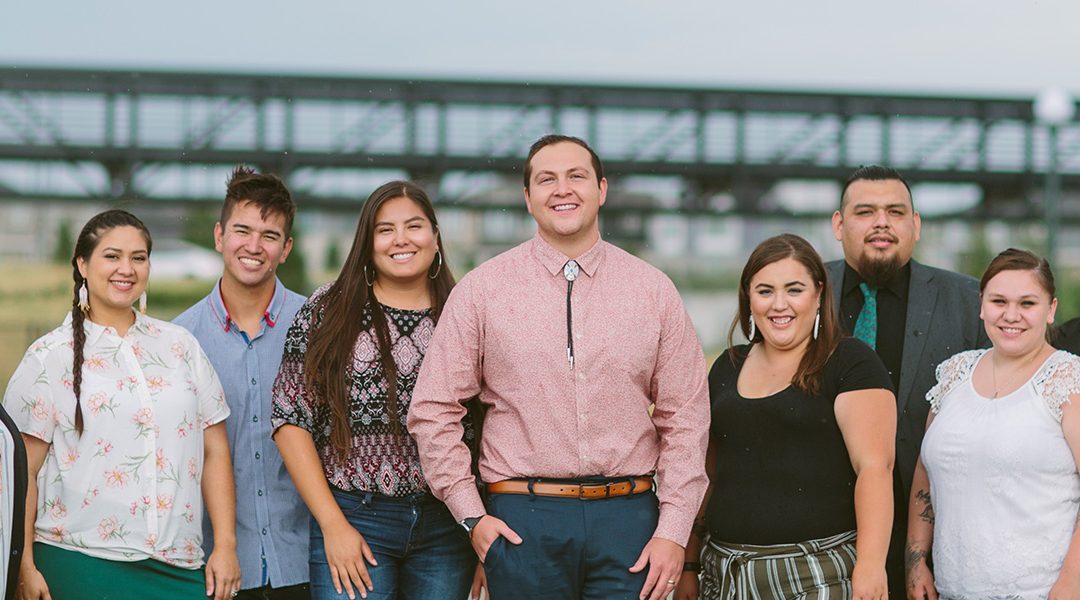
Inaugural Native Nonprofit Day May 20
A giving campaign supported by the Native Ways Foundation highlights the importance of supporting Native-led non-profits throughout the month of May. Beginning May 1 and culminating on Native Nonprofit Day May 20, the campaign will raise awareness about how Native non-profits make a greater impact on Native communities.
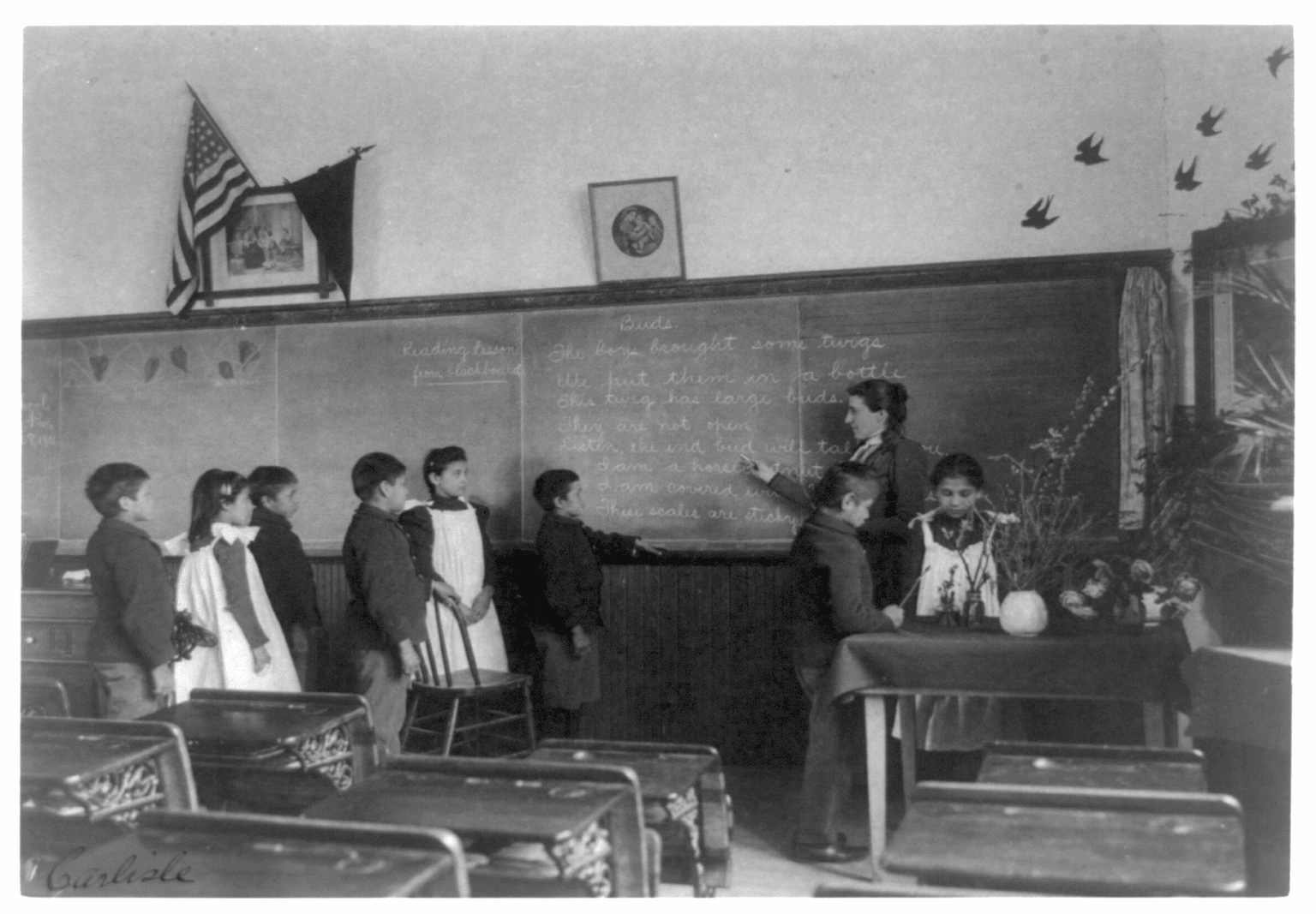
Indian Boarding Schools: Education Was Never the Point
What happened at boarding schools was not education. Native people have always educated— and continue to educate—our youth in our languages, medicine, soil management, forestry, watershed management, animal husbandry, meteorology, astronomy, navigation, self-governance, and more.
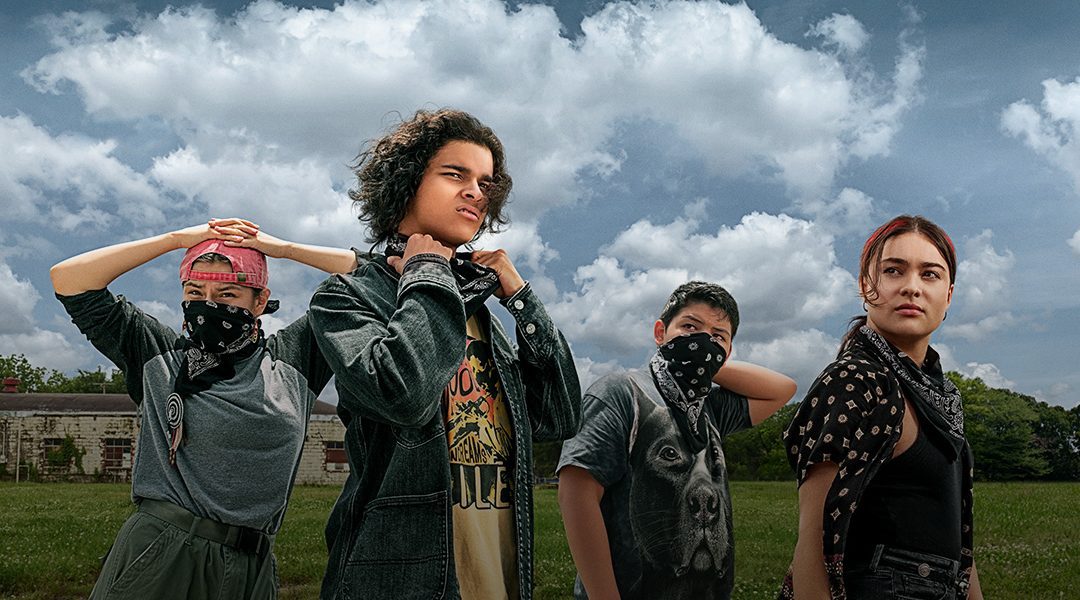
A Dialogue with Diné Director Blackhorse Lowe
Diné film and TV director Blackhorse Lowe met with the College Fund to speak about what it means to be an Indigenous director. Lowe grew up on the Navajo Nation hearing traditional and family stories and watching movies–lots of movies, which influenced his path on becoming a film and TV director.
National Week of Action for Murdered and Missing Indigenous Women
The American Indian College Fund invests in education and the visibility of Indigenous people through its scholarship and education programs, its visibility campaign This is Indian Country, and its public education programs that demonstrate how others can support the visibility, equity, and inclusion of Native people nationwide.
SGU Staff Spotlight: Sherman “Jim” Marshall, II
Sherman “Jim” Marshall has led Sinte Gleska University’s adult basic education and high school equivalency work for nearly 15 years. His quiet leadership has left a lasting impact on staff and students.
Travois Tribal Scholarship Program Helps Ten Native American Students Achieve Their Dreams
Thanks to Travois’ generous gift of $27,500 to the American Indian College Fund, 10 American Indian college students received scholarships to attend mainstream and tribal colleges and universities for the academic year 2021-22.
