
Planting the Seeds of Cultural Sustainability
April 22, 2026 | Student Ambassador Aiyanna Tanyan’s (Seminole Nation of Oklahoma) work to reclaim food sovereignty
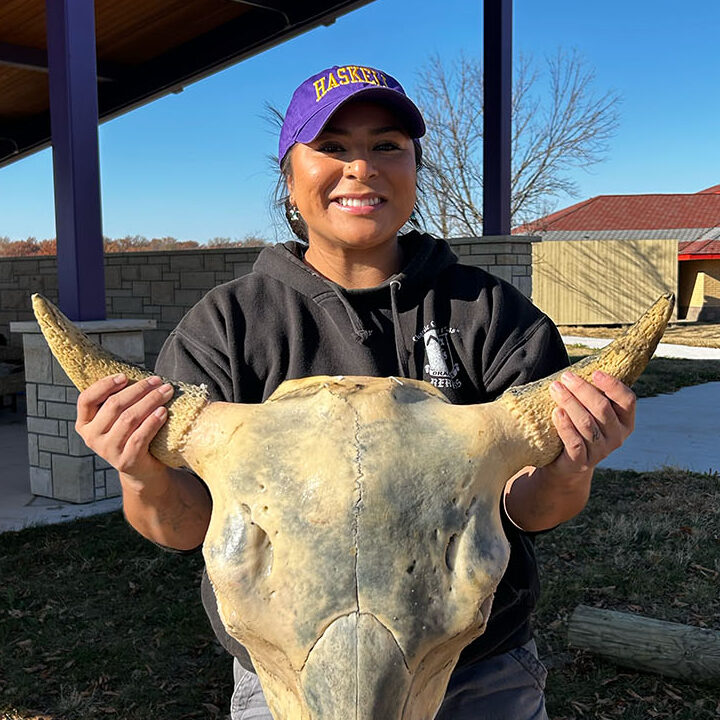
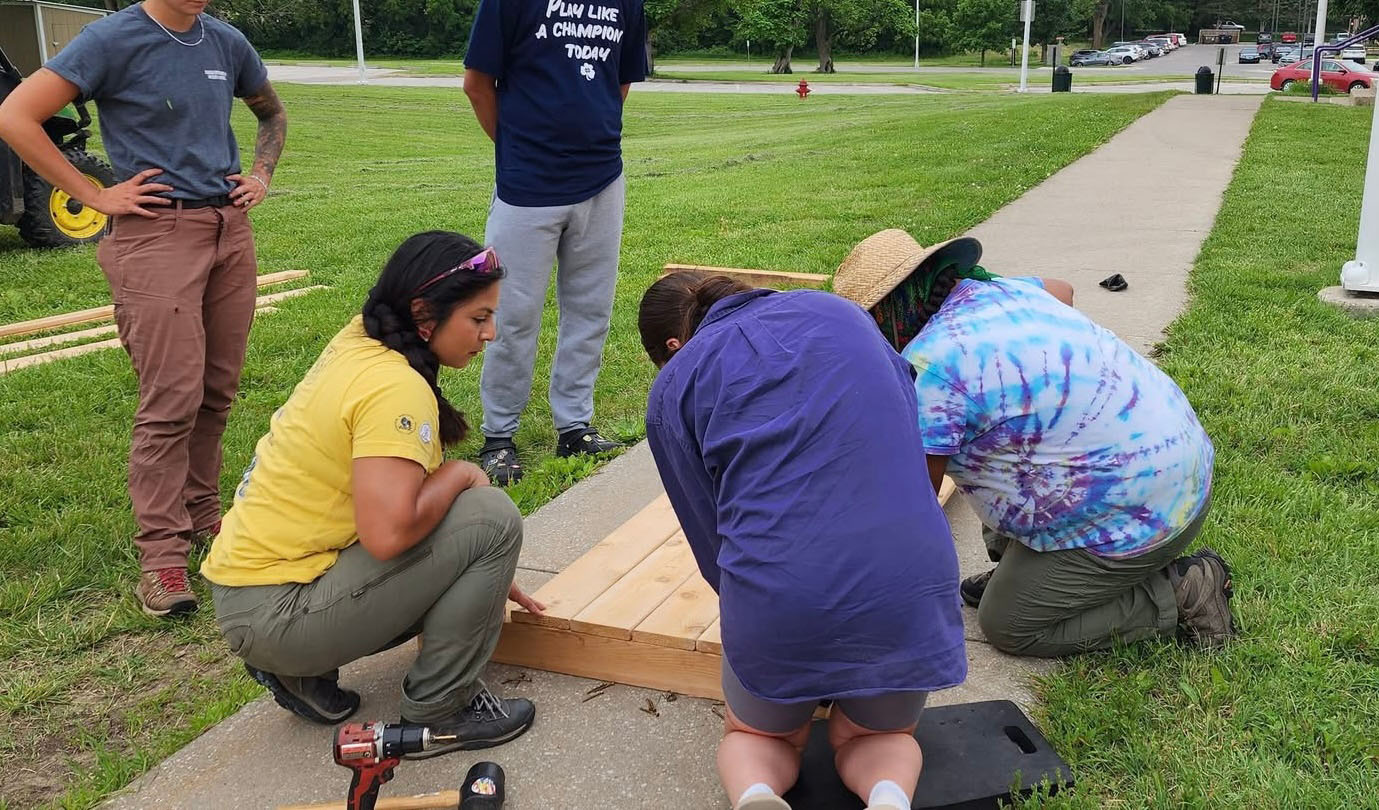
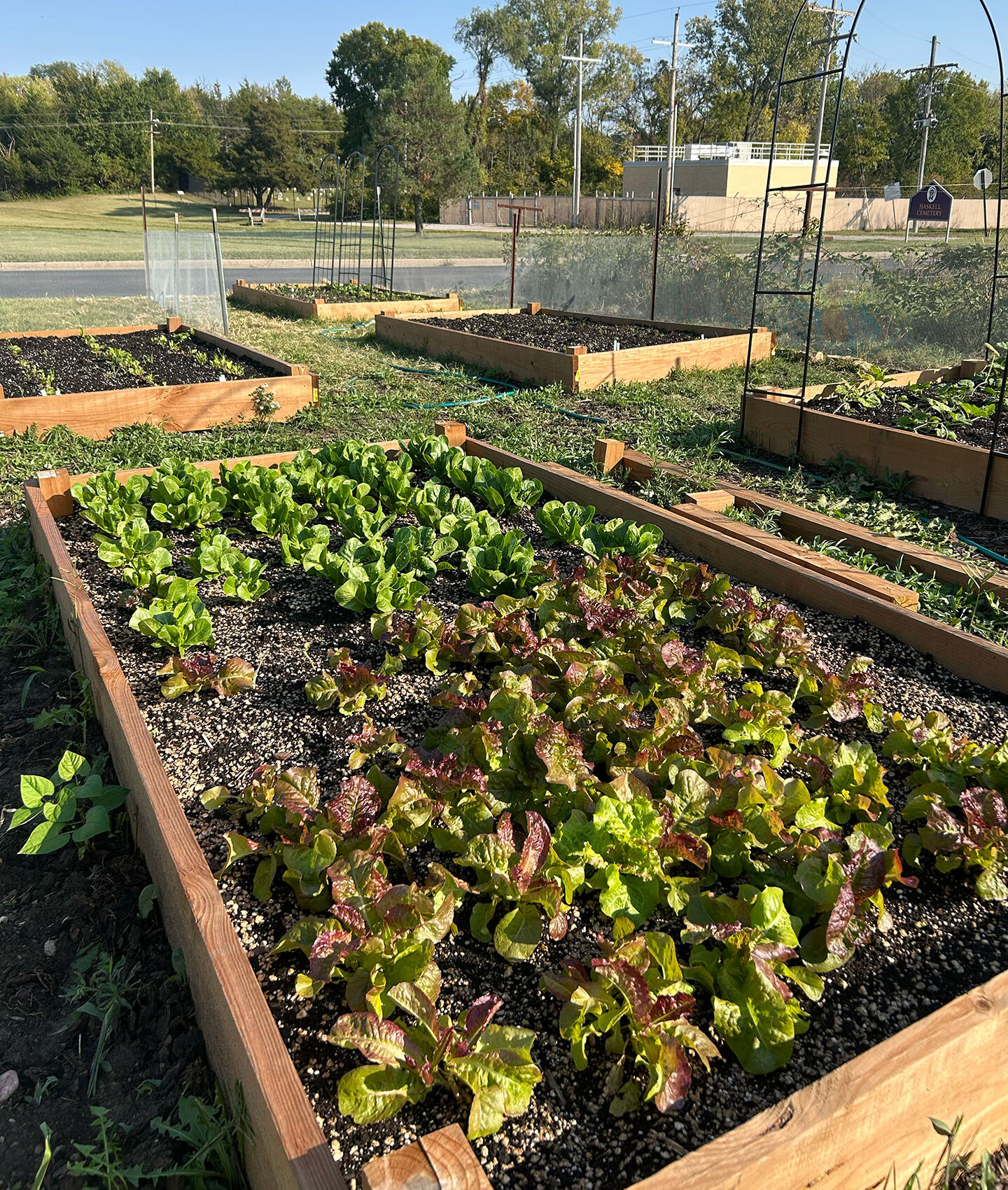
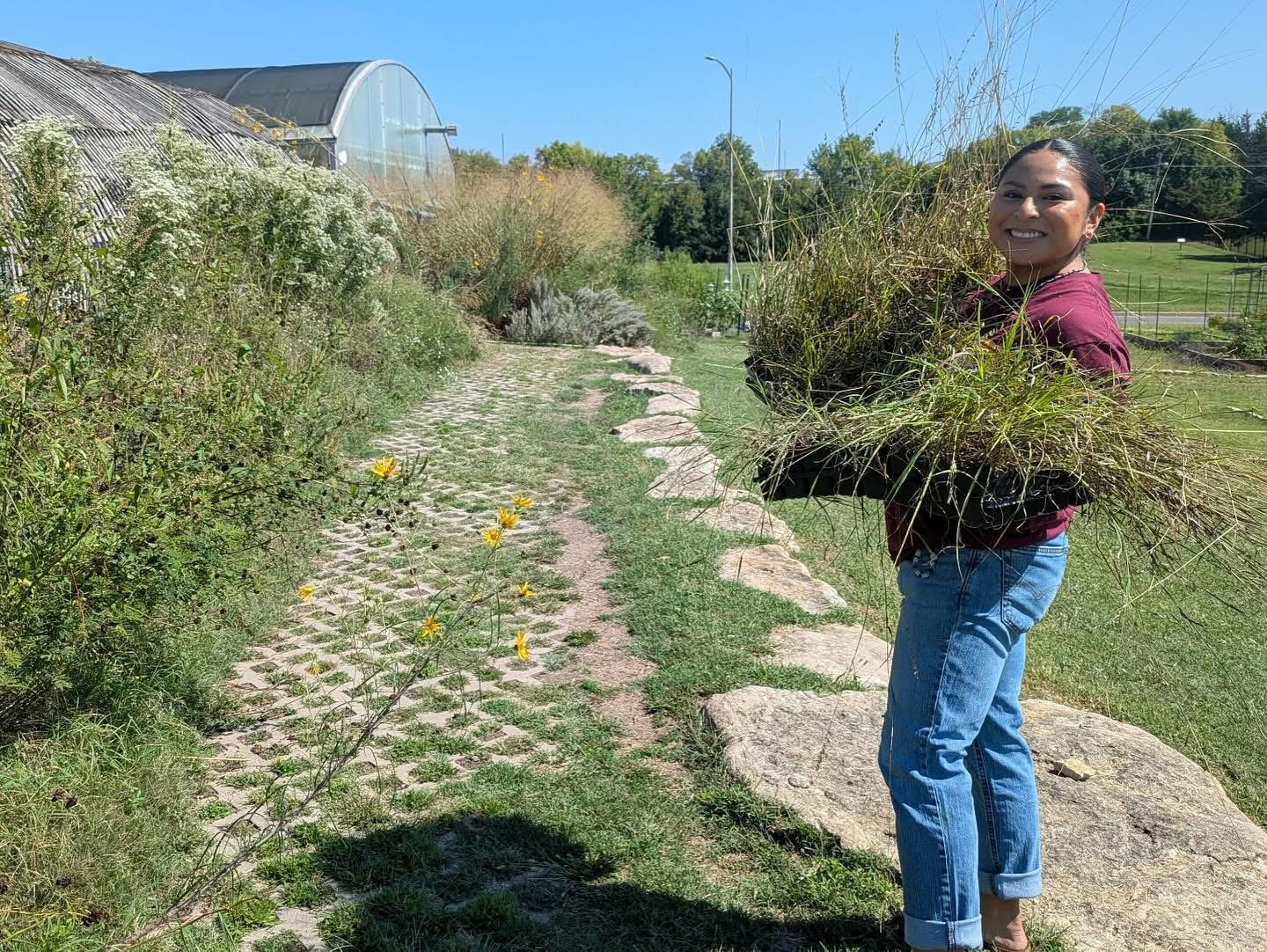
We came up with the idea of building raised garden beds near the dorms so students can easily access fresh foods and learn how to grow them themselves. Through support from the Haskell Greenhouse (funded through the USDA Equity Grant), we started building.
Last year was our first year doing this project and it was a learning experience as with many community-based projects, it comes with trial and error. However, that process taught us a lot about what works, what doesn’t, and how to build something more sustainable moving forward. This year, we’re continuing this work with stronger systems, more involvement, and a clearer vision.
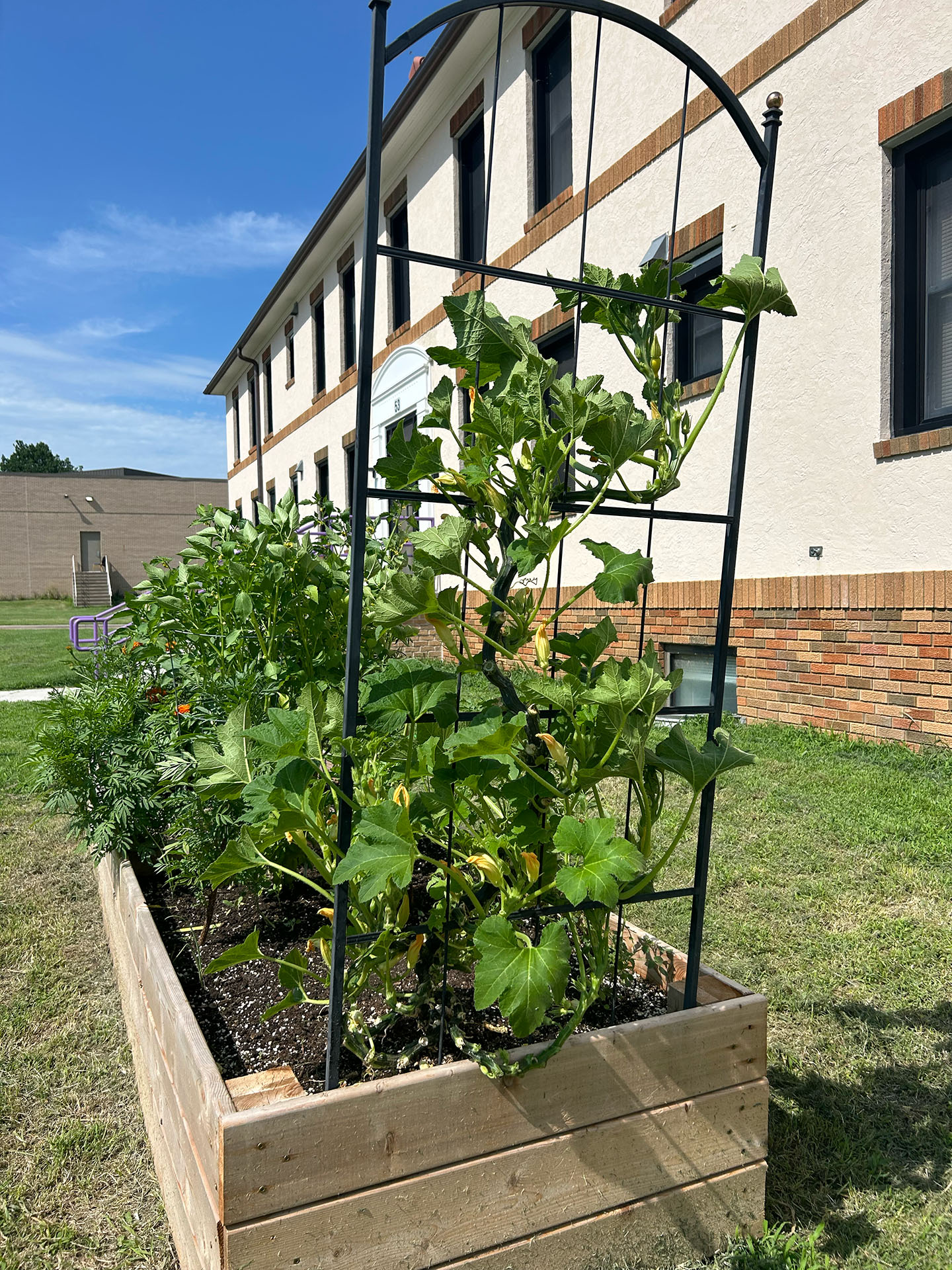
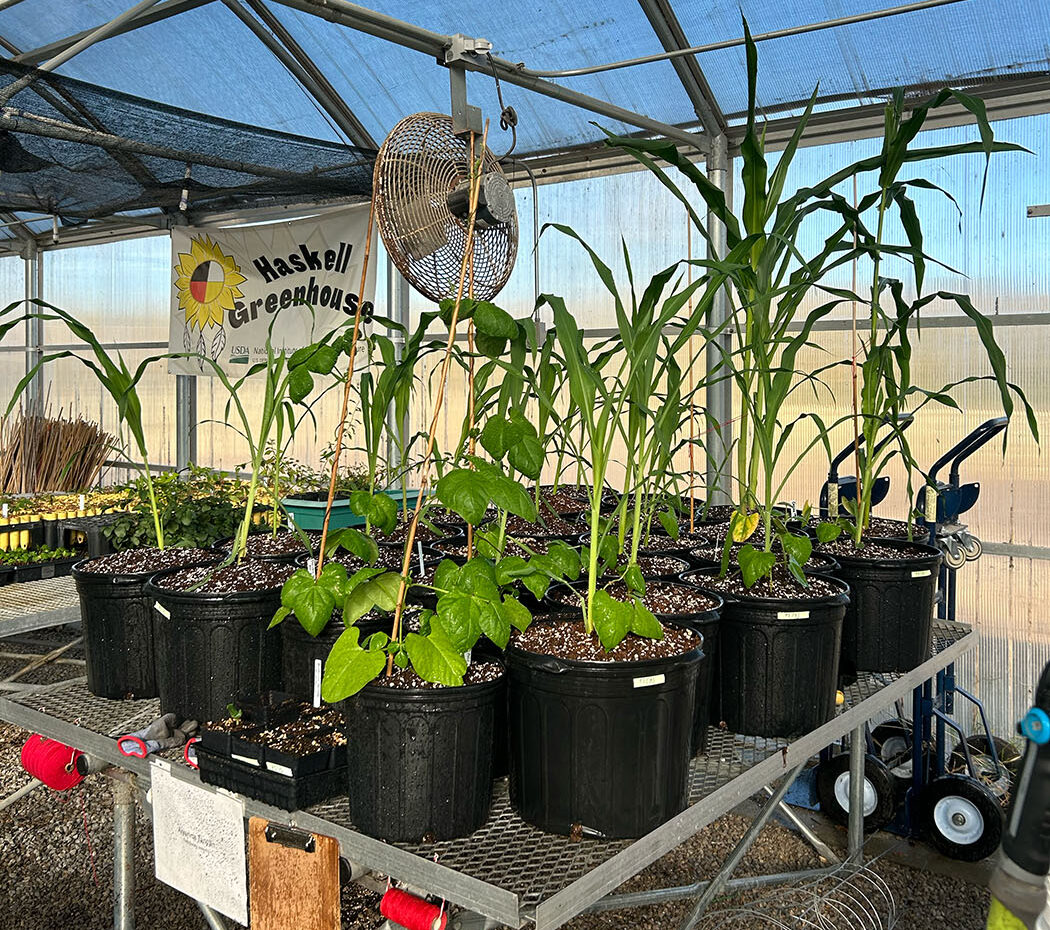
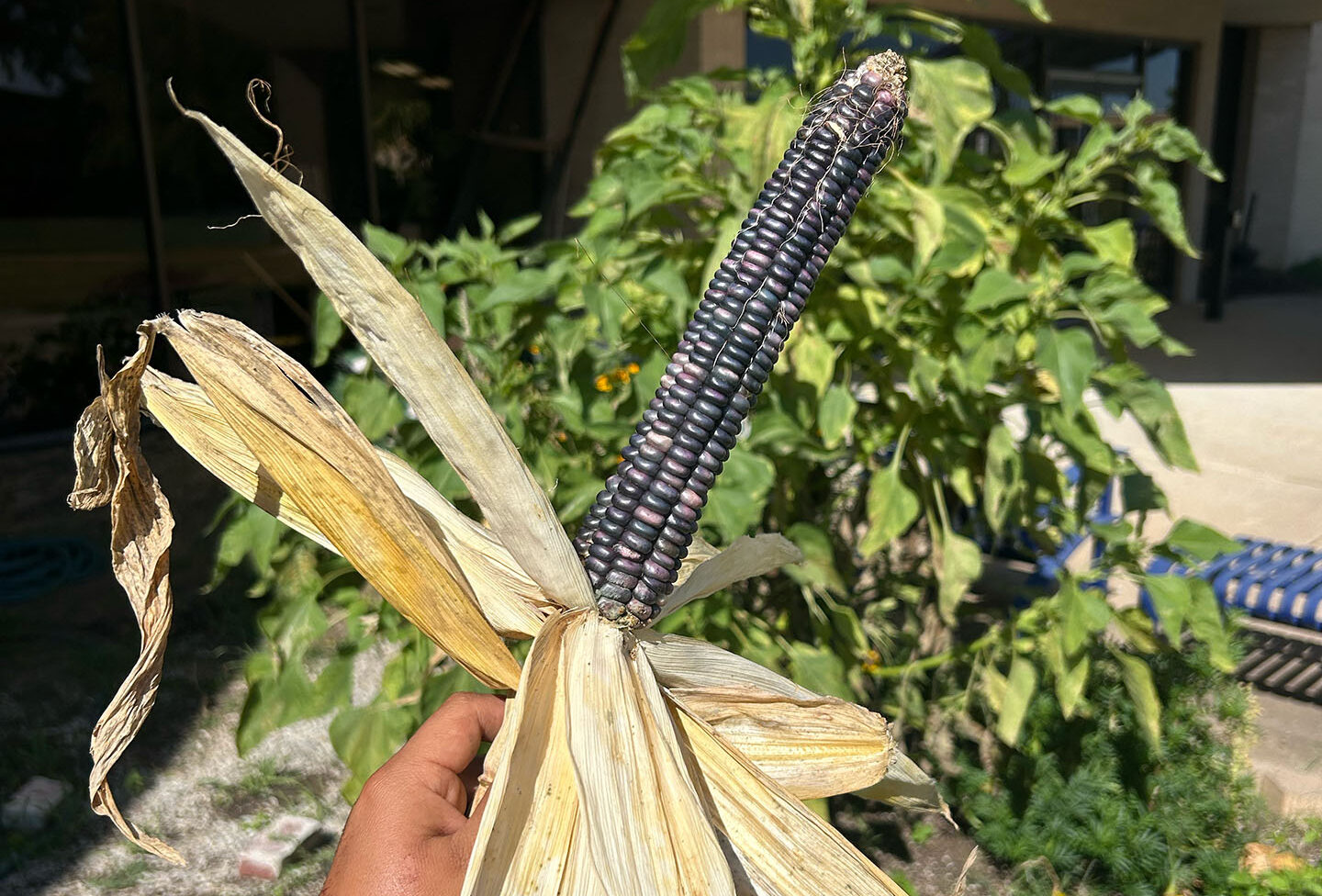
Everyone at the Haskell Greenhouse wants to help others learn, value, and view these spaces as places of teaching. I know they have taught me so much about responsibility and our relationship with the environment. Through these projects, we’re helping students reconnect with the land and understand the importance of food sovereignty for Indigenous communities. This work is ongoing, and we’re still learning. Every seed planted, and every workday shared brings us one step closer to a more sustainable and connected future.
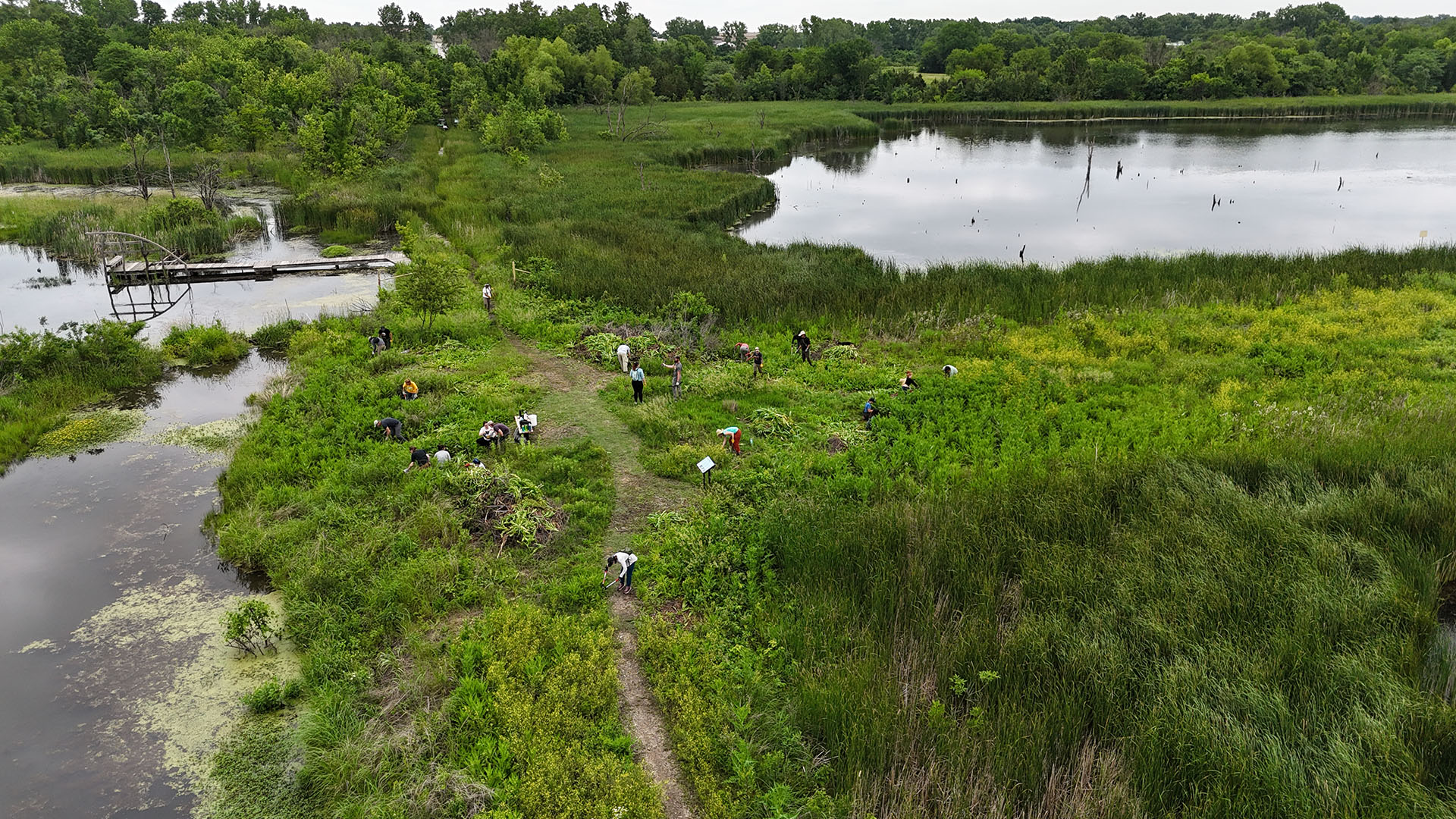
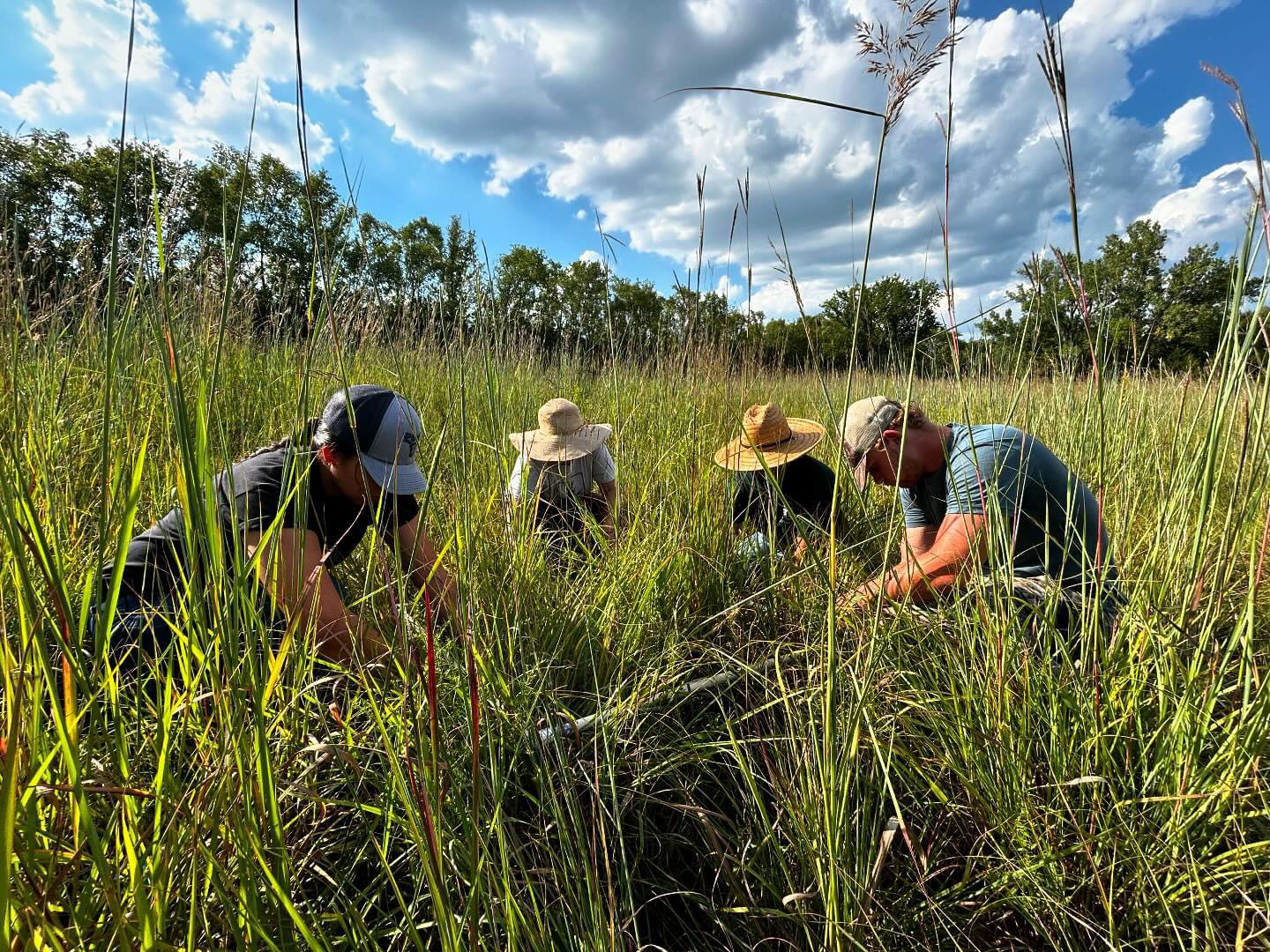
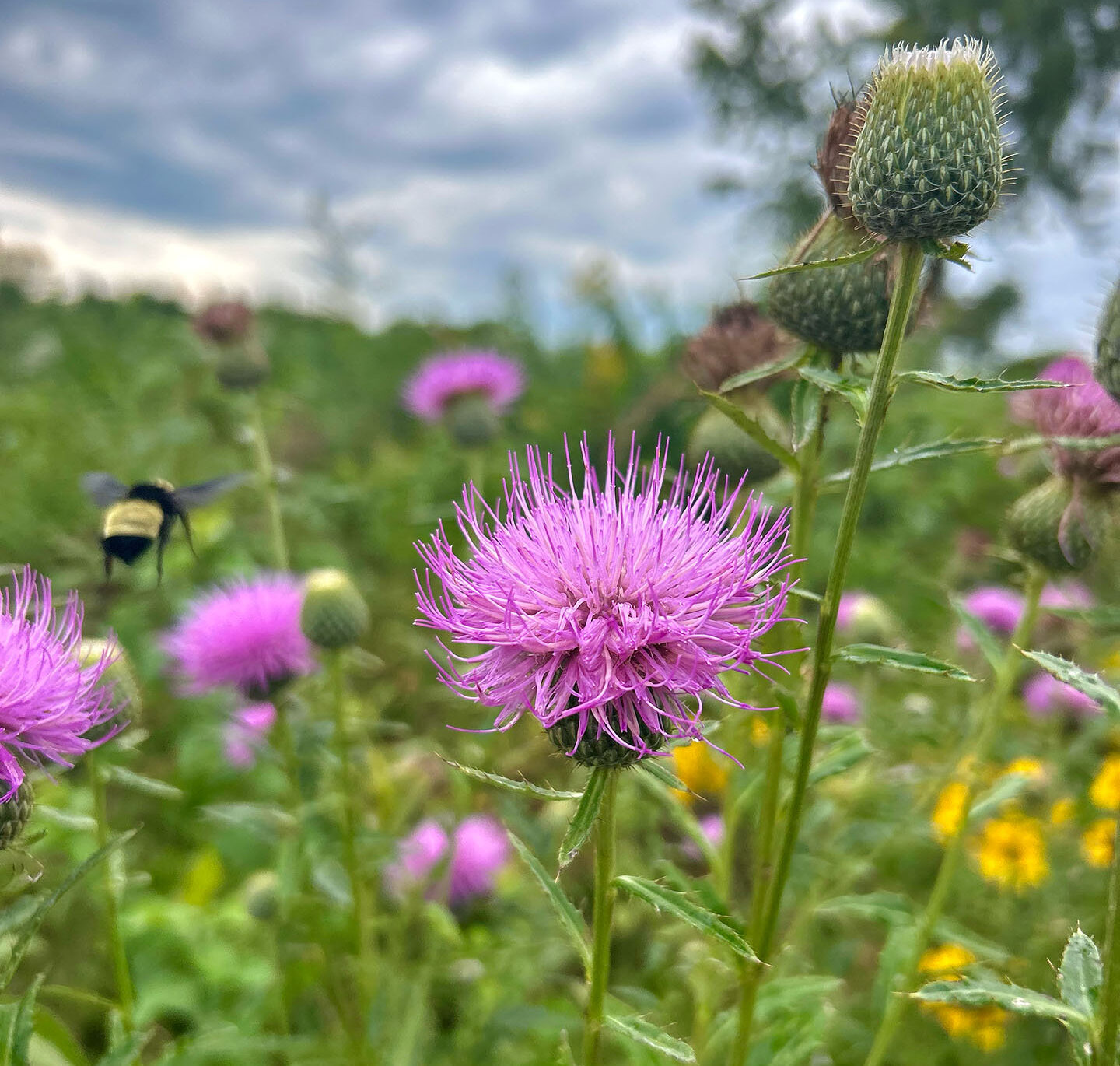
In Caring for Our Kin: Stories of Indigenous Environmental Stewardship, the College Fund shares the stories of Indigenous environmental leaders who are centering kinship and relational knowledge to build healthy ecological systems. These stories remind us that caring for the Earth means caring for one another—and that Indigenous knowledge systems continue to offer guidance, resilience, and hope for the future.
Learn more about our Environmental Stewardship Program.
Ekvnv Vcayecet. Mvto!
(Take care of the Earth/Land. Thank you)
More Blogs
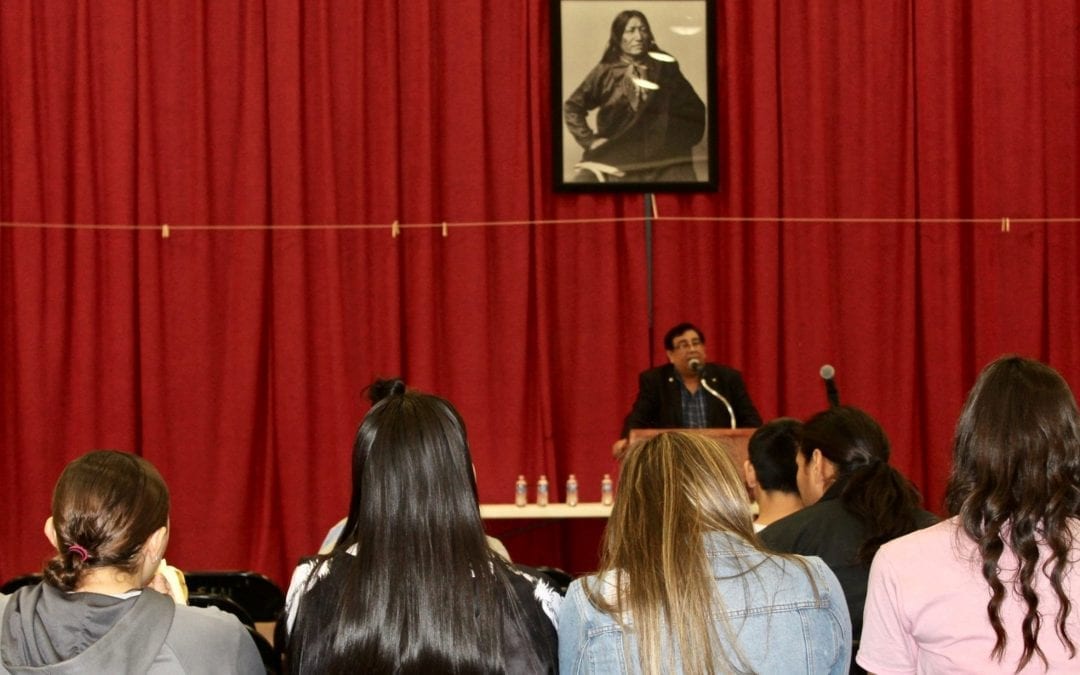
Well-Founded Faith in GED Students
By Hannah Gonzales, American Indian College Fund Program Assistant Note: This blog post was intended to be published before we found ourselves amid the COVID-19 pandemic. Much of the GED/HSE programming at TCUs that we support has halted as a result of societal and...
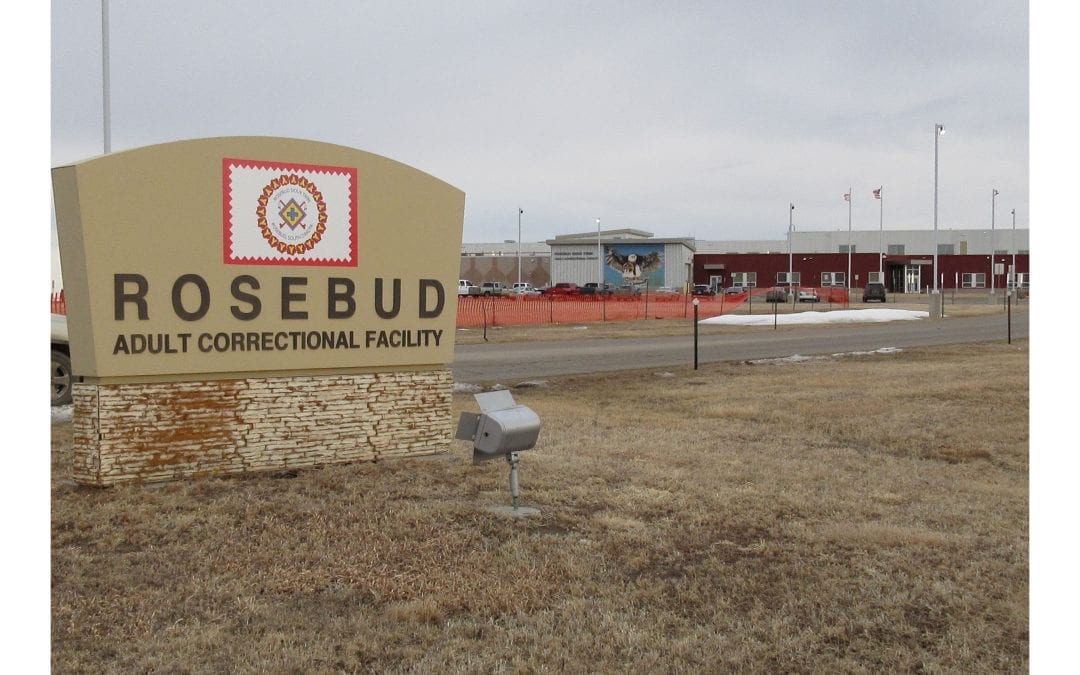
Sinte Gleska University Offers GED Tutoring at Adult Correctional Facility
By Sherman Marshall, SGU Adult Basic Education Director Editor’s Note: This blog post was submitted before the chaos of the COVID-19 pandemic ensued. The pandemic’s ramifications have halted much of GED programming and testing at TCUs, though project directors and GED...
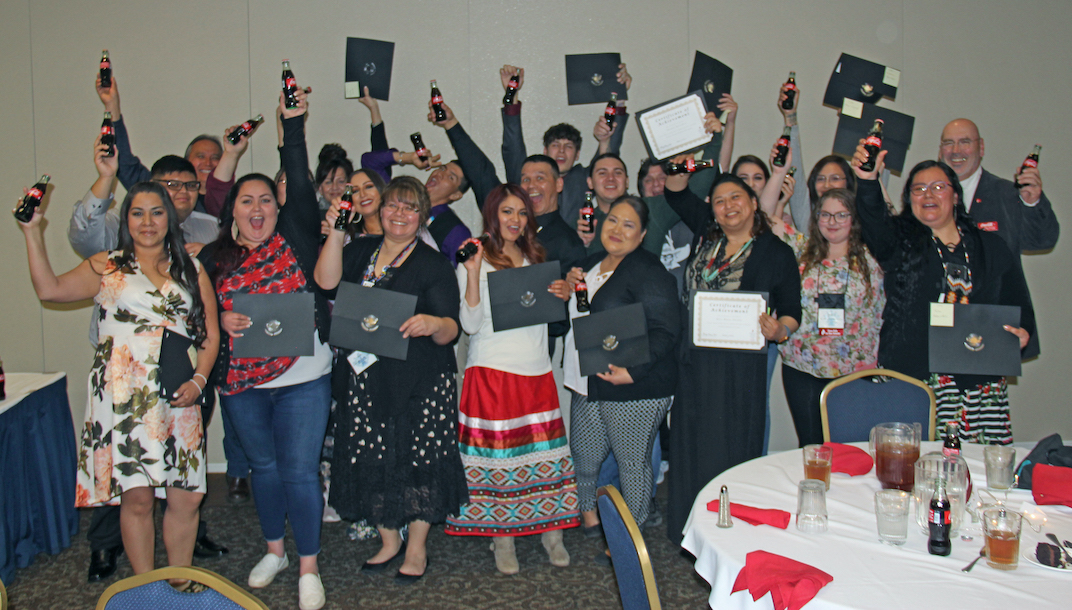
The American Indian College Fund Honors 36 Native American Coca-Cola First Generation Scholars
The American Indian College Fund Honors 36 Native American Coca-Cola First Generation Scholars Scholars celebrating at last year's banquet. Because of COVID-19, this year's banquet was cancelled to protect scholars and their communities. Students Awarded $5,000...
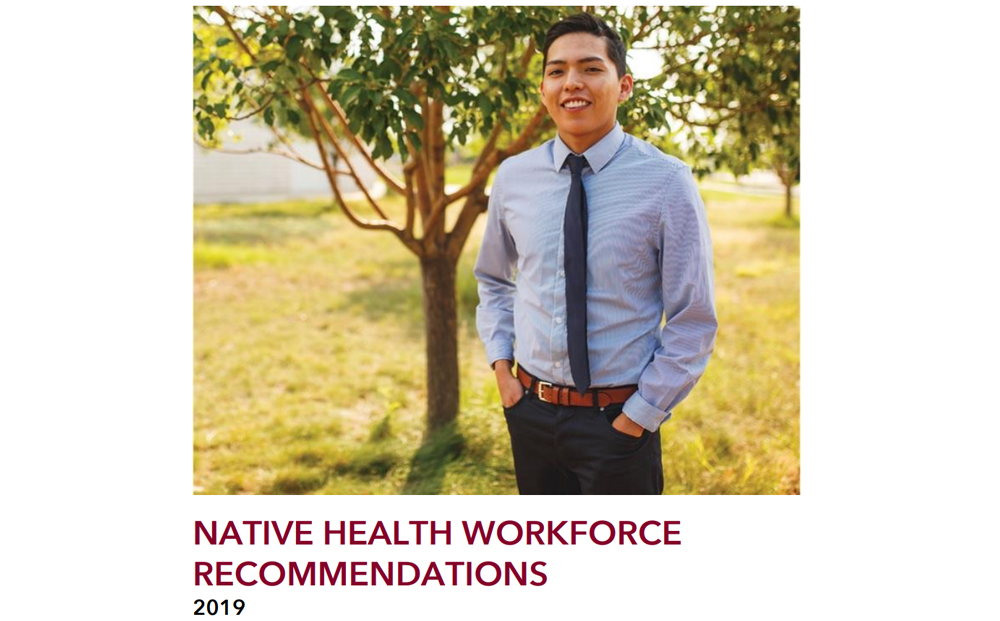
American Indian College Fund Publishes Report on Ways for Tribal Colleges and Education Institutions to Increase Graduates in Health Fields
College Fund publishes report on results gleaned from roundtable with tribal colleges, education organization leaders.

The American Indian College Fund Introduces Special Edition Water Blanket
The Sinte Gleska University Adult Basic Education/GED department provides free GED tutoring and testing services to approximately 120 adult learners annually on the Rosebud Reservation and surrounding counties in south central South Dakota.
URGENT ADVOCACY REQUEST. Please Help Us Continue Our Work Helping Students and Communities!
Make a huge difference with a 60-second phone call. Congress is about to vote on emergency COVID-19 relief legislation containing significant aid for nonprofit organizations.

American Indian College Fund Names Sandra Boham, President of Salish Kootenai College, the 2019-20 Tribal College and University Honoree
The American Indian College Fund named Sandra Boham, President of Salish Kootenai College, Pablo, Montana, as its Tribal College and University Honoree of the Year. Boham was chosen for the award for her outstanding contributions to American Indian higher education. She will receive a $1,200 honorarium from the American Indian College Fund, which was sponsored by the Adolph Coors Foundation.
Donate! COVID-19 Emergency Relief Funding Needed
For most Americans, adequate, functioning infrastructure and technology make coronavirus-related closures bearable, even workable. In Indian country, the picture can be devastating.
New Study Shows Hunger, Homelessness Hinder TCU Students
Native American students studying at tribal colleges and universities located in remote, rural, reservation communities experienced food and housing insecurity and homelessness at much greater rates than other college students, according to the Tribal Colleges and Universities #RealCollege Survey report.

Important Announcements From the College Fund
See all the important updates regarding COVID-19, Events changes, Application extensions, and news from our President.
