
Planting the Seeds of Cultural Sustainability
April 22, 2026 | Student Ambassador Aiyanna Tanyan’s (Seminole Nation of Oklahoma) work to reclaim food sovereignty
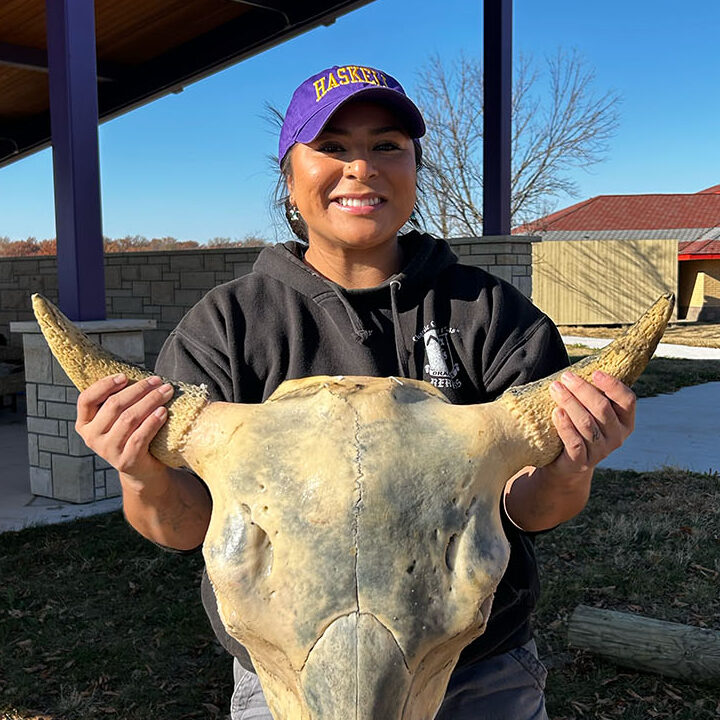
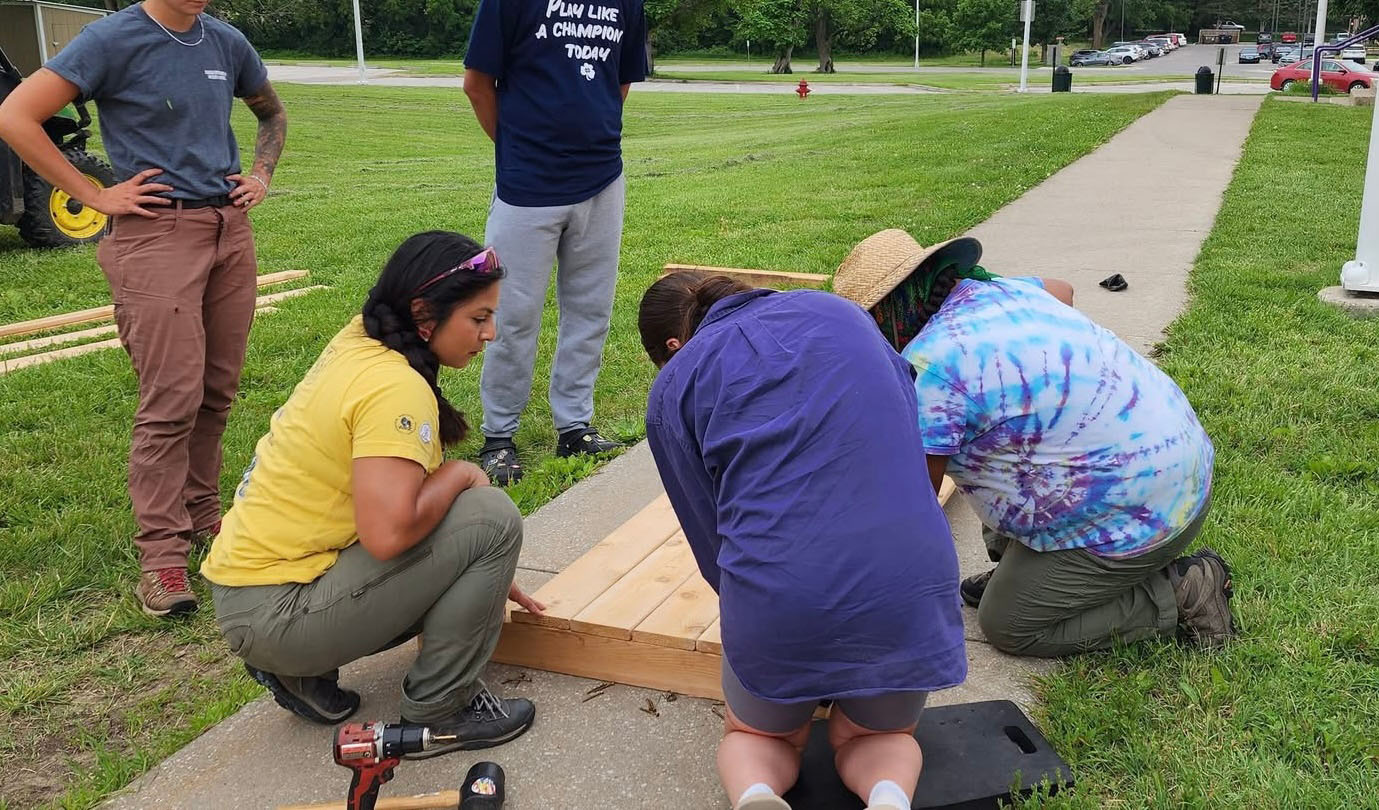
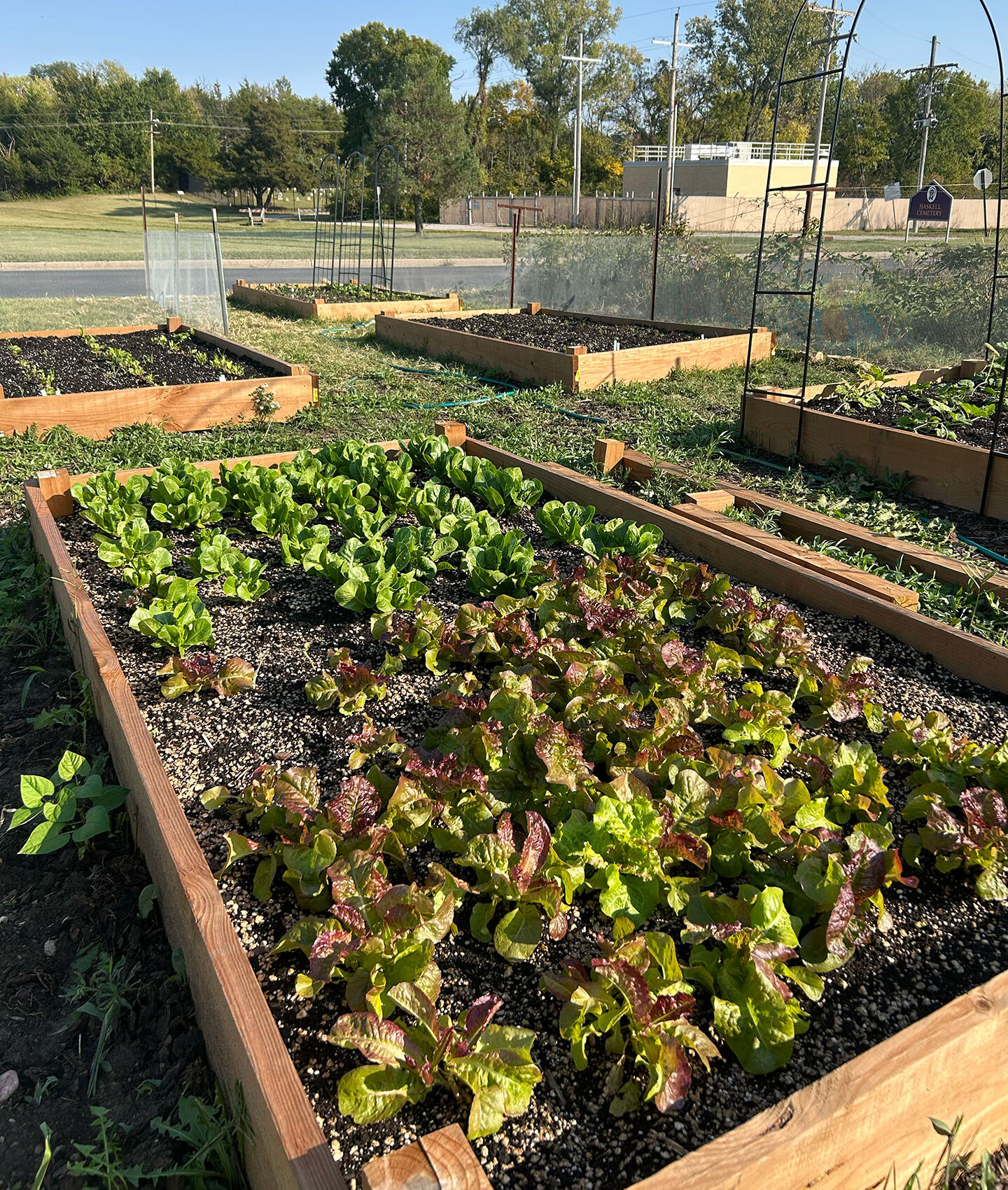
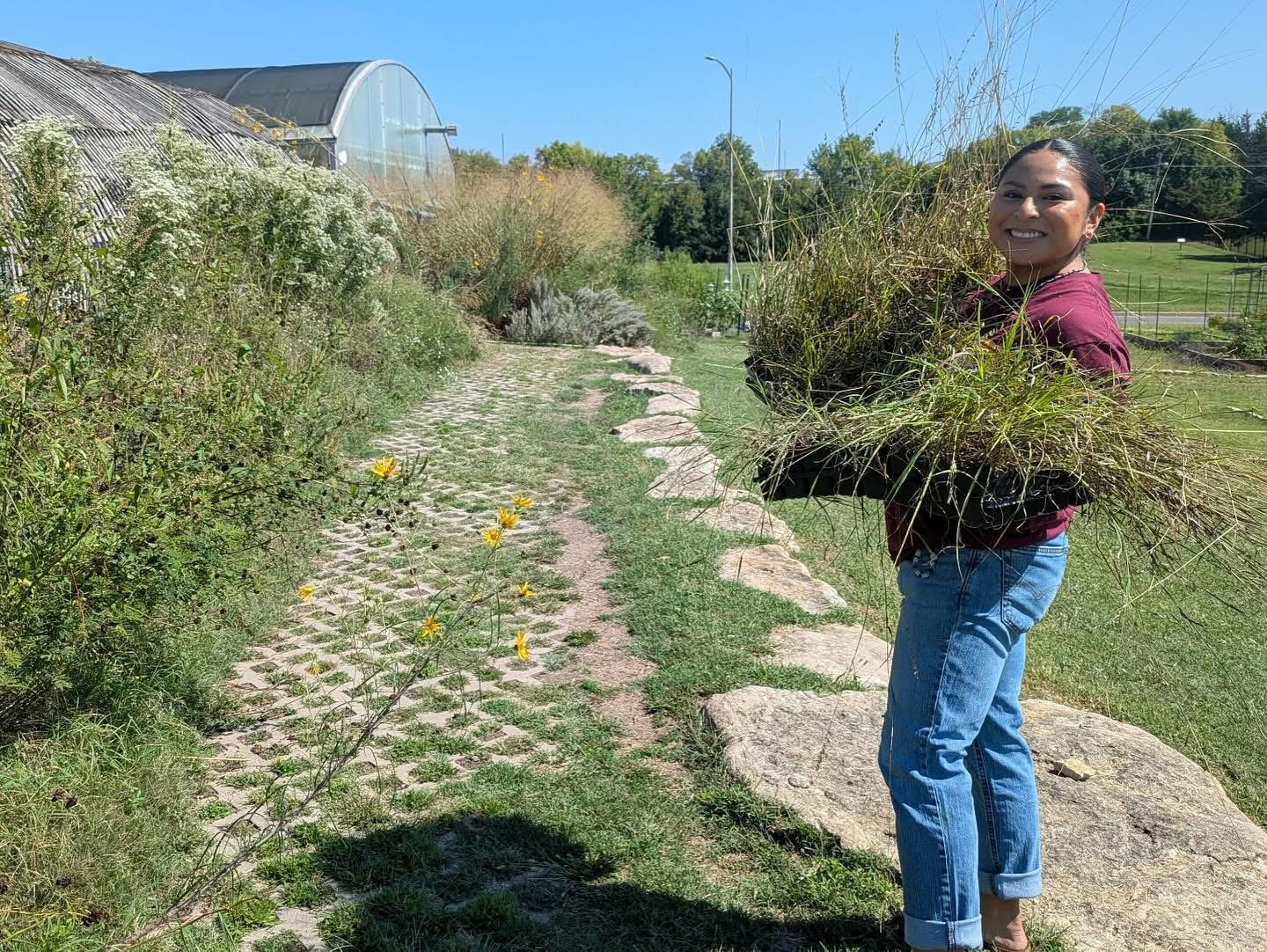
We came up with the idea of building raised garden beds near the dorms so students can easily access fresh foods and learn how to grow them themselves. Through support from the Haskell Greenhouse (funded through the USDA Equity Grant), we started building.
Last year was our first year doing this project and it was a learning experience as with many community-based projects, it comes with trial and error. However, that process taught us a lot about what works, what doesn’t, and how to build something more sustainable moving forward. This year, we’re continuing this work with stronger systems, more involvement, and a clearer vision.
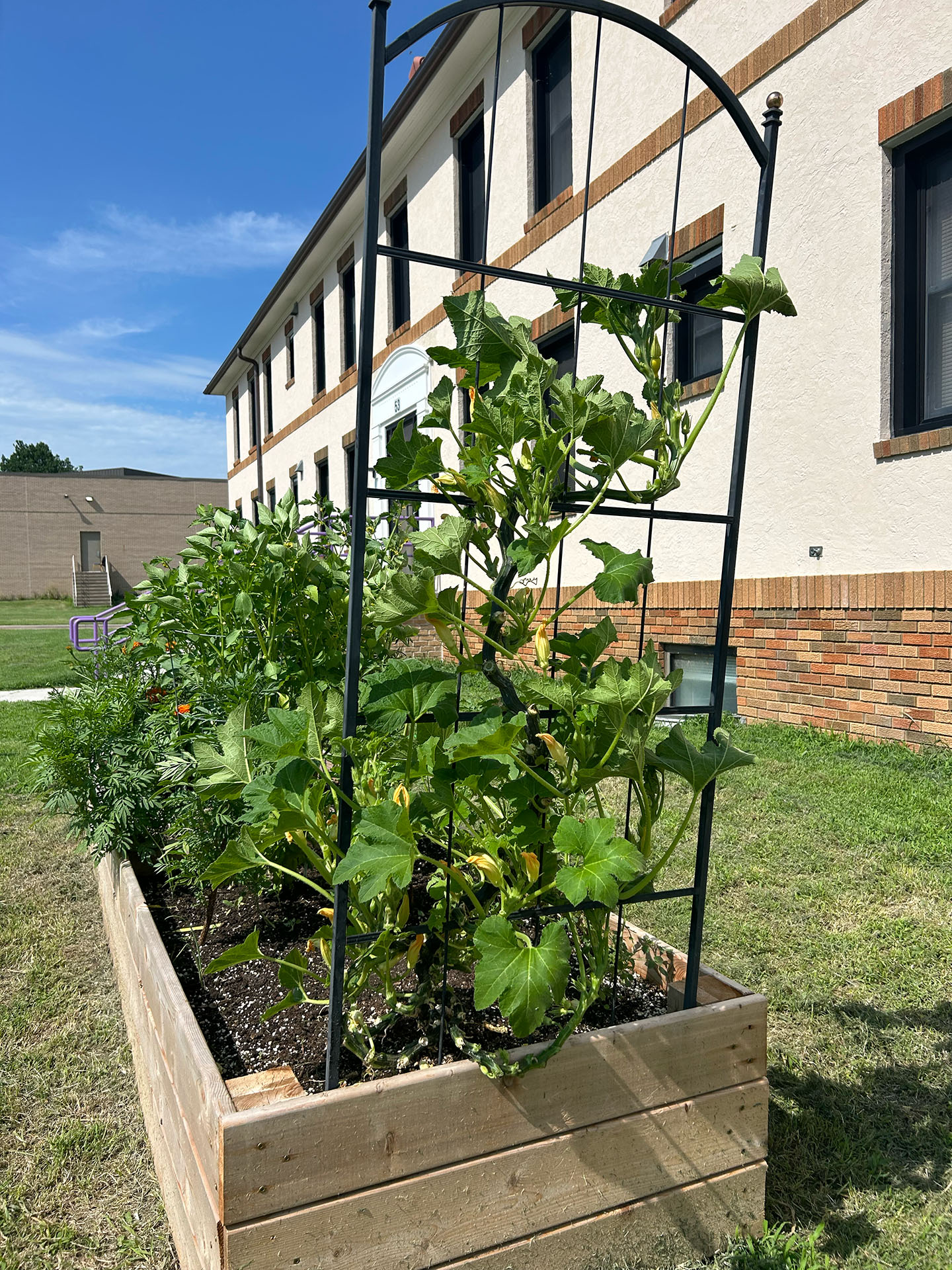
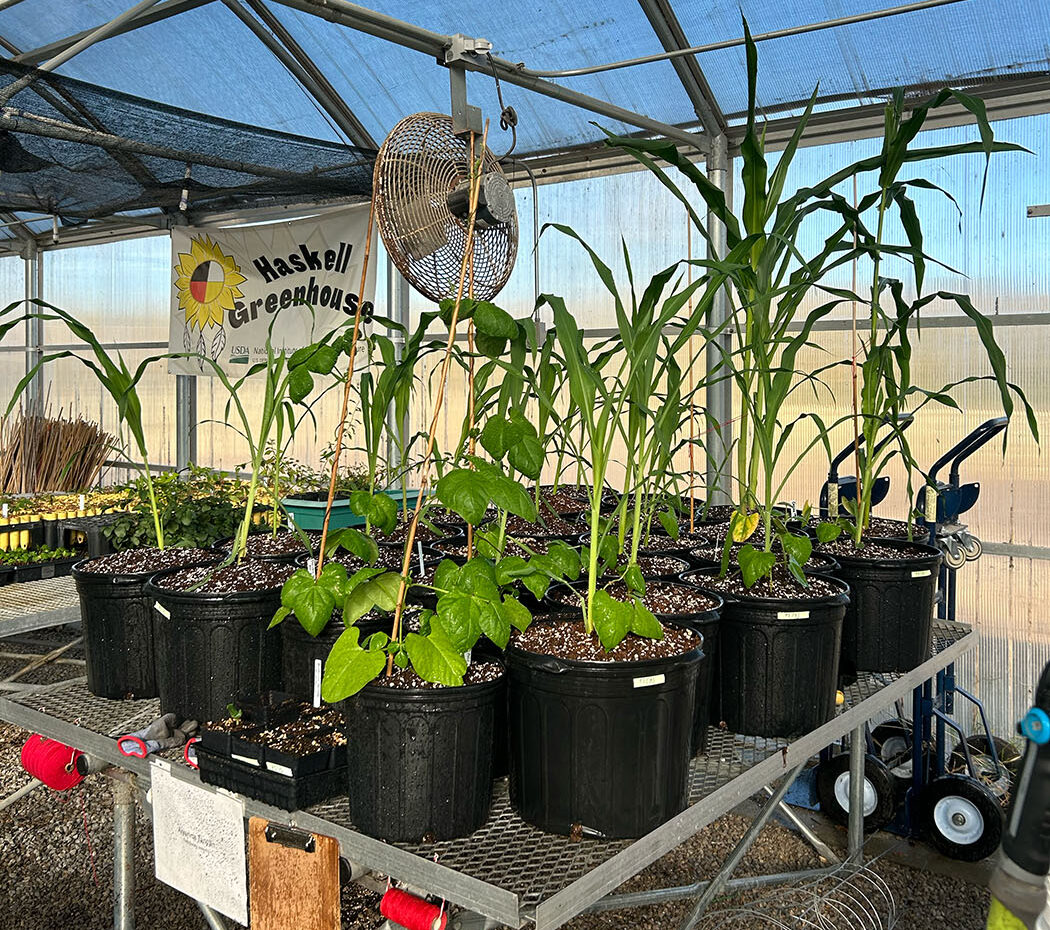
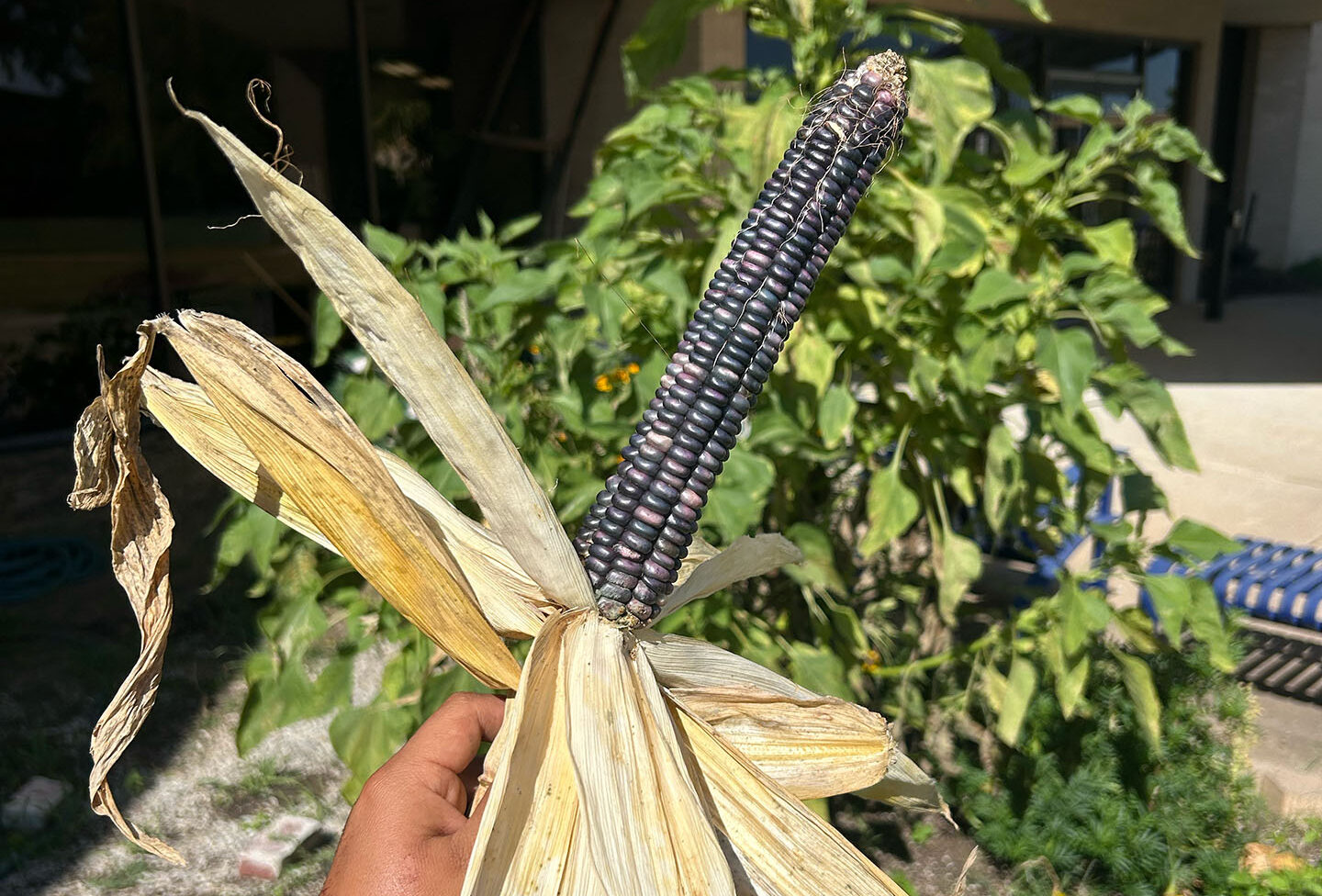
Everyone at the Haskell Greenhouse wants to help others learn, value, and view these spaces as places of teaching. I know they have taught me so much about responsibility and our relationship with the environment. Through these projects, we’re helping students reconnect with the land and understand the importance of food sovereignty for Indigenous communities. This work is ongoing, and we’re still learning. Every seed planted, and every workday shared brings us one step closer to a more sustainable and connected future.
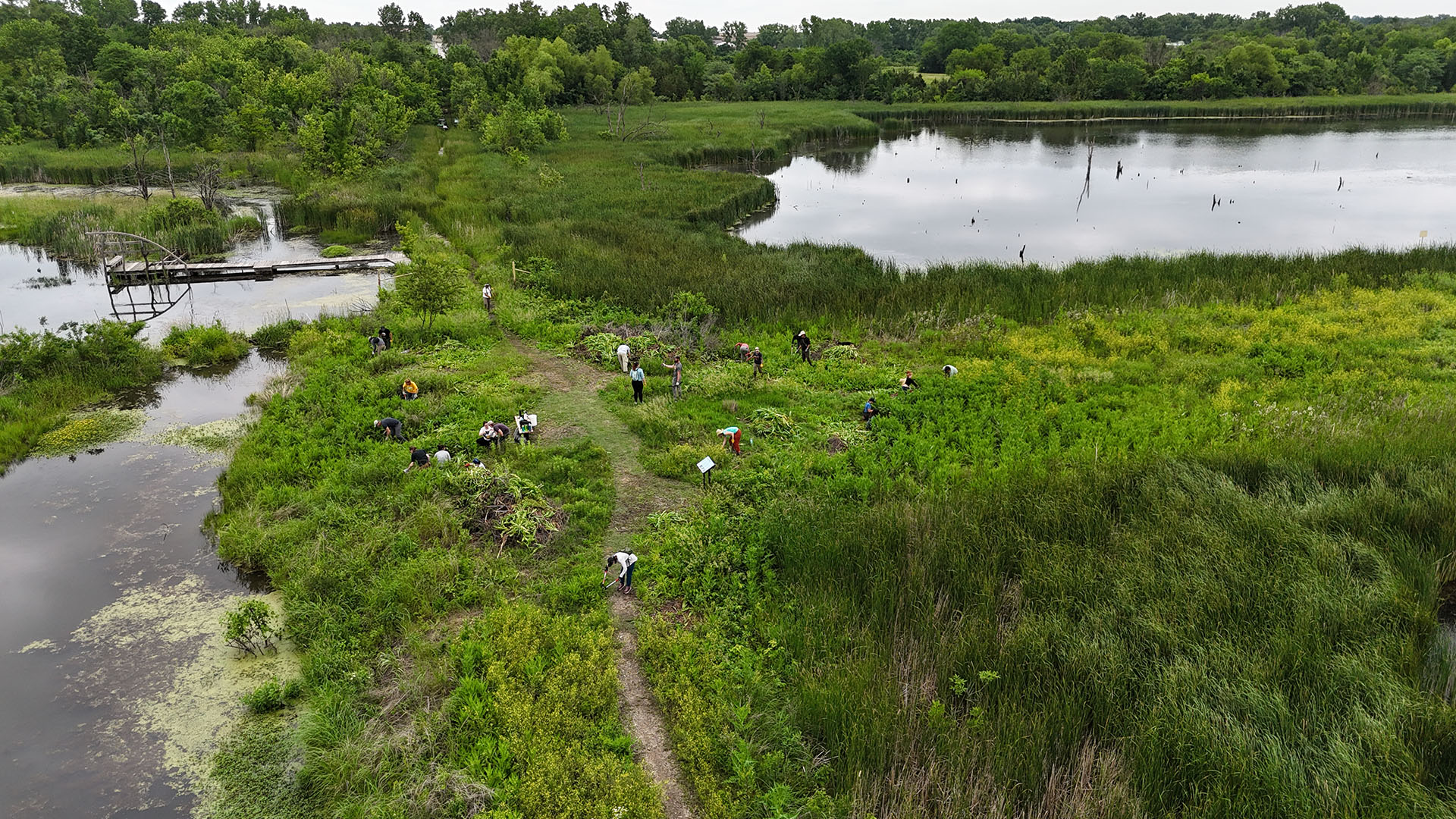
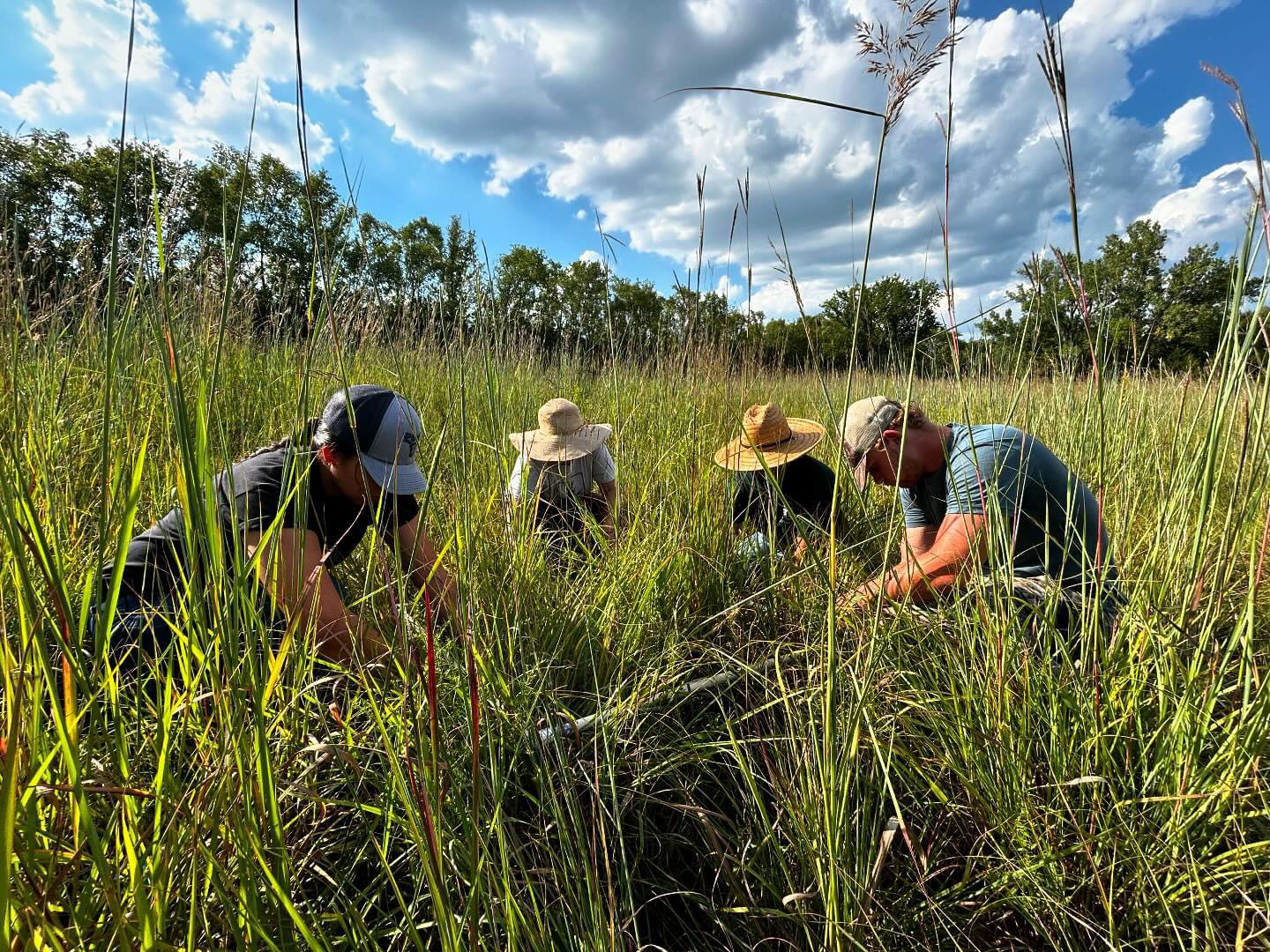
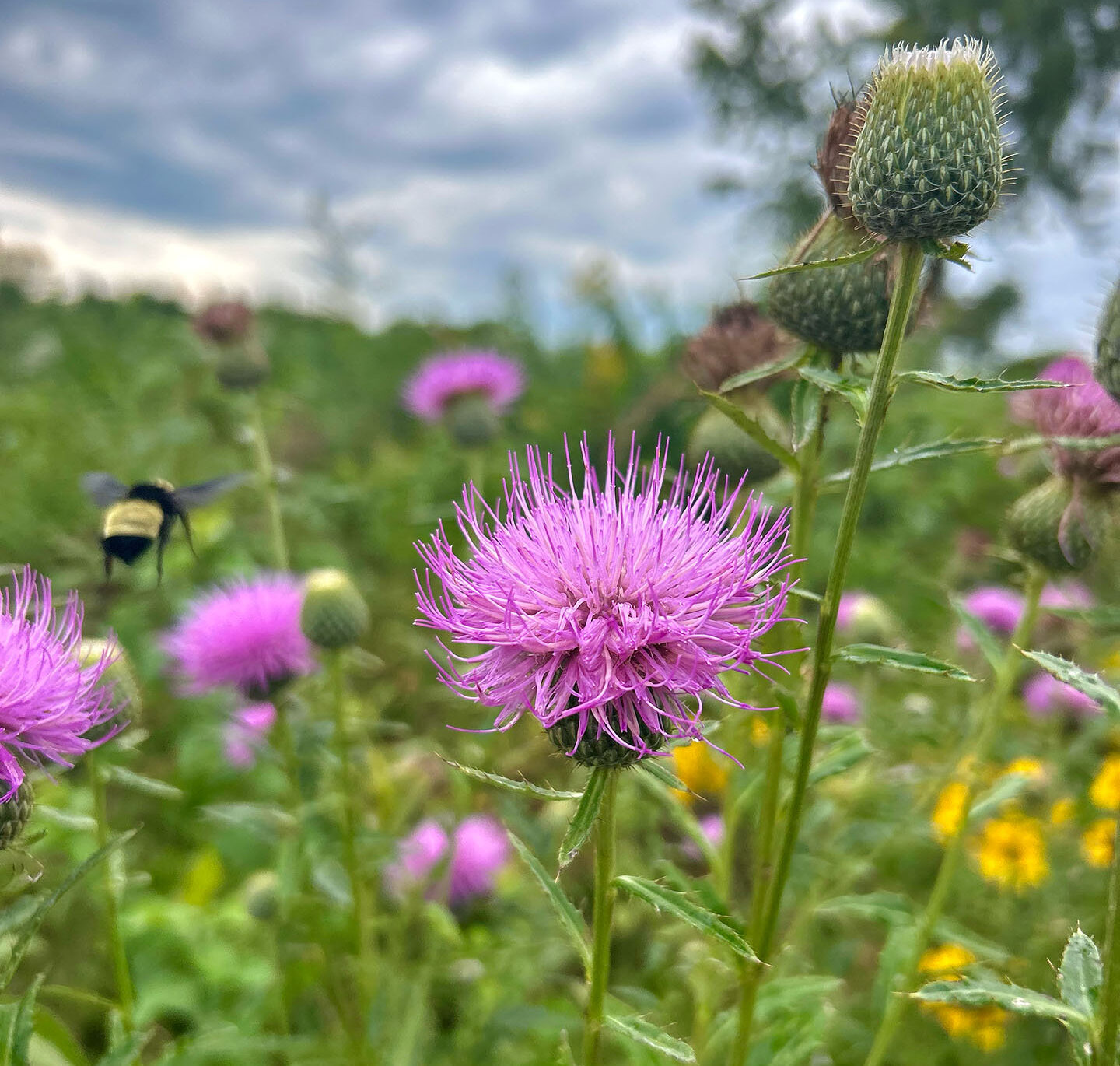
In Caring for Our Kin: Stories of Indigenous Environmental Stewardship, the College Fund shares the stories of Indigenous environmental leaders who are centering kinship and relational knowledge to build healthy ecological systems. These stories remind us that caring for the Earth means caring for one another—and that Indigenous knowledge systems continue to offer guidance, resilience, and hope for the future.
Learn more about our Environmental Stewardship Program.
Ekvnv Vcayecet. Mvto!
(Take care of the Earth/Land. Thank you)
More Blogs
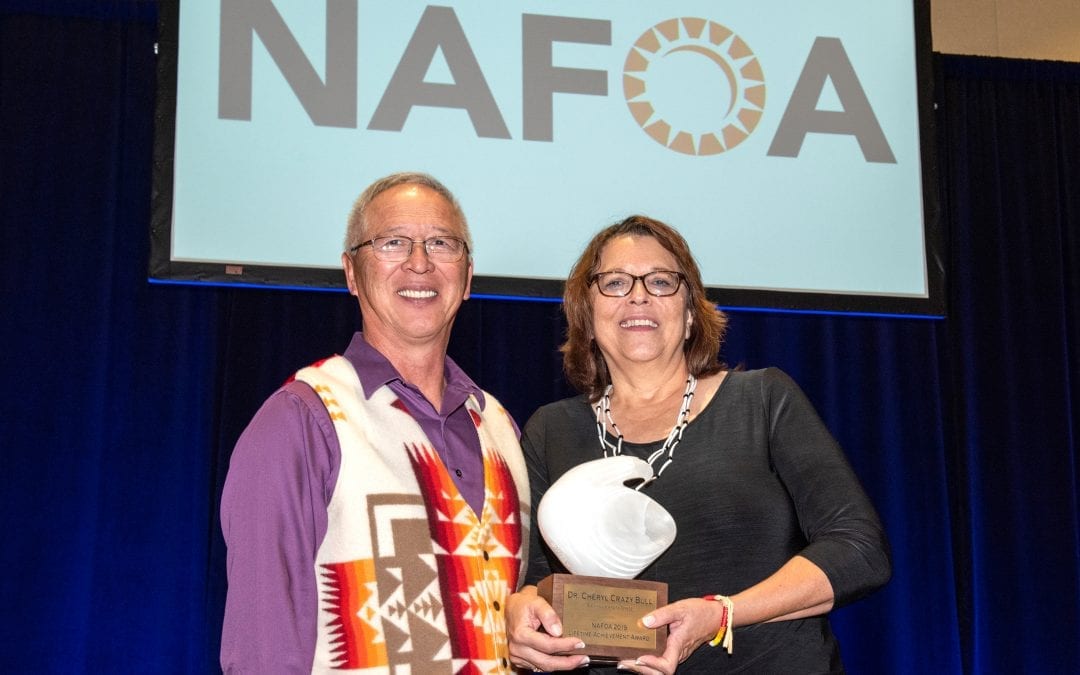
Cheryl Crazy Bull Presented with Lifetime Achievement Award by Native American Finance Officers Association
Cheryl Crazy Bull (Sicangu Lakota) President and CEO of the American Indian College Fund, was awarded a Lifetime Achievement Award on Tuesday, October 8 by the Native American Finance Officers Association (NAFOA)
The Next Generation of Indigenous Knowledge-Keepers
Shelterforce Magazine, a publication for people in the development field, has published an article about the American Indian College Fund’s place-based Indigenous Visionaries program.
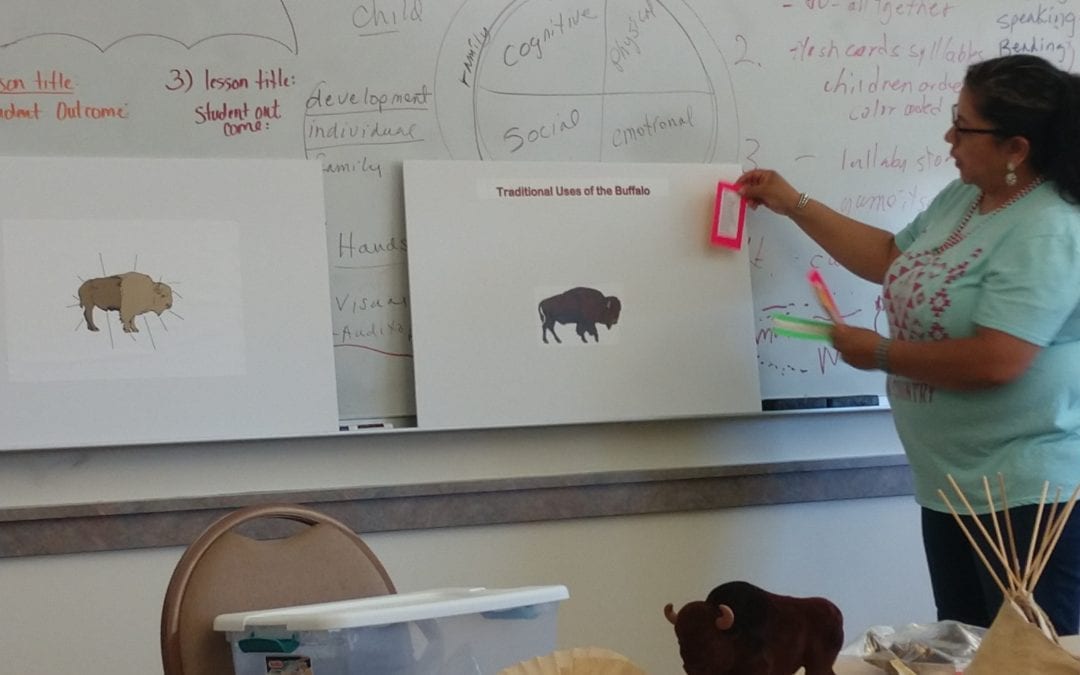
Little Big Horn College Works with Families and Communities in STEM Activities
Under their For the Wisdom of the Children project, Little Big Horn College held a seminar in July for pre-service and classroom teachers to develop a thematic science/math unit with a culminating Parent Night activity.
American Indian College Fund Scholar Highlights Food Insecurity Among College Students While Providing Greater Access For SNAP Recipients
The challenges facing Native American students are many and diverse. Financial inequality, culturally insensitive institutions and access to broadband Internet are just a few regularly occurring barriers to higher education
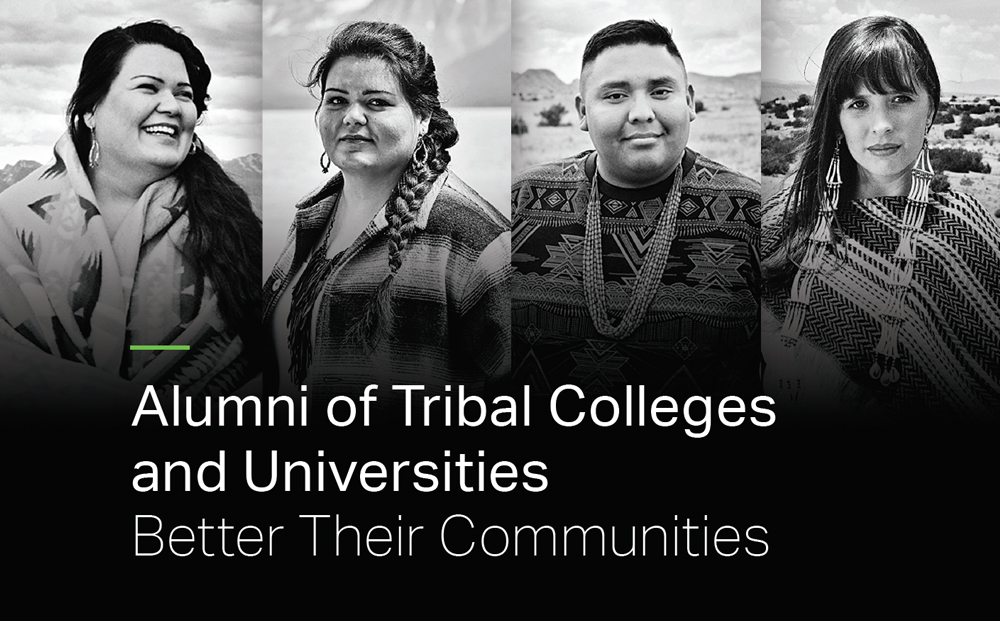
Alumni of Tribal Colleges and Universities Better Their Communities
The educational inequality that exists between the American Indian community and the rest of the nation means that many higher education institutions are failing to meet the needs of underrepresented students to help them thrive.
What is STEM without Roots?
When it comes to STEM, it may be the roots that hold us in the field, the classroom, and in our love for science, technology, engineering and mathematics.
Report: Tribal Colleges Offer Unique Approach to Native Student Success
Education has been heralded as the “great equalizer,” but today only 14% of Native Americans in the United States ages 25 and older have a bachelor’s degree or higher—less than half of that of other groups.

College Fund Hosts Indigenous Cooking Event with Premier Denver Chefs
Denver’s rich Native American history stretches back 13,000 years. Once the winter home of the Arapaho and a bustling trade center prior to the gold rush, today Denver is ranked as one of America’s best cities to live and is home to a burgeoning restaurant scene.
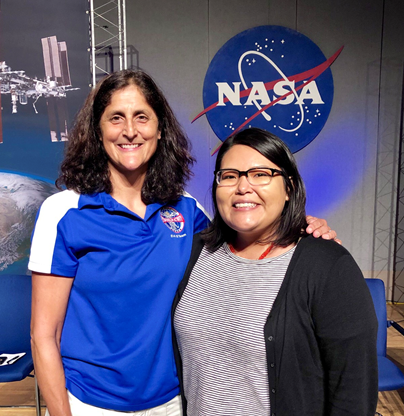
Navajo Technical University Student Explores NASA’s Space Flight Technology, and the History of Her Own Tribe’s Technological Journey
As the country celebrated the 50th anniversary of humankind’s first visit to the moon, American Indian College Fund Student Ambassador and Scholar, Nylana Murphy, was working on the next generation of spaceflight hardware and connecting her community to the history of Navajo technology and creation.
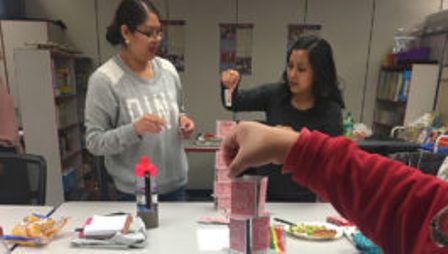
SIPI Utilizes Online Learning Communities to Enrich Teacher Training
For SIPI’s Early Childhood Education (ECE) students earning an associate degree, the curriculum provides practicum experience for students in both infant and toddler classrooms. SIPI’s Early Childhood Learning Center (ECLC) serves as both the lab school for the program and the site for student practicums.
