
Planting the Seeds of Cultural Sustainability
April 22, 2026 | Student Ambassador Aiyanna Tanyan’s (Seminole Nation of Oklahoma) work to reclaim food sovereignty
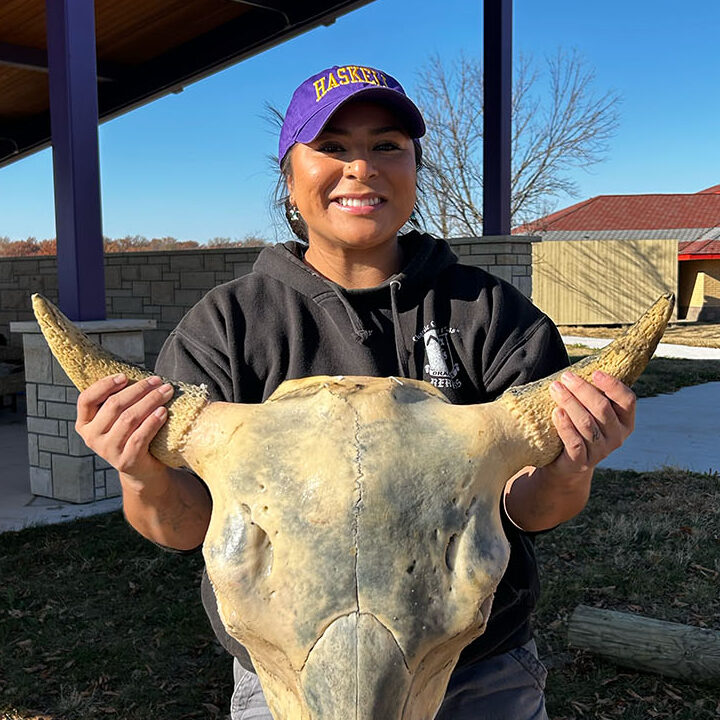
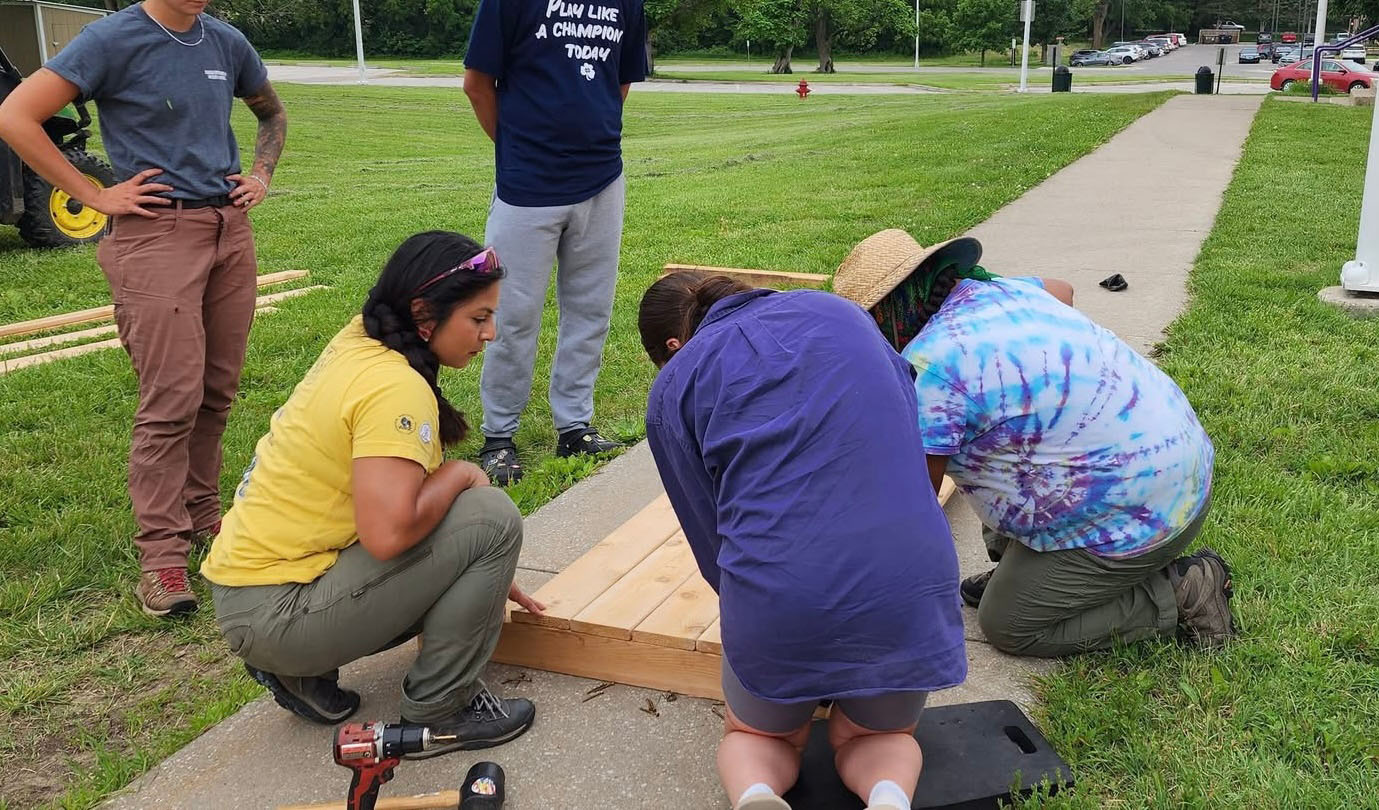
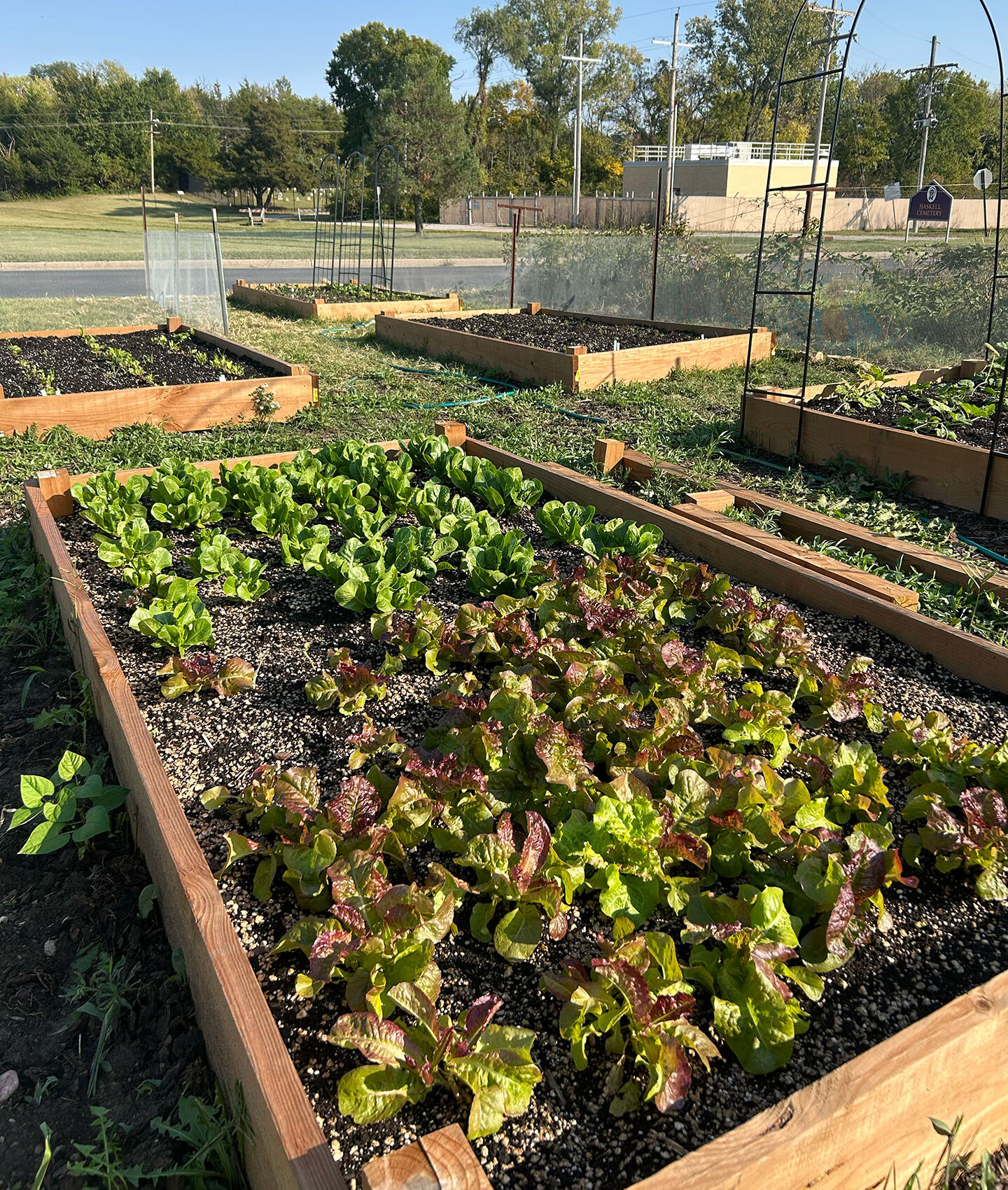
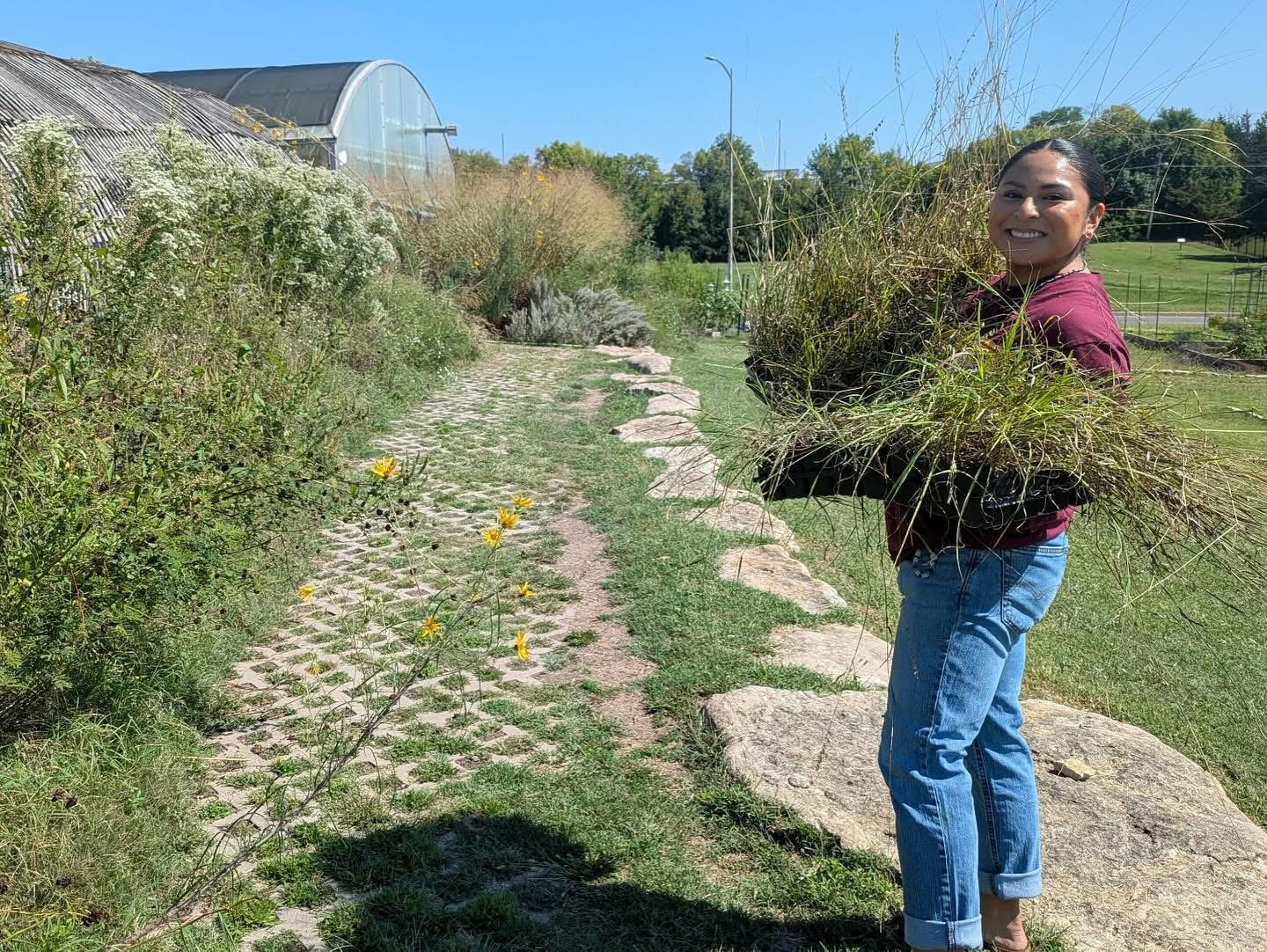
We came up with the idea of building raised garden beds near the dorms so students can easily access fresh foods and learn how to grow them themselves. Through support from the Haskell Greenhouse (funded through the USDA Equity Grant), we started building.
Last year was our first year doing this project and it was a learning experience as with many community-based projects, it comes with trial and error. However, that process taught us a lot about what works, what doesn’t, and how to build something more sustainable moving forward. This year, we’re continuing this work with stronger systems, more involvement, and a clearer vision.
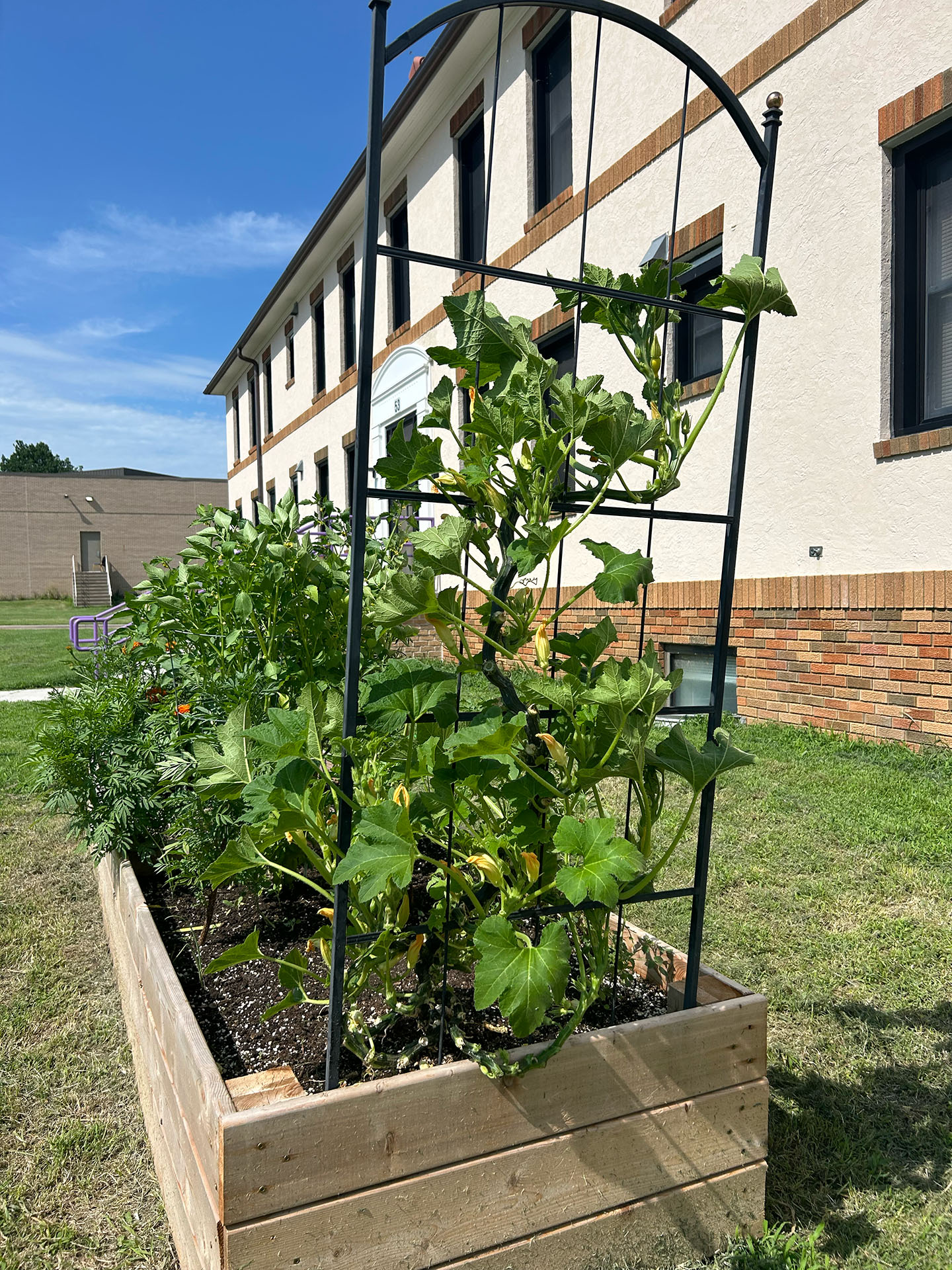
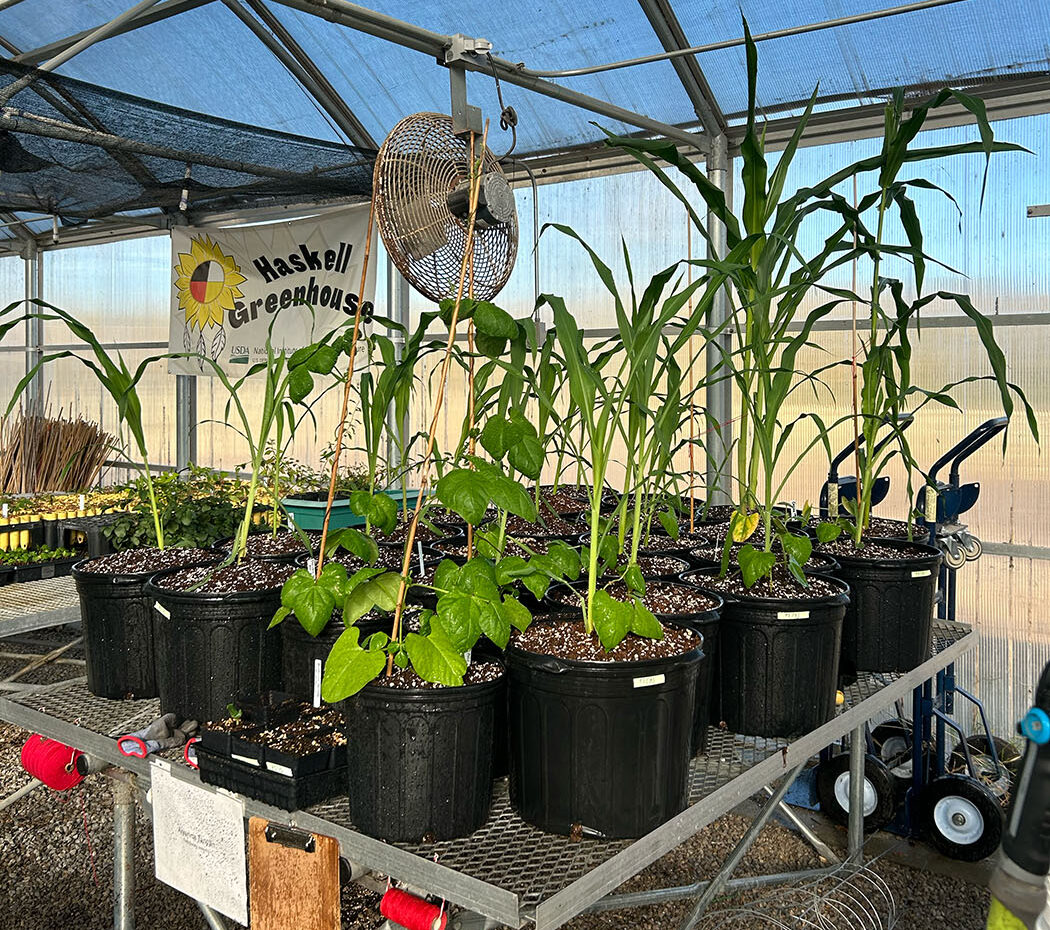
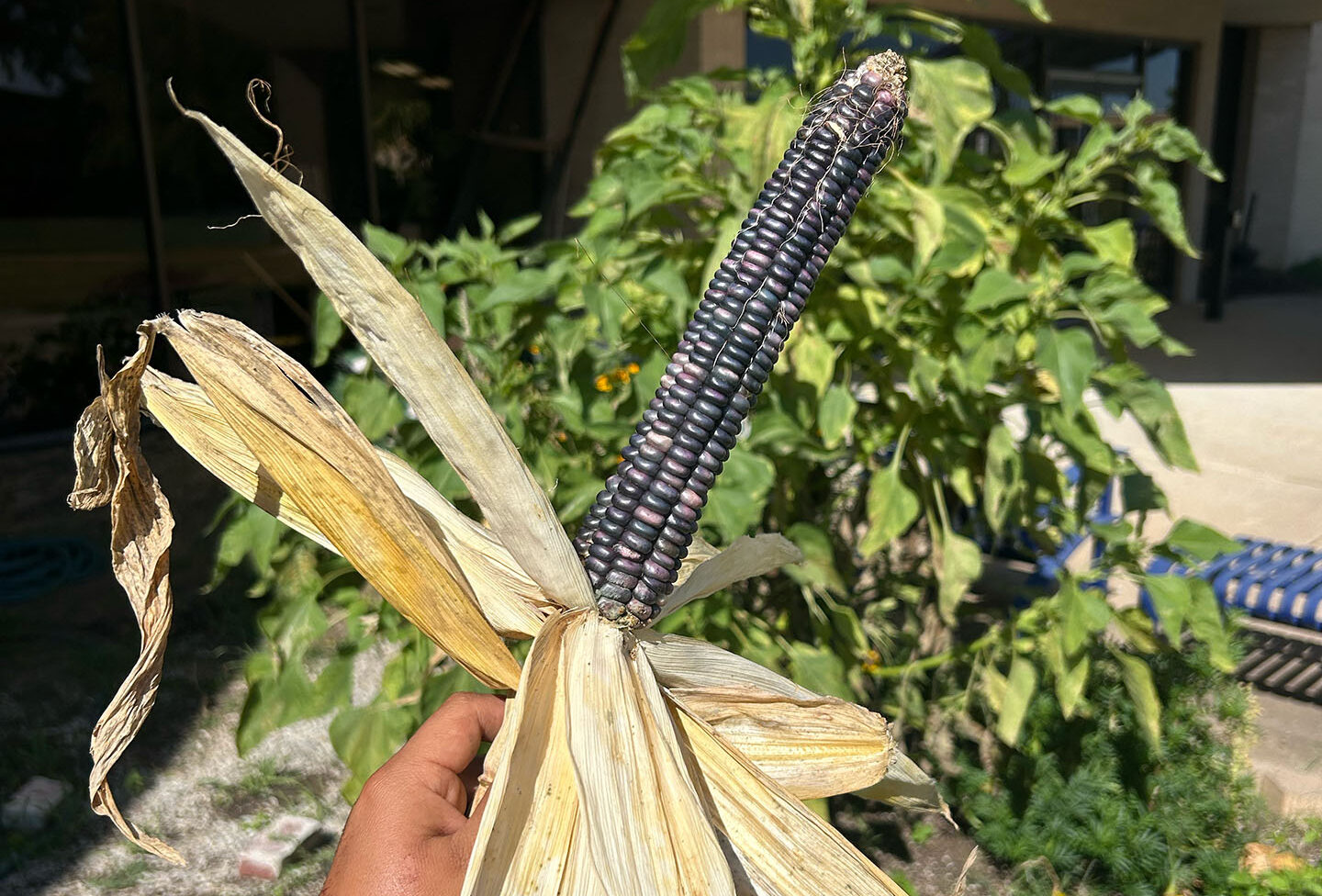
Everyone at the Haskell Greenhouse wants to help others learn, value, and view these spaces as places of teaching. I know they have taught me so much about responsibility and our relationship with the environment. Through these projects, we’re helping students reconnect with the land and understand the importance of food sovereignty for Indigenous communities. This work is ongoing, and we’re still learning. Every seed planted, and every workday shared brings us one step closer to a more sustainable and connected future.
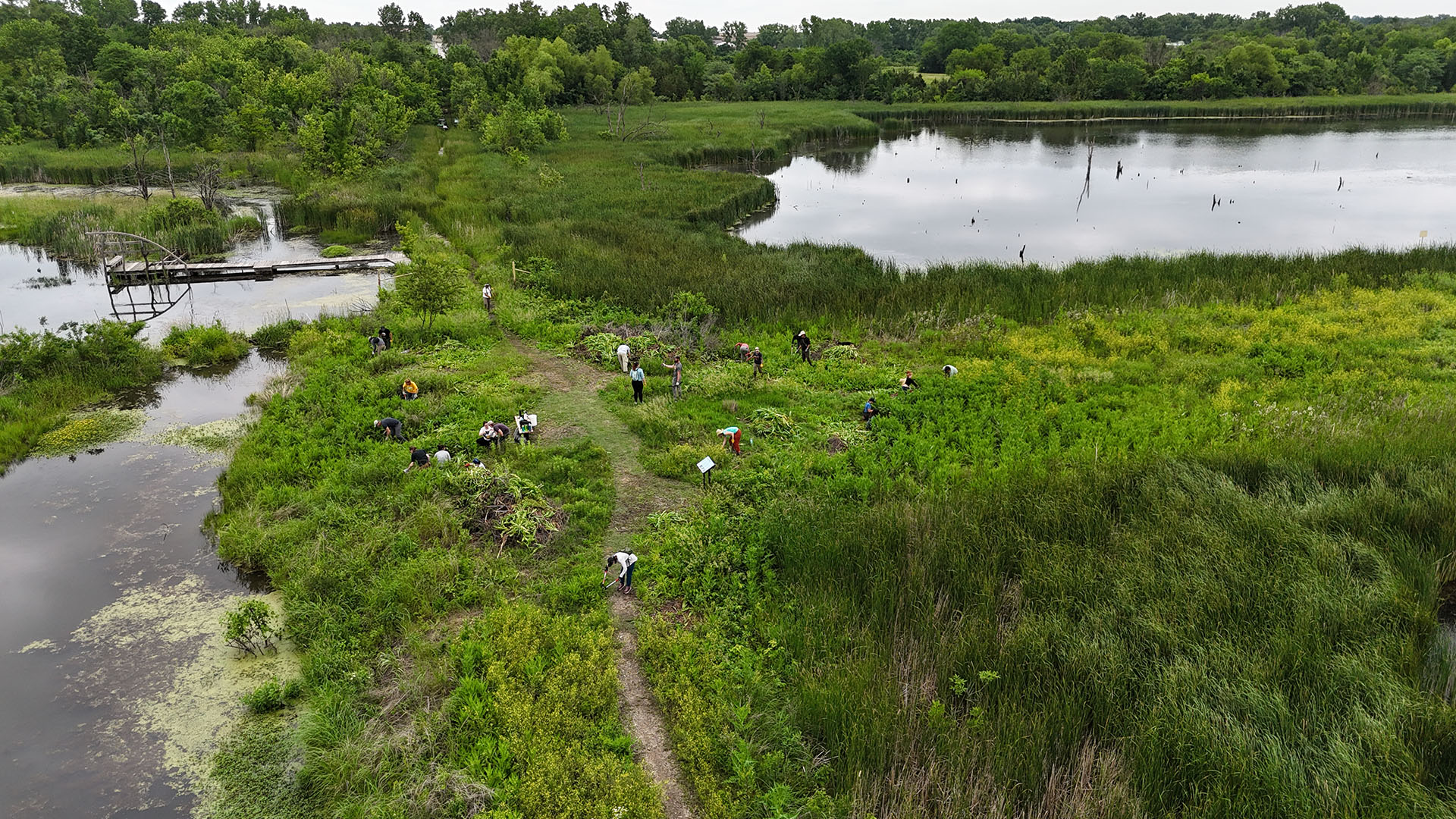
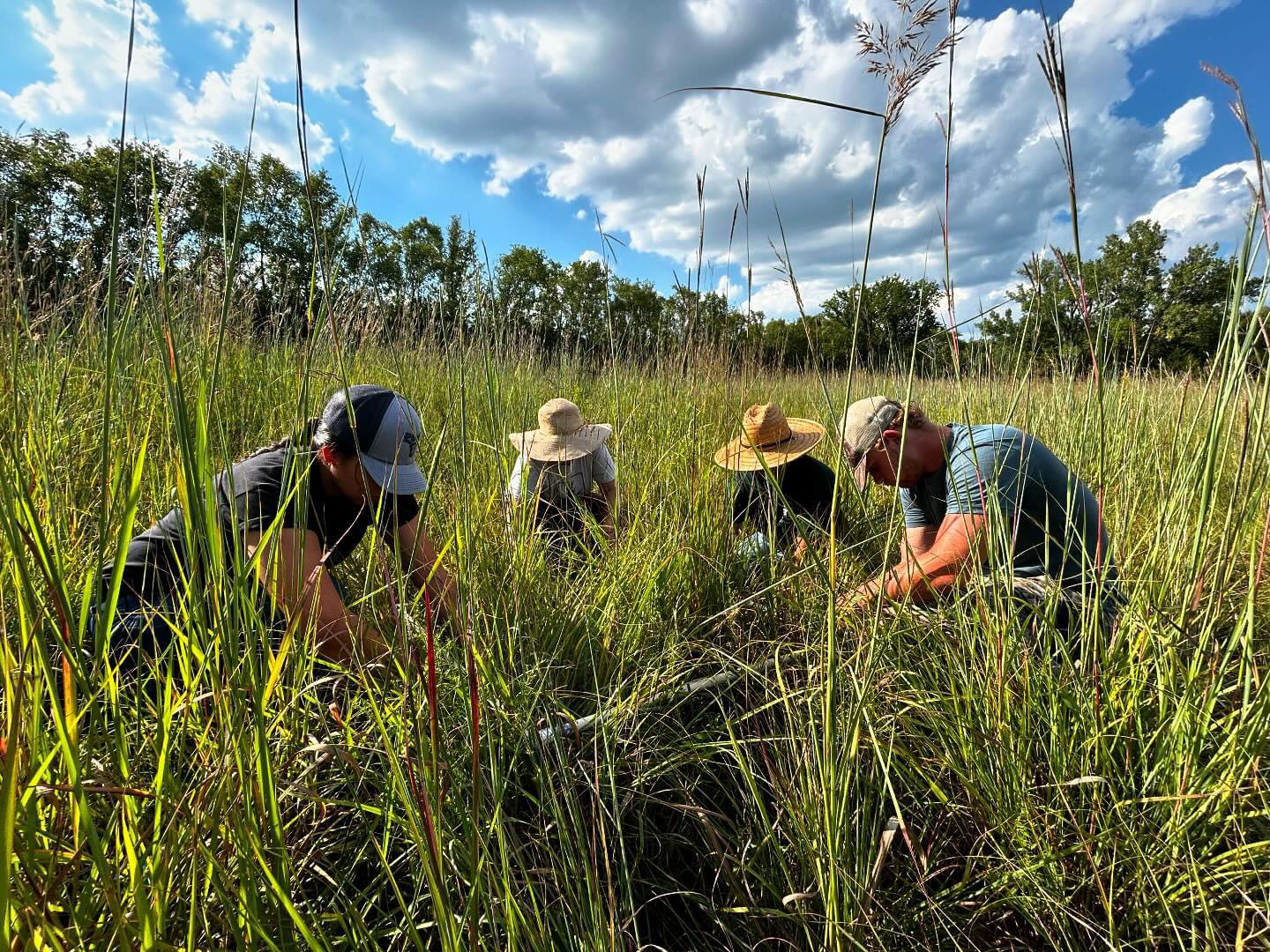
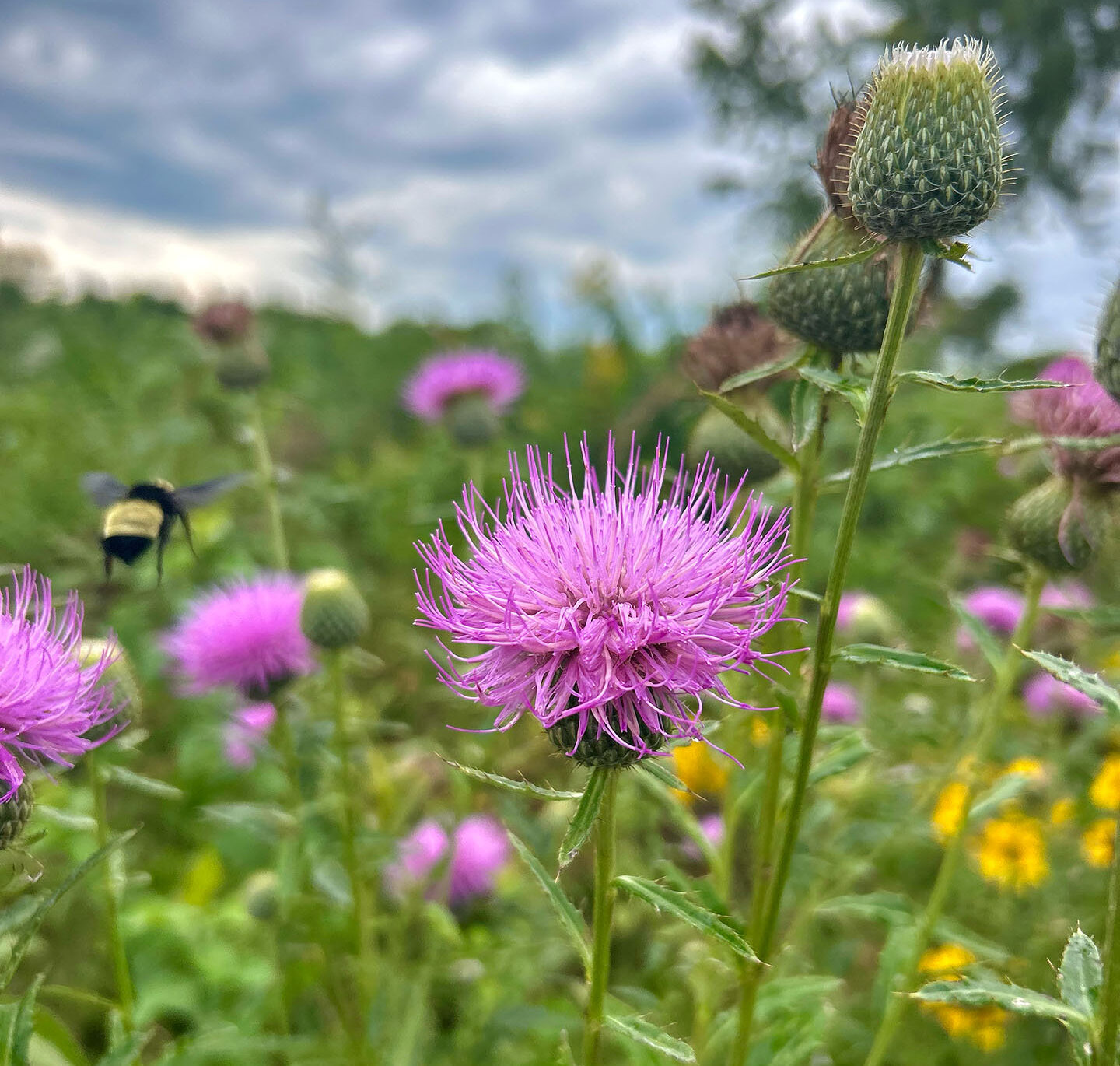
In Caring for Our Kin: Stories of Indigenous Environmental Stewardship, the College Fund shares the stories of Indigenous environmental leaders who are centering kinship and relational knowledge to build healthy ecological systems. These stories remind us that caring for the Earth means caring for one another—and that Indigenous knowledge systems continue to offer guidance, resilience, and hope for the future.
Learn more about our Environmental Stewardship Program.
Ekvnv Vcayecet. Mvto!
(Take care of the Earth/Land. Thank you)
More Blogs
Student Spotlight: Charity Valentin – American Indian College Fund
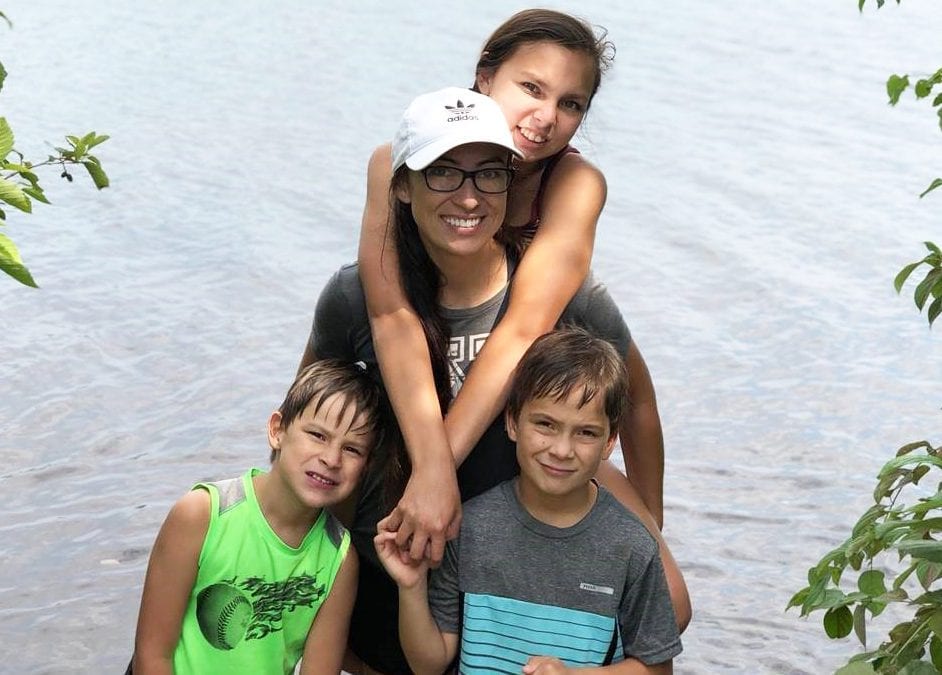
American Indian College Fund Full Circle Scholarship Recipient, Charity Valentin (Lac Courte Oreilles Ojibwe) has three children and lives in Hayward, Wisconsin. Like many students, she has followed a non-traditional path to college – returning 10 years after high school. Charity obtained her Associate’s Degree from Lac Courte Oreilles Ojibwa Community College
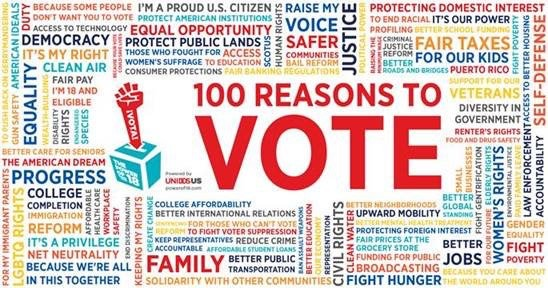
Make Your Voice Heard! Register to Vote!
Today is National Voter Registration Day. Following are voter registration and voter issue tools to educate yourself and help engage others to get out the vote.
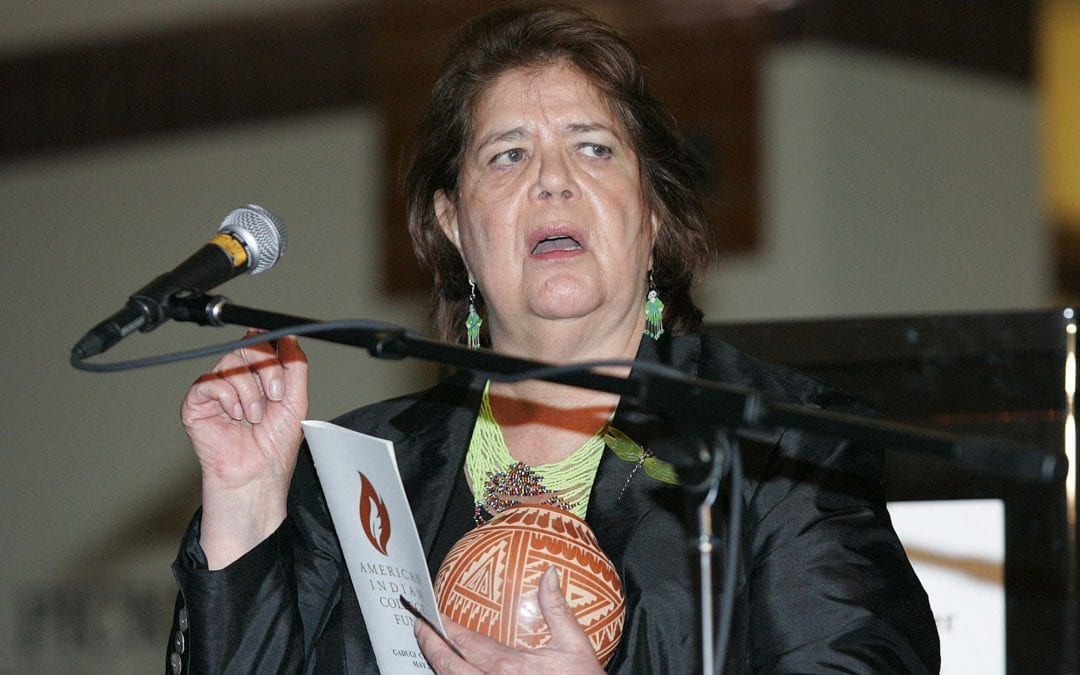
Show Up: Your Duties as a Native Person, From Citizenship to Voting
While we have always been citizens of our own nations since time immemorial it was not until 1924 when all American Indians born within the territorial limits of the U.S. were recognized as citizens, allowing us the right to vote. Today, a record number of Native candidates are running for office, making the 2018 election exciting. In early September, Indian Country Today reported that 52 Native American women are running for high-level positions in state legislatures, congress, and the position of governor.

Student Spotlight: Alumnus Dakota Kahbeah
American Indian College Fund Full Circle Scholarship recipient Dakota Kahbeah is from Okmulgee, OK, and is a member of the Muscogee (Creek) Nation. He recently graduated from the College of the Muscogee Nation, where he majored in tribal services.
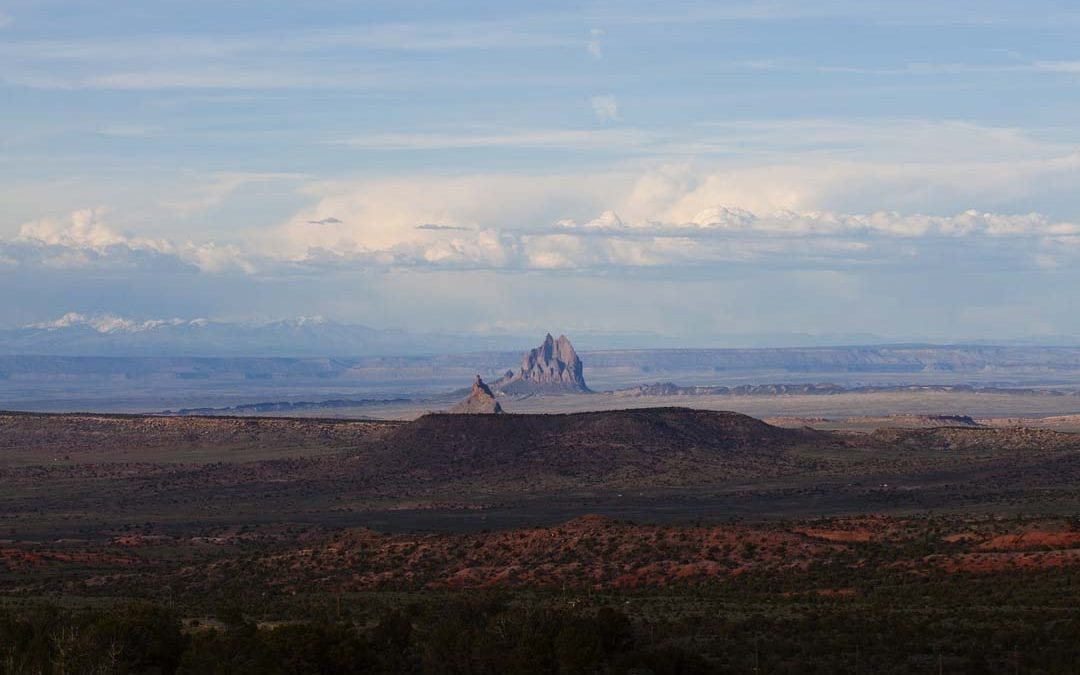
APS Foundation Provides STEM Education to Navajo Scholars through $100,000 Grant to American Indian College Fund
While a college education can provide a clear path to a successful future, for many, high fees coupled with low incomes too often mean that a college degree is simply out of reach. Currently only 14% of American Indians have a college degree—less than half the national average.
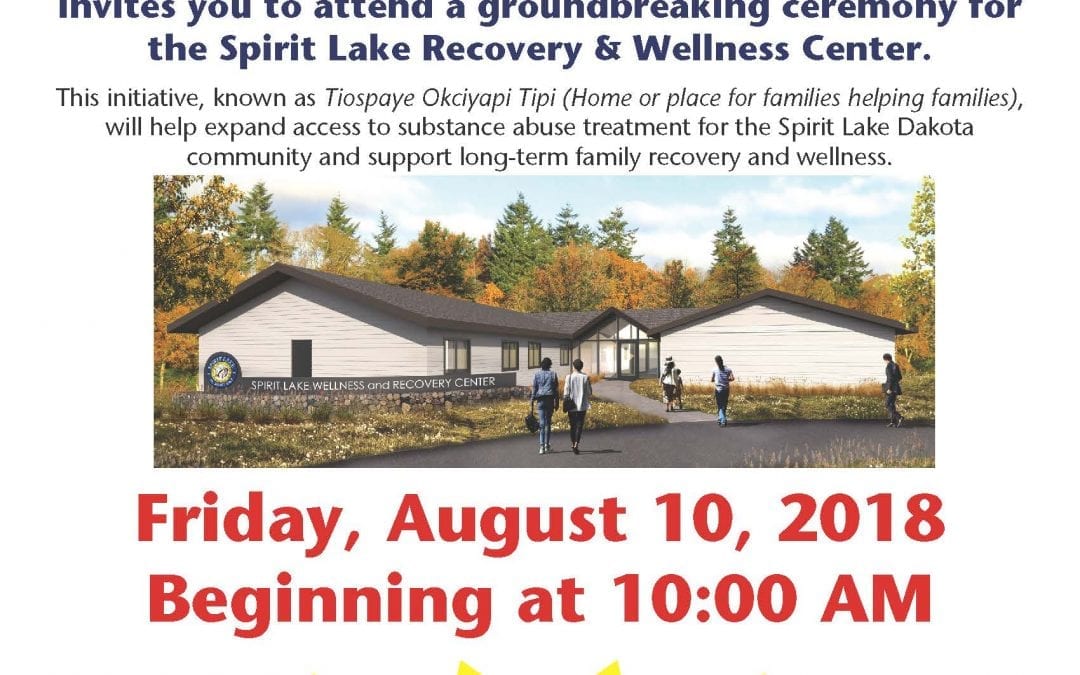
Spirit Lake Dakota “Tiospaye Okciyapi Tipi” Center Groundbreaking is August 10
Cankdeska Cikana Community College, the Spirit Lake Dakota Nation and the United Health Foundation are inviting the public to attend a groundbreaking ceremony for the Spirit Lake Recovery and Wellness Center at 10:00 a.m. on Friday, August 10, 2018.
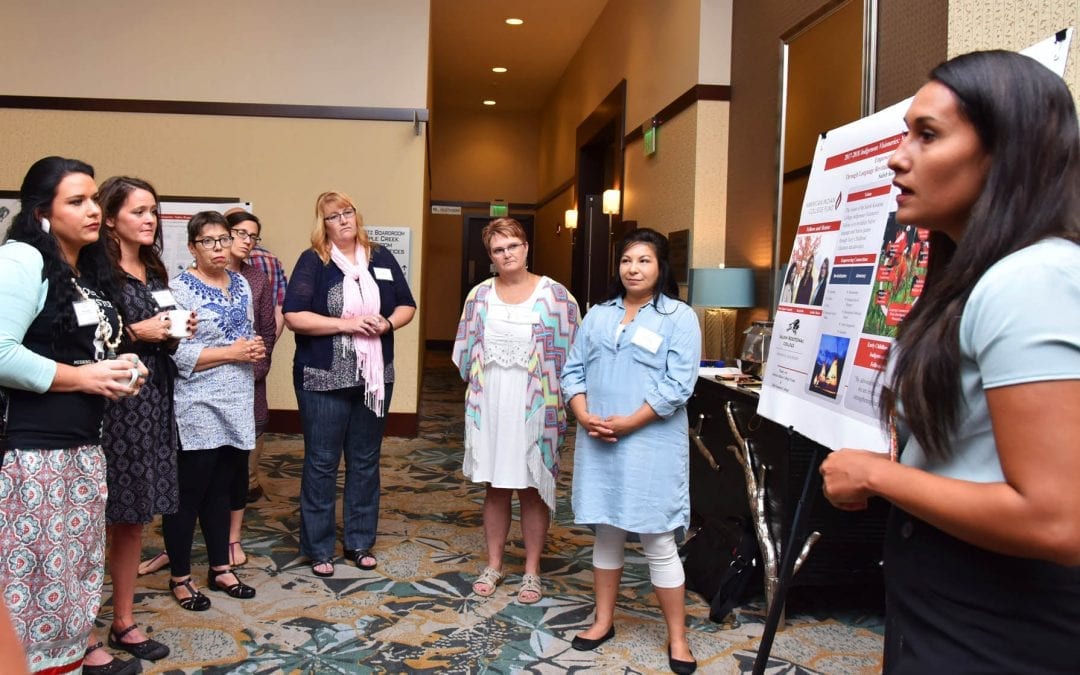
American Indian College Fund Hosts Fifth Annual Tribal College Research Convening
The American Indian College Fund is a leader in sponsoring tribal college and university (TCU) research about higher education in American Indian and Alaska Native communities and providing avenues for collecting and disseminating research.
Language and Culture: Gifts that Keep on Giving
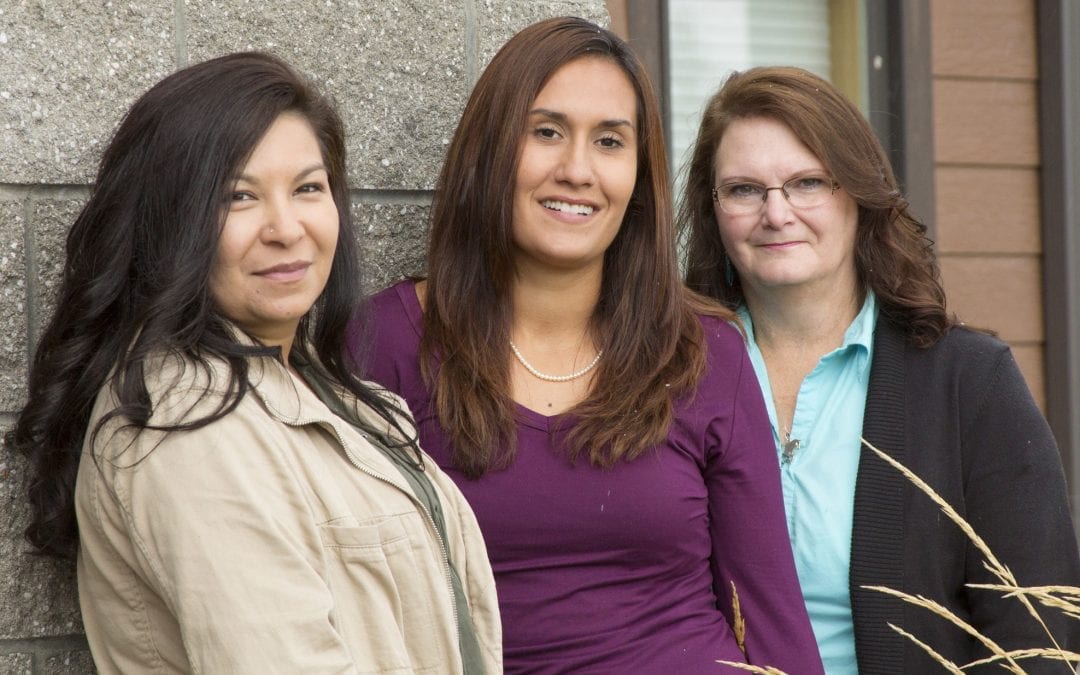
My love for the Salish language was fostered at a young age. Driving with my Sile (grandfather), he would point at things and teach me new Salish words, feeding my passion.
After my Sile passed on, my brother took on the role of teaching me the language.
Empowering Children with Special Needs — A Teacher’s Passion
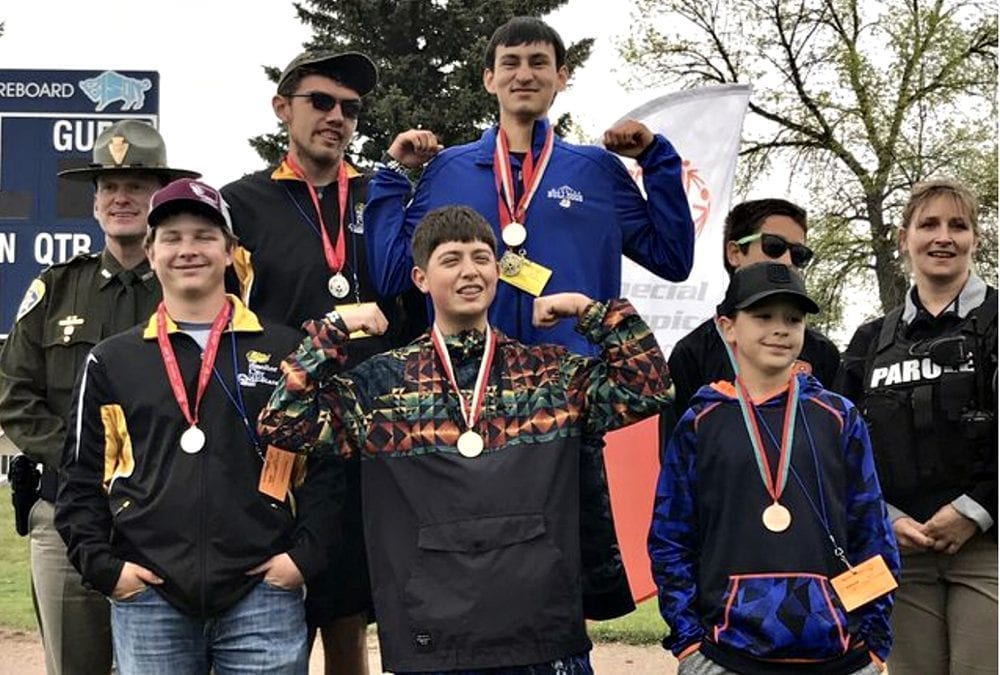
As a mother of five children, my fourth-born son, was measurably behind reaching milestone after milestone. Knowing not all children develop at the same pace, it got harder to watch him struggle as he got older. The inefficacy in his education was apparent. I was disappointed by the anxiety school caused him with no resolution.
College Fund Names Five Tribal College Grantees for ECE Program
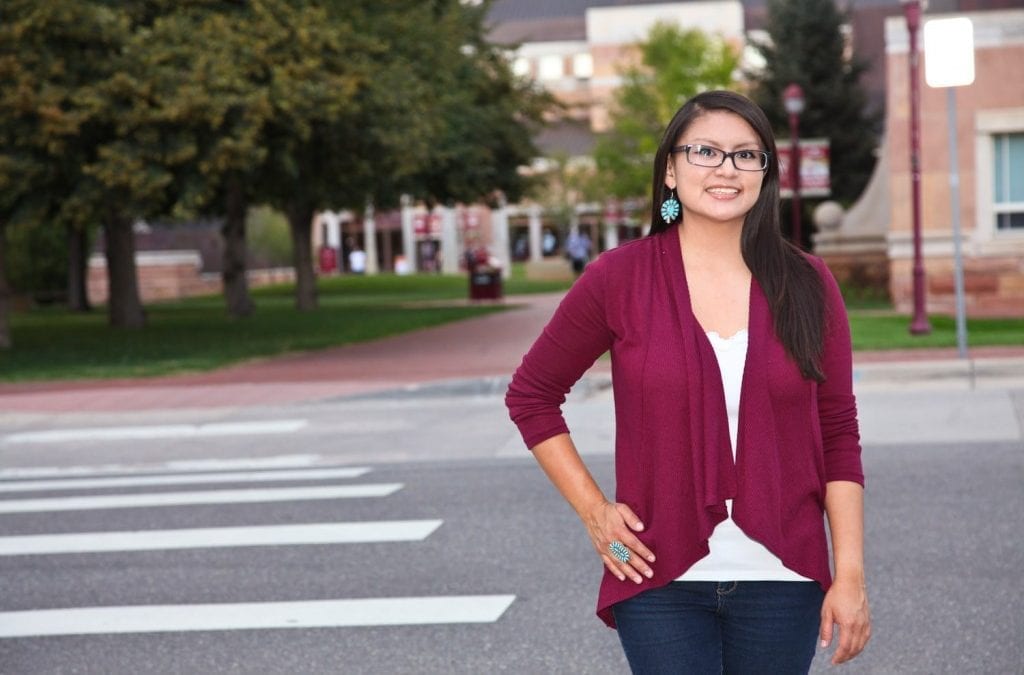
Research has shown that children of color are more likely to succeed when they have a teacher of the same race. Yet Native American children are much more likely to have a white teacher than a Native teacher.
