
Planting the Seeds of Cultural Sustainability
April 22, 2026 | Student Ambassador Aiyanna Tanyan’s (Seminole Nation of Oklahoma) work to reclaim food sovereignty
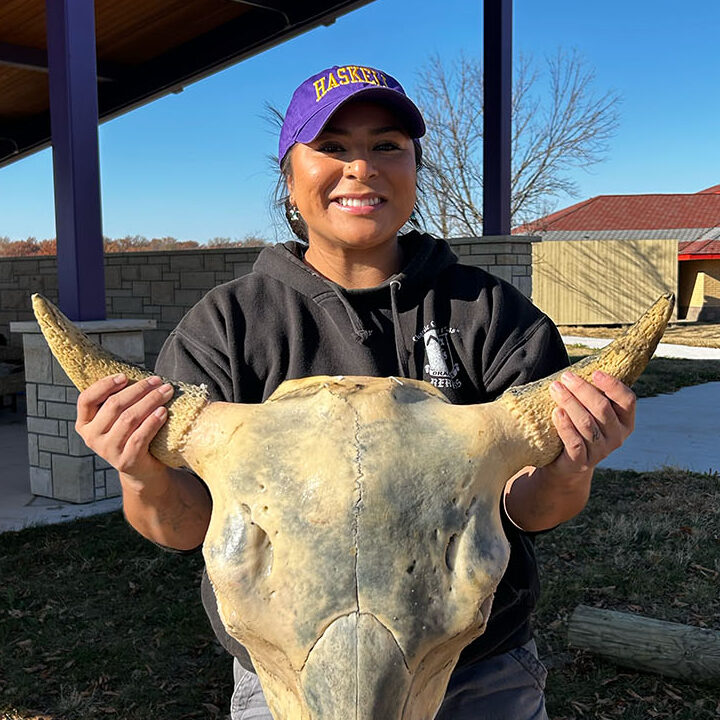
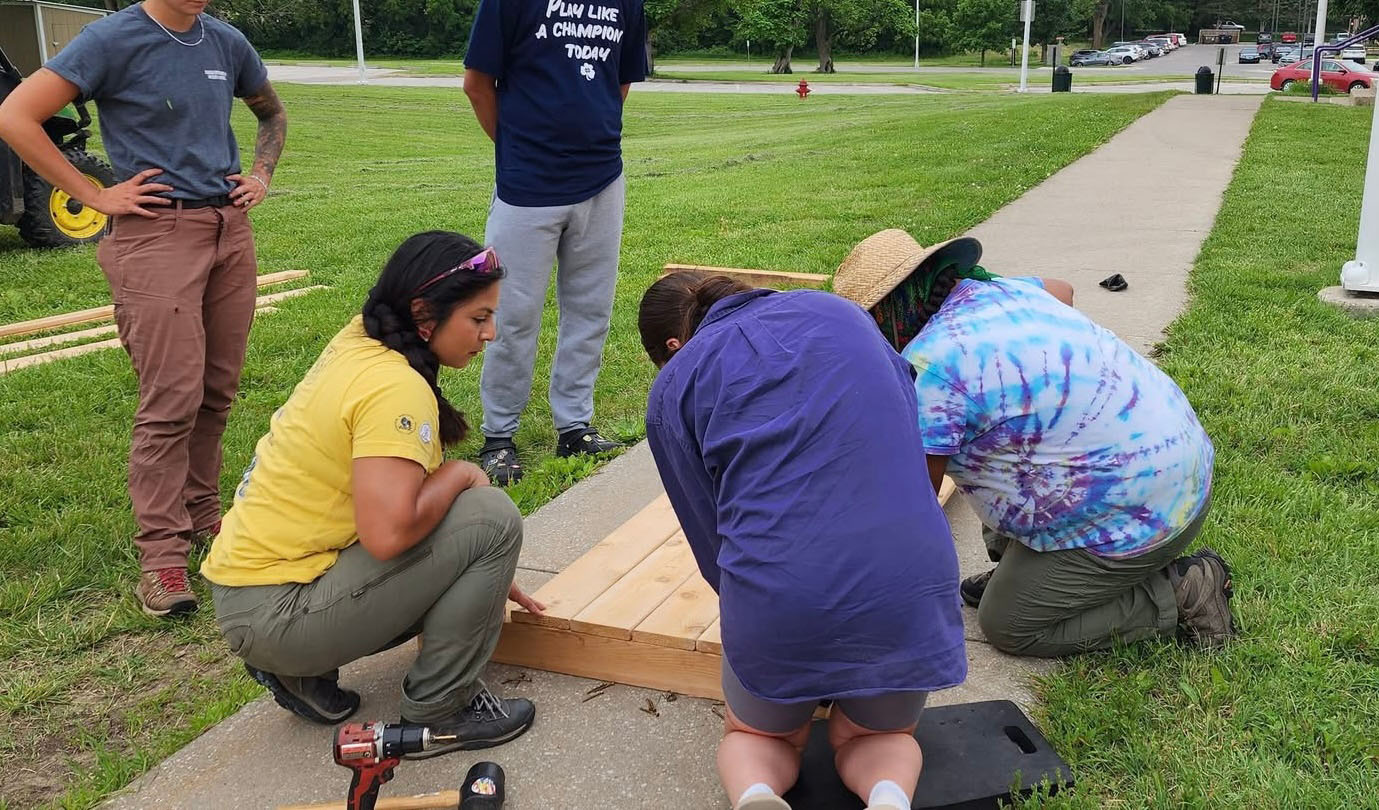
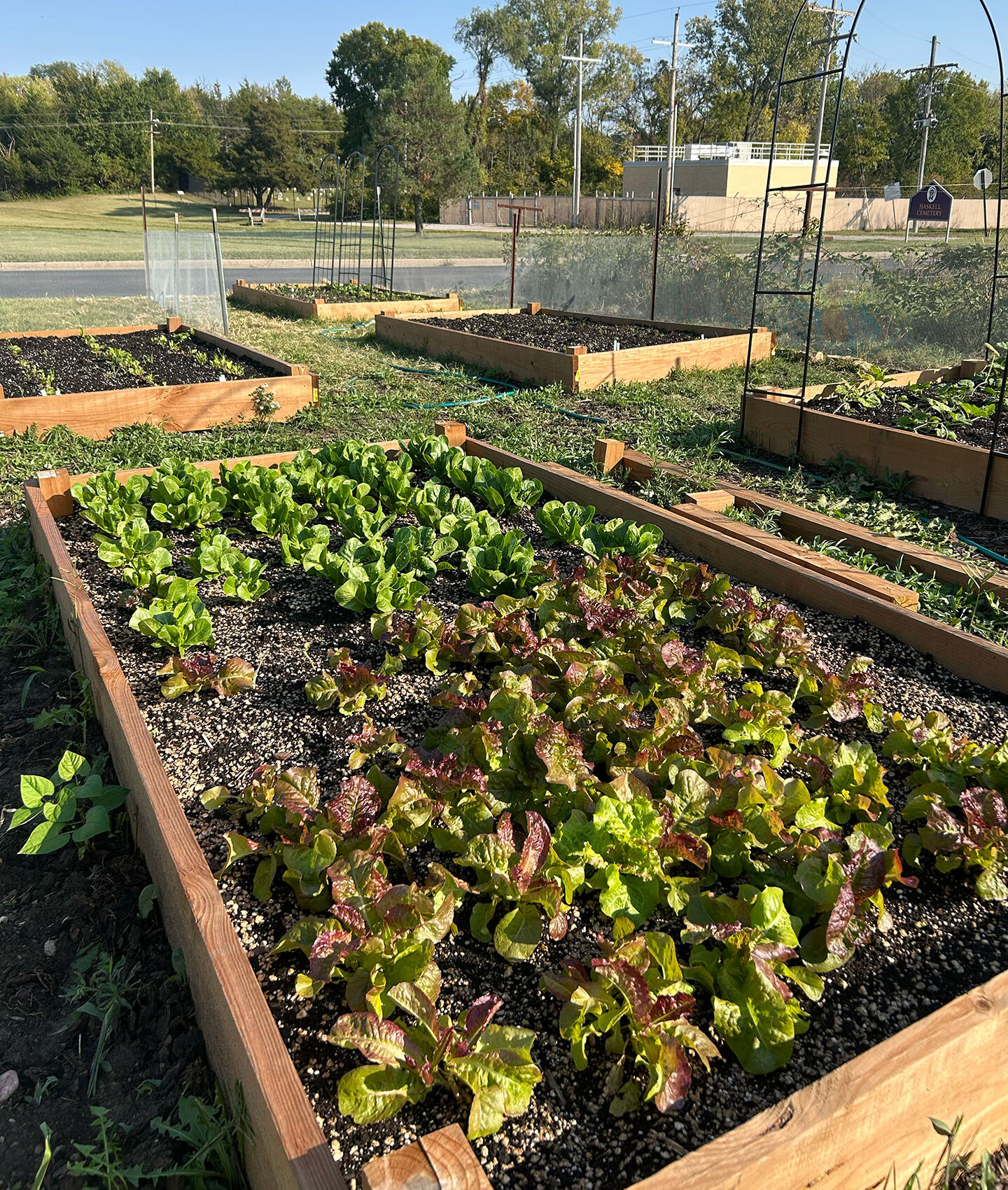
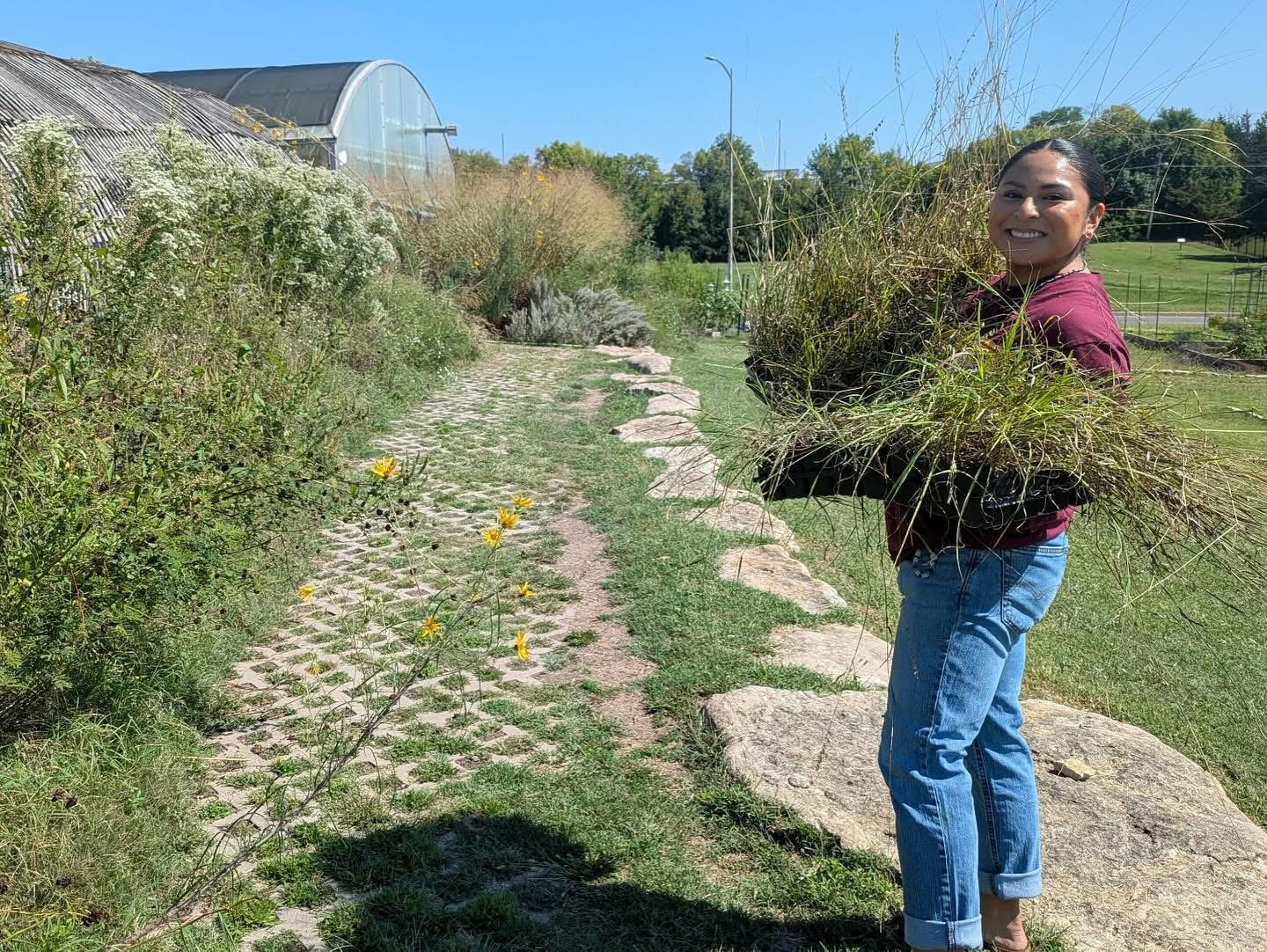
We came up with the idea of building raised garden beds near the dorms so students can easily access fresh foods and learn how to grow them themselves. Through support from the Haskell Greenhouse (funded through the USDA Equity Grant), we started building.
Last year was our first year doing this project and it was a learning experience as with many community-based projects, it comes with trial and error. However, that process taught us a lot about what works, what doesn’t, and how to build something more sustainable moving forward. This year, we’re continuing this work with stronger systems, more involvement, and a clearer vision.
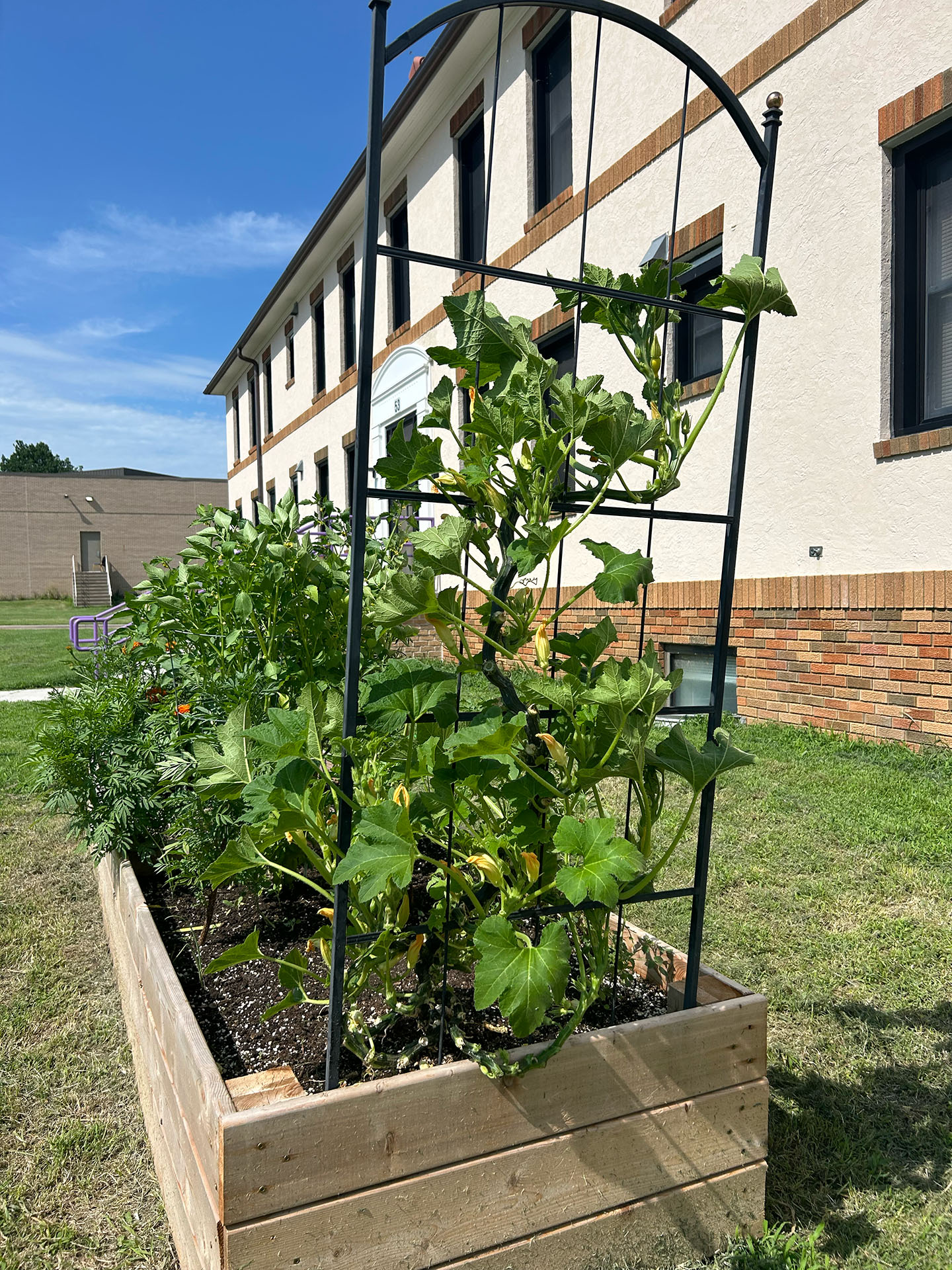
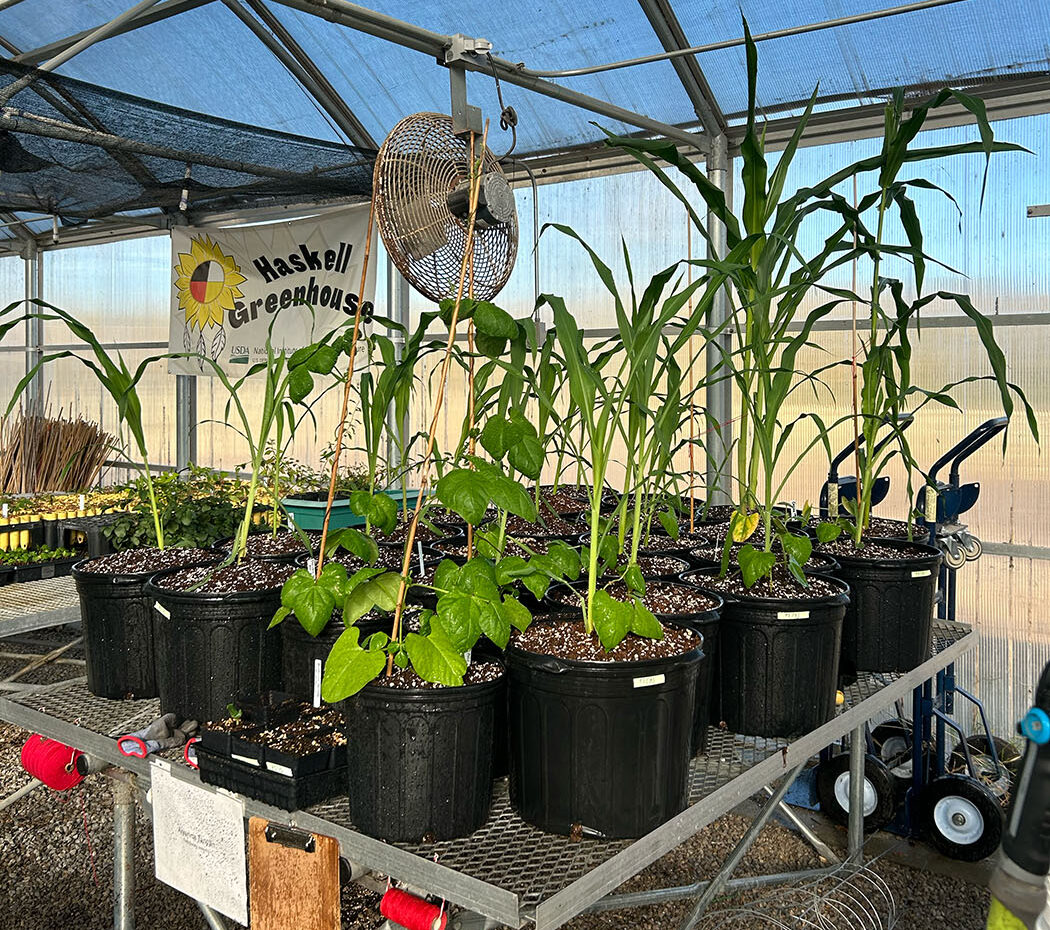
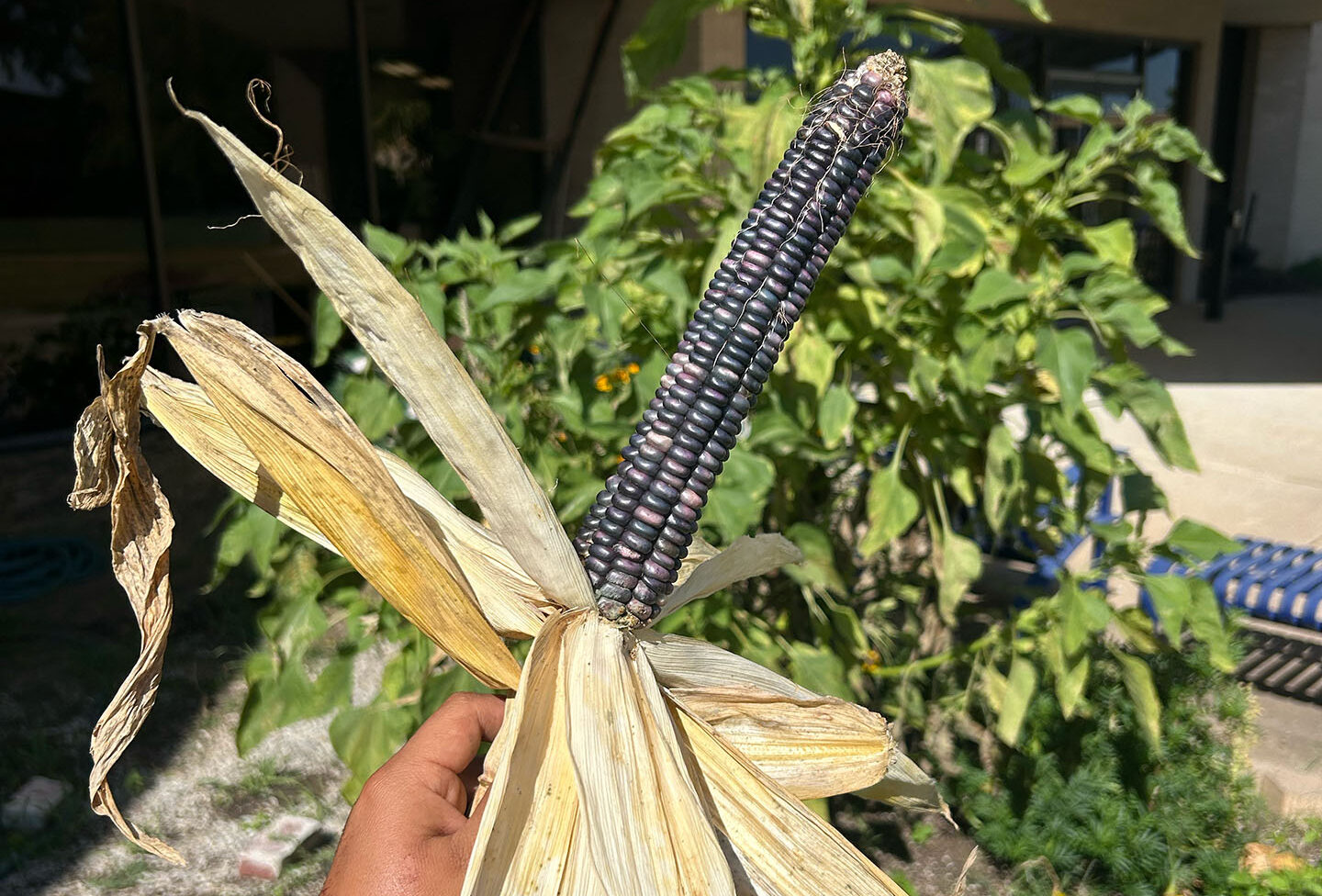
Everyone at the Haskell Greenhouse wants to help others learn, value, and view these spaces as places of teaching. I know they have taught me so much about responsibility and our relationship with the environment. Through these projects, we’re helping students reconnect with the land and understand the importance of food sovereignty for Indigenous communities. This work is ongoing, and we’re still learning. Every seed planted, and every workday shared brings us one step closer to a more sustainable and connected future.
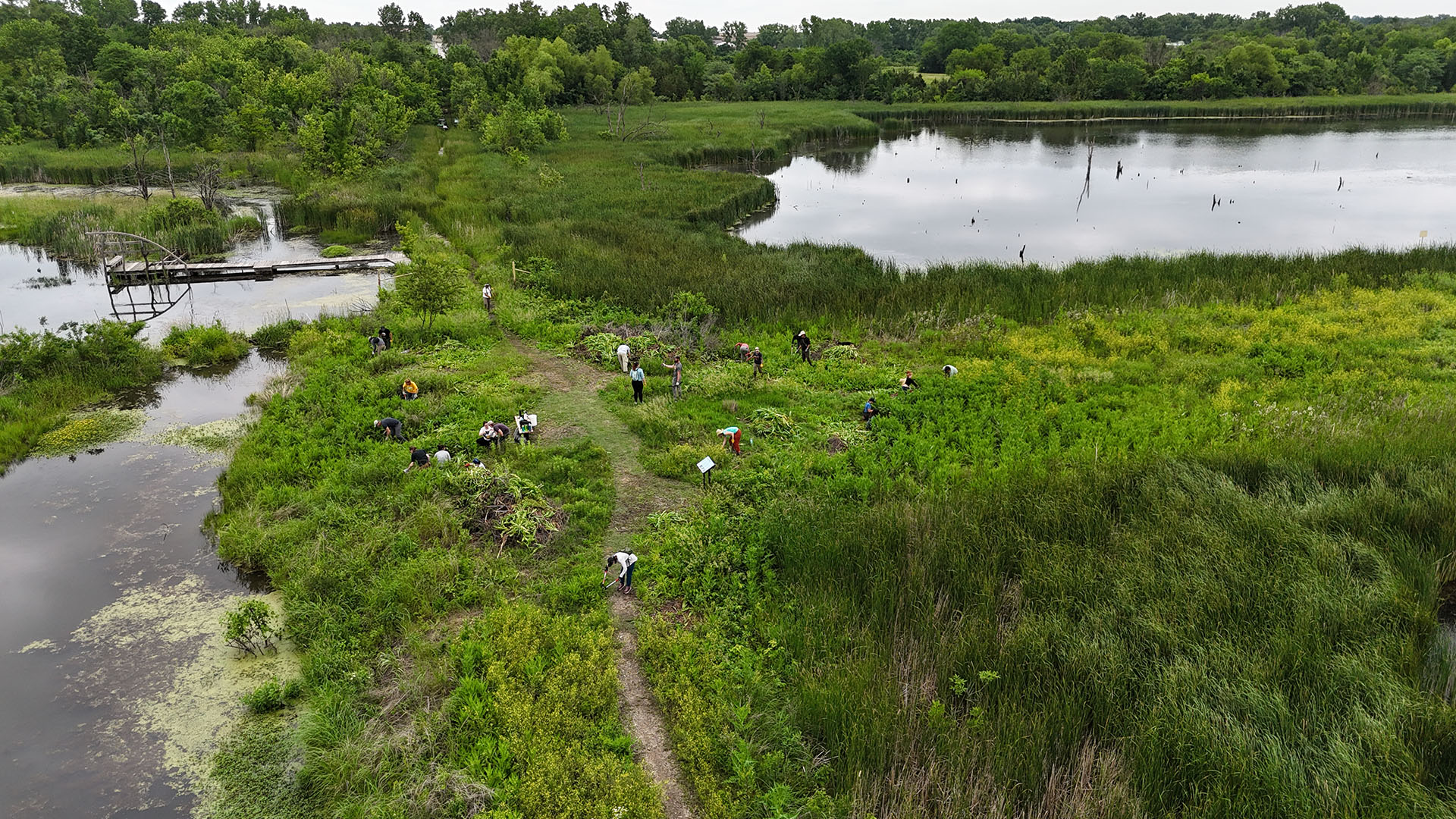
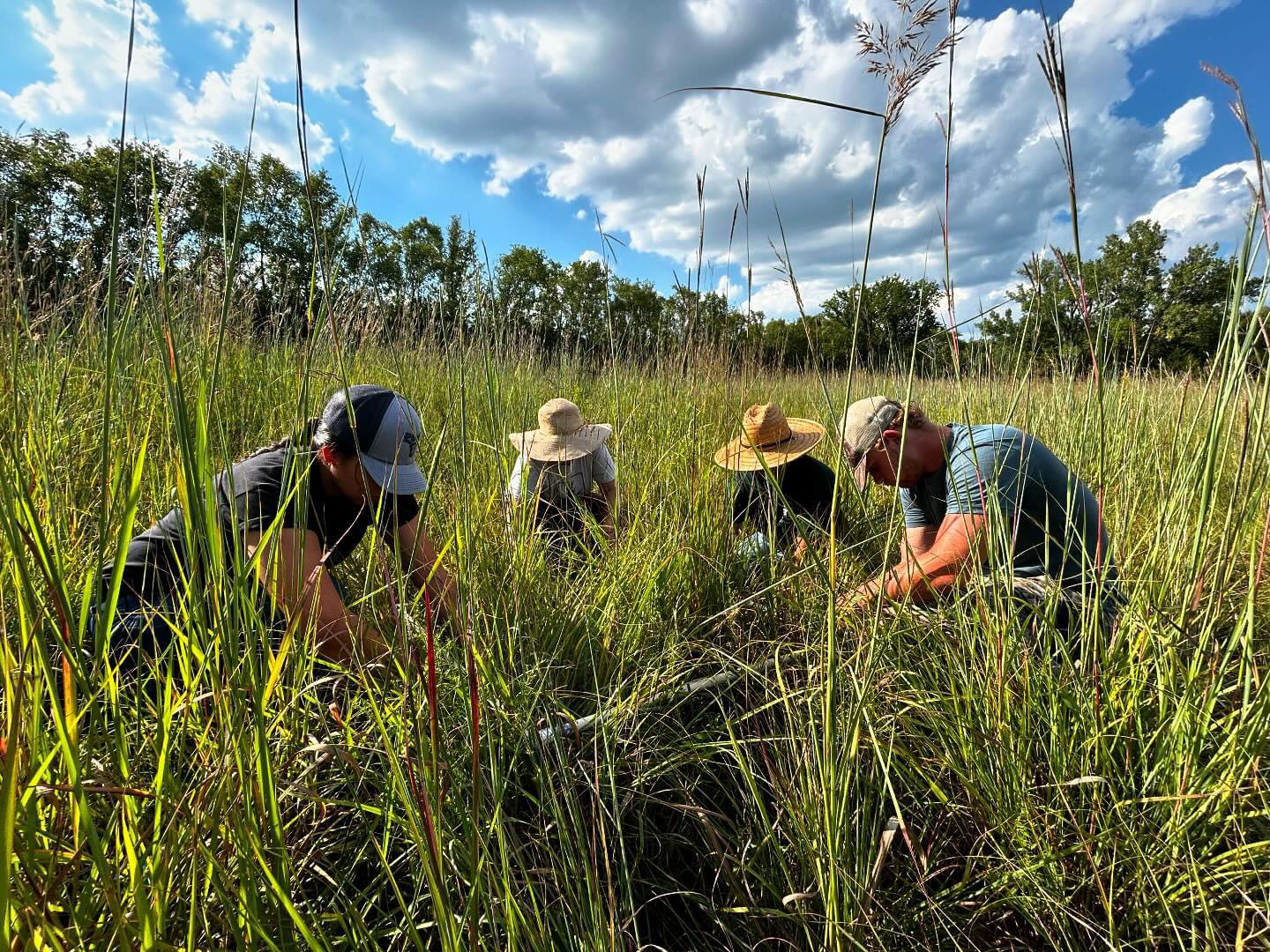
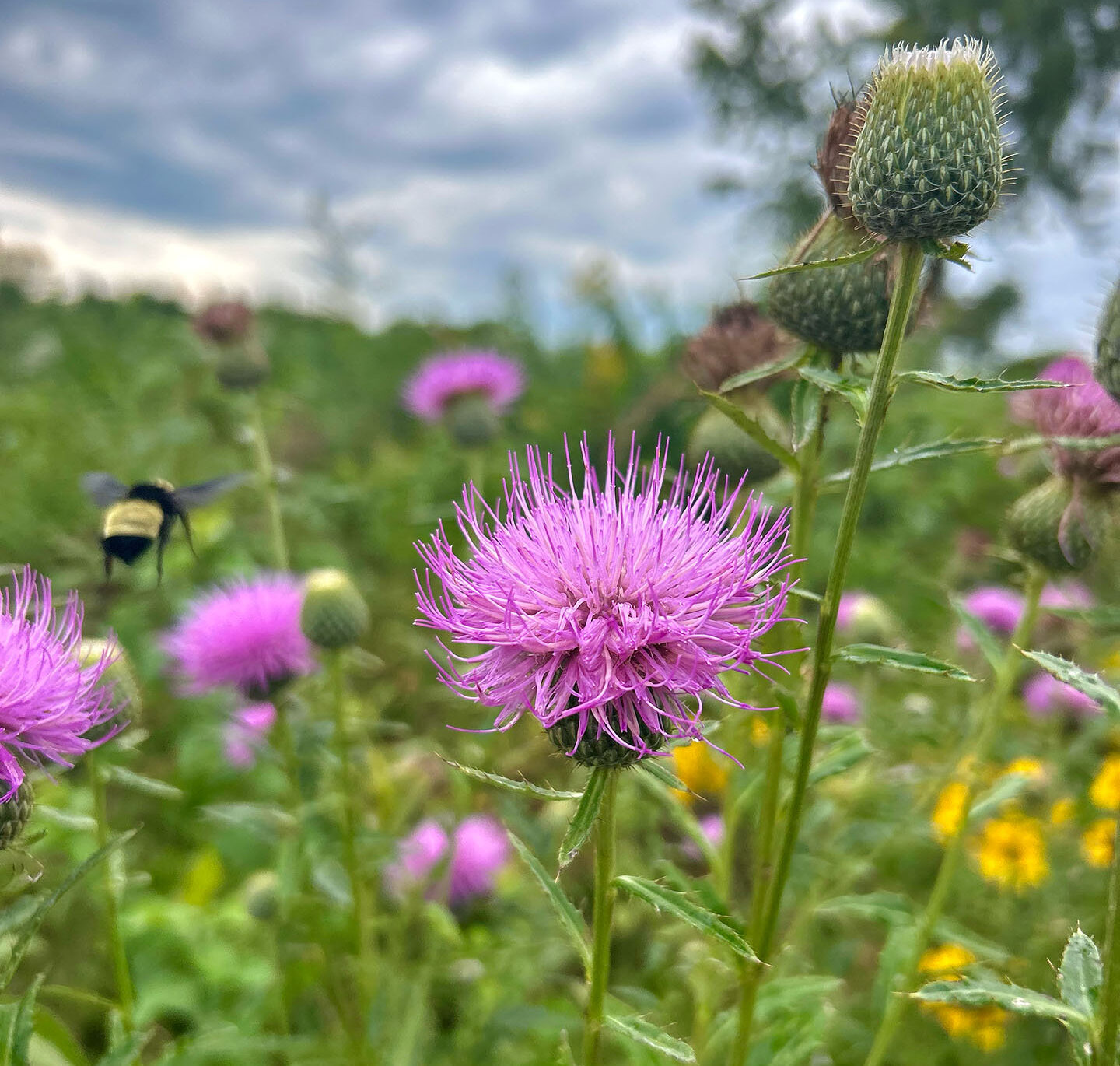
In Caring for Our Kin: Stories of Indigenous Environmental Stewardship, the College Fund shares the stories of Indigenous environmental leaders who are centering kinship and relational knowledge to build healthy ecological systems. These stories remind us that caring for the Earth means caring for one another—and that Indigenous knowledge systems continue to offer guidance, resilience, and hope for the future.
Learn more about our Environmental Stewardship Program.
Ekvnv Vcayecet. Mvto!
(Take care of the Earth/Land. Thank you)
More Blogs
College Fund Honored in NYC for Native Cultural Festival
Drums Along the Hudson, a New York non-profit organization that sponsors an annual music and multi-cultural festival in celebrating American Indian contributions to the environment and culture, has named the American Indian College Fund as one of its 2016 honorees.
Early Childhood Expert Honored by Harvard Graduate School of Education’s Alumni Council
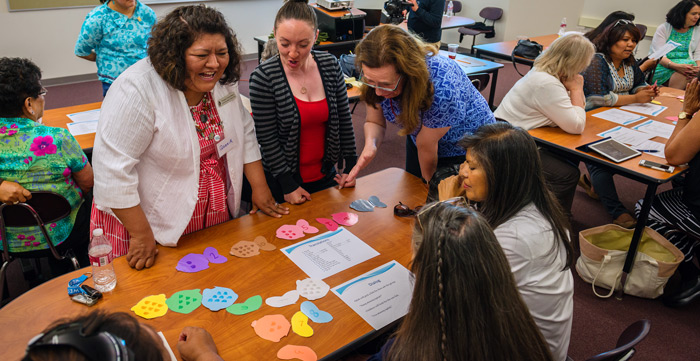
Congratulations to the American Indian College Fund’s Tarajean Yazzie-Mintz, the 2016 recipient of Harvard Graduate School of Education’s Alumni Council Award for Outstanding Contribution to Education.
College Fund Receives Grant from The Andrew W. Mellon Foundation to Increase Native Graduation
The American Indian College Fund will create pathways to college for Native American youth to improve access to college, thanks to a $2.4 million grant from The Andrew W. Mellon Foundation. The three-year, three-pronged program, called The Native Pathways to College Project, will begin June 1st of this year.
Tribe’s First Master’s Degree Recipient, Historian, and War Chief Dies at Age 102
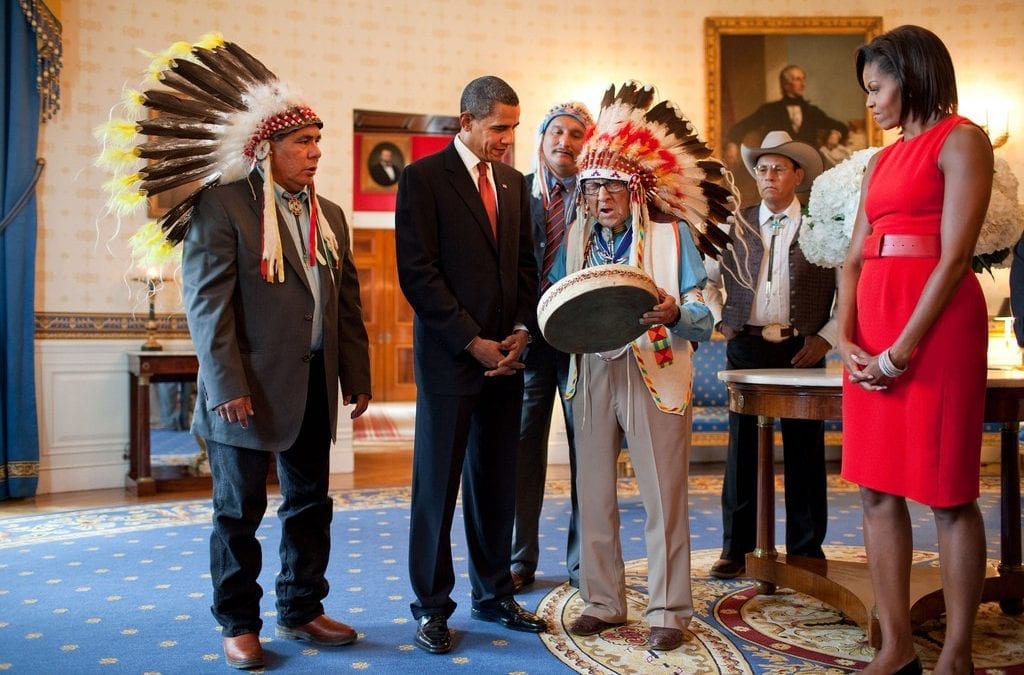
Presidential Medal of Freedom recipient Joseph Medicine Crow shows a drum to President Barack Obama and First Lady Michelle Obama during a reception for recipients and their families in the Blue Room of the White House, August 12, 2009. (Official White House photo by Pete Souza)
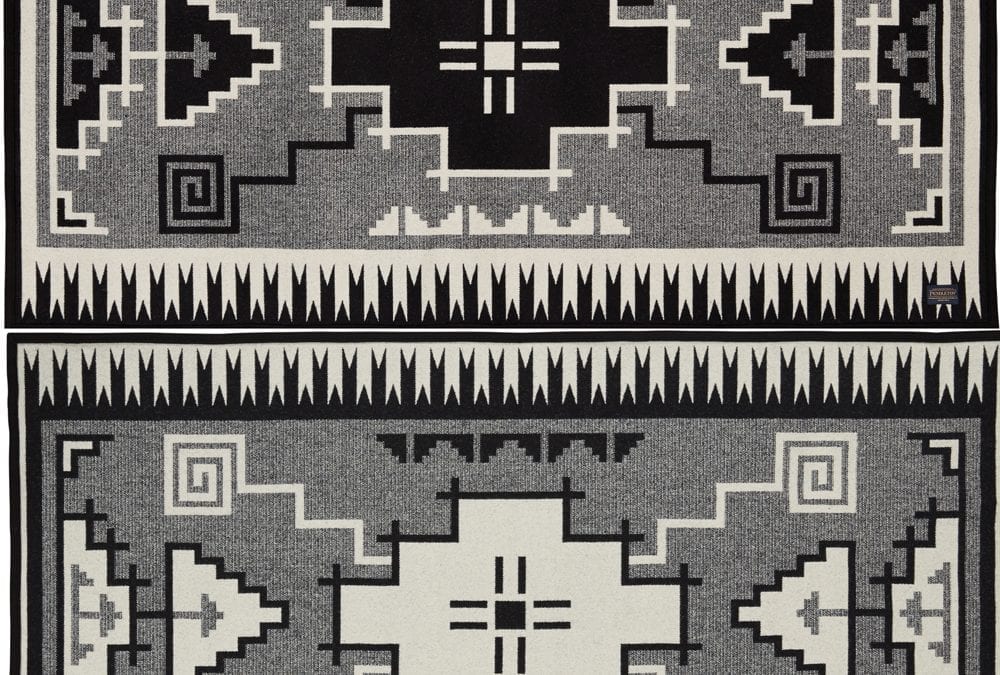
Pendleton Releases New College Fund Blanket
Pendleton Woolen Mills has released the newest blanket in its American Indian College Fund blanket line, the Naskan Saddle Blanket, from which a portion of the proceeds benefit the College Fund.
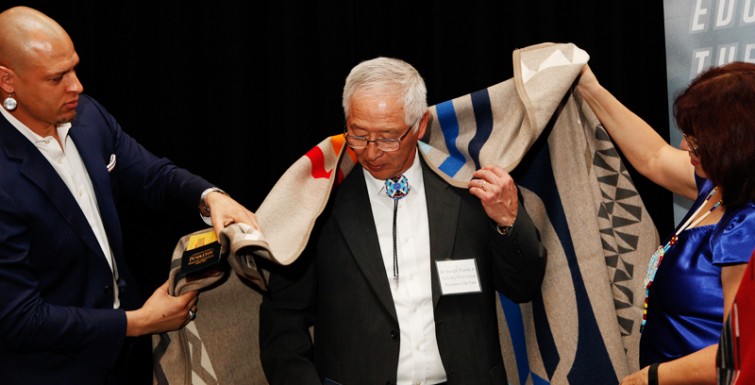
Little Big Horn College President Honored at Annual Student Celebration
Dr. David Yarlott, President of Little Big Horn College, Crow Agency, Mont., honored by American Indian College Fund with College Fund President Cheryl Crazy Bull. Dr. Yarlott received the 2016 American Indian College Fund Tribal College Honoree of the Year award for his leadership.
The College Fund Launches New Community-Based Two-Year ECE Program at Five Tribal Colleges
The American Indian College Fund, in collaboration with five tribal colleges and universities and the W.K. Kellogg Foundation, has launched a new early childhood education initiative that includes the child development knowledge from within Native American communities and the best practices of the early childhood education field.
The College Fund and Adolph Coors Foundation Honor Tribal College President and Native Students
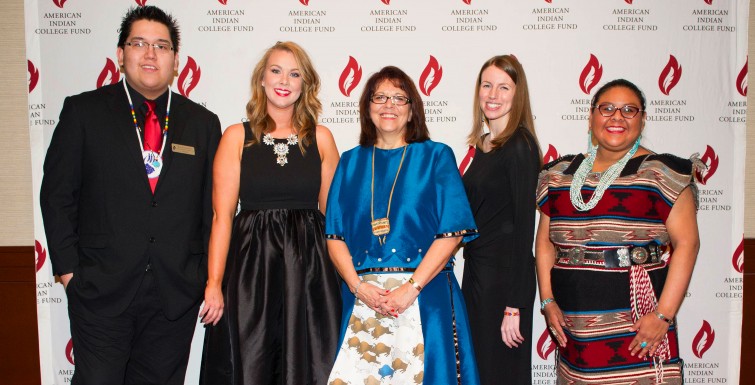
The American Indian College Fund honored American Indian scholarship recipients at its 2015-16 Student of the Year reception at the American Indian Higher Education Consortium Student Conference in Minneapolis, Minnesota. The program, sponsored by the Adolph Coors Foundation, awarded each honoree a $1,000 scholarship.
The Coca-Cola Foundation and College Fund Honor First-Generation Native Scholars
The Coca Cola Foundation and the American Indian College Fund honored 36 American Indian scholarship recipients at its 2015-16 Coca-Cola First Generation Scholarship banquet at the American Indian Higher Education Consortium Student Conference in Minneapolis, Minnesota.
Stand With Native Students, Transform Lives
Friends and Relatives, my Lakota name is Wacinyanpi Win, which means “they depend on her.” I am a Sicangu Lakota from the Rosebud Reservation in South Dakota. I greet you with a handshake and a good heart.