Sequestration to Impact Tribal Colleges
August 27, 2013
At Fort Peck Community College, which serves an isolated rural community in northeastern Montana, attracting and retaining talented instructors has never been easy. But this year, the financial stability of the tribally controlled college is even more uncertain, since across-the-board federal spending cuts have eliminated significant funding on which it depends.
Due to sequestration, instead of being able to hire quality math and science instructors — which it needs — the college is struggling to keep its current faculty on board. Faculty members are experiencing pay freezes and being offered short-term contracts, as well as being assigned multiple roles, said Mark Sansaver, who is the college’s grants manager. Sansaver said he does not yet know how many faculty members the college will lose in the upcoming school year, but he predicts Fort Peck will lose five.
“We’re just not running at full capacity,” Sansaver said.
The story is similar at the 36 other colleges that provide education and services for 88,000 students from more than 230 federally recognized Indian tribes. The federal spending cuts that went into effect in March could have harmful effects for K-12 schools as well as public colleges. Many research universities are also frustrated by the cuts — but they are particularly painful for tribal colleges, which depend on federal programs for operating support and which typically lack much in the way of state funds or endowments to serve largely low-income students.
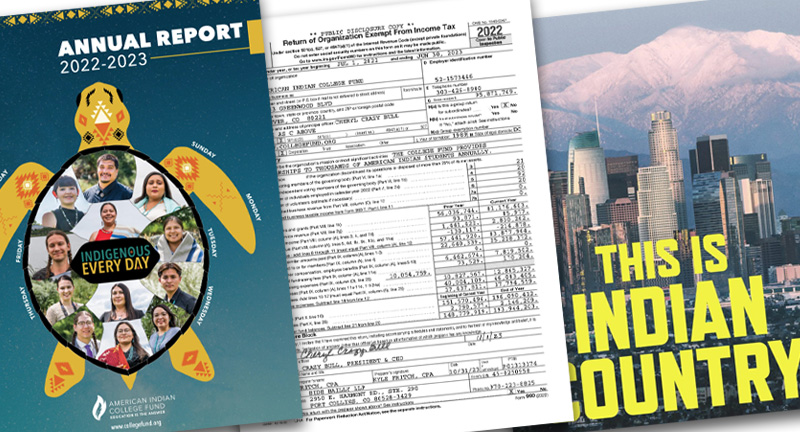
The Universities Assistance Act of 1978 provides the majority of operations funds for tribal colleges, said Cheryl Crazy Bull, president of the American Indian College Fund. Tribal colleges are also dependent on competitive grants offered from federal agencies such as the National Endowment for the Humanities and the National Science Foundation. So cuts to the Act and those agencies will cause tribal colleges to close programs and cut courses, Crazy Bull said.
“And this occurs in environments where tribal colleges are the only option for students,” she said.