Native Nurses Leading the Way with Care, Culture, and Community
Jeffery’s Story
Jeffrey Begay Jr. grew up connected to the Navajo reservation and saw first-hand how people living on the reservation had limited access to healthcare, healthy foods, transportation, and community resources, impacting their health.
In his first job as a paramedic on the reservation, responding to a great deal of trauma calls helped him understand the importance of emergency medical response. Alcohol abuse, domestic violence, diabetes, and their comorbidities were some of the most common ailments he was called to treat.
Jeffrey says he was inspired to seek a career in nursing not only from witnessing health disparities in his community but by his mother, the strongest influence in his healthcare journey. She instilled in him Navajo cultural values, along with his maternal grandfather, a medicine man. Jeffrey sees a connection between healing, service, and responsibility and focuses on advocacy, cultural humility, and meeting people where they are in his work.
Nearly a decade ago, Jeffrey moved to Denver, Colorado to pursue his nursing degrees, driven by the desire to expand his knowledge and scope of practice by contributing more to both his community and broader healthcare systems. Today he works two jobs, as a flight nurse with Intermountain Health’s Legacy Life Flight team, and as a PRN pediatric emergency nurse at Denver Health.
A cornerstone of Jeffrey’s personal healthcare philosophy incorporates his values as a Navajo, focusing on balance, respect, and wellness for the whole person. He says nursing is about deep relationships and not simply treating immediate illness or injury.
Jeffrey shares a story about responding to a call on the reservation where an elder with low blood sugar was home alone caring for her livestock without a vehicle. She needed more than temporarily boosting her blood sugar, so Jeffrey cooked her a meal and ensured someone was coming to stay with her before leaving.
A hardship many reservations and rural communities face is lacking the complex, comprehensive medical systems of urban areas. Witnessing firsthand this gap in care, Jeffrey wants to build systems that combine Western medicine with traditional concepts of what healing means and cultural awareness by medical staff. Evidence-based medicine improves patient care, but so does the involvement of healthcare workers who respect and understand their patients’ cultures.
He says there is also a need for patient health literacy, especially Native patients who may not understand the difference between what the Indian Health Service (IHS) offers and health insurance.
“We need healthcare workers who are clinically strong, but also culturally humble, who are community-centered and willing to advocate for patients beyond the bedside. We need nurses, paramedics, community health representatives, caseworkers, and leaders who can explain care clearly, coordinate referrals, support families, and protect the dignity of Native patients as they move through these complex healthcare systems,” Jeffrey says.
Healthcare workers also need support in the form of resources and sound leadership. Strong staffing, telehealth access, mental health resources, and sustainable funding are just some of the resources Jeffrey notes. Healthcare workers in Indian country need culturally grounded education to understand tribal sovereignty, the history of IHS, and federal trust responsibility. On the topic of personal trust, Jeffrey reminds healthcare workers trust isn’t automatic, especially in communities that have experienced historical trauma, underfunded systems, and inconsistent access. Time and communication are key between patients and healthcare workers
As a nursing student. Jeffrey remembers feeling unsure of his success and wondering if he truly belonged in higher education and healthcare. Jeffrey shares the sentiments of many Native students that education isn’t just about passing classes. It also includes finances, family responsibility, transportation, and leaving one’s community. But he also advises current and prospective Native nursing students that they come from resilient people and there are many pathways to becoming a nurse, all of which are meaningful.
“Our cultures teach us humility, respect, responsibility, and service. Those teachings are powerful leadership tools. They help us to become nurses who listen deeply, advocate strongly, and care for the whole person. And again, not just diagnosis. We bring something special to healthcare because we understand community, family, hardship, and the importance of culturally sensitive care,” he says
Jeffrey also encourages Native nursing students to seek out mentors, apply for scholarships, ask questions and accept help when it’s offered.
“Do not be afraid to take up space in nursing. Our communities need us and healthcare systems across this country need our voices. Native nurses are part of the bridge between traditional knowledge, Western medicine, health equity, and community healing.”
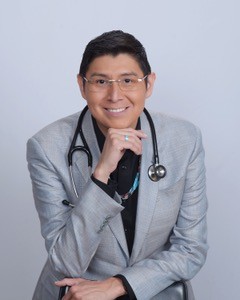
About the Author
Jeffrey Begay Jr. (Diné) serves as both a flight nurse and PRN pediatric emergency nurse based out of Denver, Colorado. Jeffrey has more than a decade of experience as a healthcare professional, having begun his career on the Navajo reservation. Jeffrey is currently enrolled at the University of Colorado–Denver pursuing a Master of Nursing and Nursing Leadership and Health Systems degree.
Jeffrey was inspired to pursue a career in healthcare by the Navajo cultural values passed down to him by his mother and the health inequities he witnessed growing up on the Navajo reservation growing up.
Jeffrey works to practice excellent Western medicine while also honoring Navajo values to ensure the wellness of the whole person he is treating and not only their current illness or injury.
Read More Student Success Blogs
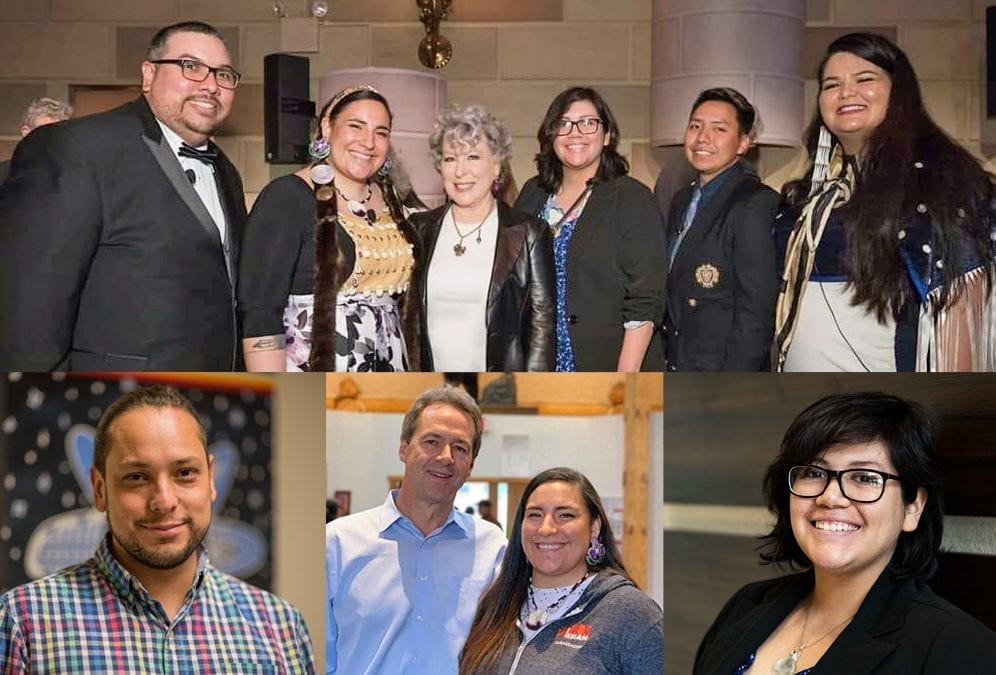
2018-2019 American Indian College Fund Student Ambassadors Celebrate Successes
The American Indian College Funds 2018-2019 Student Ambassadors represent some of the best Native students in the country. Recently, their outstanding accomplishments have brought even more attention to this stellar group of young leaders – as evidenced by these actions and awards
Free Webinar June 3 on College Fund’s College-Going Student Guidebook
Education professionals working with Native American high school students can attend a free webinar on Monday, June 3 at 2 p.m. EDT, introducing Native Pathways: A College-Going Guidebook, a new, culturally relevant
American Indian College Fund Awards More Than $17K of “Think Indian” Grants to Support the Vibrancy of Native American Students Nationwide
The American Indian College Fund’s “Think Indian” Community Awareness program awarded seven non-profit, accredited colleges and universities with $2,500 grants to promote the vibrancy of Native American students, scholarship and communities.
Cankdeska Cikana Community College Student Sets an Example For Her Family, and Her Tribe
Hello my name is Lisa Jackson. I am from the Spirit Lake Tribe and I attend Cankdeska Cikana Community College. I am the third oldest of 10 children, and I faced unique obstacles and challenges – many related to drugs and alcohol in my community.
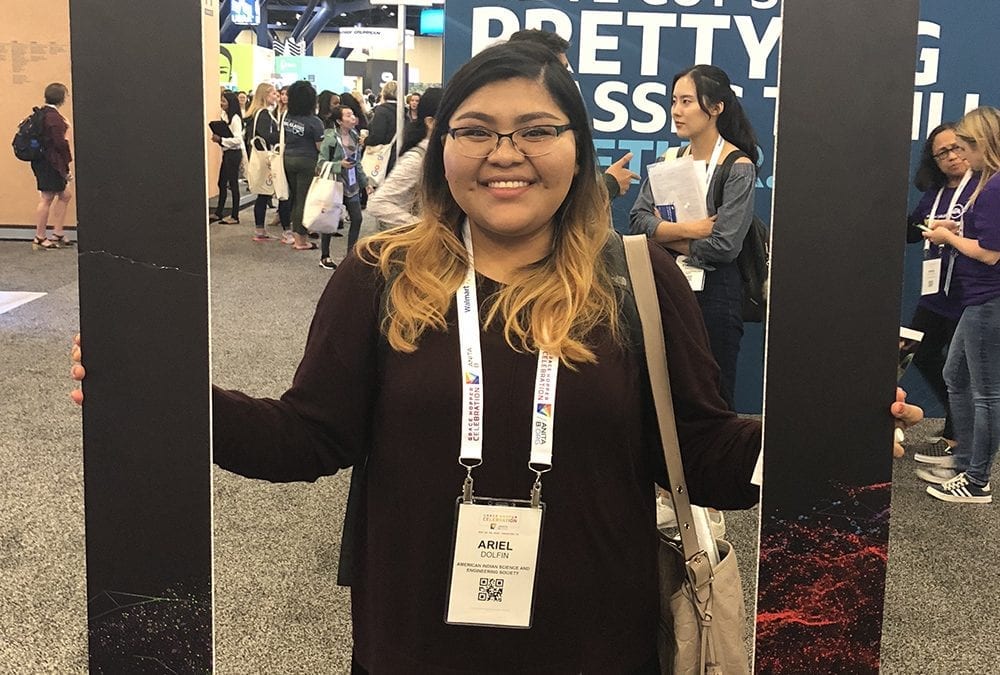
Navajo Technical University Student Finds Opportunity at Grace Hopper Celebration Women’s Tech Conference
My name is Ariel Dolfin. I am a tribal college student at Navajo Technical University. Last year I was one of the eight American Indian College Fund Scholars who received scholarships to attend the country’s largest convening of women in tech, the Grace Hopper Celebration.
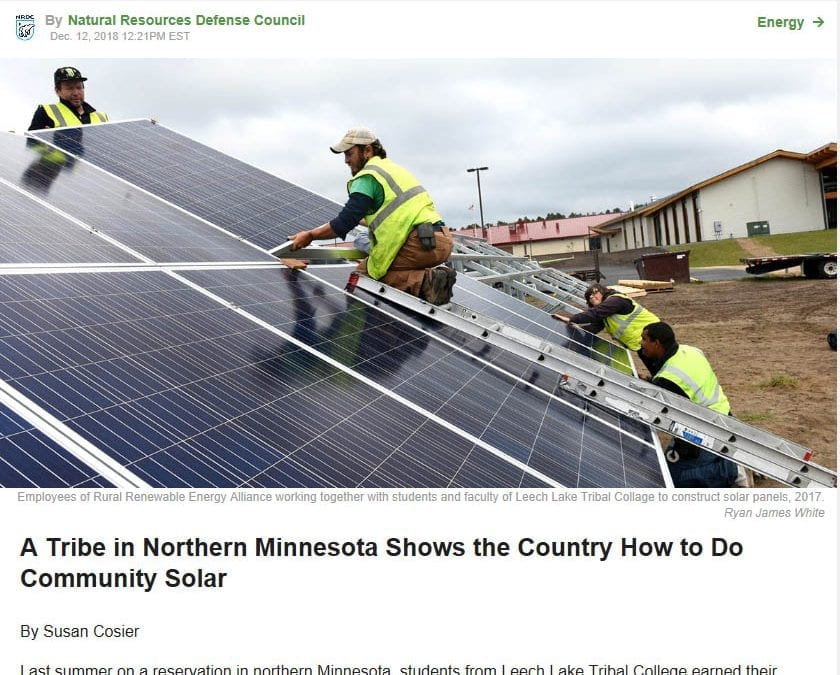
TCU Students Give the Gift of Warmth While Earning Certificates
Leech Lake Tribal College students teamed up with the Leech Lake Band of Ojibwe in Minnesota to install a community solar garden to help residents as part of the federal Low-Income Home Energy Assistance Program (LIHEAP).
College Fund/Dollar General Remove Obstacles for Students Seeking GED
The Community Continuing Education/GED department of Oglala Lakota College is located on the Pine Ridge Indian Reservation of South Dakota. Oglala Lakota College is a decentralized campus with the main administrative buildings located six miles south of Kyle in South Dakota.
My Path to College and Medical School
Boozhoo (Hello)! My name is Shelbie Shelder and my tribe is the Little River Band of Ottawa Indians in Michigan. My clan is the Makwa (bear) clan. I grew up in Muskegon, Michigan, otherwise known as “Maskiiminong” (swamp).
#Indigetern Native Student Intern Stories — Anitra
#Indegetern is our new campaign to highlight stories and reflections of Native students who have interned in businesses, organizations, agencies, and tribal communities across the country.
The Benefits of a Gap Year (or Years) Before Medical School
My name is Casey Smith and I am Diné (Navajo). My clans are Honágháanii (One Who Walks Around) and Tsi’naajinii (Black Streak Wood People). I grew up in New Mexico where the red rocks and sagebrush are bountiful, and moved to the luscious green (in summer) and frigid (in winter) climate of the Midwest where I am a third-year medical student at the University of Minnesota.
