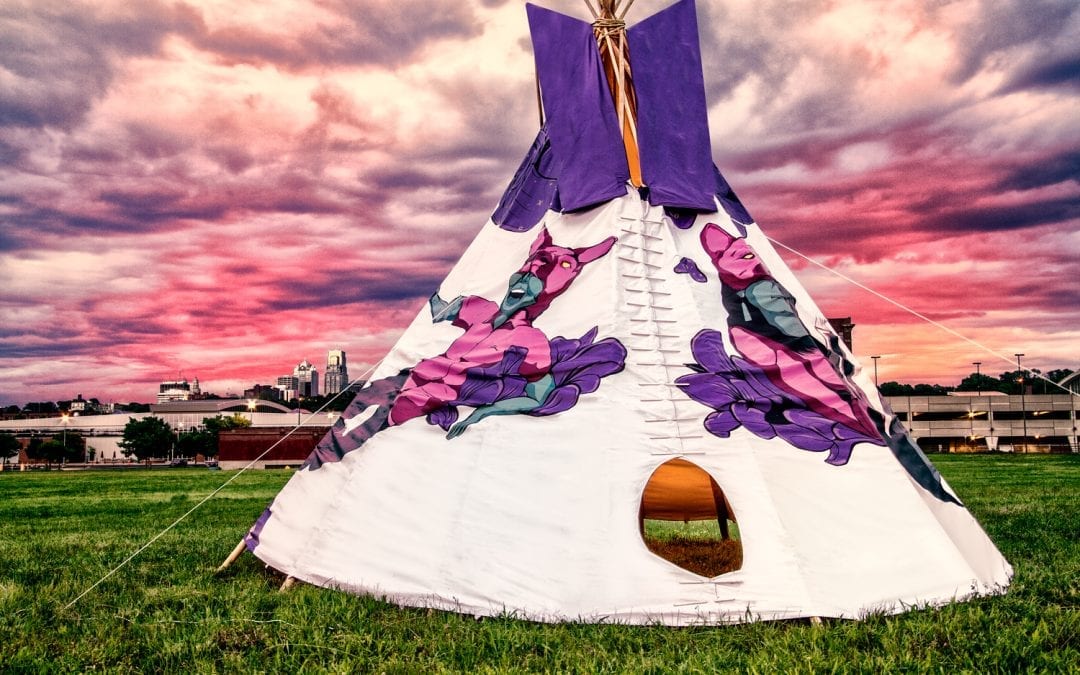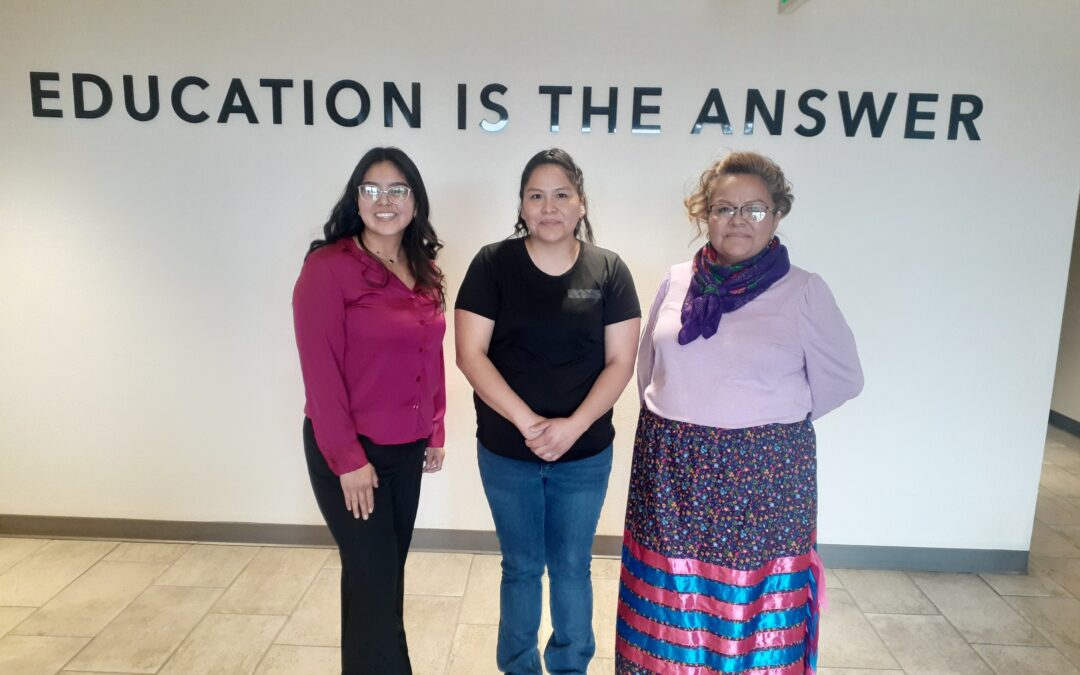
Congratulations to Red Lake Nation College as they announce the opening of the first tribal college or university in a major U.S. city. Learn why offering Indigenous culture-based higher education in metropolitan spaces is important.
The American Indian College Fund (College Fund) has published a “Transfer Data Guidebook for Tribal Colleges and Universities.” The guidebook is the culmination of three years of research conducted under a $625,000 grant from the Educational Credit Management Corporation, which examined the transfer landscape of the seven Montana tribal colleges and universities (TCUs) to improve student achievement by creating a cohesive transfer system.
The American Indian College Fund (College Fund) announced new efforts to enhance Native arts curriculum development programs at six tribal colleges and universities (TCUs). Each of the participating TCUs will receive $100,000 to enrich their curricula by integrating Indigenous education values and incorporate Native knowledge, language, and cultural practices. The project will also help to expand institutional capacity, developing or revising academic courses, minors, and certificate and degree programs.
The American Indian College Fund (College Fund) has received a $50,000 grant from the May and Stanley Smith Charitable Trust to implement a six-month fellowship focused on empowering Native student veterans to success. The Naabaahii Ółta’í (Student Warrior): Native Student Veterans Peer-to-Peer Program is a mentorship opportunity that builds relationships between veterans based upon their shared experiences.
Native Americans are more impacted by the law than any other group in the United States. Native students in higher education, or seeking a higher education, in particular are impacted by federal and state laws impacting funding for education, such as Pell Grants, student loans, and federal funding for tribal colleges and universities (TCUs), 70% of which comes from federal sources.
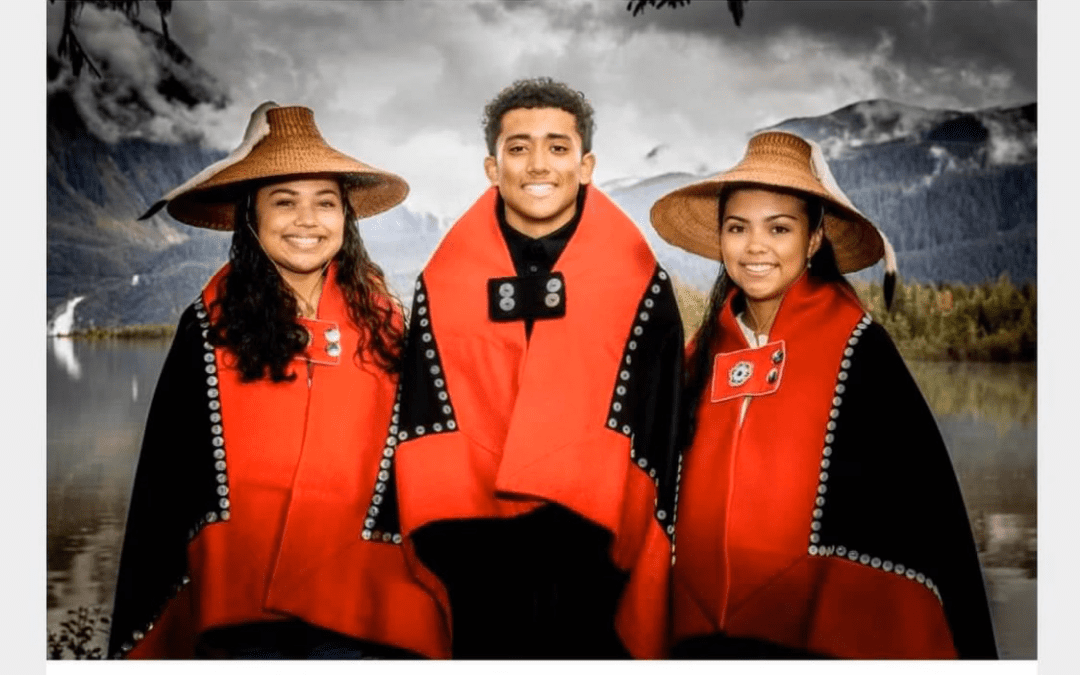
Jade Araujo, an enrolled member of the Wampanoag Tribe of Gay Head (Aquinnah) in Massachusetts and a descendant of the Tlingit and Koyukon Athabascan tribes in Alaska, is the third person to have been awarded the American Indian College Fund Law School Scholarship. Araujo is a senior at Stanford University who will graduate in June with a degree in political science and will enter Harvard Law School in the fall. She is the daughter of Todd Araujo (Aquinnah Wampanoag) and Jaeleen Kookesh (Tlingit and Koyukon Athabascan).
The American Indian College Fund (College Fund) will host its Fifth Annual Summer of Success Conference: Cultivating Connections into Success from May 19 to May 21. This three-day, interactive online event is tailored to high school and college students, staff, faculty, and families, centering Native culture, experiences, and determinants of college success.
American Indian College Fund President Cheryl Crazy Bull Contributing Writer to Book Honoring Legacy of Vine Deloria, Jr. Of Living Stone: Perspectives on Continuous Knowledge and the Work of Vine Deloria, Jr. Available from Fulcrum Press April 18, 2024, Denver,...
On April 30, the American Indian College Fund will introduce New Yorkers to Indigenous cuisine at its New York City EATSS (Epicurean Award to Support Scholars) event from 5:30 p.m. – 8:30 p.m. at The Lighthouse Pier 61, Chelsea Piers, New York, New York, 10011. President and CEO Cheryl Crazy Bull and her daughter and granddaughter will be on hand to discuss how a higher education is a revolutionary act for Native people along with their own transformative college experiences.
American Indian College Fund (College Fund) President and CEO, Cheryl Crazy Bull, will be hosting a three-part webinar series titled “Native Higher Education Insights.” Over the course of three sessions, she will cover what’s changed in the higher education environment post-pandemic and news from the various tribal colleges and universities (TCUs) and Native students.