Tiyata Wan Unkagapi
(We are Making a Home)
2023 – 2026
About The Program
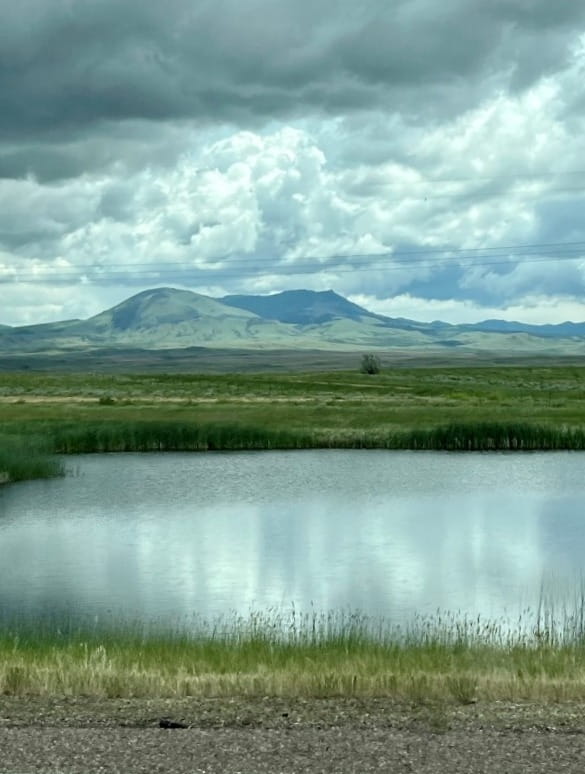
The American Indian College Fund’s Tiyata Wan Unkagapi Environmental Stewardship Program supports TCUs in the Northern Great Plains (NGP) grasslands region to build capacity in environmental science and natural resource programs, land-based research, community engagement, and collaboration. This work supports TCU and tribal nation knowledge, learning, and collective stewardship actions that strengthen and center kinship and relationship, to move towards the health and wellness of ecological systems and our human relatives. A multi-faceted approach to stewardship is what is needed now: it is upon the individual, the family, the community, and the collective to understand our responsibilities and how to move together and care for our homeplace.
Tiyata Wan Unkagapi is Dakota, meaning “We are making a home”.

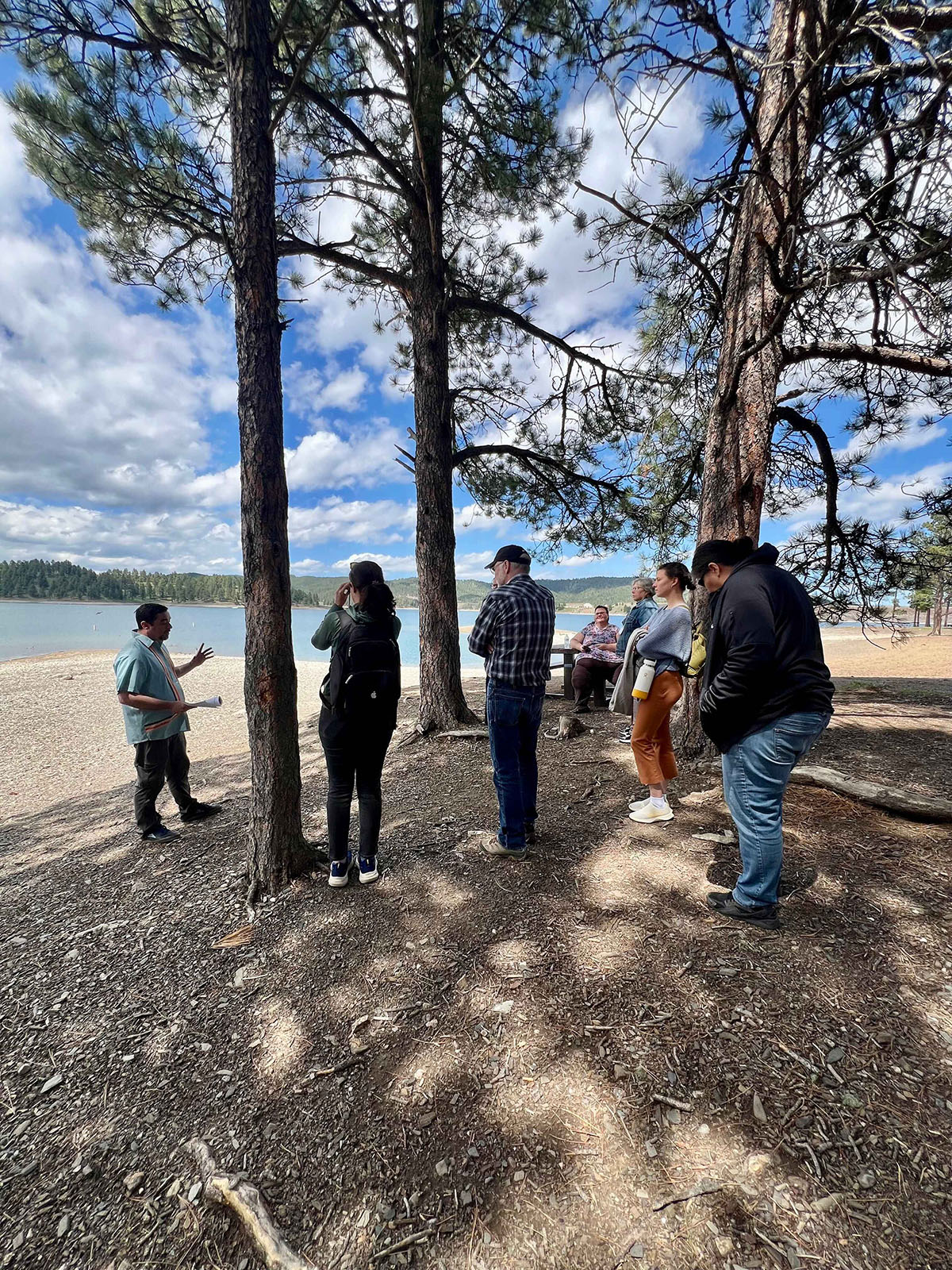
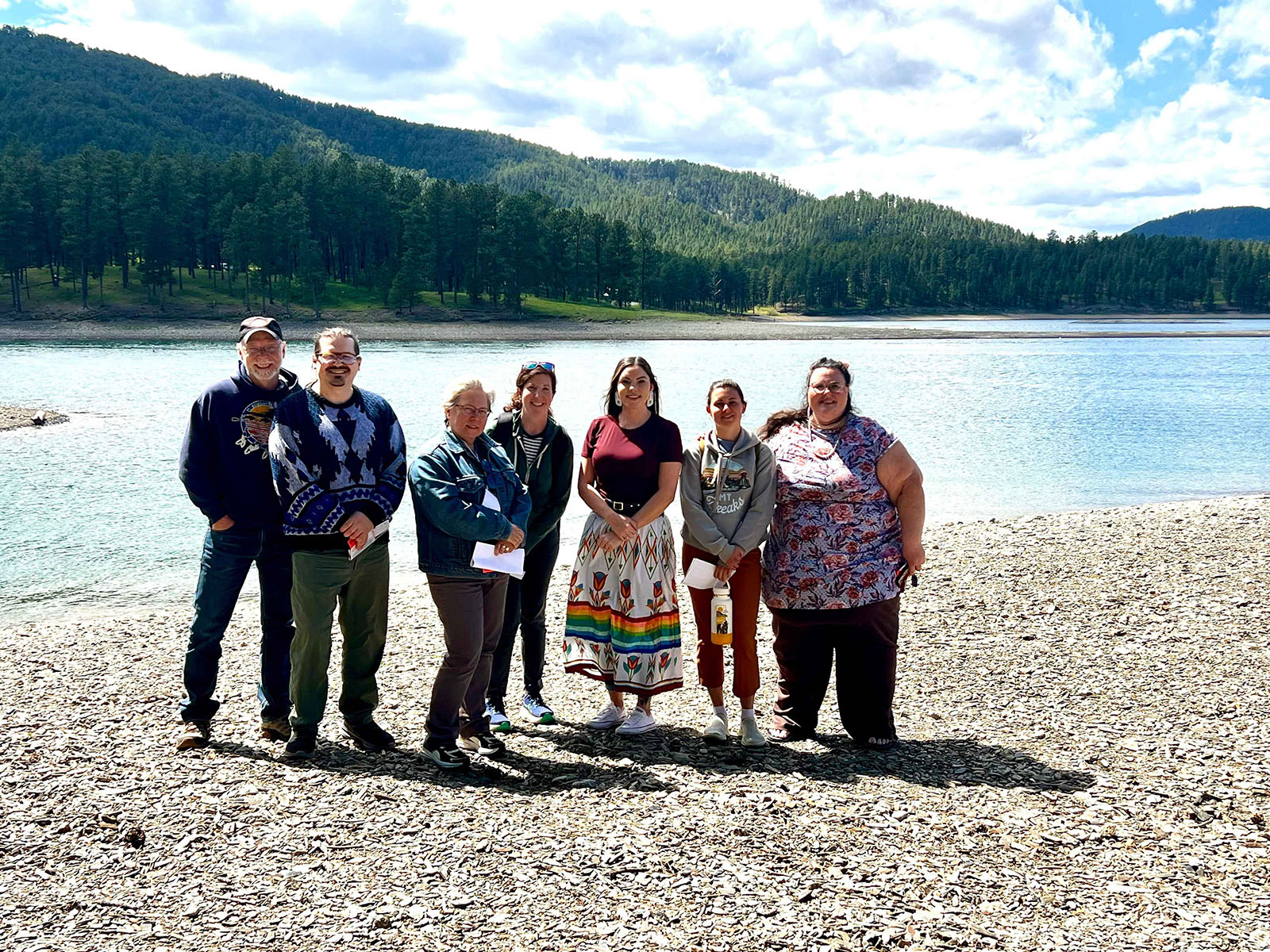
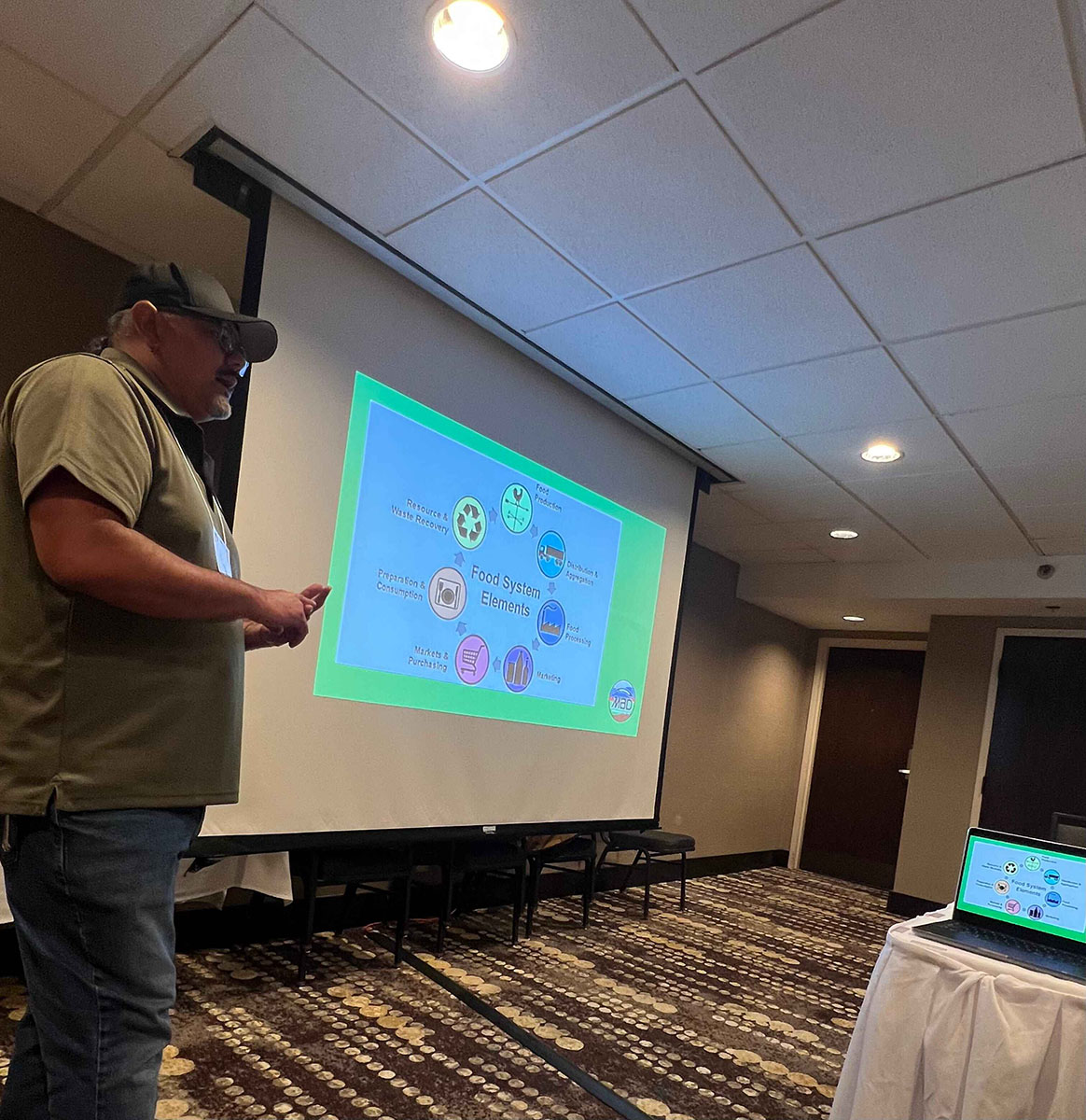
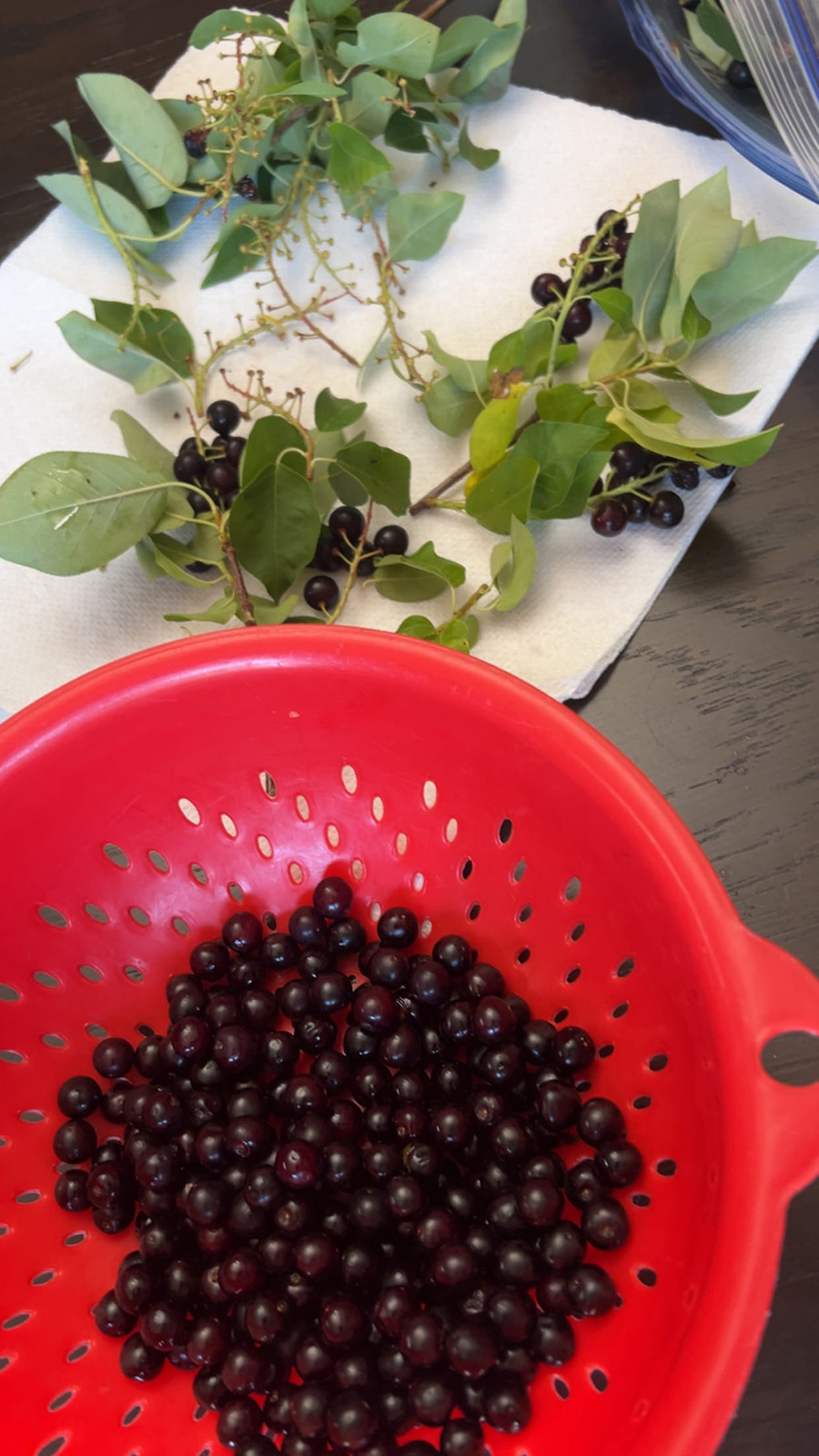
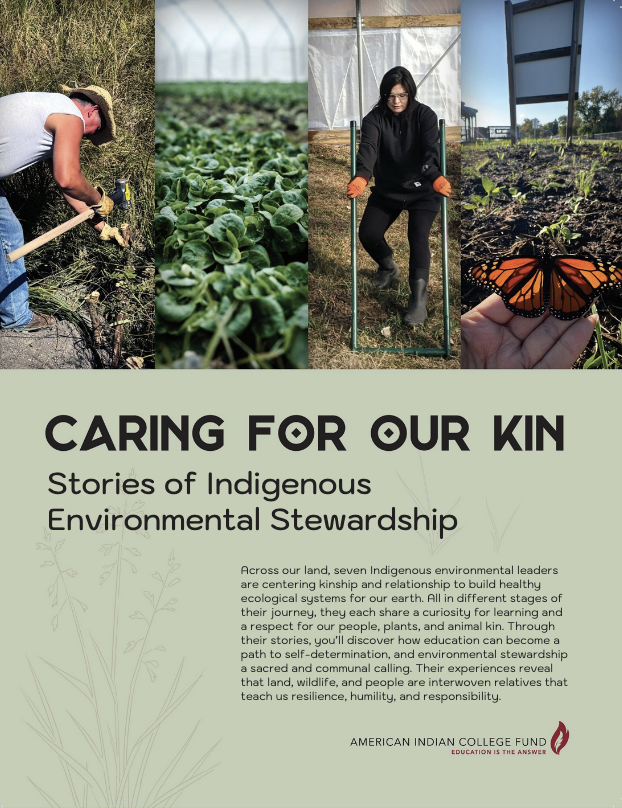
Caring For Our Kin – Stories of Indigenous Environmental Stewardship
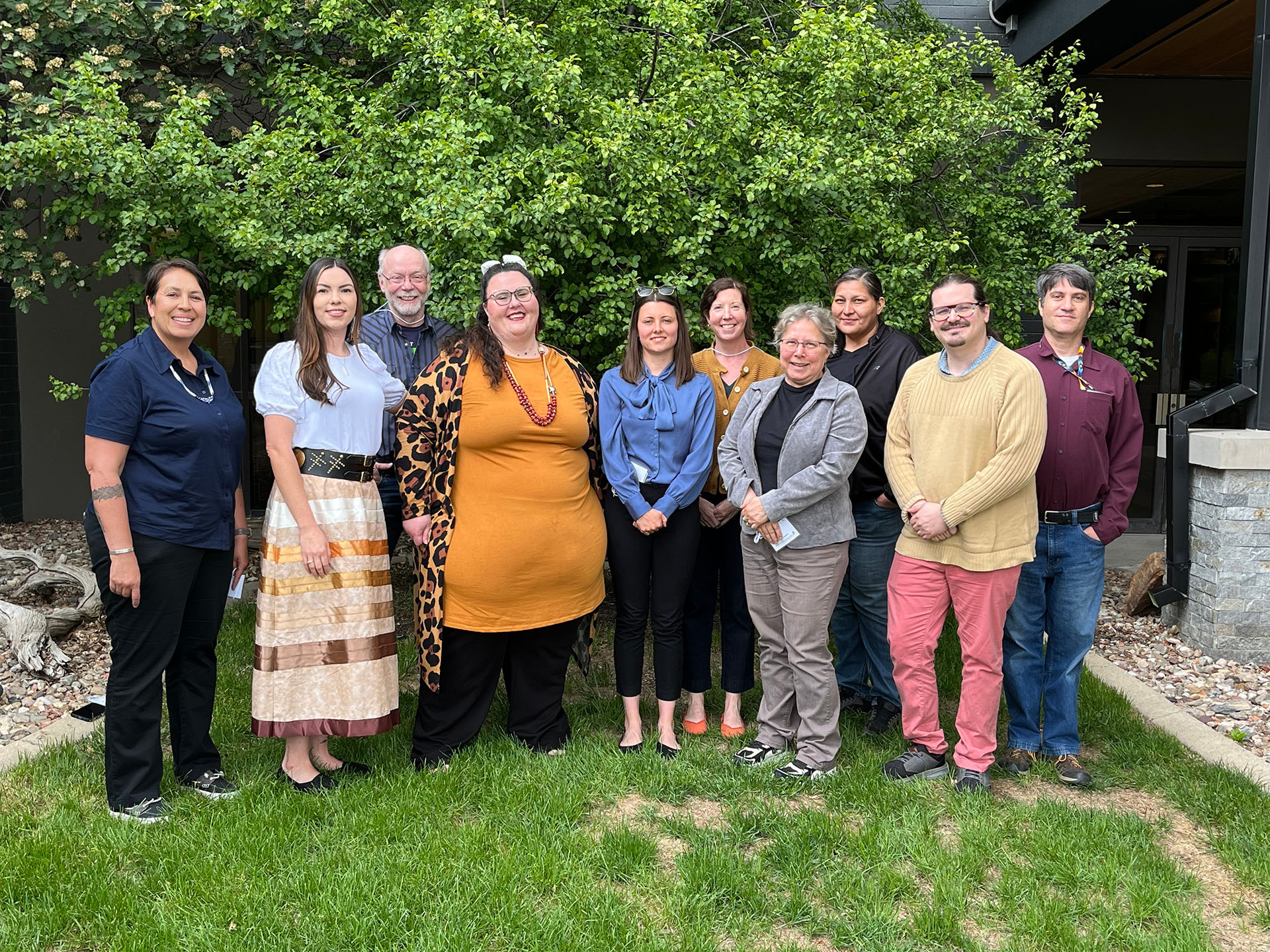
Across our land, seven Indigenous environmental leaders are centering kinship and relationship to build healthy ecological systems for our earth. All in different stages of their journey, they each share a curiosity for learning and a respect for our people, plants, and animal kin.
Environmental Stewardship Programming Spotlight
Project Snapshot
Aaniiih Nakoda College’s (ANC) project, “Empowering the next generation of Aaniiih and Nakoda protectors of the Land” (Niitéhiibáach Niiʔiinʔikiikʔi Bíikʔa ʔɔ́ɔ́tɔníííih ʔɔɔʔɔ́ɔ́ɔ́niinénnɔh nɔh Nɔ́ɔ́kinéíhinɔh Niiʔákyɔʔɔ́nóʔ Byíítʔʔɔ́wuh), builds on two previously funded environmental stewardship projects that provided critical support for the development and implementation of the college’s first B.S. degree program in Aaniiih Nakoda Ecology.
ANC’s “Empowering the next generation” project includes seven key activities:
- Offering fellowships for students enrolled in the college’s Environmental Science (A.S.) and Aaniiih Nakoda Ecology (B.S.) programs
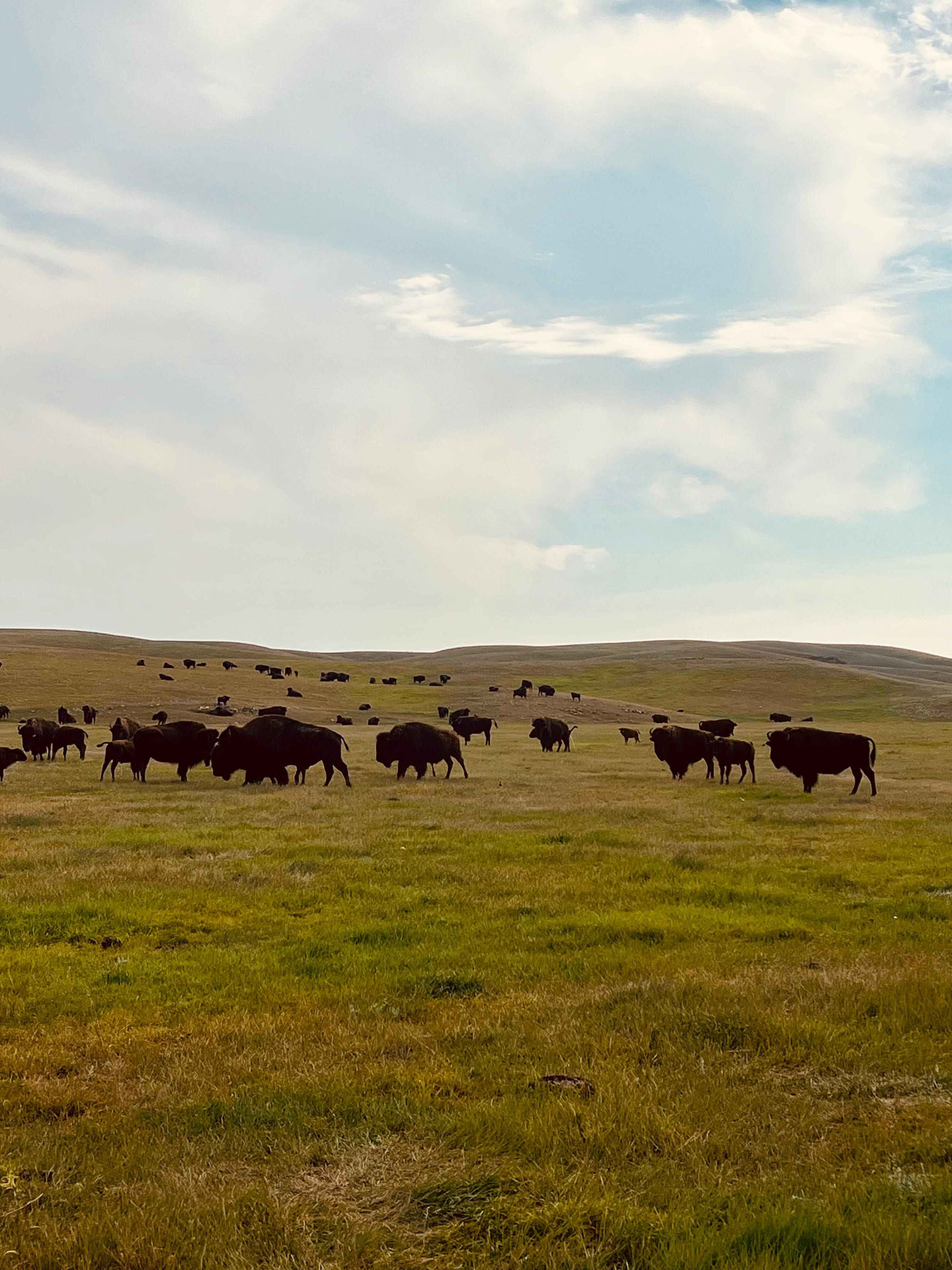
- Supporting two recent Aaniiih Nakoda Ecology graduates working as project associates with the college’s Nicʔ Mní (Water) Center and ʔíítaanɔ́ɔ́nʔí/Tataǵ̨̨a (Buffalo) Research and Education Center
- Hosting two off-site retreats for the college’s Environmental Science/Aaniiih Nakoda Ecology Community Advisory Board
- Developing instructional modules using ArcGIS StoryMaps for environmental science and ecology classes that incorporate ecological data gathered at InterTribal Grassland Network (ITGN) monitoring sites
- Sharing instructional modules through an ArcGIS Hub and an in-person workshop for ITGN participants
- Providing professional development opportunities for ANC science faculty
- Participating in the Tiyata Wan Unkagapi Community of Practice.
Perhaps the project’s greatest achievement has been the success of its student fellowship program. Among the 15 students who received fellowships during the four semesters of the project period, 87% were retained, 33% graduated with a B.S. degree, and 33% graduated with an A.S. degree. Other notable project achievements include:
- Both project associates gained full-time, permanent employment at ANC
- Forty-one individuals attended the project’s first Community Advisory Board retreat; a second retreat is scheduled for spring 2026
- Six instructional modules have been developed using ArcGIS StoryMaps, with topics ranging from primary productivity and community ecology to Aaniiih and Nakoda environmental history and indigenous planning and design
- Three instructional modules have been used in ANC courses, such as ANE 101 Introduction to Aaniiih Nakoda Ecology and STAT 325 Biostatistics
Project Snapshot
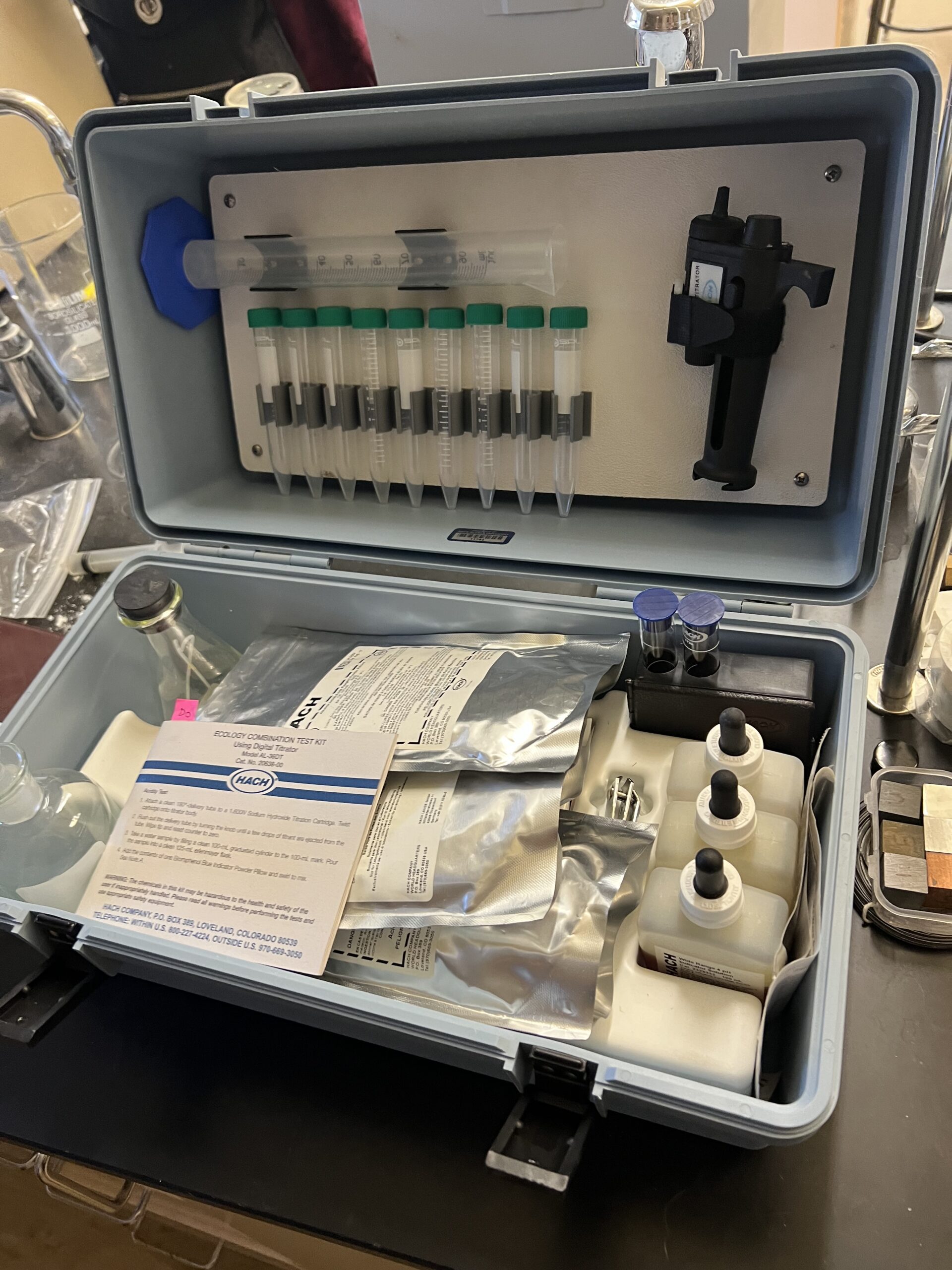
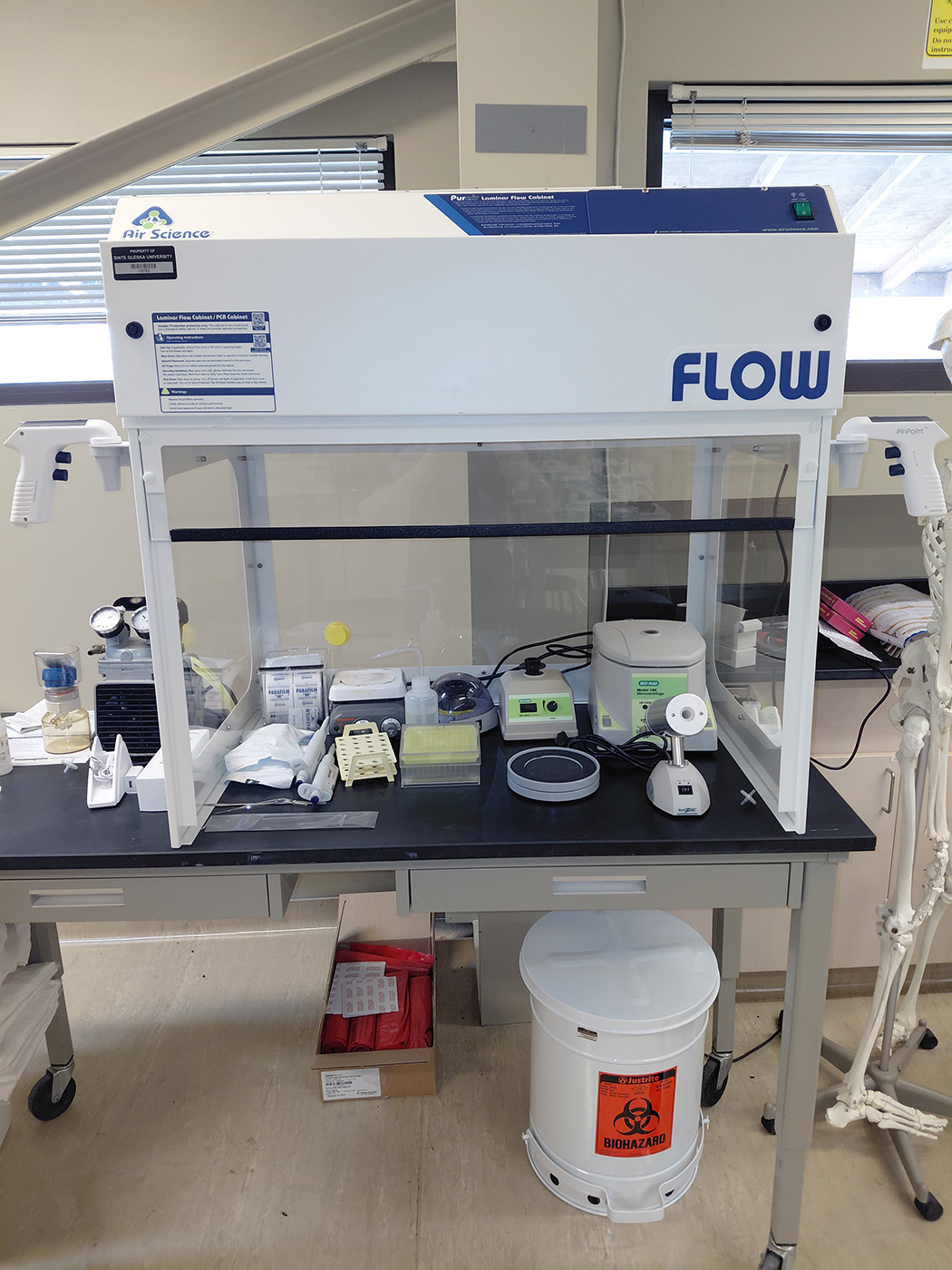
Sinte Gleska University (SGU) used the Tiyata Wan Unkagapi grant to support the environmental science component of its Arts & Sciences Department. SGU’s project focused on four main areas: supporting individual student projects, building capacity in SGU’s teaching laboratories, environmental health and safety, and bridge programming. Within its teaching laboratories, SGU has procured equipment that allows them to culture environmental samples to explore the microbiology of soil and water, greatly enhancing the scope of student activities. They have also developed a more robust environmental health and safety plan for the teaching laboratories, and have begun integrating environmental health and safety into existing curriculum. SGU has also planned for the development and implementation of a bridge program in environmental science intended for high schoolers to experience a college course, with the opportunity to receive college credit; several one-day bridge program workshops will be piloted in summer 2026 and beyond.
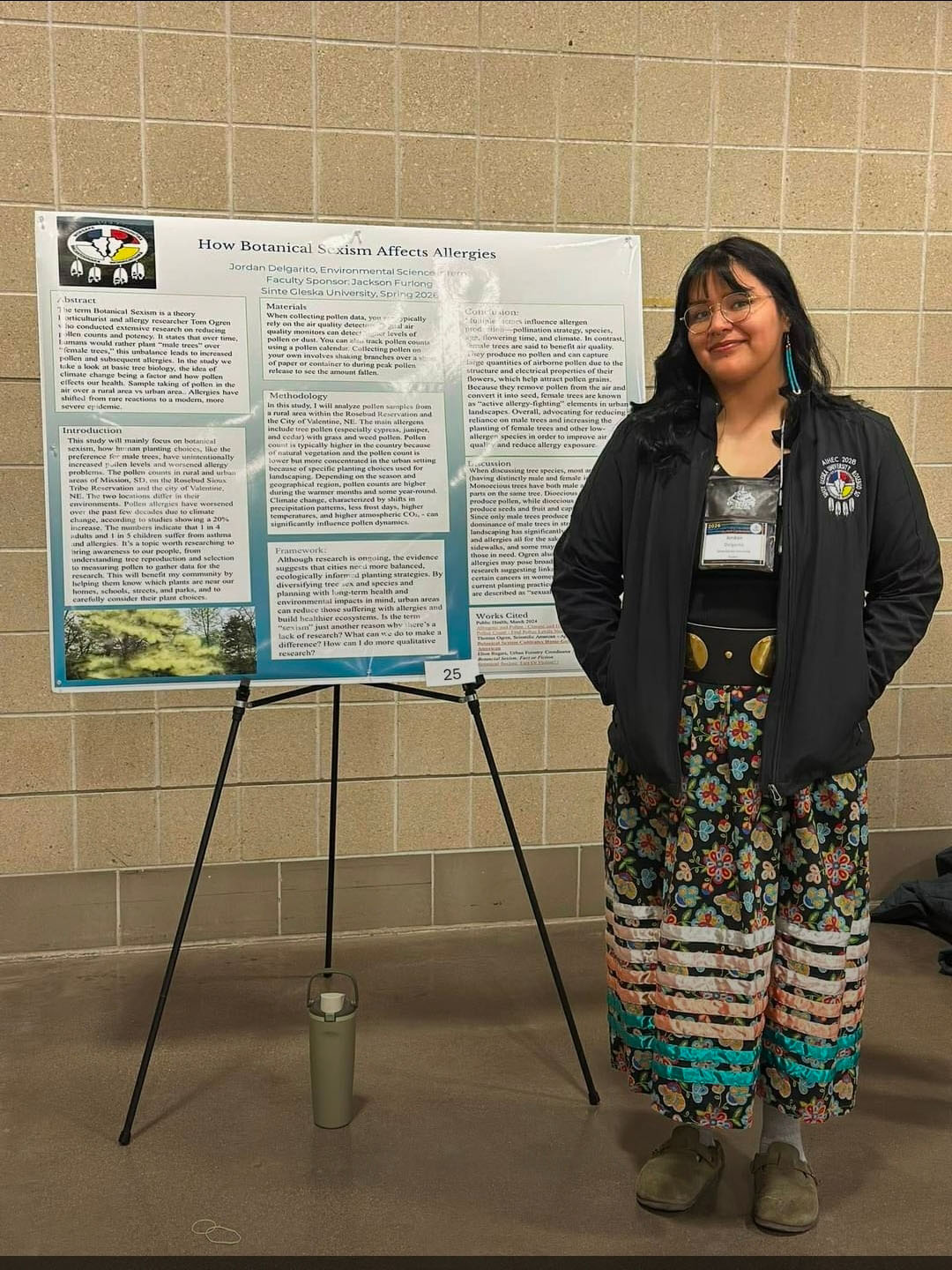
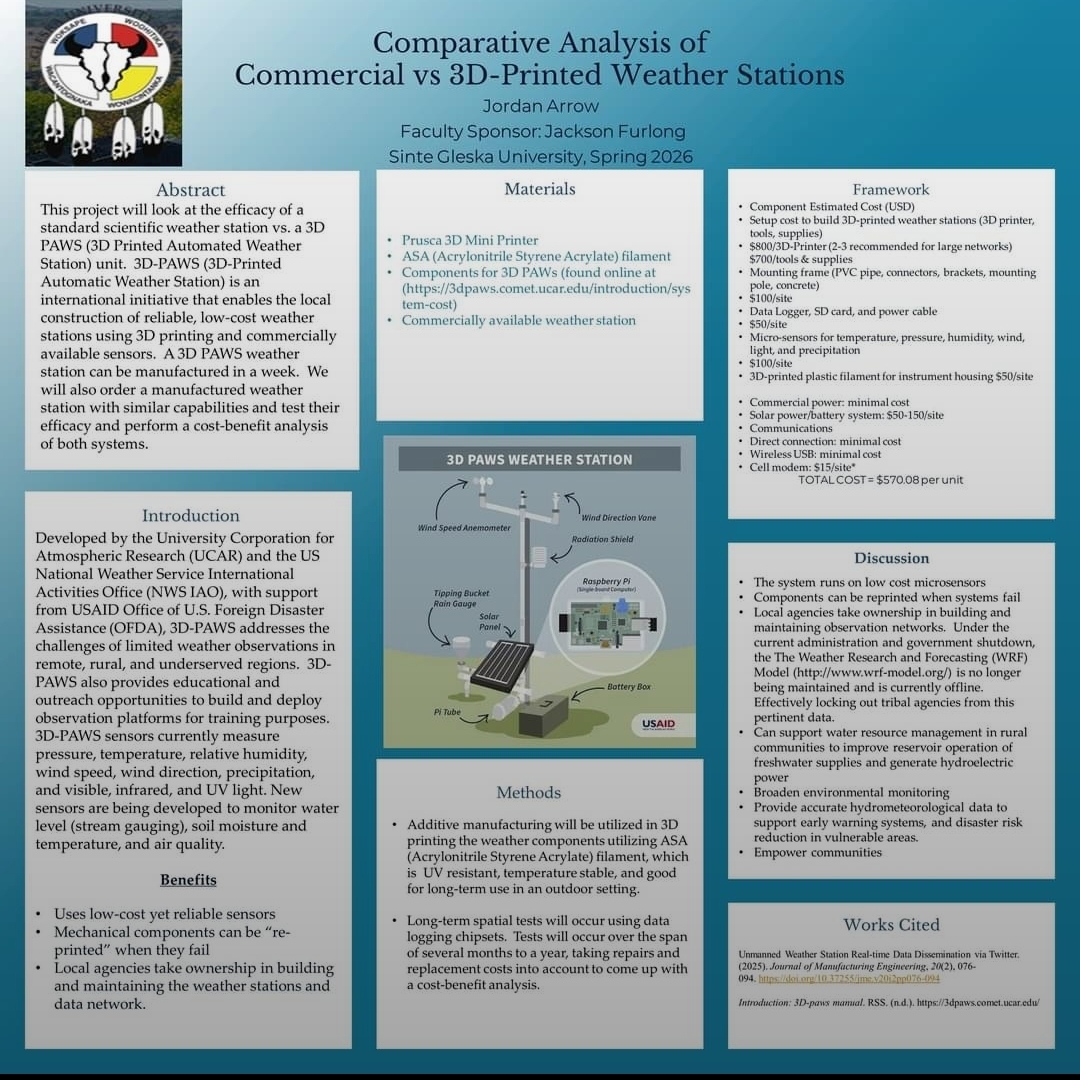
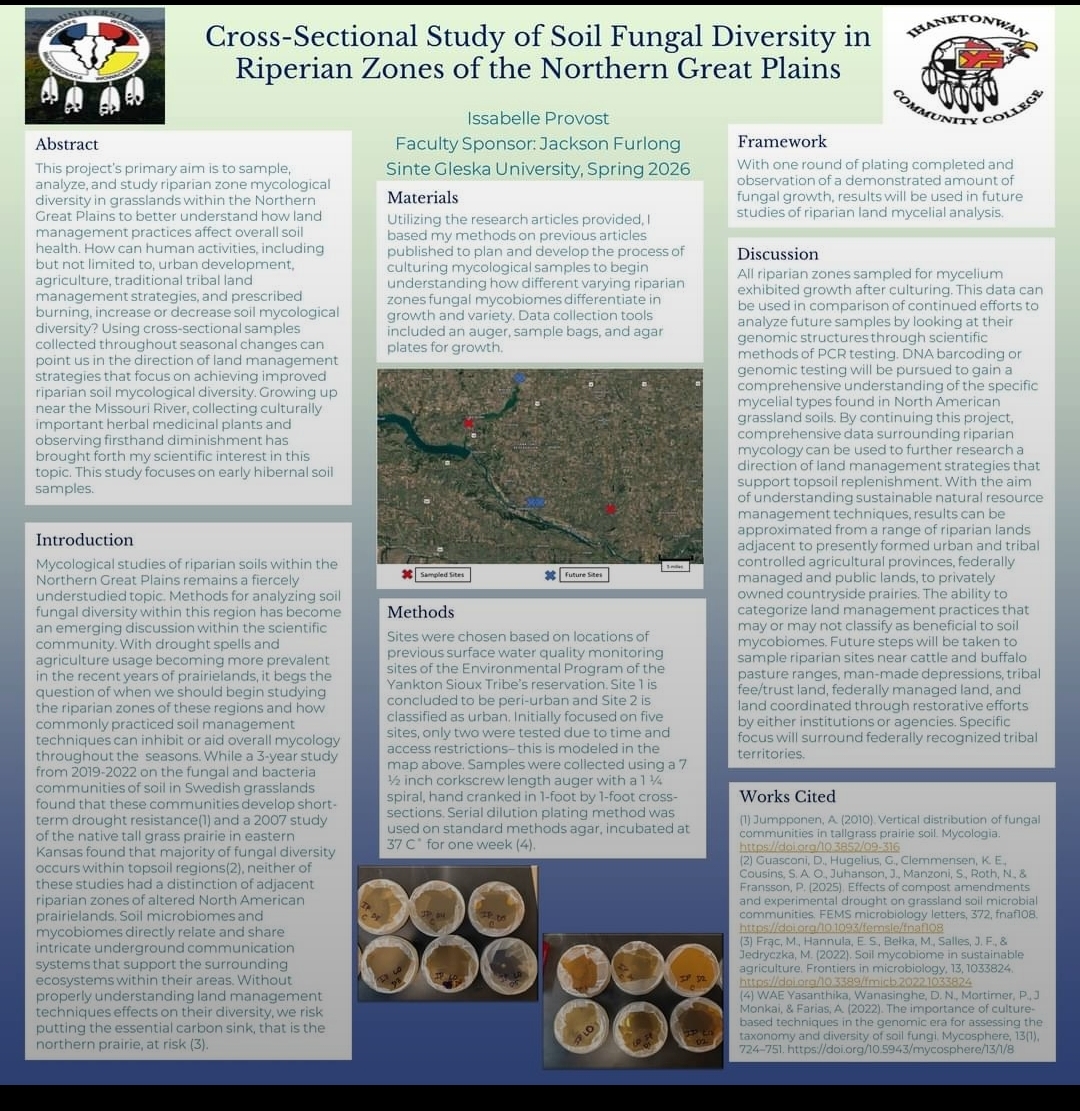
Three individual student projects were supported by SGU’s project, each looking at various environmental problems or investigating environmental questions. Each student presented at the poster competition for the 2026 AIHEC conference in Bismarck, ND.
-
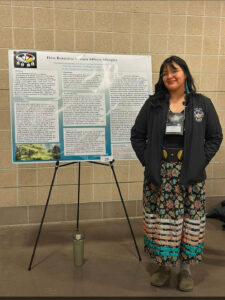
- SGU student Jordan Delgarito next to her AIHEC poster, “How Botanical Sexism Affects Allergies”
-
- SGU student Jordan Arrow’s AIHEC poster, “Comparative Analysis of Commercial vs. 3D-Printed Weather Stations
-
- SGU student Issabelle Provost’s AIHEC poster, “Cross-Sectional Study of Soil Fungal Diversity in Riparian Zones of the Northern Great Plains
-
- Microbiology station now installed in SGU teaching laboratory, with laminar flow hood and culturing equipment

Project Snapshot: Wabluska Owozu (Bug Gardens)
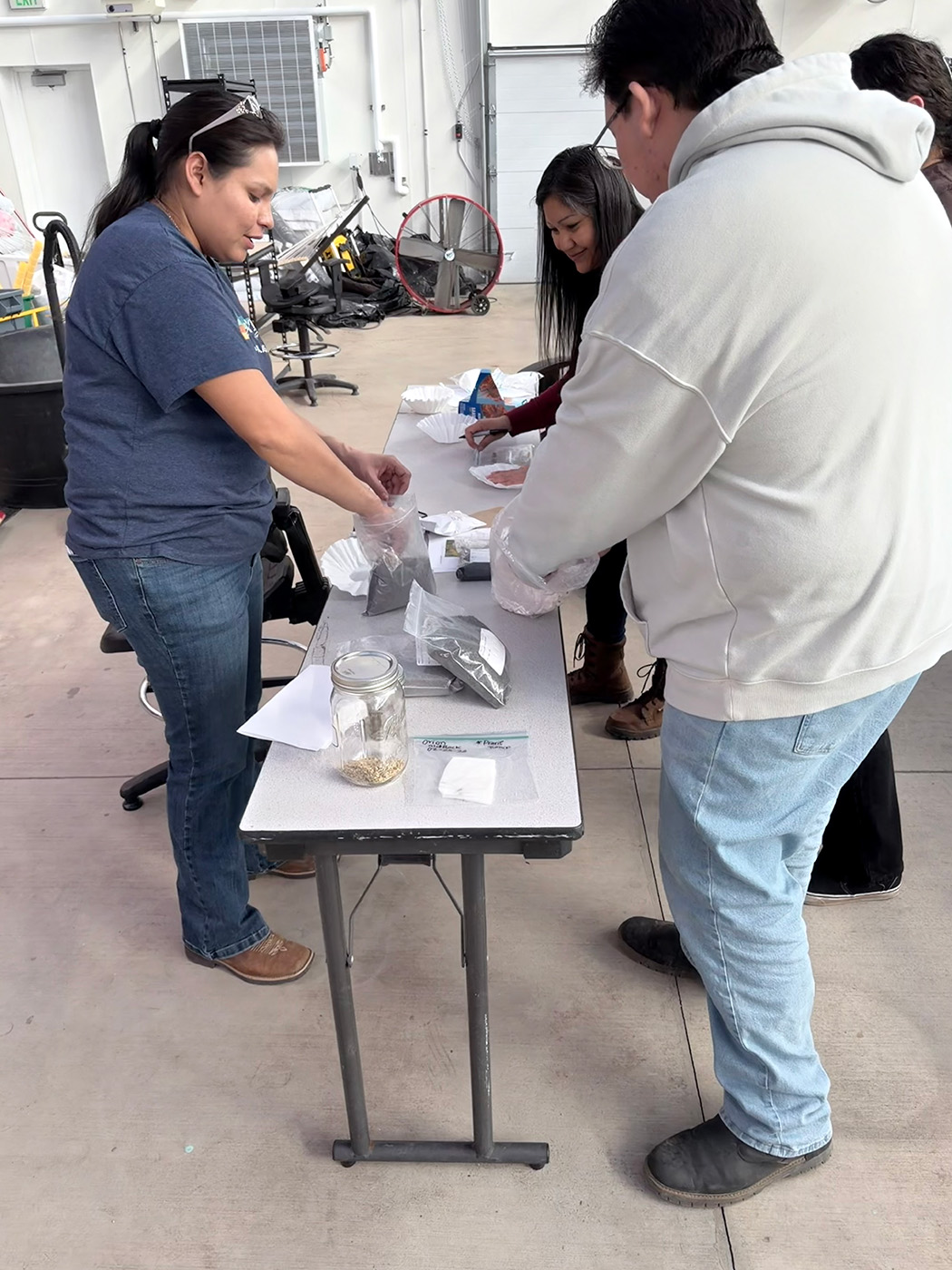
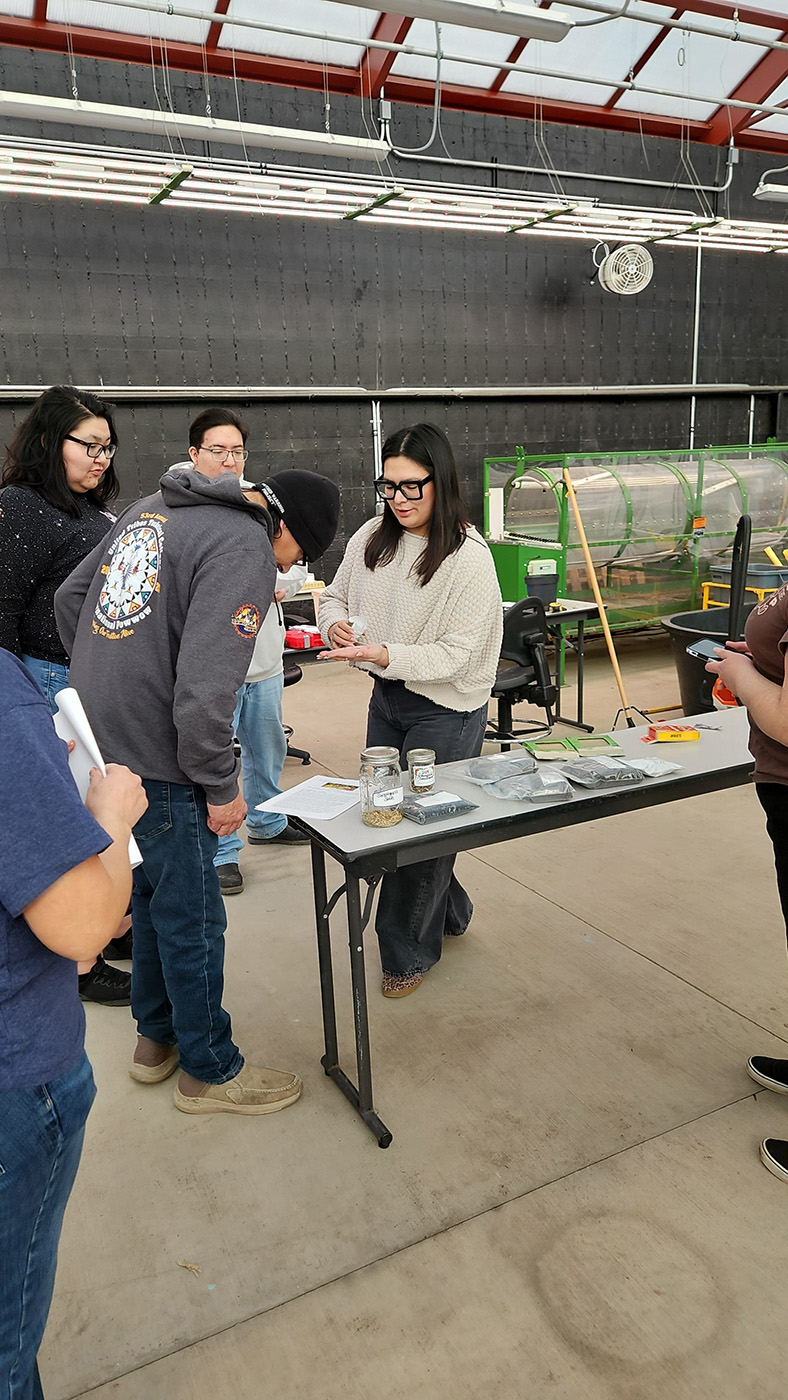
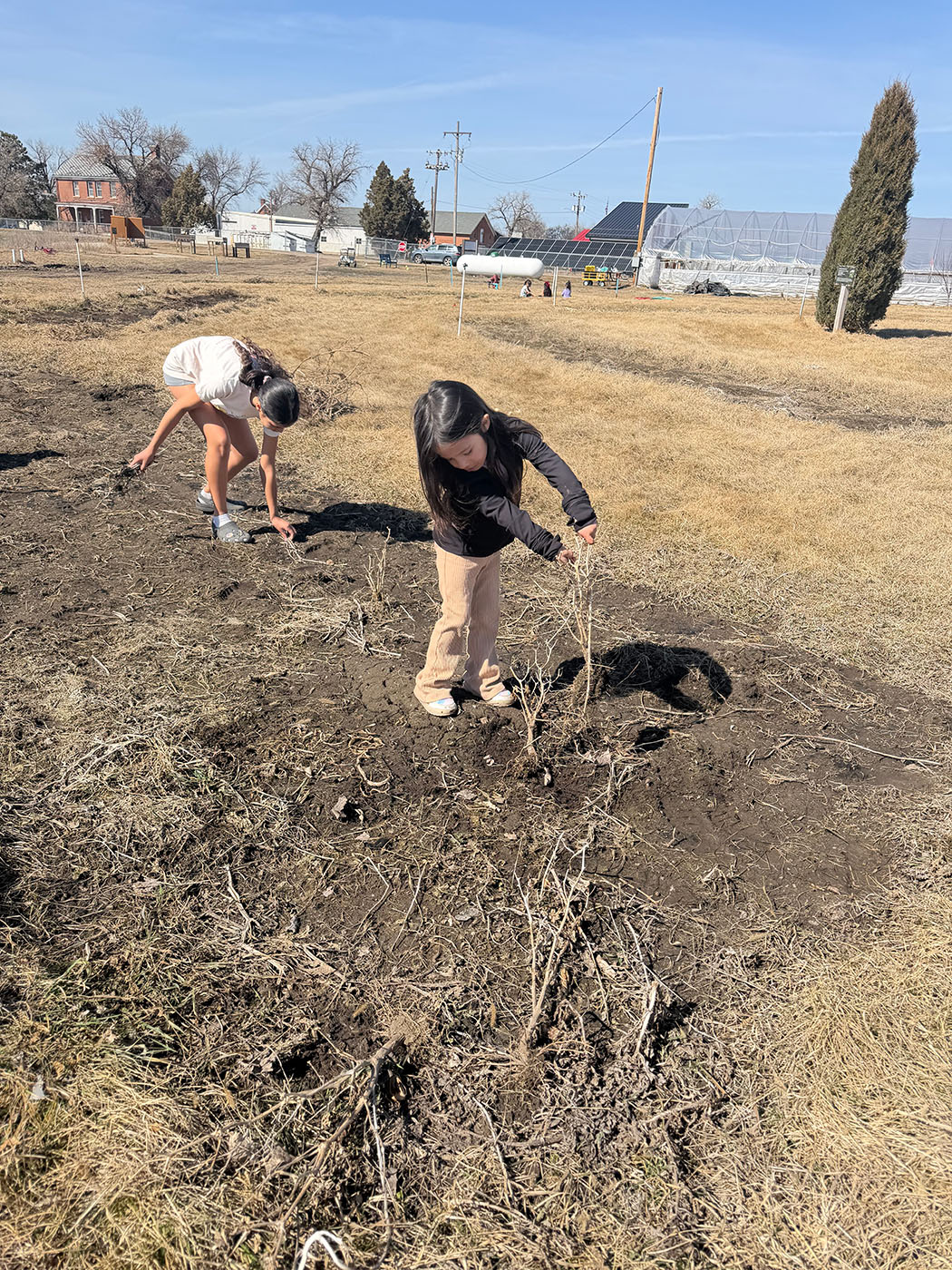
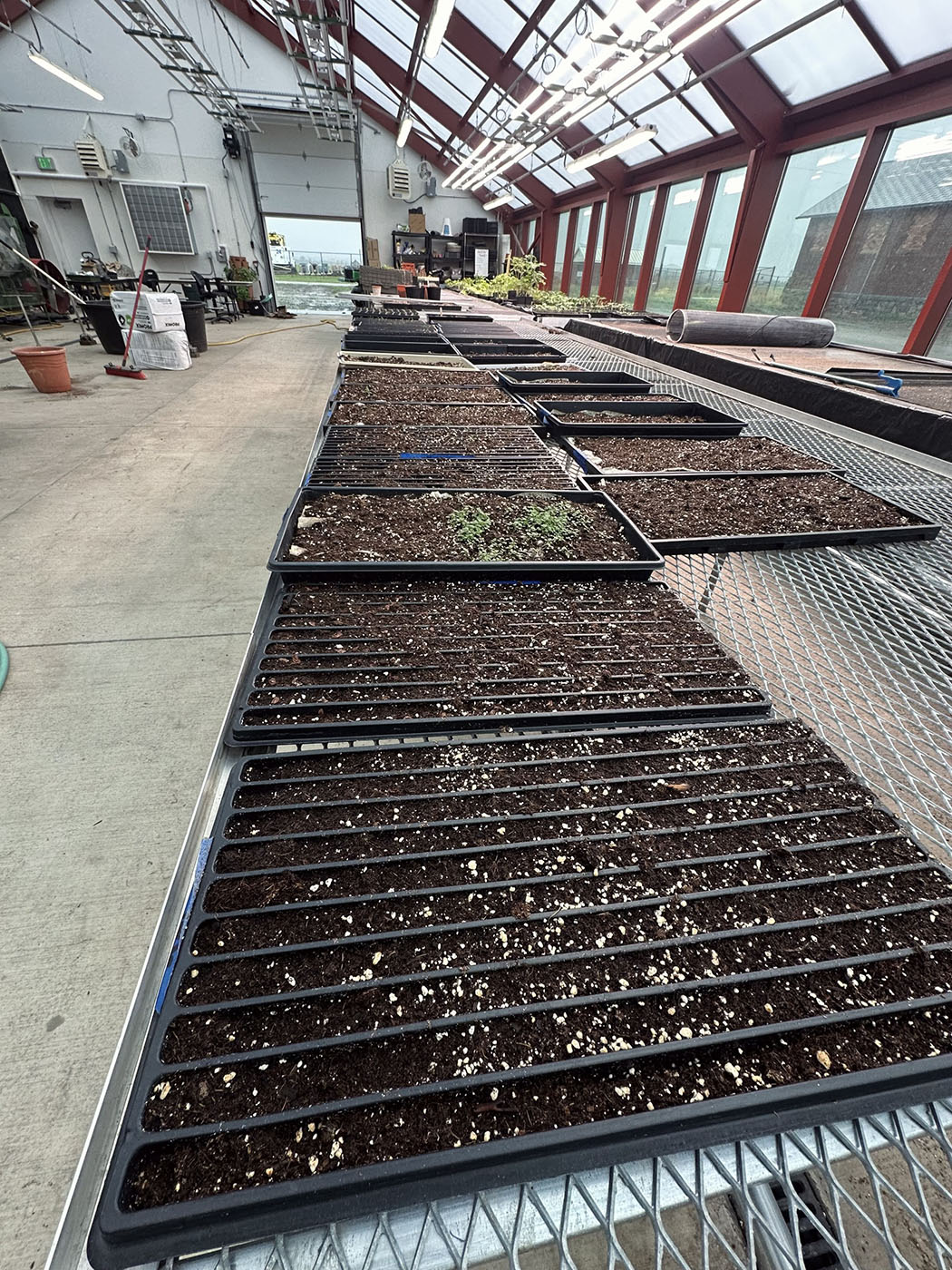
Creating a pollinator garden at United Tribes Technical College (UTTC) is an exciting initiative, focusing on the importance of native plants and their role in sustaining our ecosystems. As urbanization and environmental changes threaten biodiversity, these gardens will act as vibrant sanctuaries, dedicated to cultivating native plant species that attract essential pollinators.
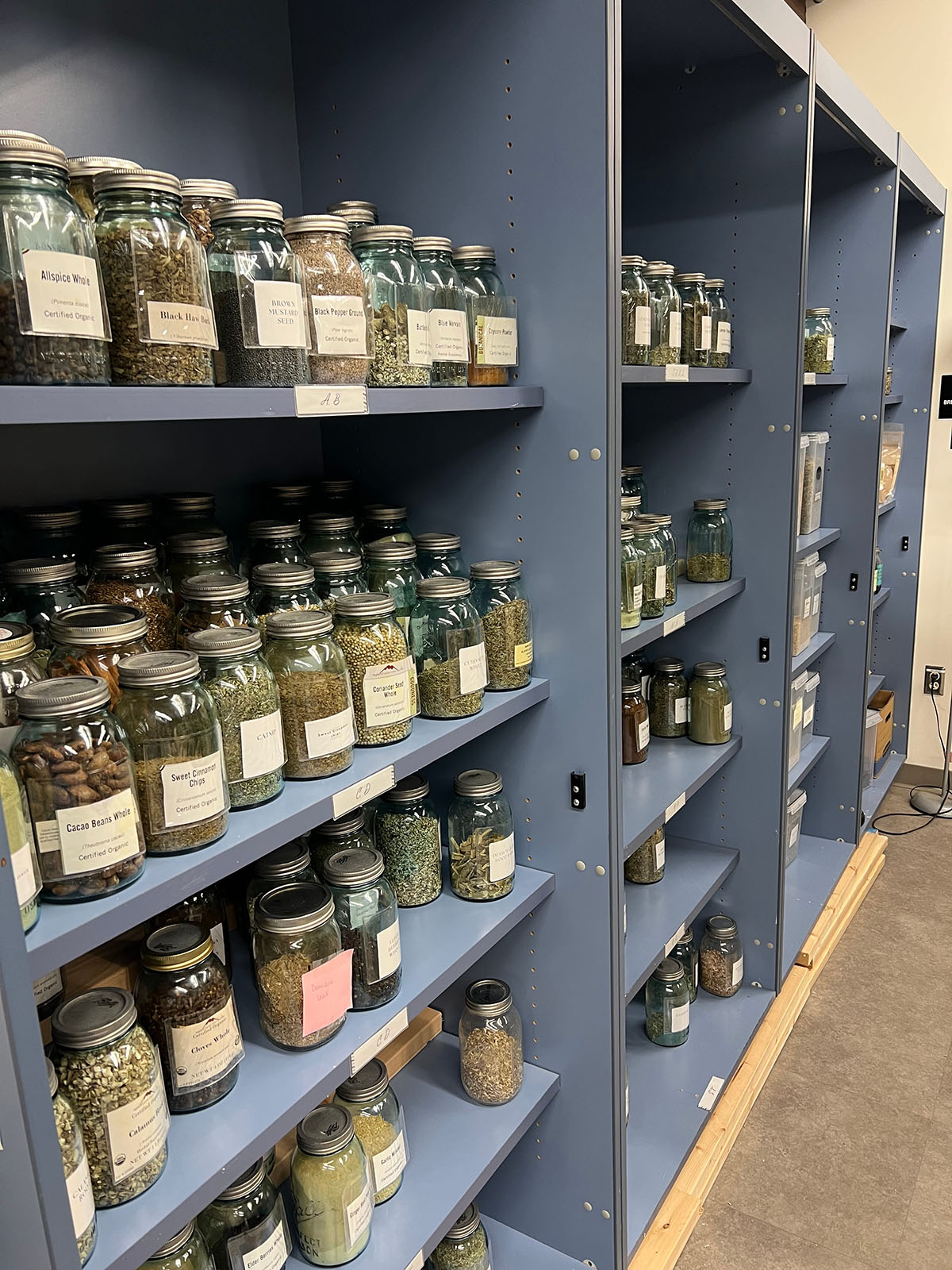
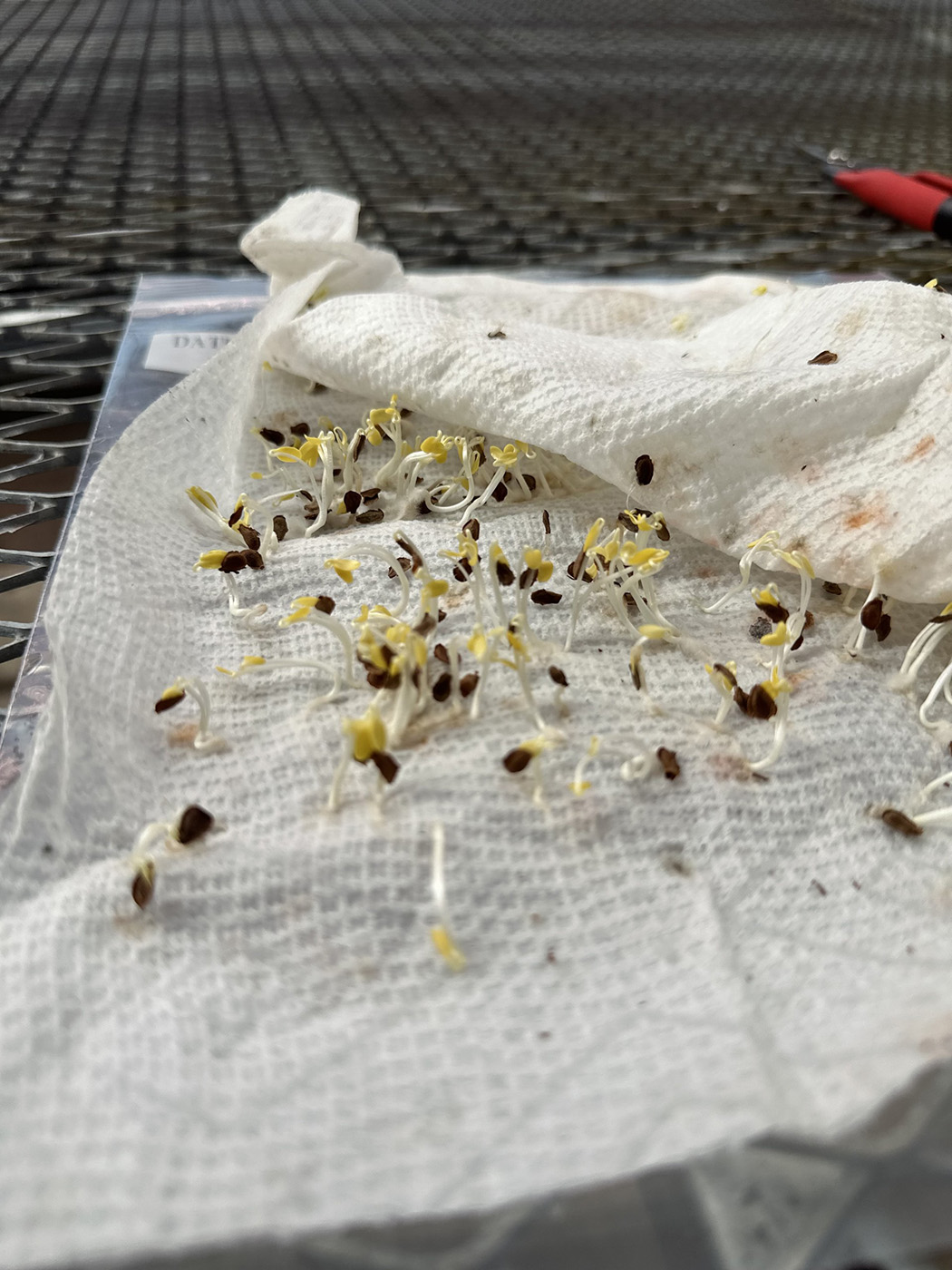
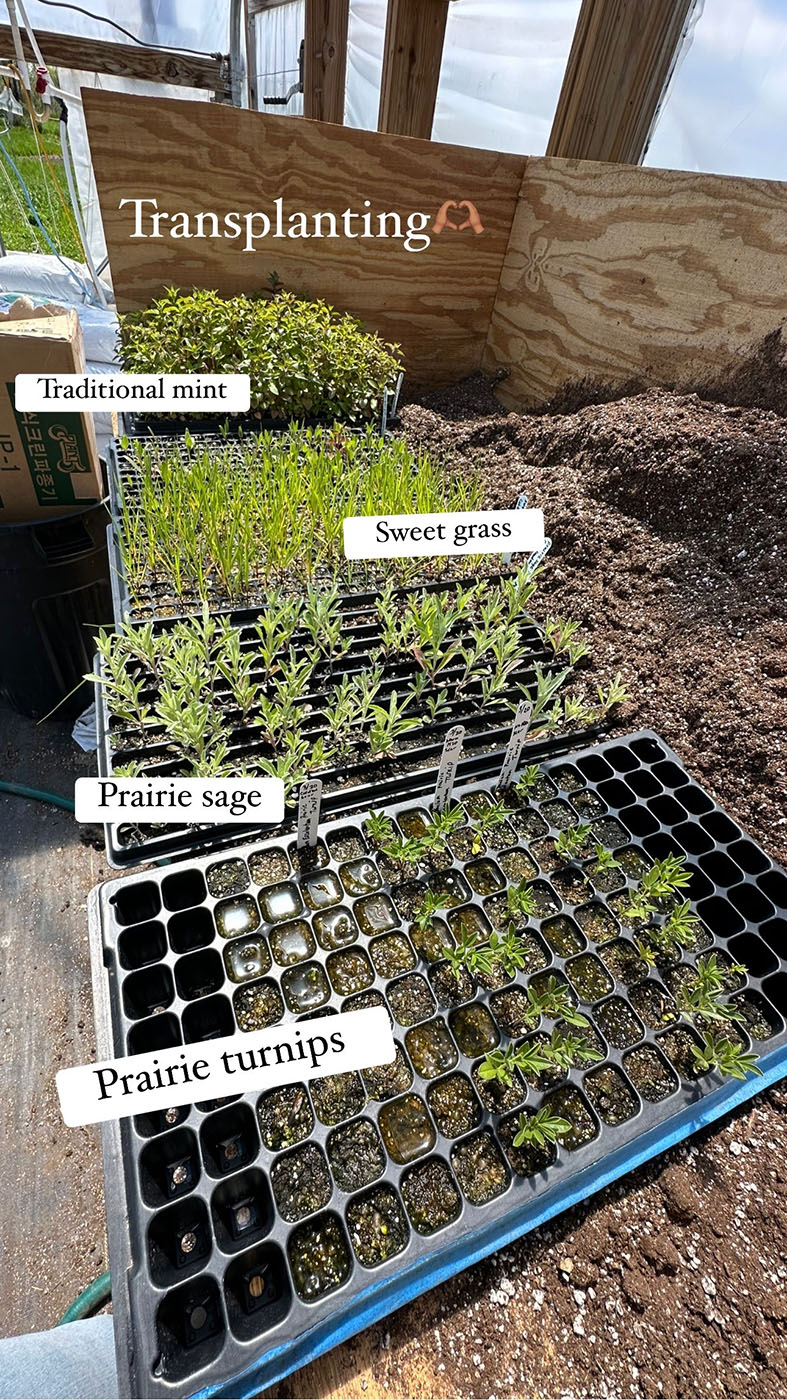
Historically, Native American communities have prioritized plant species that support both the environment and food security. By integrating traditional knowledge with modern ecological practices, we can create spaces where pollinators thrive. The proposed plant species for our gardens include echinacea, wild bergamot, milkweed, prairie goldenrod, pasque flower, and Jerusalem artichoke. These plants not only offer medicinal benefits but also have been part of our landscapes for millennia.
Educational Resource for Future Generations
Beyond enhancing the landscape, these pollinator gardens will serve as educational resources for Native American students and the broader community. They aim to rekindle connections between individuals and the natural world, promoting sustainable practices and cultural appreciation. Through community engagement and collaboration, this initiative aspires to build capacity in environmental science and natural resource programs.
In an era of rapid change, the creation of the bug gardens stands as a beacon of hope. By fostering biodiversity and nurturing the delicate balance of our ecosystems, we can ensure a sustainable future for our communities and the planet. UTTC is on a journey to cultivate a vibrant and sustainable landscape, where nature and education flourish together.
Grantees
Aaniiih Nakoda College (Ft. Belknap)
Nueta Hidatsa Sahnish College
Oglala Lakota College
Sinte Gleska University
Stone Child College
United Tribes Technical College
Related Blogs
College Fund Announces Environmental Program Awardees to Restore Native Knowledge for Healthy Earth
Groundwater contamination, erosion, lack of access to healthy foods, and poor air quality are just some of the environmental concerns facing American Indian communities across the United States. Yet indigenous people have long held specialized knowledge that can lead to unique solutions to these challenges.
SEEDS- Environmental Stewardship is an Inherit Right, Responsibility
I recently wondered why being an environmentalist exists in a space we have to fight for, and why our individual and collective responsibility to uphold and respect relationships to place becomes the work of so few. Is it because we have partitioned our ways of thinking about relationships or is it because we are struggling to know that we are related?
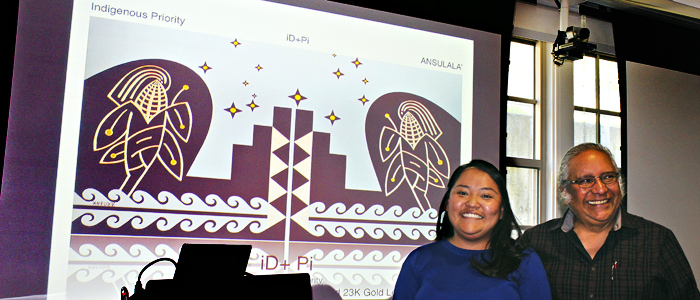
Three-Year Environmental Design and Stewardship Program to Restore Native Knowledge for Healthy Earth
Groundwater contamination, erosion, lack of access to healthy foods, and poor air quality are just some of the environmental concerns facing American Indian communities across the United States. Yet indigenous people have long held specialized knowledge that can lead to unique solutions to these challenges.