Indigenous Literacy Story Series
The Indigenous Literacy Story Series seeks to shift perceptions of literacy and education in tribal nation communities, provide evidence of literacy success and innovation in tribal nation communities, establish the College Fund as a resource and leader in literacy resources, and encourage innovation and collaboration within TCUs, across TCUs, and between Native inservice teachers.
This story series features guest writers from the College Fund, TCUs, and Native educators in the field.

Indigenous Literacy is:
A means of expressing and sustaining connection, culture, and sovereignty.
The ability to communicate (tell stories, speak, write, create, teach, or demonstrate) and comprehend (listen, read, sense, interpret, view, learn, or practice).
A starting point for Native people to co-create their environment in ways that are grounded in – and sustaining of – Indigenous cultures, languages, and ways of knowing.
Relational and intergenerational, supporting kinship with each other, ancestors, and the land.
Essential to thriving Indigenous communities.
Featured Stories
THE AMERICAN INDIAN COLLEGE FUND NAMED A 2021 COLORADO TOP WORKPLACE
The American Indian College Fund was awarded a Top Workplaces 2021 honor for the third year in a row. The College Fund has been the nation’s largest charity supporting Native higher education for 31 years.
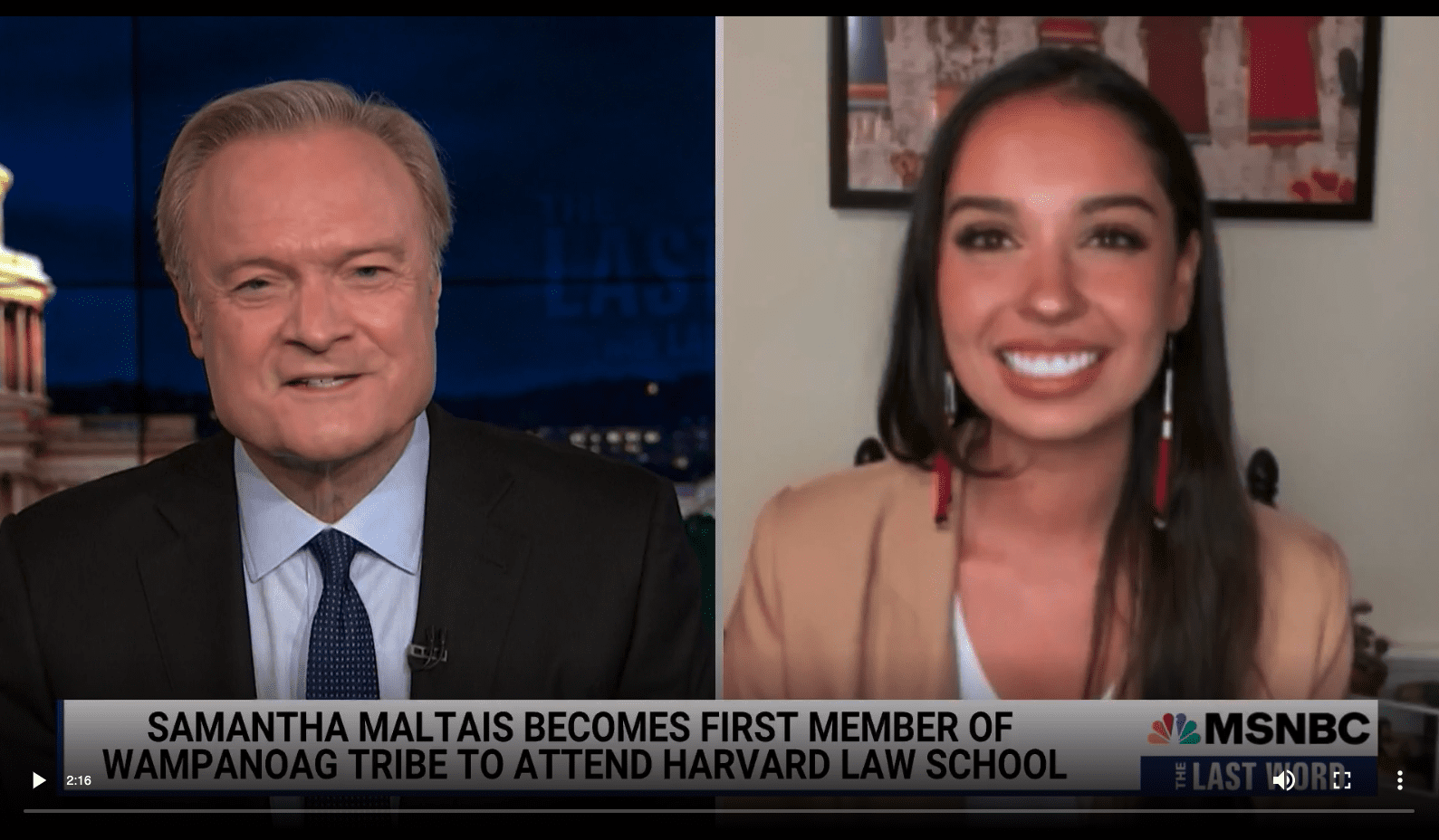
College Fund Law Scholar Interviewed by MSNBC’s Lawrence O’Donnell
Samantha Maltais, the American Indian College Fund Law Scholarship recipient headed to Harvard Law School, was interviewed last night on The Last Word with Lawrence O’Donnell program on MSNBC live. She gave a shout-out to the College Fund for her law scholarship, the Full Circle Scholarship program that funded her education at Dartmouth, spoke about murdered and missing Indigenous people, and shared her career goals.
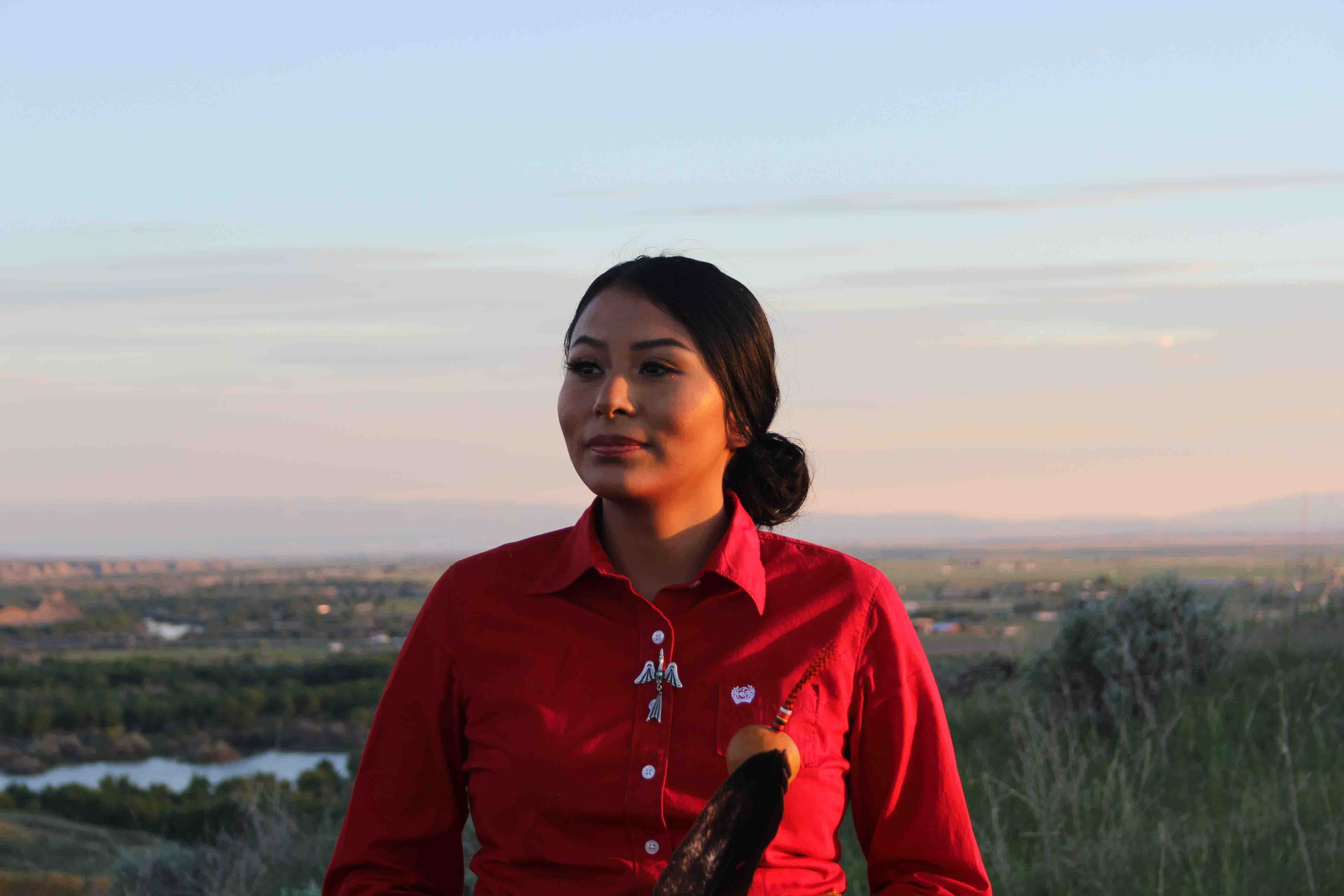
May 5 Honors Indigenous Murdered and Missing Women and Girls
Deshawna Anderson, a College Fund scholar and Little Big Horn College student, honored murdered and missing indigenous people with her Pendleton blanket design. The grave issue impacts Native people disproportionately. The American Indian College Fund joins the...
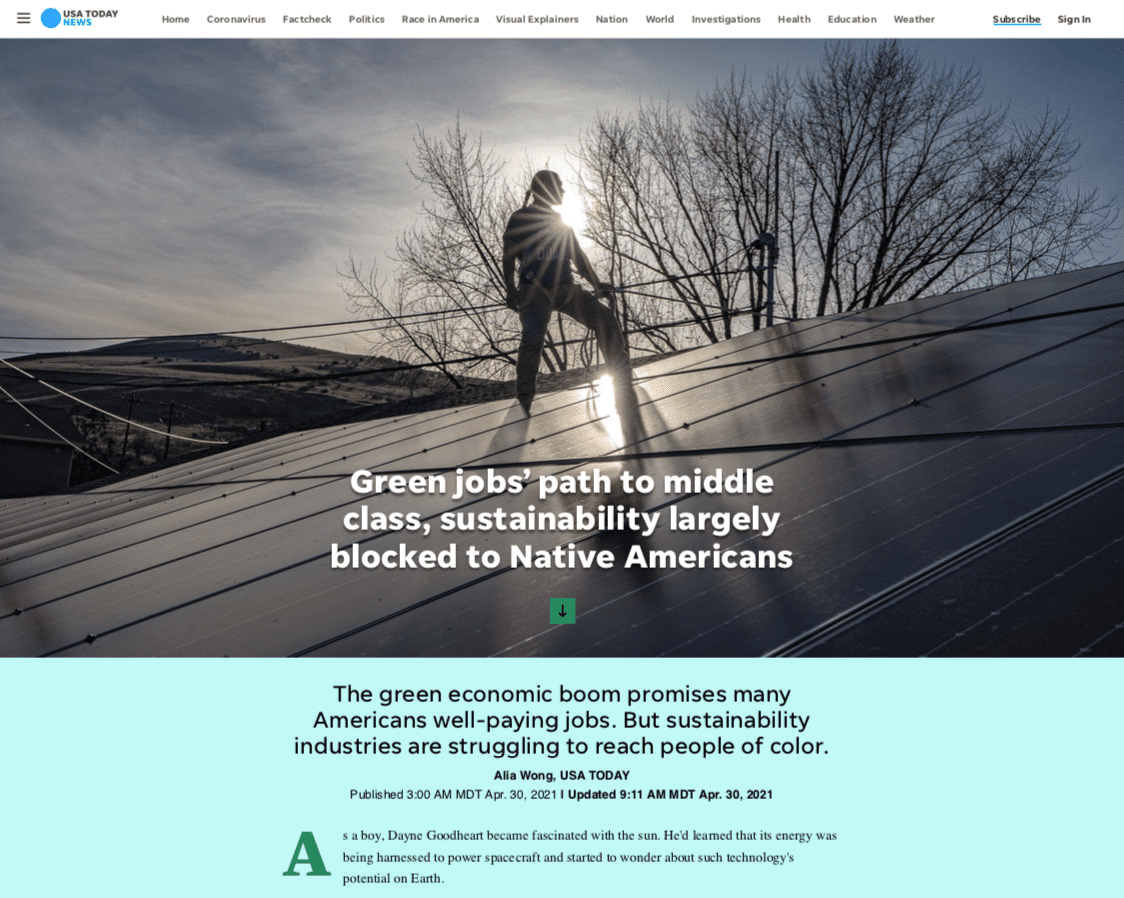
Green Collar Jobs: TCUs Can Provide Training
“Green collar jobs” in the environmental sciences and sustainable energy are a path to the middle class, yet Indigenous people are underrepresented in the field. Read more about the issue, learn about how tribal colleges and universities (TCUs), TCU student Jasmine Neosh, and the American Indian College Fund are working to fill the training gap.
We Will Not Be Erased
The American Indian College Fund urges education about Native peoples, cultures, and histories for media and citizens.
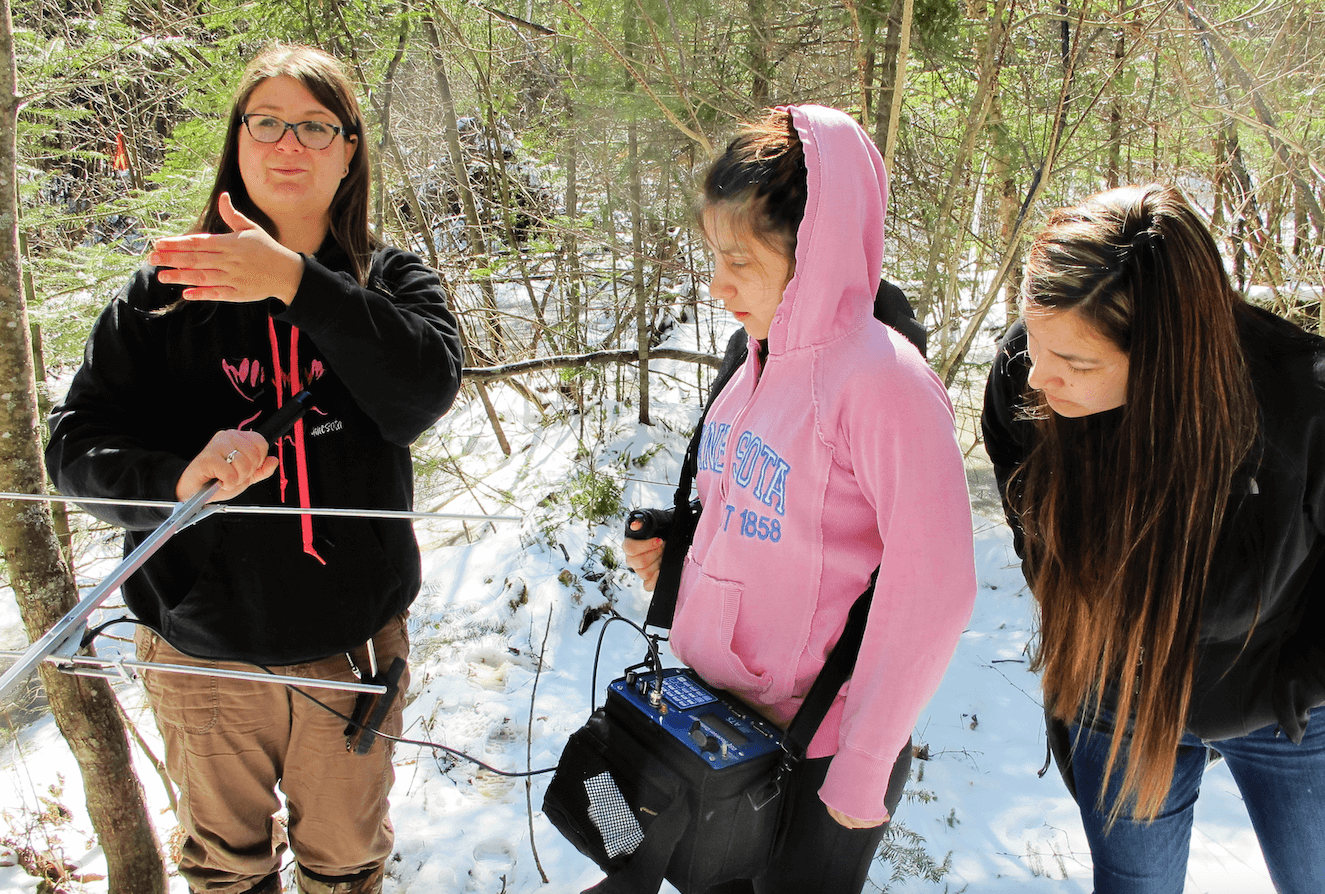
Earth Day: The Importance of Native Graduates in Environmental Studies and Green Collar Jobs
People across the nation will be celebrating Earth Day this Thursday, April 22. But for Tribal communities, Earth Day is year-round. The American Indian College Fund provides Tribal colleges and universities and their students study and internship opportunities that allow them to make a deeper impact on the environmental health of their communities.
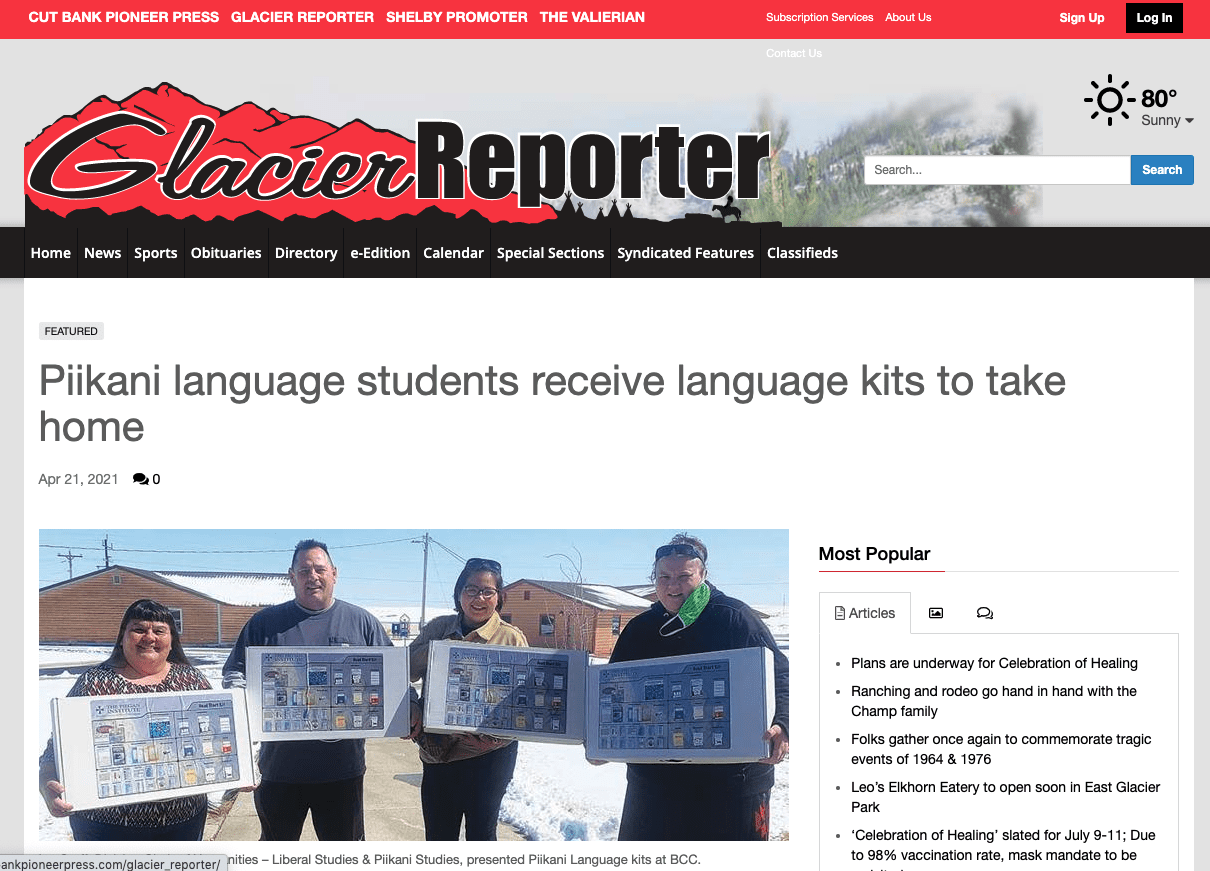
Piikani Language Students Receive Kits for Home Use
Students studying the Piikani language at Blackfeet Community College (BCC) receive language kits to take home, thanks in part to support from the American Indian College Fund.
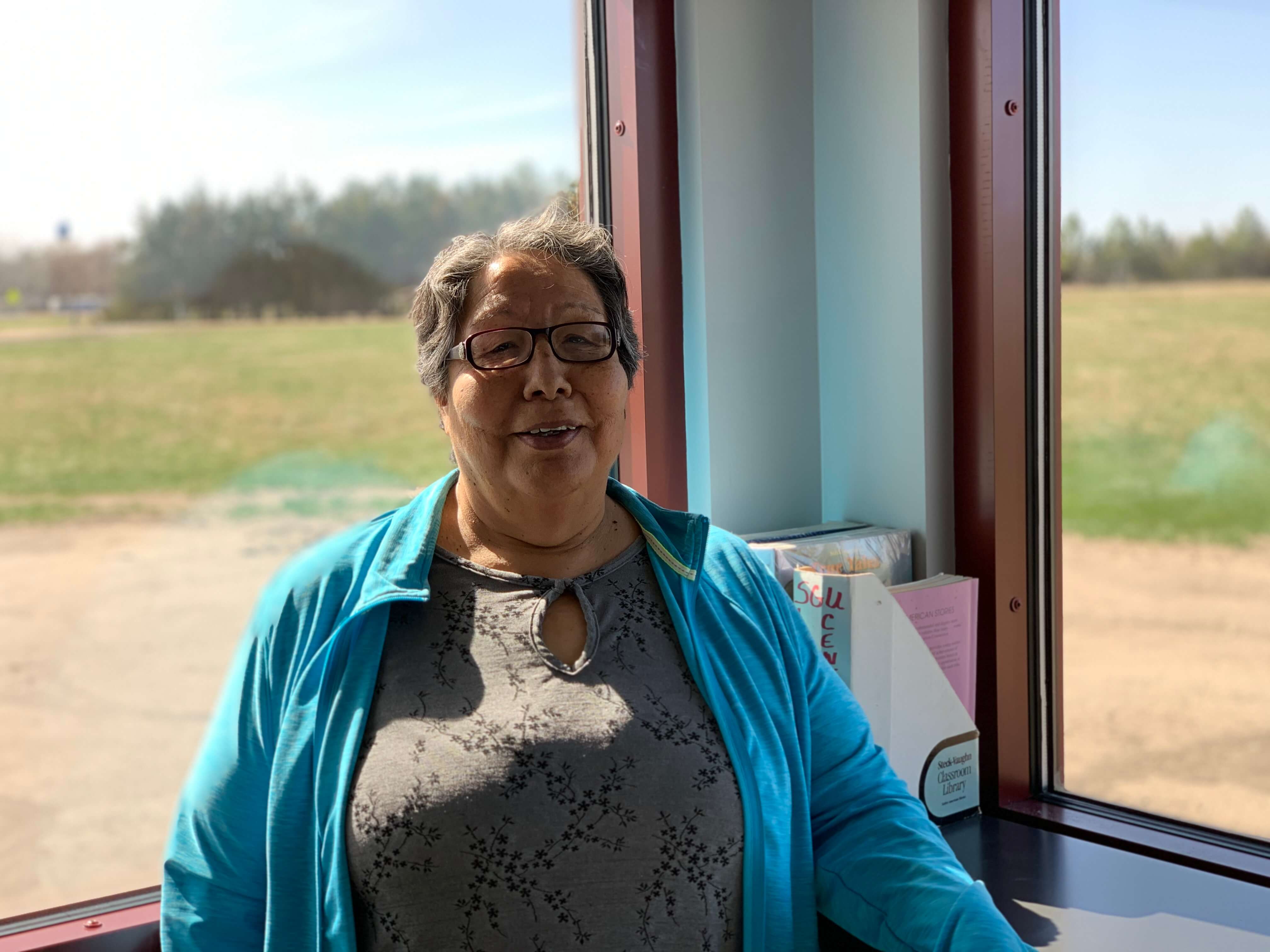
Sinte Gleska University GED Tutor Comes Full Circle
by Sherman Marshall, SGU Adult Basic Education Director For Debbie Burnette, joining Sinte Gleska University’s (SGU) Adult Basic Education (ABE) department in March 2020 was like coming home. Debbie’s connection with the ABE department goes back to 1979 when she...
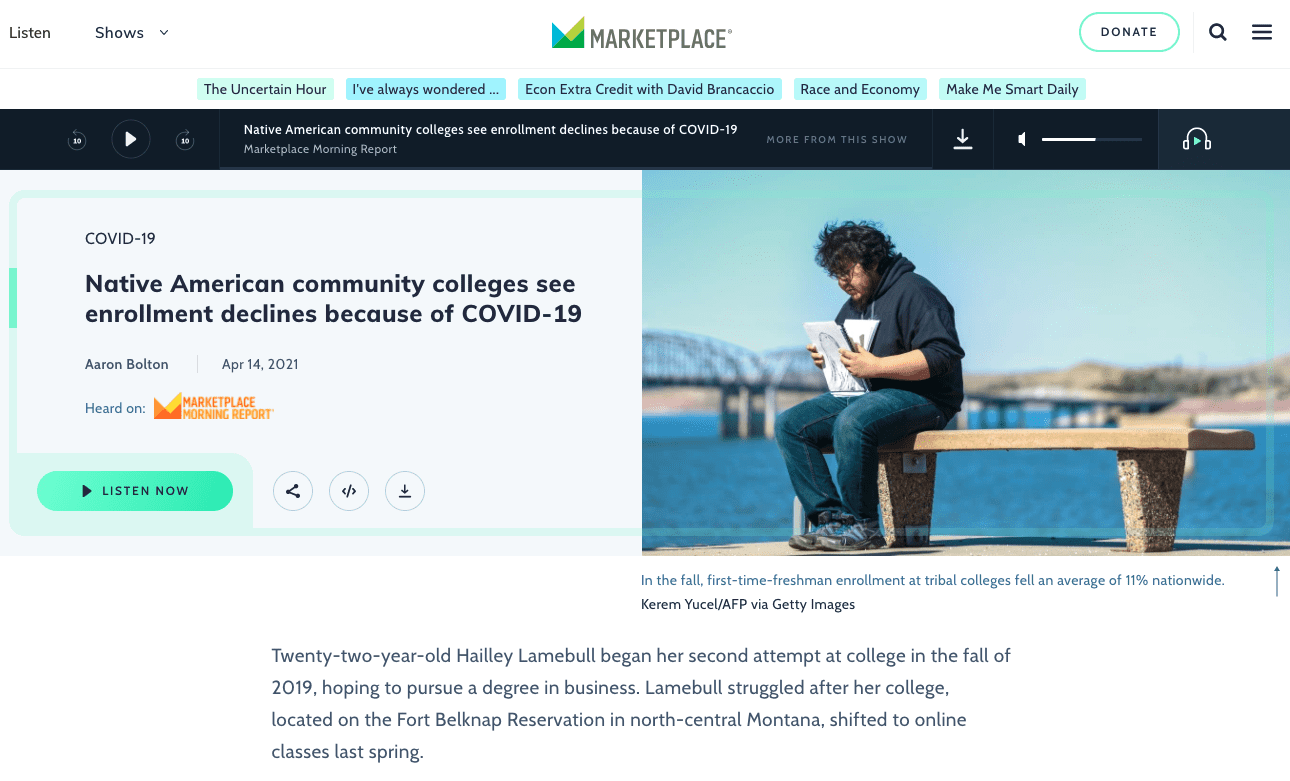
TCUs See Enrollment Declines Due to COVID-19
Freshman enrollment dropped more than 25% across Montana tribal colleges and universities last fall, and nationwide all Native American student enrollment experienced the largest drops nationwide. Montana Public Radio reporter Aaron Bolton speaks to President Cheryl Crazy Bull of the American Indian College Fund, tribal college presidents, and tribal college students about how COVID-19 and the digital divide in Montana’s rural reservation areas fueled many students’ decisions not to enroll or return to college last fall.

American Indian College Fund Offers $20 Gift Card for Scholarship Applicants Attending Tribal Colleges and Universities
Native American students interested in attending college who are seeking a scholarship from the American Indian College Fund have an additional incentive to apply this year—the College Fund is offering $20 gift cards for every student that completes an application by April 30.