Indigenous Literacy Story Series
The Indigenous Literacy Story Series seeks to shift perceptions of literacy and education in tribal nation communities, provide evidence of literacy success and innovation in tribal nation communities, establish the College Fund as a resource and leader in literacy resources, and encourage innovation and collaboration within TCUs, across TCUs, and between Native inservice teachers.
This story series features guest writers from the College Fund, TCUs, and Native educators in the field.

Indigenous Literacy is:
A means of expressing and sustaining connection, culture, and sovereignty.
The ability to communicate (tell stories, speak, write, create, teach, or demonstrate) and comprehend (listen, read, sense, interpret, view, learn, or practice).
A starting point for Native people to co-create their environment in ways that are grounded in – and sustaining of – Indigenous cultures, languages, and ways of knowing.
Relational and intergenerational, supporting kinship with each other, ancestors, and the land.
Essential to thriving Indigenous communities.
Featured Stories
Making Back to School a Positive Experience
I have two favorite times of the year: graduation, when we see Native students walk across the stage to receive hard-earned diplomas, and back to school, when we watch a whole new class of students – and returning classes of students – start a brand-new year filled with hope, promise, and positivity.
ECE Programs Spotlight: For the Wisdom of the Children Year 2 Convene
How can we ensure that the work being done at tribal colleges through the American Indian College Fund’s Early Childhood Education (ECE) programming continues to grow and sustain itself?
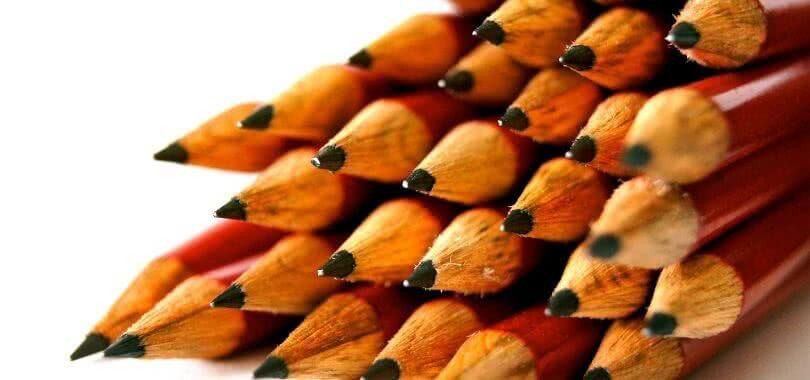
Through the Eyes of a GED Instructor
It seems not so long ago it was the start of a new school year, with things just beginning to roll. Students were rushing to get last-minute supplies, such as paper and pencils. Counselors’ schedules were loaded with appointments.
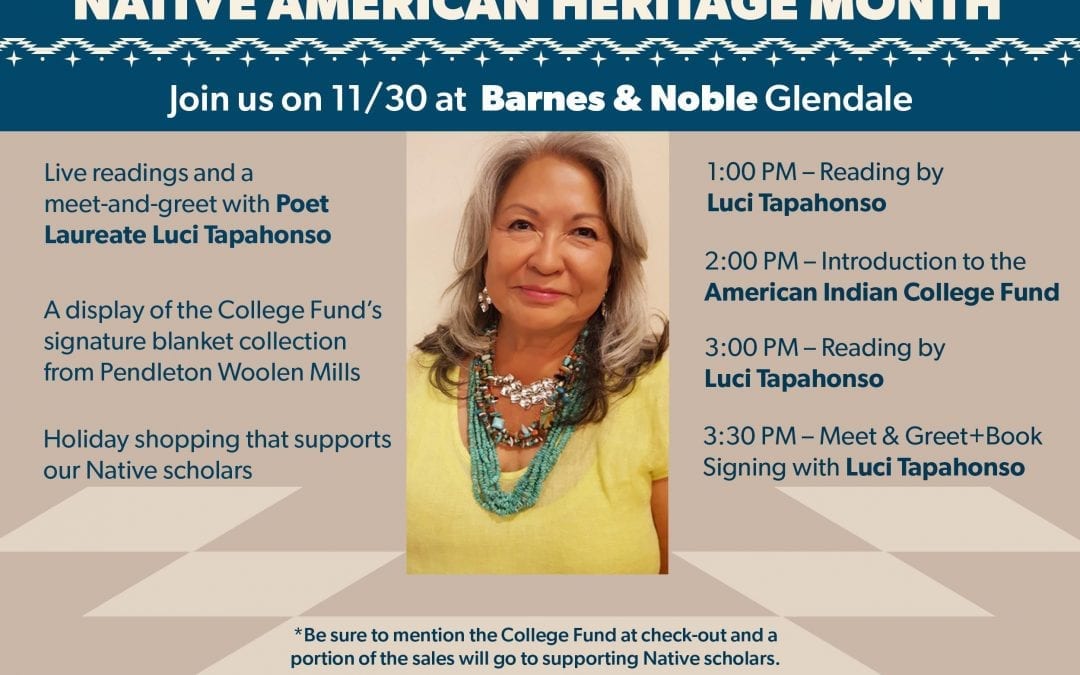
Luci Tapahanso, Poet Laureate of Navajo Nation to Read from Her Work Nov. 30 to Benefit American Indian College Fund
Full day of Native American-themed events to take place at Barnes and Noble; bookstore will contribute percentage of sales to support Native college students
The Way to Reawaken Indigenous Language is to Nurture Speakers
Amanda LeClair-Diaz and Tarajean Yazzie-Mintz review research literature that demonstrates Tribal Colleges and Universities’ (TCUs) efforts in Native language revitalization. The review focuses on research of Native language revitalization opportunities in early childhood education and development.
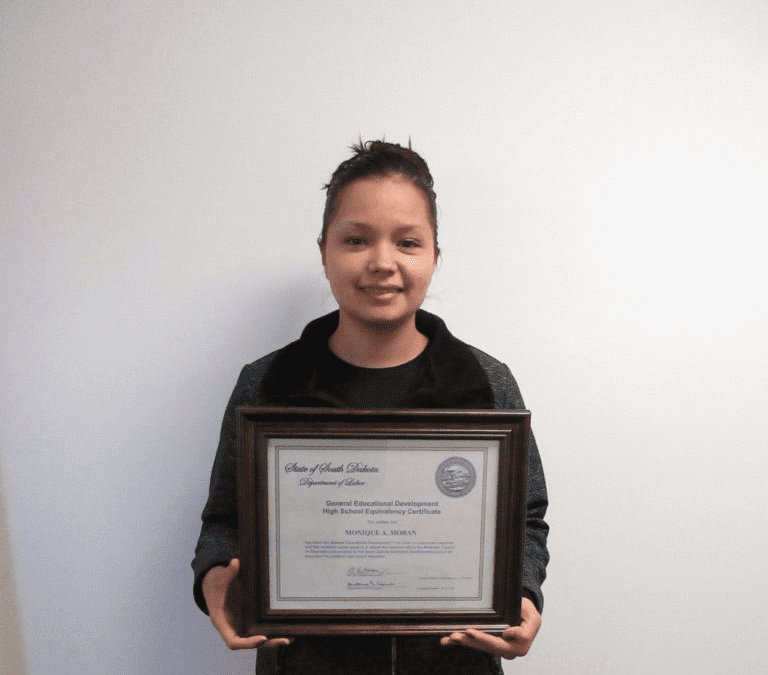
Dollar General GED Program: Monique’s Story
The Sinte Gleska University Adult Basic Education/GED department provides free GED tutoring and testing services to approximately 120 adult learners annually on the Rosebud Reservation and surrounding counties in south central South Dakota.
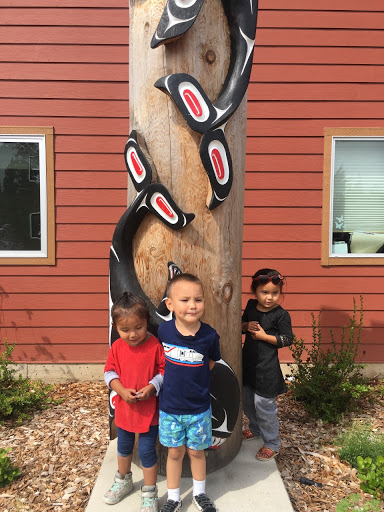
Interactive Sensory Garden Featuring Flora That Is Indigenous to This Land
Northwest Indian College’s Early Learning Center innovated an Interactive Sensory Garden helping preschool children to engage in experiential STEM education.
An Interview with Monique Moran, GED Graduate
The American Indian College Fund and Sinte Gleska University (SGU) are sharing this powerful GED story demonstrating the success of the Dollar General American Indian and Alaska Native Literacy and Adult Education Program.
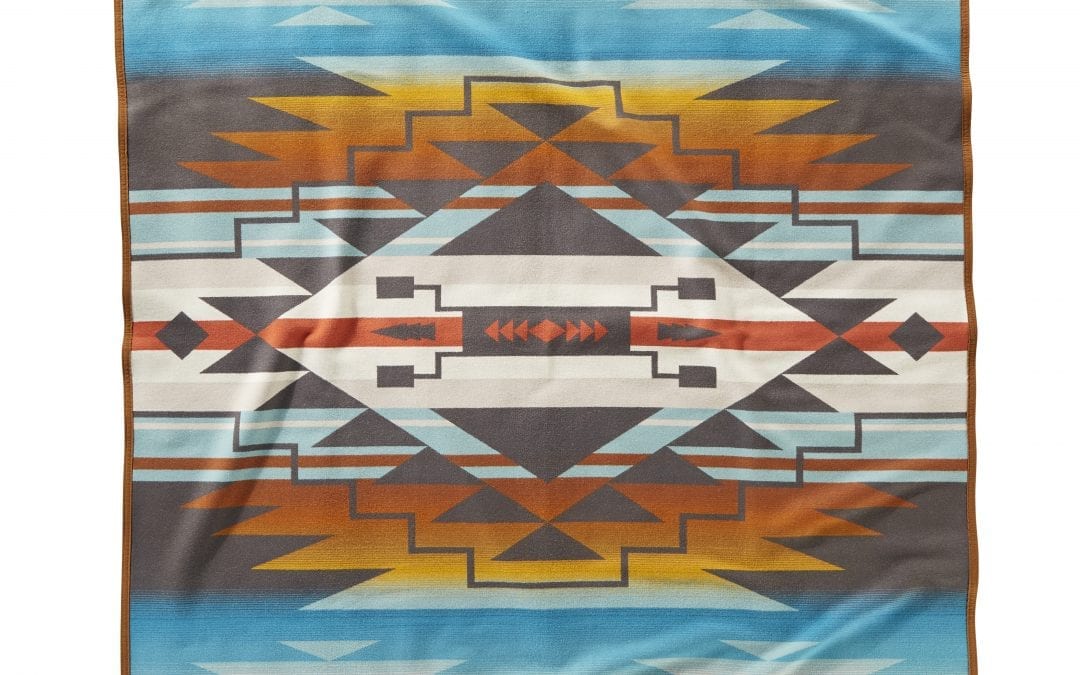
American Indian College Fund Announces A New Blanket for 2019: Seven Generations
The American Indian College Fund, Pendleton Woolen Mills, the acclaimed lifestyle brand headquartered in Portland, Oregon, and Nike N7 introduce a new shared-values blanket, 7 Generations, just in time for Native American Heritage month in November.
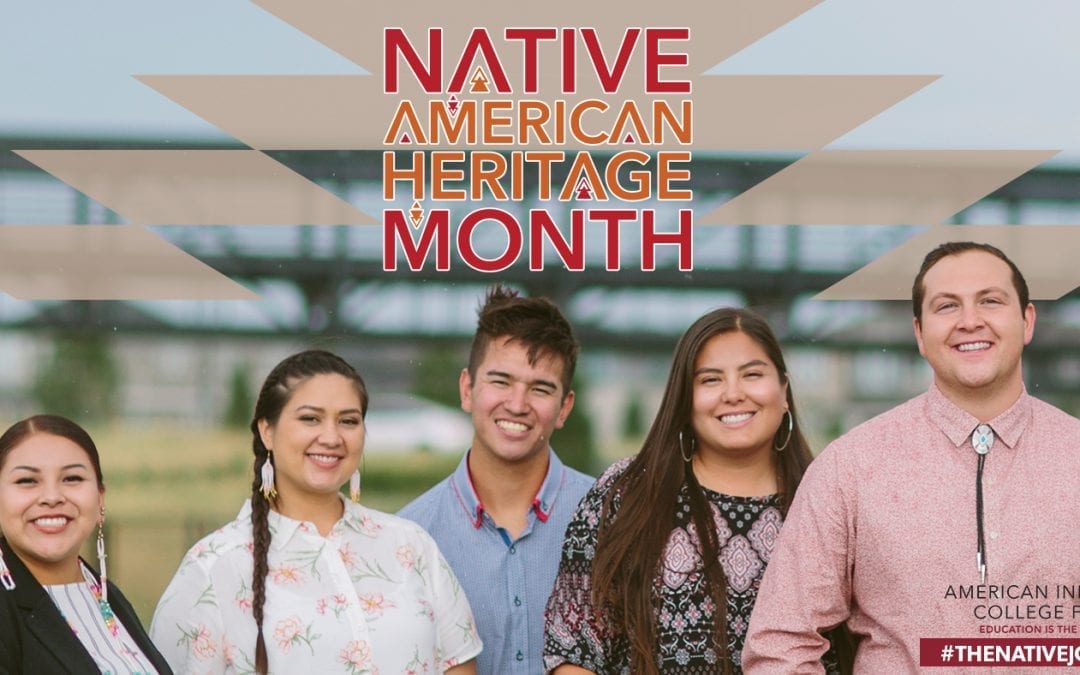
American Indian College Fund Says New Proclamation Undermines Significance of Native People
Since 1990, November has been designated as Native American Heritage Month to celebrate Native people and their contributions to society. However, leaders with the American Indian College Fund are concerned that President Trump’s newly formed proclamation that November will also be considered National American History and Founders Month may divert attention from Native issues and undermine the experiences and role of Native populations in this country’s history.