Visit our scholarships page and evaluate the scholarship categories (undergraduate attending a tribal college, undergraduate attending a mainstream college, or graduate student) to click “How to Apply” begin the application process.

Visit our scholarships page and evaluate the scholarship categories (undergraduate attending a tribal college, undergraduate attending a mainstream college, or graduate student) to click “How to Apply” begin the application process.
The growth and continuity of our home the Earth, as well as an eco-system, a seed, a student or a community, requires the support, communication and the action of many.
Since graduating from high school my educational development has focused on forestry and natural resources, and my career in various technical and professional positions has been intertwined with my educational focus. I approach my education and career as complementary activities, because my jobs are opportunities to learn and learning is my job.

When tasked with the responsibility of clothing and feeding family, paying bills, keeping the car fueled and running, and paying for an education, you may feel overwhelmed. You are not alone. Understanding credit and debt management allows you to make fiscally responsible decisions. Financial literacy ranges from understanding how a checking account works to understanding your credit score.
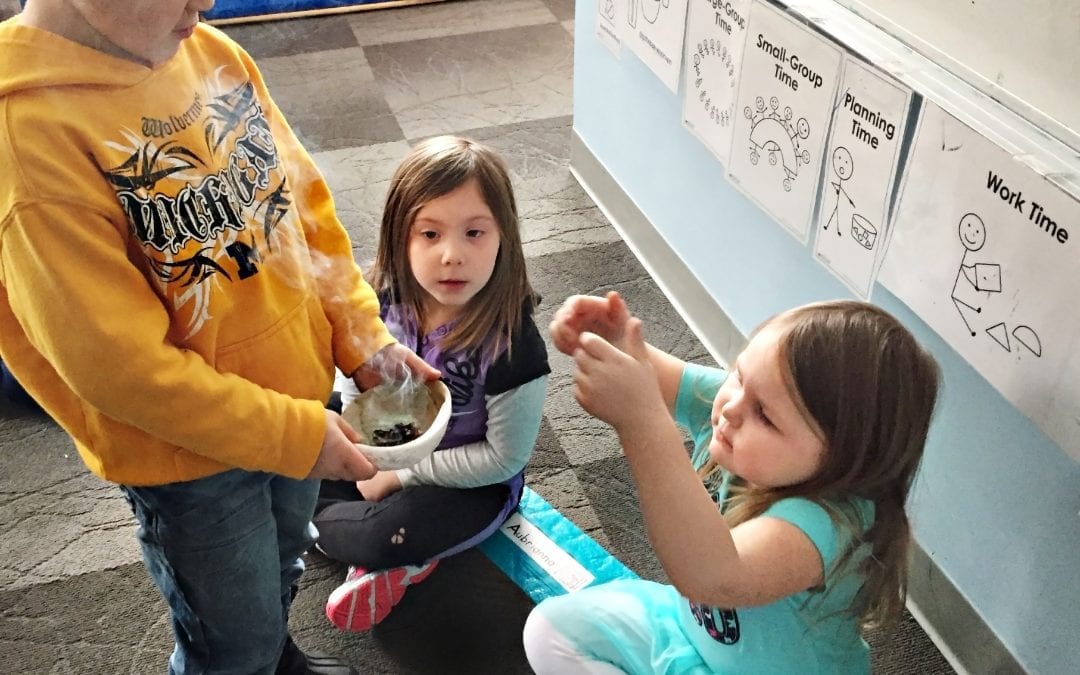
Tribal elders are an integral part of the Restorative Teachings program, serving as an important link from past to future, and Keweenaw Bay Ojibwa Community College’s program is no different (KBOCC). When the tribal elder who serves as the program’s cultural consultant was interviewed for the position, honesty, integrity, and respect emanated from him as he looked at each of the program’s employees in the eyes and told the stories of the Ojibwe past.
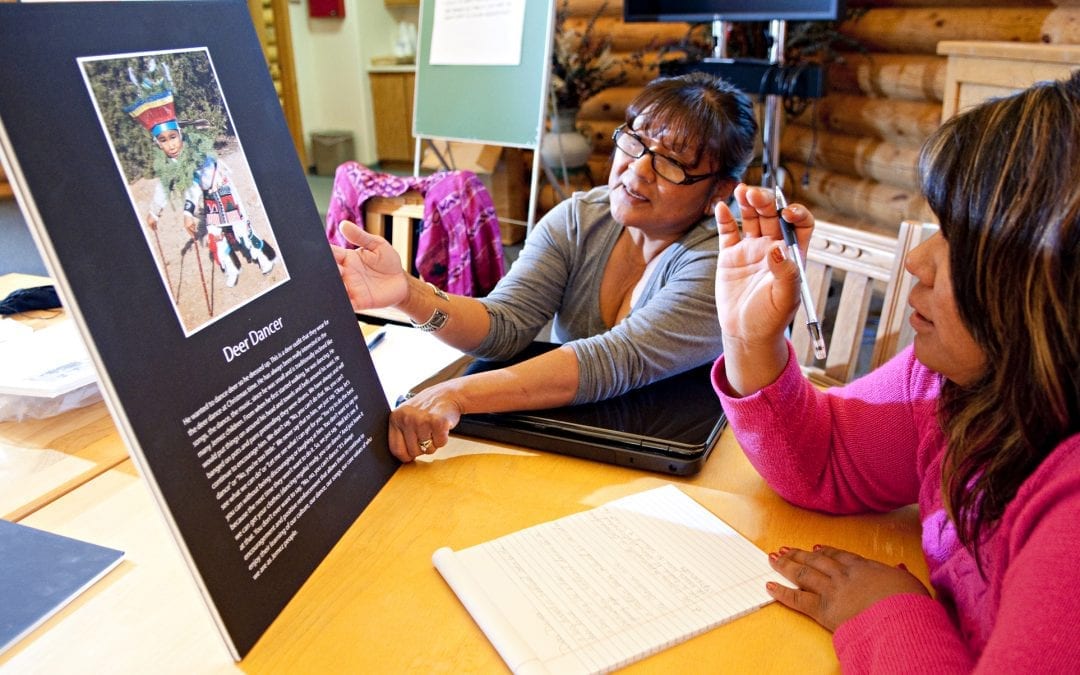
A new guide for educators titled Teacher Education Across Minority-Serving Institutions: Programs, Policies, and Social Justice, edited by Emery Petchauuer and Lynnette Mawhinney (Rutgers University Press, 2017) shares successful teaching practices and teacher education programs from minority-serving institutions (MSIs) across the country.
A higher education is a tool for a better life. But for education to also be a portal for social change in Native communities, a one-size-fits-all approach is not sufficient. A new guide for educators titled Teacher Education Across Minority-Serving Institutions: Programs, Policies, and Social Justice, edited by Emery Petchauuer and Lynnette Mawhinney (Rutgers University Press, 2017) shares successful teaching practices and teacher education programs from minority-serving institutions (MSIs) across the country.

Right after the presidential election, I sent a message to our students urging them to practice self-care in the face of expected increases in racial, gender, and religious discrimination fueled by the divisions the election exacerbated – divisions that were both obvious in the rhetoric and actions of the candidates and in the electorate and which are also hidden in the language of nationalism. My message spoke to the choices that we each have in how we will respond and the awareness that we must have when we choose to be silent or speak out.
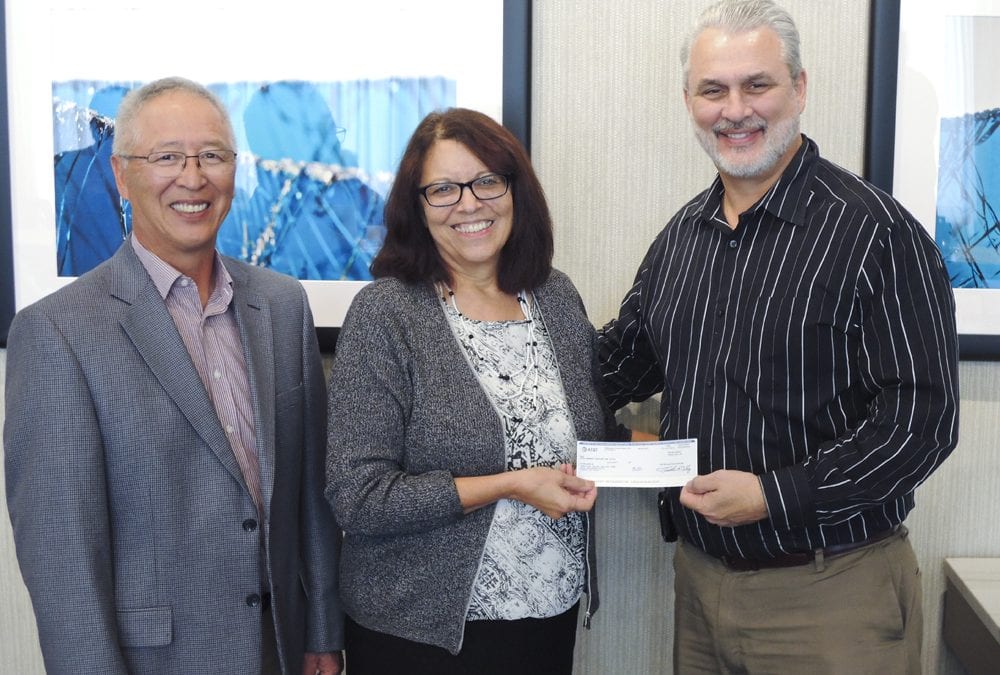
To commemorate Native American Heritage Month, AT&T is furthering its commitment to Indian Country with more than $1 million dollars in contributions to connect Native youth to education that leads them to the 21st century workforce. The contribution includes $600,000 to the American Indian College Fund (College Fund) and $450,000 to George Washington University (GW).
National scholarship providers are often unaware of the special challenges American Indian students face when entering college. Tiffany Gusbeth, a member of the Northern Cheyenne tribe and a Program Manager for the Full Circle Scholarships program at the American Indian College Fund, spoke at the National Scholarships Providers Association annual meeting in Charleston, South Carolina in October, providing an inside view about those challenges and tips and tools to help them succeed.