
Planting the Seeds of Cultural Sustainability
April 22, 2026 | Student Ambassador Aiyanna Tanyan’s (Seminole Nation of Oklahoma) work to reclaim food sovereignty
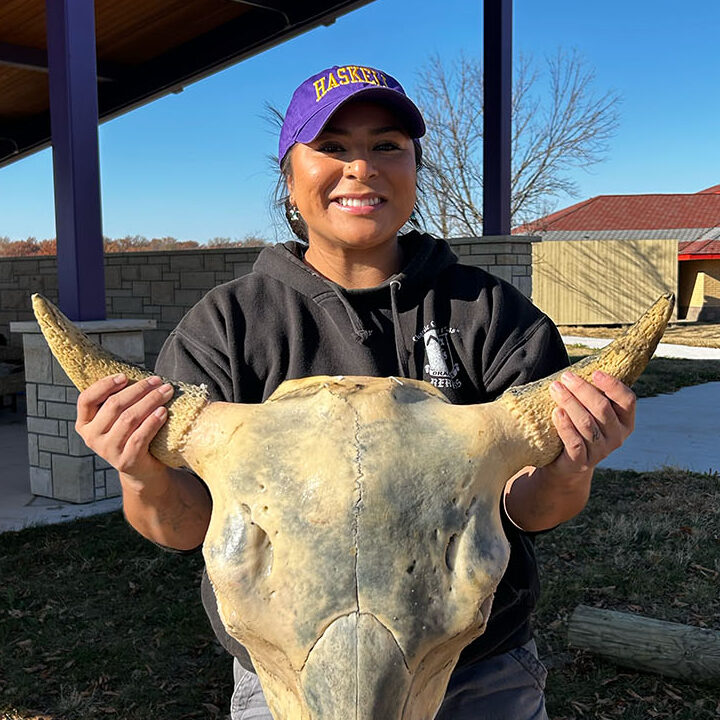
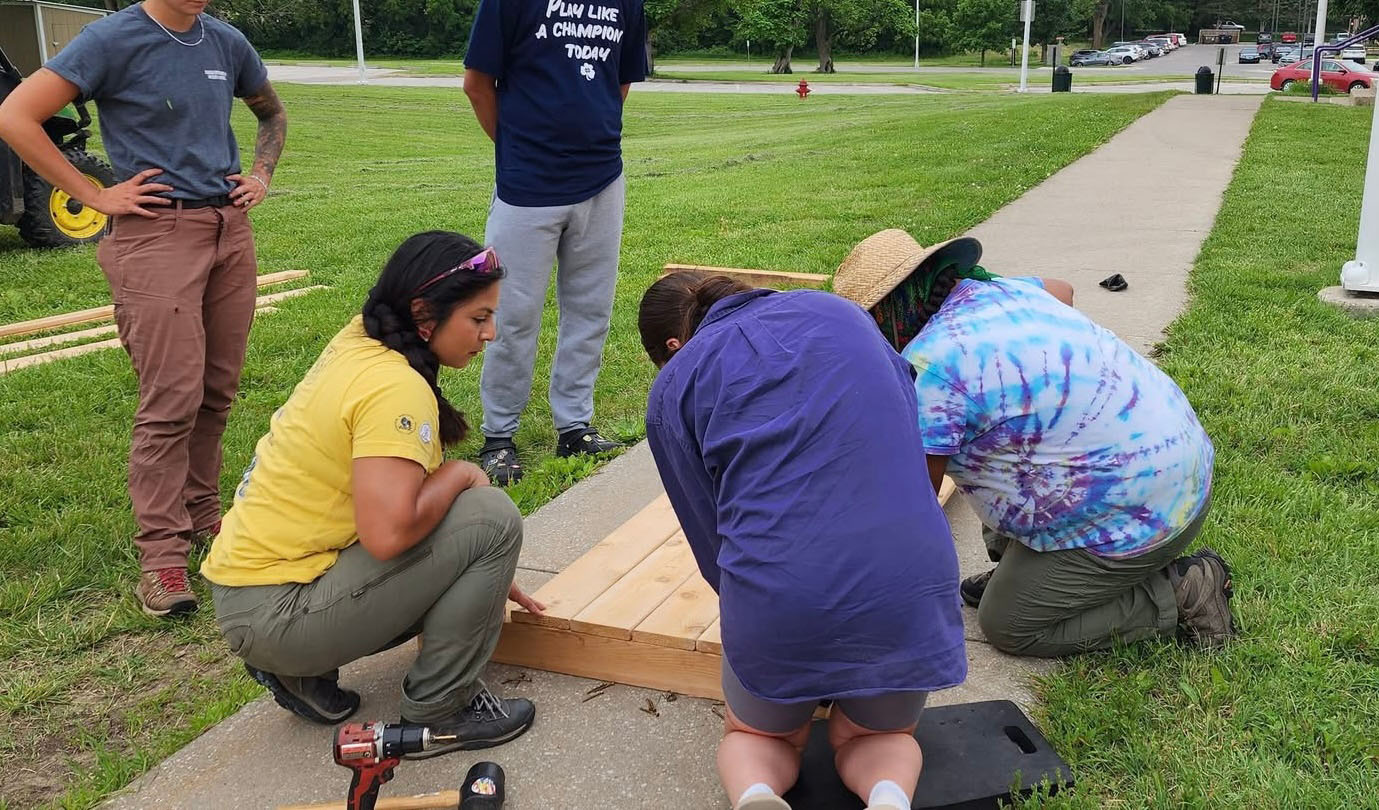
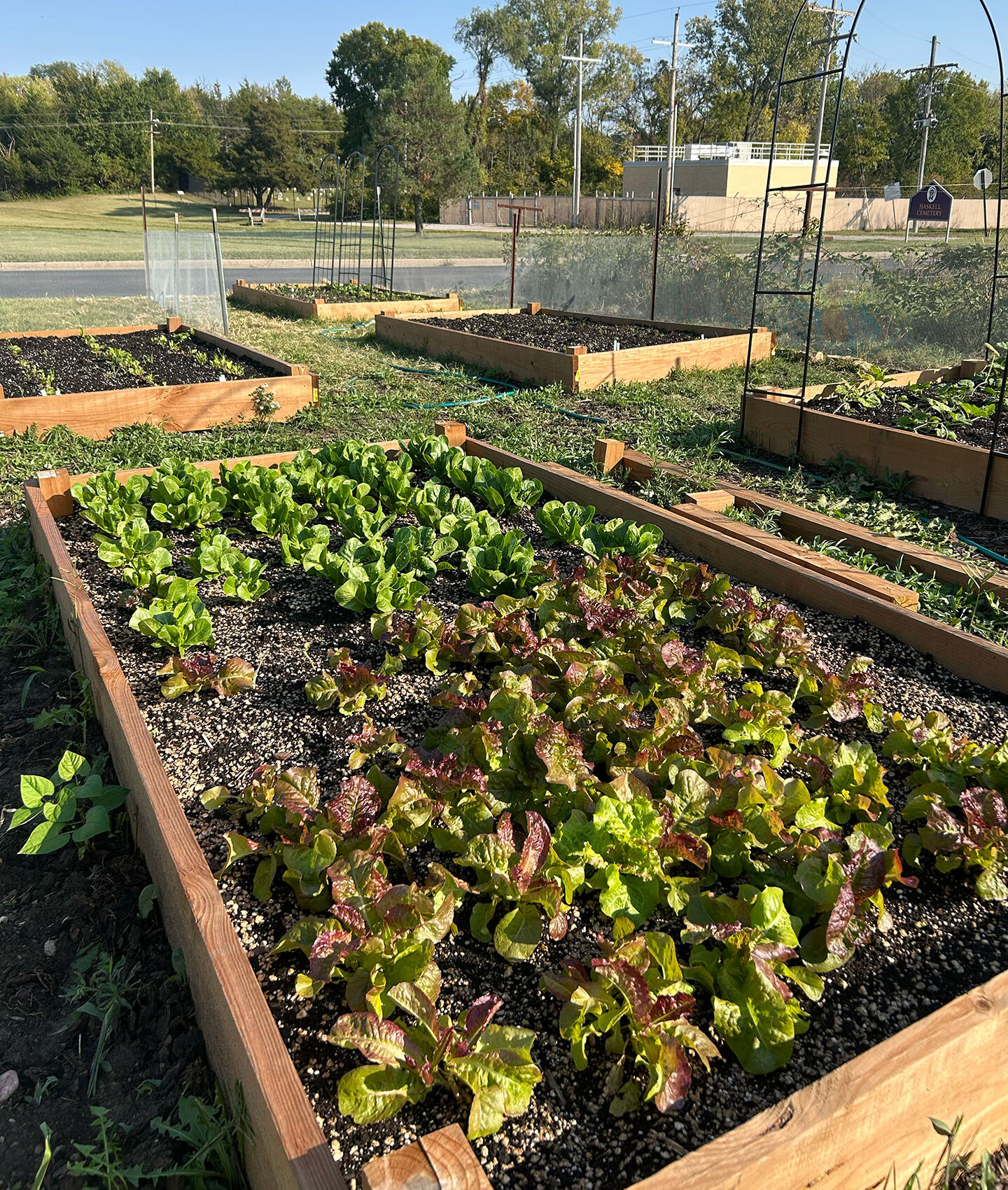
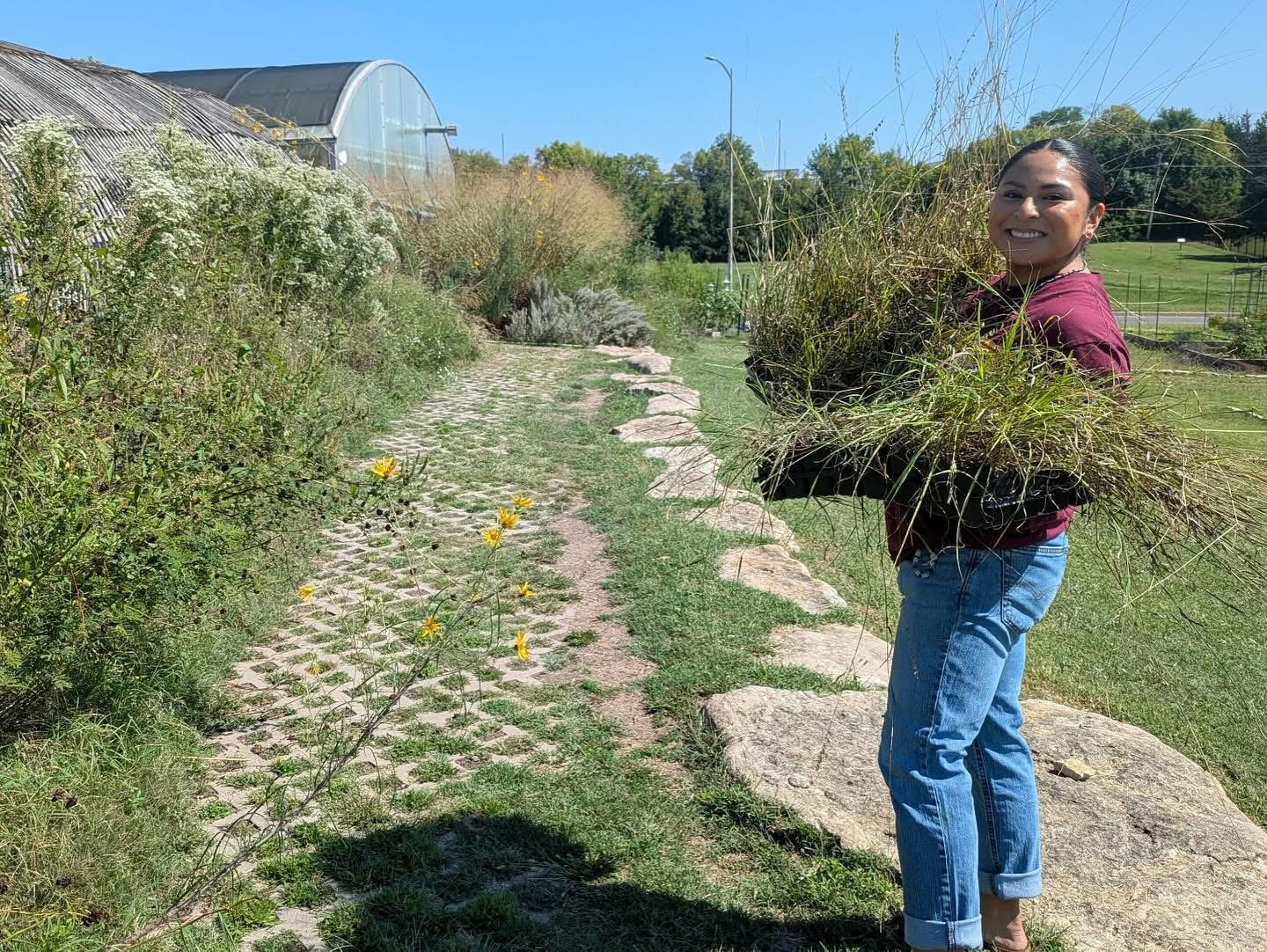
We came up with the idea of building raised garden beds near the dorms so students can easily access fresh foods and learn how to grow them themselves. Through support from the Haskell Greenhouse (funded through the USDA Equity Grant), we started building.
Last year was our first year doing this project and it was a learning experience as with many community-based projects, it comes with trial and error. However, that process taught us a lot about what works, what doesn’t, and how to build something more sustainable moving forward. This year, we’re continuing this work with stronger systems, more involvement, and a clearer vision.
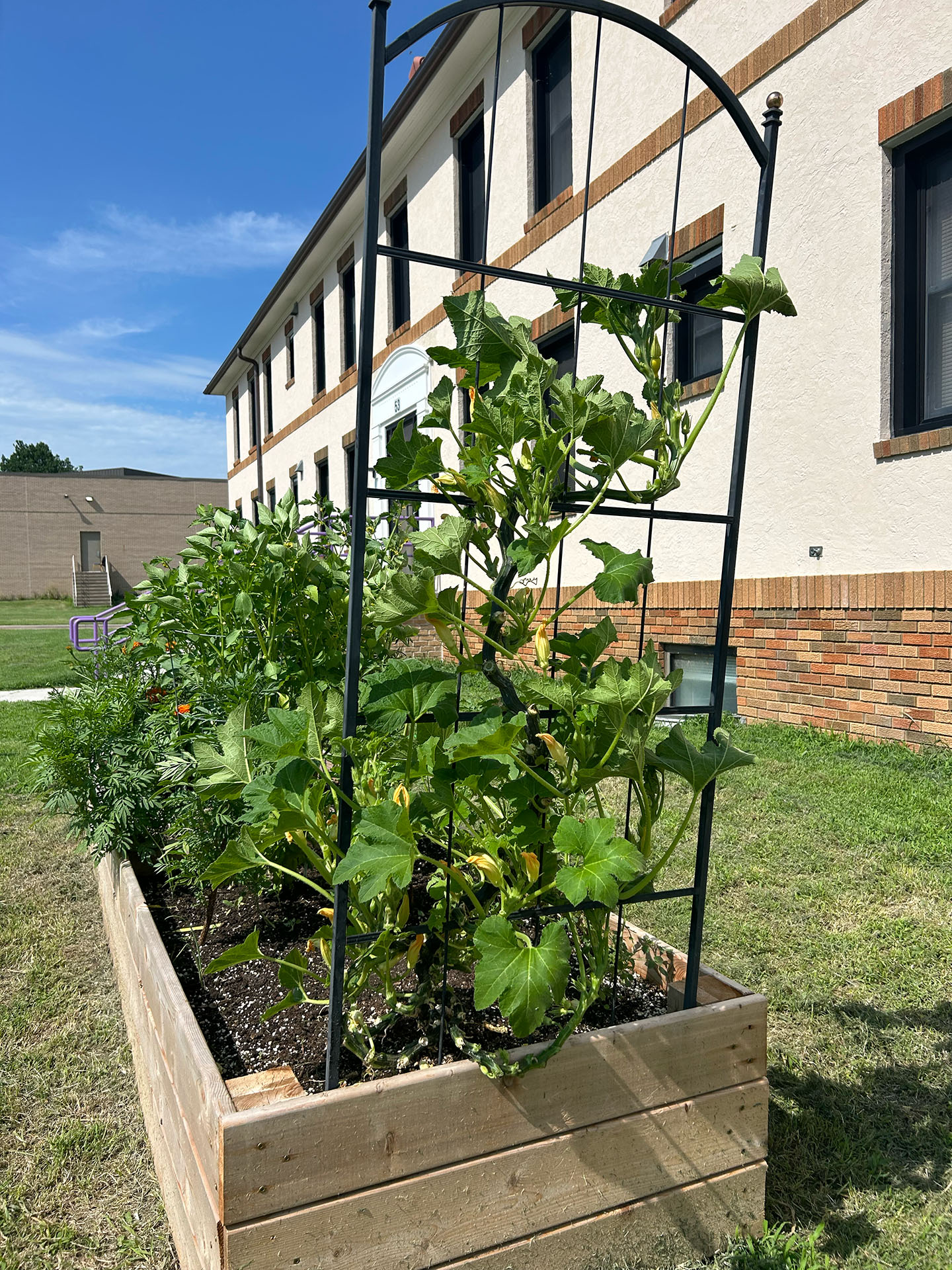
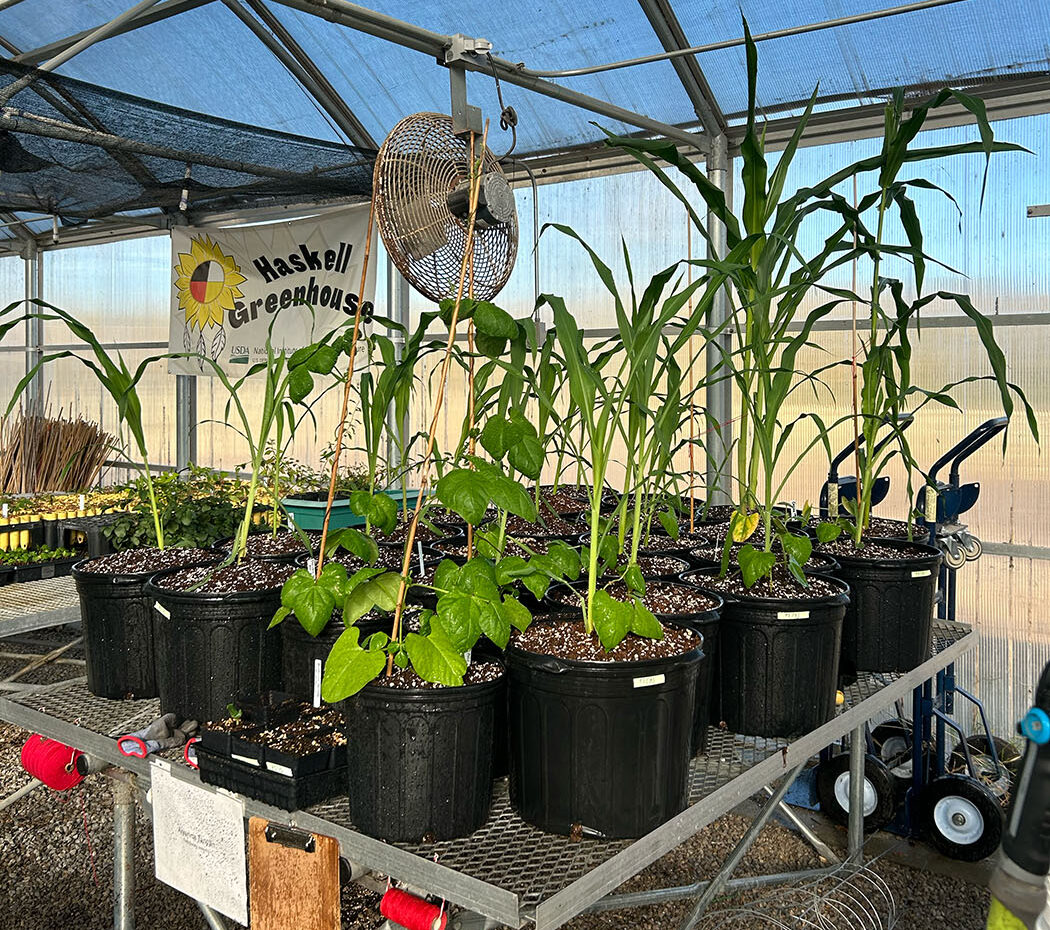
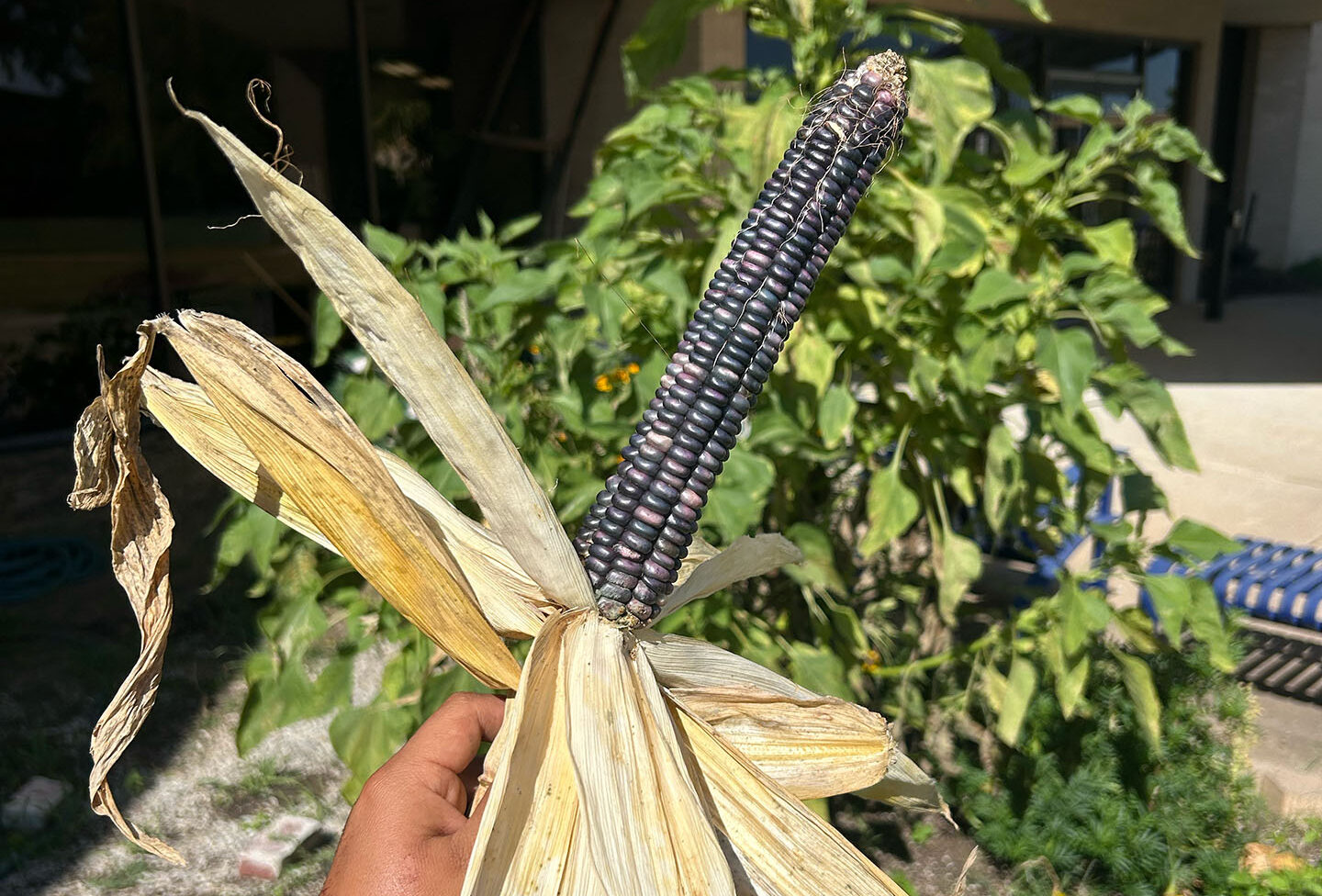
Everyone at the Haskell Greenhouse wants to help others learn, value, and view these spaces as places of teaching. I know they have taught me so much about responsibility and our relationship with the environment. Through these projects, we’re helping students reconnect with the land and understand the importance of food sovereignty for Indigenous communities. This work is ongoing, and we’re still learning. Every seed planted, and every workday shared brings us one step closer to a more sustainable and connected future.
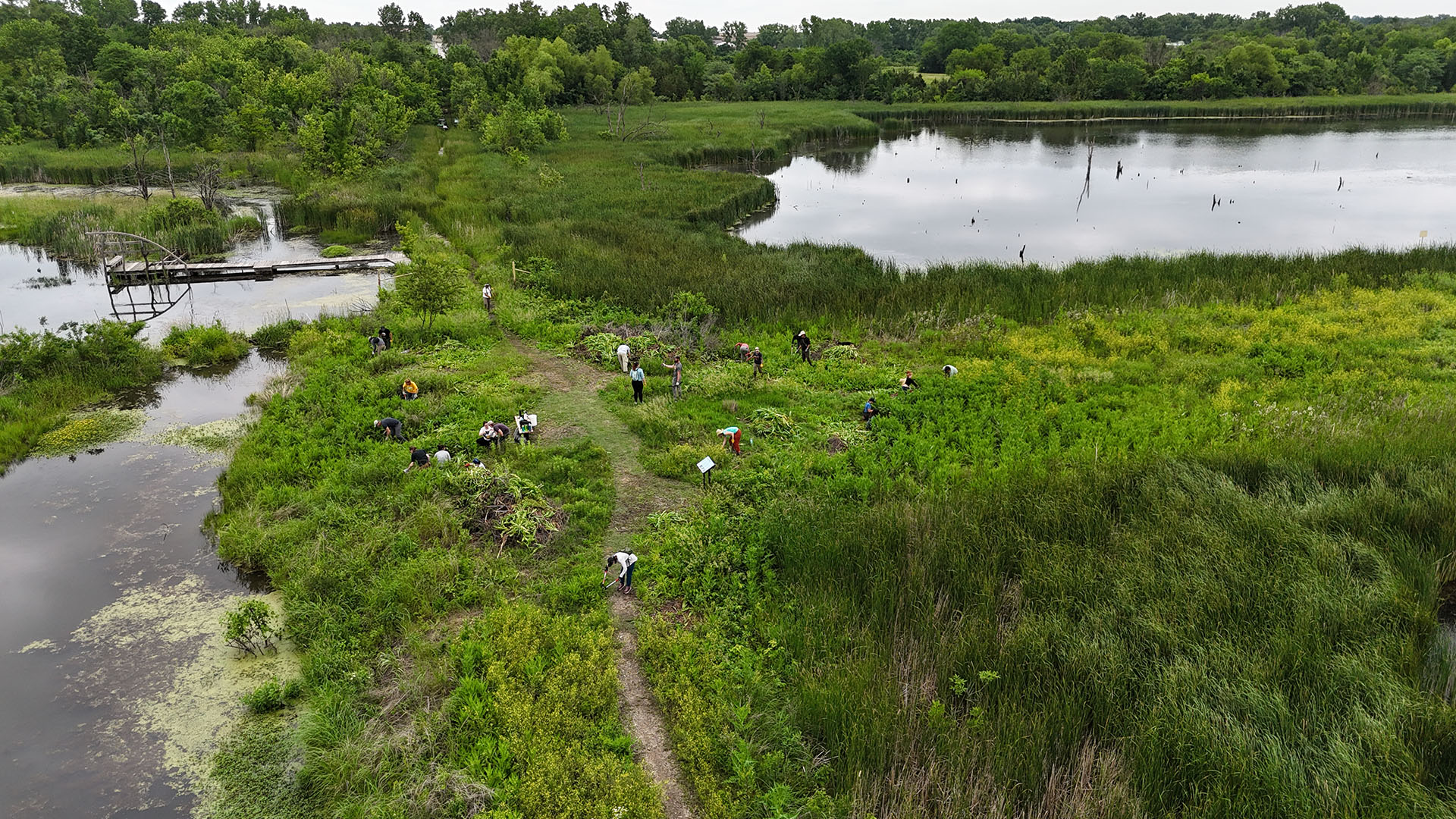
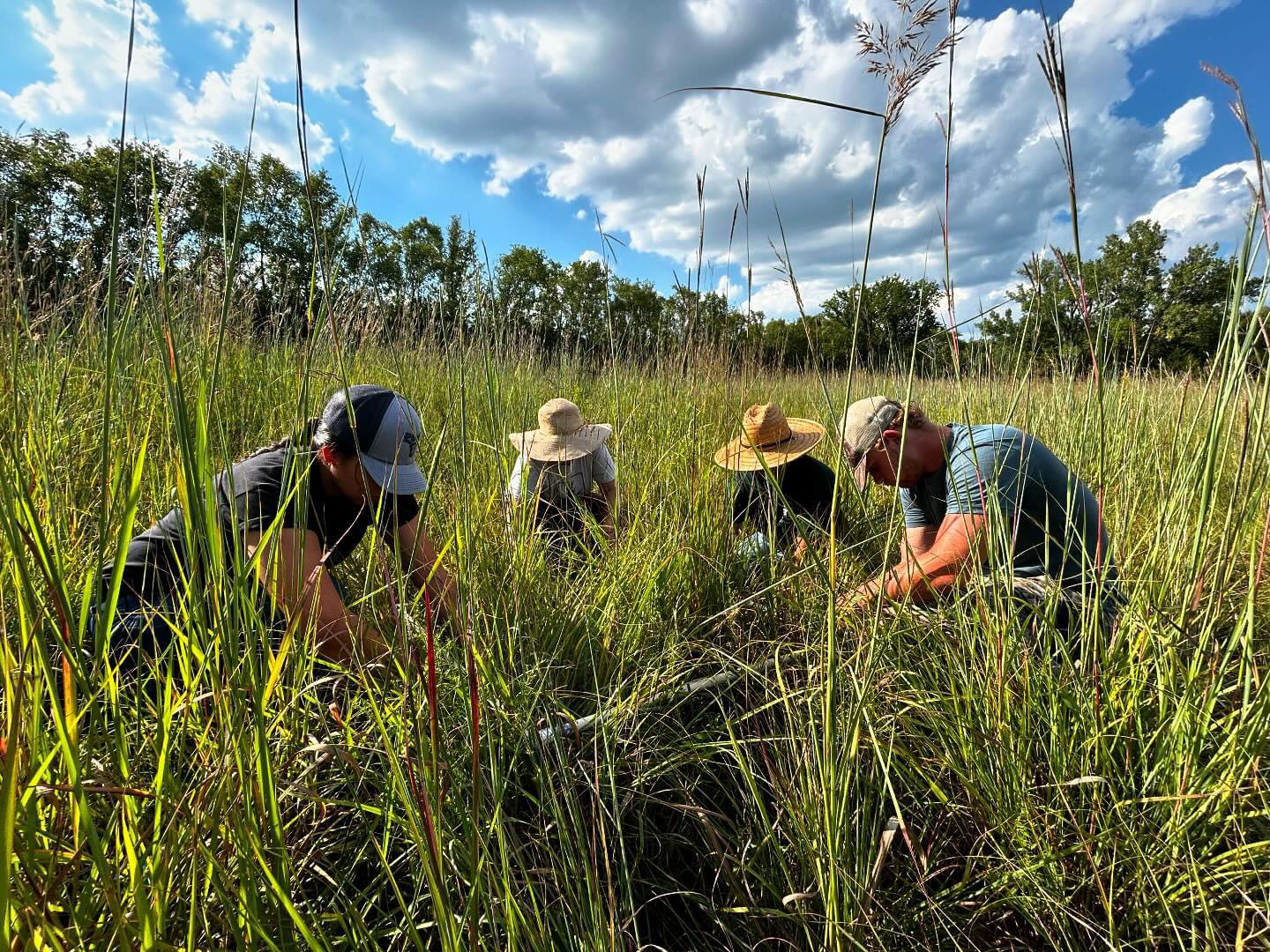
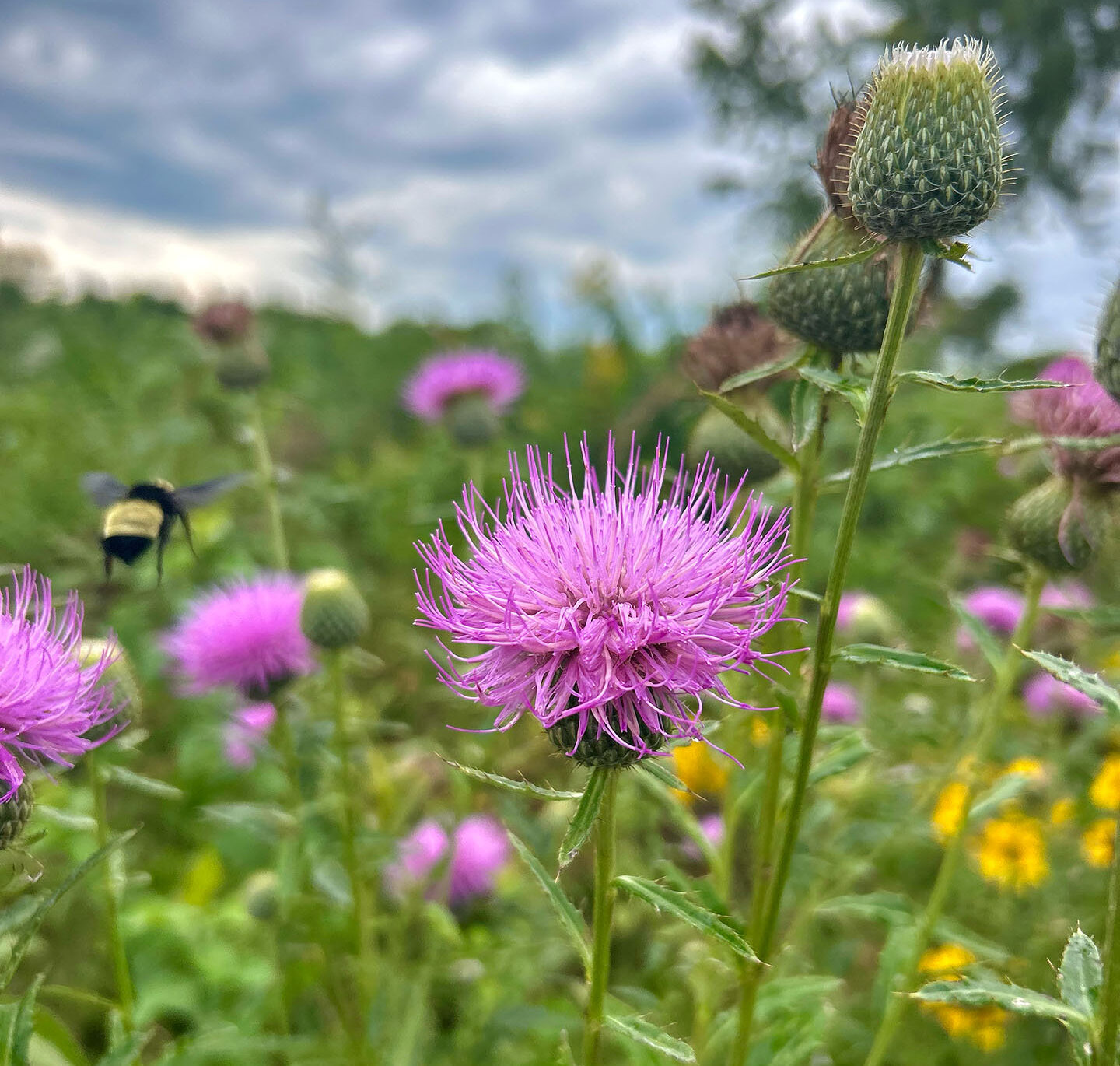
In Caring for Our Kin: Stories of Indigenous Environmental Stewardship, the College Fund shares the stories of Indigenous environmental leaders who are centering kinship and relational knowledge to build healthy ecological systems. These stories remind us that caring for the Earth means caring for one another—and that Indigenous knowledge systems continue to offer guidance, resilience, and hope for the future.
Learn more about our Environmental Stewardship Program.
Ekvnv Vcayecet. Mvto!
(Take care of the Earth/Land. Thank you)
More Blogs
Circle of Hope Winter 2026
| Winter 2026 | Circle of Hope Setting Native Students Up for Success Dear Friends and Relatives, Typically, this is the time of year when things rest, restoring themselves for spring growth. Where I come from, the Rosebud reservation in South Dakota, animals...
TCUs’ Unique Take on the Purpose of Education: A Reflection for National Tribal Colleges and Universities Week
During National Tribal Colleges and Universities Week, our Senators and Representatives learn about the perspective of higher education, not as an impersonal experience that results in higher earnings, but as a sharing of knowledge and deepening of relationships that leads to graduates who are not only higher earners but invested members of their community and country.

American Indian College Fund Scholarship Season Opens February 1
American Indian College Fund Scholarship Season Opens February 1 Comprehensive Support and a Streamlined System Aid Prospective Applicants and Funded Scholars Denver, Colo., January 27, 2026 — Applications for an American Indian College Fund (College Fund) scholarship...
One Student’s Story
By Joseph (Tohono O’odham Nation) As a Native person traveling on my own tribal nation and ancestral lands, I never thought I would be questioned about my citizenship. Our land and our Tribe existed long before borders, checkpoints, or immigration agencies. Yet these...
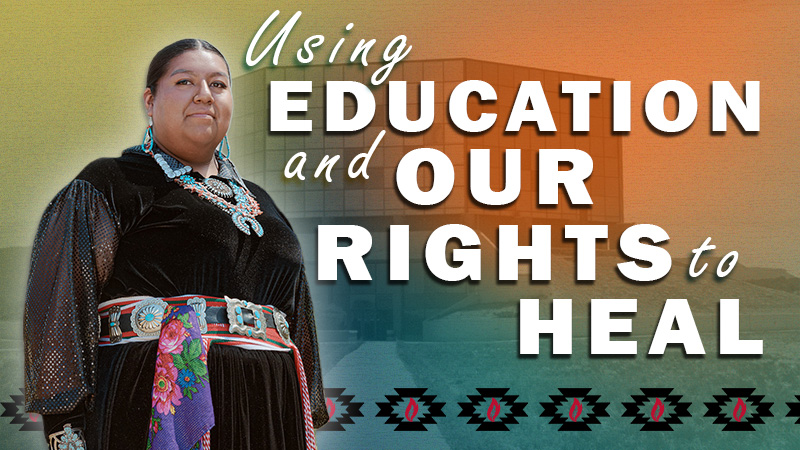
National Day of Racial Healing
In the past year we have witnessed the erosion of freedom of speech, racial profiling of civilians, and further limitations on minority and low-income individuals’ ability to pursue their desired educations and careers. The Indigenous peoples within the United States...
Lending an Indigenous Perspective to ICE Raids
In the past year we have witnessed the erosion of the freedom of speech, profiling of civilians, and the right to peacefully protest. What has happened in Minnesota, including the murder of a protestor and the arrest of four Native Americans, is chilling. Native...
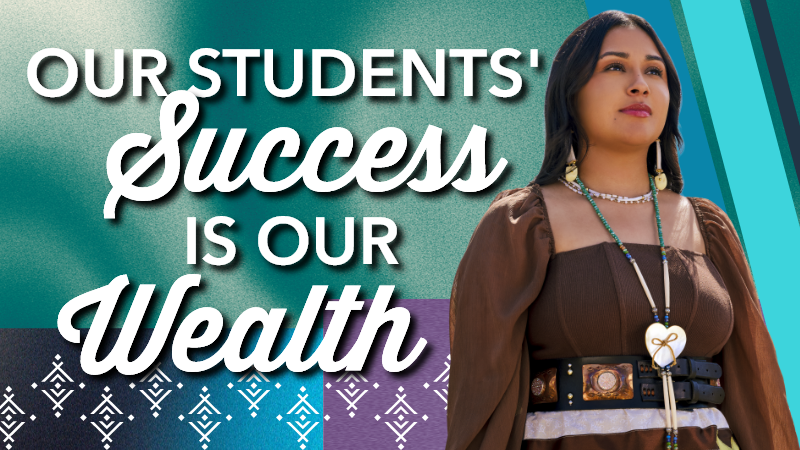
Our Students’ Success is Our Wealth: Join Us to Help More Students Access Higher Education
Winter is a special season, full of holidays, good food, good company. And no matter the culture, storytelling and the spirit of reflection, growth, giving, and gratitude take center stage this time of year. It is no different for Native peoples, many of whom wait to tell certain stories on long, cold winter nights.
