
Planting the Seeds of Cultural Sustainability
April 22, 2026 | Student Ambassador Aiyanna Tanyan’s (Seminole Nation of Oklahoma) work to reclaim food sovereignty
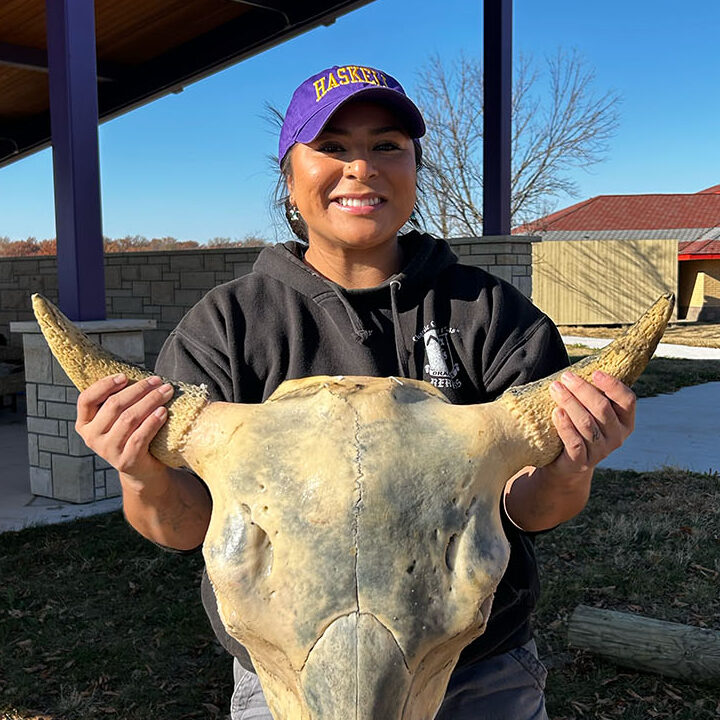
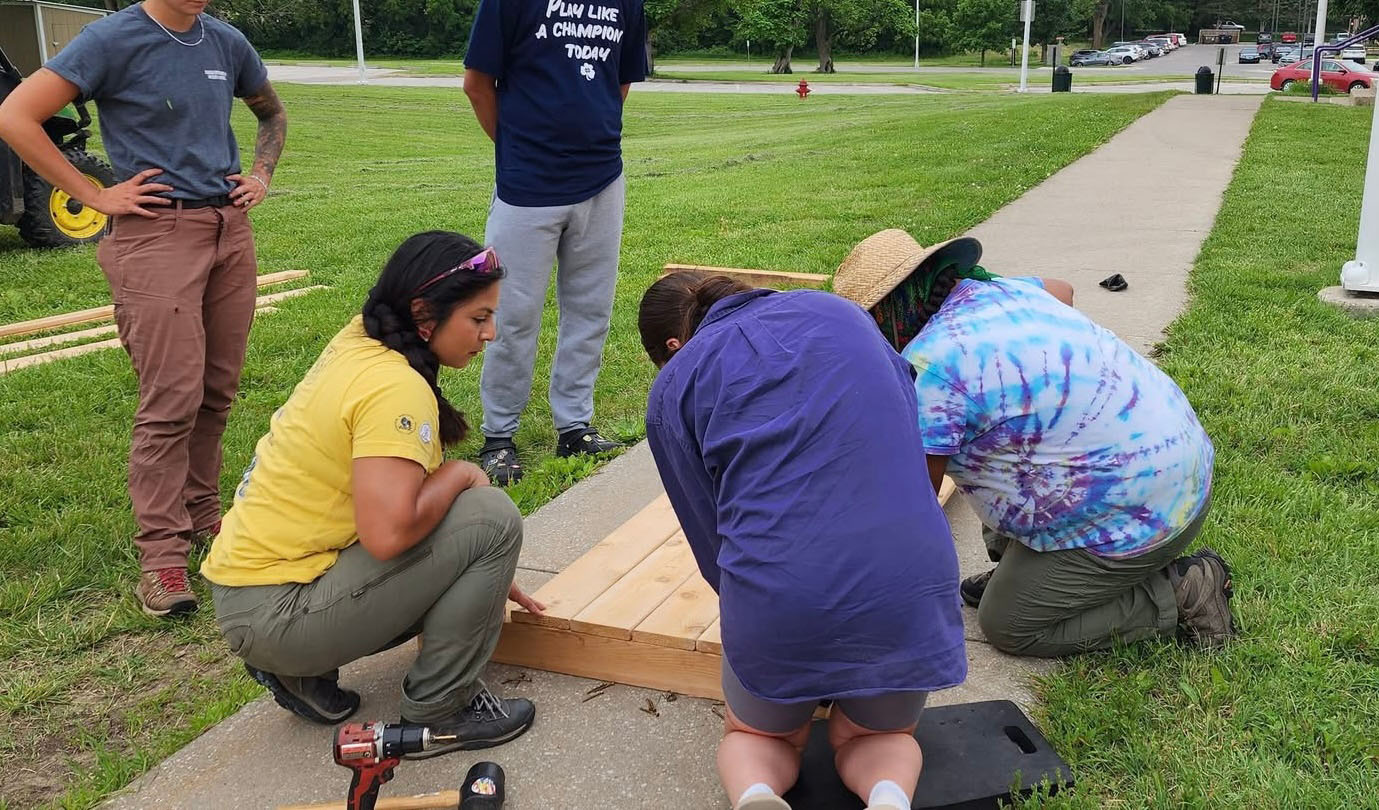
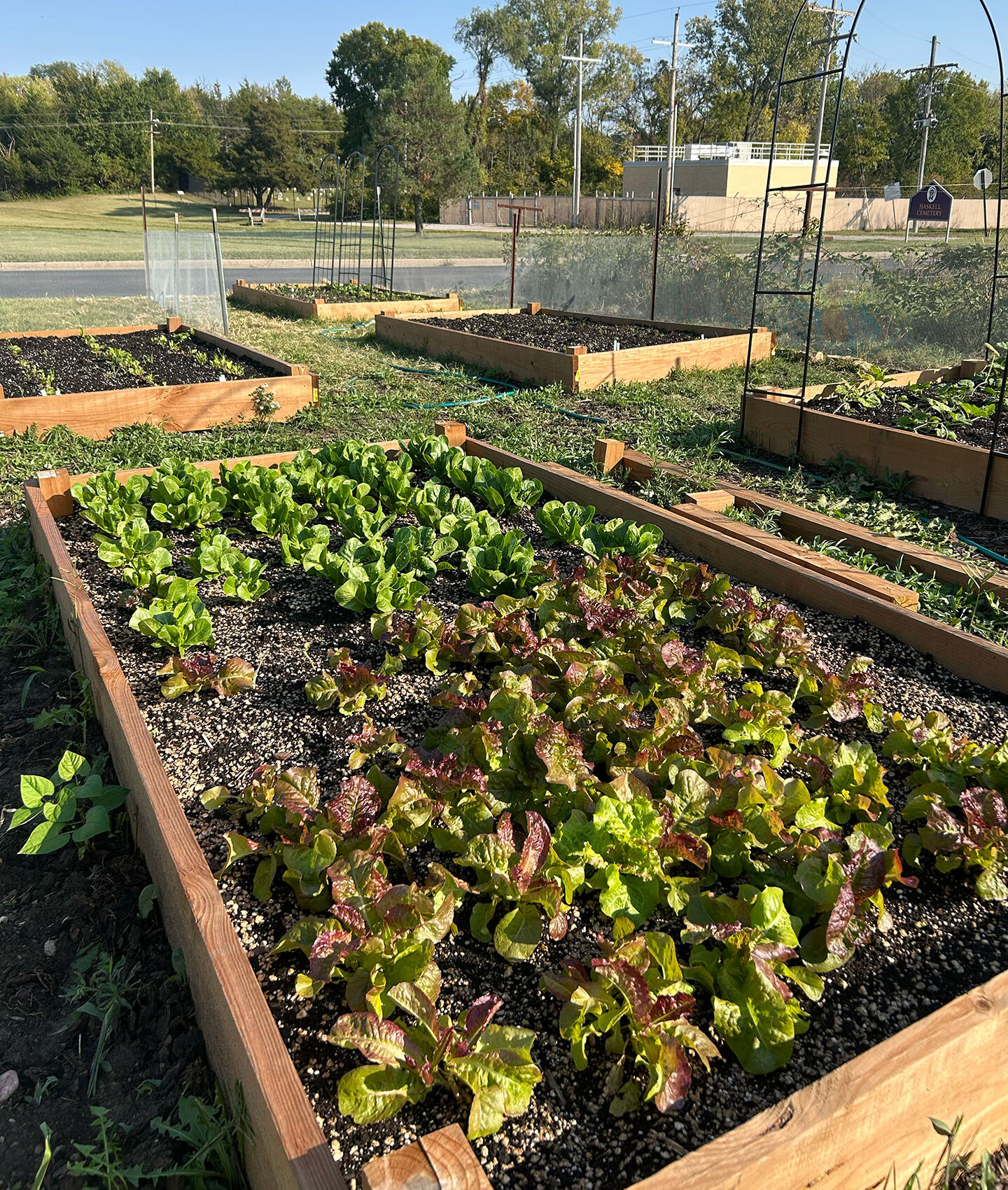
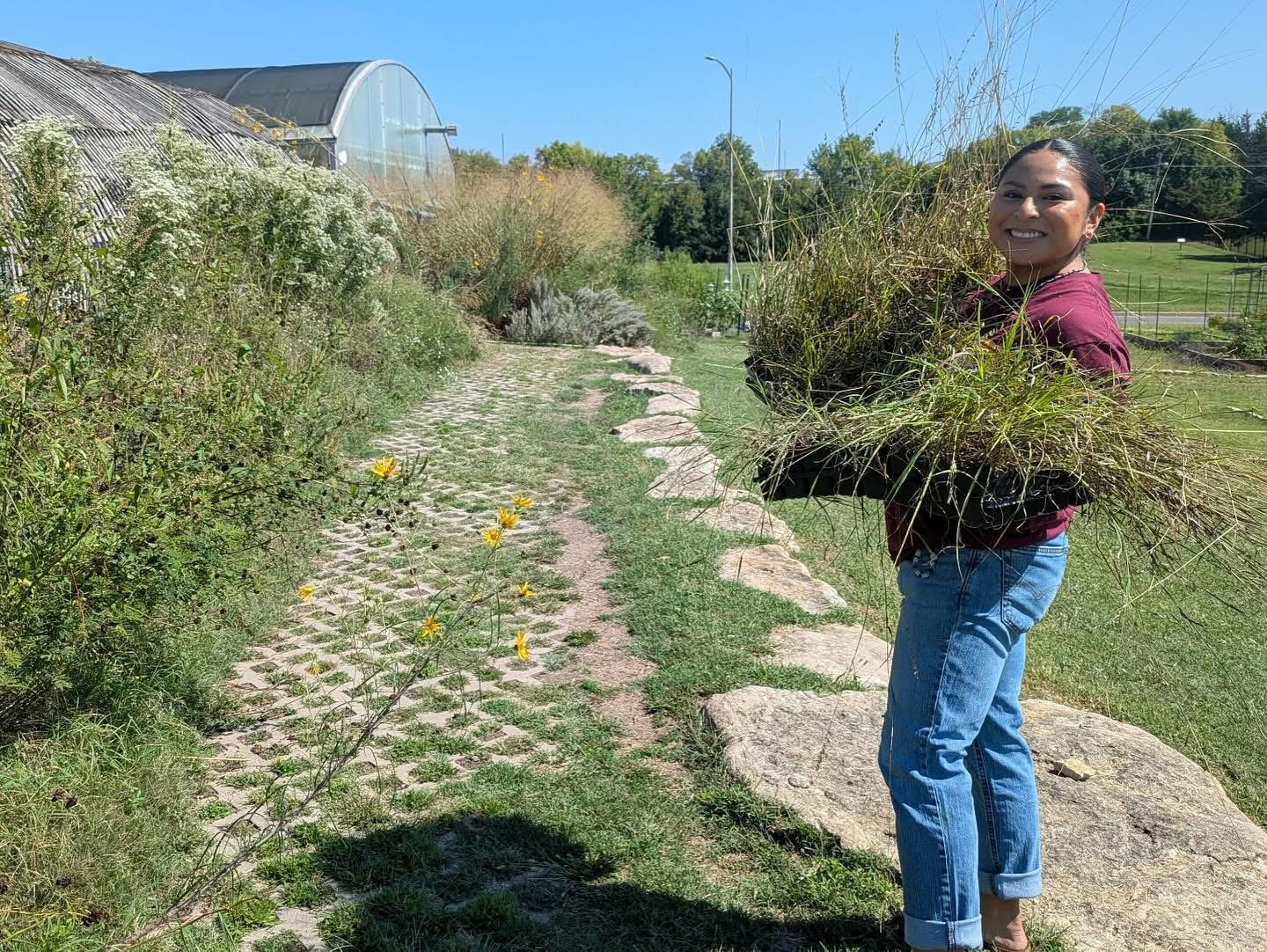
We came up with the idea of building raised garden beds near the dorms so students can easily access fresh foods and learn how to grow them themselves. Through support from the Haskell Greenhouse (funded through the USDA Equity Grant), we started building.
Last year was our first year doing this project and it was a learning experience as with many community-based projects, it comes with trial and error. However, that process taught us a lot about what works, what doesn’t, and how to build something more sustainable moving forward. This year, we’re continuing this work with stronger systems, more involvement, and a clearer vision.
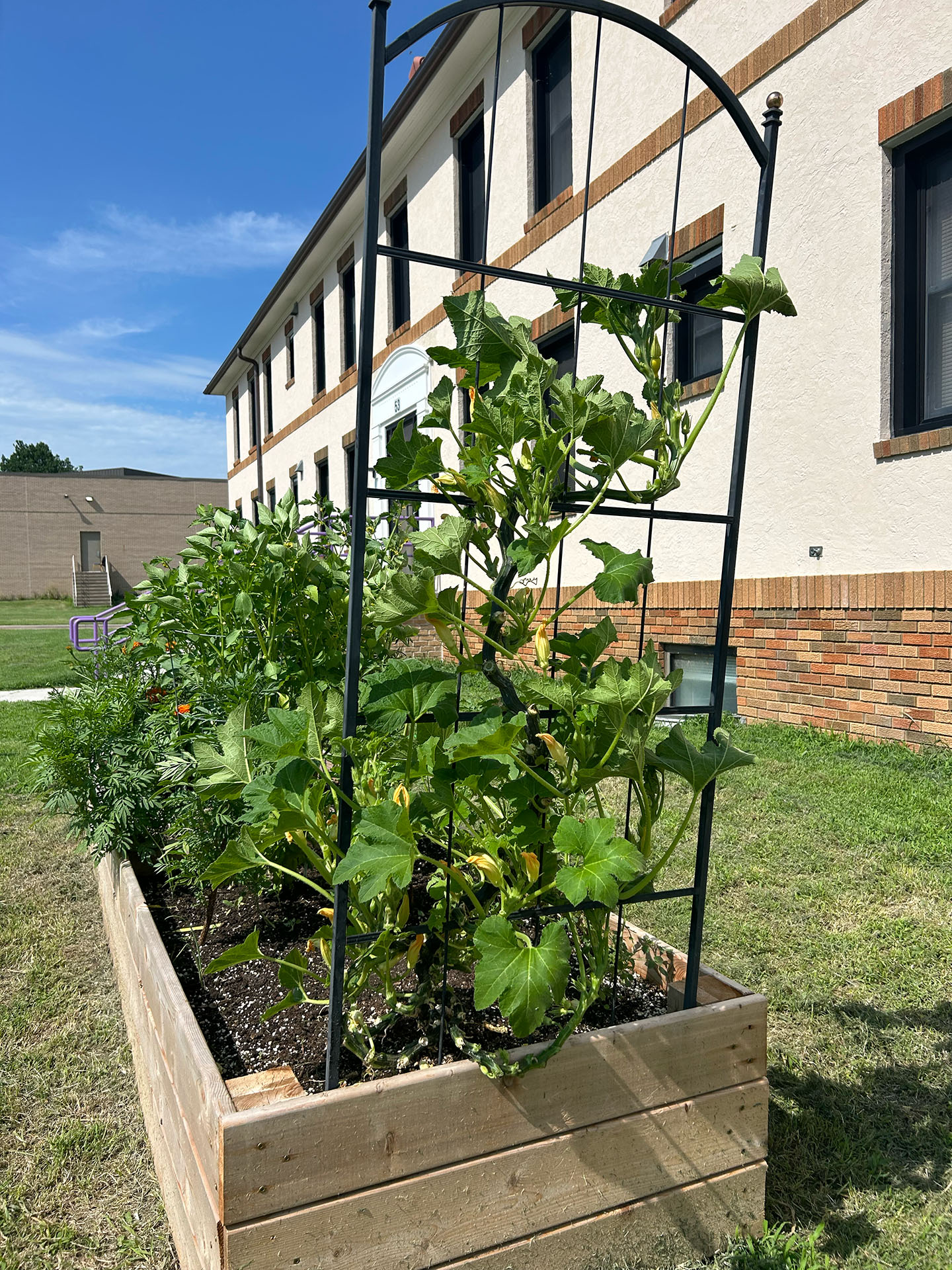
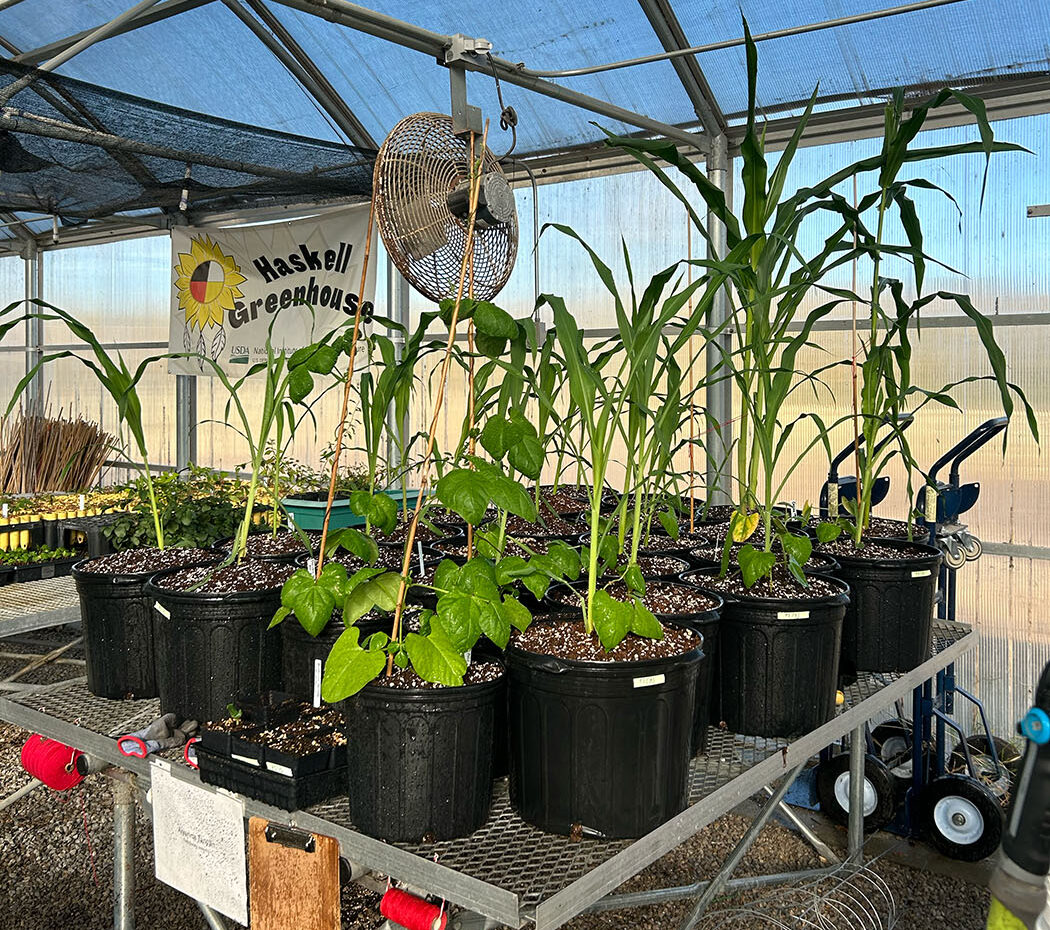
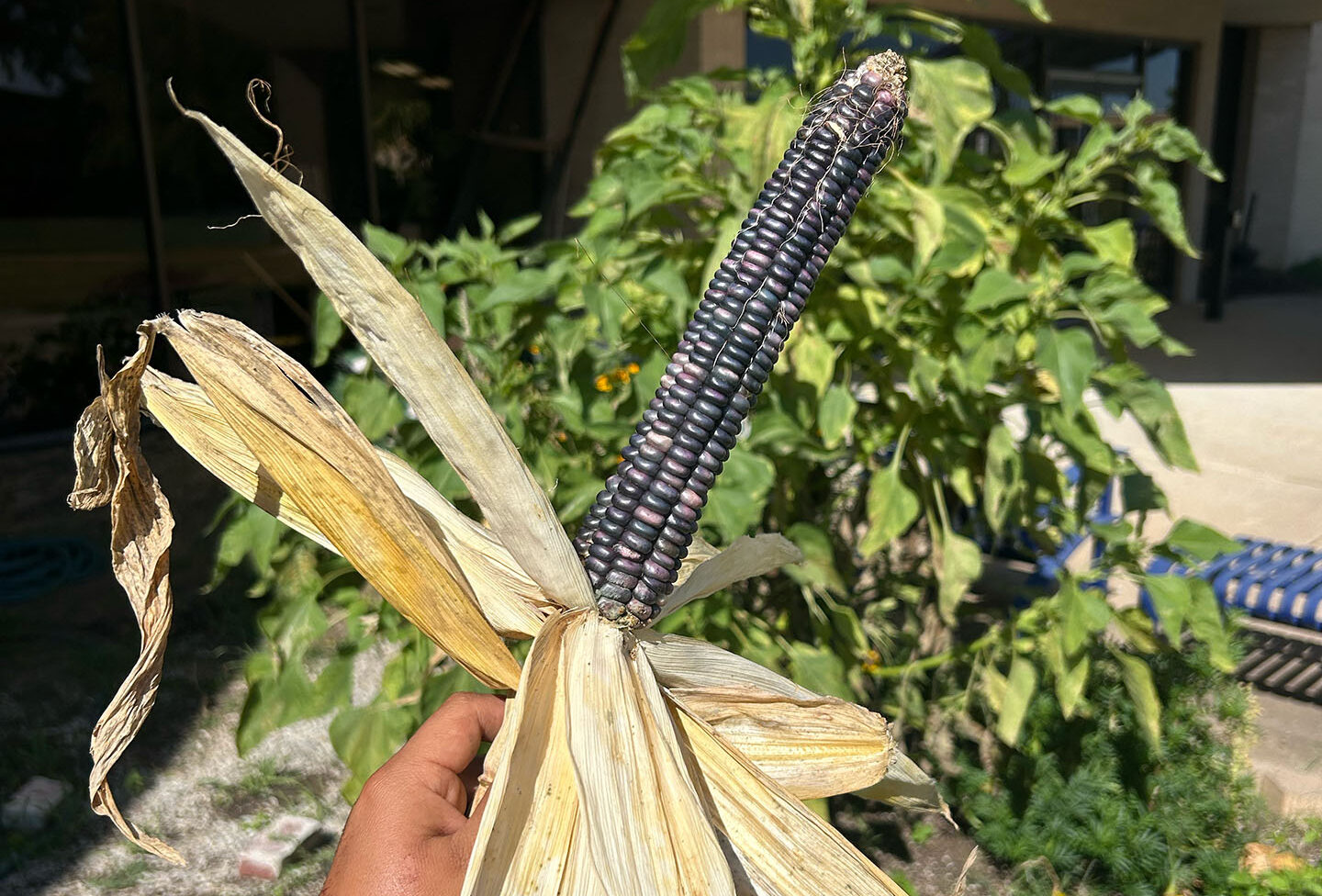
Everyone at the Haskell Greenhouse wants to help others learn, value, and view these spaces as places of teaching. I know they have taught me so much about responsibility and our relationship with the environment. Through these projects, we’re helping students reconnect with the land and understand the importance of food sovereignty for Indigenous communities. This work is ongoing, and we’re still learning. Every seed planted, and every workday shared brings us one step closer to a more sustainable and connected future.
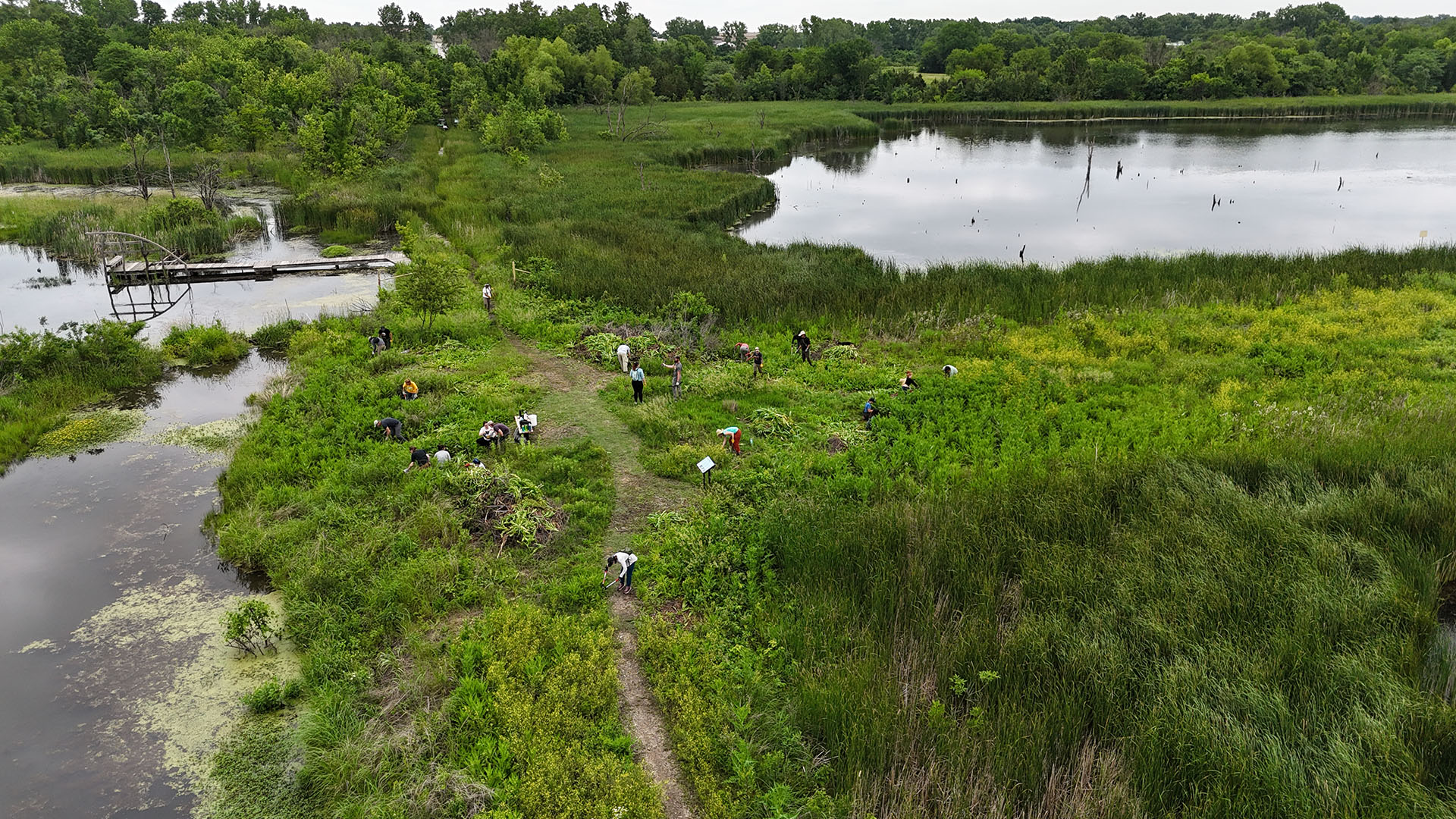
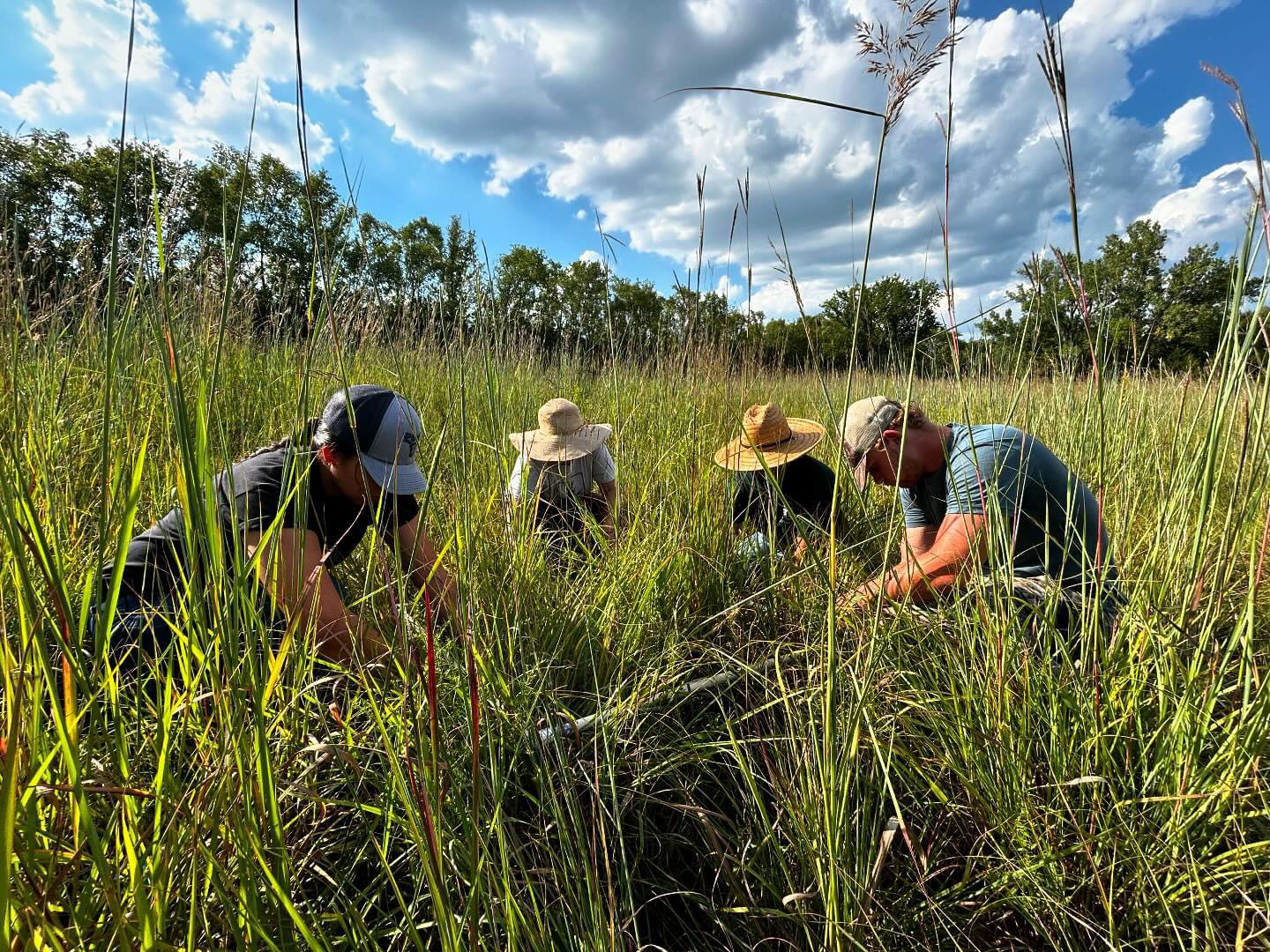
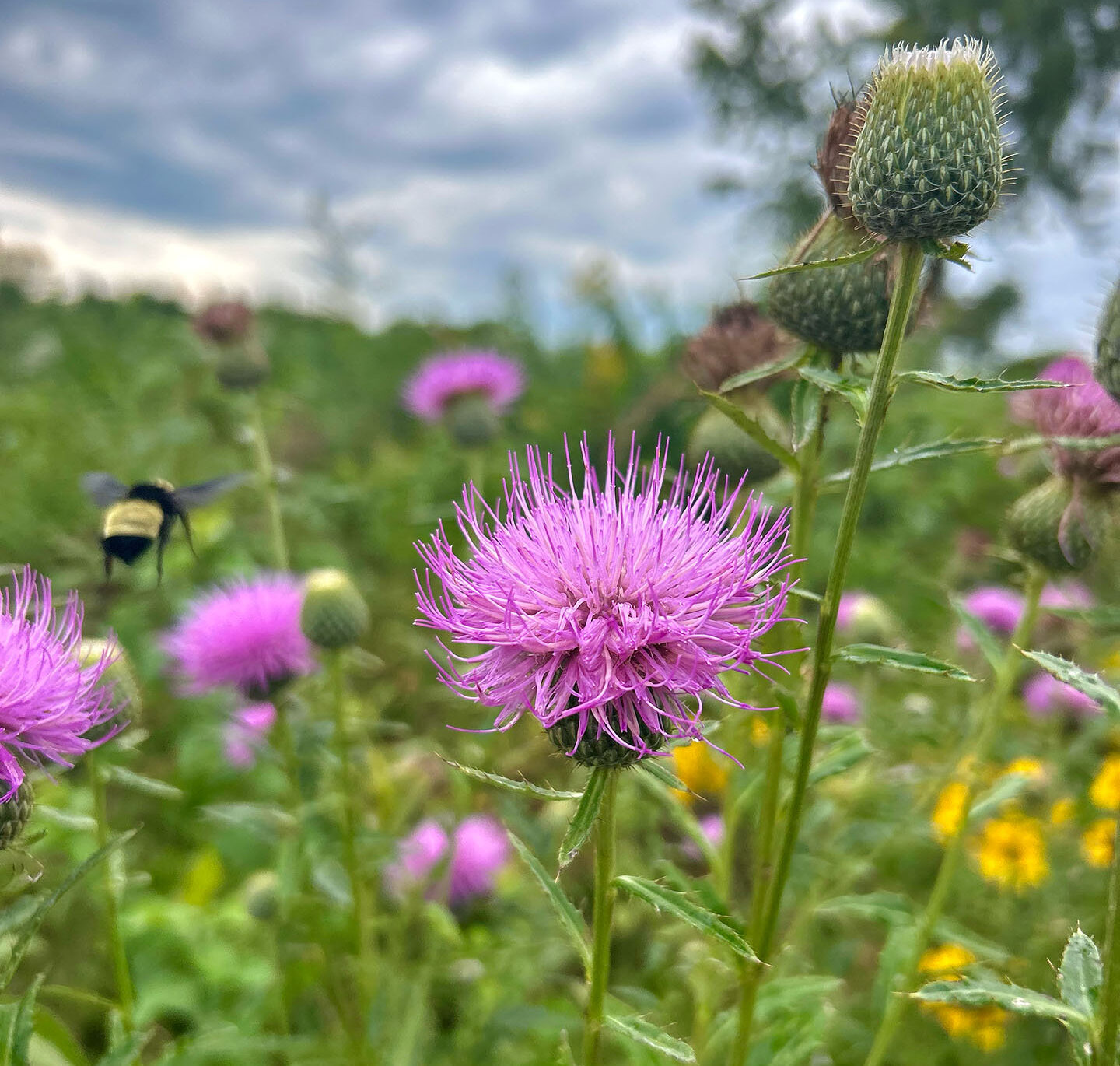
In Caring for Our Kin: Stories of Indigenous Environmental Stewardship, the College Fund shares the stories of Indigenous environmental leaders who are centering kinship and relational knowledge to build healthy ecological systems. These stories remind us that caring for the Earth means caring for one another—and that Indigenous knowledge systems continue to offer guidance, resilience, and hope for the future.
Learn more about our Environmental Stewardship Program.
Ekvnv Vcayecet. Mvto!
(Take care of the Earth/Land. Thank you)
More Blogs
Ford Motor Company Fund Awards $50,000 to American Indian College Fund
Ford Motor Company Fund has renewed a $50,000 grant to the American Indian College Fund for the Ford Motor Company Blue Oval Scholars Program. Ten tribal college scholarships and five mainstream university scholarships at $3,000 each are available for Native students studying science, technology, engineering, math, or business. All applicants must have a 3.0 grade point average.
Carrying on the Teachings
My mother is of the Water-Flows-Together Clan and I am born for the Persian People. My maternal grandfather is Towering-House Clan and my paternal grandfather is Persian. My family is originally from Lukachukai, Arizona, but I was born and raised in Salt Lake City, Utah. I am a currently enrolled in the Higher Education Administration Educational Leadership & Policy Studies Master Program at the University of Utah. I represent the Diné Nation and the Persian people. My name is Ashley Tso.
Celebrate Native American Heritage Month
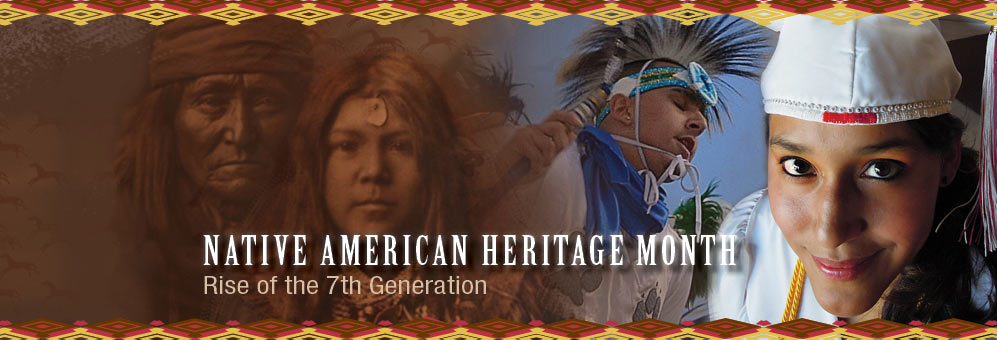
November 1 marks the start of National American Indian Heritage Month. All month long we will we celebrate the contributions of First Americans to our great nation and providing you with information on the traditions and cultures of the students we serve.
Join Us in Celebrating Native Heritage Month
November 1 marks the start of National American Indian Heritage Month. All month long we will we celebrate the contributions of First Americans to our great nation and providing you with information on the traditions and cultures of the students we serve.
Historic $17.5 Million Five-Year Wisdom of the People Program Concludes
The American Indian College Fund’s historic five-year $17.5 million grant from Lilly Endowment Inc., named Woksape Oyate, Lakota for “Wisdom of the People,” has concluded its final year. The program helped 32 tribal colleges build upon Native intellectual capital by tailoring programs to address individual school needs while strengthening the entire tribal college system.
Native Instructor Norma Marshall Shares Importance of a TCU Education
Norma Marshall of the Muscogee (Creek) Nation of Oklahoma is a student adviser and instructor of Native American Studies at the College of the Muscogee Nation in Okmulgee, Oklahoma. Marshall, who earned her baccalaureate in education with an emphasis in English and physical education from East Central University in Ada, Oklahoma and a master of science in counseling and student personnel, with an emphasis in secondary education, from Oklahoma State University, said she never thought she would end up teaching in higher education.
The Wilke Family Foundation Grants $25,000 to American Indian College Fund for Scholarships
The Wilke Family Foundation granted the American Indian College Fund $25,000 for scholarships for Native students who show academic achievement and involvement in their communities. Fifteen thousand dollars of the grant will fund unrestricted scholarships, and $10,000 will fund the Edwin Arwin Thornton Scholarship Endowment, established in 2009 in memory of Edwin Arwin Thornton. Liesl Wilke
Advertisers Speak About Need for Diversity and Giving Back
Wieden+Kennedy founder and Advertising Hall of Fame inductee David Kennedy speaks about why his firm is committed to helping the American Indian College Fund and tribal colleges create greater awareness.
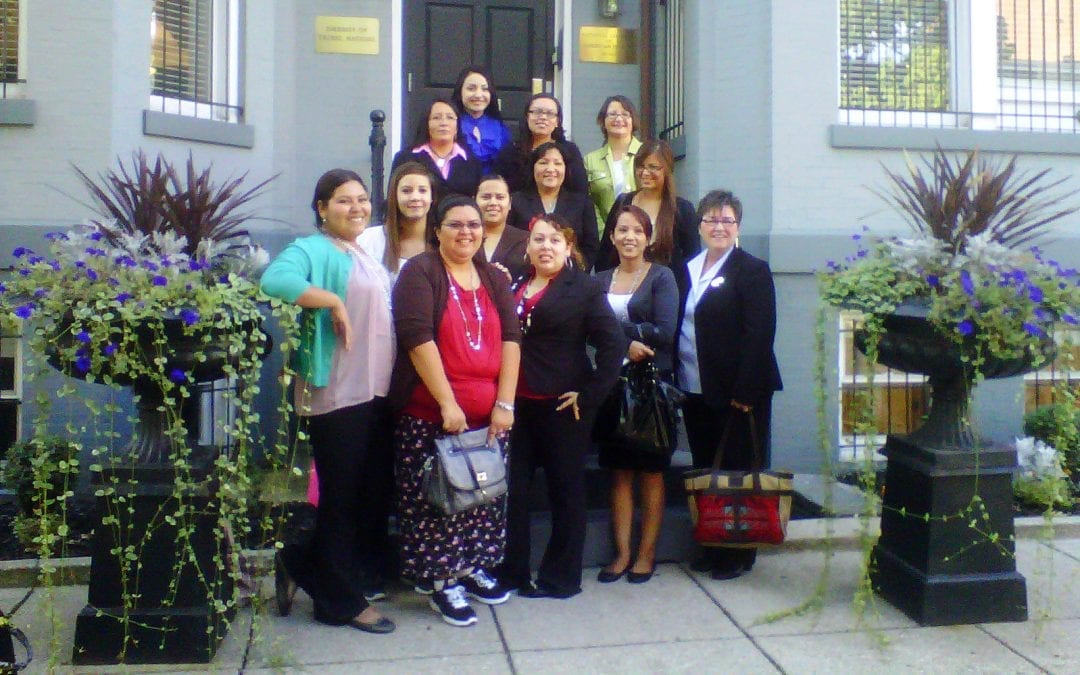
Audra Stonefish, Embrey Women’s Leadership Fellow, Shares Her Gratitude After D.C. Retreat
One experience I will never forget was the laying of the wreath ceremony at the Arlington Cemetery. As we strolled toward the Tomb of the Unknown Soldier, I felt sorrow and privilege all intertwined: sorrow for the men and women who lost their lives fighting for this great country and the privilege of being fortunate enough to have been present for this occasion.
Our Vote is Our Voice
Being in the same room as the nominees for President of the United States, President Barack Obama and Governor Mitt Romney was a once-in-a-lifetime experience for me. Many of us have traveled to Washington, D.C. to visit Congress and federal agencies and never get to see the President. Many of us attend rallies for one of the candidates but rarely get to see the two nominees in the same room.