
Planting the Seeds of Cultural Sustainability
April 22, 2026 | Student Ambassador Aiyanna Tanyan’s (Seminole Nation of Oklahoma) work to reclaim food sovereignty
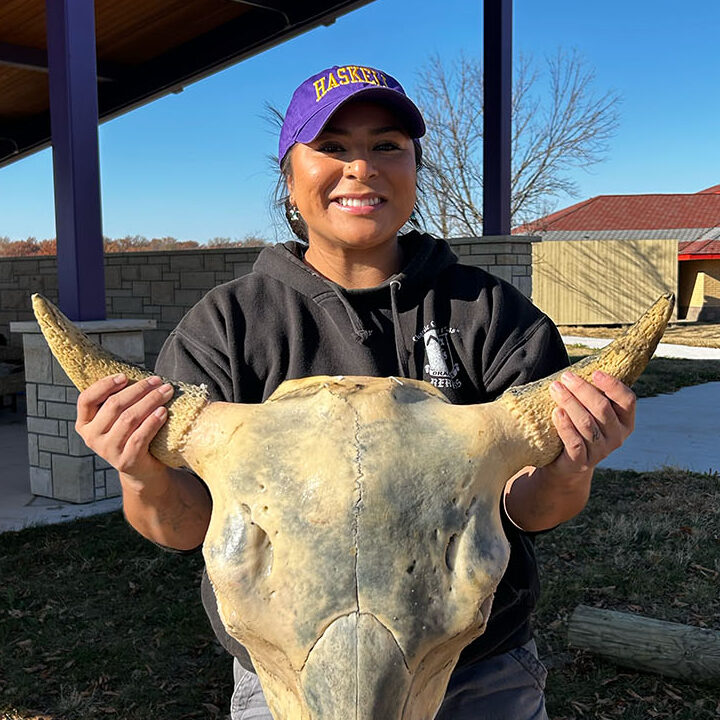
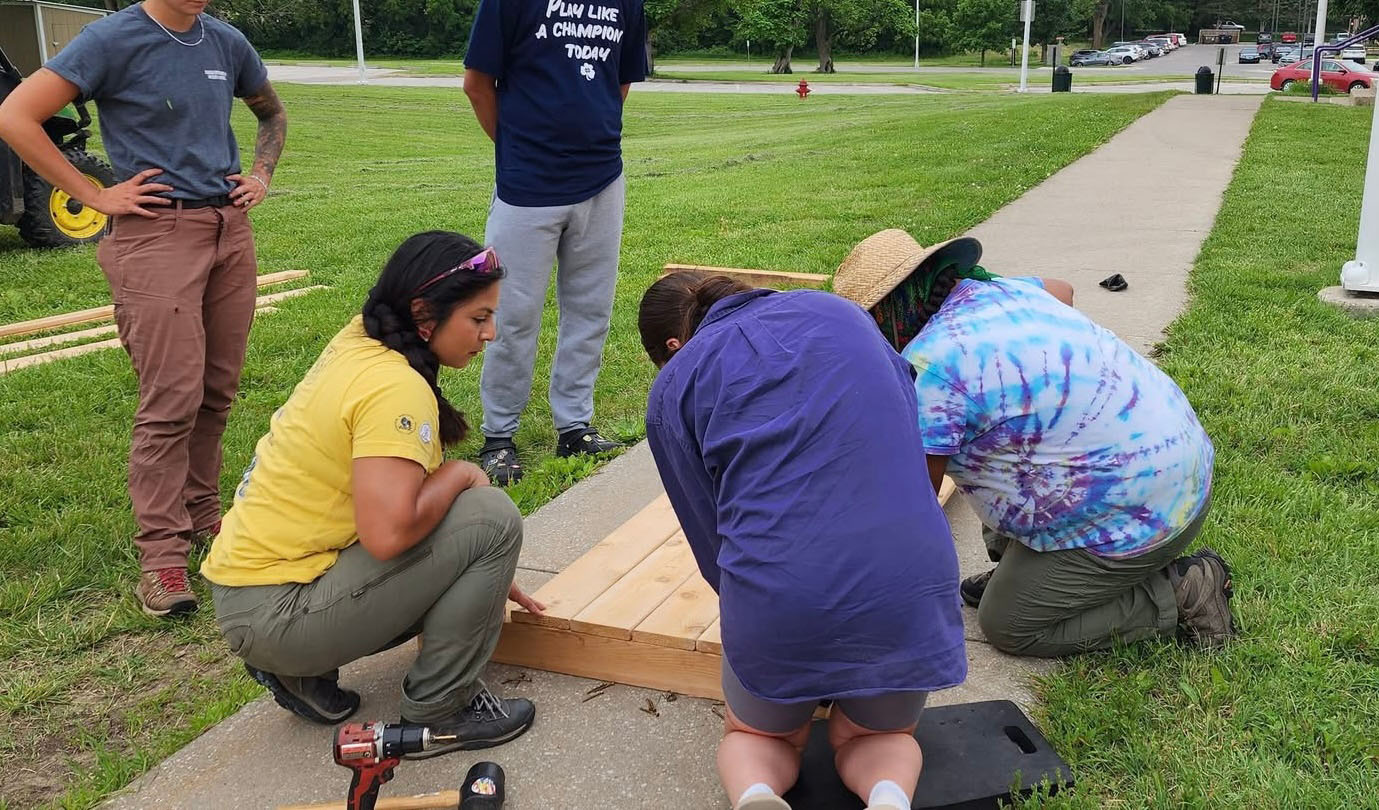
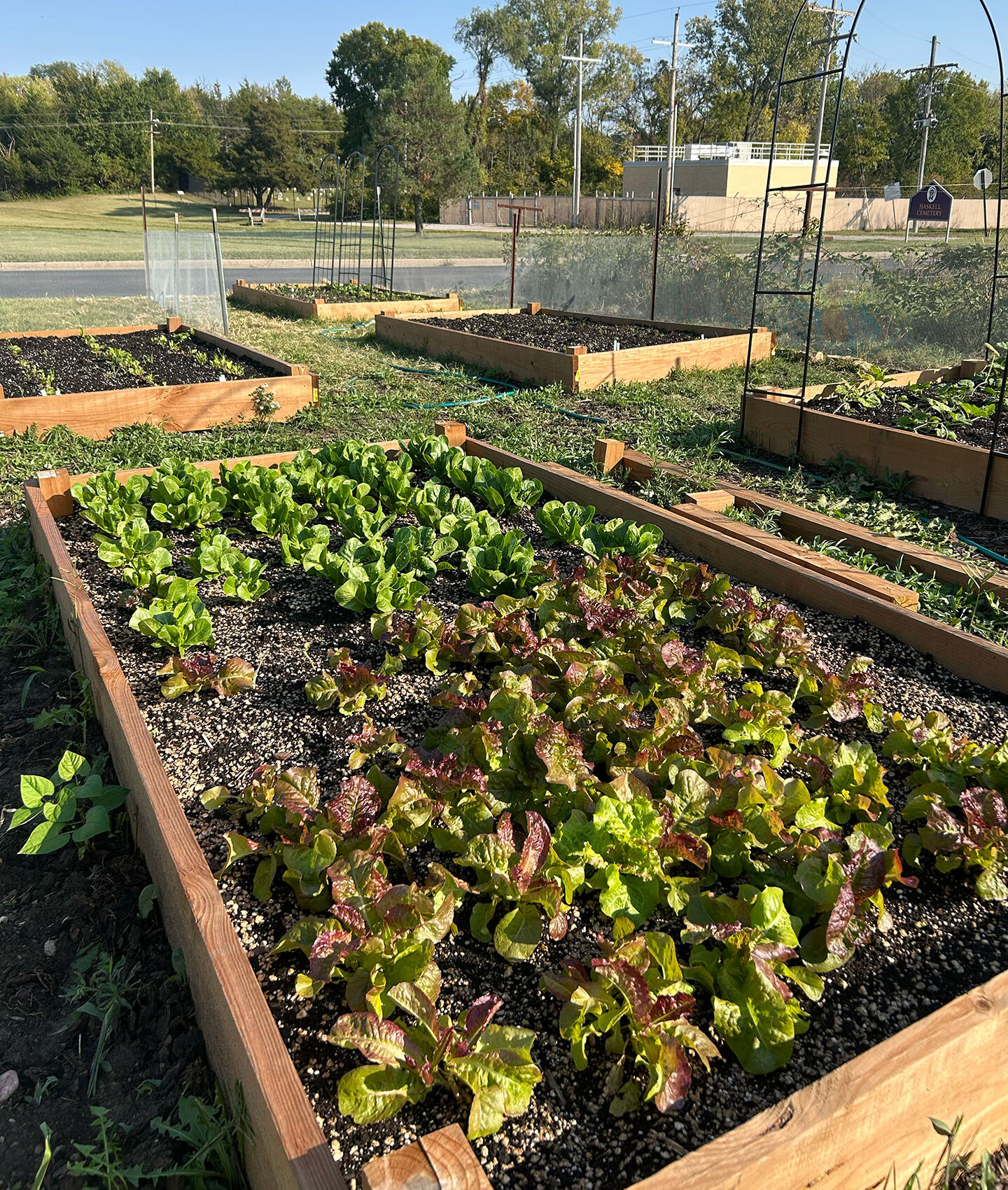
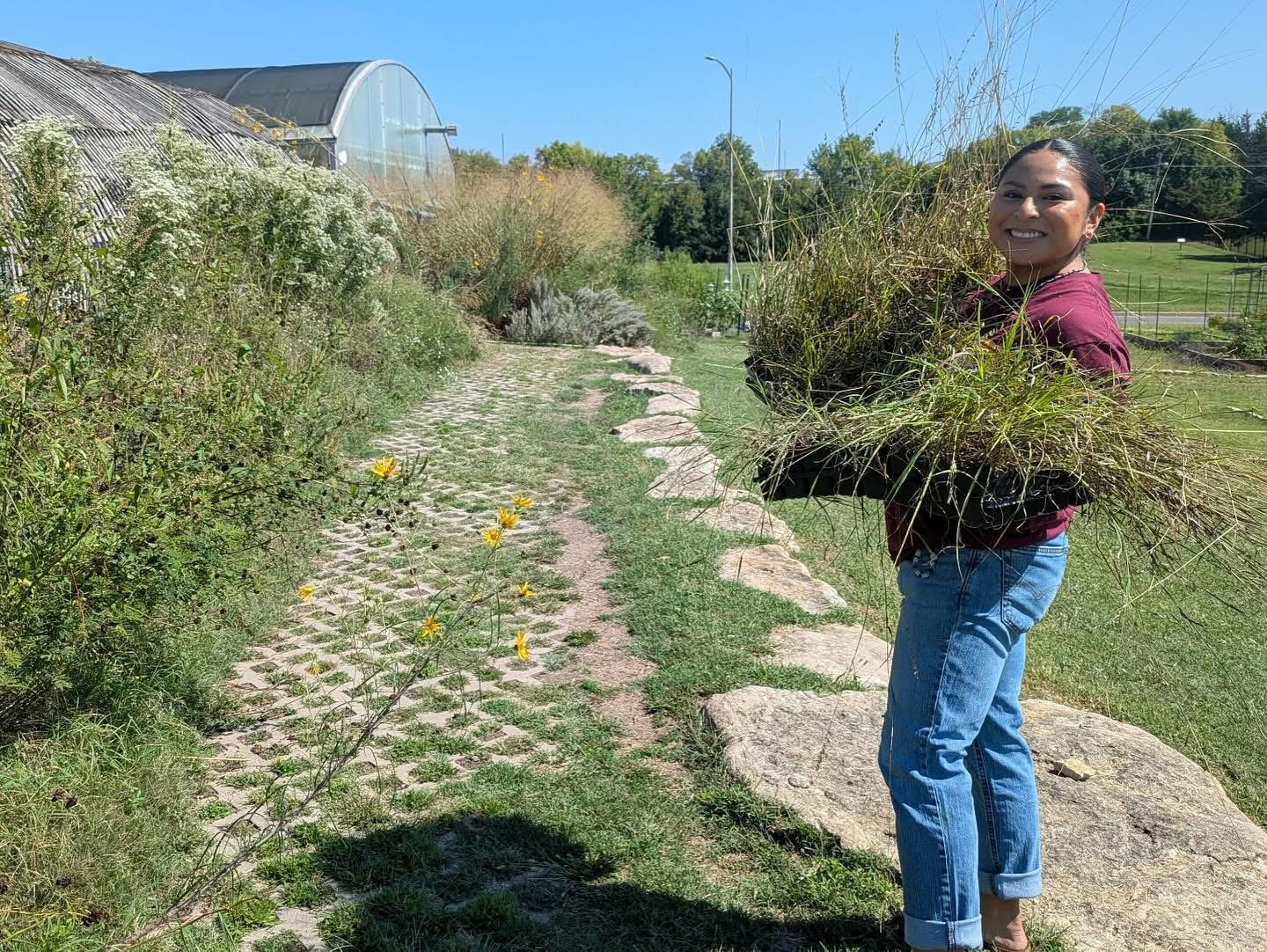
We came up with the idea of building raised garden beds near the dorms so students can easily access fresh foods and learn how to grow them themselves. Through support from the Haskell Greenhouse (funded through the USDA Equity Grant), we started building.
Last year was our first year doing this project and it was a learning experience as with many community-based projects, it comes with trial and error. However, that process taught us a lot about what works, what doesn’t, and how to build something more sustainable moving forward. This year, we’re continuing this work with stronger systems, more involvement, and a clearer vision.
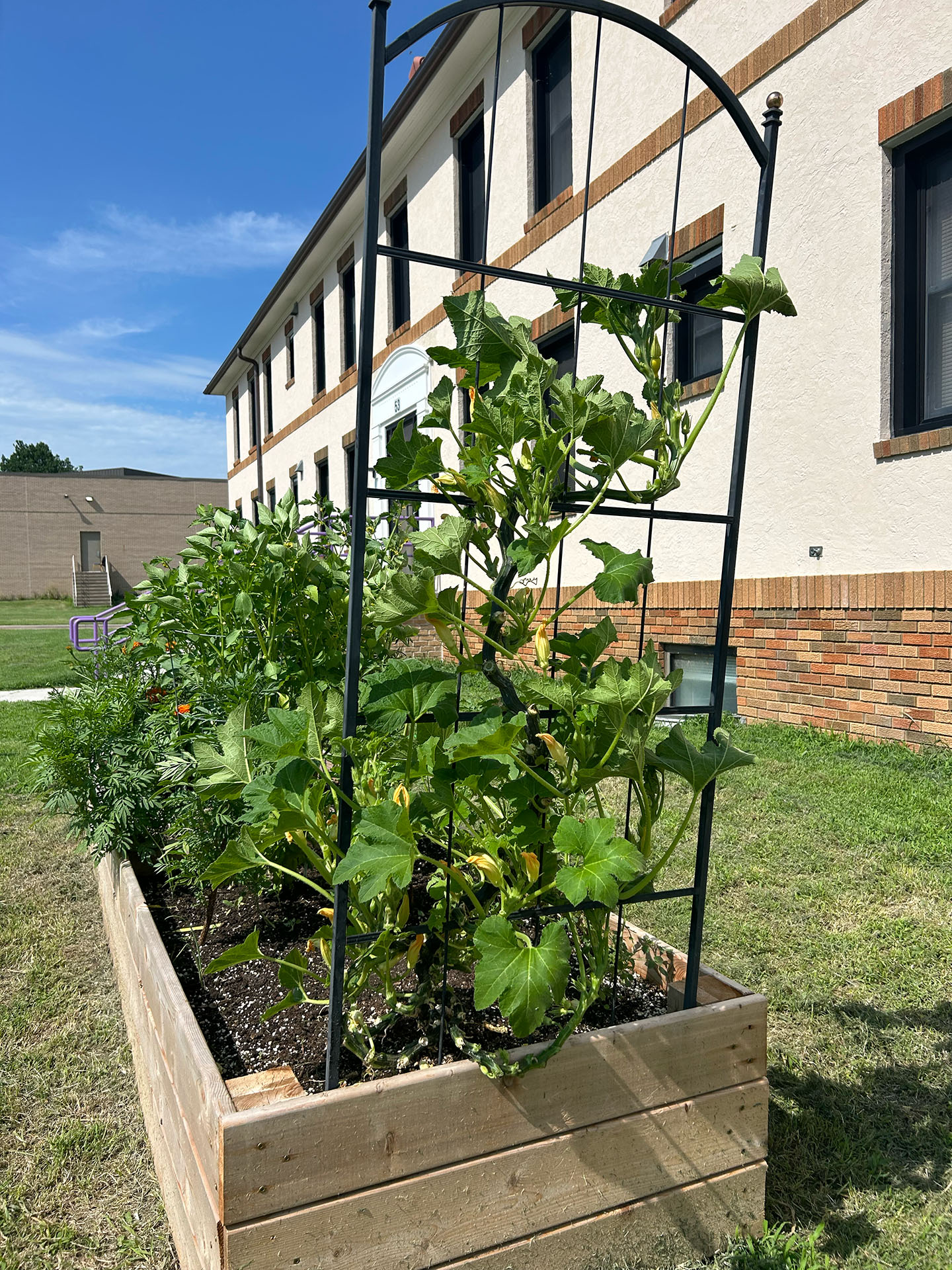
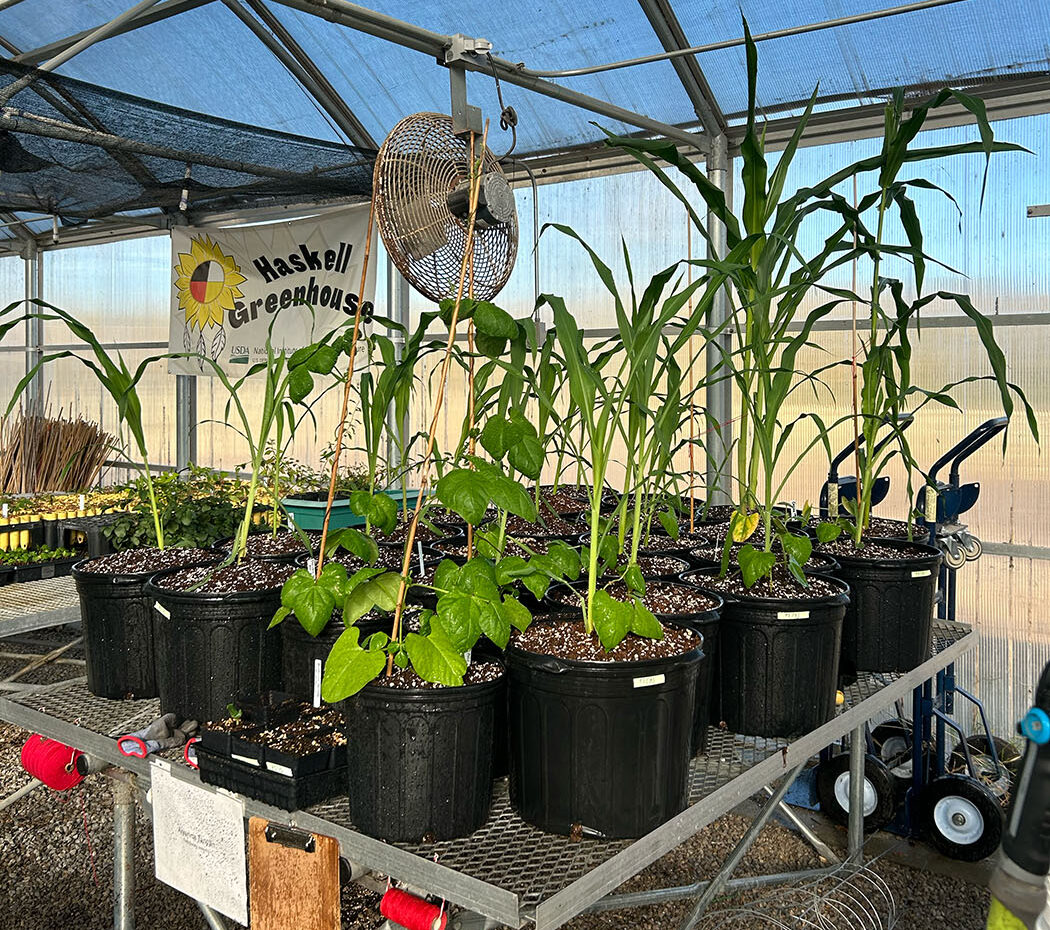
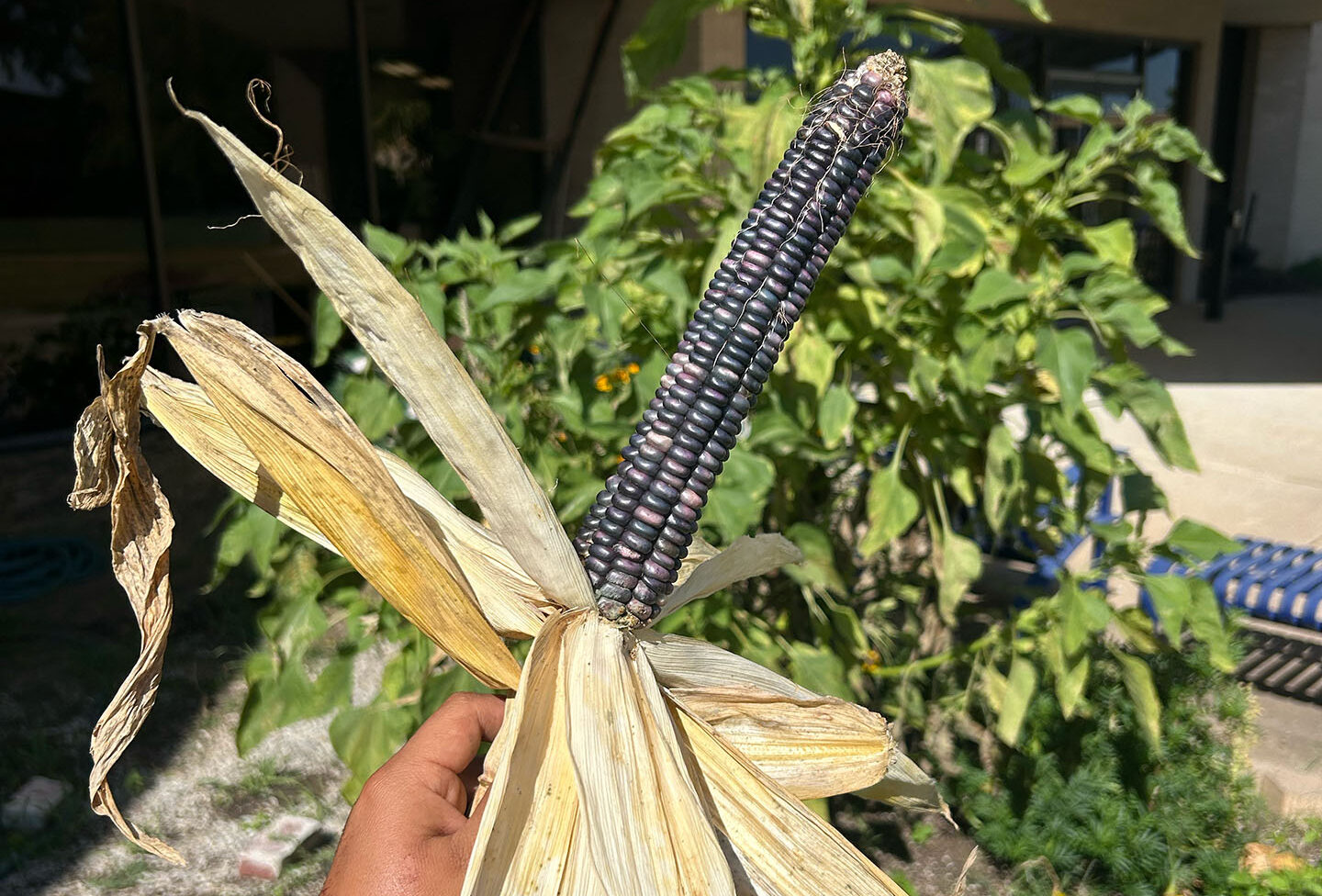
Everyone at the Haskell Greenhouse wants to help others learn, value, and view these spaces as places of teaching. I know they have taught me so much about responsibility and our relationship with the environment. Through these projects, we’re helping students reconnect with the land and understand the importance of food sovereignty for Indigenous communities. This work is ongoing, and we’re still learning. Every seed planted, and every workday shared brings us one step closer to a more sustainable and connected future.
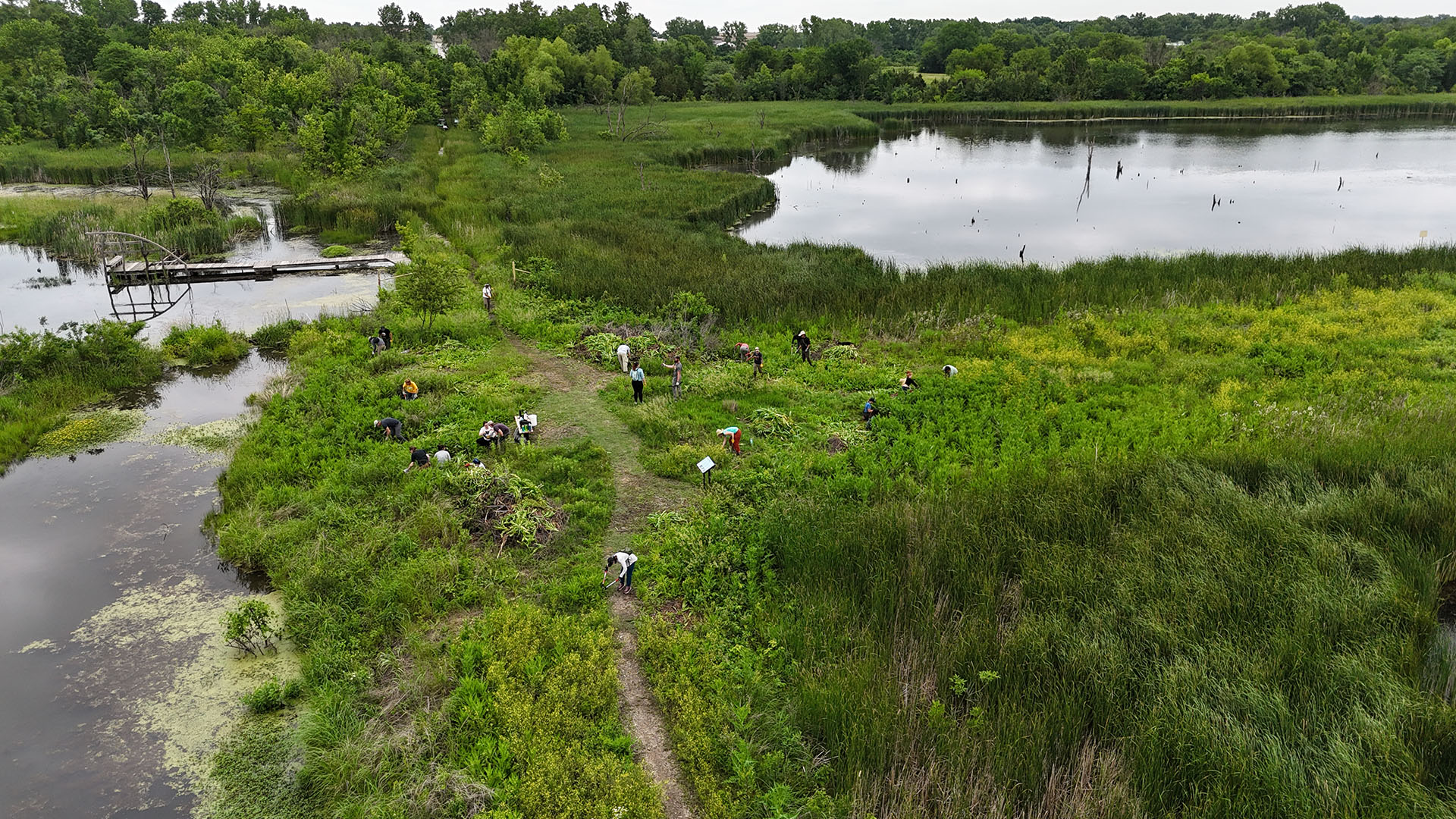
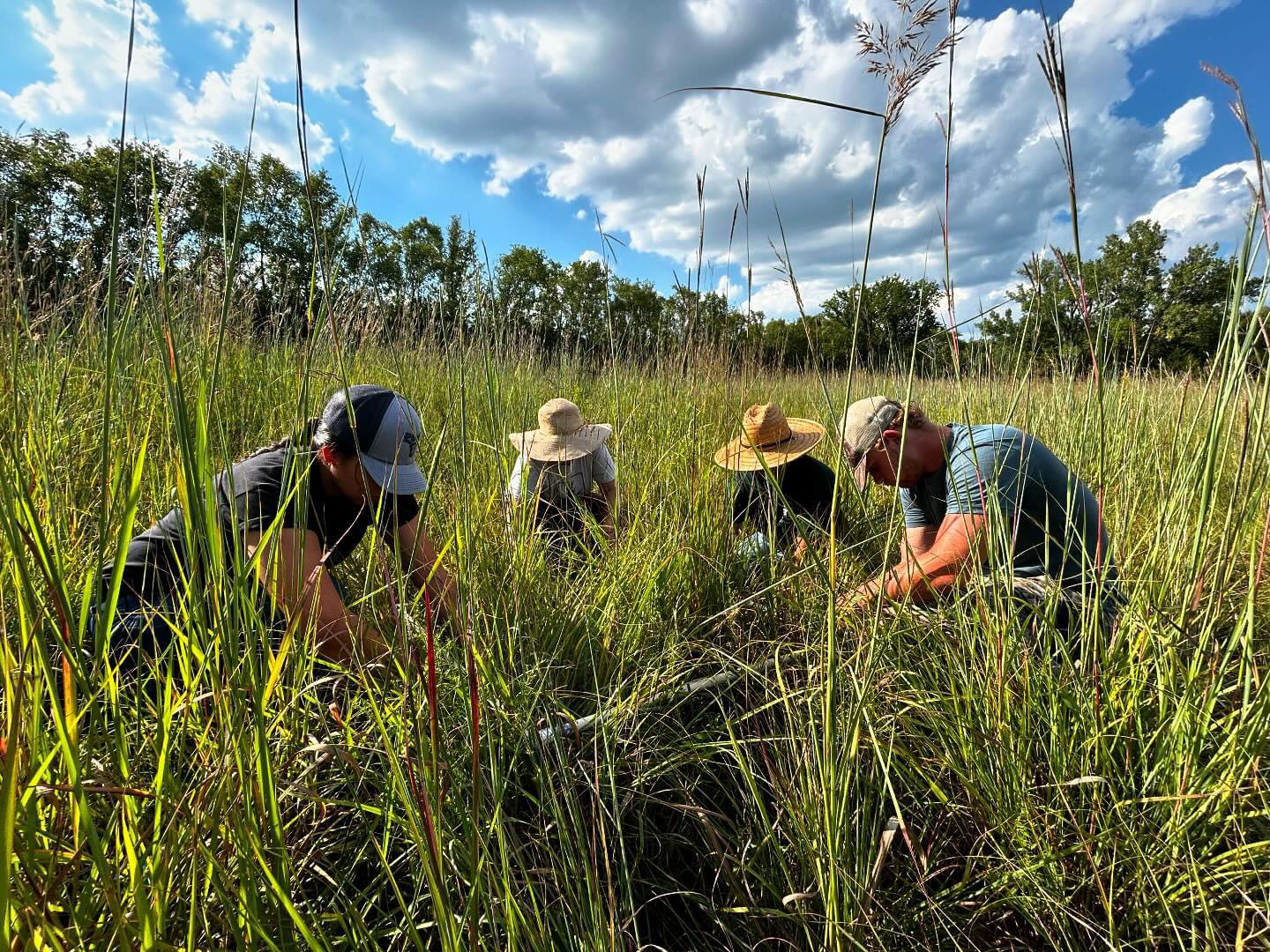
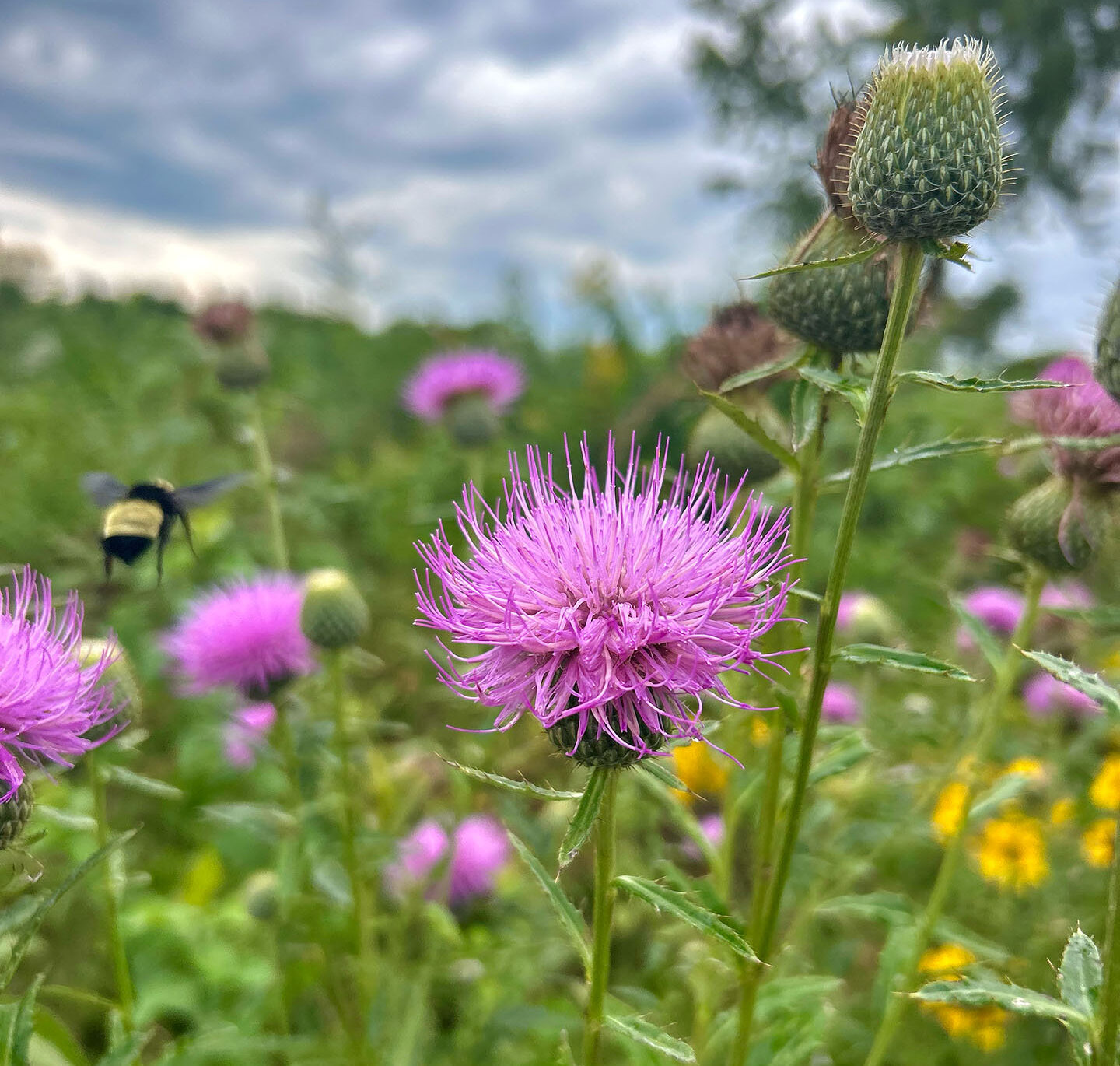
In Caring for Our Kin: Stories of Indigenous Environmental Stewardship, the College Fund shares the stories of Indigenous environmental leaders who are centering kinship and relational knowledge to build healthy ecological systems. These stories remind us that caring for the Earth means caring for one another—and that Indigenous knowledge systems continue to offer guidance, resilience, and hope for the future.
Learn more about our Environmental Stewardship Program.
Ekvnv Vcayecet. Mvto!
(Take care of the Earth/Land. Thank you)
More Blogs
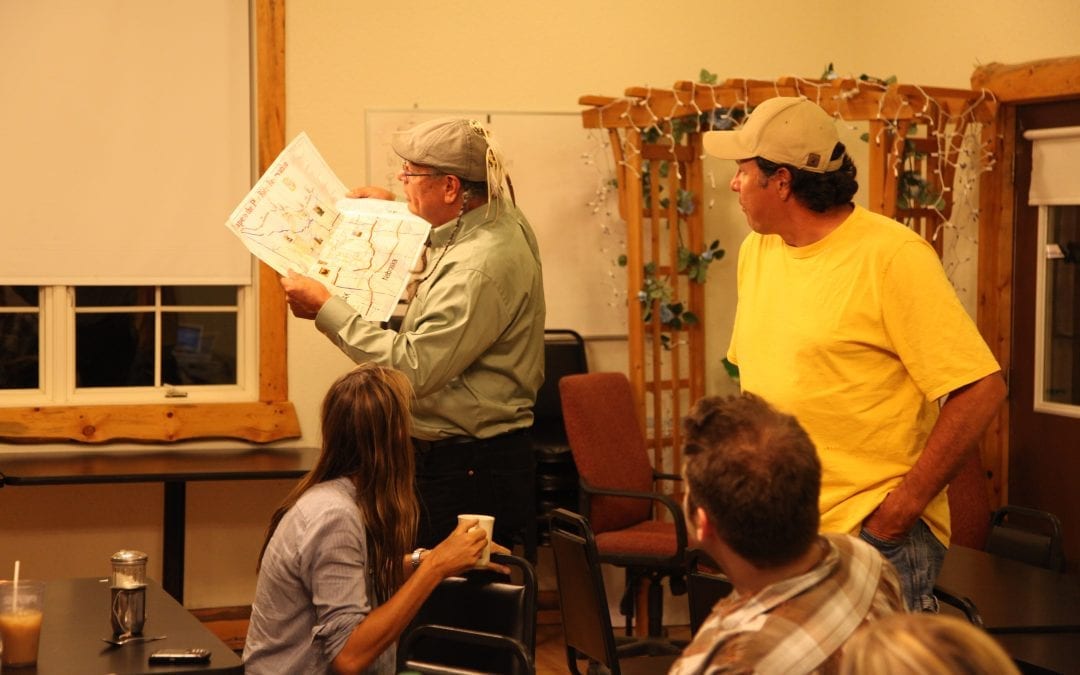
PSA Production goes to Oglala Lakota College
Our first day in South Dakota marked the arrival of account supervisor Hanna Nesper Newell, art producer Kimberly Wilder, creative director Patty Orlando, copywriter Casey Hall, and camera operator Matt Hayes. American Indian College Fund president Rick Williams made the trip up from the Fund’s headquarters in Denver, Colorado.
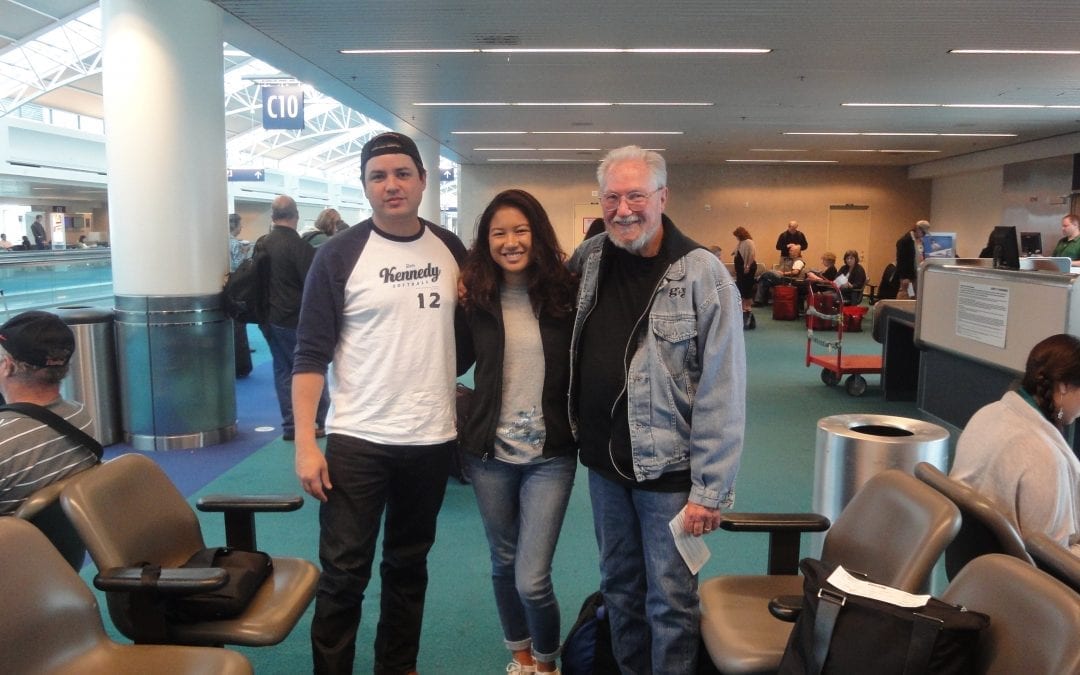
They’re Off!
On Sunday, October 2, members of the American Indian College Fund and our long-time advertising agency, Wieden+Kennedy, set out to produce the Fund's new advertising campaign. This blog will follow our team through Indian Country as we stop at tribal colleges to...
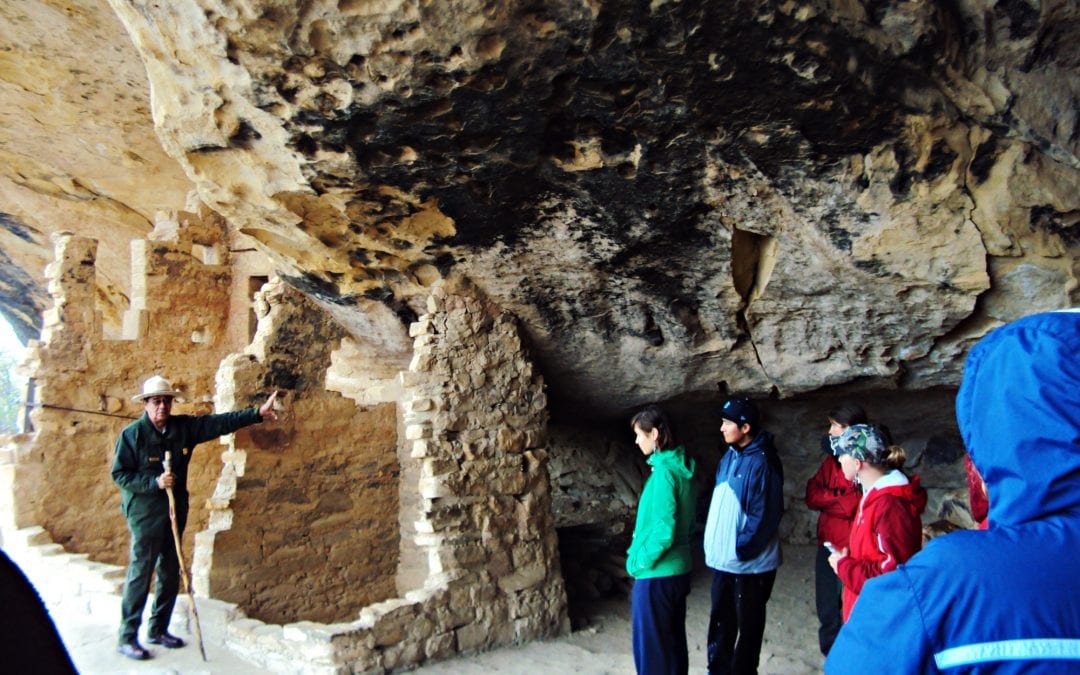
Guest Blog From Student Intern Deanna
This the tenth and final entry from the summer series of blog entries by our scholar Deanna, who is writing about her internship experience at Mesa Verde National Park. We are thankful for her sharing her perspective and wish her only the best at Ft. Lewis College and...
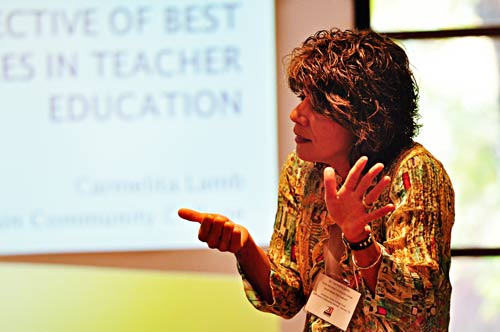
Alfred P. Sloan Foundation Pledges $300,000 for Tribal College Faculty Fellowships
The Alfred P. Sloan Foundation has announced it is granting $300,000 over the next three years to the American Indian College Fund (the Fund) for expansion of the Sloan STEM Leadership Fellowship Program.
American Indian College Fund Receives $85,000 Grant from Nissan North America, Inc.
In support of American Indian higher education, Nissan North America, Inc. (NNA) granted $85,000 to the American Indian College Fund to continue the Nissan Corporate Scholars Program. The program has provided scholarships to Native scholars attending tribal colleges and mainstream universities for more than a decade.
Guest Blog From Student Intern Deanna
This the ninth part in a series of blog entries by our scholar Deanna, who is writing about her internship experience at Mesa Verde National Park. We have finally arrived to Week 3! Technically for half of this week I’m still attempting to finish our re-housing...
The Wildhorse Foundation Gives $7,000 for Scholarships to American Indian College Fund
The Wildhorse Foundation of the Confederated Tribes of the Umatilla Indian Reservation Gives $7,000 for Scholarships to American Indian College Fund
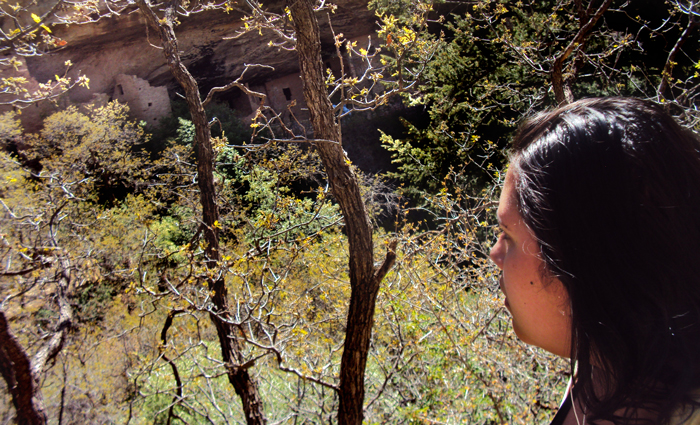
Guest Blog From Student Intern Deanna
This the eighth part in a series of blog entries by our scholar Deanna, who is writing about her internship experience at Mesa Verde National Park. On Monday of my second week at the park I began the longest project of my internship. Every year for over the past 20...
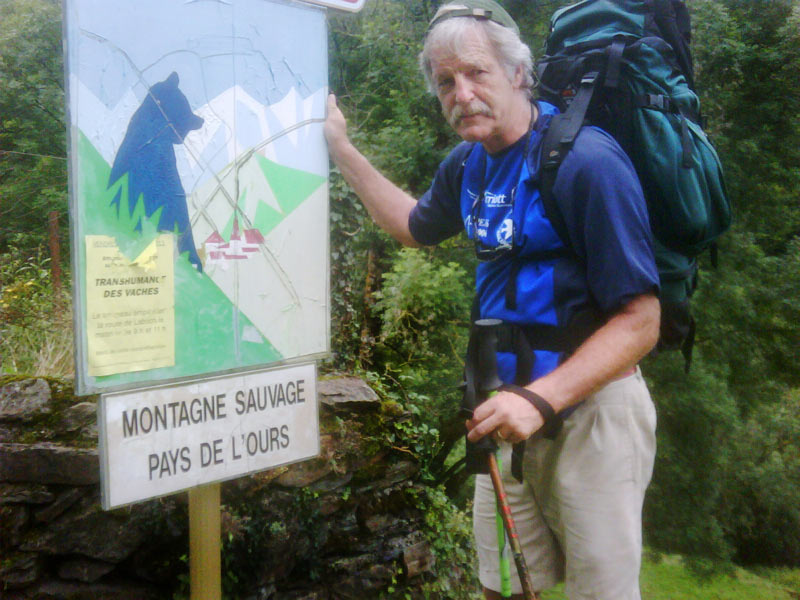
Six Days In: Fund Supporter Dave Rogers Reports from the GR10 Trail in France
We should have paid more attention the first night in Bagneres to the sight of eight young guys limping down the street, all with leg or ankle braces and the last two wielding crutches. Casualties should have been our thought. All this while the financial world is...
Pyrenees Trekker Dave Rogers Hit By Storm on Trail
The night after the storm, I awoke to find my titanium tent pole bent from the wind. There was a thorough drenching all round. A randonneur (trekker) was blown off a neighboring ridge that same night. We are going very slowly due to heavy pack weight and very steep...