Planting the Seeds of Cultural Sustainability
April 22, 2026 | Student Ambassador Aiyanna Tanyan’s (Seminole Nation of Oklahoma) work to reclaim food sovereignty
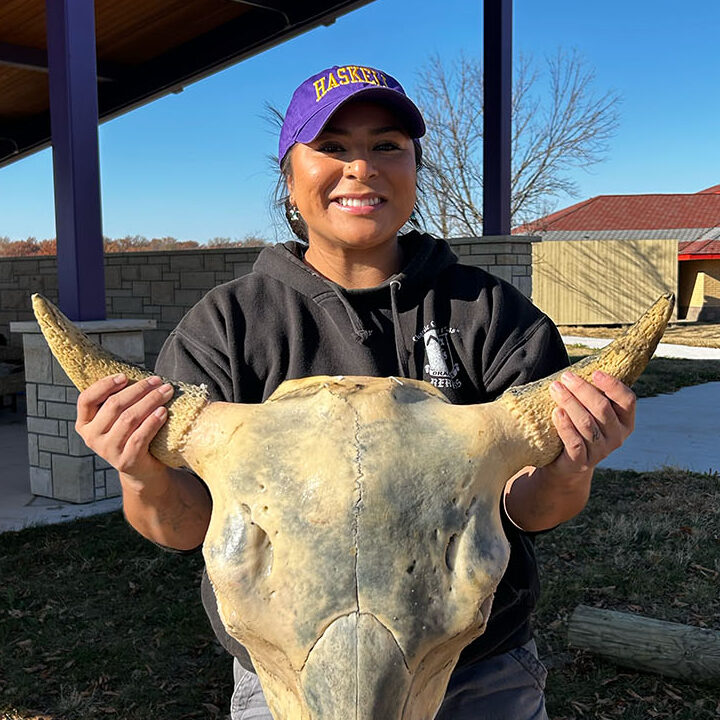
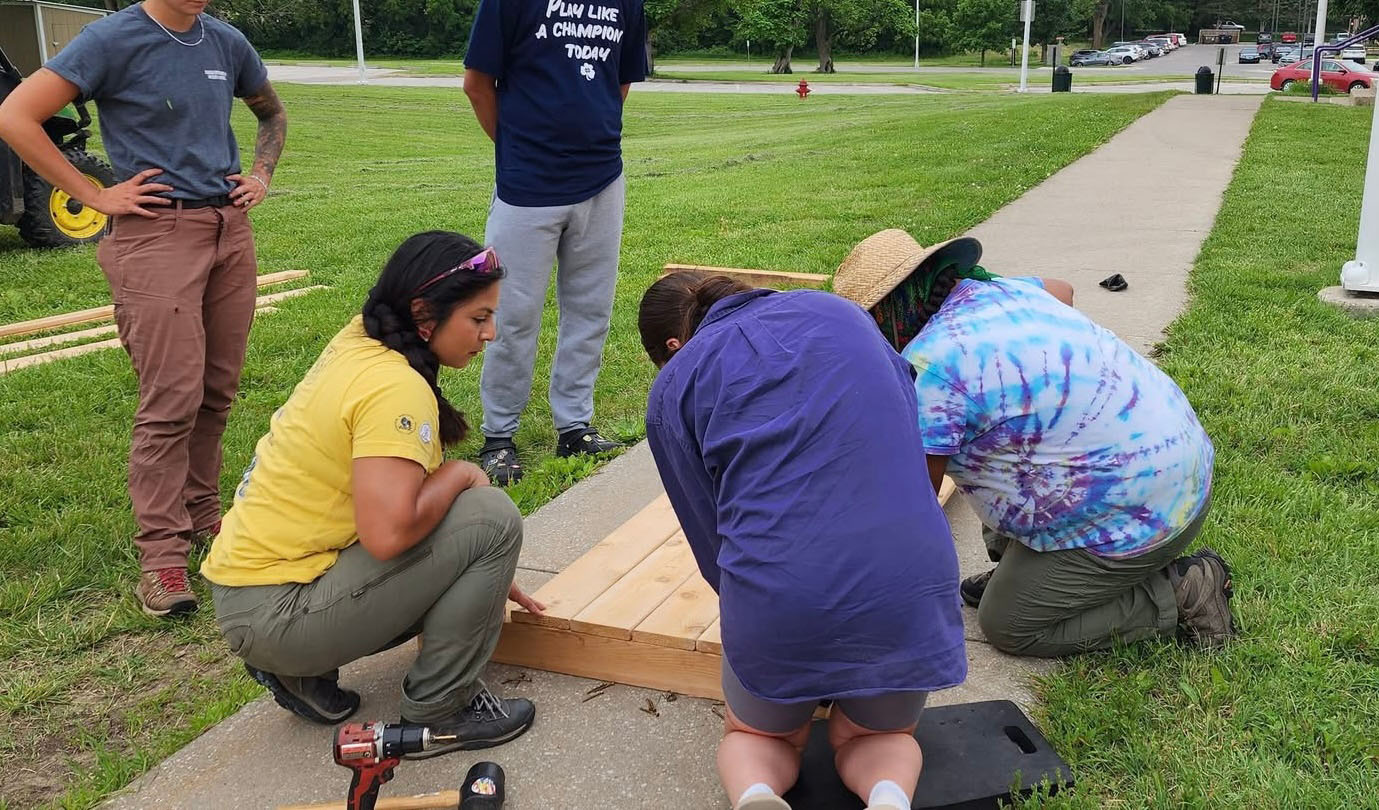
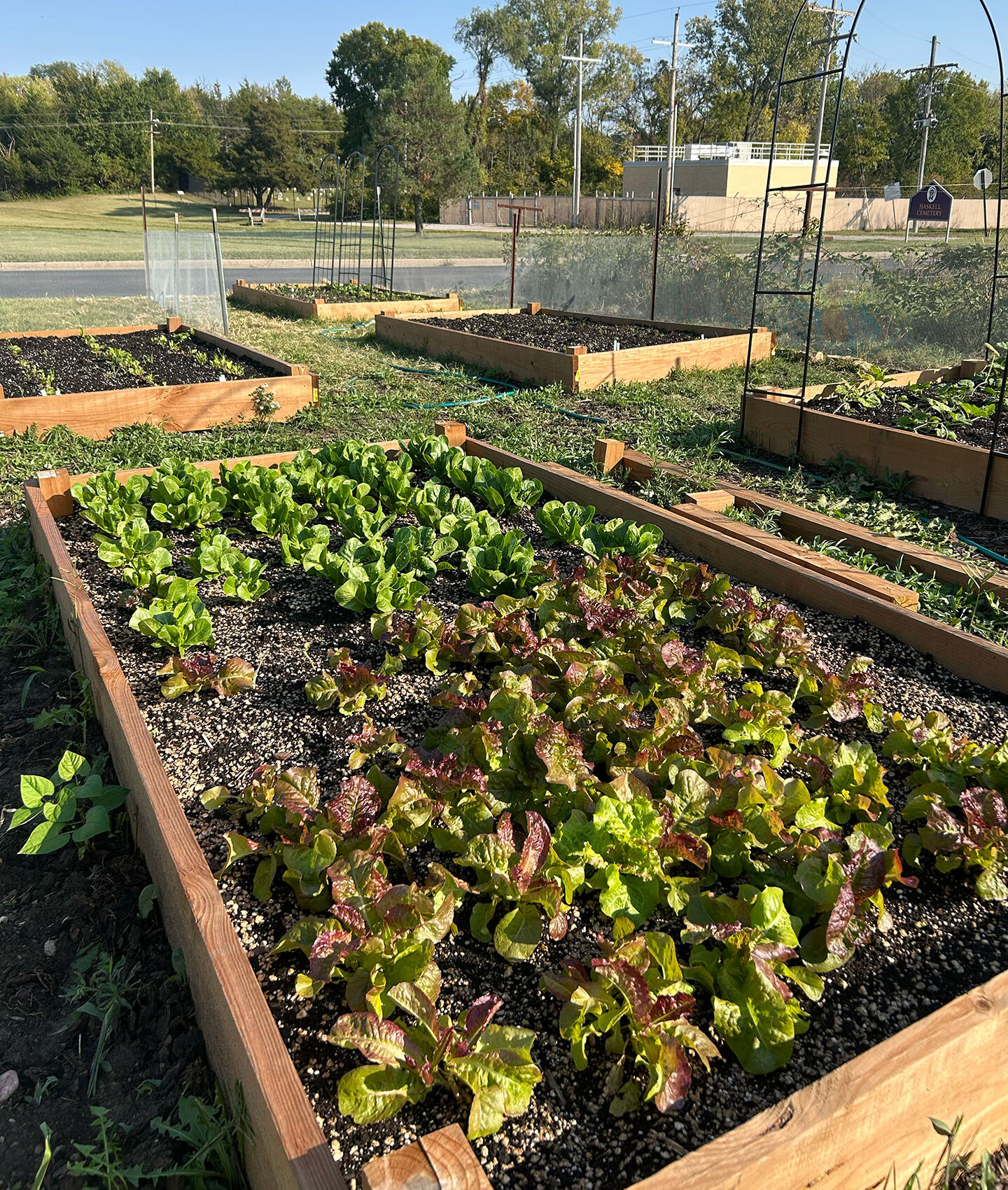
We came up with the idea of building raised garden beds near the dorms so students can easily access fresh foods and learn how to grow them themselves. Through support from the Haskell Greenhouse (funded through the USDA Equity Grant), we started building.
Last year was our first year doing this project and it was a learning experience as with many community-based projects, it comes with trial and error. However, that process taught us a lot about what works, what doesn’t, and how to build something more sustainable moving forward. This year, we’re continuing this work with stronger systems, more involvement, and a clearer vision.
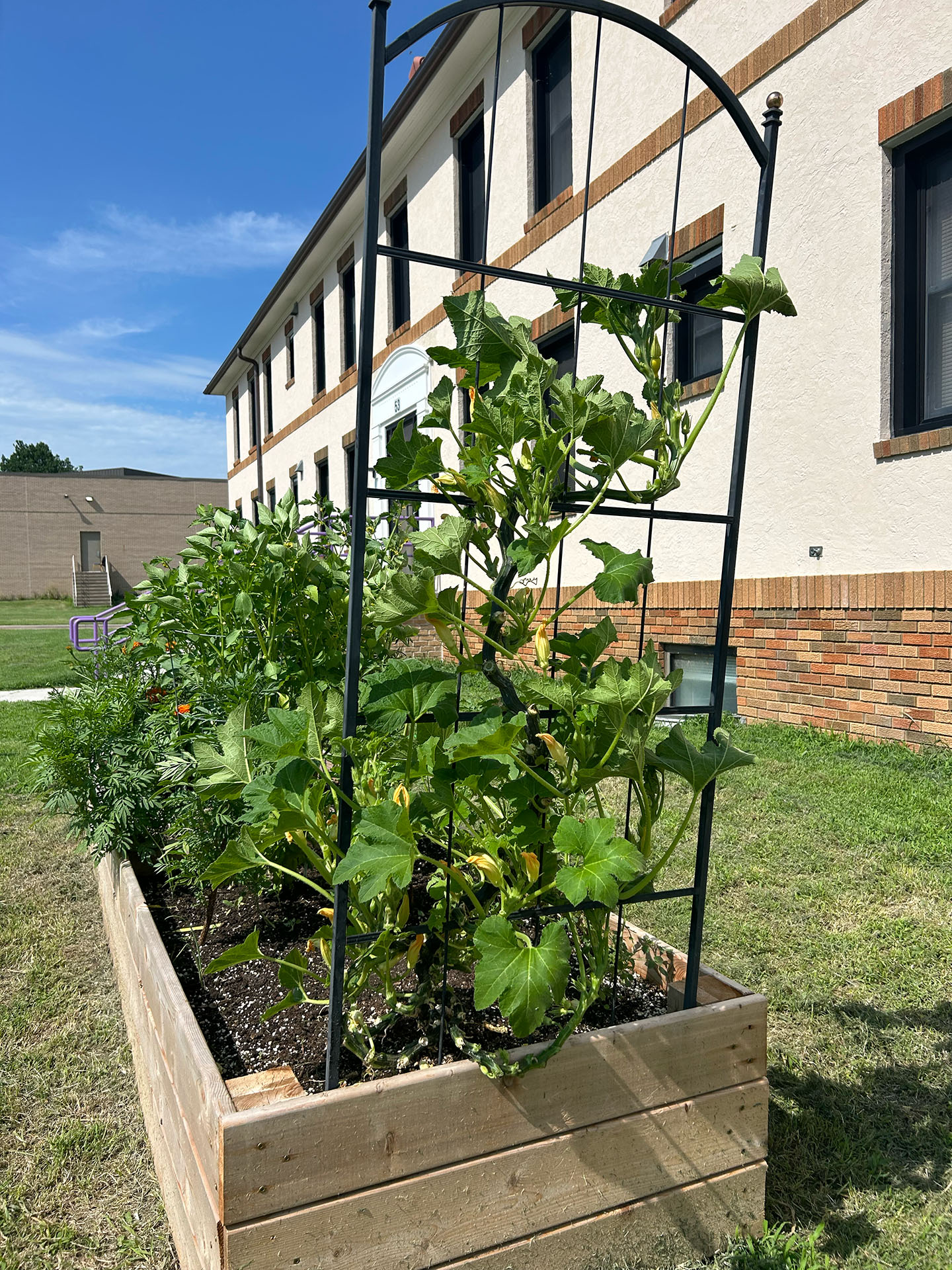
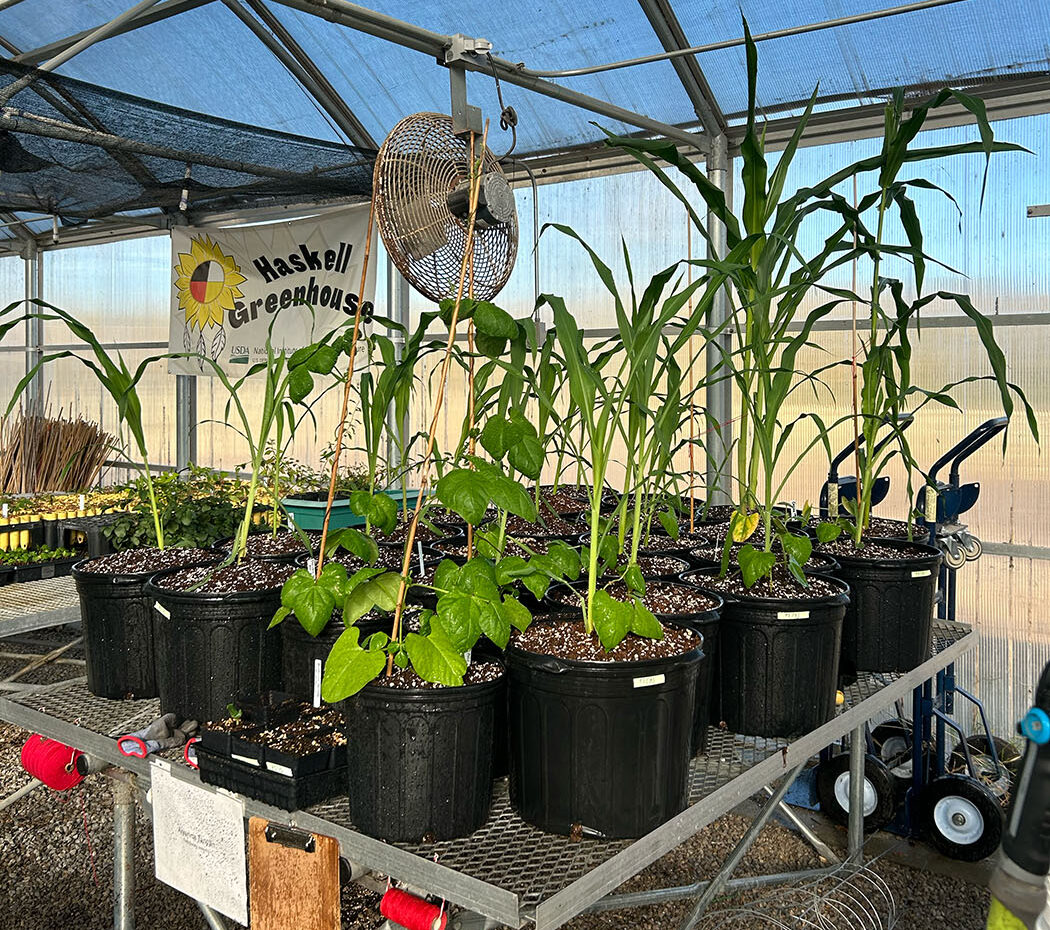
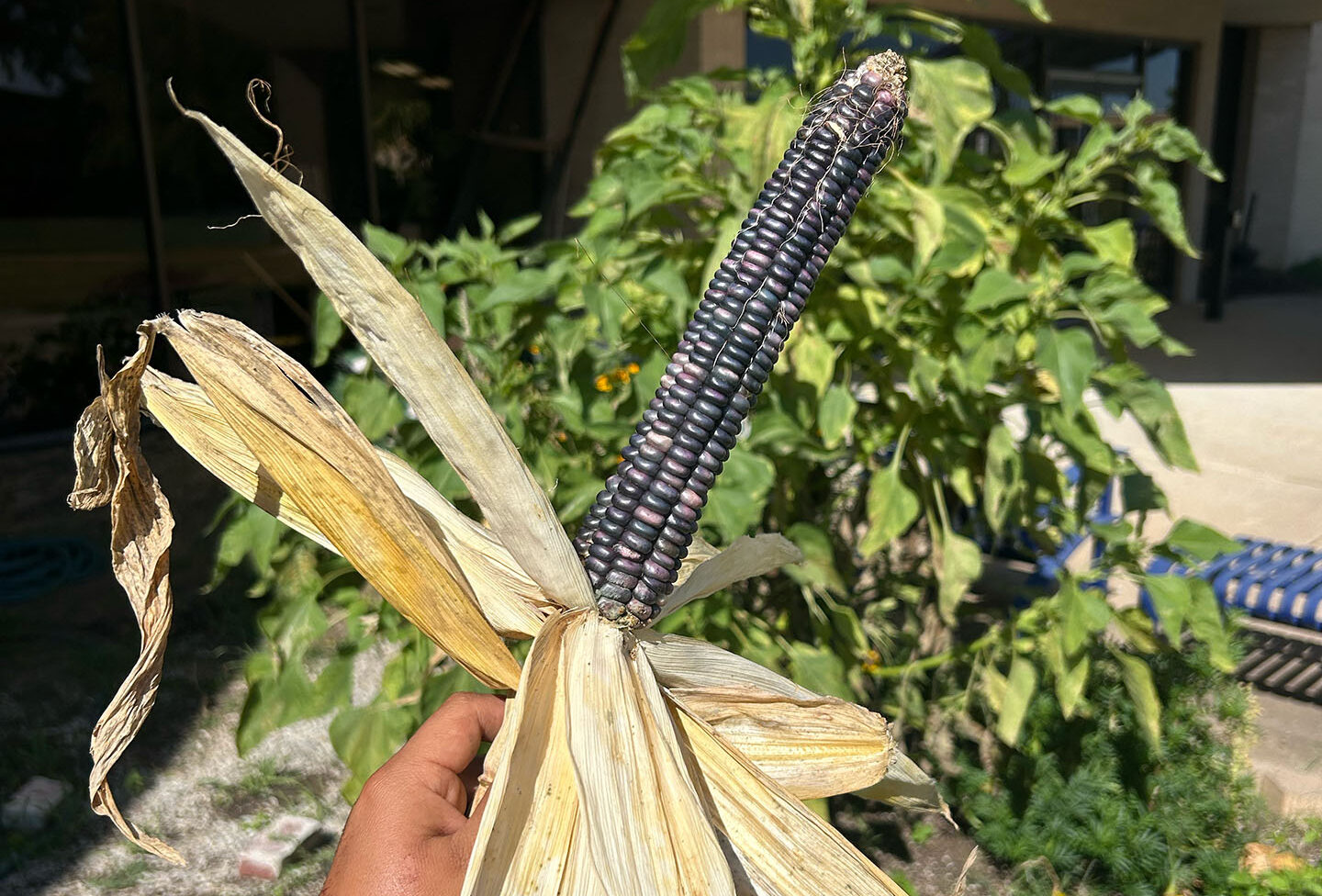
Everyone at the Haskell Greenhouse wants to help others learn, value, and view these spaces as places of teaching. I know they have taught me so much about responsibility and our relationship with the environment. Through these projects, we’re helping students reconnect with the land and understand the importance of food sovereignty for Indigenous communities. This work is ongoing, and we’re still learning. Every seed planted, and every workday shared brings us one step closer to a more sustainable and connected future.
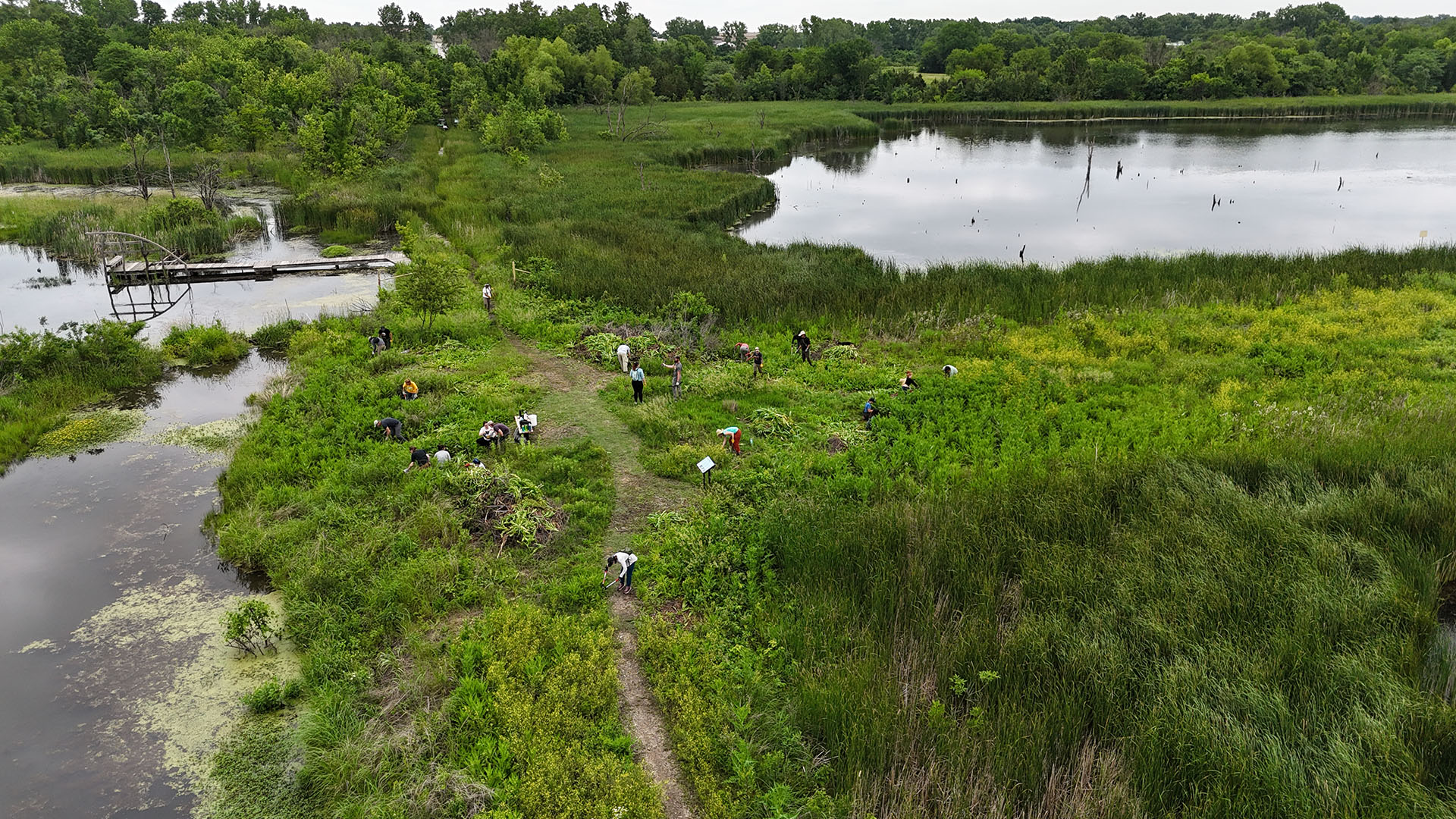
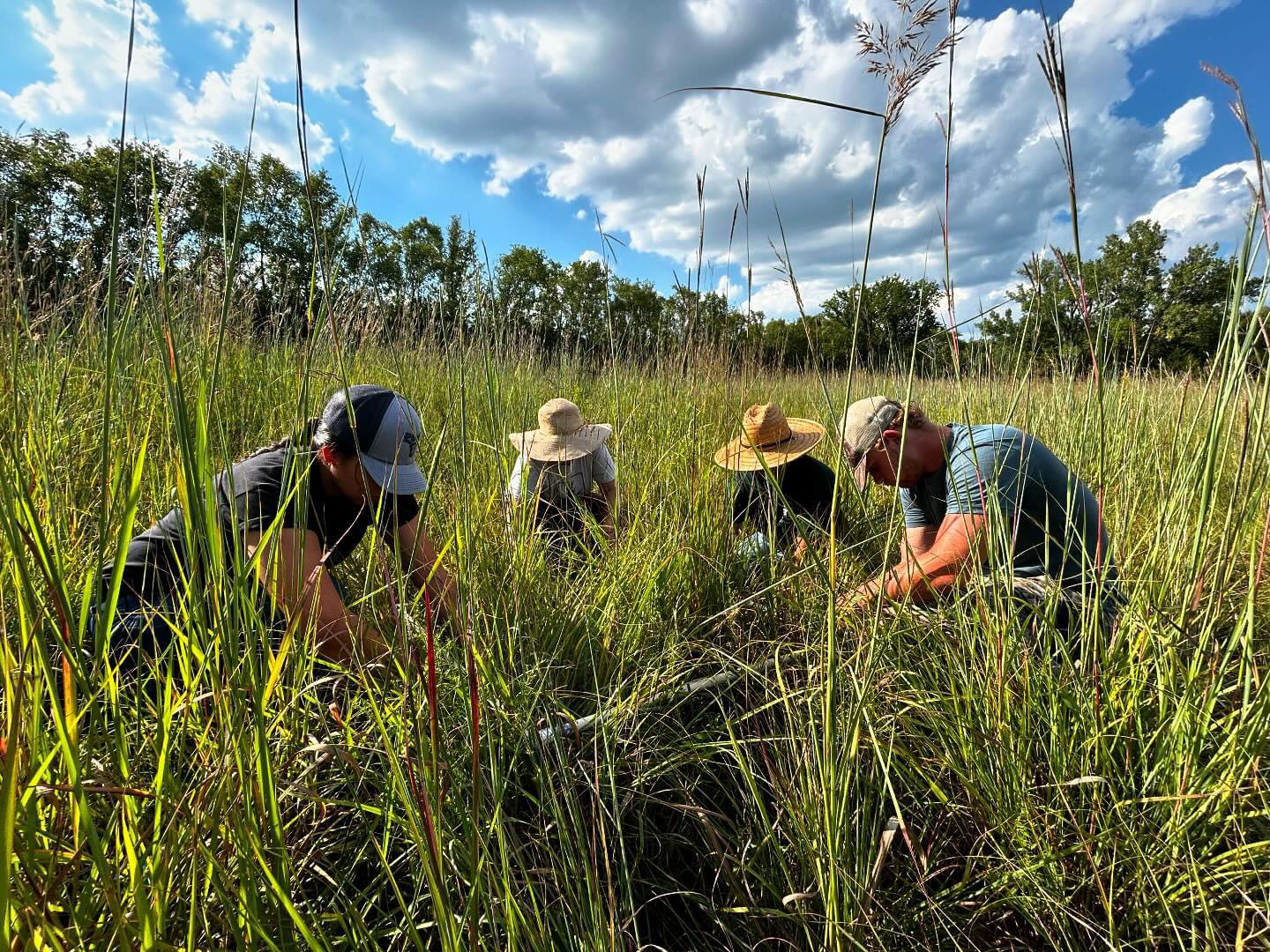
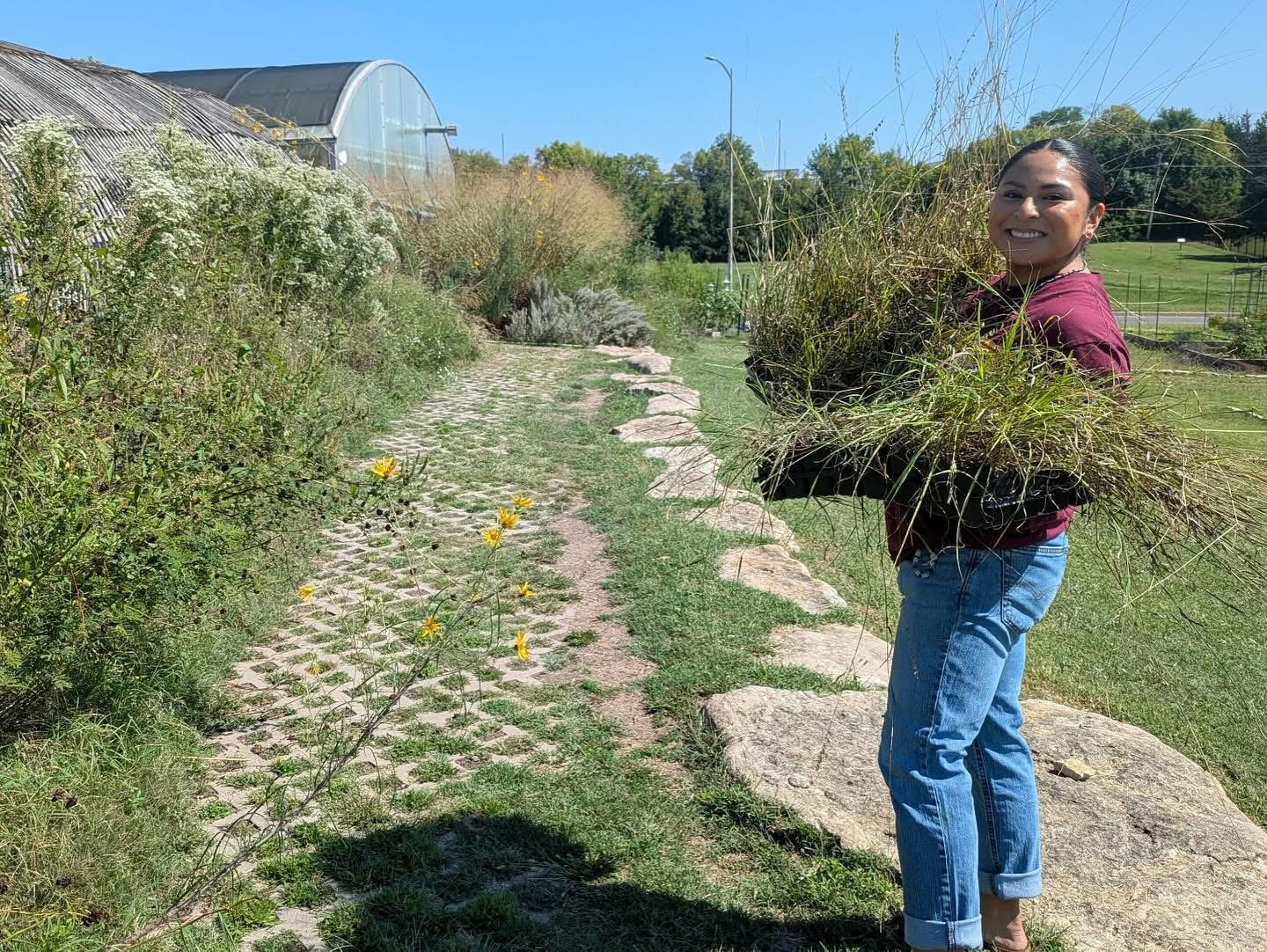
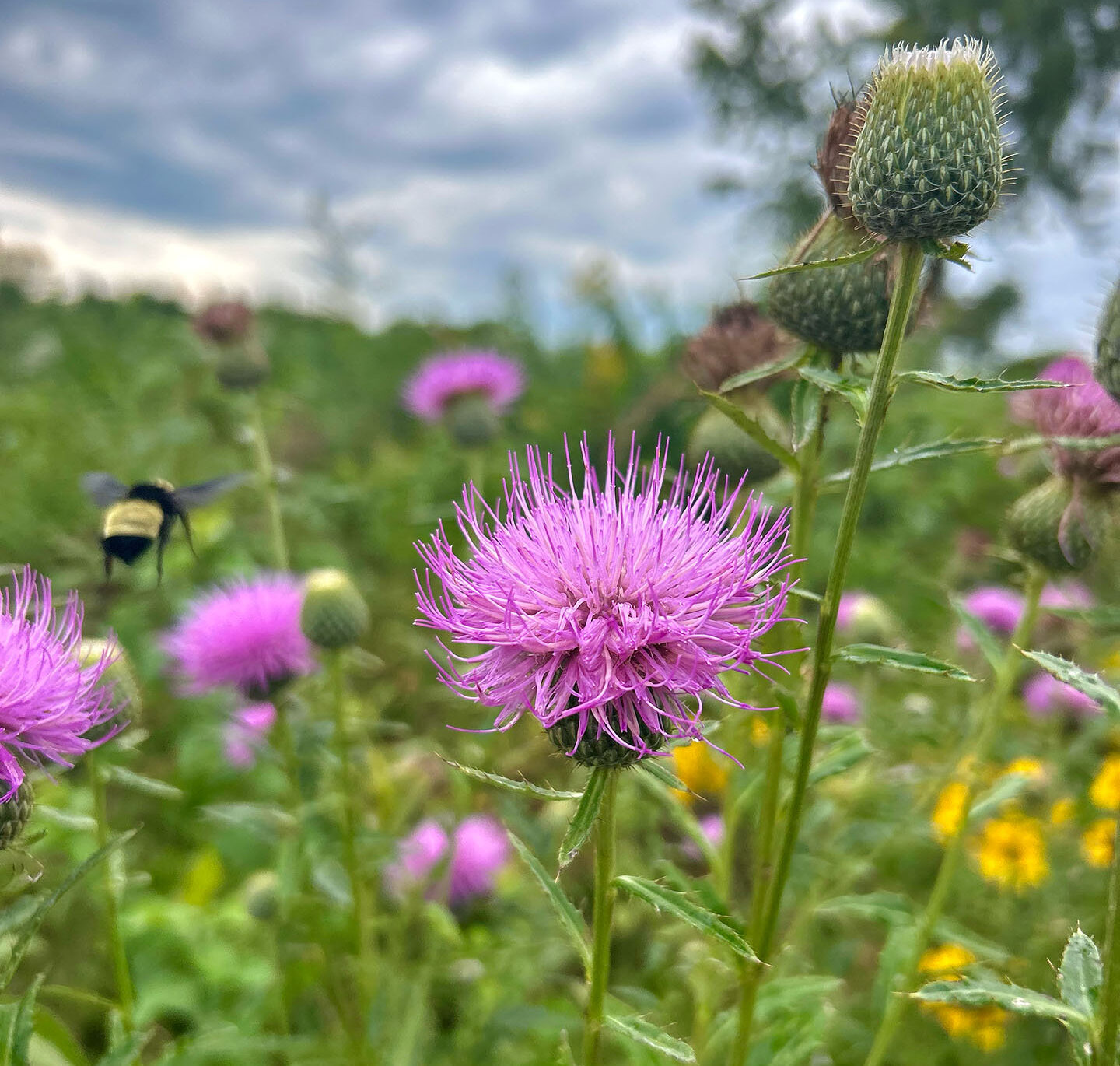
In Caring for Our Kin: Stories of Indigenous Environmental Stewardship, the College Fund shares the stories of Indigenous environmental leaders who are centering kinship and relational knowledge to build healthy ecological systems. These stories remind us that caring for the Earth means caring for one another—and that Indigenous knowledge systems continue to offer guidance, resilience, and hope for the future.
Learn more about our Environmental Stewardship Program.
Ekvnv Vcayecet. Mvto!
(Take care of the Earth/Land. Thank you)
More Blogs
Call Today to Save the Department of Education!
President Trump signed an executive order to dismantle and eliminate the Department of Education. Call your elected officials today and ask them to oppose H.R. 899 (which would eradicate the Department of Education by December 31, 2026) and President Trump’s Executive Order to dismantle the Department of Education to protect the vital programs and protections that serve our nation’s students.
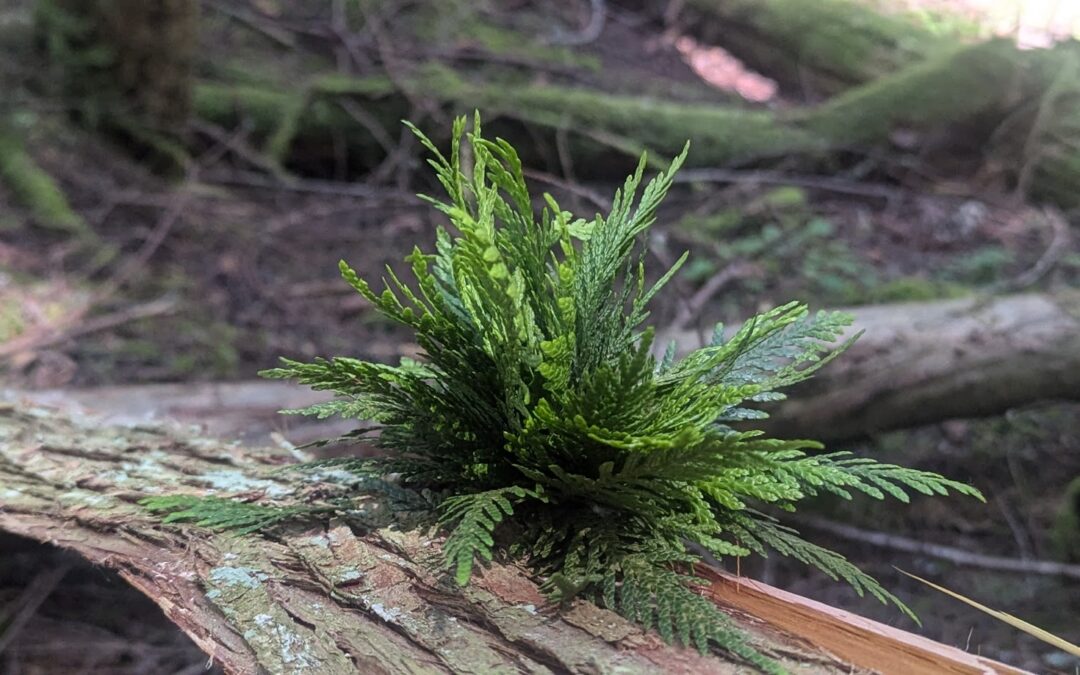
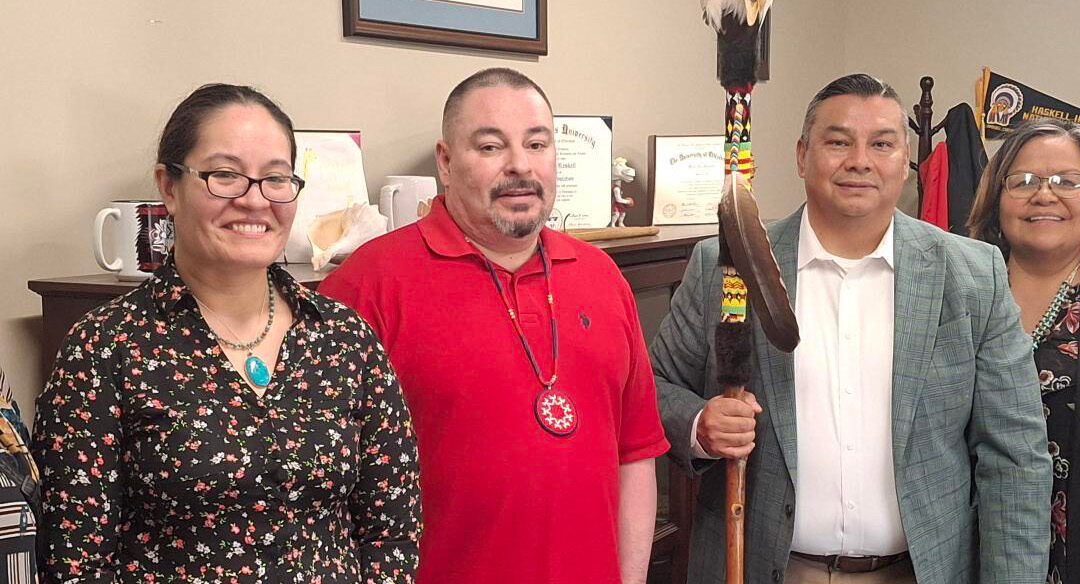
Reflecting on the Naabaahii Ółta’í: Native Student Veterans Peer-to-Peer Program Convening
Written by Ryan Crawford, Oglala Lakota College, 2024-2025 Native Student Veteran Fellow As I reflect on my experience attending the Naabaahii Ółta'í: Native Student Veterans Peer-to-Peer Program Convening in Tulsa, Oklahoma, on February 25-26, 2025, I am filled with...
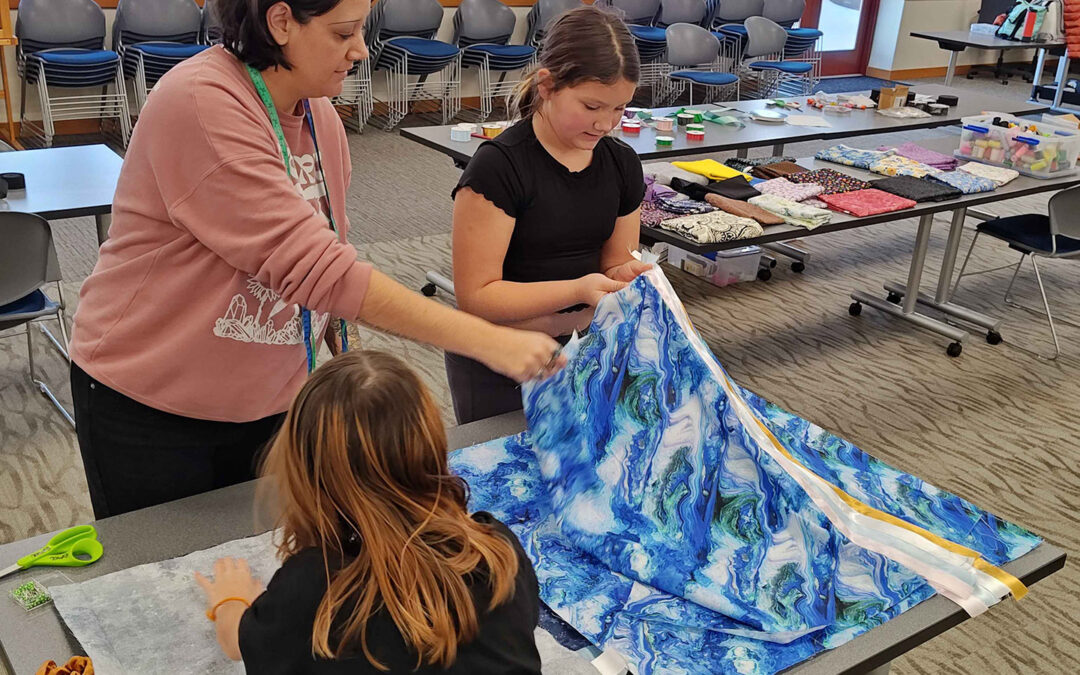
Fake News Awareness
Misinformation is everywhere, but having the right tools helps us protect our narratives and ensure our communities get the truth. Always question, always verify, and always seek sources that respect our voices.
