
Planting the Seeds of Cultural Sustainability
April 22, 2026 | Student Ambassador Aiyanna Tanyan’s (Seminole Nation of Oklahoma) work to reclaim food sovereignty
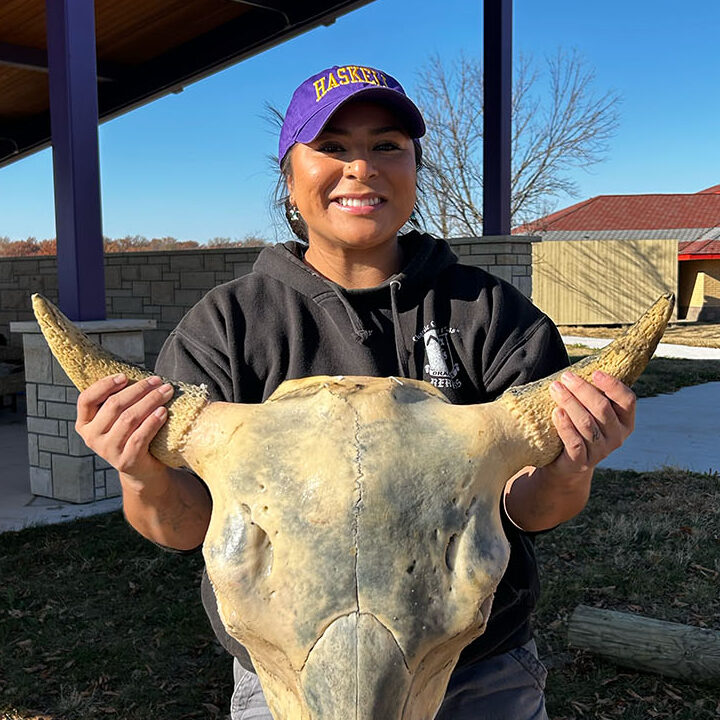
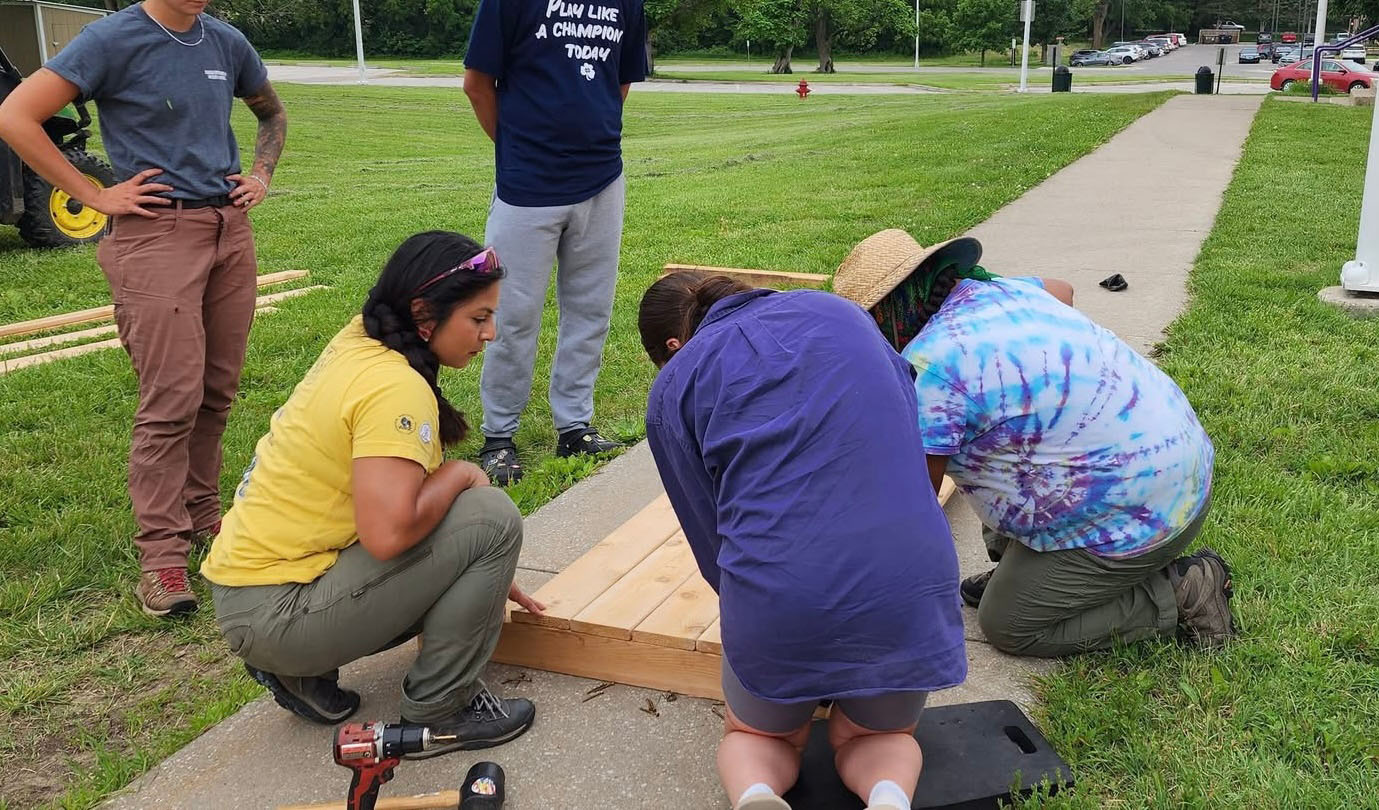
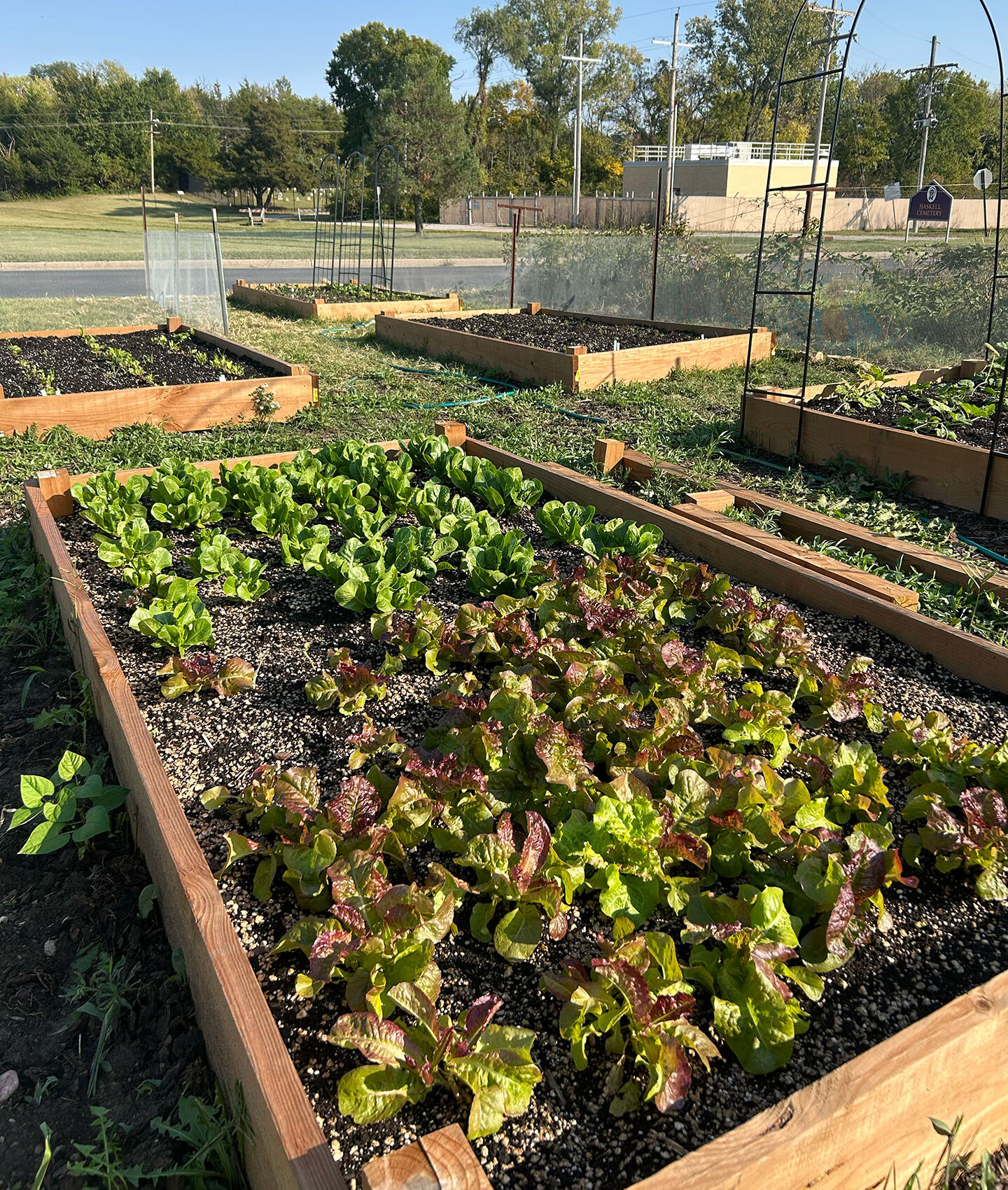
We came up with the idea of building raised garden beds near the dorms so students can easily access fresh foods and learn how to grow them themselves. Through support from the Haskell Greenhouse (funded through the USDA Equity Grant), we started building.
Last year was our first year doing this project and it was a learning experience as with many community-based projects, it comes with trial and error. However, that process taught us a lot about what works, what doesn’t, and how to build something more sustainable moving forward. This year, we’re continuing this work with stronger systems, more involvement, and a clearer vision.
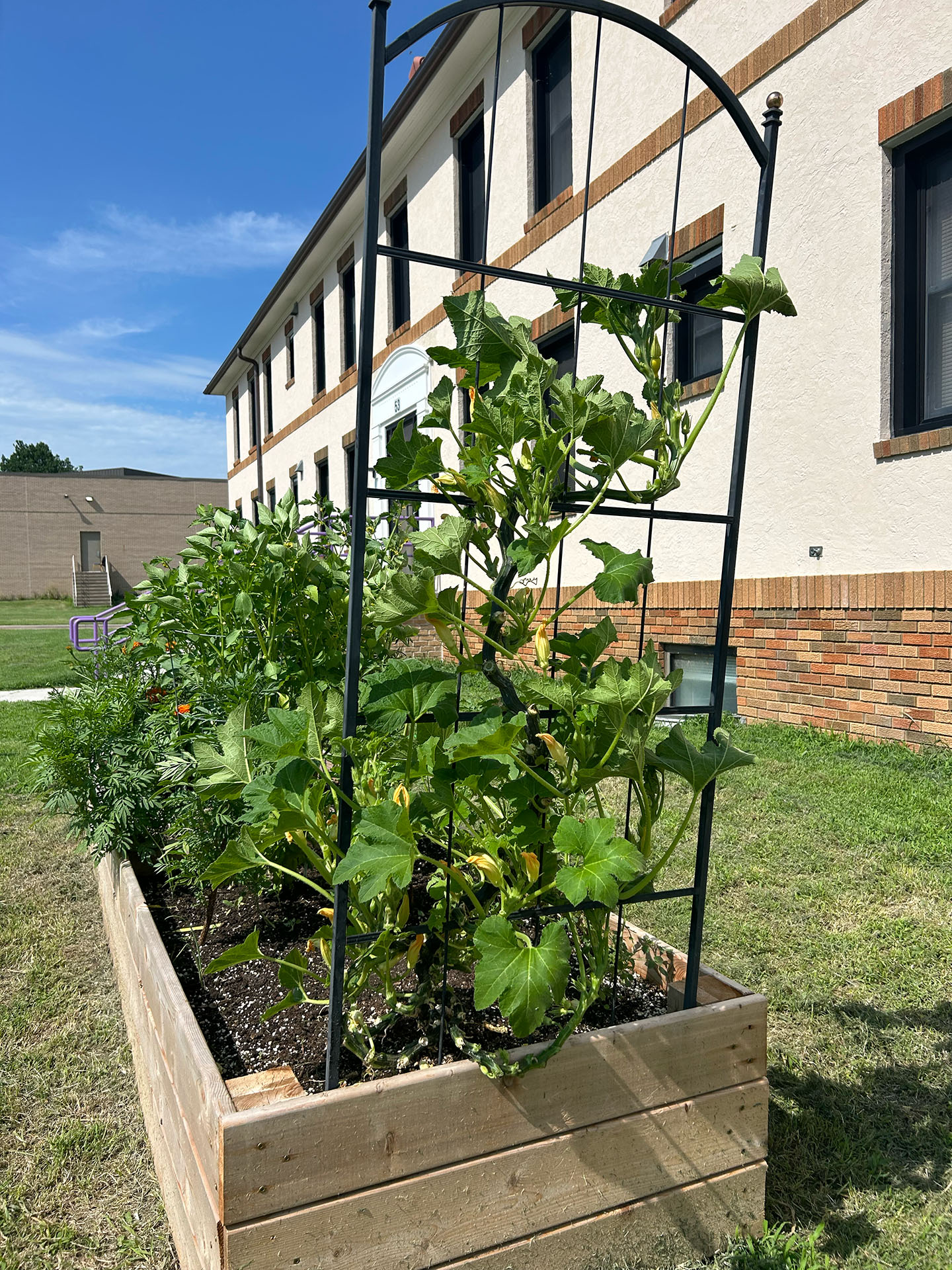
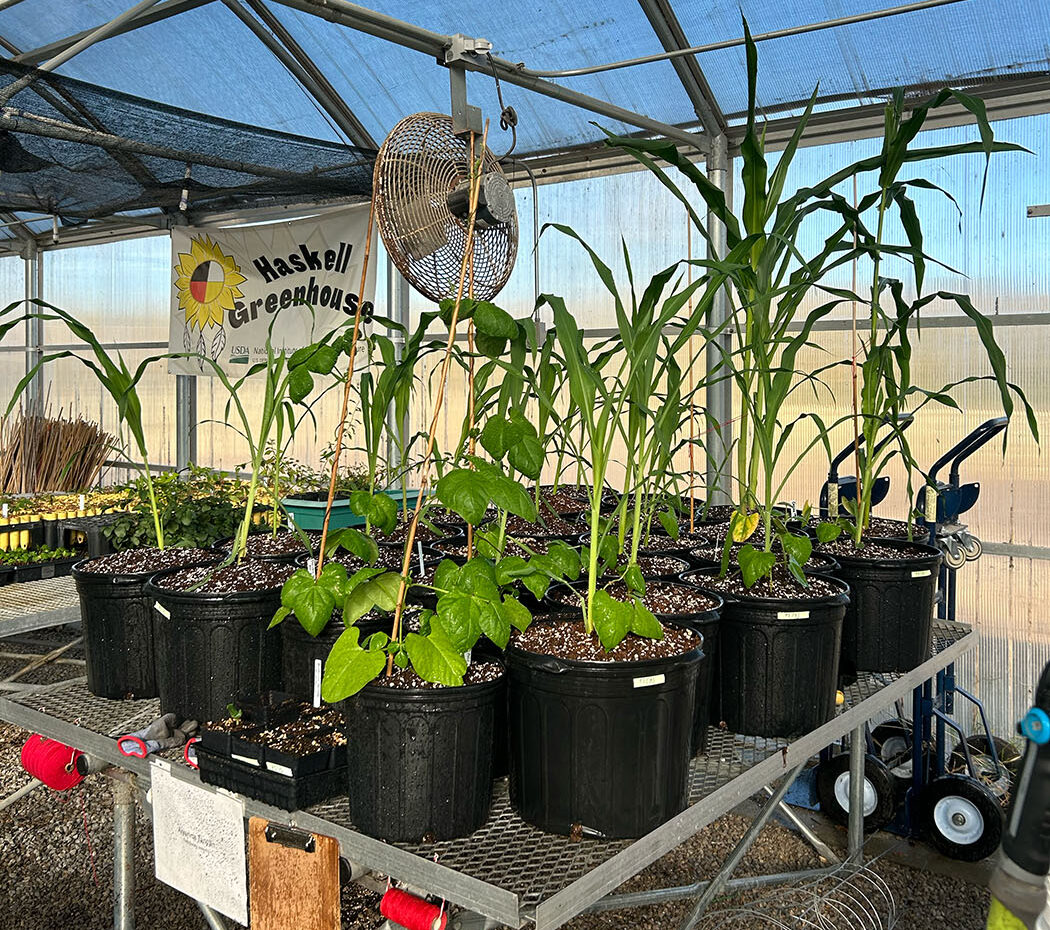
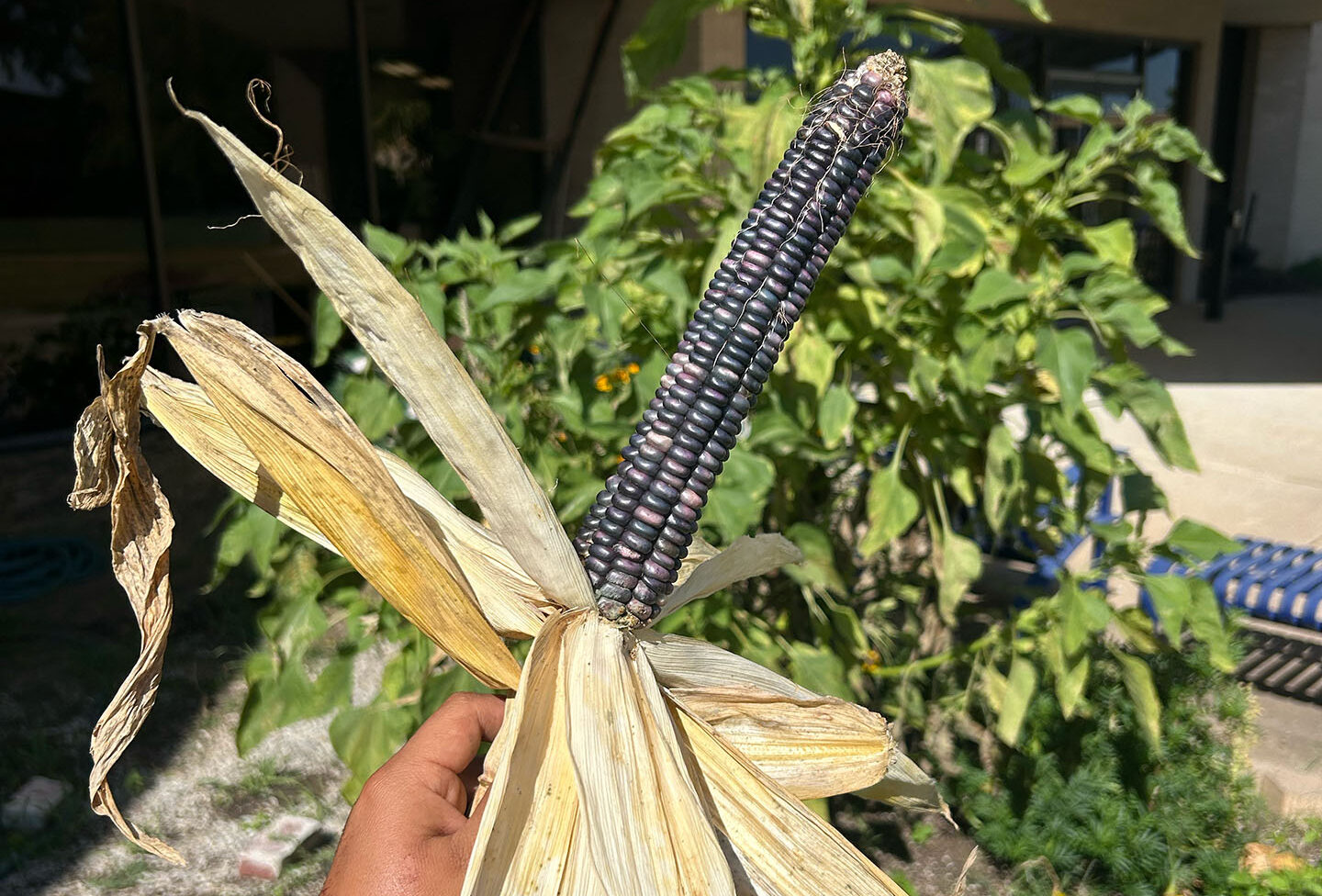
Everyone at the Haskell Greenhouse wants to help others learn, value, and view these spaces as places of teaching. I know they have taught me so much about responsibility and our relationship with the environment. Through these projects, we’re helping students reconnect with the land and understand the importance of food sovereignty for Indigenous communities. This work is ongoing, and we’re still learning. Every seed planted, and every workday shared brings us one step closer to a more sustainable and connected future.
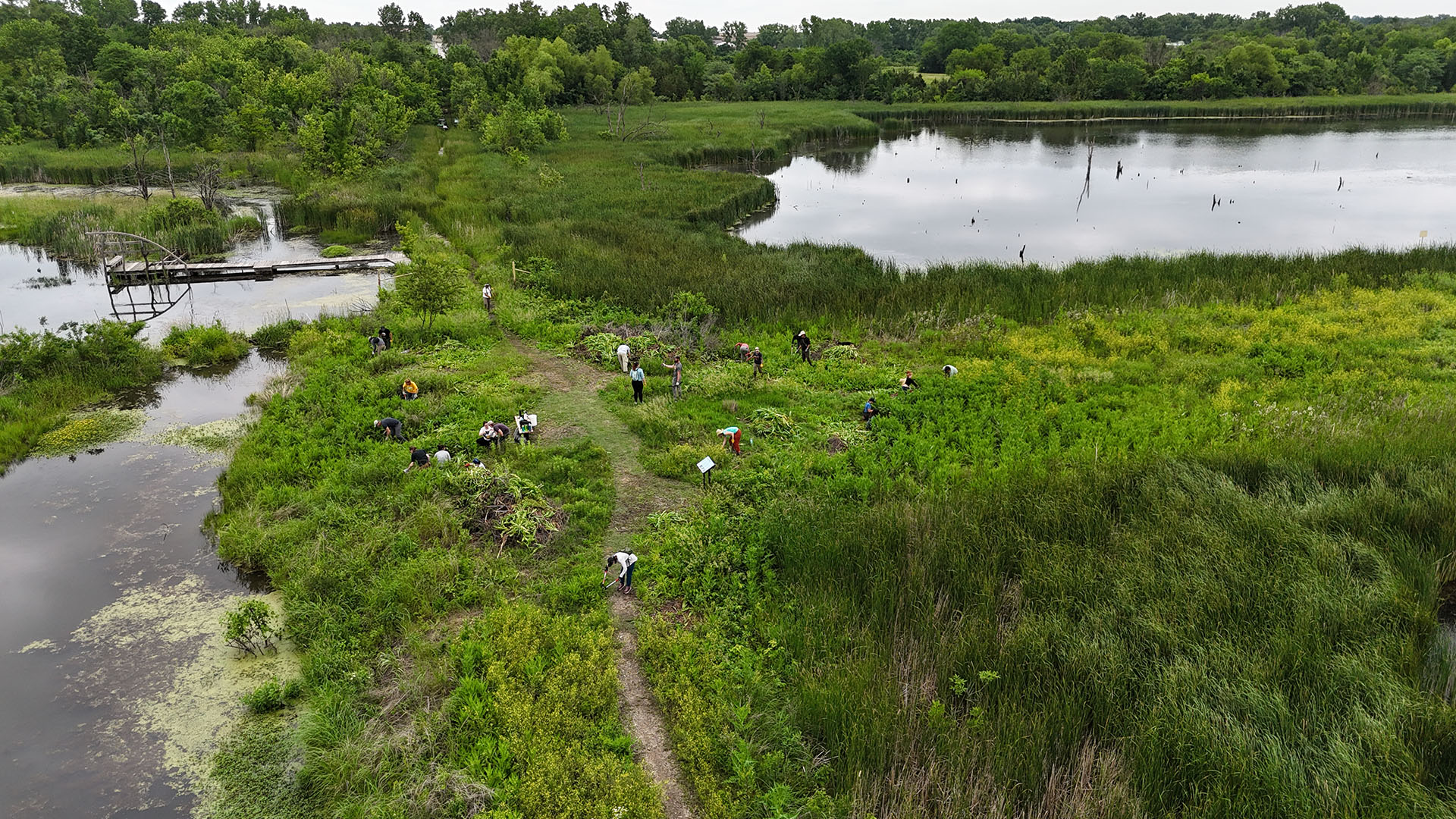
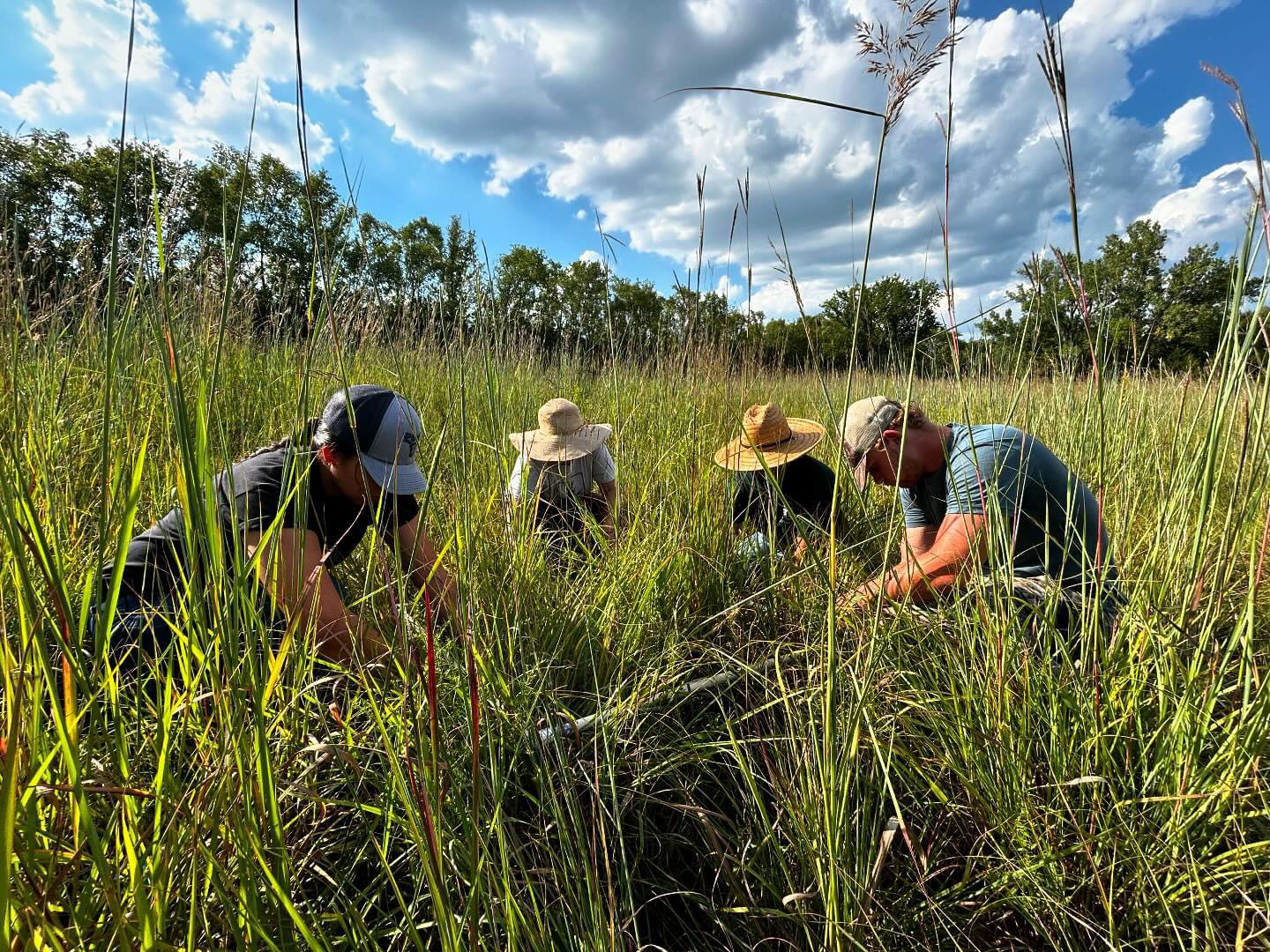
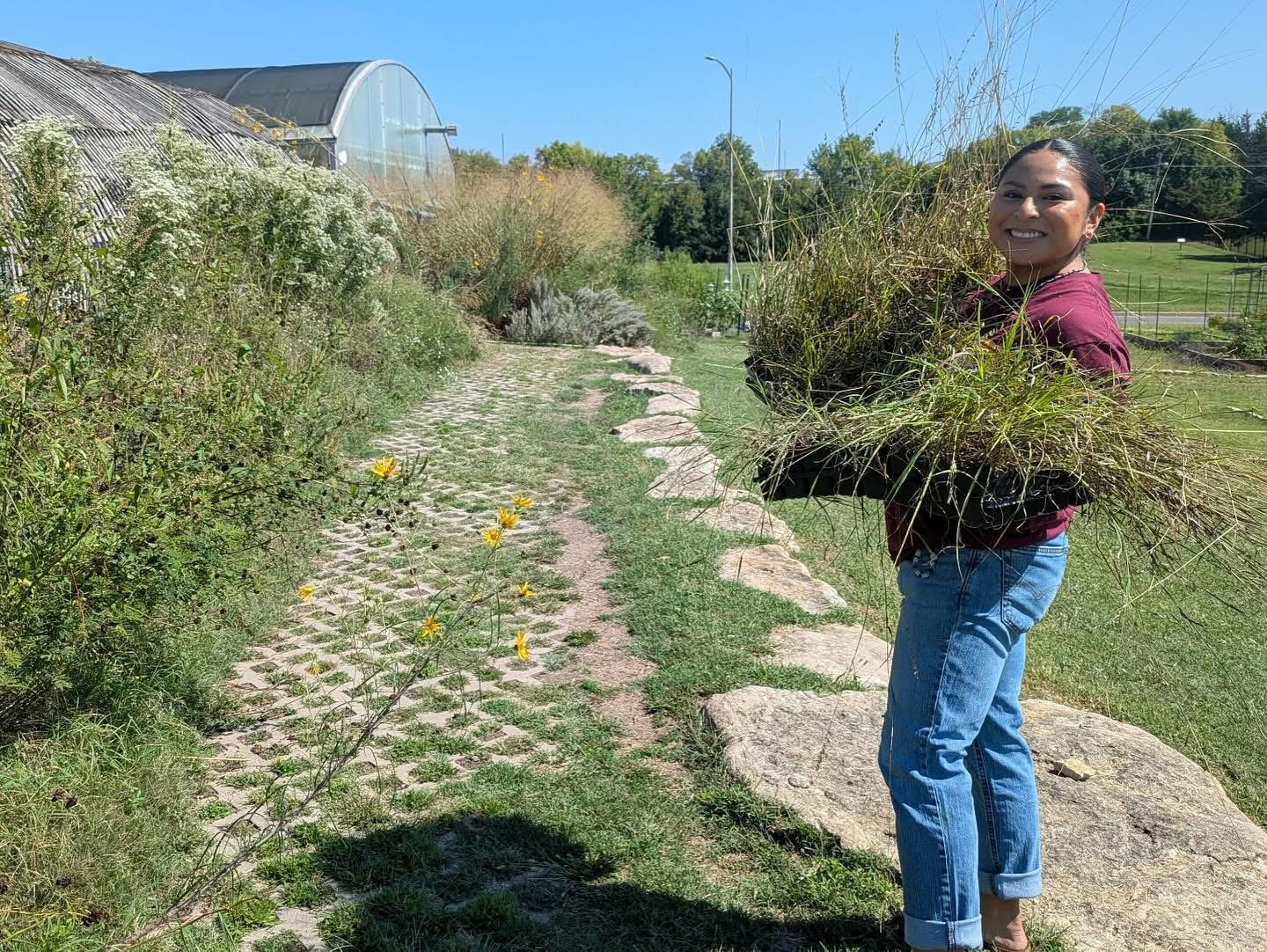
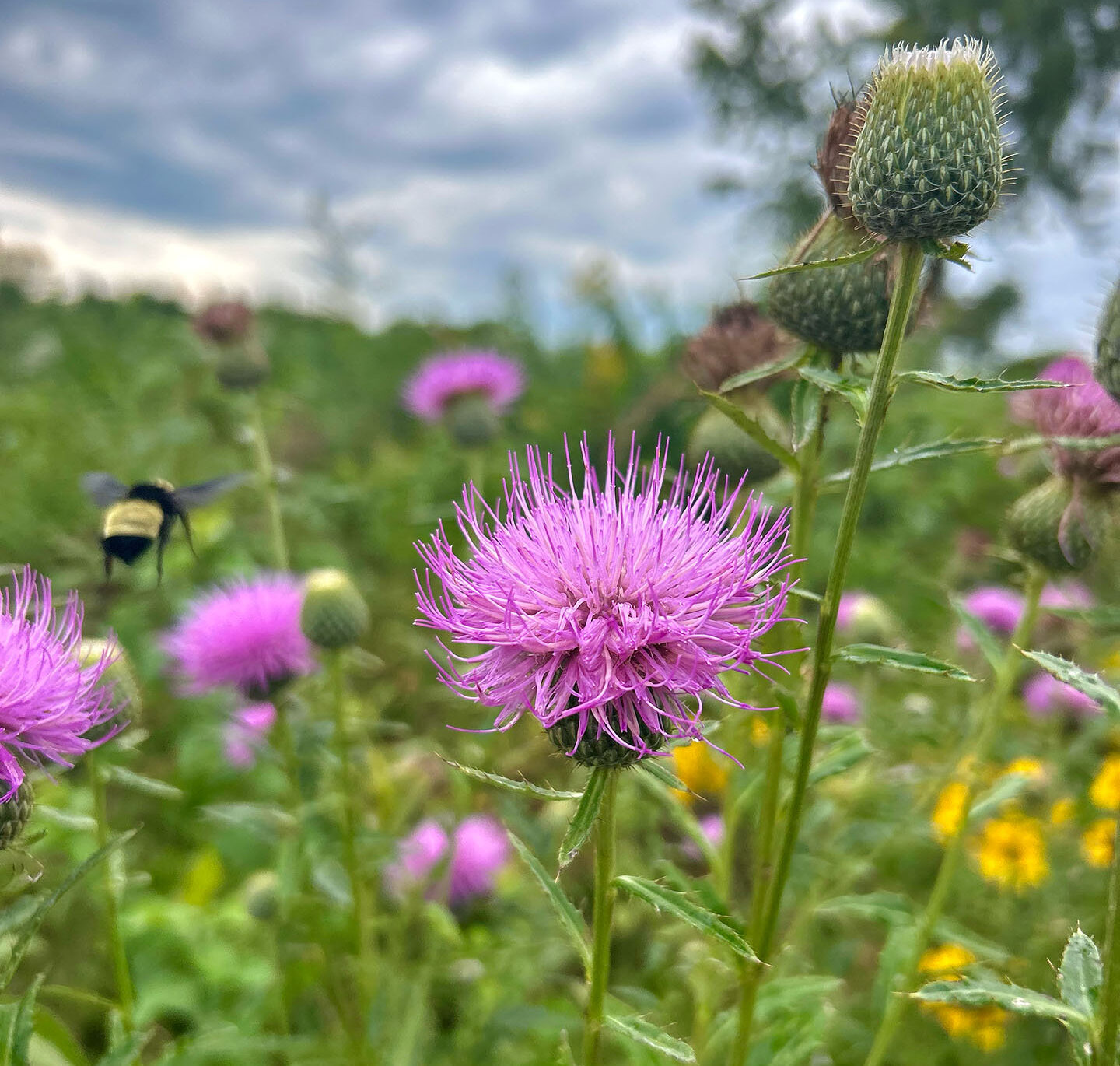
In Caring for Our Kin: Stories of Indigenous Environmental Stewardship, the College Fund shares the stories of Indigenous environmental leaders who are centering kinship and relational knowledge to build healthy ecological systems. These stories remind us that caring for the Earth means caring for one another—and that Indigenous knowledge systems continue to offer guidance, resilience, and hope for the future.
Learn more about our Environmental Stewardship Program.
Ekvnv Vcayecet. Mvto!
(Take care of the Earth/Land. Thank you)
More Blogs

Support Tribal Colleges and Students. Please Call Your Elected Officials!
TCUs and TCU students need your voice in Washington. Both Haskell and SIPI, the nation’s oldest and only federally operated tribal colleges, are facing an immediate crisis due to the implementation of EO 14210 and the White House memo on hiring freezes.

Student Voices Are Needed in Washington. Please Call Your Elected Officials!
TCUs and TCU students need your voice in Washington. Both Haskell and Southwestern Indian Polytechnic Institute, the nation’s oldest and only federally operated tribal colleges, are facing an immediate crisis due to the implementation of EO 14210 and the White House memo on hiring freezes.

United Tribes Technical College Publishes Video Series on Teacher Education Program
The United Tribes Technical College (UTTC) Teacher Education Program released a series of videos to support program recruitment covering a wide range of topics and perspectives from current and past students, tribal elders, and education administrators. The program is funded by the American Indian College Fund (College Fund), through the Wounspekiya Unspewicakiyapi Native Teacher Education pilot program.

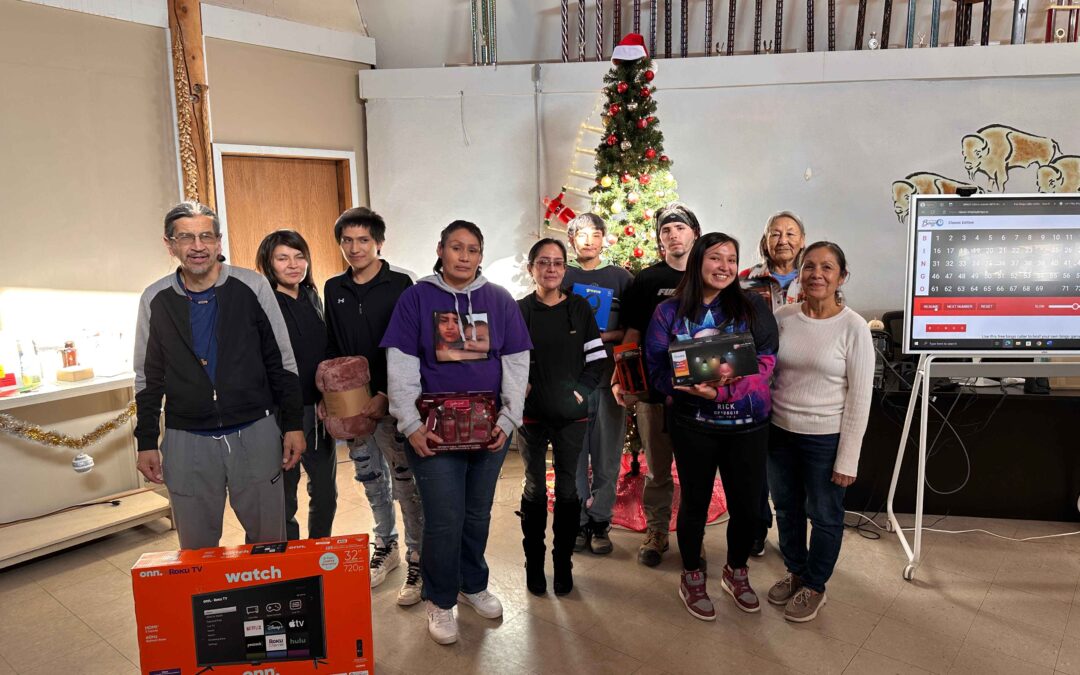
Sinte Gleska University Prioritizes Appreciation of GED Students
Sinte Gleska University always takes the time to ensure its HSE students feel valued and appreciated.

Circle of Hope Winter 2025
| Winter 2025 |Circle of HopeWhy Diversity MattersGreetings, my dear friends and relatives,I want to start by expressing my deep thanks to each of you for reaching out to me, and others across the College Fund team, to share your concerns for us, as well as reminding...
Tribal Organizations Urge Administration to Respect Tribal Sovereignty and Uphold Trust and Treaty Obligations Amid Executive Actions
A coalition of Tribal organizations, representing Tribal Nations and their citizens and communities, is calling on the Administration to ensure that recent executive actions do not undermine the unique sovereign political status of Tribal Nations as sovereign nations with which the federal government has trust and treaty obligations, or disrupt federal funding that flows from those relationships for essential Tribal programs.
