
Planting the Seeds of Cultural Sustainability
April 22, 2026 | Student Ambassador Aiyanna Tanyan’s (Seminole Nation of Oklahoma) work to reclaim food sovereignty
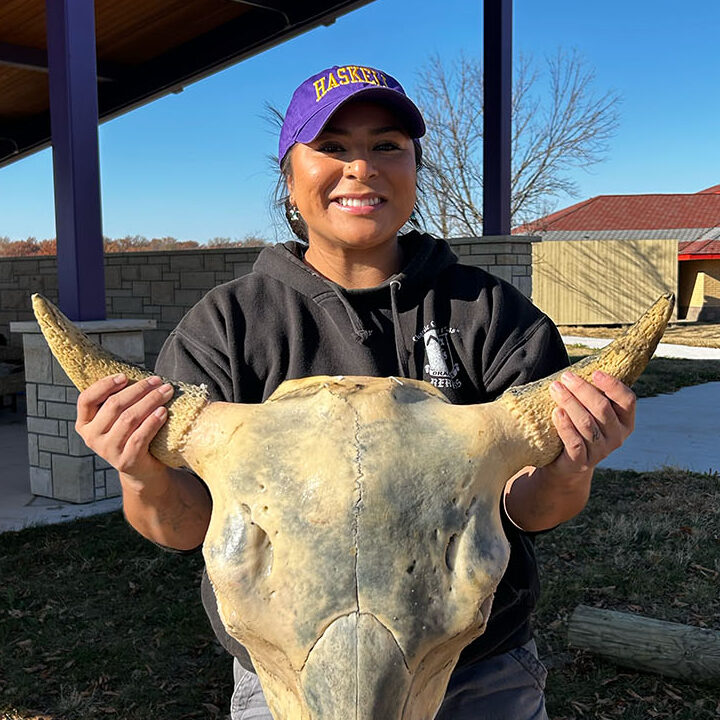
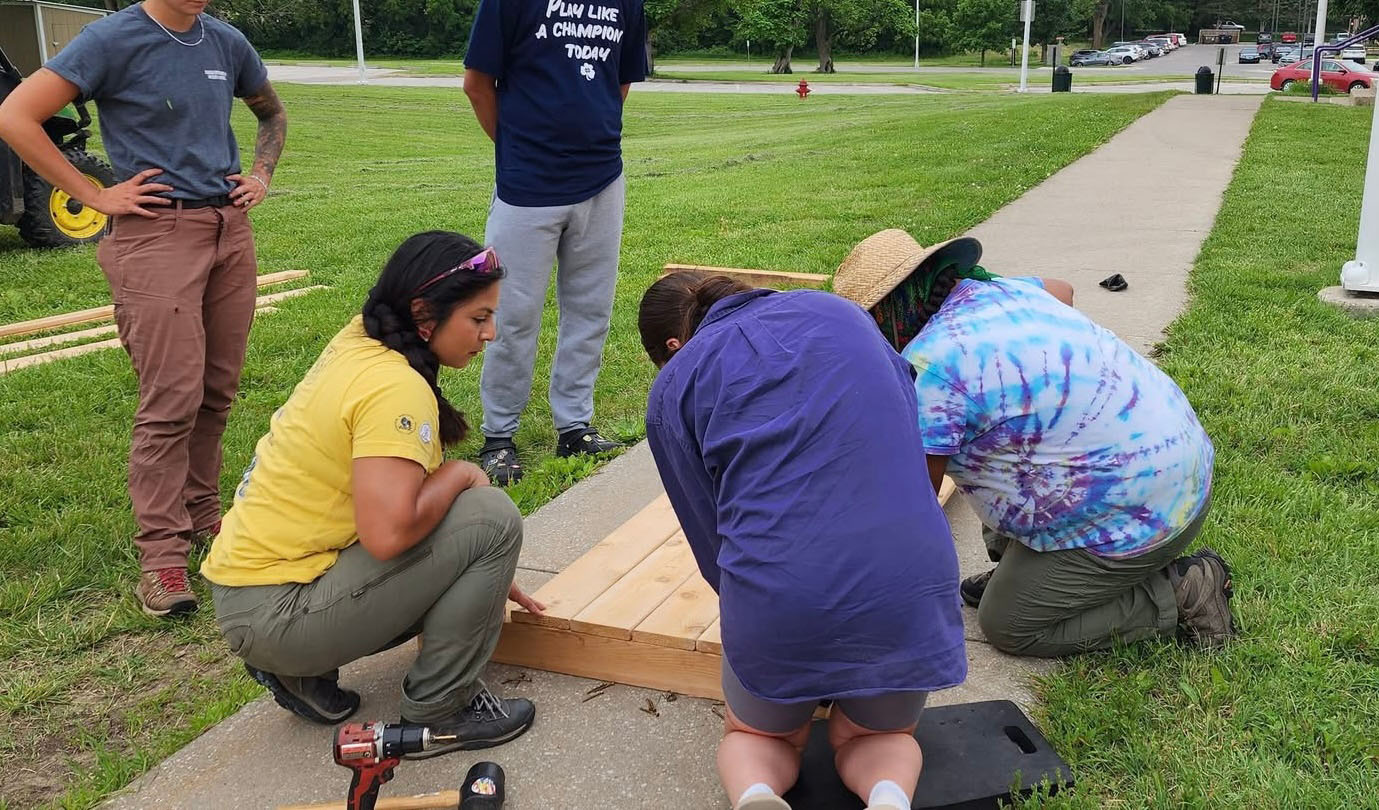
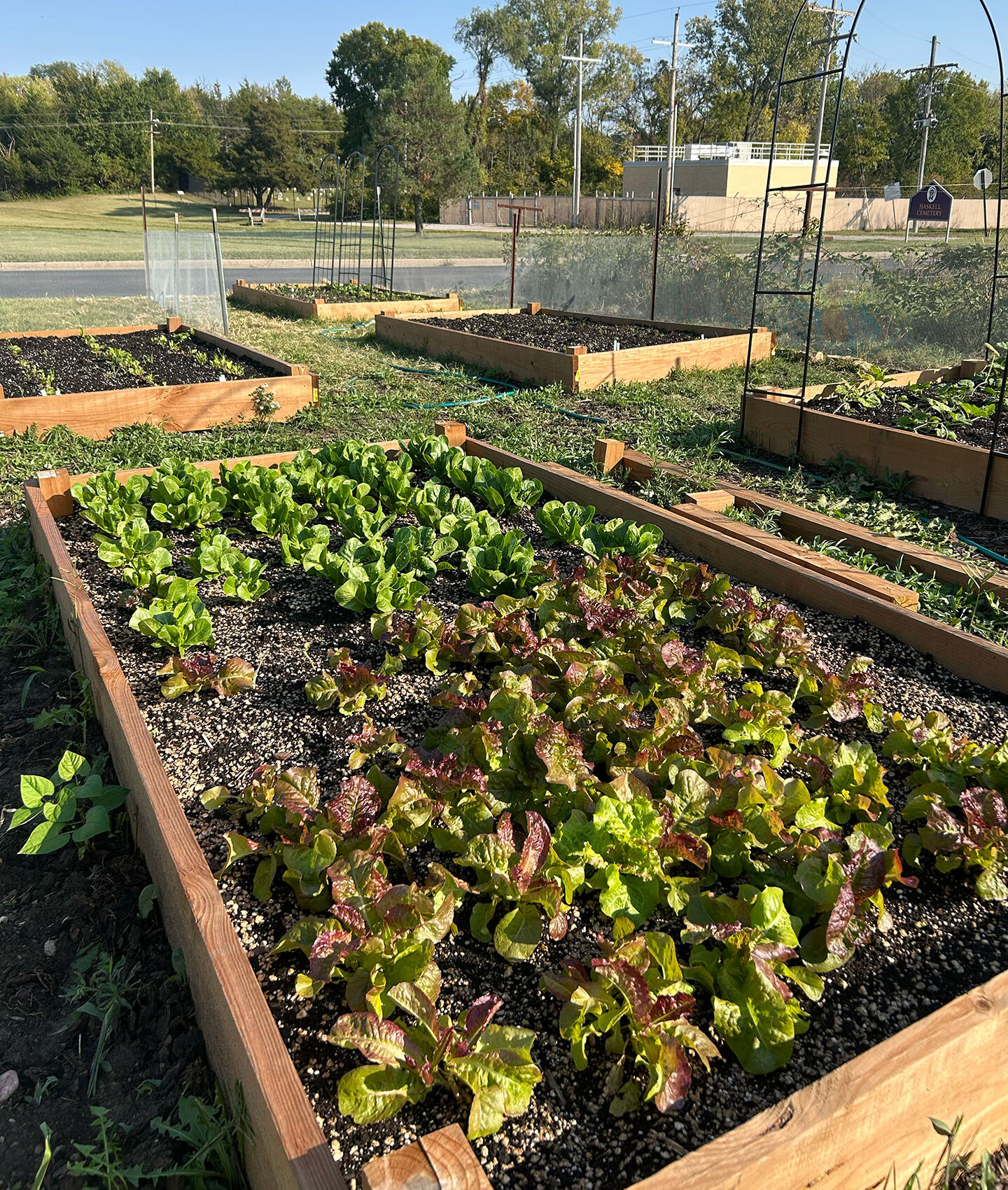
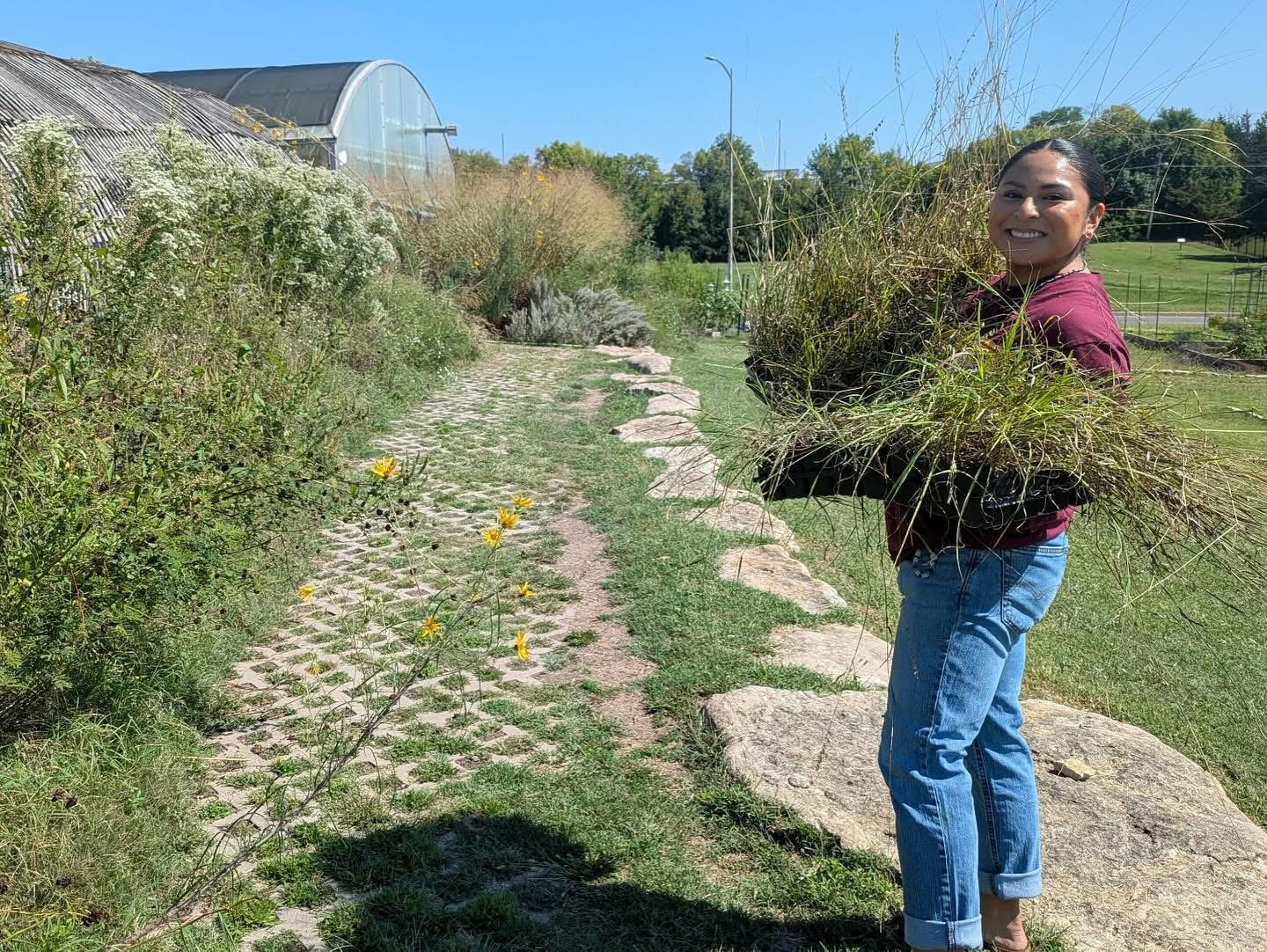
We came up with the idea of building raised garden beds near the dorms so students can easily access fresh foods and learn how to grow them themselves. Through support from the Haskell Greenhouse (funded through the USDA Equity Grant), we started building.
Last year was our first year doing this project and it was a learning experience as with many community-based projects, it comes with trial and error. However, that process taught us a lot about what works, what doesn’t, and how to build something more sustainable moving forward. This year, we’re continuing this work with stronger systems, more involvement, and a clearer vision.
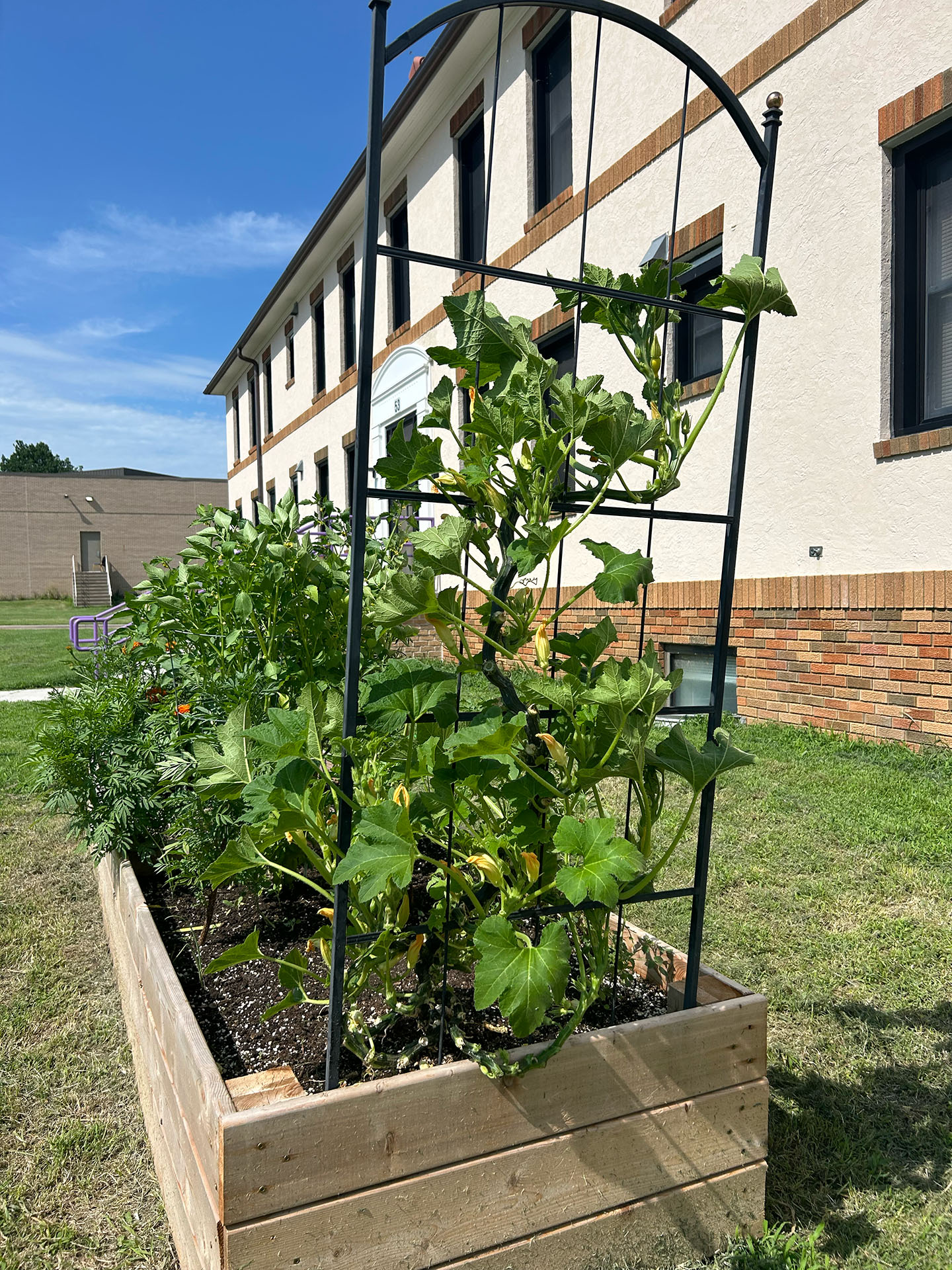
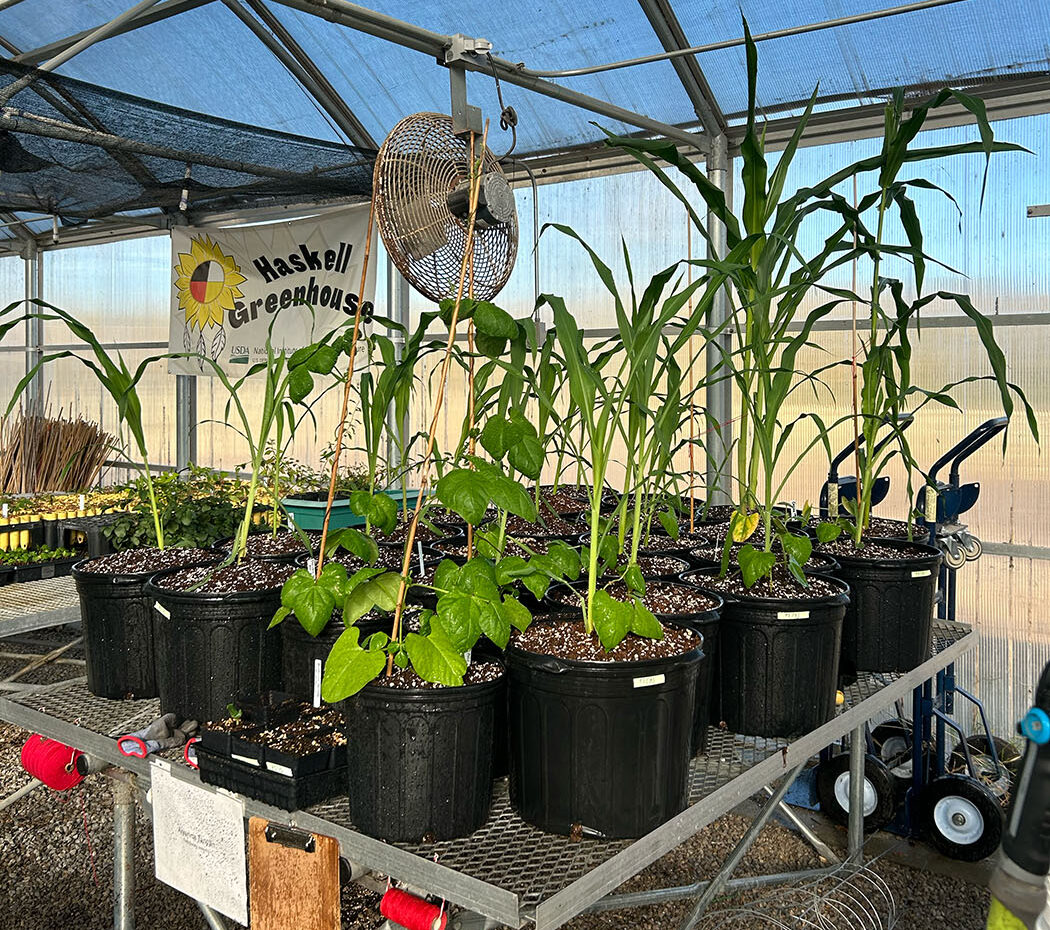
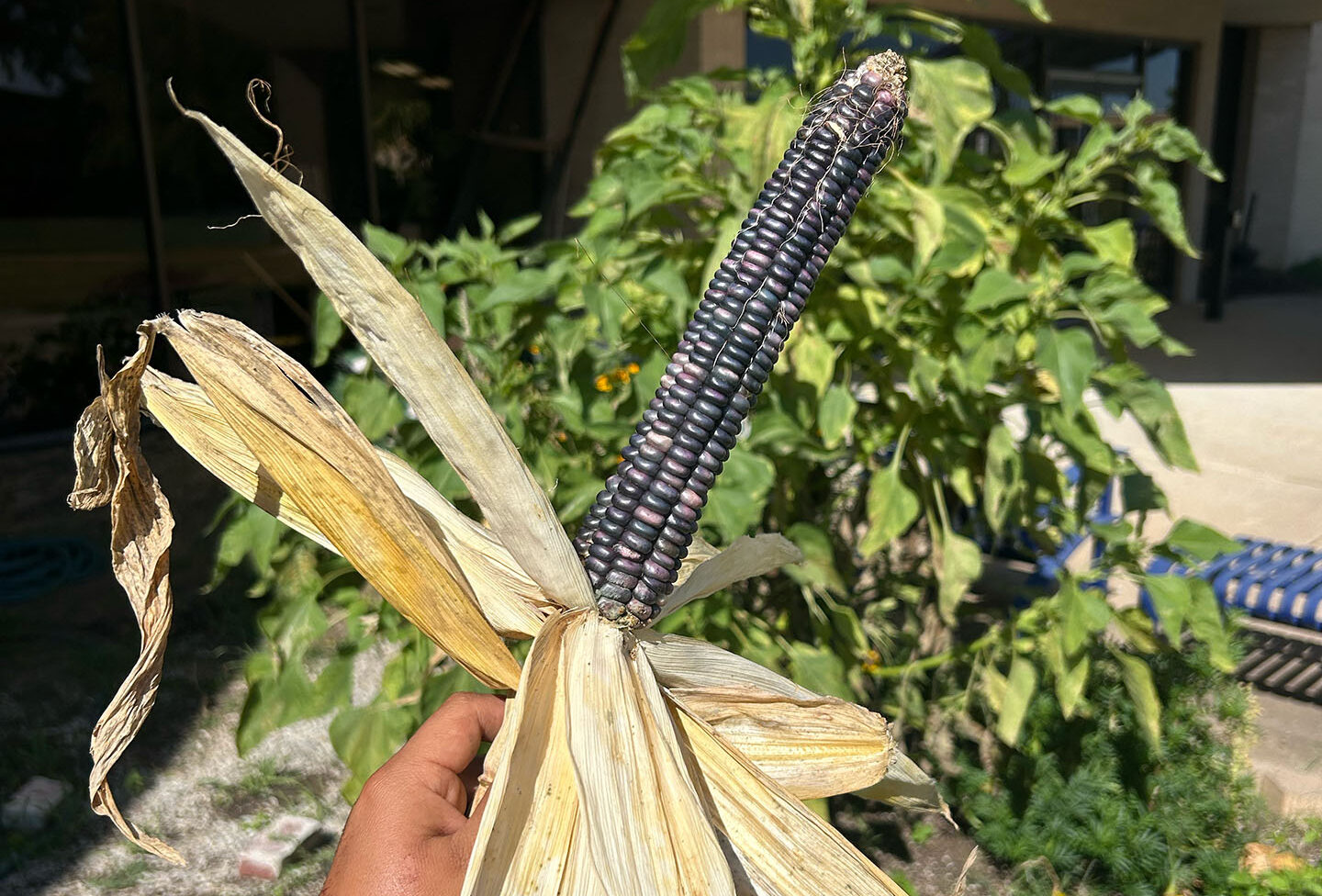
Everyone at the Haskell Greenhouse wants to help others learn, value, and view these spaces as places of teaching. I know they have taught me so much about responsibility and our relationship with the environment. Through these projects, we’re helping students reconnect with the land and understand the importance of food sovereignty for Indigenous communities. This work is ongoing, and we’re still learning. Every seed planted, and every workday shared brings us one step closer to a more sustainable and connected future.
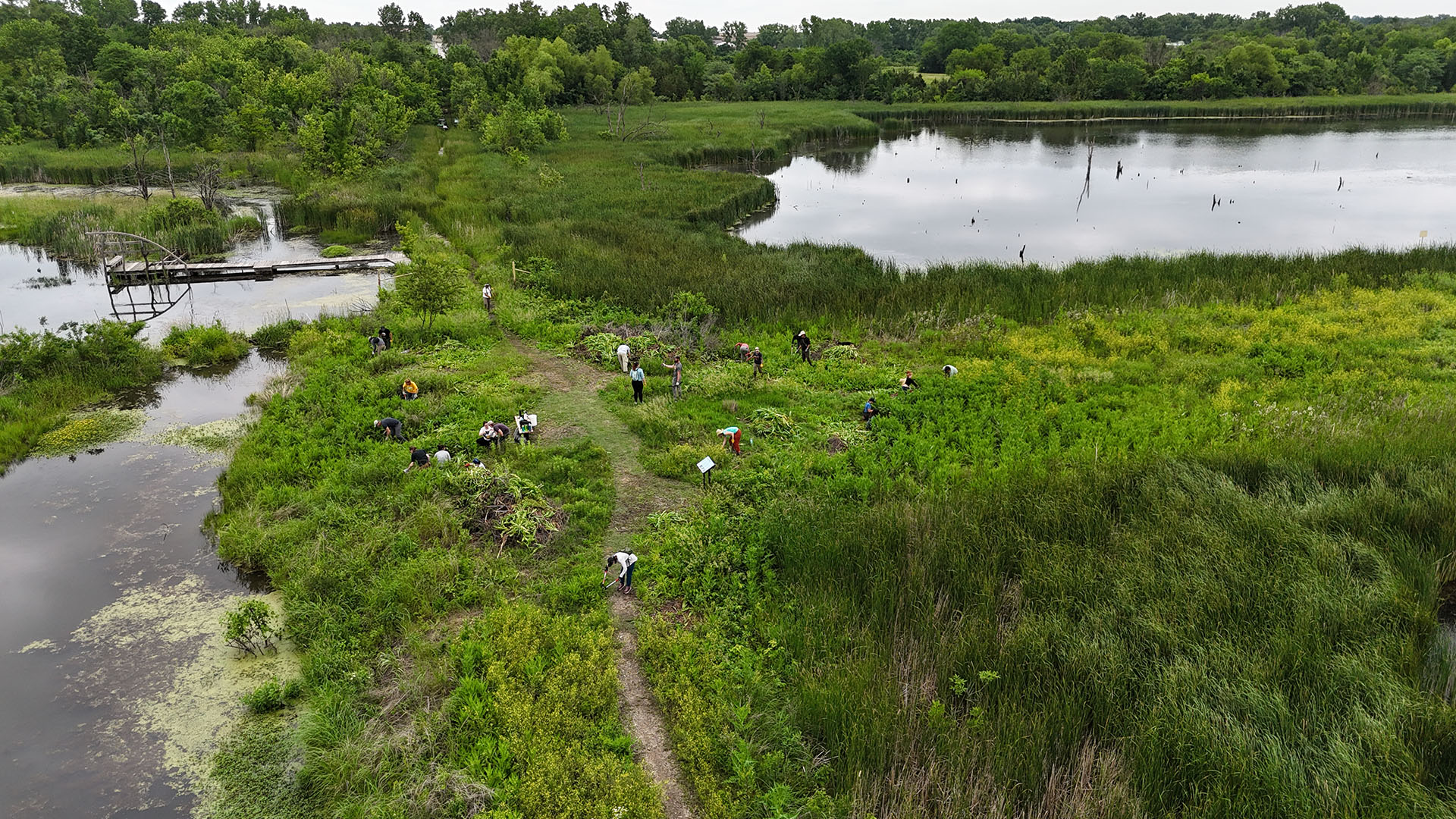
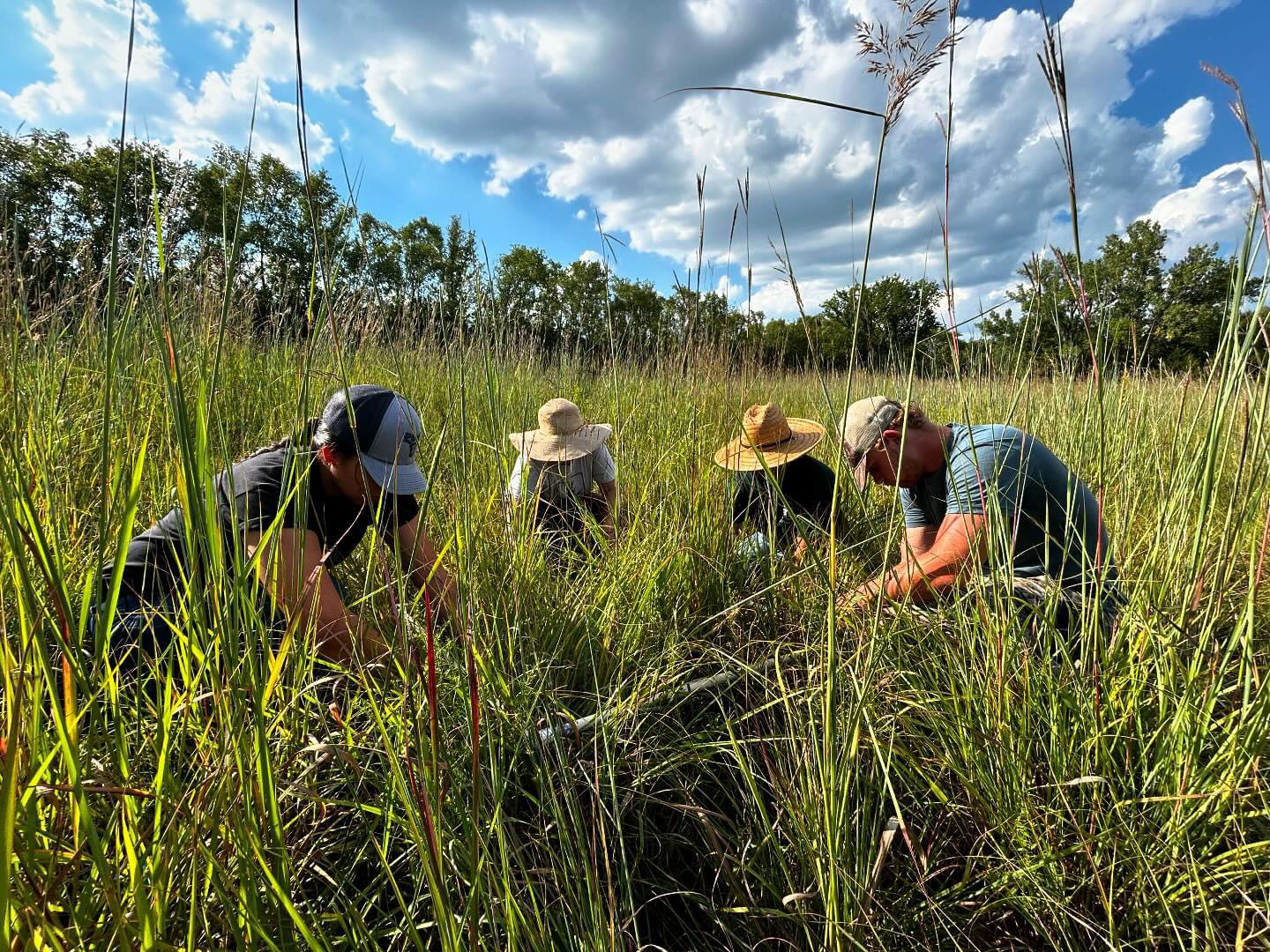
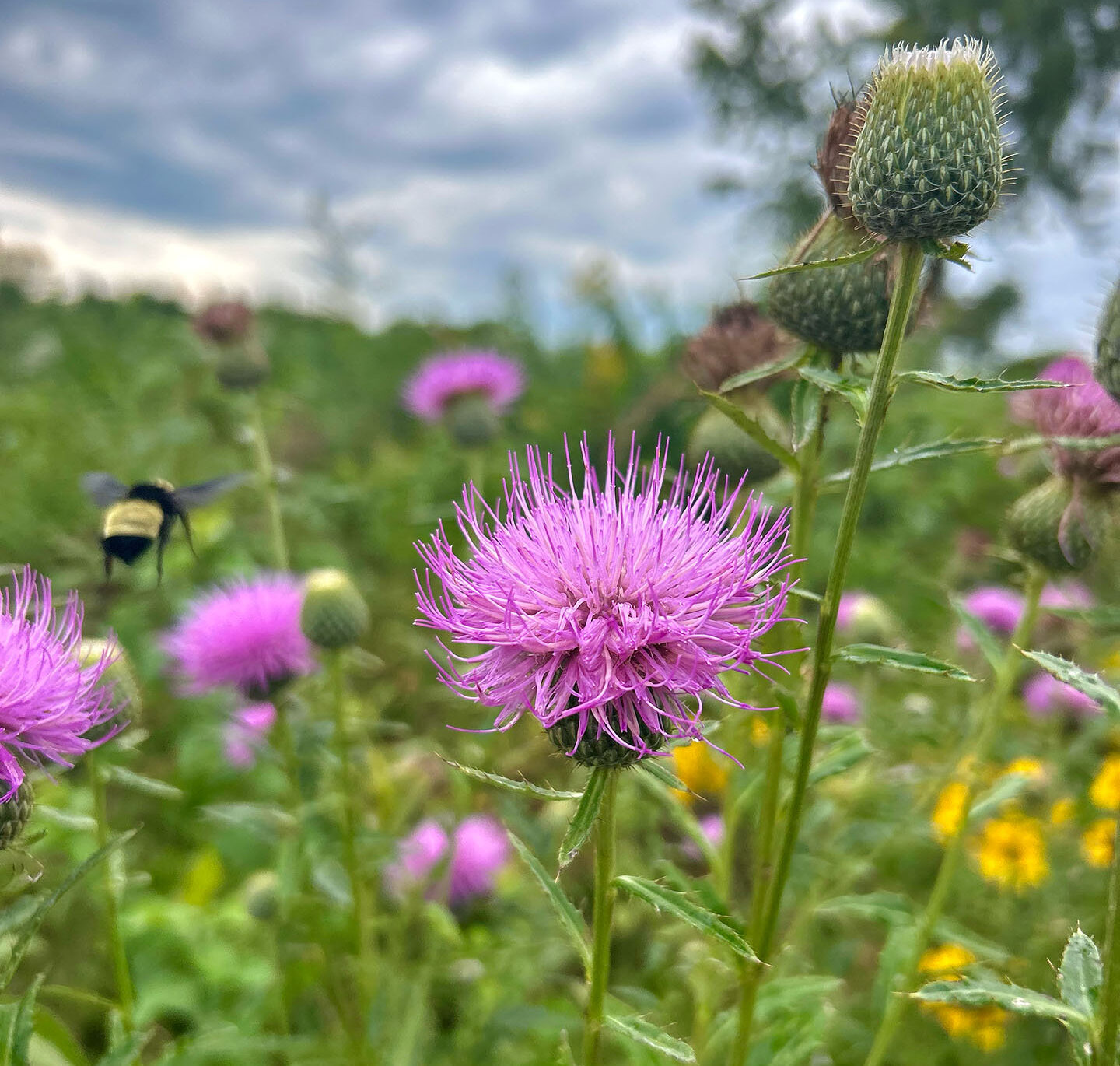
In Caring for Our Kin: Stories of Indigenous Environmental Stewardship, the College Fund shares the stories of Indigenous environmental leaders who are centering kinship and relational knowledge to build healthy ecological systems. These stories remind us that caring for the Earth means caring for one another—and that Indigenous knowledge systems continue to offer guidance, resilience, and hope for the future.
Learn more about our Environmental Stewardship Program.
Ekvnv Vcayecet. Mvto!
(Take care of the Earth/Land. Thank you)
More Blogs
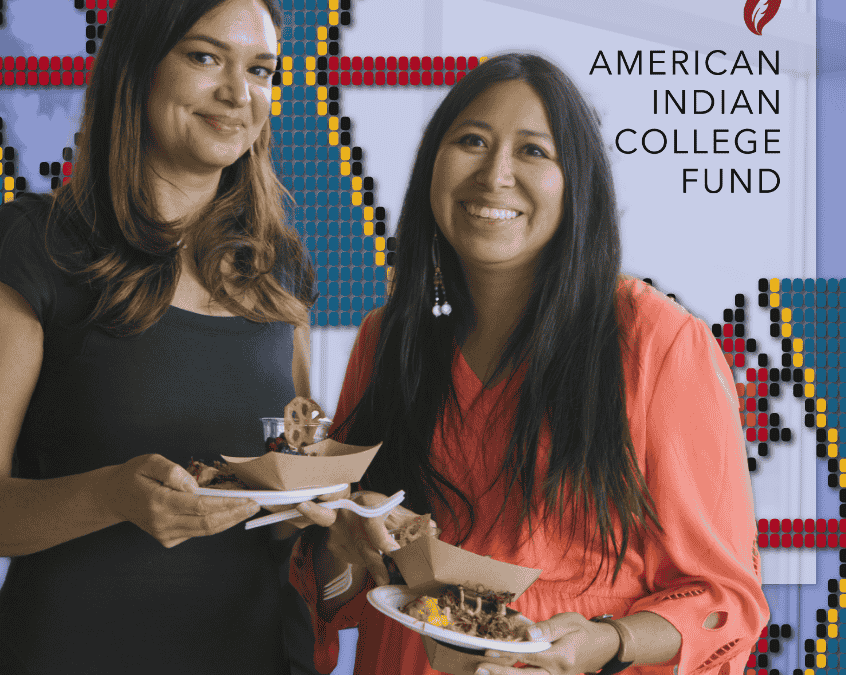
Save the Date: Rateliff Sings Rateliff | Denver EATSS Returns with Indigenous Cuisine, Art, and Nathaniel Rateliff with Colorado Symphony
The Colorado Symphony and the American Indian College Fund proudly announce a thrilling collaboration with acclaimed singer-songwriter Nathaniel Rateliff for two unforgettable performances on April 11 and 12, 2025, at Denver’s Boettcher Concert Hall, with a portion of the proceeds benefitting the American Indian College Fund. The concert will feature new orchestrations of Rateliff’s most beloved songs, showcasing his signature sound reimagined through the lush and dynamic lens of a full symphony orchestra.

Save the Date: Twin Cities EATSS Returns with Indigenous Cuisine, Art and Music Featuring Grammy-Winner Rufus Wainwright
The American Indian College Fund is thrilled to announce the return of its celebrated Twin Cities EATSS (Epicurean Award to Support Scholars) event, taking place Tuesday, February 18, 2025, at the iconic Guthrie Theater in Minneapolis. This one-of-a-kind evening celebrates the vibrancy of Native culture through exceptional Indigenous cuisine, original art, and a performance by three-time-Grammy Award-winning artist Rufus Wainwright.
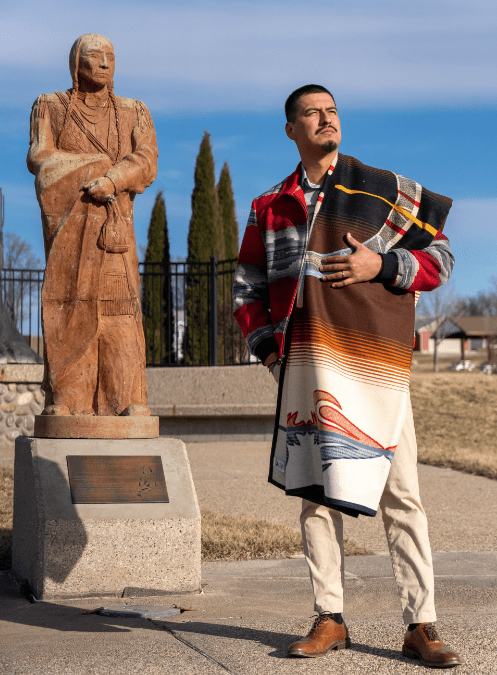
American Indian College Fund and Pendleton Woolen Mills Student Blanket Contest Opens November 15
Starting November 15, the American Indian College Fund and Pendleton Woolen Mills, the international lifestyle brand headquartered in Portland, Oregon, are accepting submissions for The Tribal College Blanket Design Contest. American Indian and Alaska Native students attending a tribal college or university are eligible to submit up to two designs.
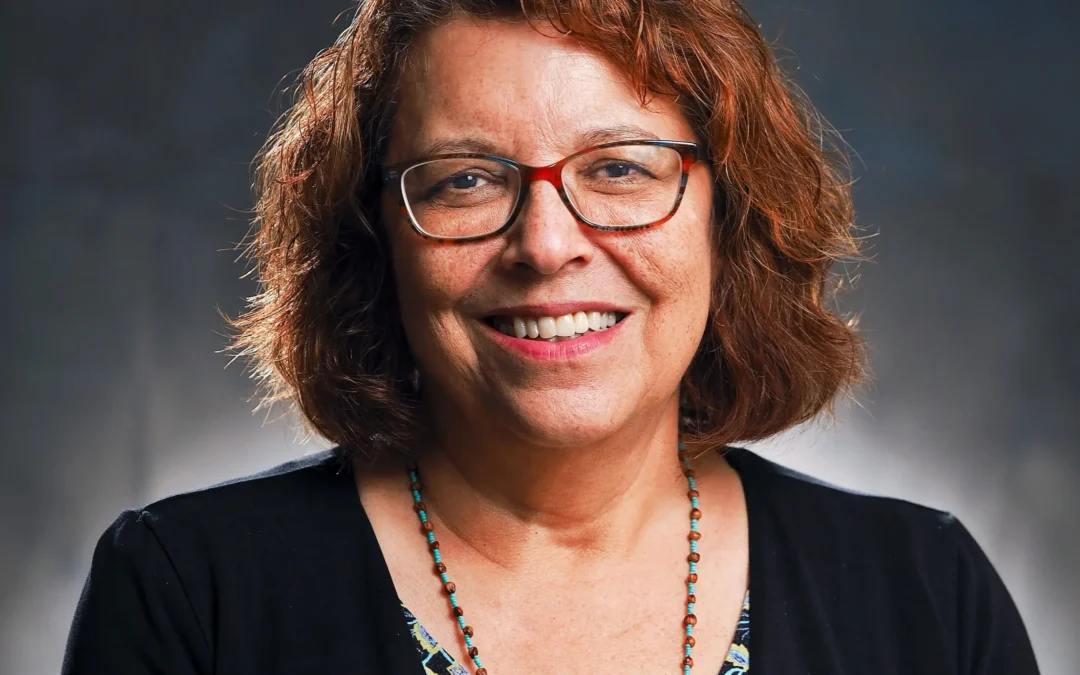
American Indian College Fund President and CEO to Speak for Native American Heritage Month
American Indian College Fund President and CEO to Speak for Native American Heritage Month Cheryl Crazy Bull to Address U.S. Department of Veterans Affairs and The Hunt Institute Denver, Colo., November 14, 2024— On November 20 and 21, American Indian College Fund...
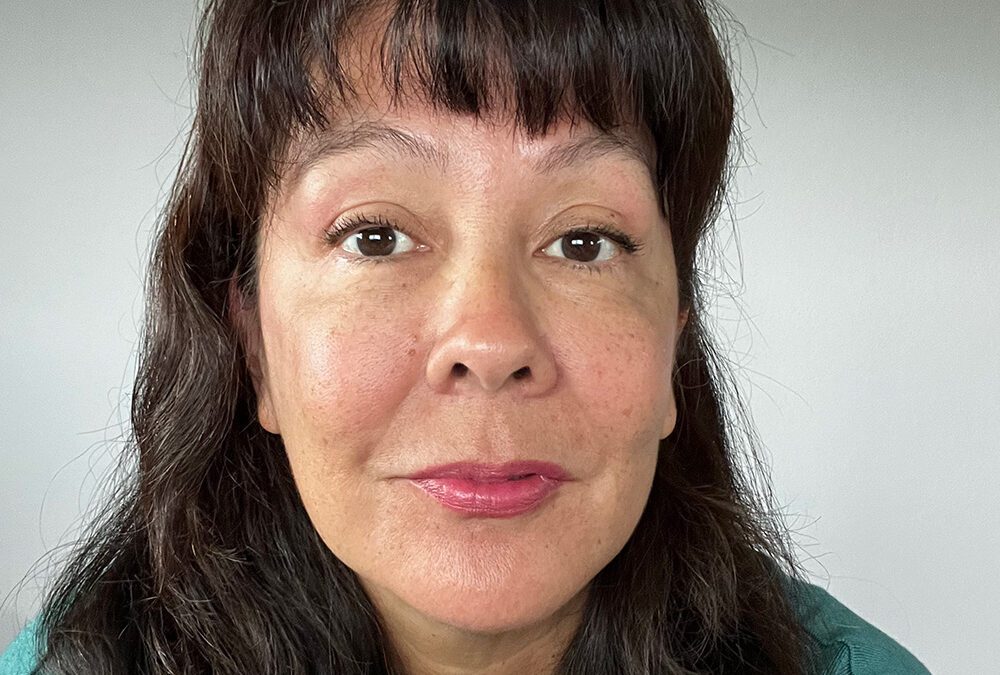
American Indian College Fund to Host Free Book Discussion Online with Indigenous Author Deborah Taffa
American Indian College Fund to Host Free Book Discussion Online with Indigenous Author Deborah Taffa Event Scheduled for Tuesday, November 26th at 12:00 Noon MST Denver, Colo., November 14, 2024— The American Indian College Fund (College Fund) is hosting a free,...
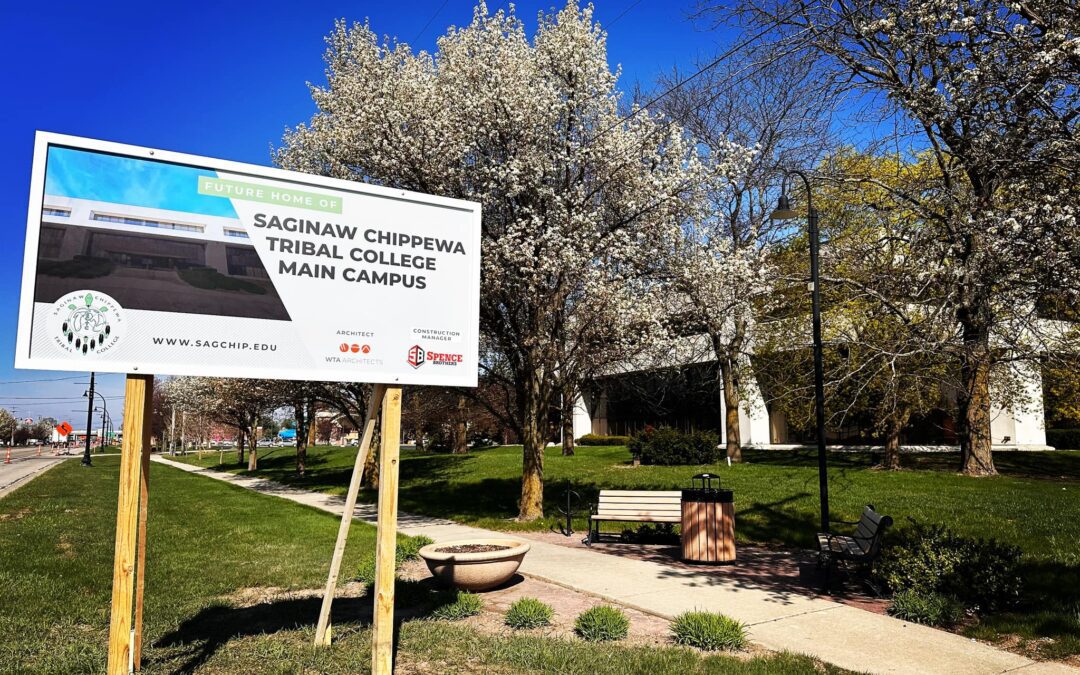
Saginaw Chippewa Tribal College Opens a New Campus, Giving its HSE Program a New Home
Saginaw Chippewa Tribal College Settles into a new campus, giving its HSE program the space it needs to grow and thrive.

Diné College Dual Credit Program presents at the 2024 NACEP Conference
Orlando, Fla., October 28, 2024. The 2024 National Alliance of Concurrent Enrollment Partnerships (NACEP) conference in Orlando served as a platform for discussing strategic planning for dual enrollment students, particularly those from Native and Indigenous...