
Planting the Seeds of Cultural Sustainability
April 22, 2026 | Student Ambassador Aiyanna Tanyan’s (Seminole Nation of Oklahoma) work to reclaim food sovereignty
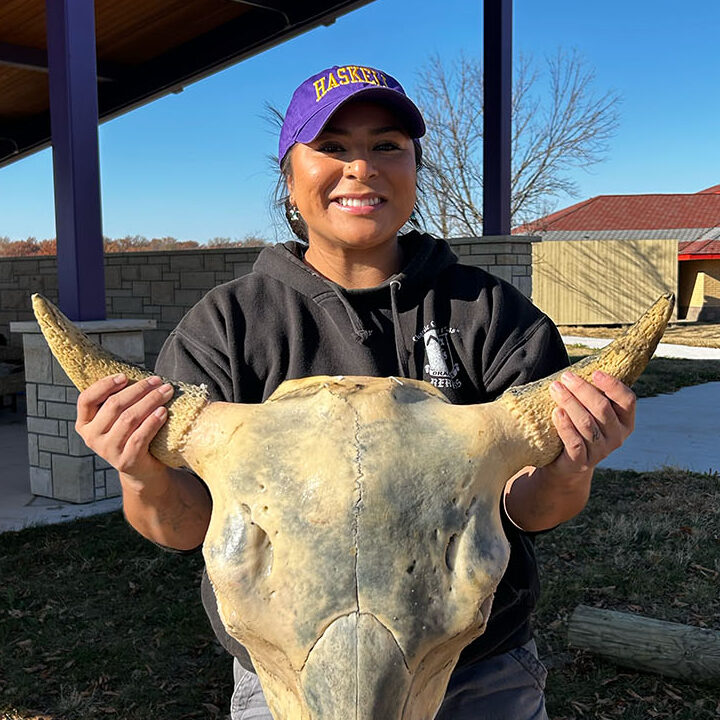
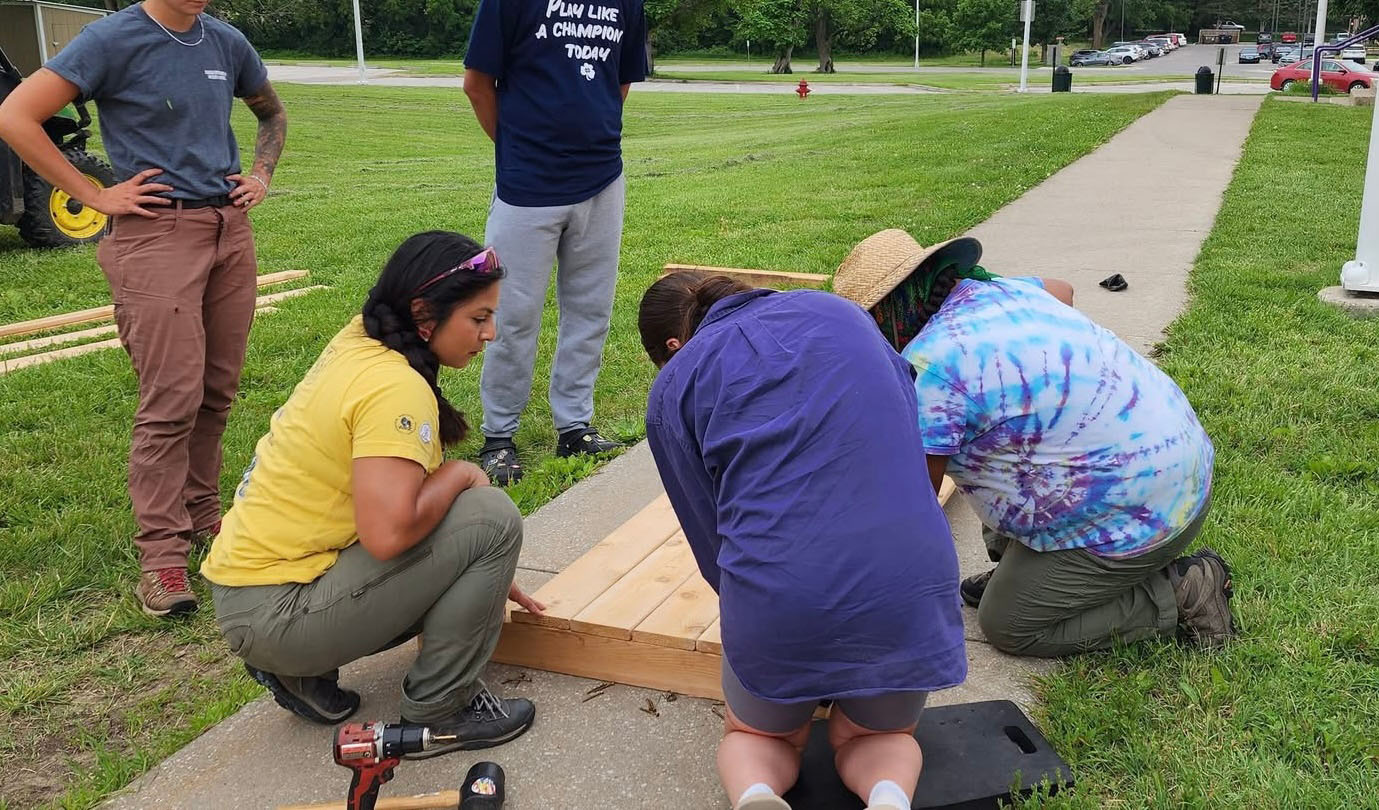
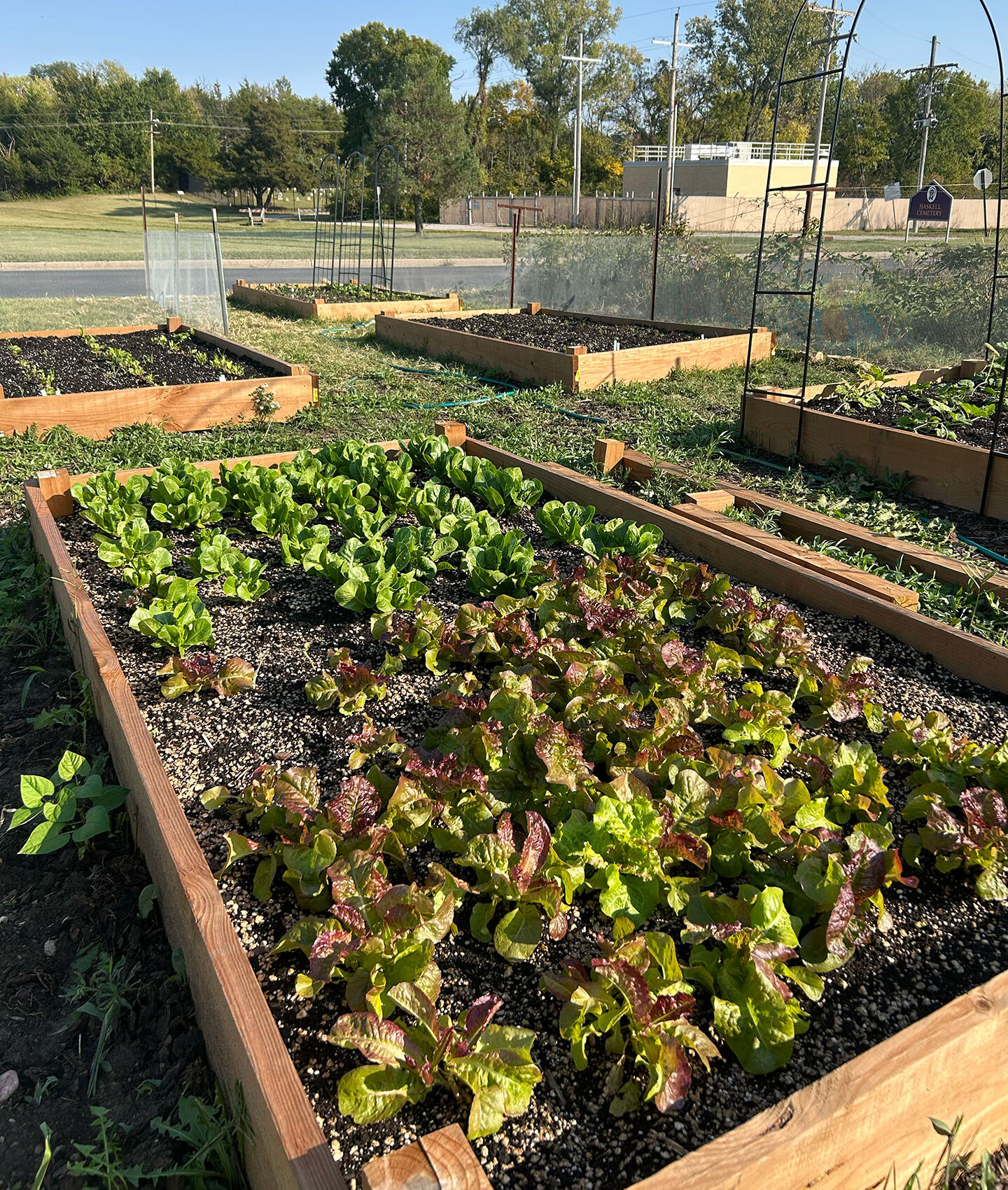
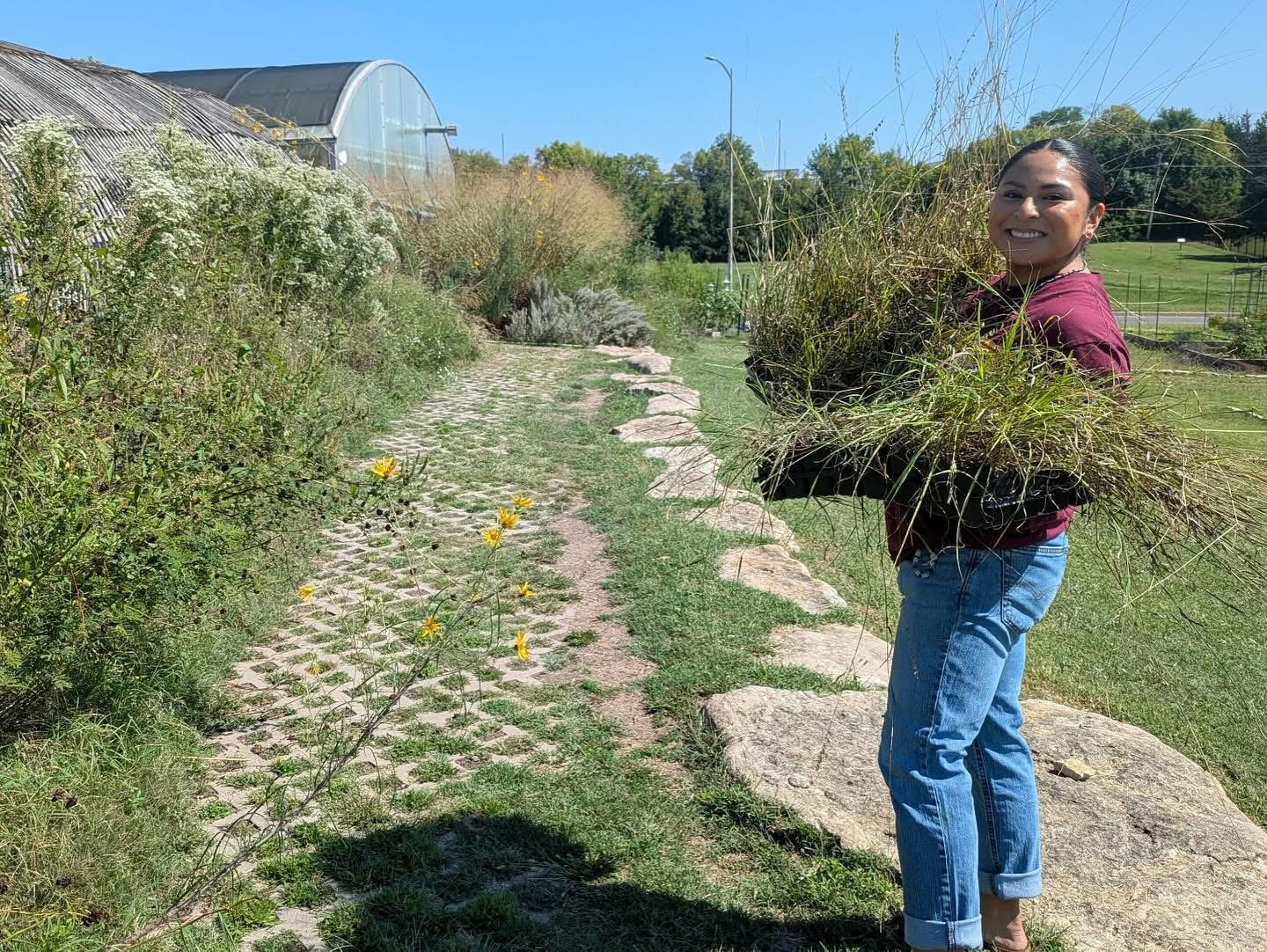
We came up with the idea of building raised garden beds near the dorms so students can easily access fresh foods and learn how to grow them themselves. Through support from the Haskell Greenhouse (funded through the USDA Equity Grant), we started building.
Last year was our first year doing this project and it was a learning experience as with many community-based projects, it comes with trial and error. However, that process taught us a lot about what works, what doesn’t, and how to build something more sustainable moving forward. This year, we’re continuing this work with stronger systems, more involvement, and a clearer vision.
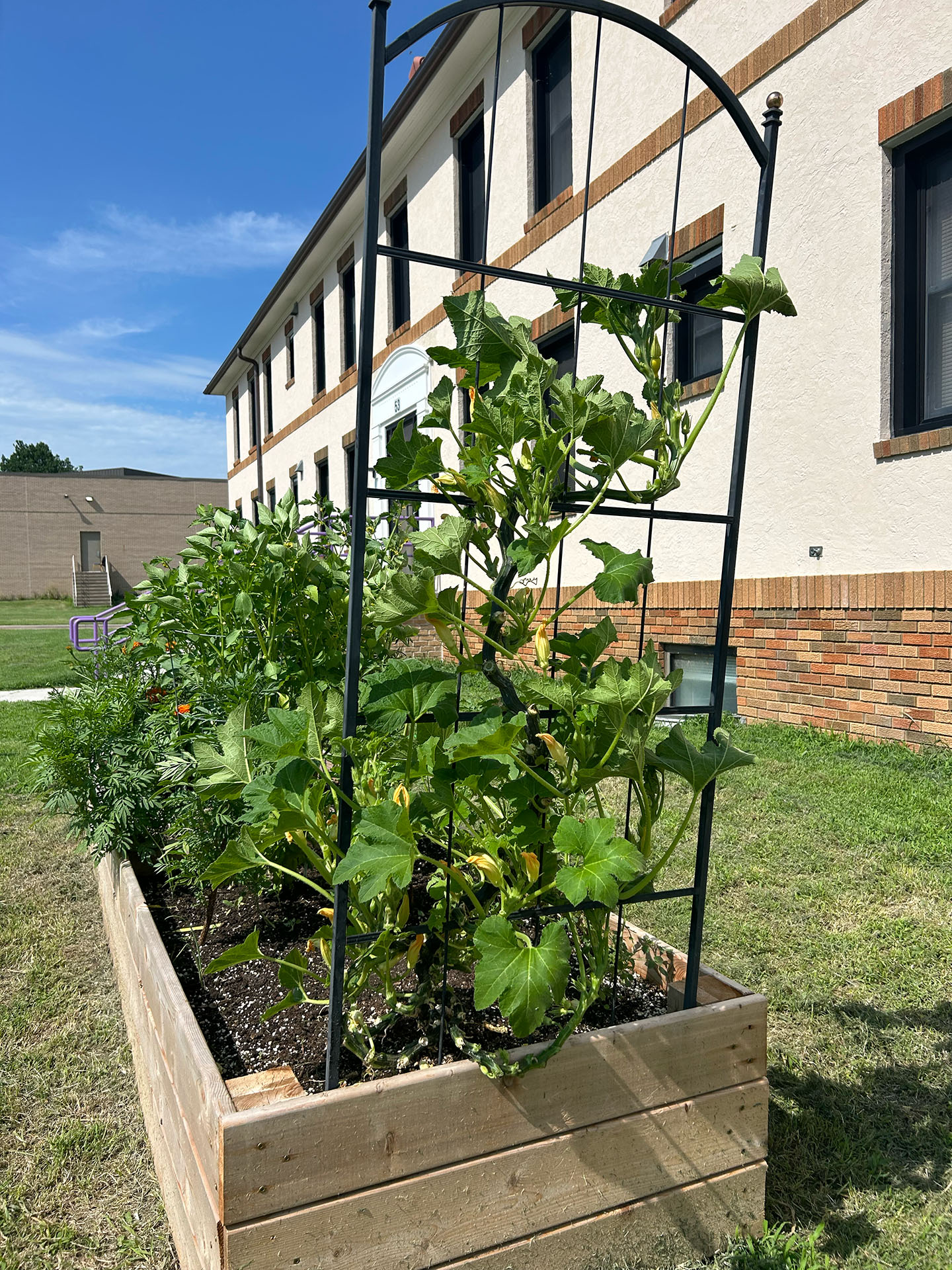
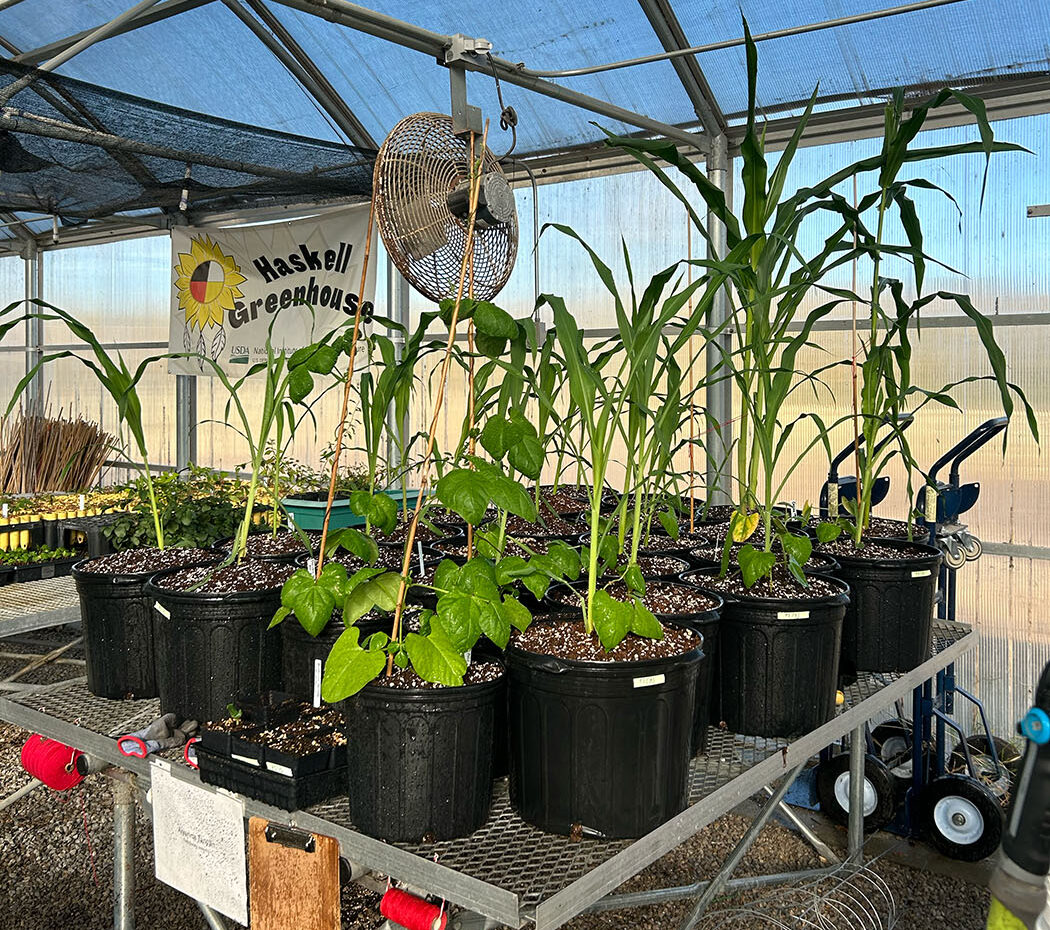
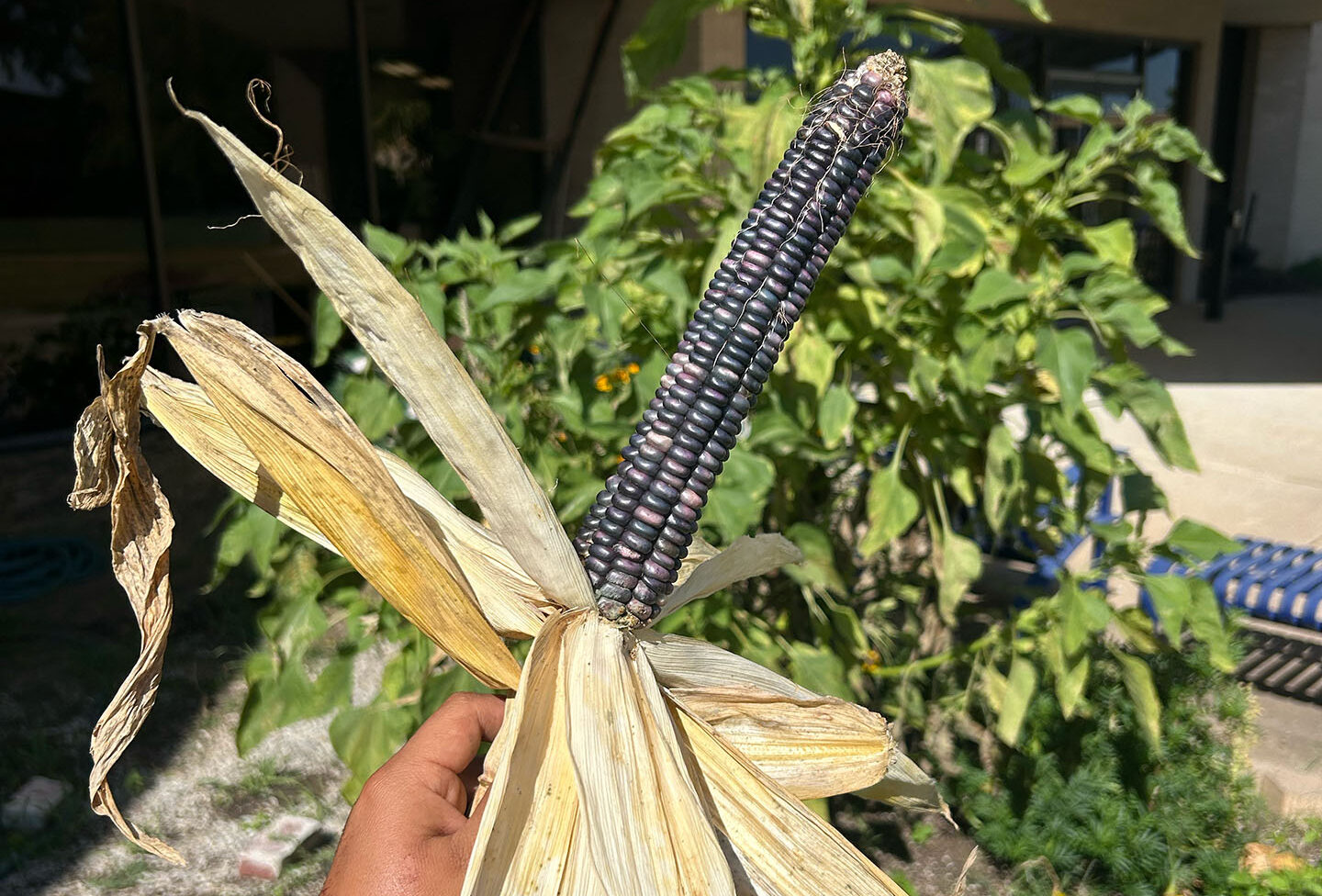
Everyone at the Haskell Greenhouse wants to help others learn, value, and view these spaces as places of teaching. I know they have taught me so much about responsibility and our relationship with the environment. Through these projects, we’re helping students reconnect with the land and understand the importance of food sovereignty for Indigenous communities. This work is ongoing, and we’re still learning. Every seed planted, and every workday shared brings us one step closer to a more sustainable and connected future.
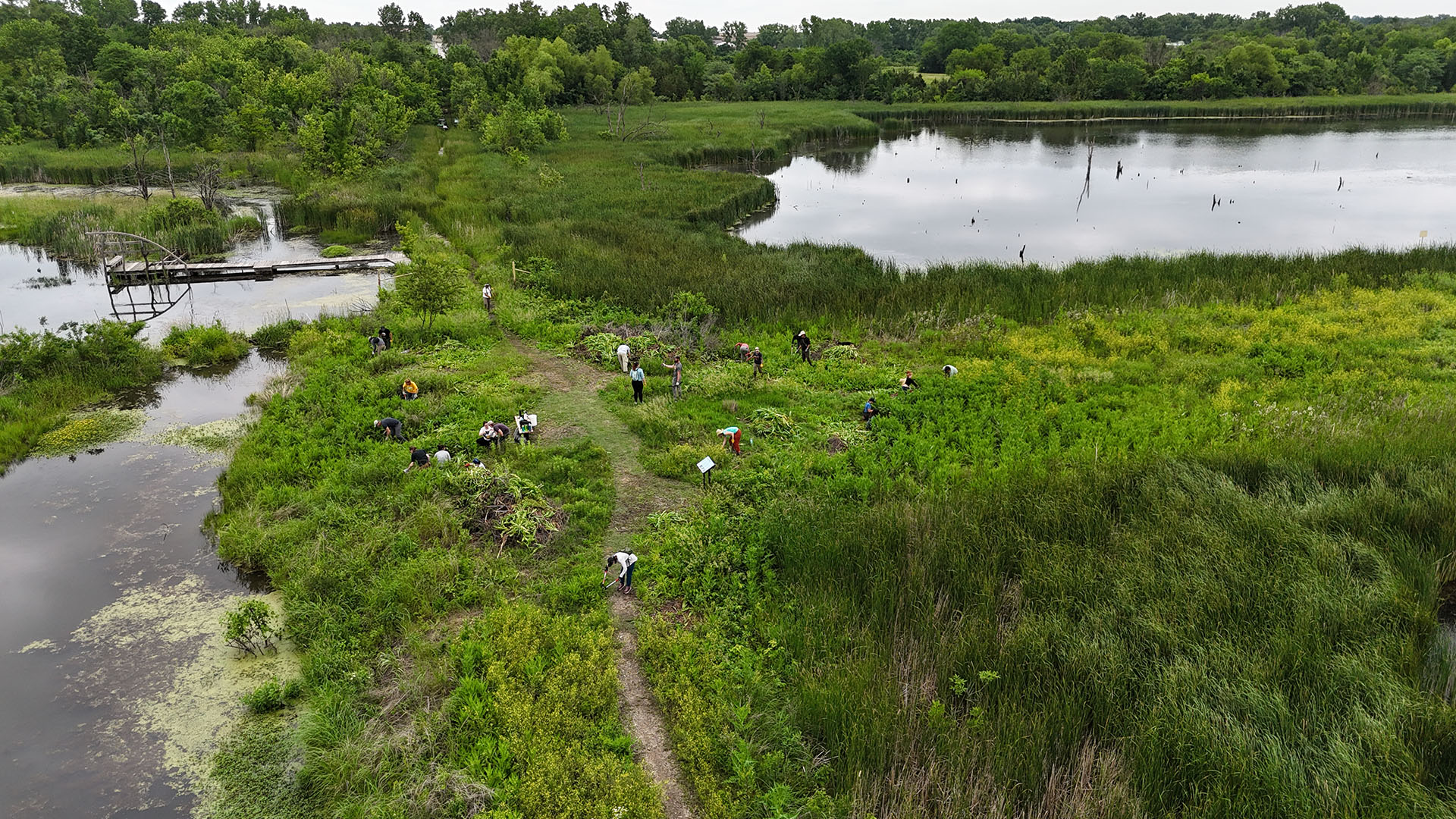
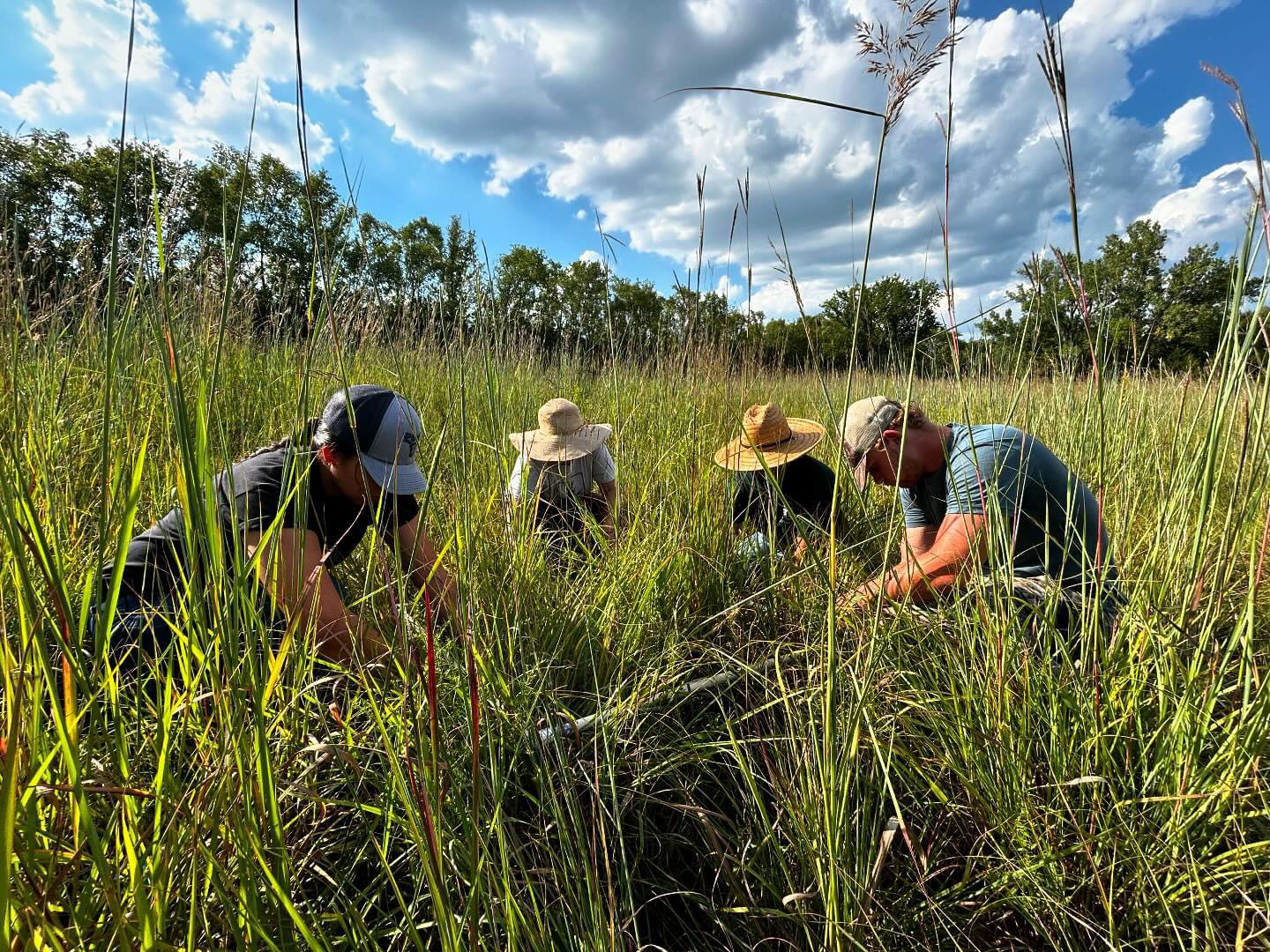
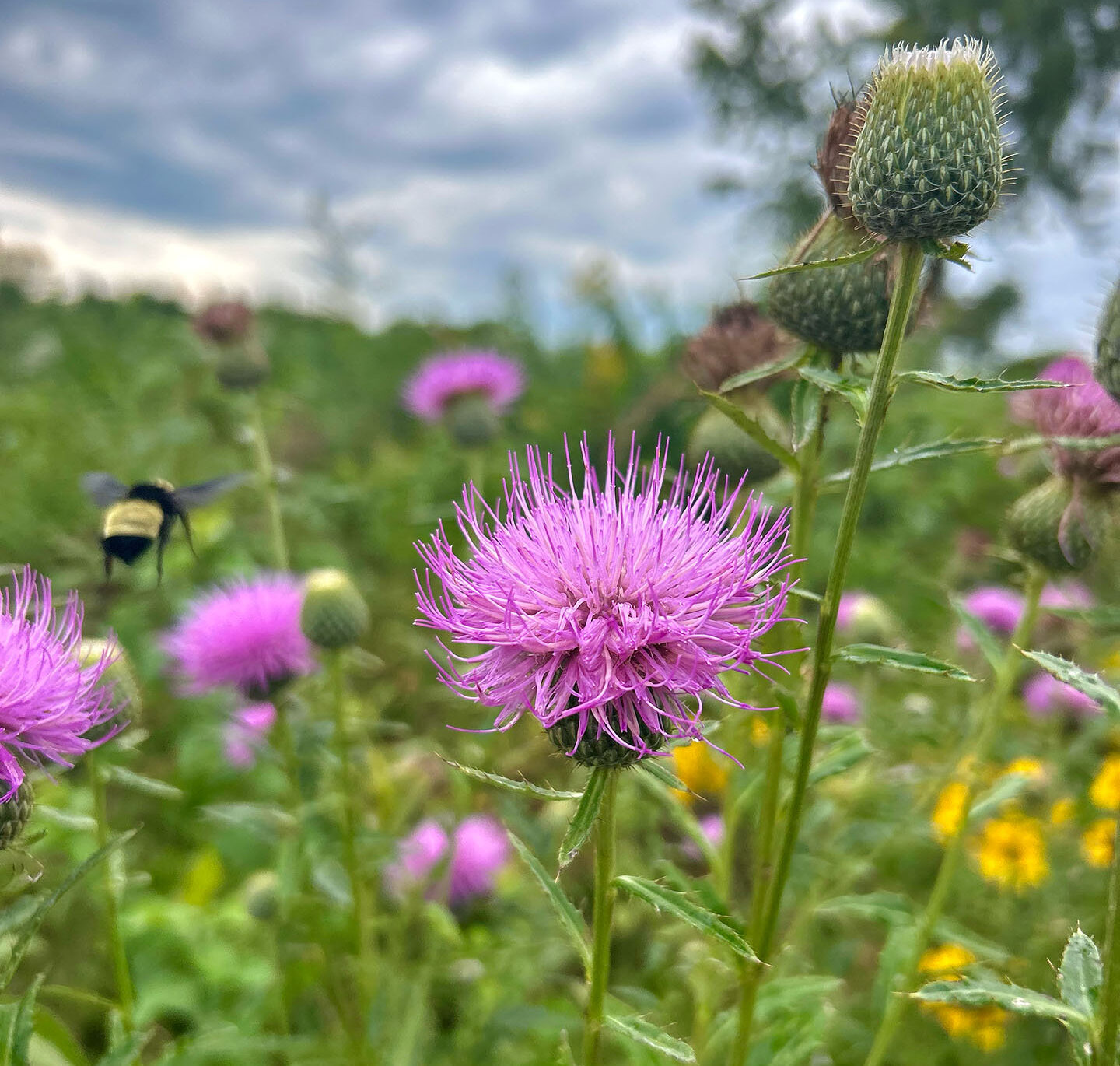
In Caring for Our Kin: Stories of Indigenous Environmental Stewardship, the College Fund shares the stories of Indigenous environmental leaders who are centering kinship and relational knowledge to build healthy ecological systems. These stories remind us that caring for the Earth means caring for one another—and that Indigenous knowledge systems continue to offer guidance, resilience, and hope for the future.
Learn more about our Environmental Stewardship Program.
Ekvnv Vcayecet. Mvto!
(Take care of the Earth/Land. Thank you)
More Blogs
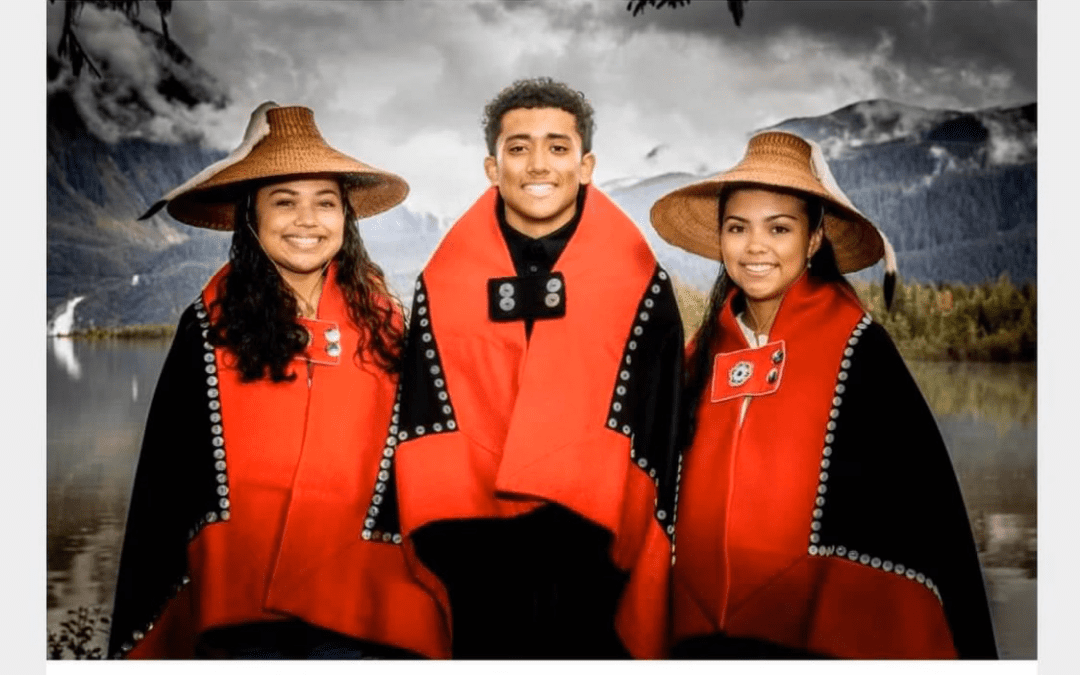
American Indian College Fund Awards Three-Year American Indian Law School Scholarship to Jade Araujo to Attend Harvard Law School
Jade Araujo, an enrolled member of the Wampanoag Tribe of Gay Head (Aquinnah) in Massachusetts and a descendant of the Tlingit and Koyukon Athabascan tribes in Alaska, is the third person to have been awarded the American Indian College Fund Law School Scholarship. Araujo is a senior at Stanford University who will graduate in June with a degree in political science and will enter Harvard Law School in the fall. She is the daughter of Todd Araujo (Aquinnah Wampanoag) and Jaeleen Kookesh (Tlingit and Koyukon Athabascan).
Celebrate Native Teachers!
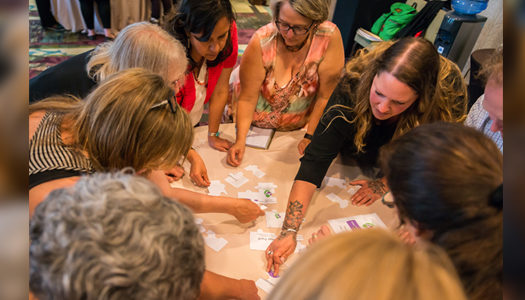
The American Indian College Fund provides the next generation of Native teachers with the support they need—financial and otherwise—to succeed in their important education careers, while also supporting tribal colleges and universities with teacher education programs to provide them with a quality education. Together we are working to ensure Native voices and perspectives are seen and heard in the classroom—and Native students have the support to succeed.
National Day of Awareness for Missing and Murdered Indigenous Women and Girls (MMIWG)
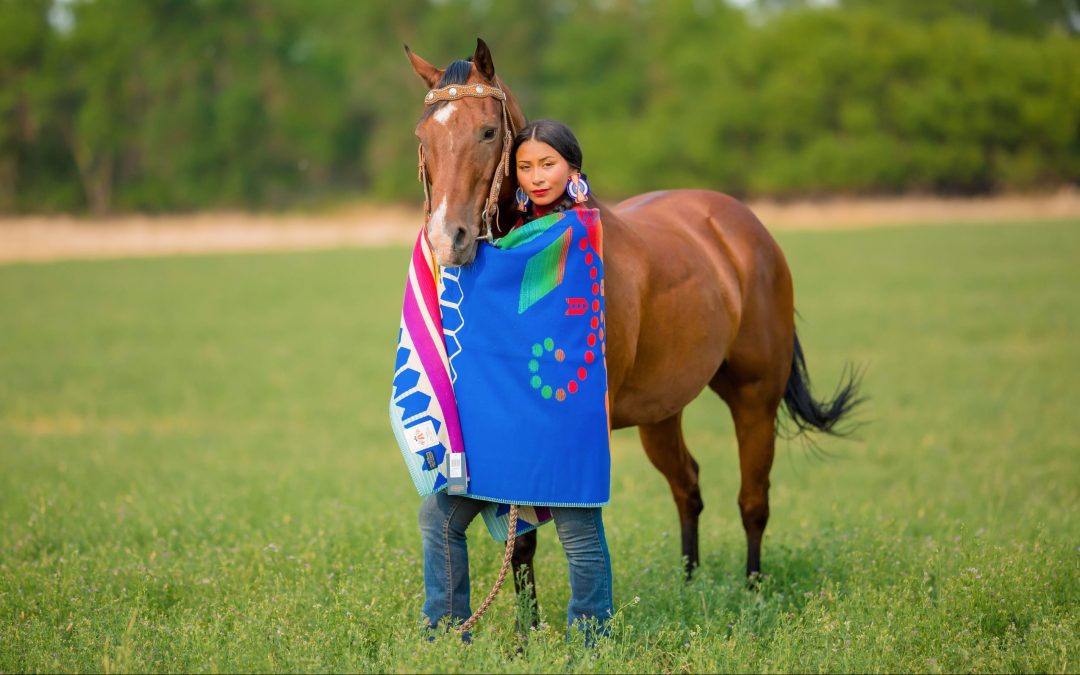
Women and girls are sacred in Native communities and the disproportionate rates of violence against Native women is deeply concerning. More than four out of five of our Native mothers, aunts, sisters, and daughters experienced violence (84.3%) in 2022, according to Federal Bureau of Investigation statistics.
American Indian College Fund Hosts Virtual Annual Summer of Success Conference
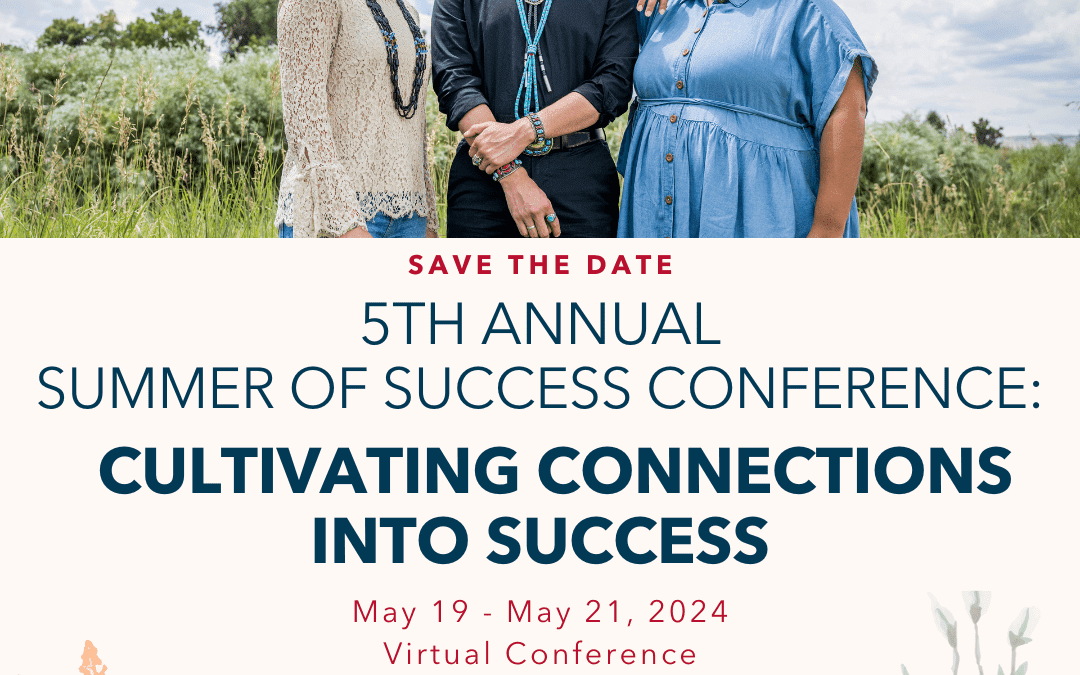
The American Indian College Fund (College Fund) will host its Fifth Annual Summer of Success Conference: Cultivating Connections into Success from May 19 to May 21. This three-day, interactive online event is tailored to high school and college students, staff, faculty, and families, centering Native culture, experiences, and determinants of college success.
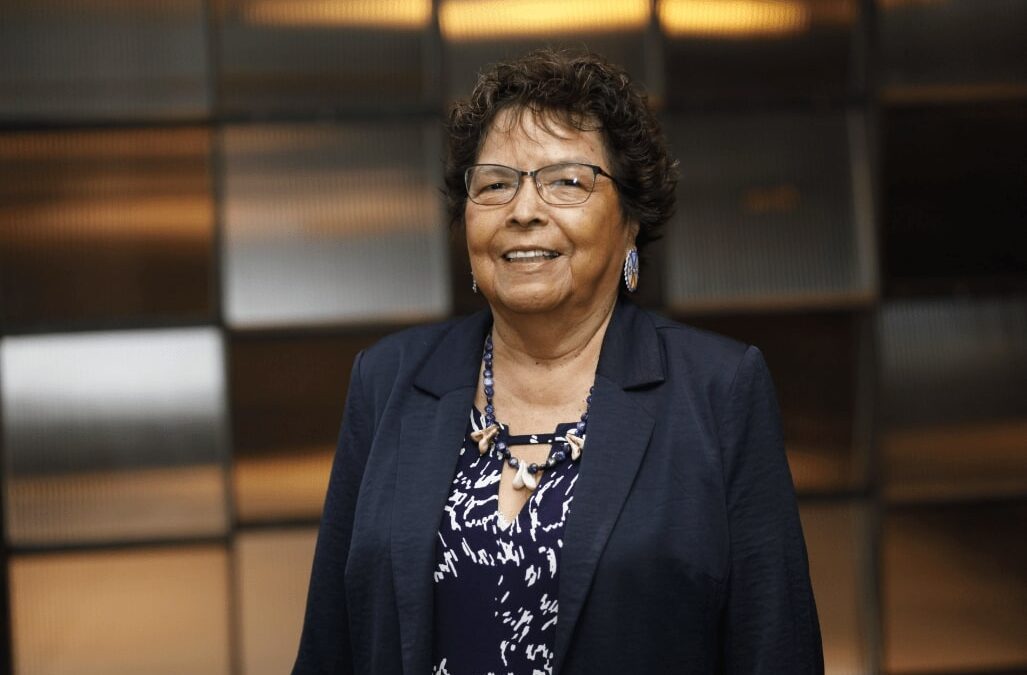
In Memoriam: Carole Falcon-Chandler
The American Indian College Fund was saddened to hear of the passing of Carole Falcon-Chandler, longtime president of Aaniiih Nakoda College (ANC), a tribal college located on the Fort Belknap Indian Reservation in Montana, on April 23, 2024.
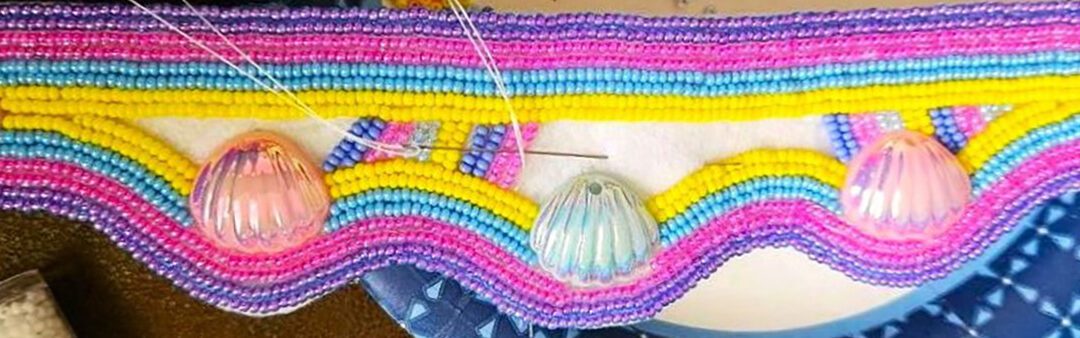
Making Good on a Promise for the Next Generation
Roberta Miller, a recent HSED graduate at Lac Courte Oreilles Ojibwe University, at age 51, proves it is never too late to continue one’s education.
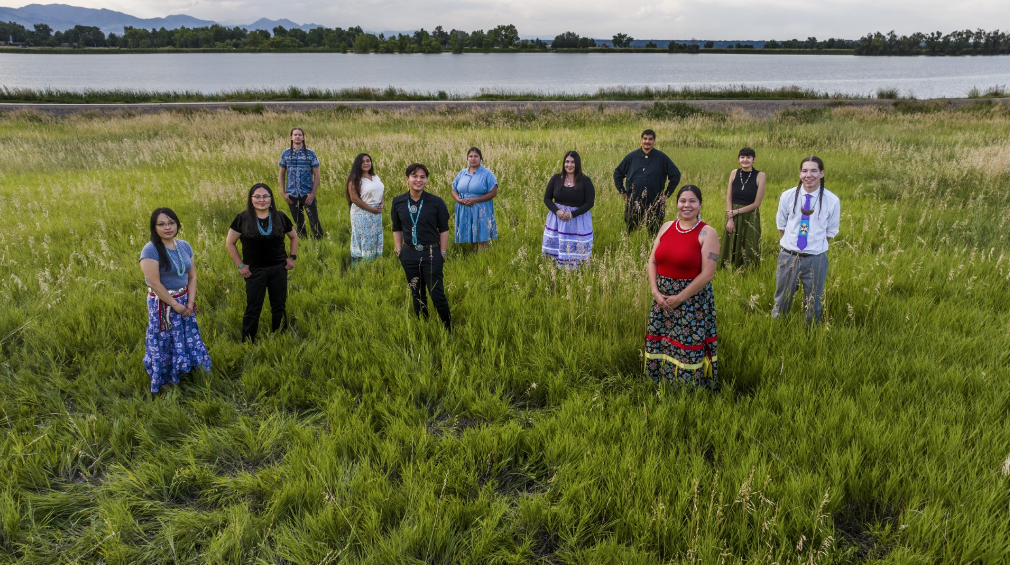
Earth Day is Every Day
Today, April 22, is the 54th Earth Day since its first celebration, which birthed the modern environmental movement in 1970. It is a day to raise awareness of the damage done to the planet and the need for more sustainable practices in every aspect of life and industry. For Indigenous peoples, the responsibility to care for the earth and the environments that shaped our cultures is one we have carried for millennia. That commitment to the places that are a part of us persists today in the studies and careers many Native people pursue.
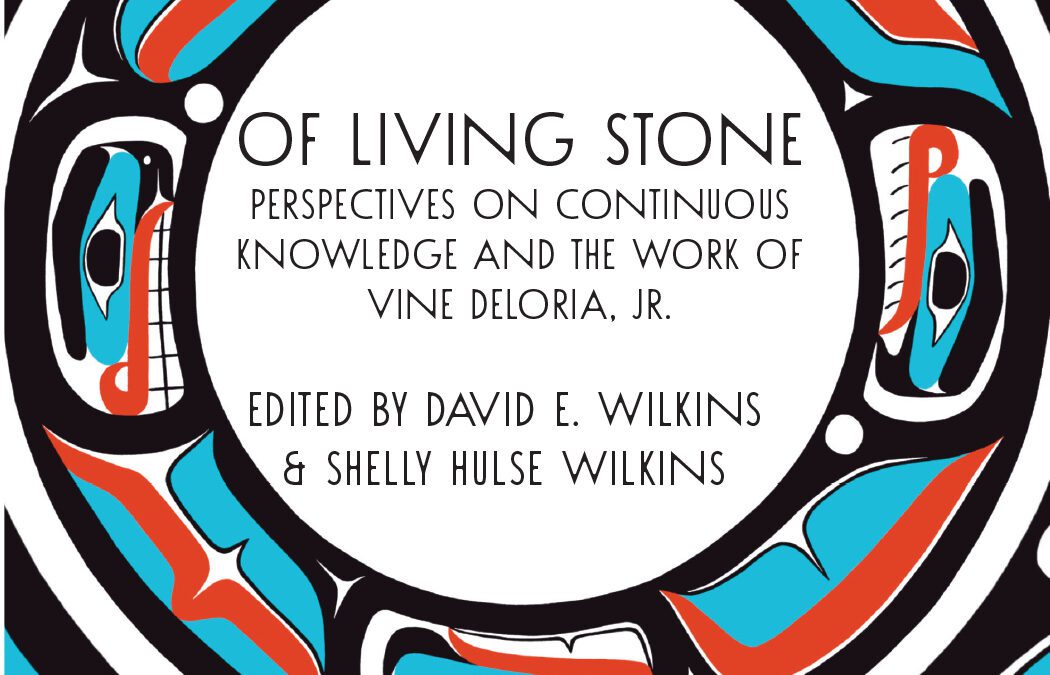
American Indian College Fund President Cheryl Crazy Bull Contributing Writer to Book Honoring Legacy of Vine Deloria, Jr.
American Indian College Fund President Cheryl Crazy Bull Contributing Writer to Book Honoring Legacy of Vine Deloria, Jr. Of Living Stone: Perspectives on Continuous Knowledge and the Work of Vine Deloria, Jr. Available from Fulcrum Press April 18, 2024, Denver,...
