
Planting the Seeds of Cultural Sustainability
April 22, 2026 | Student Ambassador Aiyanna Tanyan’s (Seminole Nation of Oklahoma) work to reclaim food sovereignty
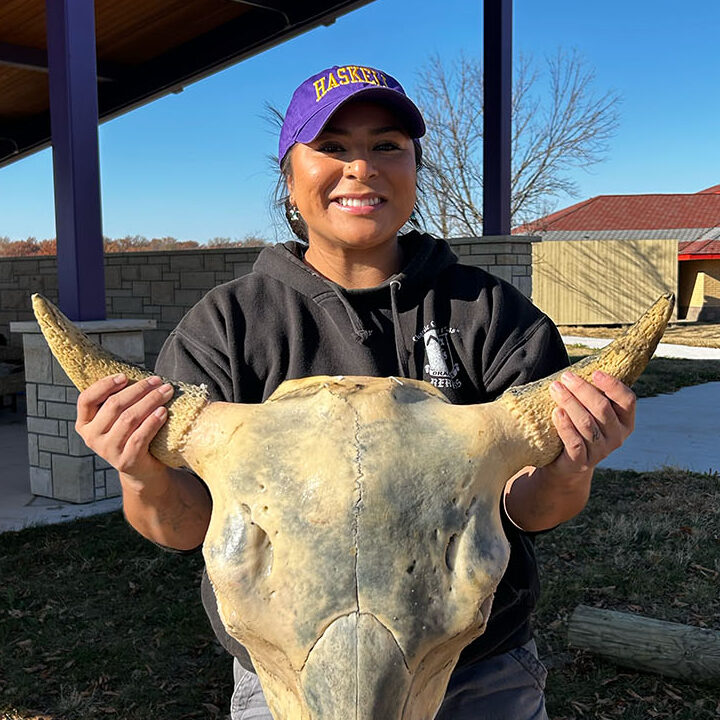
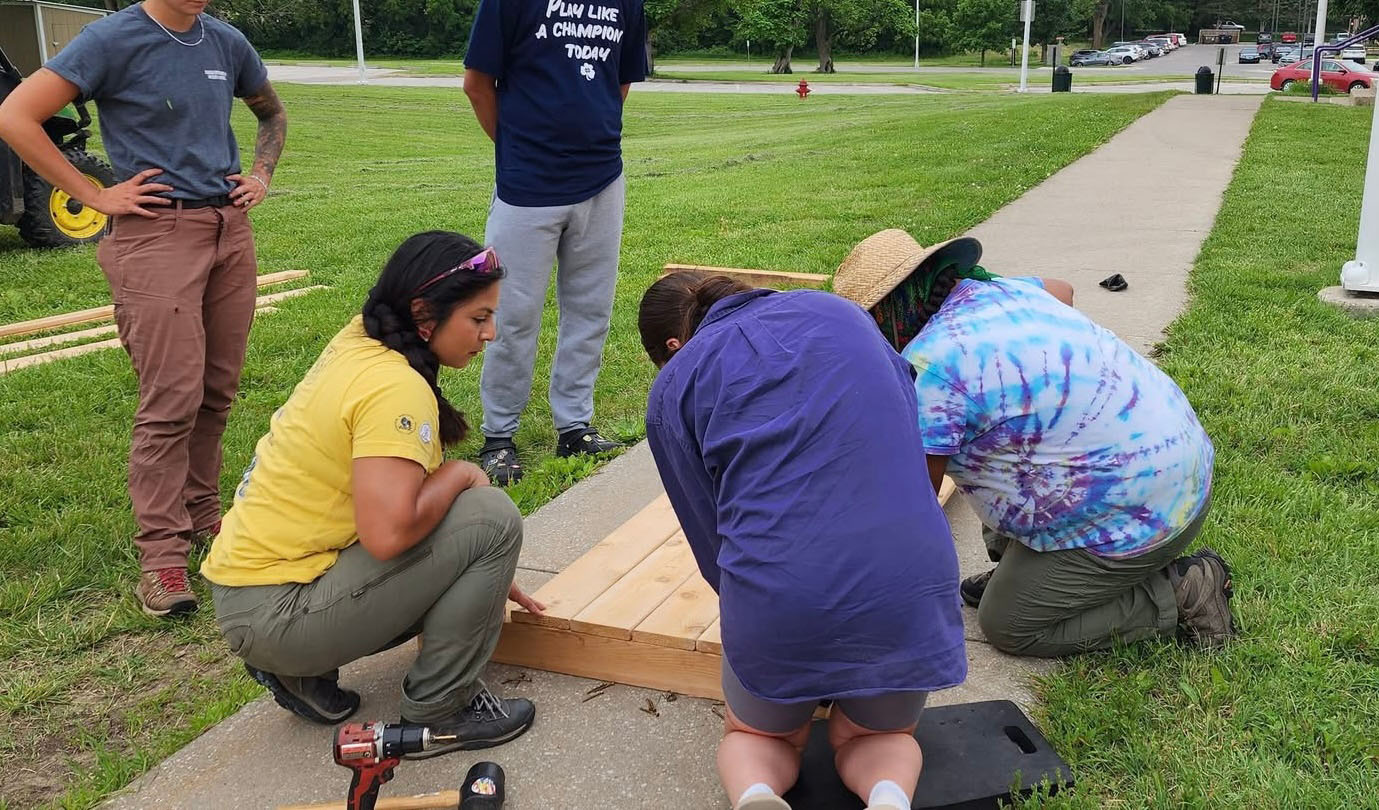
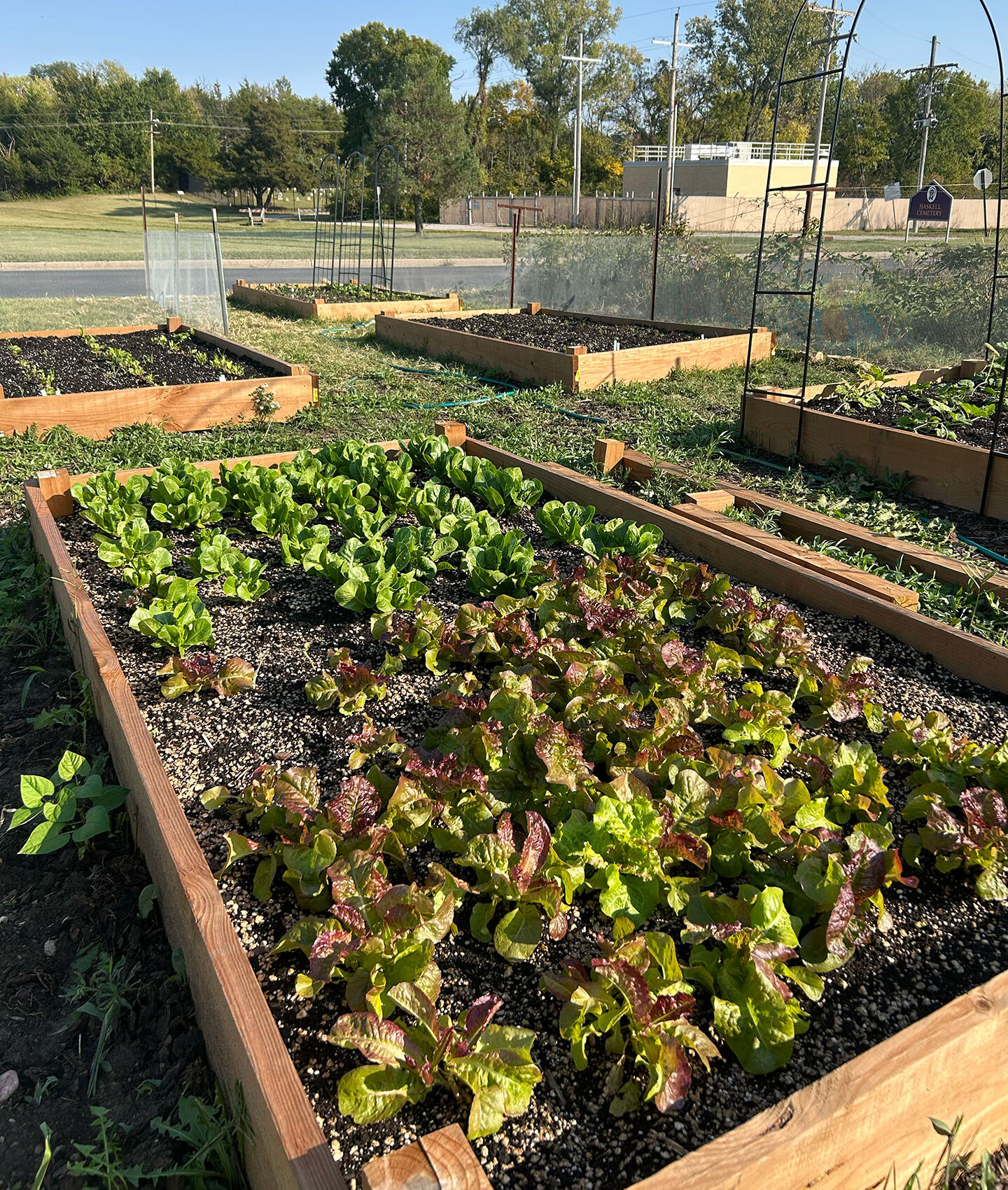
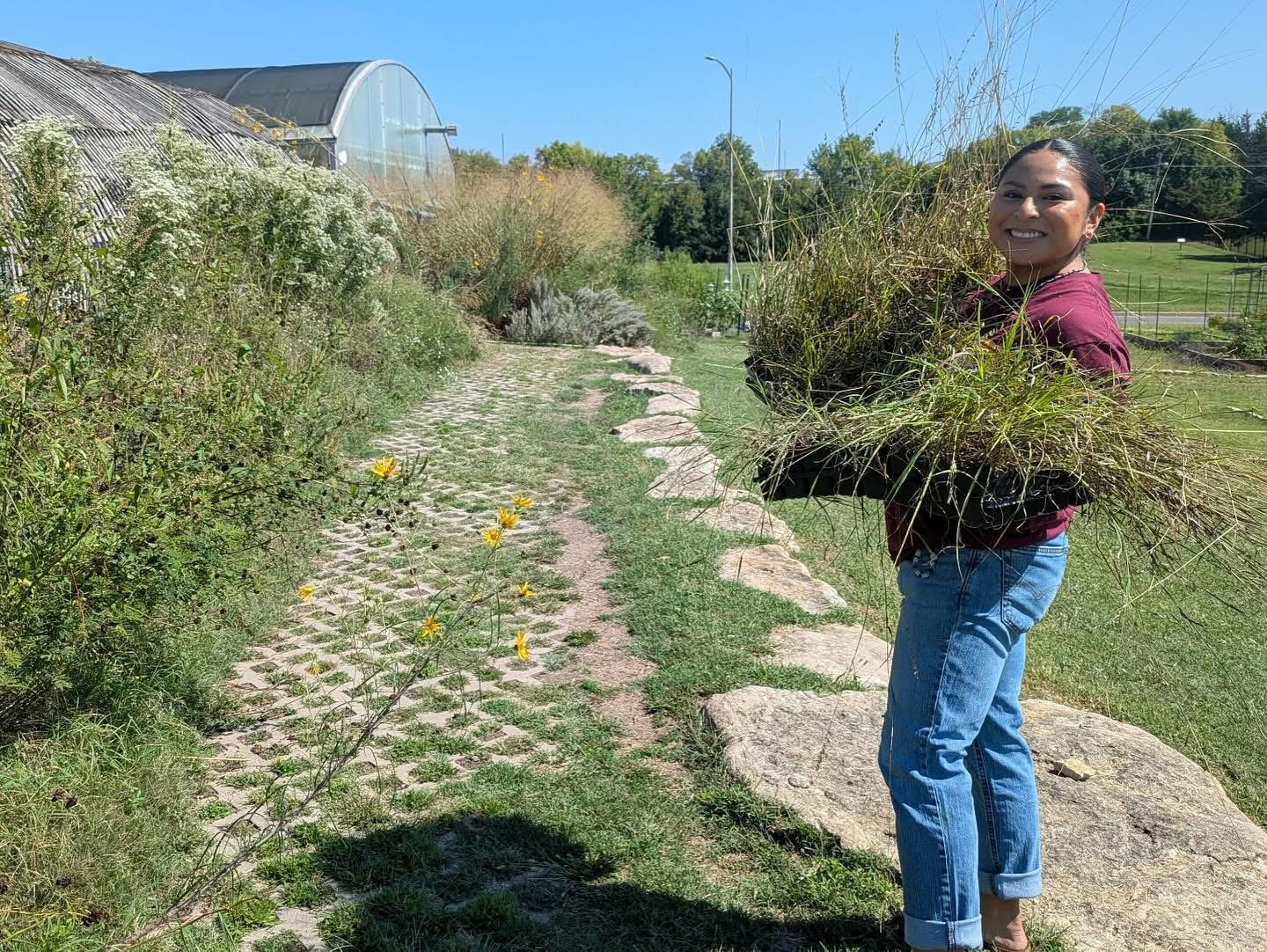
We came up with the idea of building raised garden beds near the dorms so students can easily access fresh foods and learn how to grow them themselves. Through support from the Haskell Greenhouse (funded through the USDA Equity Grant), we started building.
Last year was our first year doing this project and it was a learning experience as with many community-based projects, it comes with trial and error. However, that process taught us a lot about what works, what doesn’t, and how to build something more sustainable moving forward. This year, we’re continuing this work with stronger systems, more involvement, and a clearer vision.
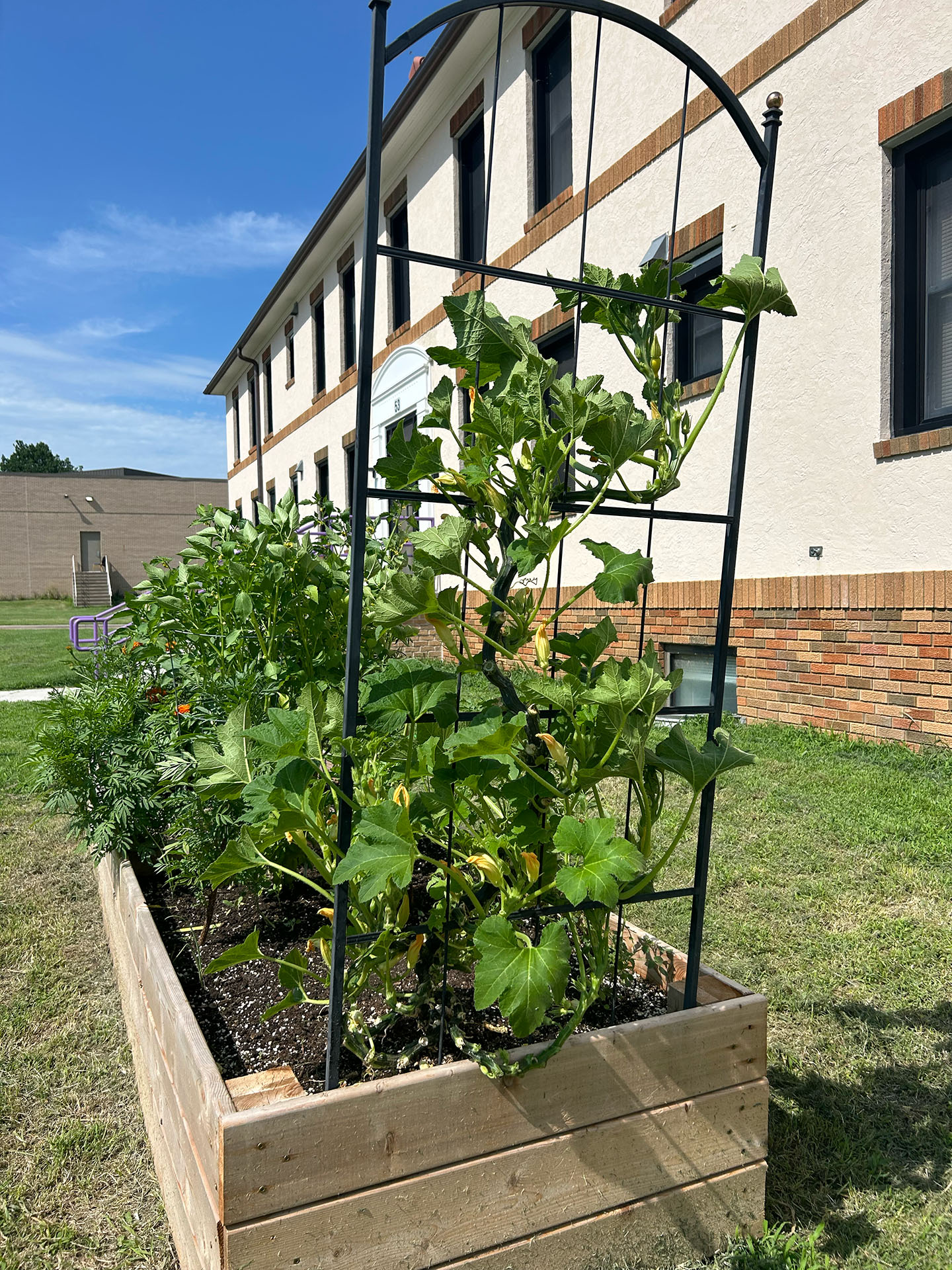
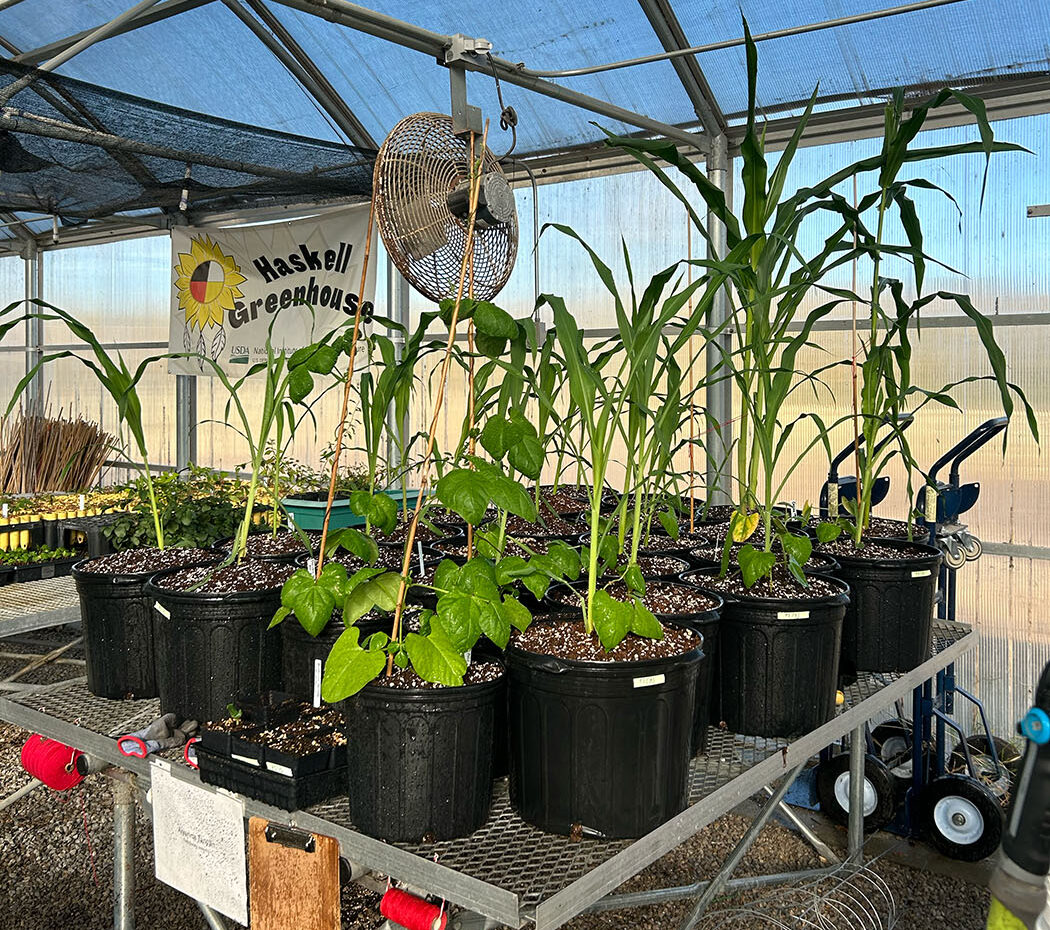
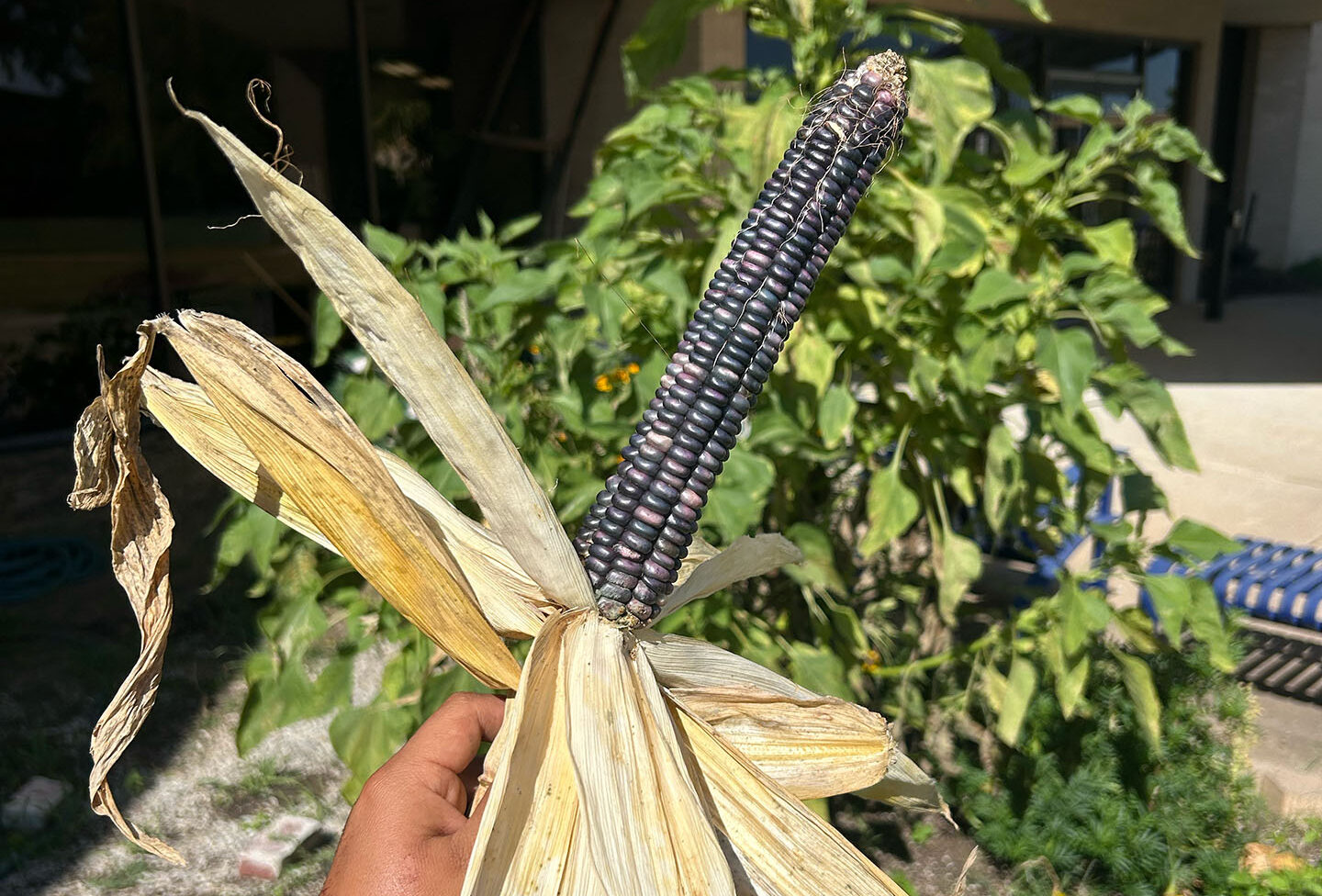
Everyone at the Haskell Greenhouse wants to help others learn, value, and view these spaces as places of teaching. I know they have taught me so much about responsibility and our relationship with the environment. Through these projects, we’re helping students reconnect with the land and understand the importance of food sovereignty for Indigenous communities. This work is ongoing, and we’re still learning. Every seed planted, and every workday shared brings us one step closer to a more sustainable and connected future.
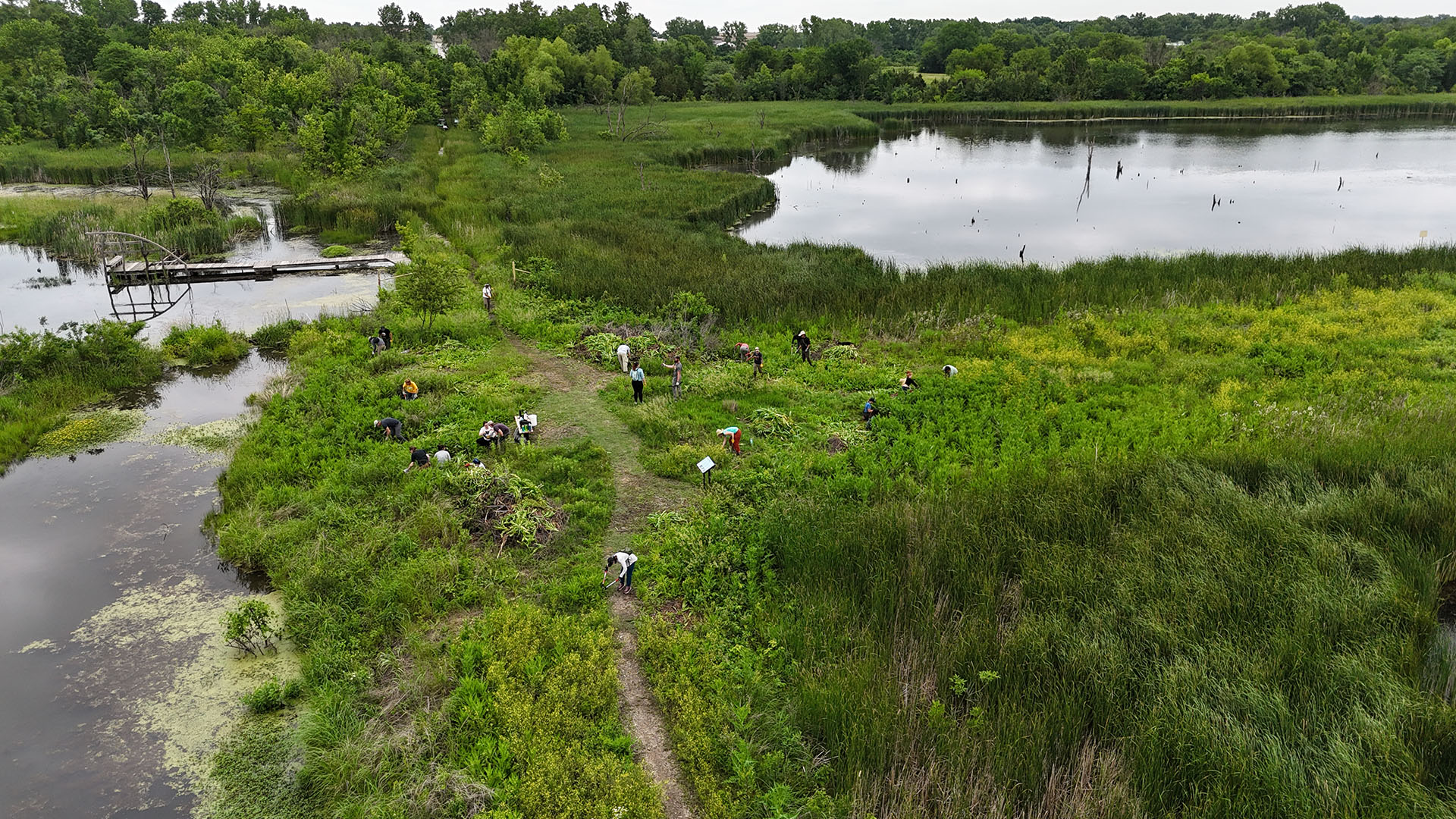
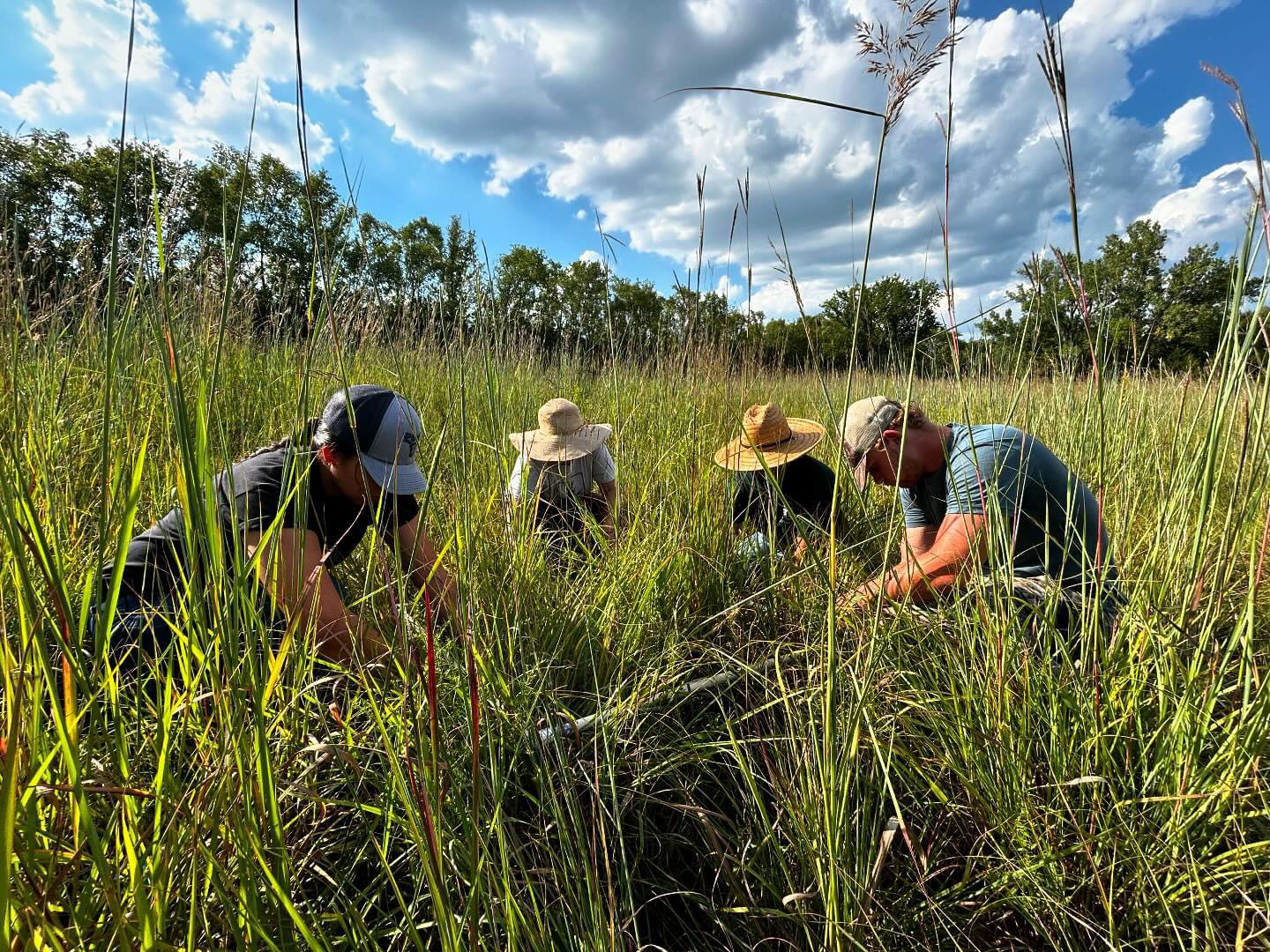
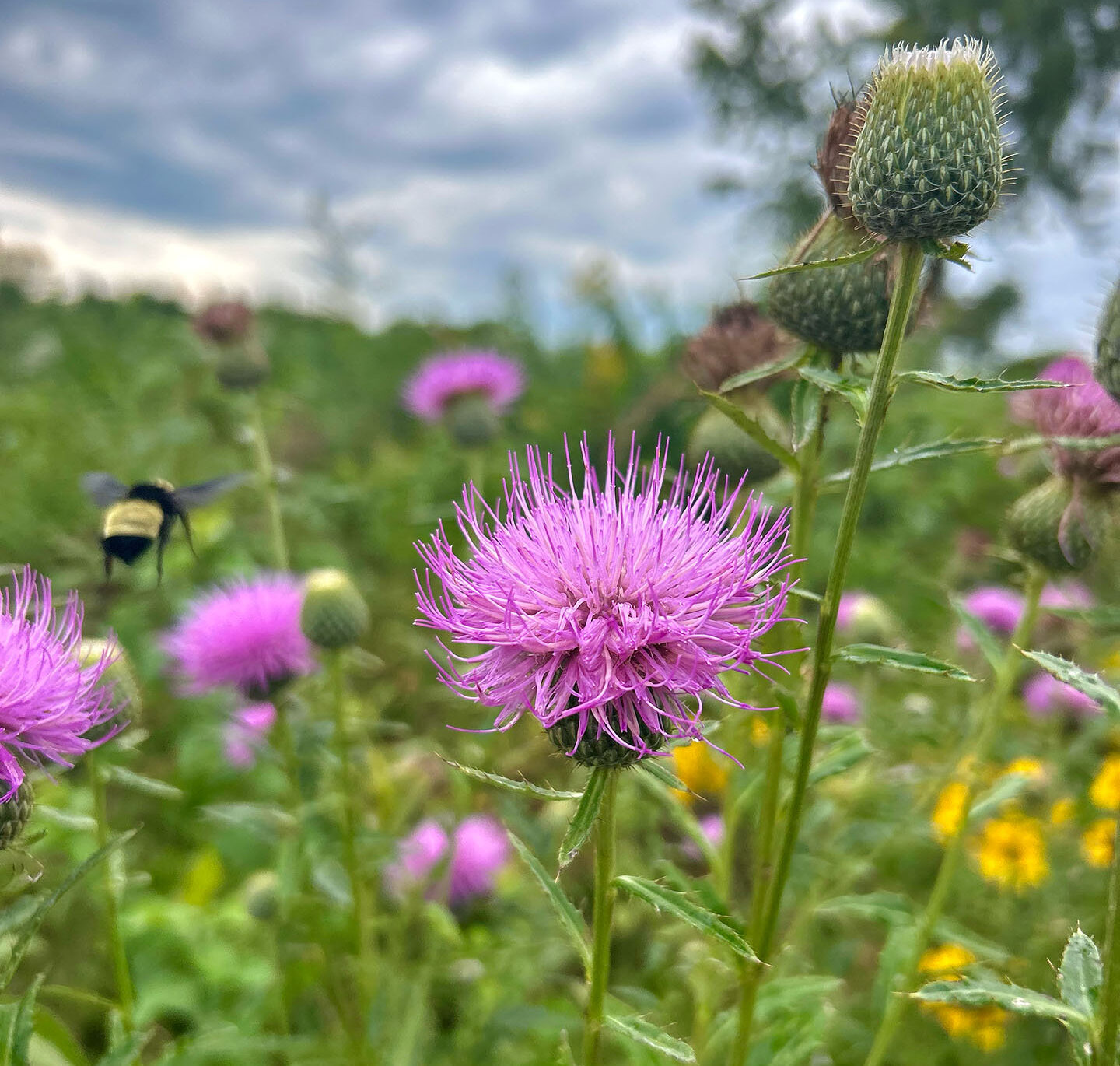
In Caring for Our Kin: Stories of Indigenous Environmental Stewardship, the College Fund shares the stories of Indigenous environmental leaders who are centering kinship and relational knowledge to build healthy ecological systems. These stories remind us that caring for the Earth means caring for one another—and that Indigenous knowledge systems continue to offer guidance, resilience, and hope for the future.
Learn more about our Environmental Stewardship Program.
Ekvnv Vcayecet. Mvto!
(Take care of the Earth/Land. Thank you)
More Blogs
Battle of the Little Bighorn as Part of Identity
“These men with light eyes and hairy faces are here now…We can kill them off, but more will come. They are like ants. Trample them and more will come out. My advice is that we, the Absarokee, treat these ‘light eyes’ kindly and give them protection from other Tribes....
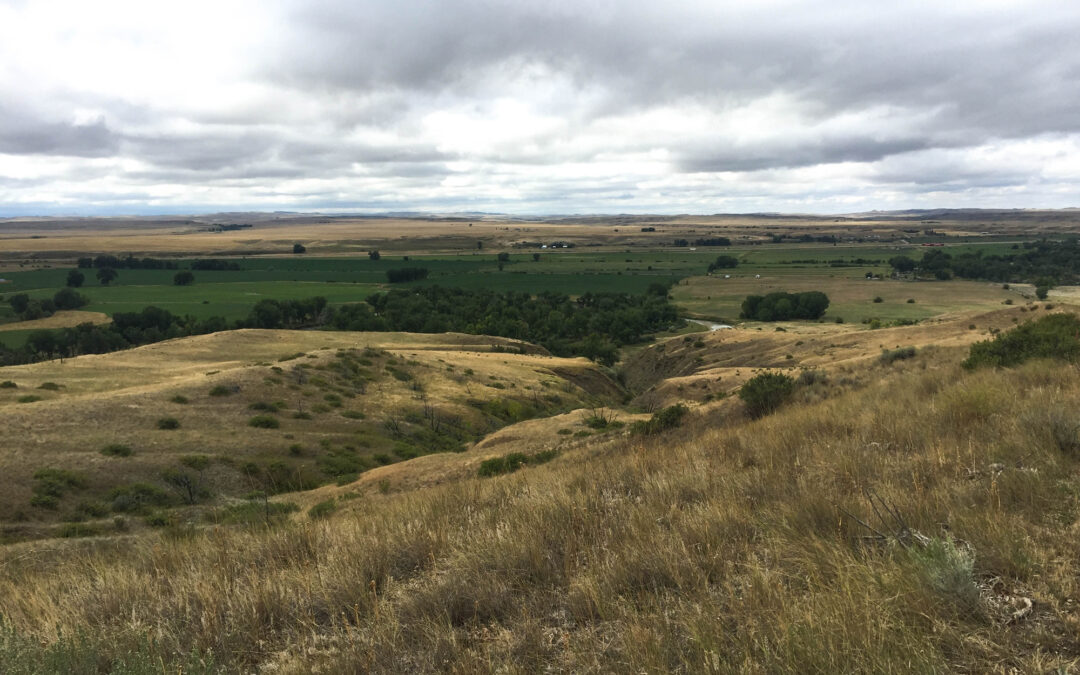
The Other Side of History: Hope from the Victory at Little Bighorn
In honor of Victory Day, we honor the legacy of hope, perseverance, and dedication to one’s people set by the warriors of several Native nations at the Battle of the Little Bighorn. Hear how their memory guides tribal colleges and Native students fighting different kinds of battles to gain a better future for all.
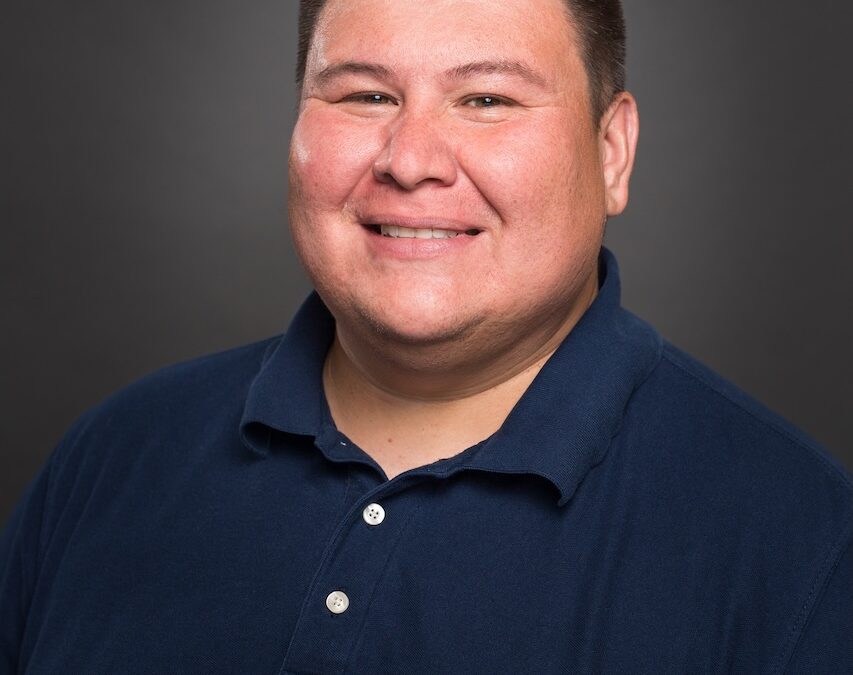

Will Race-Based Scholarships Survive?
Inside Higher Ed interviewed American Indian College Fund Vice President of Student Success Services, Tiffany Gusbeth, and others on how the Trump administration's stance declaring race-based scholarships and programs as "unlawful practices" may cost students...
Seeing, Honoring, and Celebrating Our Two-Spirit Relatives
This Pride Month, the American Indian College Fund honors Two-Spirit relatives by exploring their cultural significance, resilience, and resurgence in Native communities. Featuring voices from Sitting Bull College, the blog highlights how 2SLGBTQ+ students and faculty are creating safe spaces, reclaiming identity, and strengthening community through visibility, advocacy, and tradition.
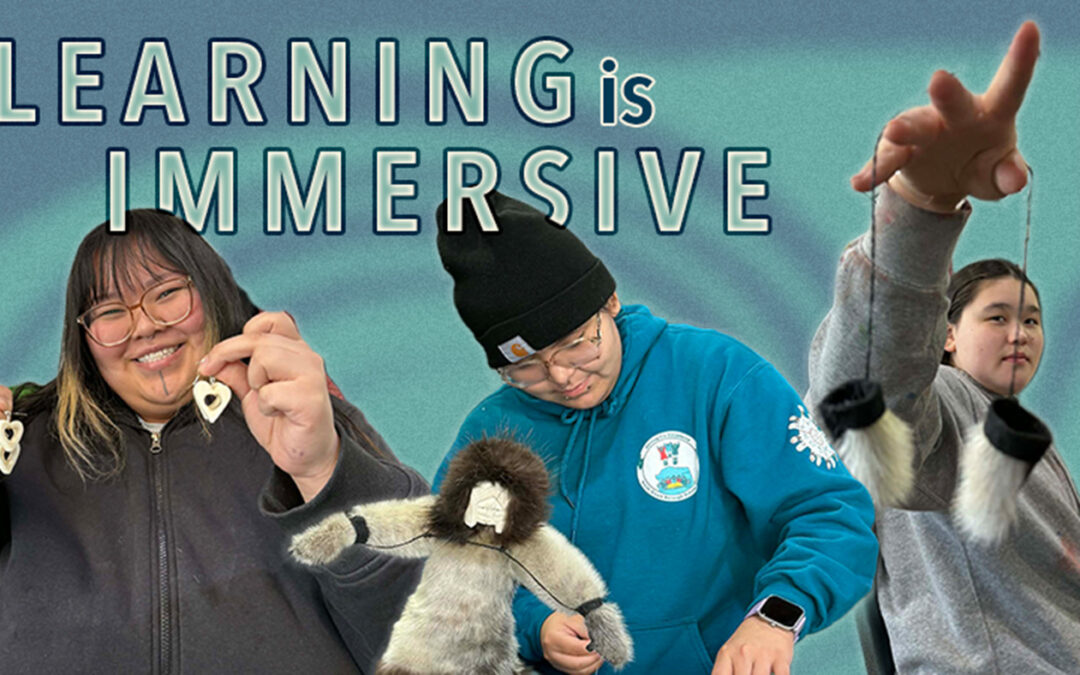
Iḷisaġvik College (IC) Program Keeps Arctic Cultural Knowledge Alive
Iḷisaġvik College’s Native arts program is helping Alaska Native students in the Arctic Circle preserve and revitalize Iñupiaq cultural knowledge. Through hands-on learning, cultural camps, and curriculum development, students gain skills in traditional art forms, healing practices, and land-based knowledge while ensuring these traditions are documented and passed down to future generations.
Shaken Faith: How Federal Cuts Undermine Trust
In this article by Northwest Area Foundation, American Indian College Fund President and CEO, Cheryl Crazy Bull, and student ambassador, Sasha Derenoff, share how federal budget cuts are making students hesitant to pursue careers in public service and adjacent...
