
Planting the Seeds of Cultural Sustainability
April 22, 2026 | Student Ambassador Aiyanna Tanyan’s (Seminole Nation of Oklahoma) work to reclaim food sovereignty
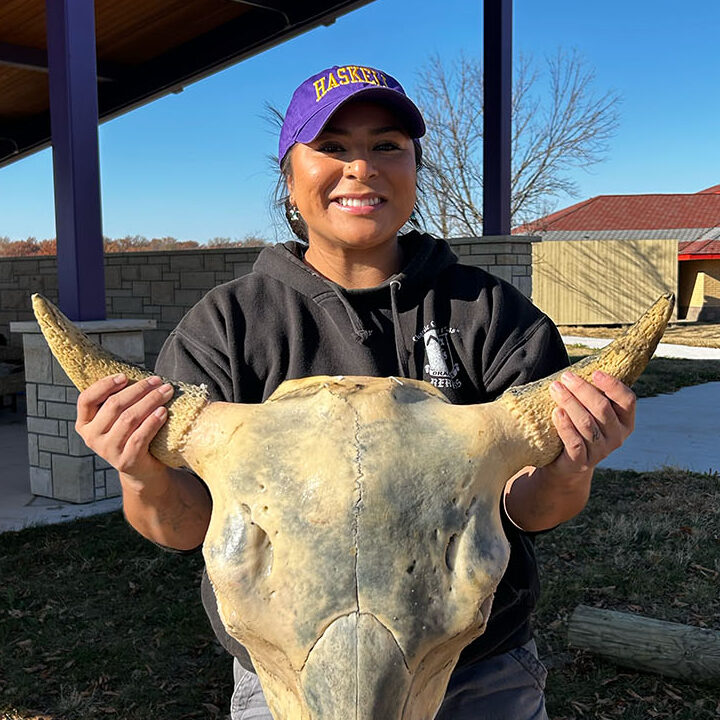
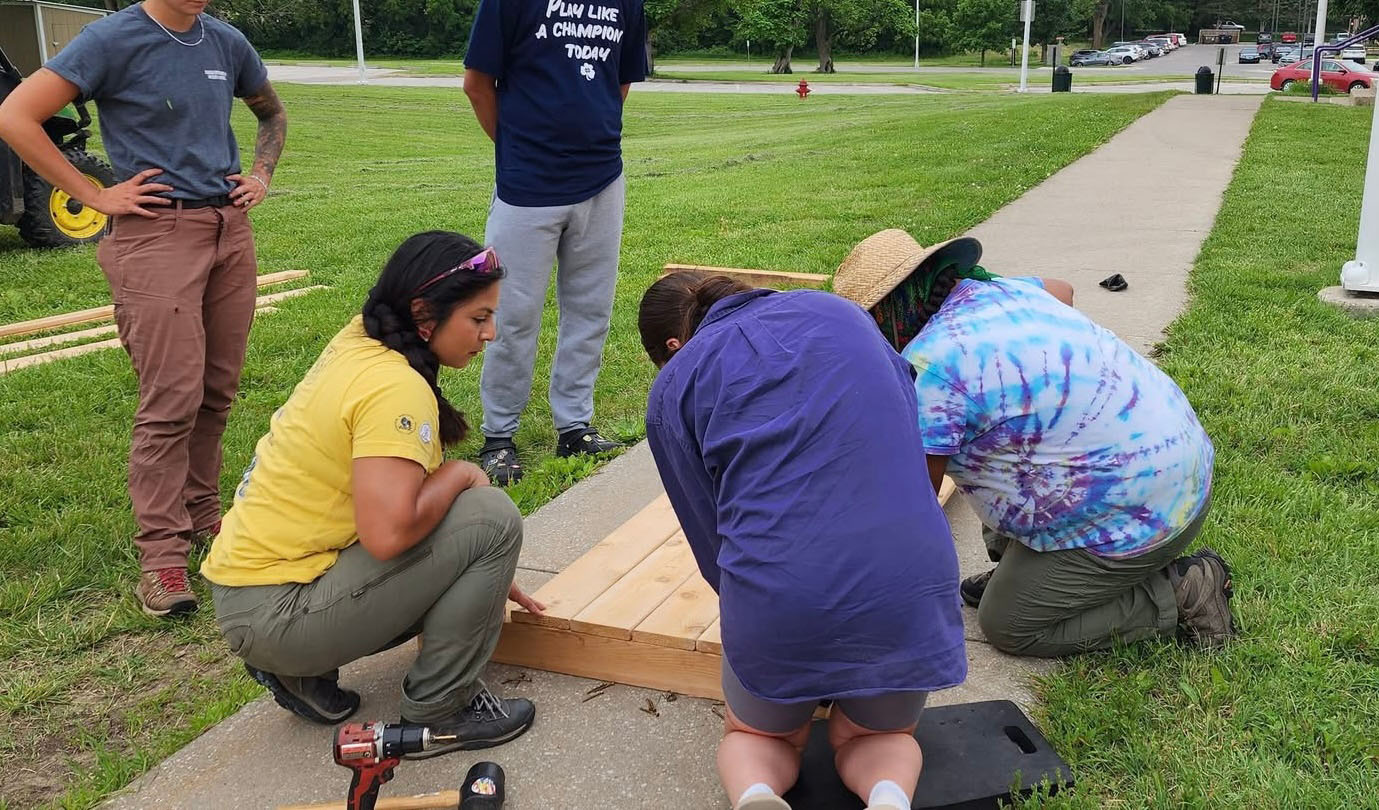
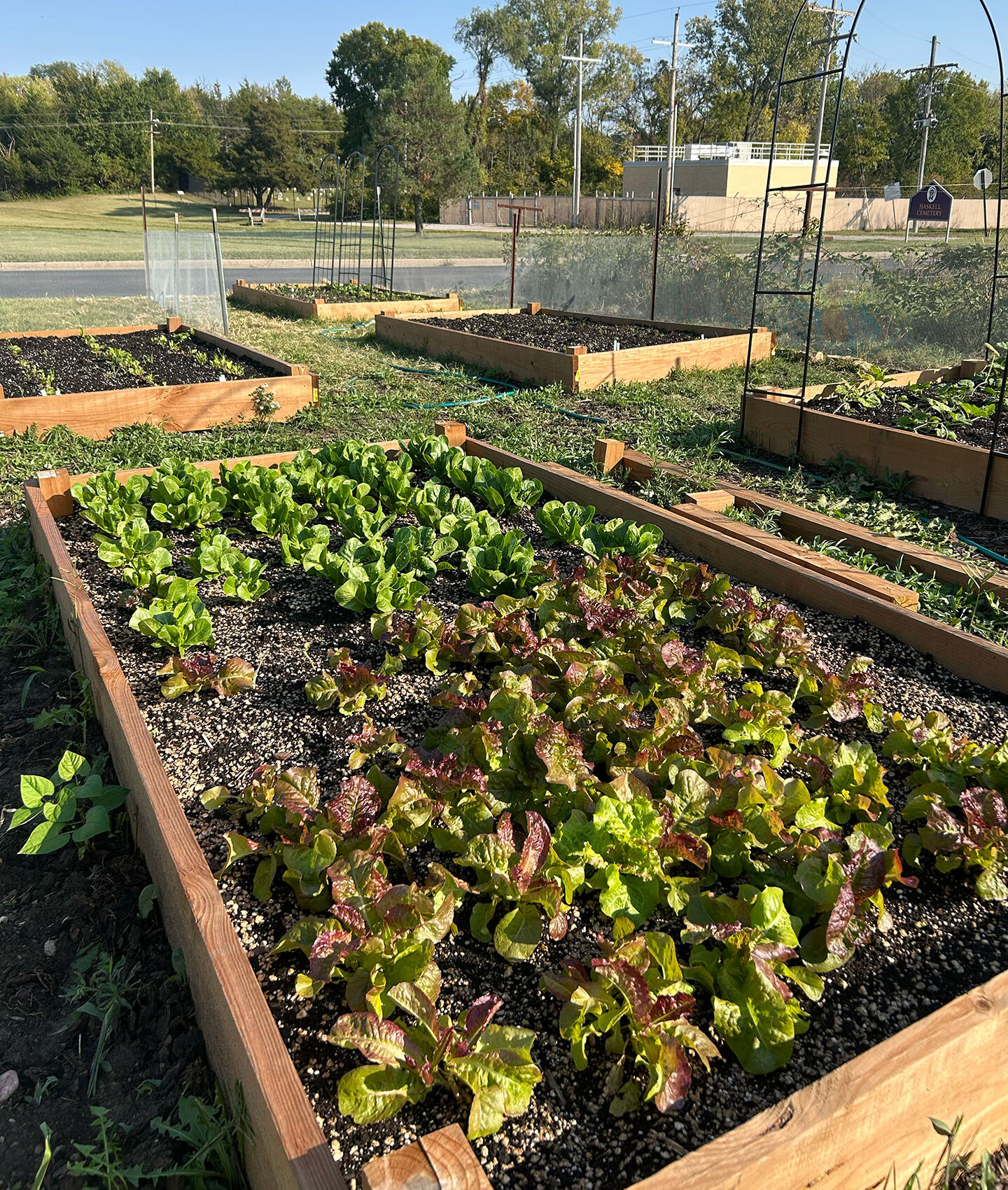
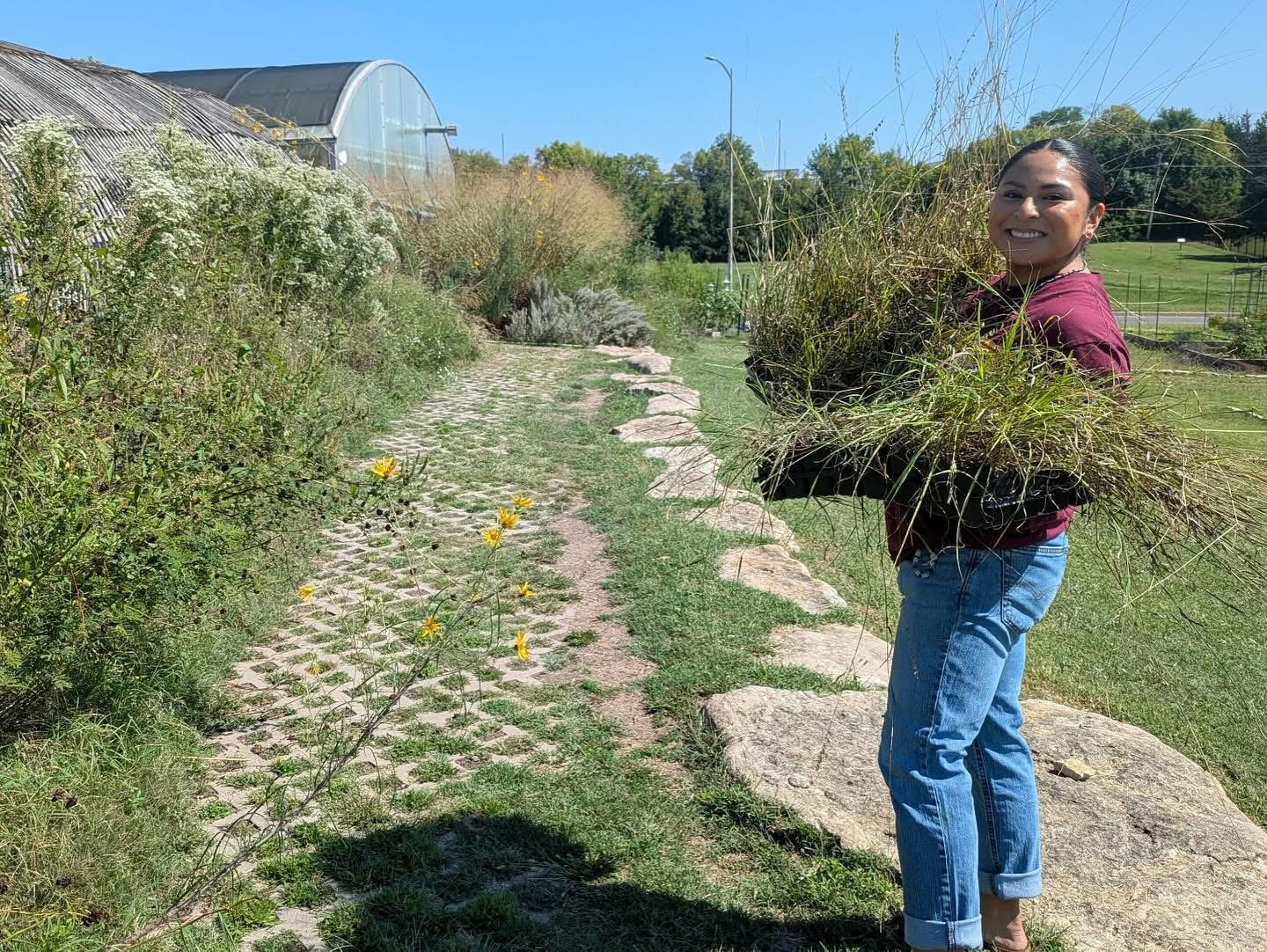
We came up with the idea of building raised garden beds near the dorms so students can easily access fresh foods and learn how to grow them themselves. Through support from the Haskell Greenhouse (funded through the USDA Equity Grant), we started building.
Last year was our first year doing this project and it was a learning experience as with many community-based projects, it comes with trial and error. However, that process taught us a lot about what works, what doesn’t, and how to build something more sustainable moving forward. This year, we’re continuing this work with stronger systems, more involvement, and a clearer vision.
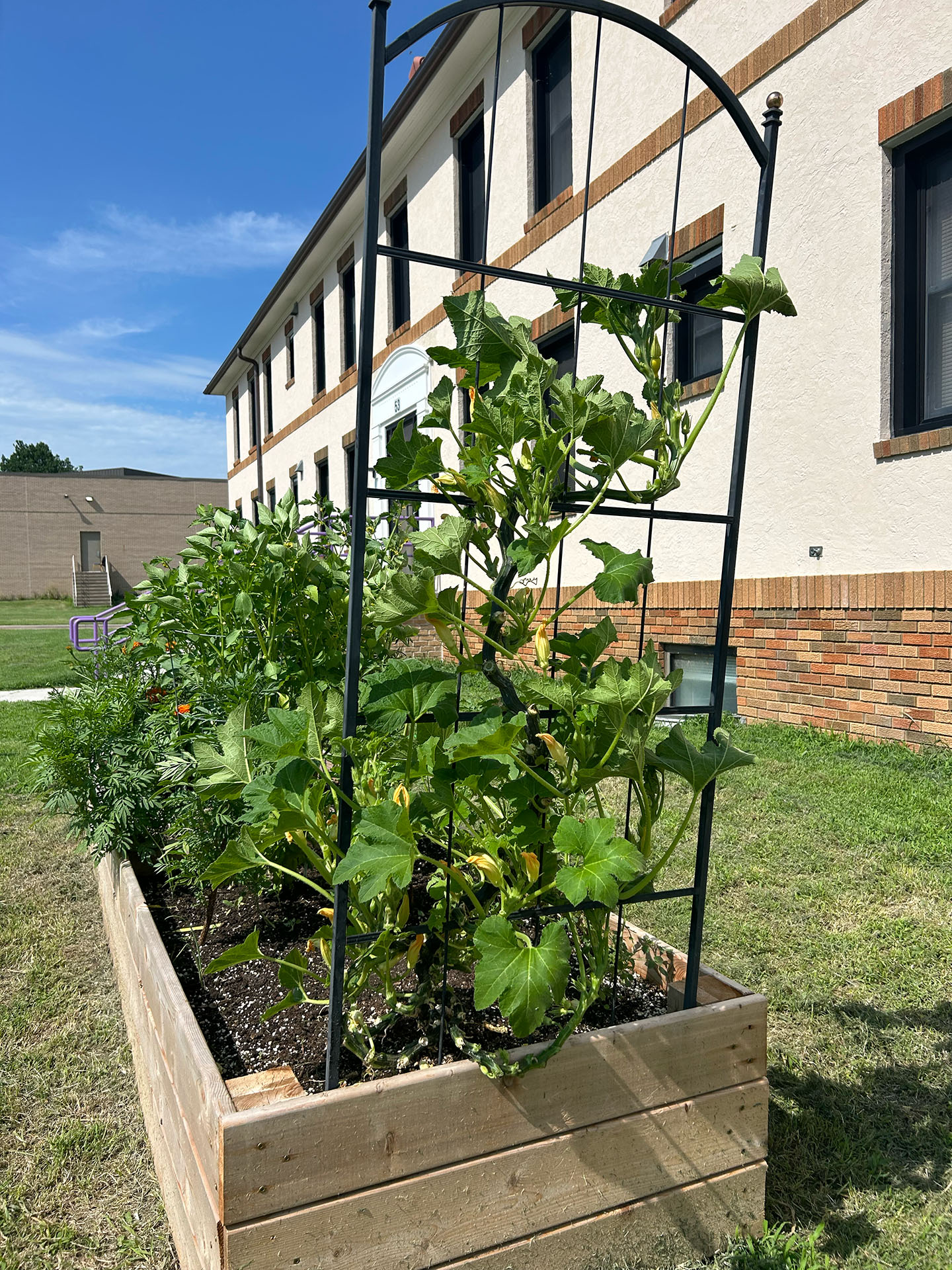
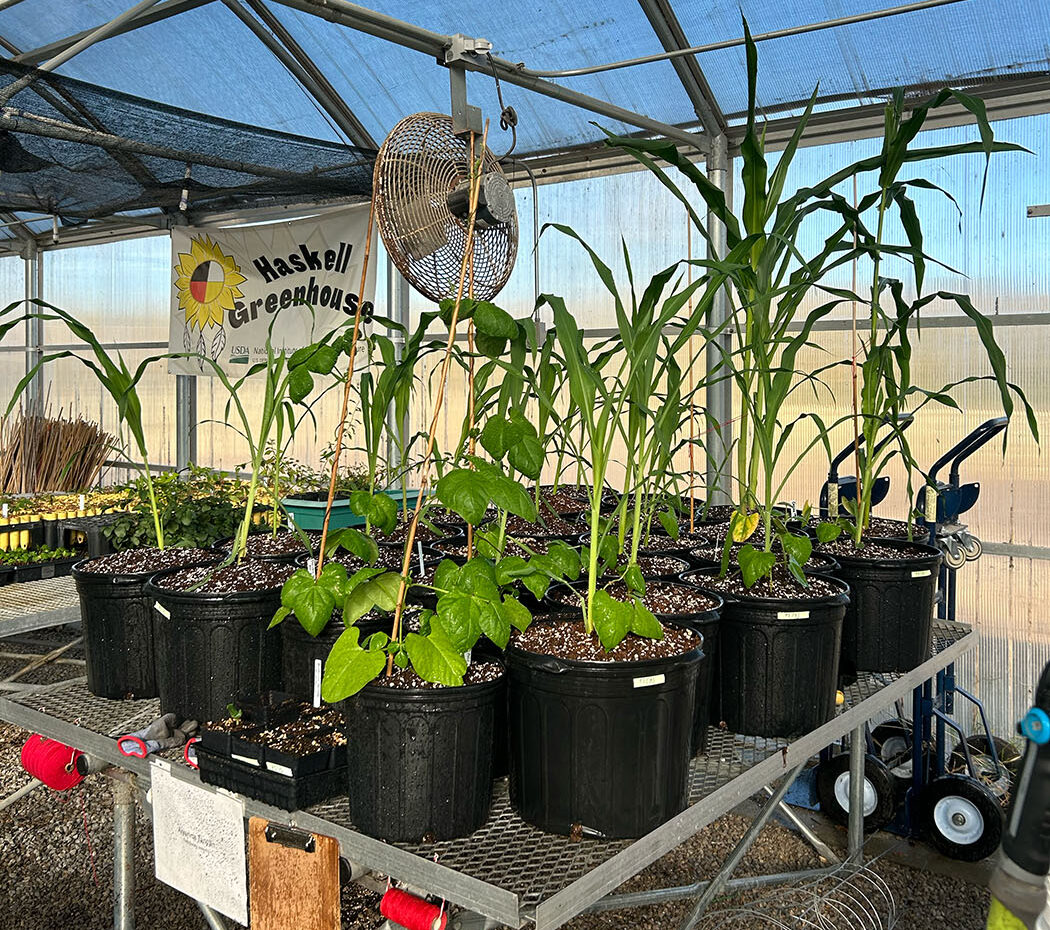
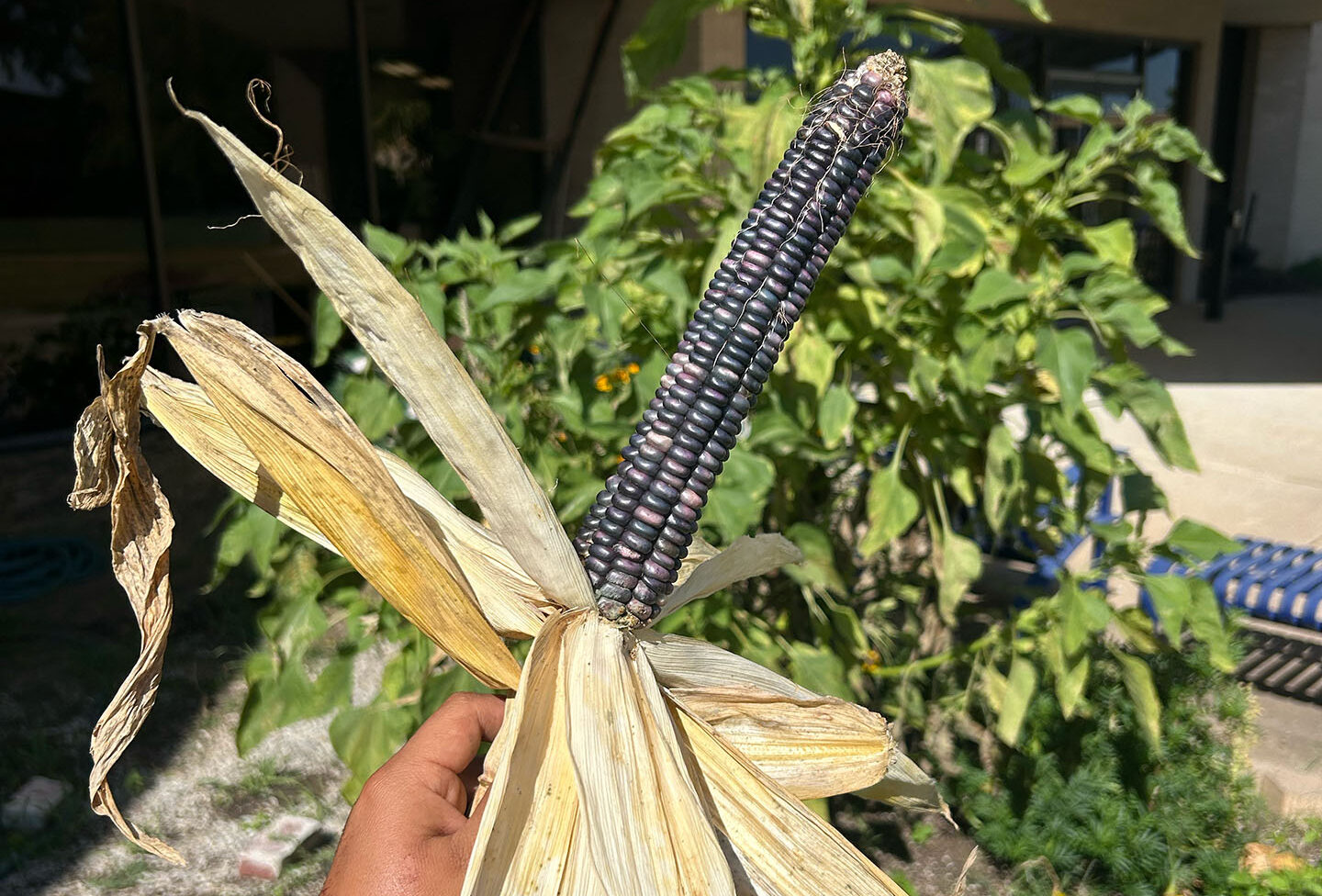
Everyone at the Haskell Greenhouse wants to help others learn, value, and view these spaces as places of teaching. I know they have taught me so much about responsibility and our relationship with the environment. Through these projects, we’re helping students reconnect with the land and understand the importance of food sovereignty for Indigenous communities. This work is ongoing, and we’re still learning. Every seed planted, and every workday shared brings us one step closer to a more sustainable and connected future.
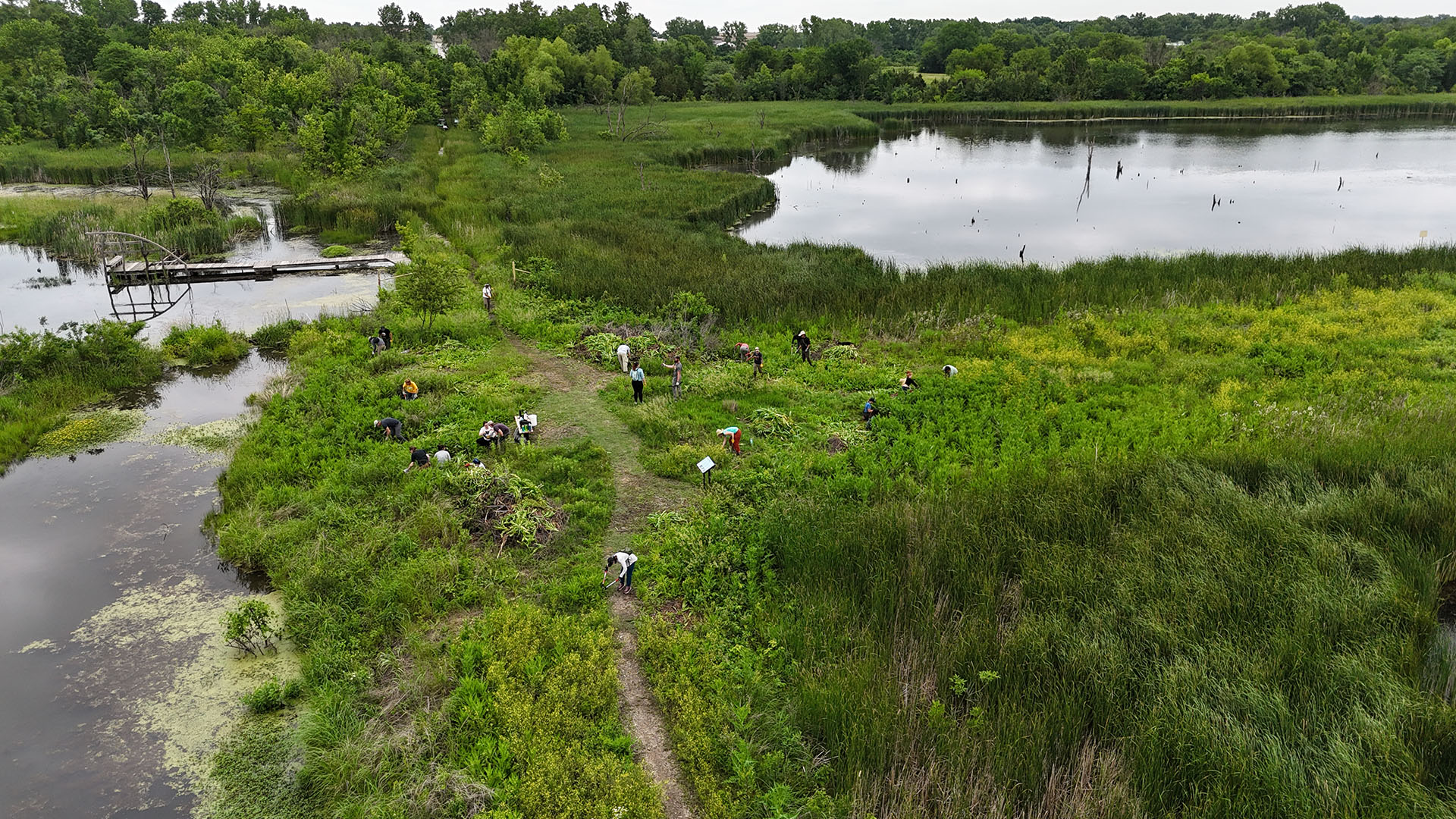
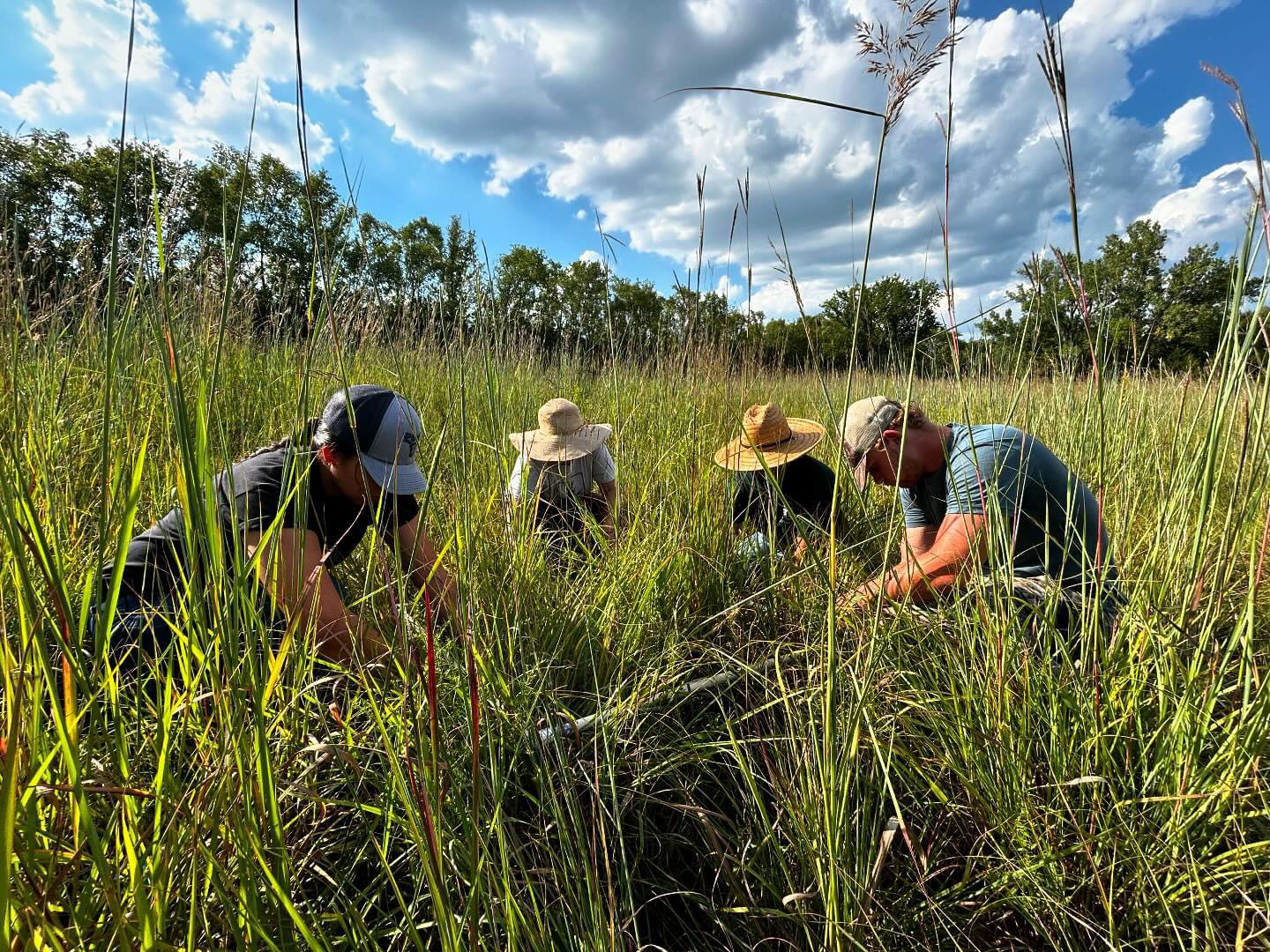
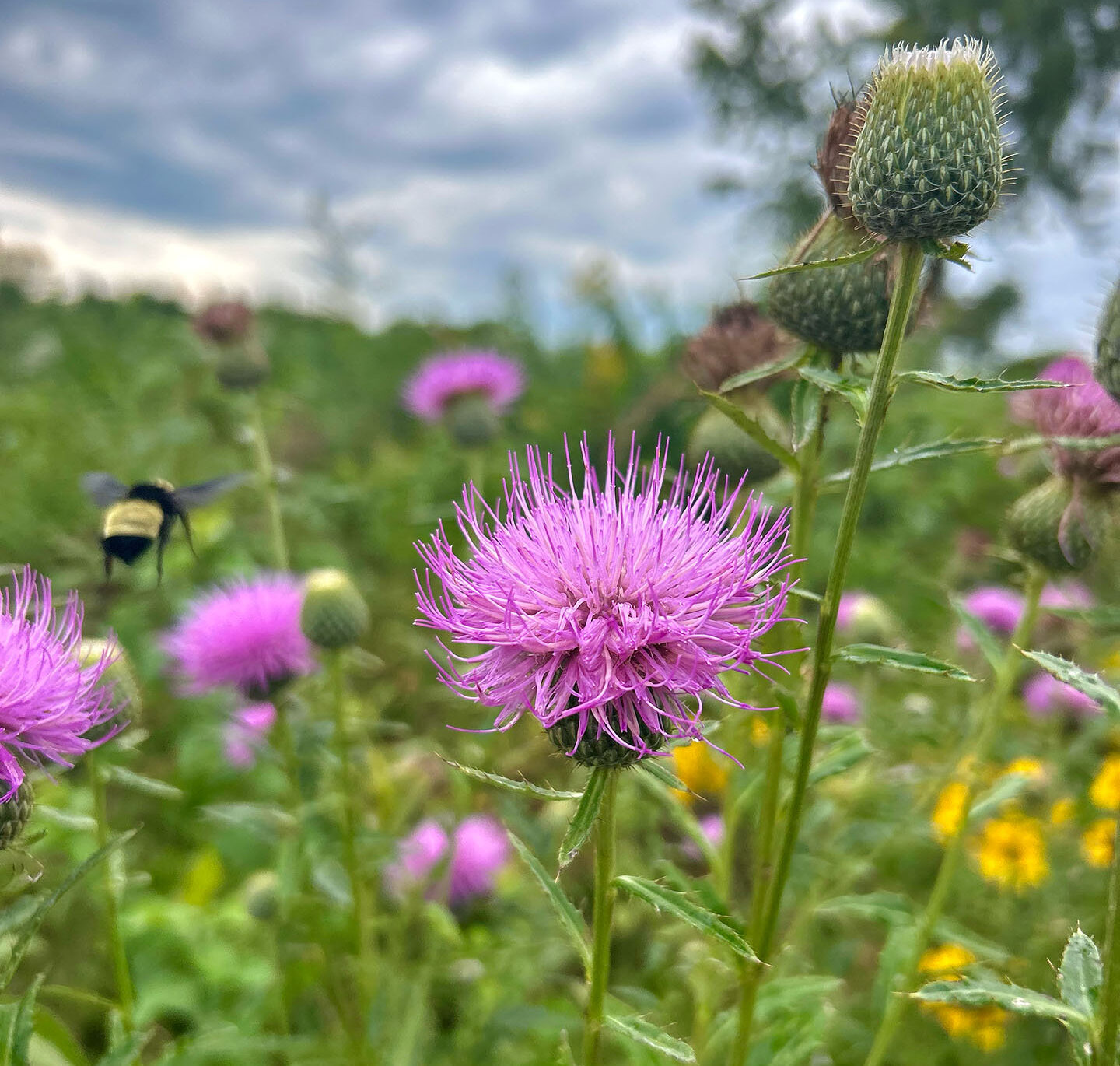
In Caring for Our Kin: Stories of Indigenous Environmental Stewardship, the College Fund shares the stories of Indigenous environmental leaders who are centering kinship and relational knowledge to build healthy ecological systems. These stories remind us that caring for the Earth means caring for one another—and that Indigenous knowledge systems continue to offer guidance, resilience, and hope for the future.
Learn more about our Environmental Stewardship Program.
Ekvnv Vcayecet. Mvto!
(Take care of the Earth/Land. Thank you)
More Blogs
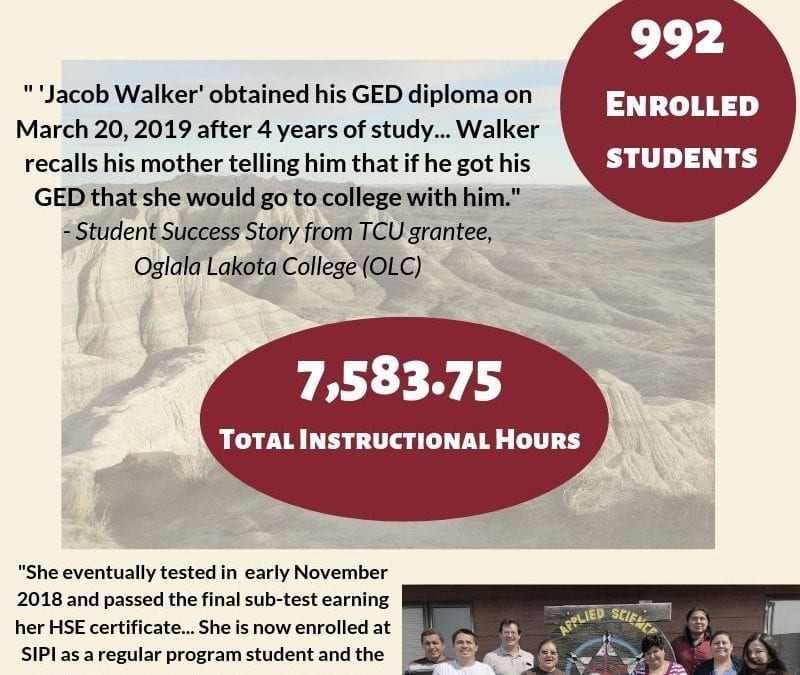
Dollar General Grantees Delve into Community for Holistic GED/HSE Certification
Tribal College and University (TCU) grantees of the Dollar General American Indian and Alaska Native Literacy and Adult Education Program have the common objectives of serving more GED/Highschool Equivalency (HSE) students than previous years and, ultimately, helping more American Indians obtain their GED/HSE certificates.
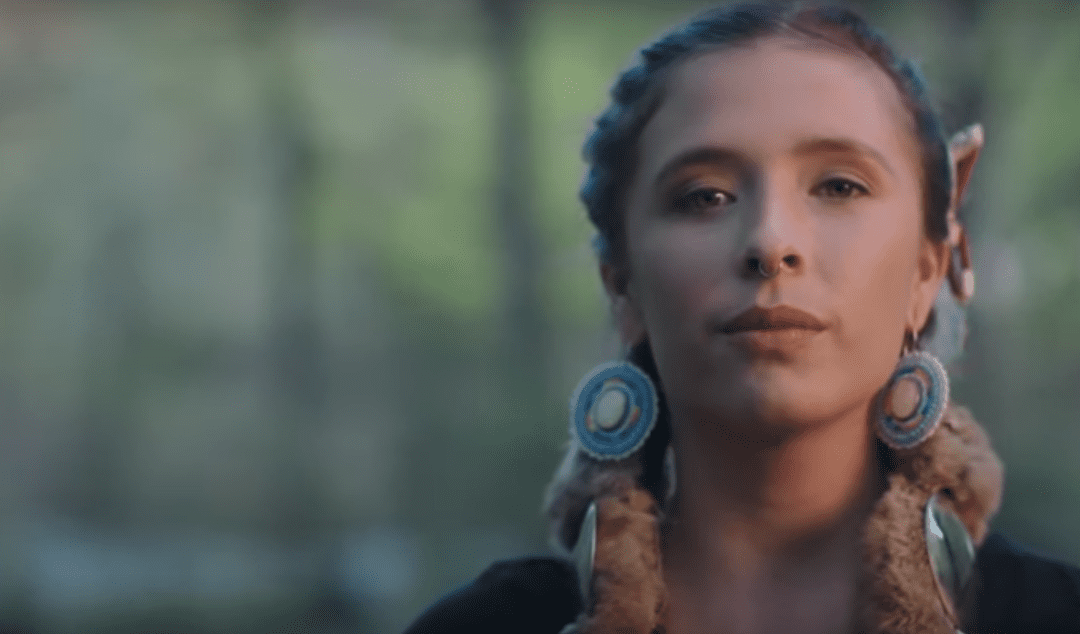
College Fund Scholar Publishes Article about How Labels Can Create Harm
Society often imposes labels on us. We embrace some labels, but many are obstacles. Justina, a College Fund scholar and student ambassador, is part of Diet Coke’s national [unlabeled] campaign. She shares with Teen Vogue how she is taking control of her narrative and speaking out against stereotypes and labels because she they are harmful.
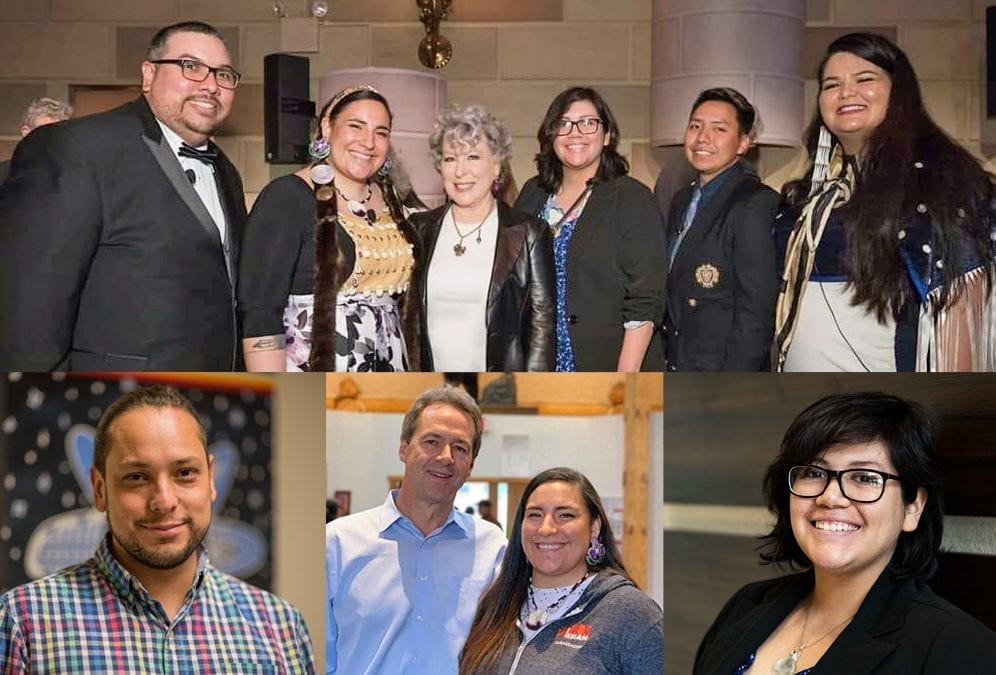
2018-2019 American Indian College Fund Student Ambassadors Celebrate Successes
The American Indian College Funds 2018-2019 Student Ambassadors represent some of the best Native students in the country. Recently, their outstanding accomplishments have brought even more attention to this stellar group of young leaders – as evidenced by these actions and awards
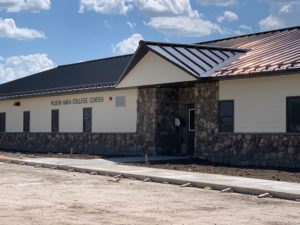
Sinte Gleska University and Oglala Lakota College GED Programs Complete Site Visits
The GED programs at Sinte Gleska University (SGU) and Oglala Lakota College (OLC) have much in common. Both programs date back to the early 1970s, operate multiple classroom locations, and serve vast Indian reservations in South Dakota. And both GED programs are also recipients of the American Indian College Fund’s Dollar General GED grant.
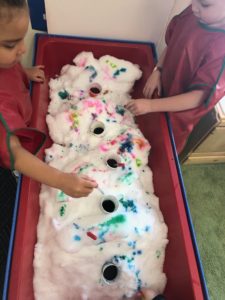
Relationships: Children Discovering STEM with the World Around Them
Children are natural scientists and learn through exploring and creating props for play within their environment. Salish Kootenai College (SKC) Early Learning Center extends its learning community from inside walls to the outdoors, allowing children to discover the changes occurring in each season and to be immersed in nature.
With Few Role Models, Native Americans Struggle To Access Higher Education
American Indian College Fund President Cheryl Crazy Bull is interviewed for this California Public Radio story in which reporter Adolfo Guzman-Lopez reports that of the 280,000 students enrolled at University of California campuses, only about 1,100 of them are Native Americans — only about 100 more than 20 years ago.
College Fund Scholar Joins Supporter Diet Coke to Promote Conversation About Labels
Labels are tricky. They can mean different things to different people – and there’s no one-size-fits-all perspective. Some fight for and embrace labels as a means of connectivity, self-expression and, even, protection. Others reject the divisive labels that are imposed on them by others.
RX FOR HEALING IN INDIAN COUNTRY: CULTURAL COMPETENCY
Participants learned about the importance of culturally competent representation in health care, preparing for their careers, and improving health care in the communities they plan to serve.
GED Program: Successful. Empowering. Needed.
These are the words that Kateri Montileaux uses to describe the Community Continuing Education/GED (General Educational Development) program she coordinates at Oglala Lakota College (OLC).
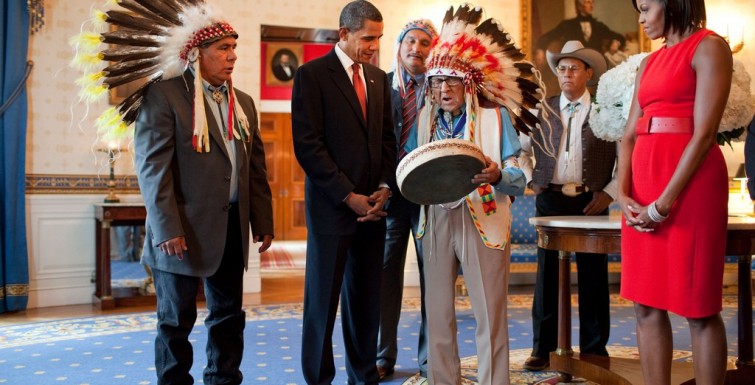
Tribe’s First Master’s Degree Recipient, Historian, and War Chief Dies at Age 102
Joseph Medicine Crow, the last living war chief of the Crow Tribe of Montana who was a renowned Native American historian and anthropologist, has died at age 102. He was the last living person to have heard direct testimony from people present before the Battle of the Little Bighorn in 1876.
