
Planting the Seeds of Cultural Sustainability
April 22, 2026 | Student Ambassador Aiyanna Tanyan’s (Seminole Nation of Oklahoma) work to reclaim food sovereignty
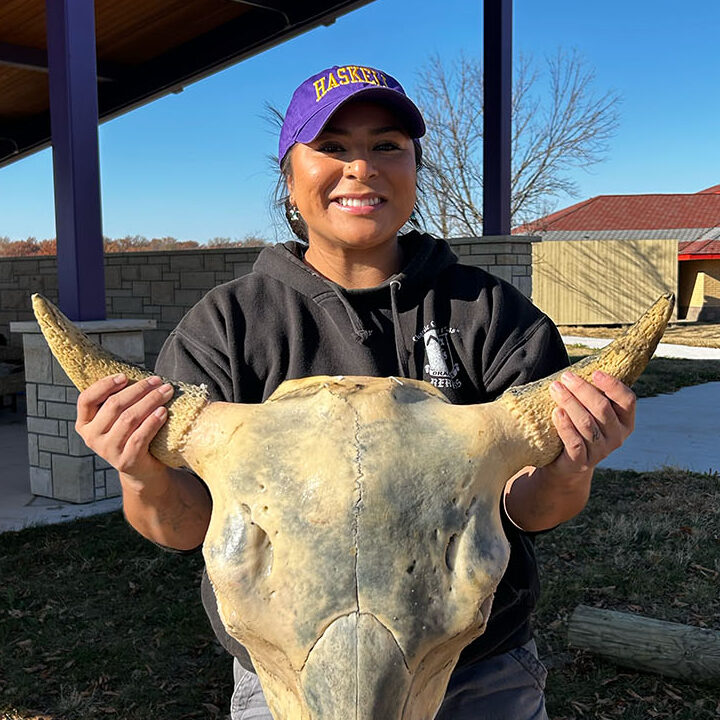
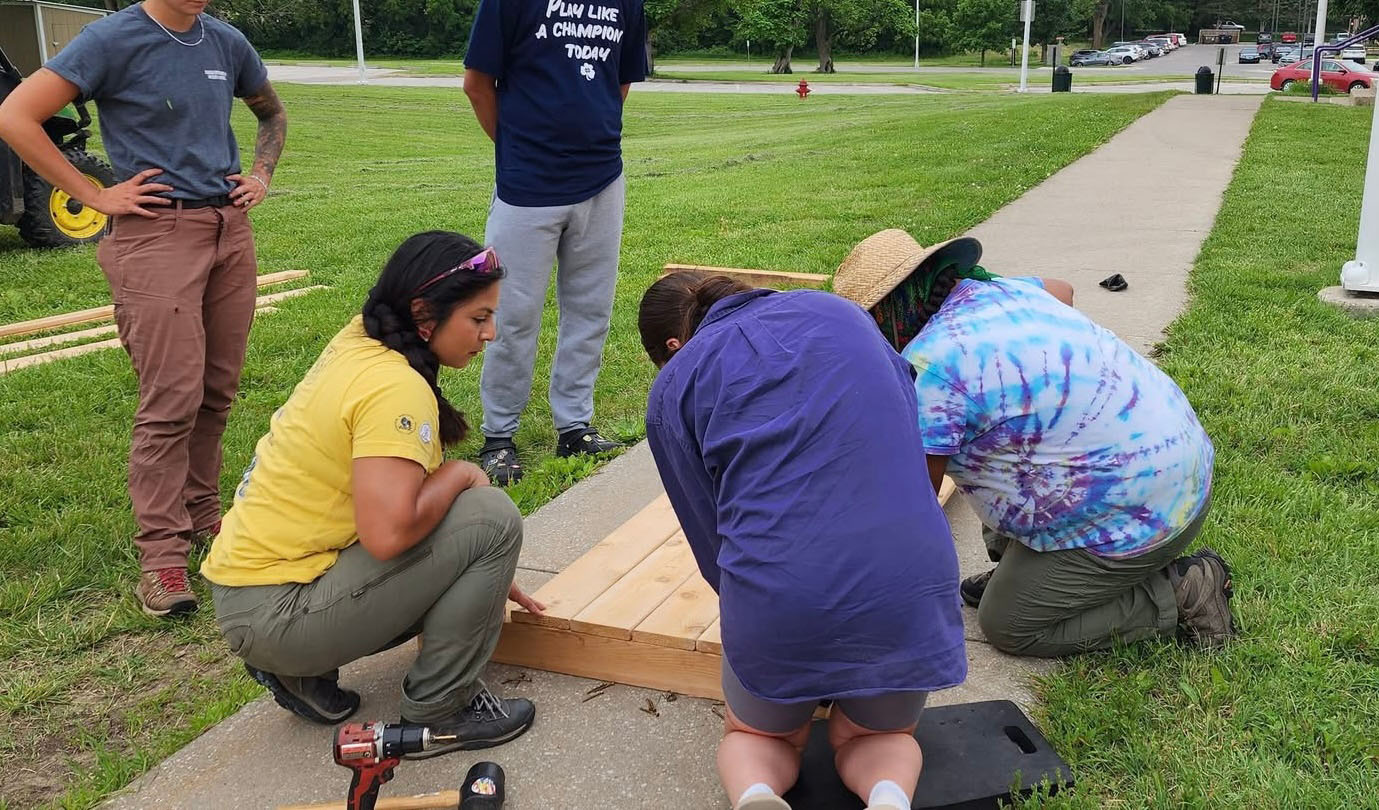
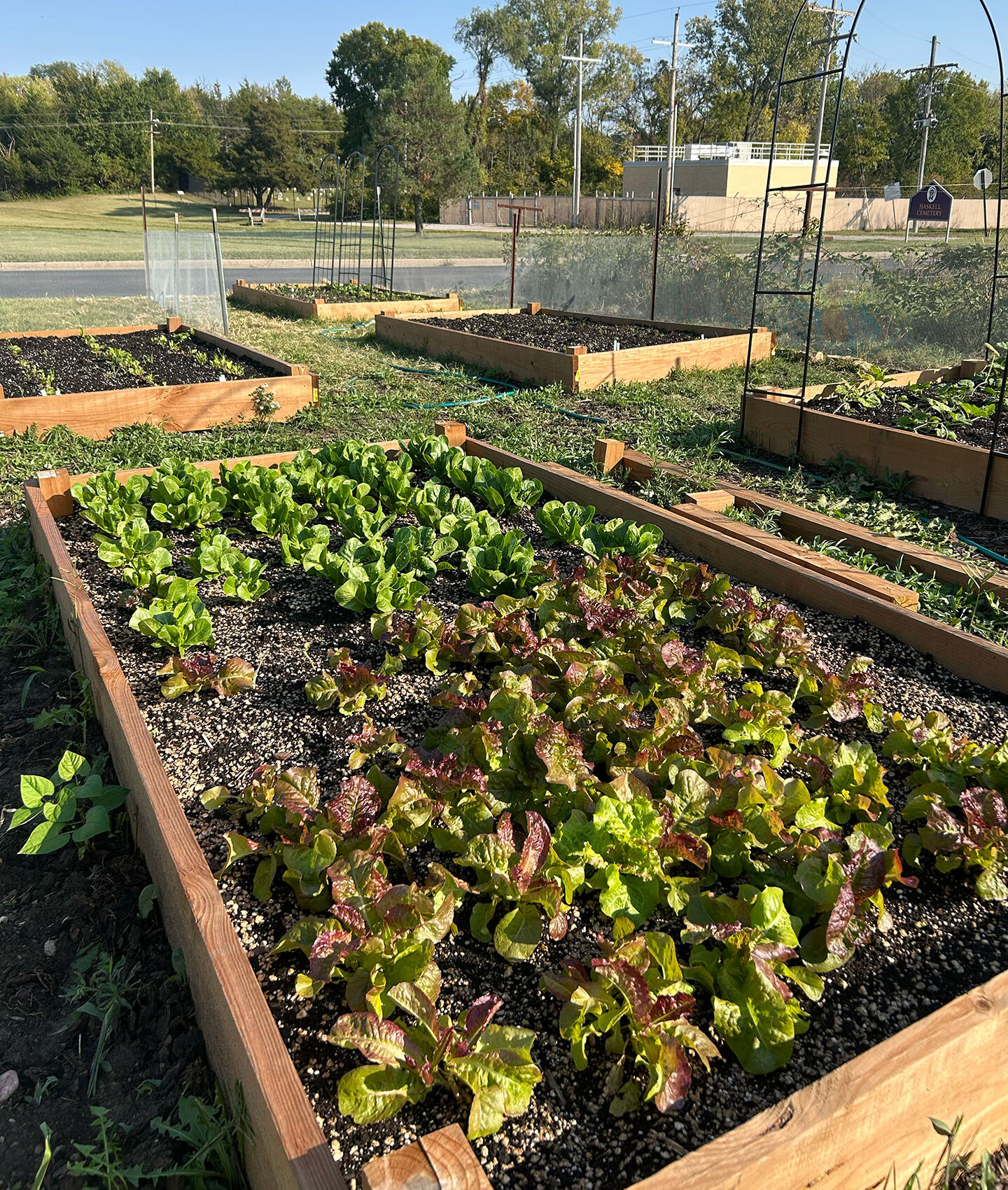
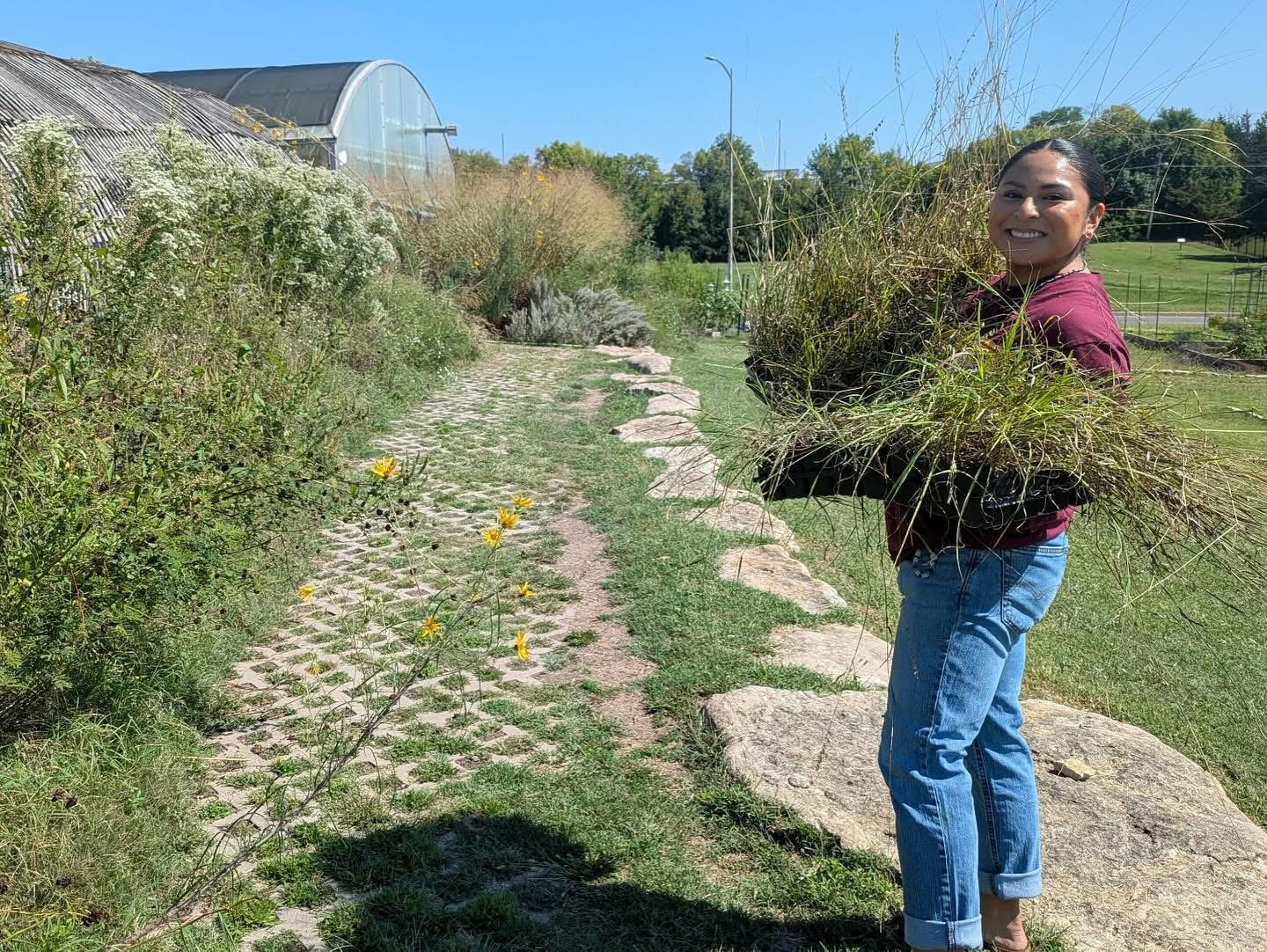
We came up with the idea of building raised garden beds near the dorms so students can easily access fresh foods and learn how to grow them themselves. Through support from the Haskell Greenhouse (funded through the USDA Equity Grant), we started building.
Last year was our first year doing this project and it was a learning experience as with many community-based projects, it comes with trial and error. However, that process taught us a lot about what works, what doesn’t, and how to build something more sustainable moving forward. This year, we’re continuing this work with stronger systems, more involvement, and a clearer vision.
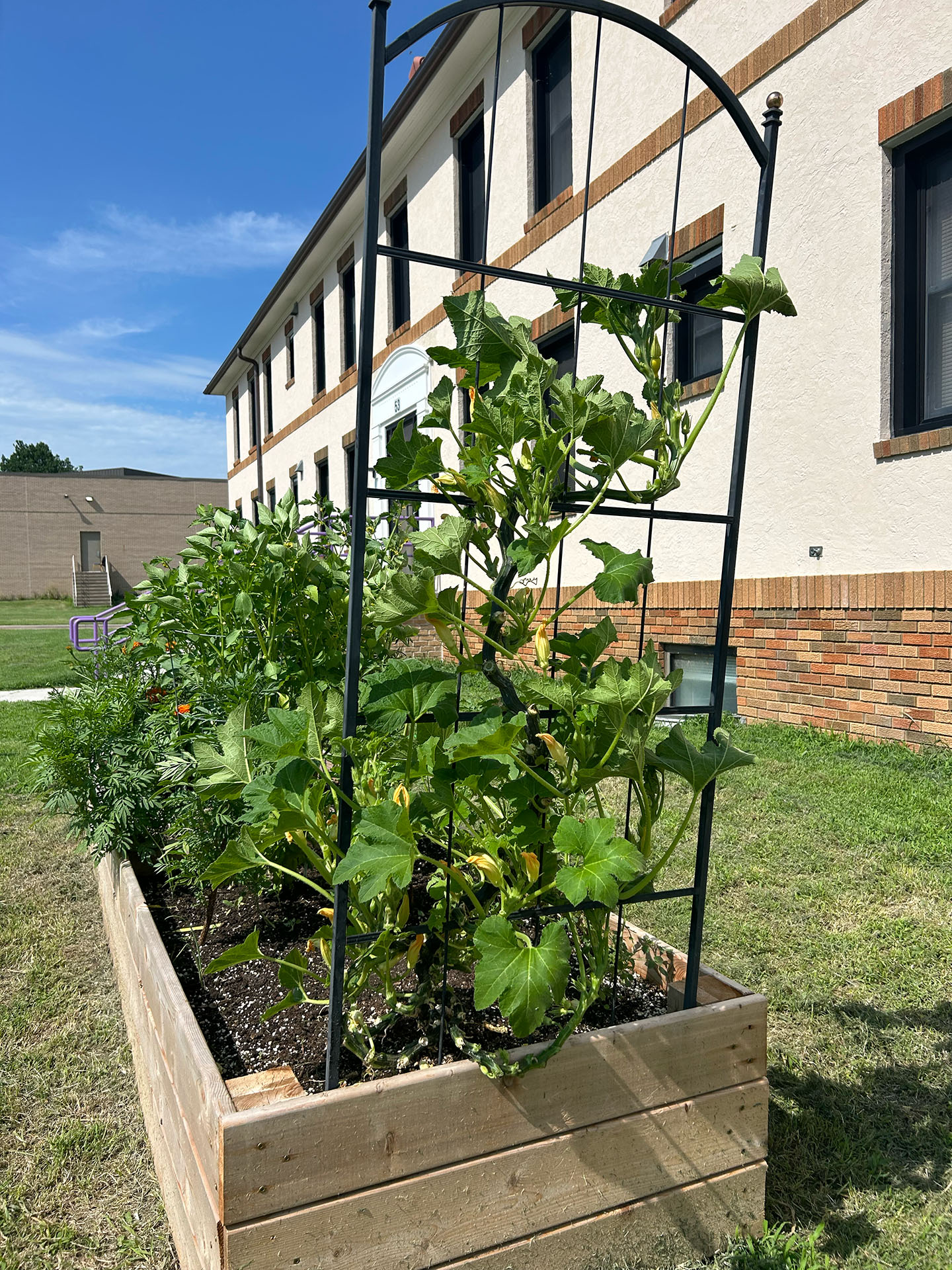
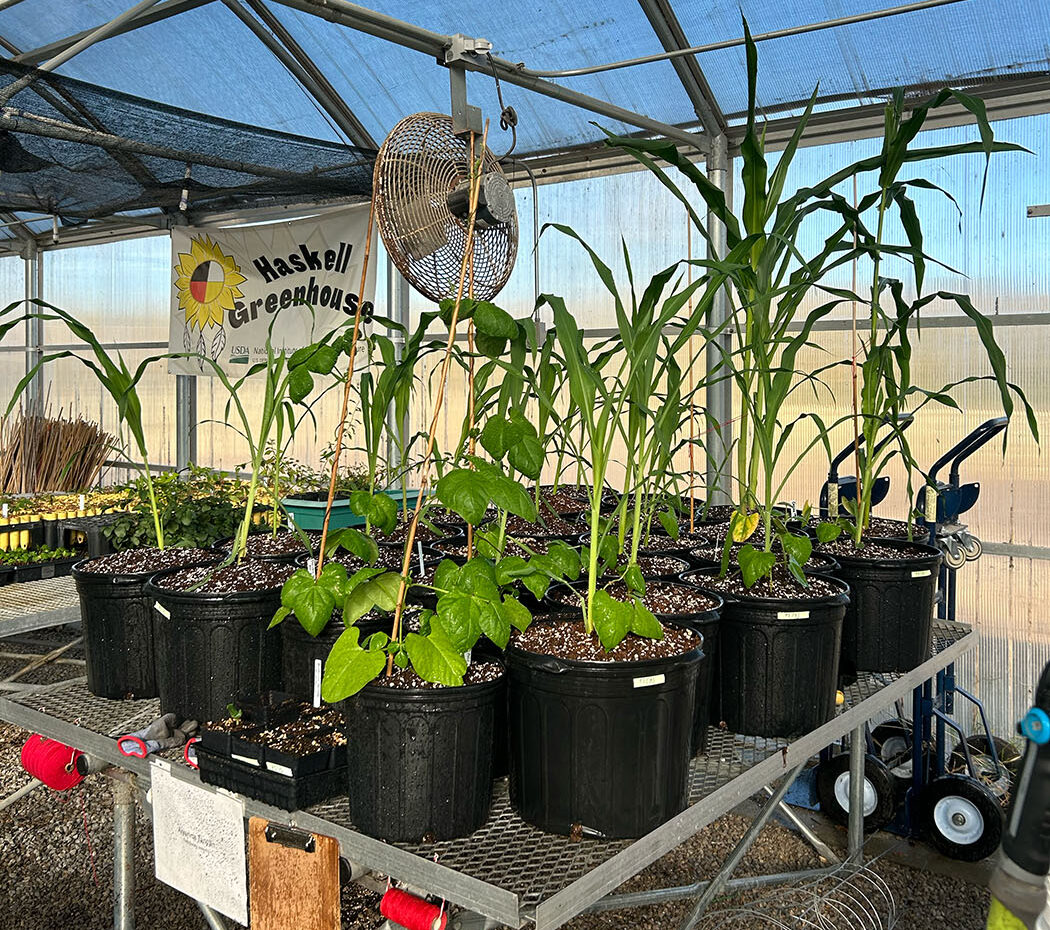
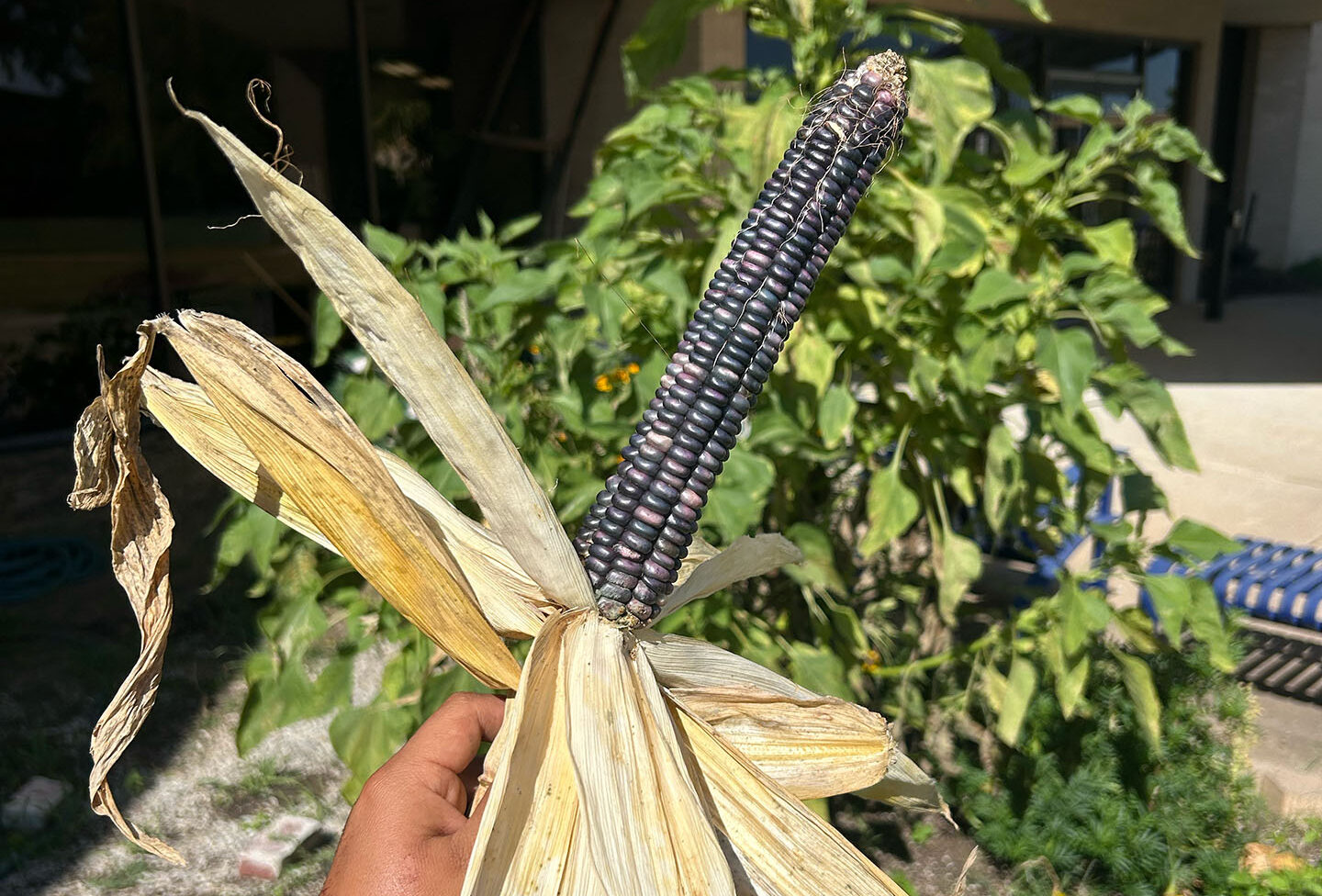
Everyone at the Haskell Greenhouse wants to help others learn, value, and view these spaces as places of teaching. I know they have taught me so much about responsibility and our relationship with the environment. Through these projects, we’re helping students reconnect with the land and understand the importance of food sovereignty for Indigenous communities. This work is ongoing, and we’re still learning. Every seed planted, and every workday shared brings us one step closer to a more sustainable and connected future.
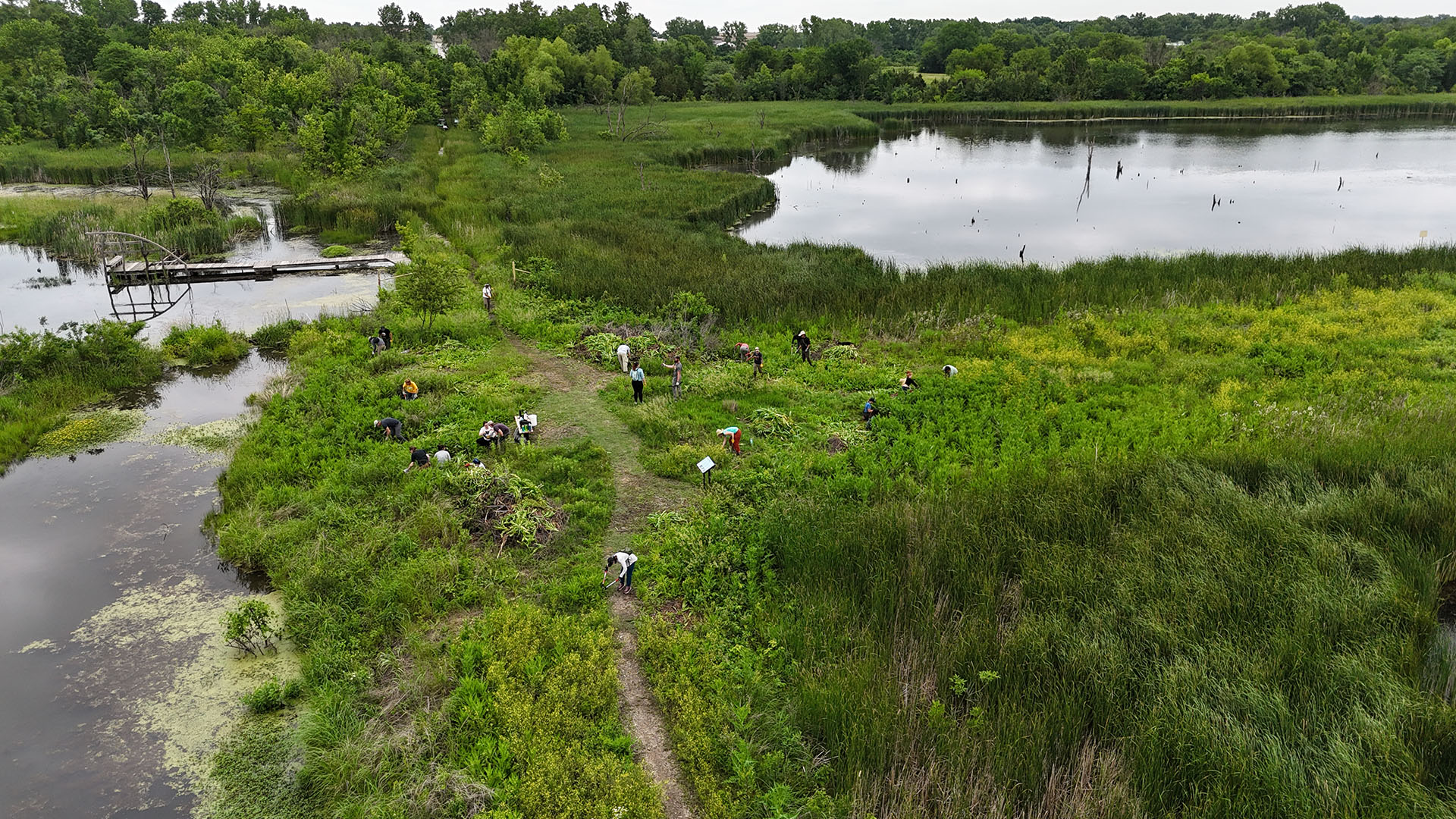
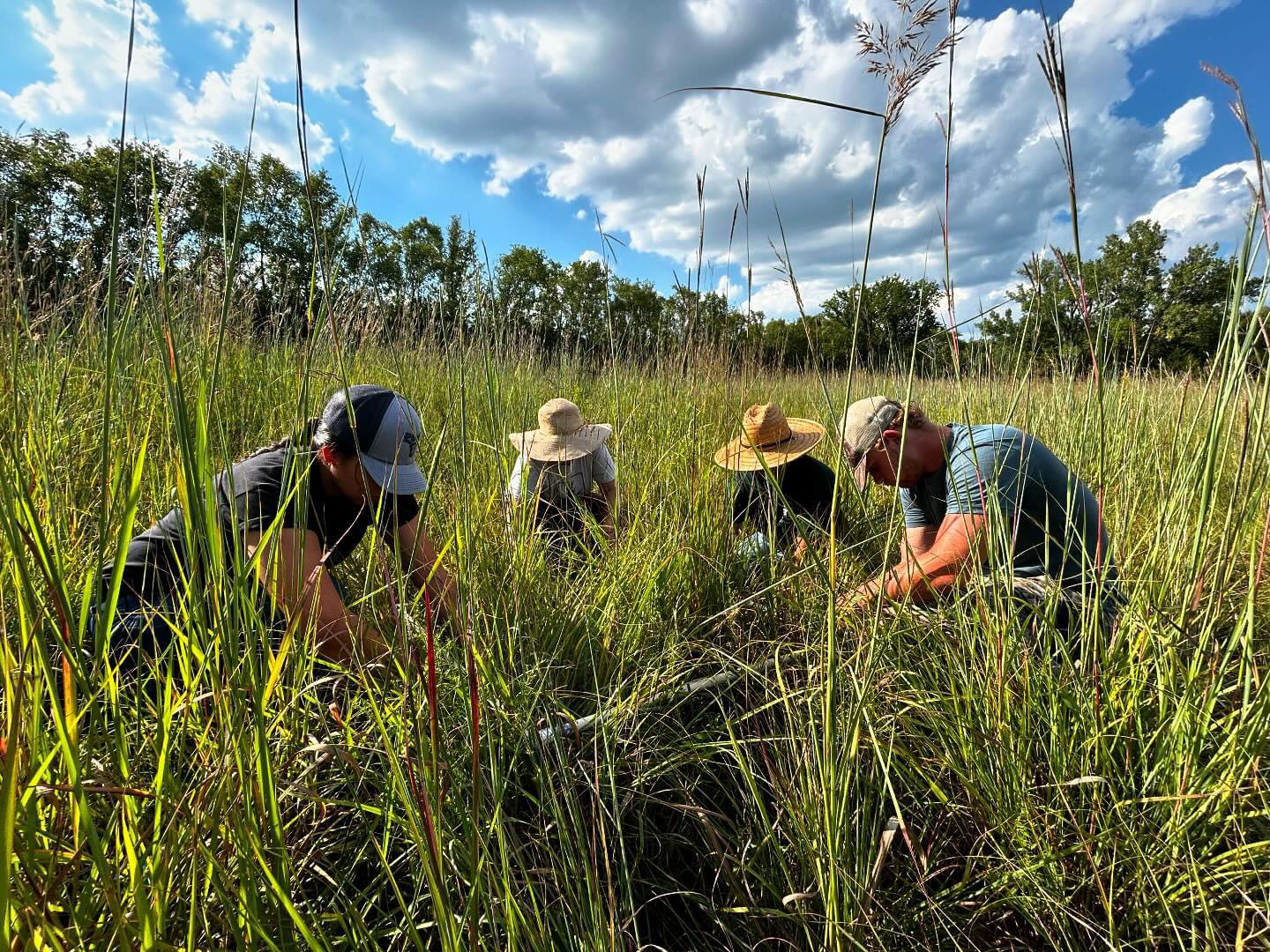
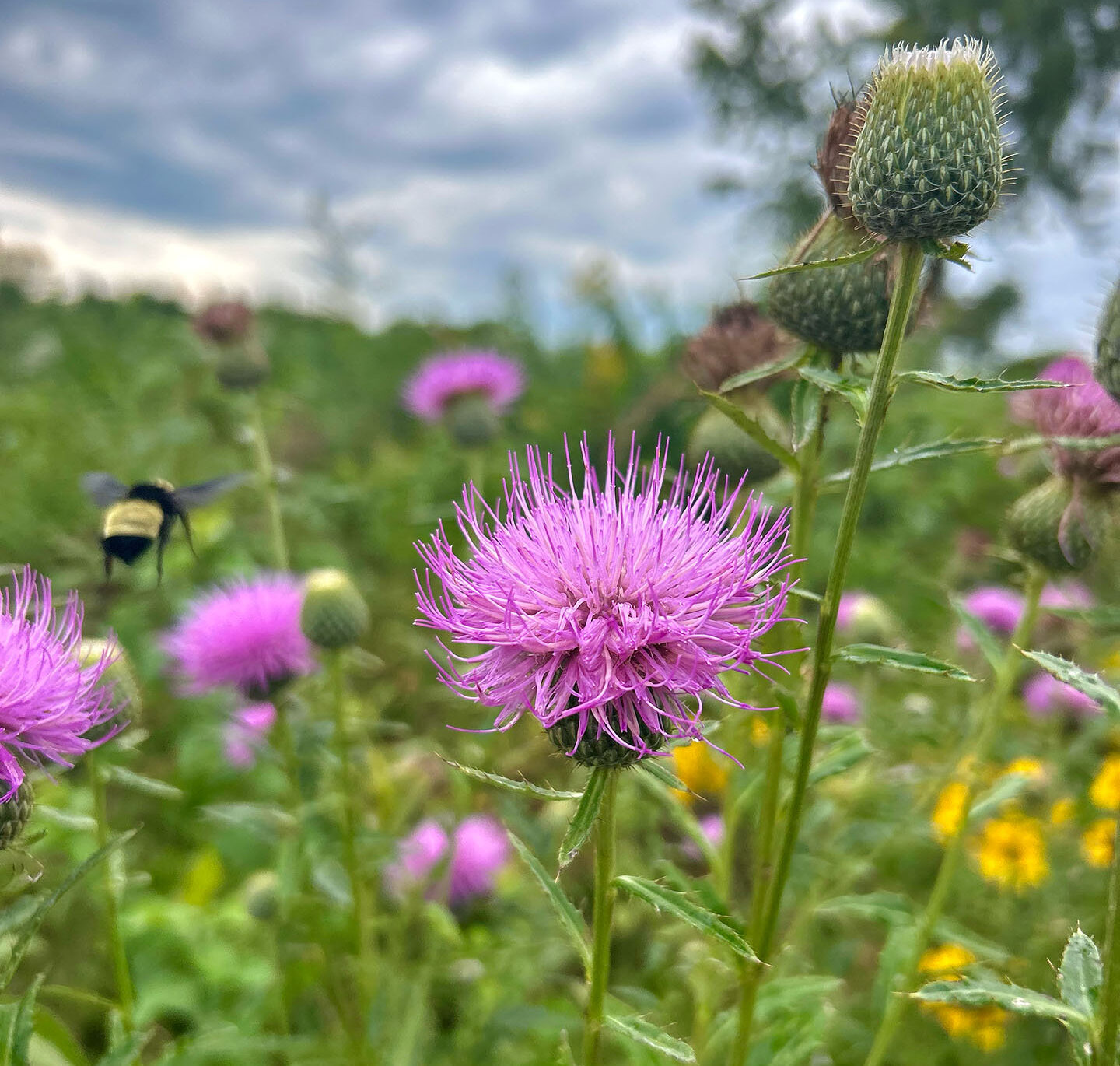
In Caring for Our Kin: Stories of Indigenous Environmental Stewardship, the College Fund shares the stories of Indigenous environmental leaders who are centering kinship and relational knowledge to build healthy ecological systems. These stories remind us that caring for the Earth means caring for one another—and that Indigenous knowledge systems continue to offer guidance, resilience, and hope for the future.
Learn more about our Environmental Stewardship Program.
Ekvnv Vcayecet. Mvto!
(Take care of the Earth/Land. Thank you)
More Blogs
Give A Gift With Meaning; Give With Confidence
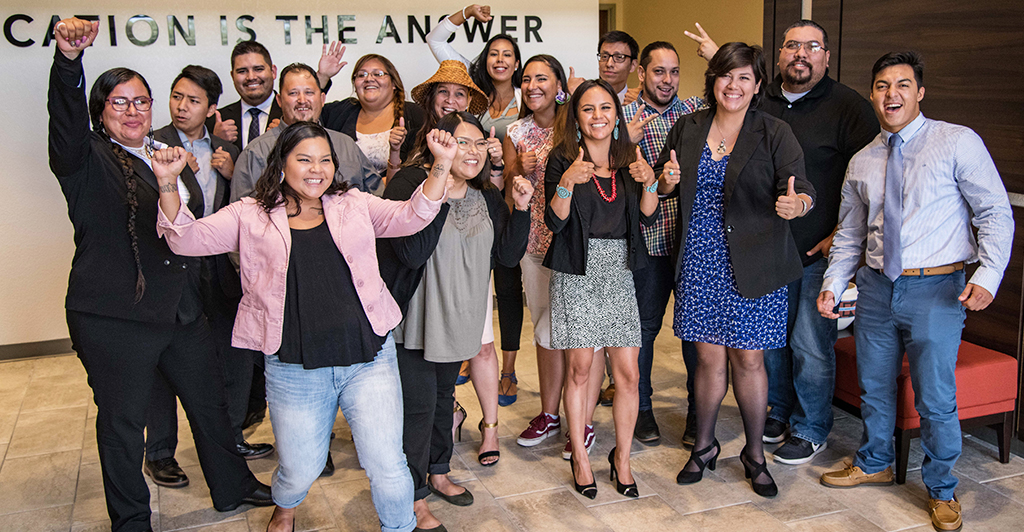
Columnist Nicholas Kristof of The New York Times suggests giving a “gift with meaning” in his annual holiday guide—by donating to the American Indian College Fund to help a Native American get into college.
Raising Native Children in a Good Way
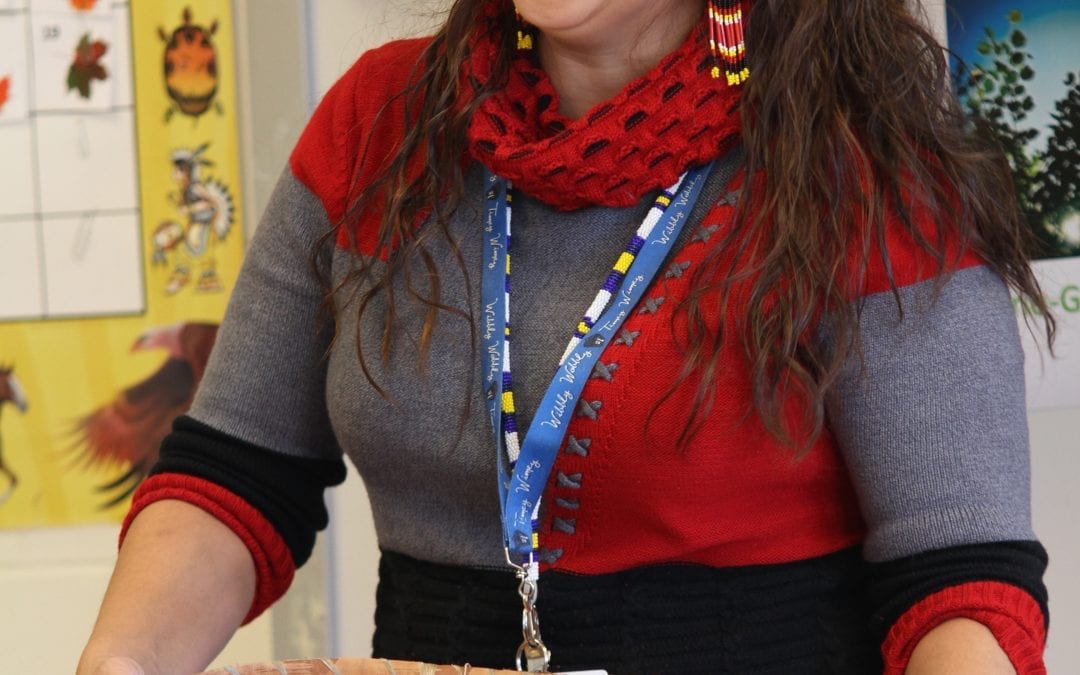
Fond du Lac Tribal and Community College (FDLTCC) is excited to be able to do just that by involving the community and families in our Early Childhood Education Program with early learners, helping us all to become a stronger, vibrant voice with Anishinaabe ways of knowing.
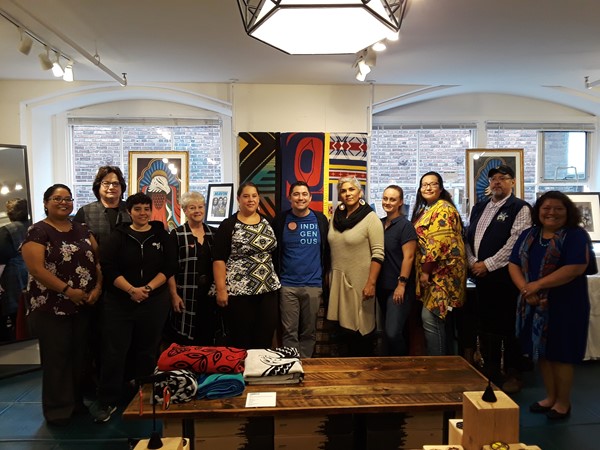
Connecting, Learning and Growing: Native Arts Convening
The American Indian College Fund (the College Fund) hosted a Native Arts convening in Seattle, Washington in September, 2018. Seven program Administrators of the Restoration and Preservation of Traditional Native Art Forms and Knowledge Grant participated in the Native Arts convening from the College of Menominee Nation, Lac Courte Oreilles Ojibwa Community College, Leech Lake Tribal College, Nueta Hidatsa Sahnish College, Sisseton Wahpeton College, Sitting Bull College and United Tribes Technical College.
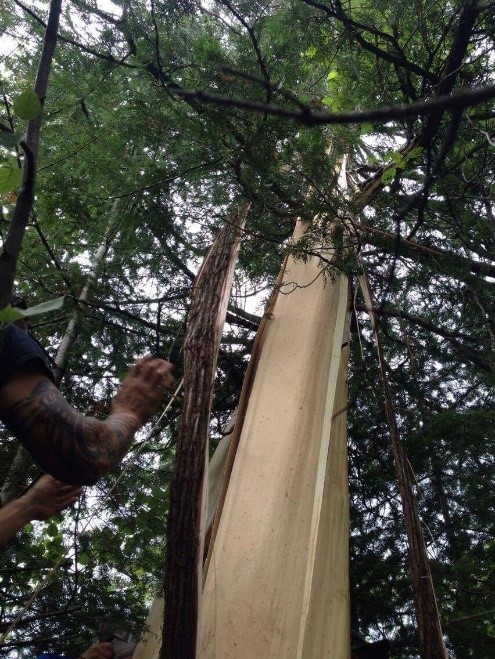
Fond du Lac Tribal and Community College Hosts Native Arts Workshops Based in Place
In the fall of 2017, Fond du Lac Tribal and Community College (FDLTCC) hosted a series of traditional Native Arts workshops that relied heavily on the surrounding environment for source materials to help produce a woven cedar mat. Using local resources and materials to create and revitalize traditional Native art forms is the essence of place-based education in the arts.
Pendleton® to Celebrate Native Heritage, Giving Tuesday Through Gift to College Fund from Blanket Sales
Pendleton Woolen Mills, Portland, Oregon, joins the nation in celebrating Native American Heritage Month, honoring the achievements and contributions of Native Americans. In tribute, Pendleton is honored to share the philanthropic ideal of Giving Tuesday to benefit the American Indian College Fund.
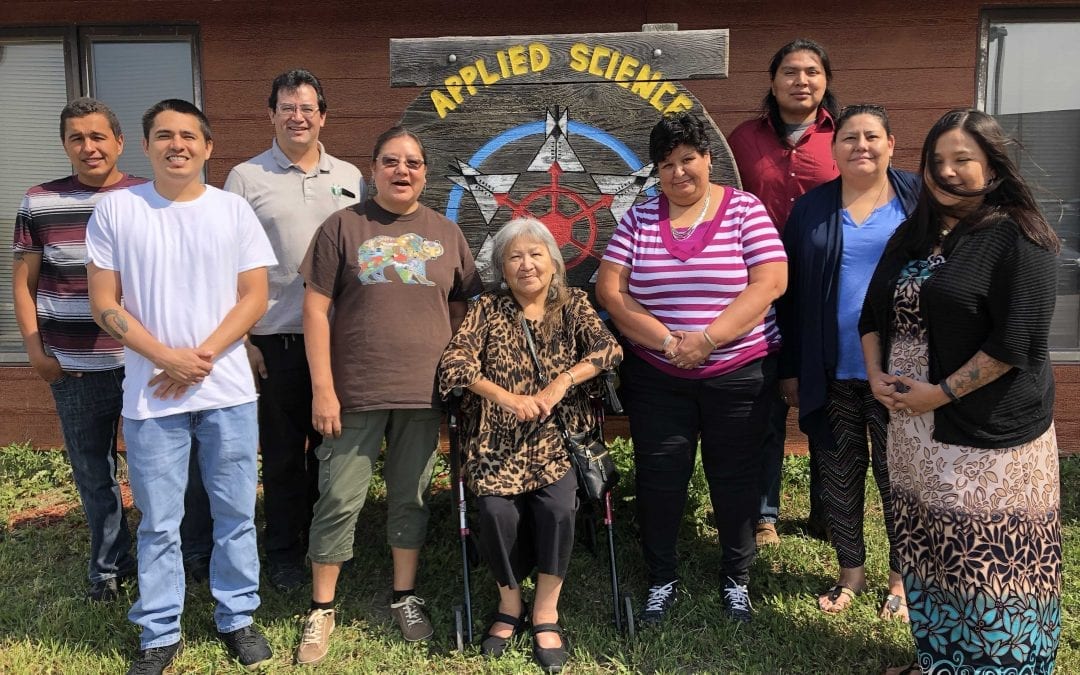
College Fund/Dollar General Remove Obstacles for Students Seeking GED
The Community Continuing Education/GED department of Oglala Lakota College is located on the Pine Ridge Indian Reservation of South Dakota. Oglala Lakota College is a decentralized campus with the main administrative buildings located six miles south of Kyle in South Dakota.
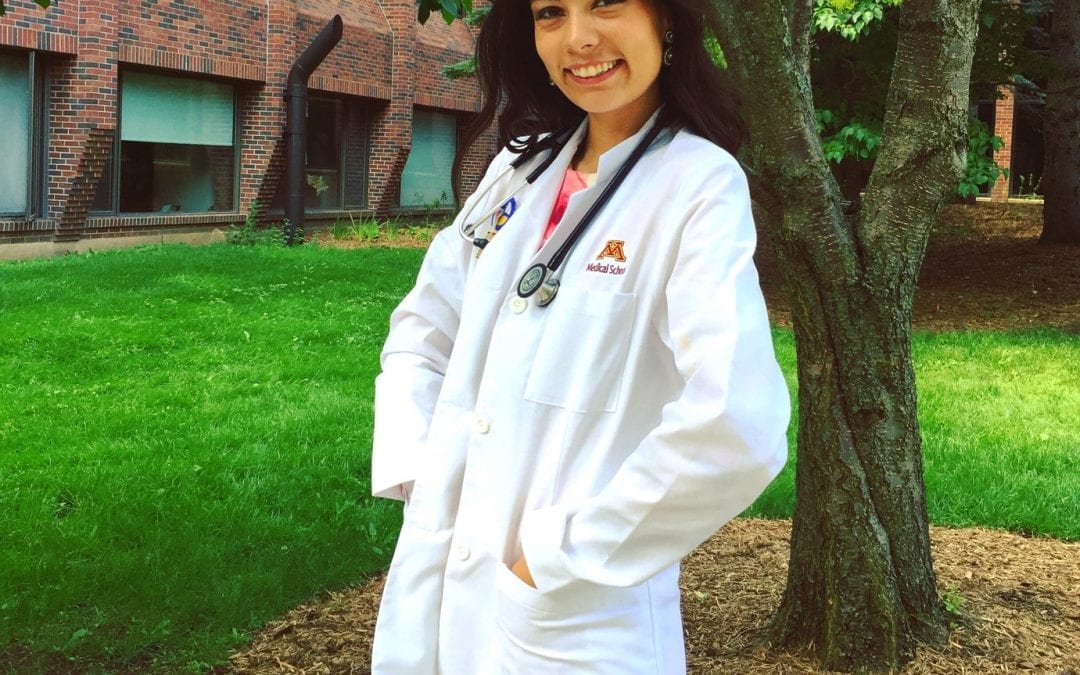
My Path to College and Medical School
Boozhoo (Hello)! My name is Shelbie Shelder and my tribe is the Little River Band of Ottawa Indians in Michigan. My clan is the Makwa (bear) clan. I grew up in Muskegon, Michigan, otherwise known as “Maskiiminong” (swamp).
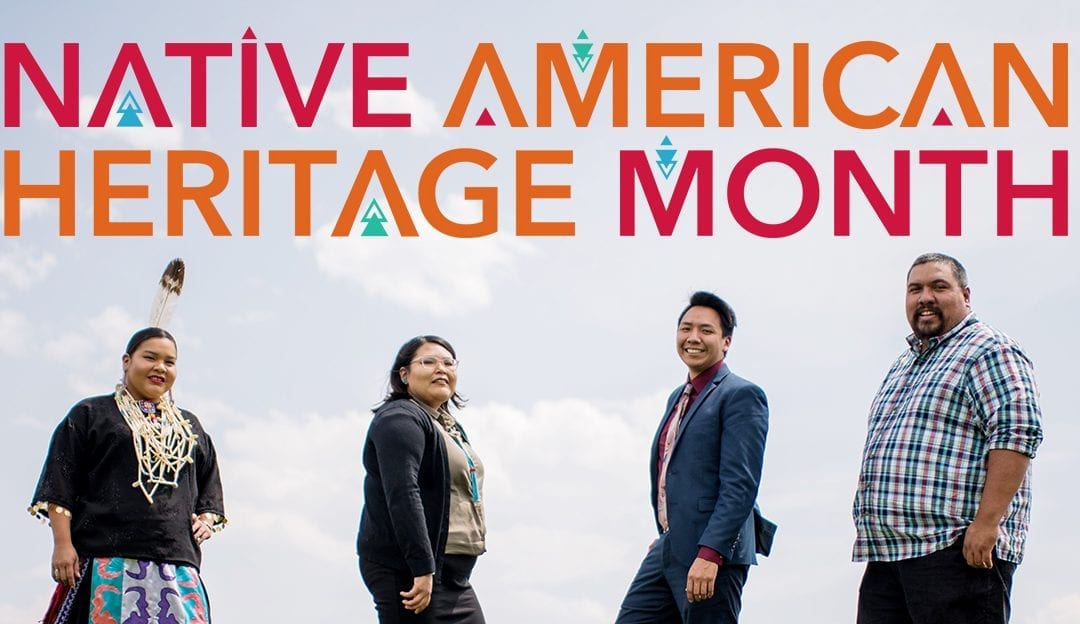
Celebrate Native American Heritage Month with Us!
Since the early 1990s, November has been set aside to recognize the significant contributions of first Americans to the establishment and growth of the United States.
For us at the American Indian College Fund, Native American Heritage Month is an opportunity to celebrate our students’ successes, their victories, and their contributions.
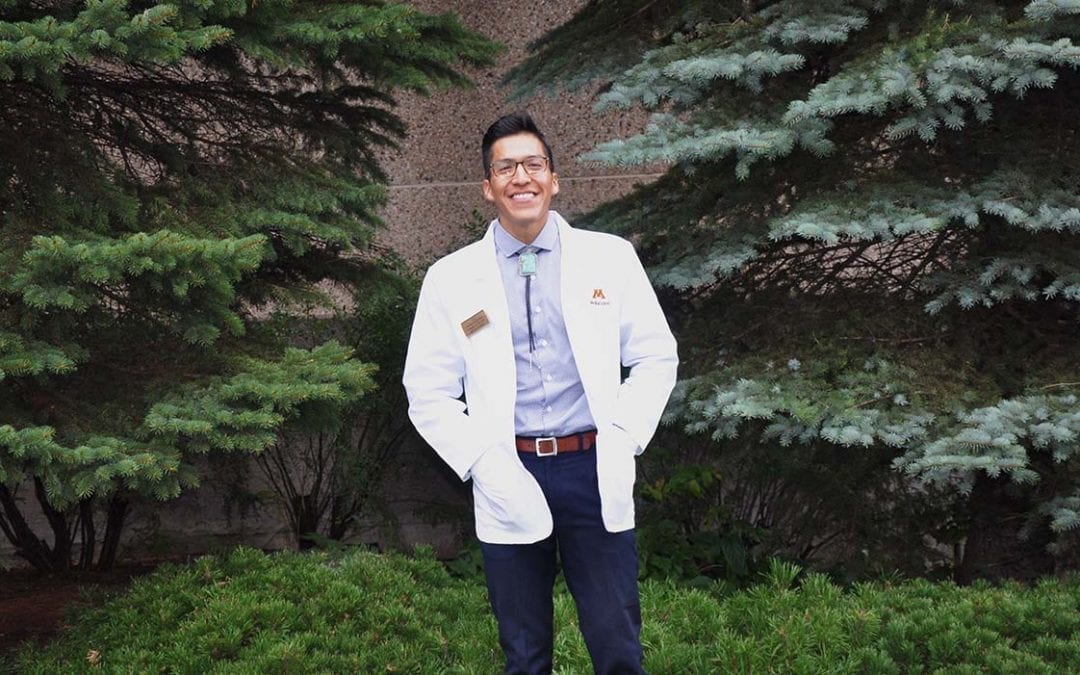
The Benefits of a Gap Year (or Years) Before Medical School
My name is Casey Smith and I am Diné (Navajo). My clans are Honágháanii (One Who Walks Around) and Tsi’naajinii (Black Streak Wood People). I grew up in New Mexico where the red rocks and sagebrush are bountiful, and moved to the luscious green (in summer) and frigid (in winter) climate of the Midwest where I am a third-year medical student at the University of Minnesota.
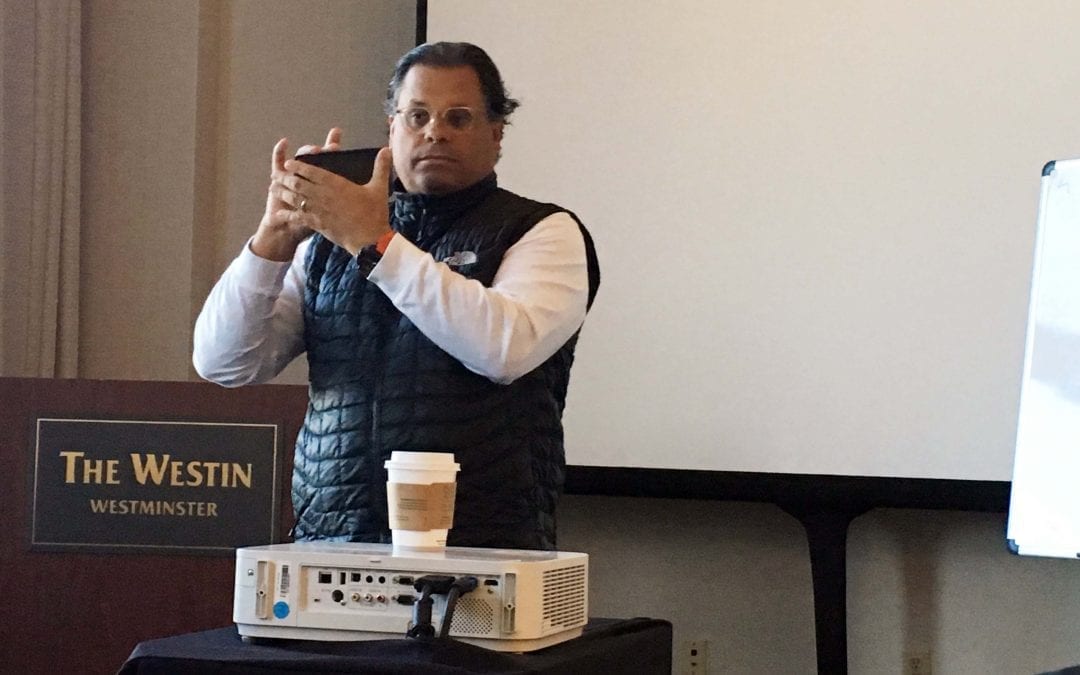
TCU Faculty and Staff: Getting Published
Dr. Bryan McKinley Jones Brayboy (Lumbee), the Borderlands Professor of Indigenous Education and Justice in the School of Social Transformation at Arizona State University, the Director of the Center for Indian Education, and co-editor of the Journal of American Indian Education, now in its 58th year, shared his tips with attendees at the TCU Faculty Intensive Writing Retreat October 26 in Colorado. By following Dr. Brayboy’s guidelines, you will be well on your way to publishing your work.
