
Planting the Seeds of Cultural Sustainability
April 22, 2026 | Student Ambassador Aiyanna Tanyan’s (Seminole Nation of Oklahoma) work to reclaim food sovereignty
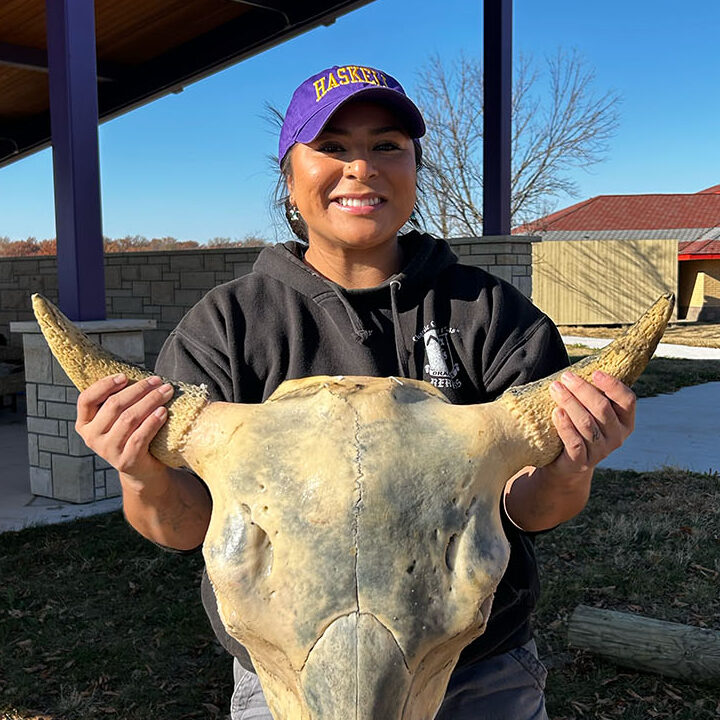
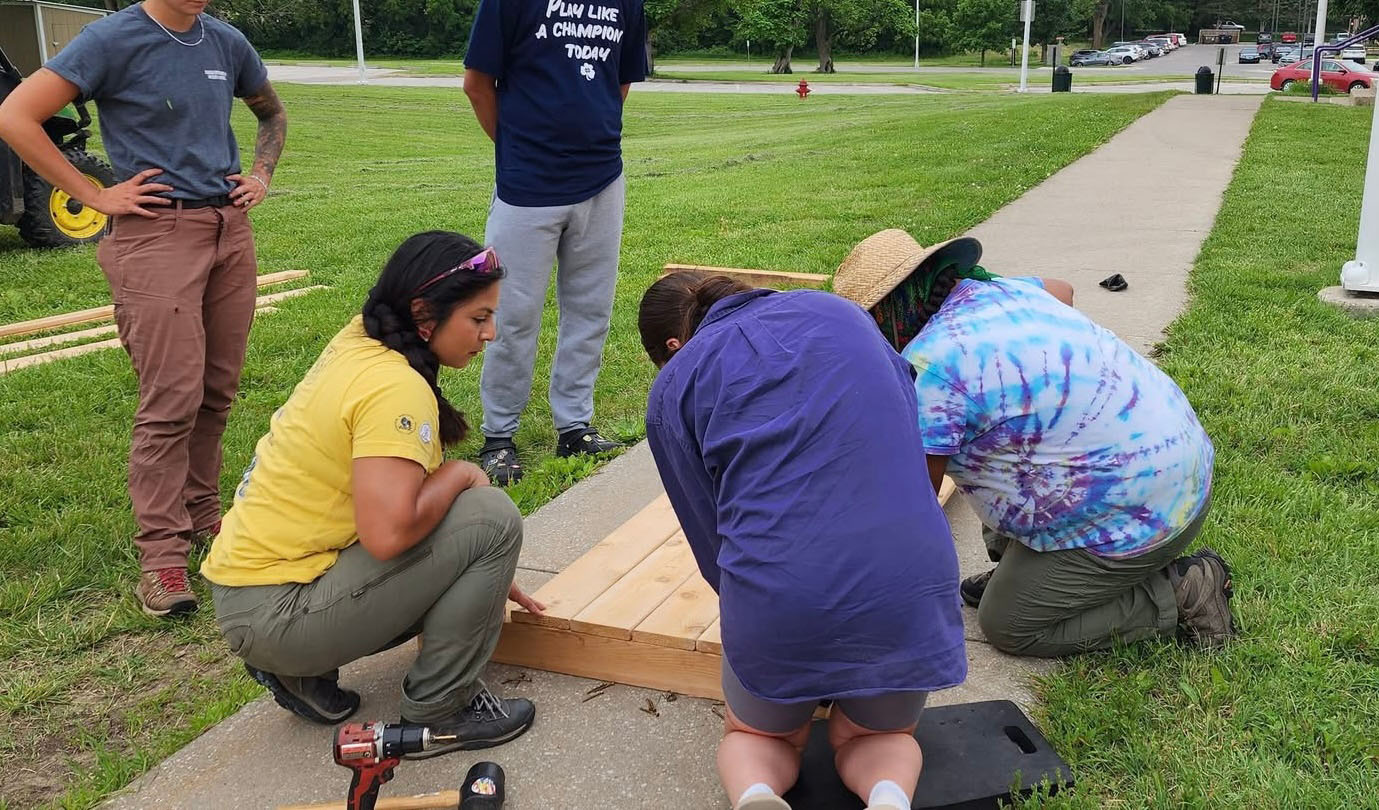
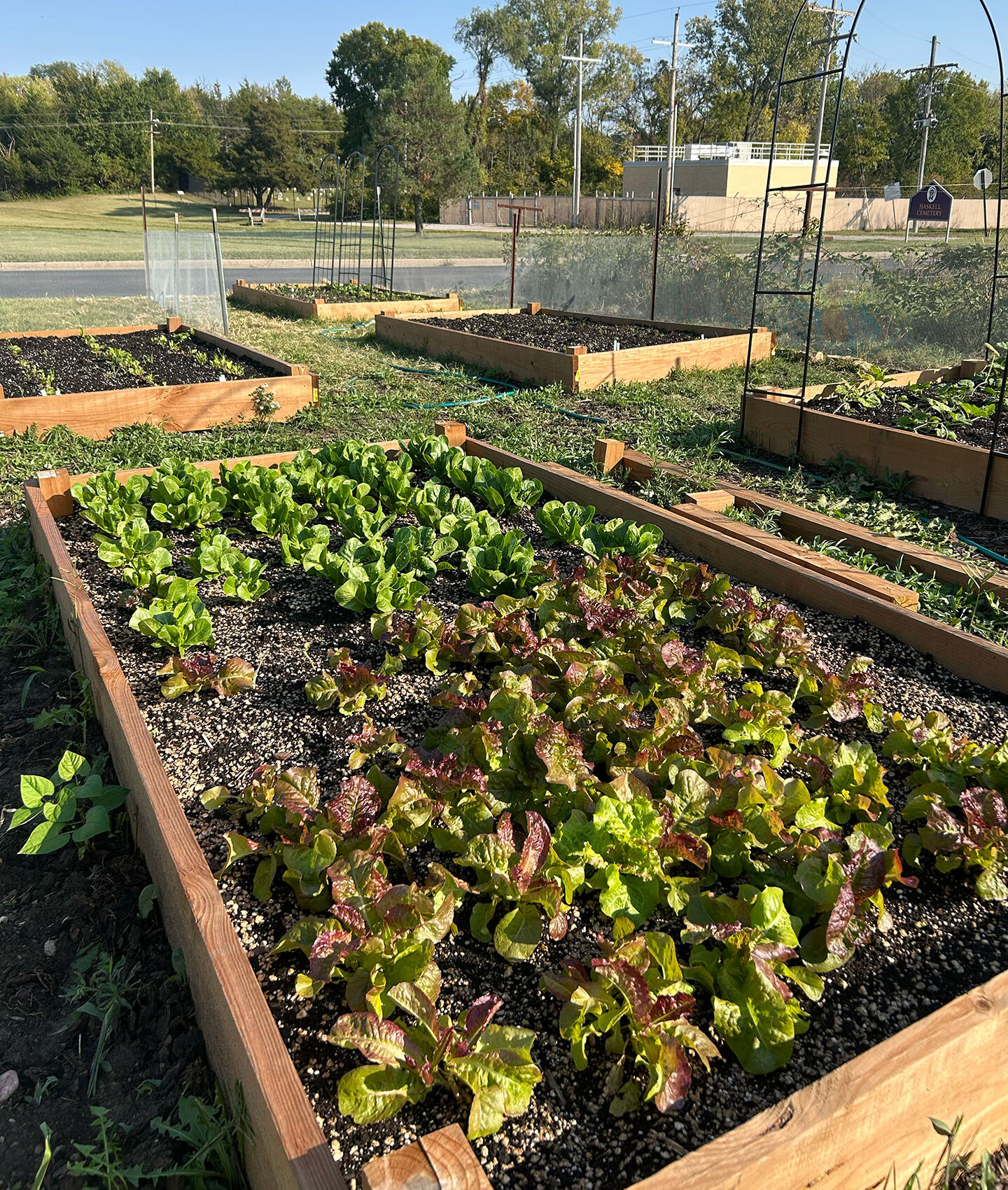
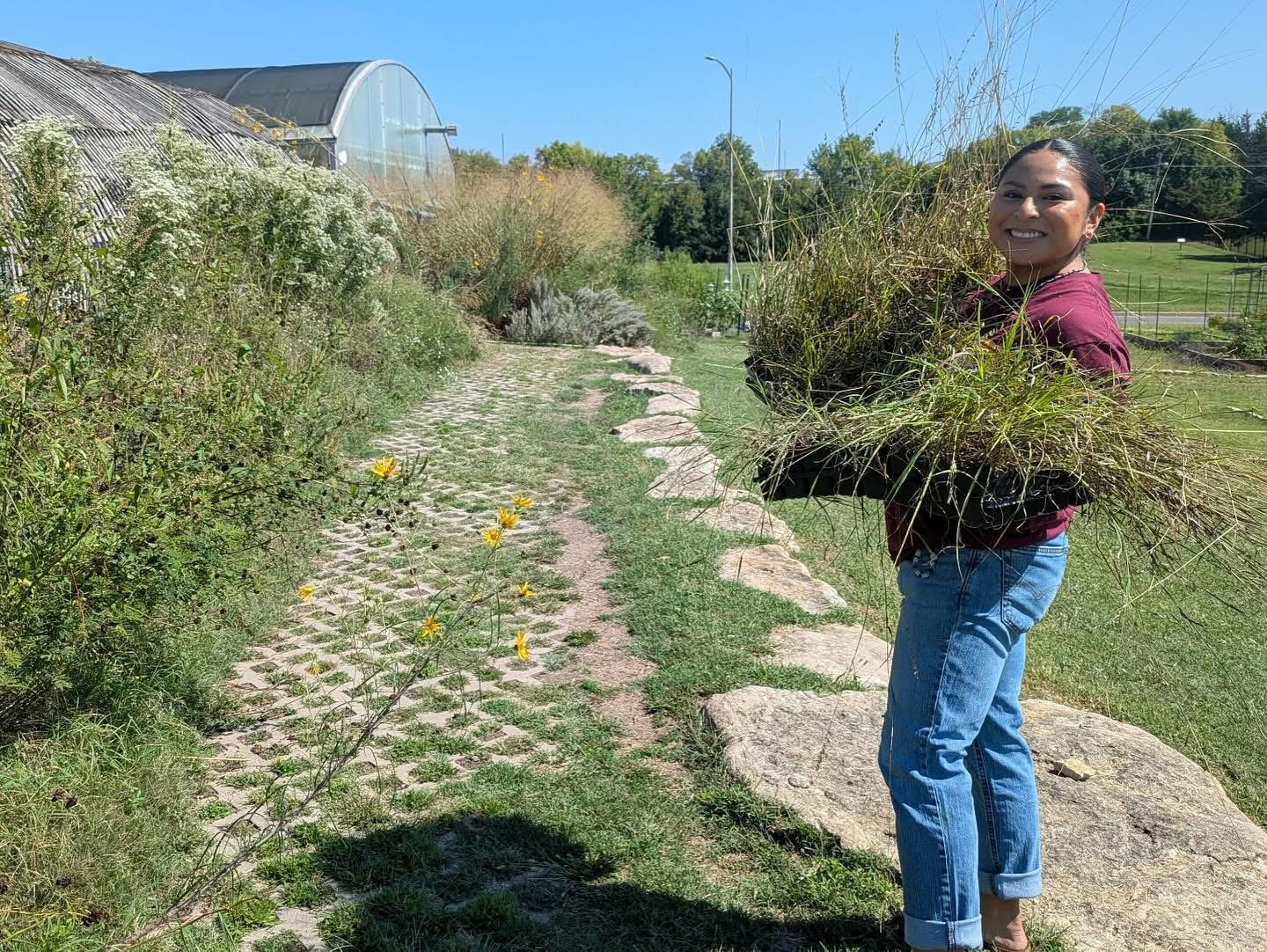
We came up with the idea of building raised garden beds near the dorms so students can easily access fresh foods and learn how to grow them themselves. Through support from the Haskell Greenhouse (funded through the USDA Equity Grant), we started building.
Last year was our first year doing this project and it was a learning experience as with many community-based projects, it comes with trial and error. However, that process taught us a lot about what works, what doesn’t, and how to build something more sustainable moving forward. This year, we’re continuing this work with stronger systems, more involvement, and a clearer vision.
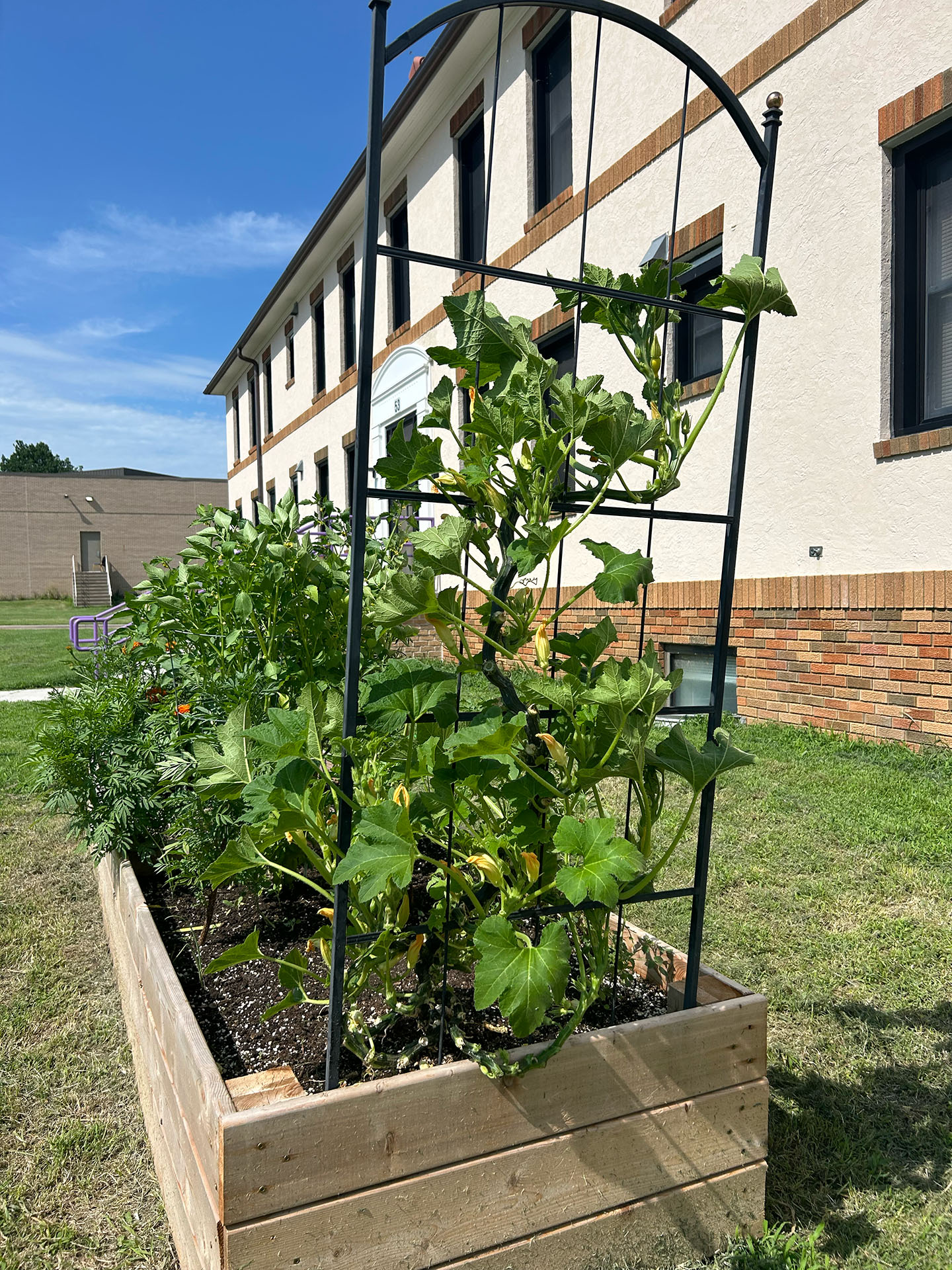
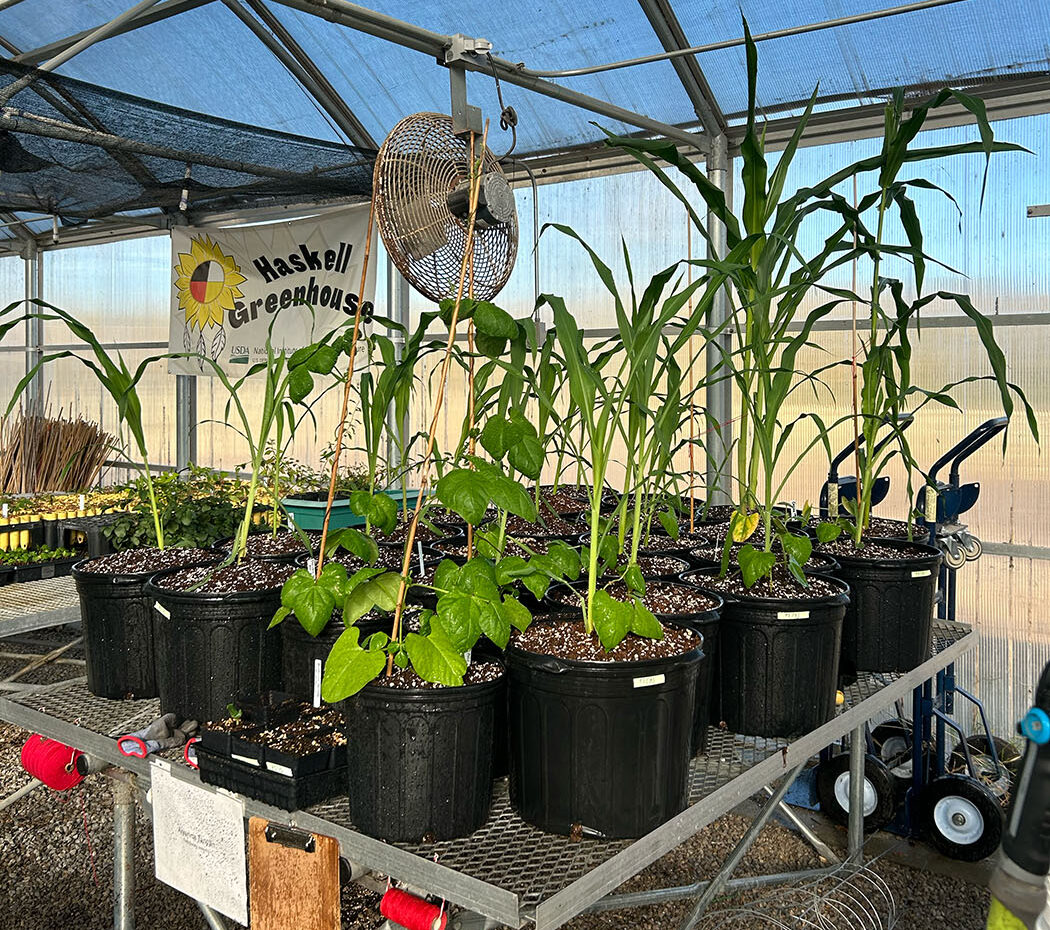
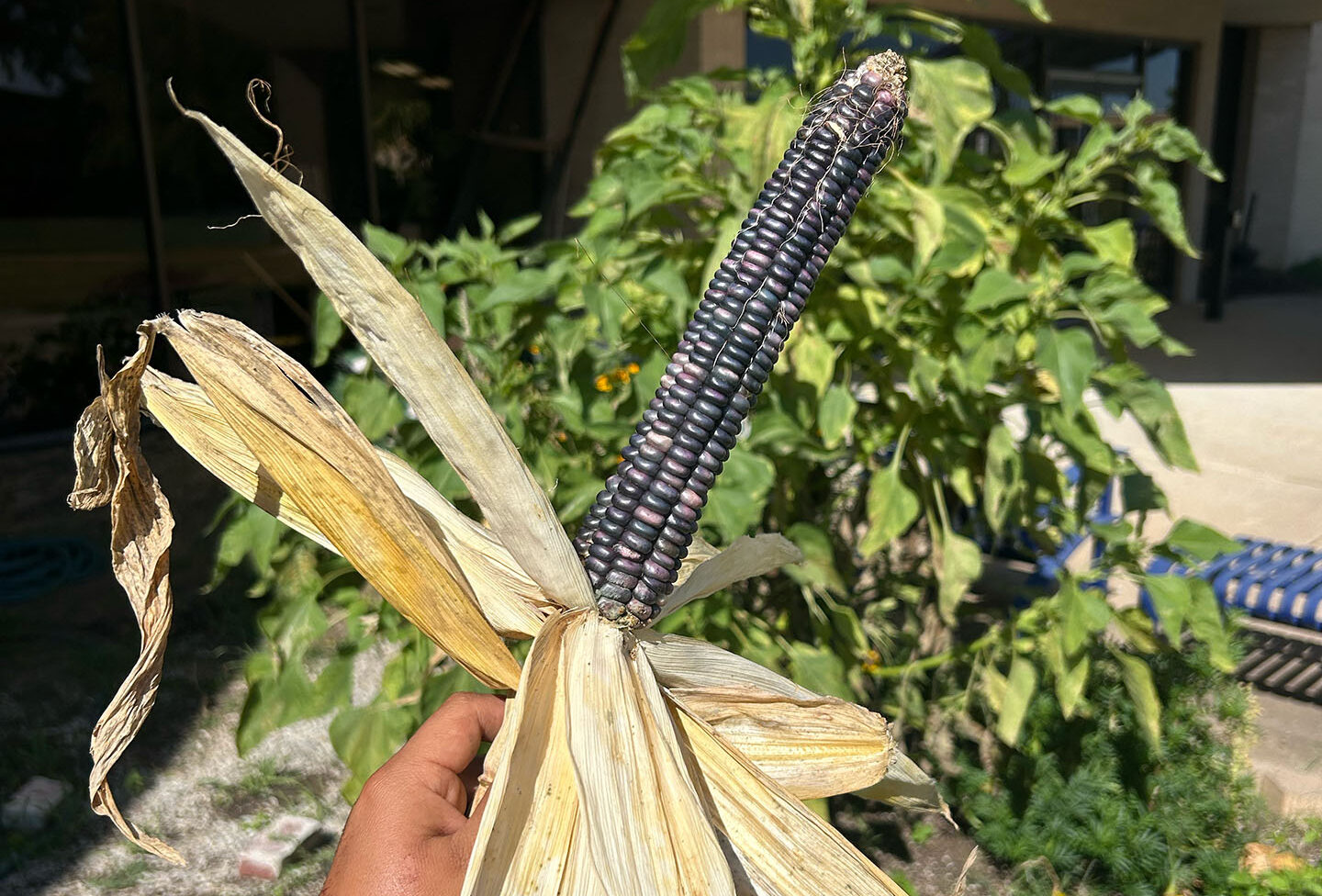
Everyone at the Haskell Greenhouse wants to help others learn, value, and view these spaces as places of teaching. I know they have taught me so much about responsibility and our relationship with the environment. Through these projects, we’re helping students reconnect with the land and understand the importance of food sovereignty for Indigenous communities. This work is ongoing, and we’re still learning. Every seed planted, and every workday shared brings us one step closer to a more sustainable and connected future.
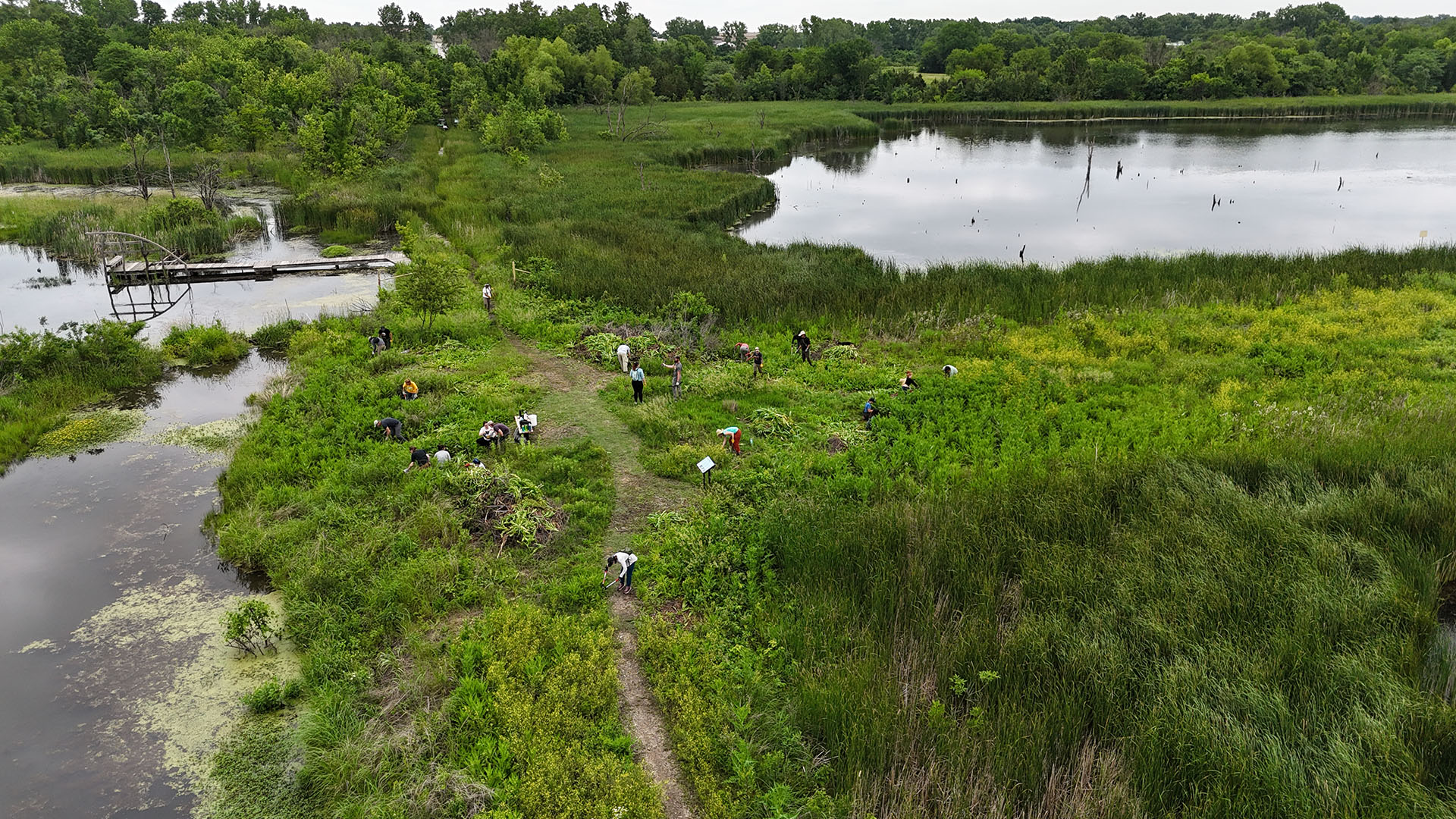
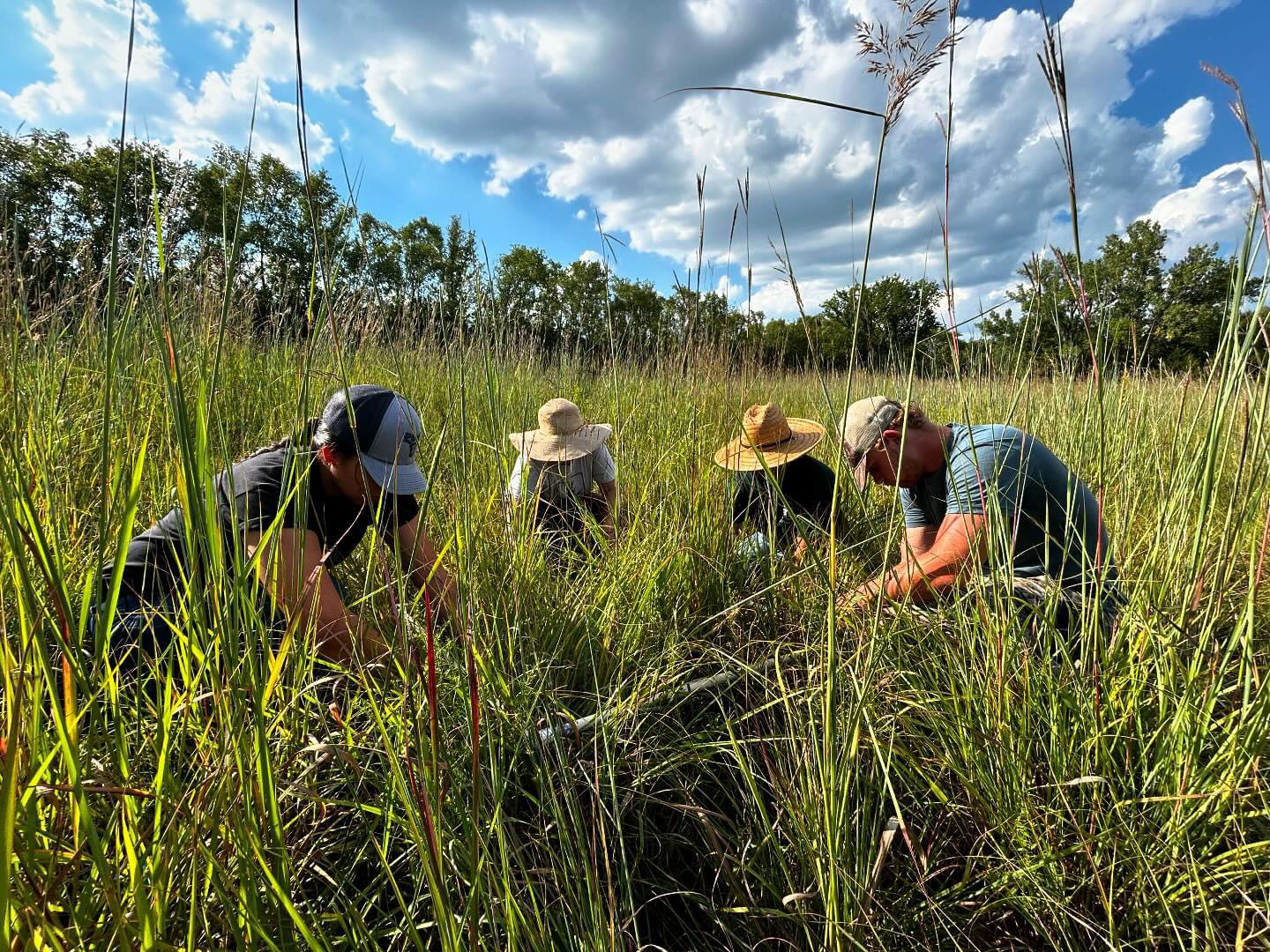
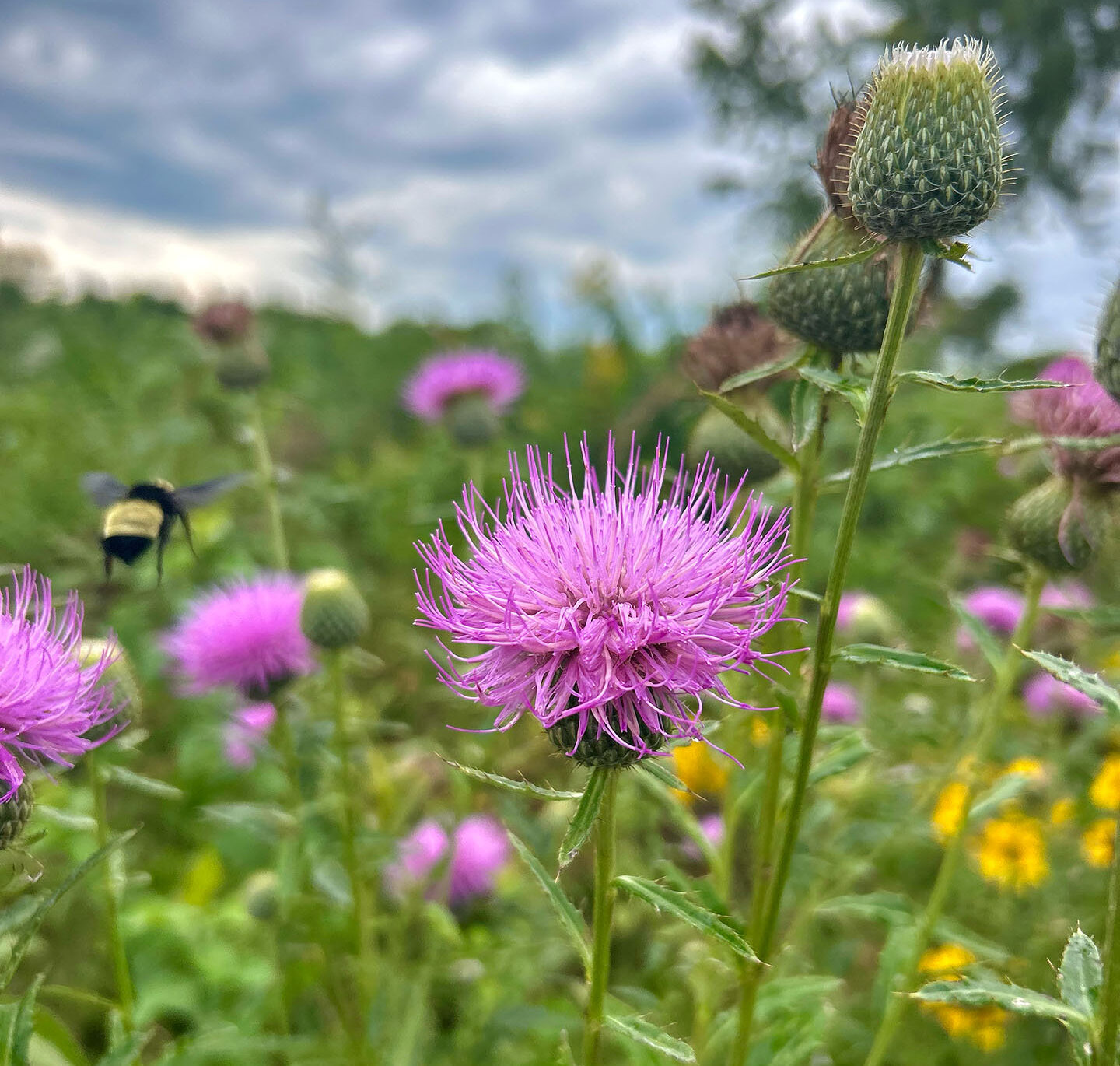
In Caring for Our Kin: Stories of Indigenous Environmental Stewardship, the College Fund shares the stories of Indigenous environmental leaders who are centering kinship and relational knowledge to build healthy ecological systems. These stories remind us that caring for the Earth means caring for one another—and that Indigenous knowledge systems continue to offer guidance, resilience, and hope for the future.
Learn more about our Environmental Stewardship Program.
Ekvnv Vcayecet. Mvto!
(Take care of the Earth/Land. Thank you)
More Blogs
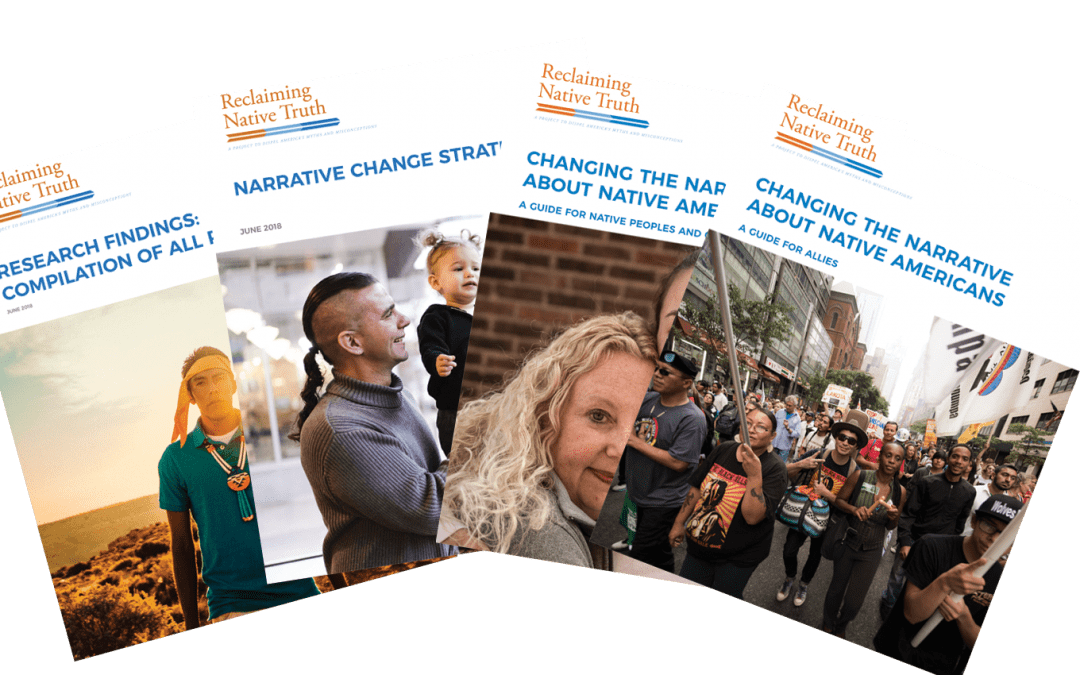
Study Explores Public Perceptions of Native People
We are excited to share the groundbreaking research findings and messaging guidelines from “Reclaiming Native Truth: A Project to Dispel America’s Myths and Misconceptions.” Chery Crazy Bull, President and CEO of the American Indian College Fund, participated as an advisory committee member.
Statement on Forced Separation of Immigrant Children from Their Families
American Indians know the inter-generational psychological trauma that follows when children are removed from their families. Native children were forcibly taken from their parents by the U.S. government and were forced to attend boarding schools far away, losing their language, culture, and family ties, creating deep wounds.
Building Sustainability Through Cultural Revival
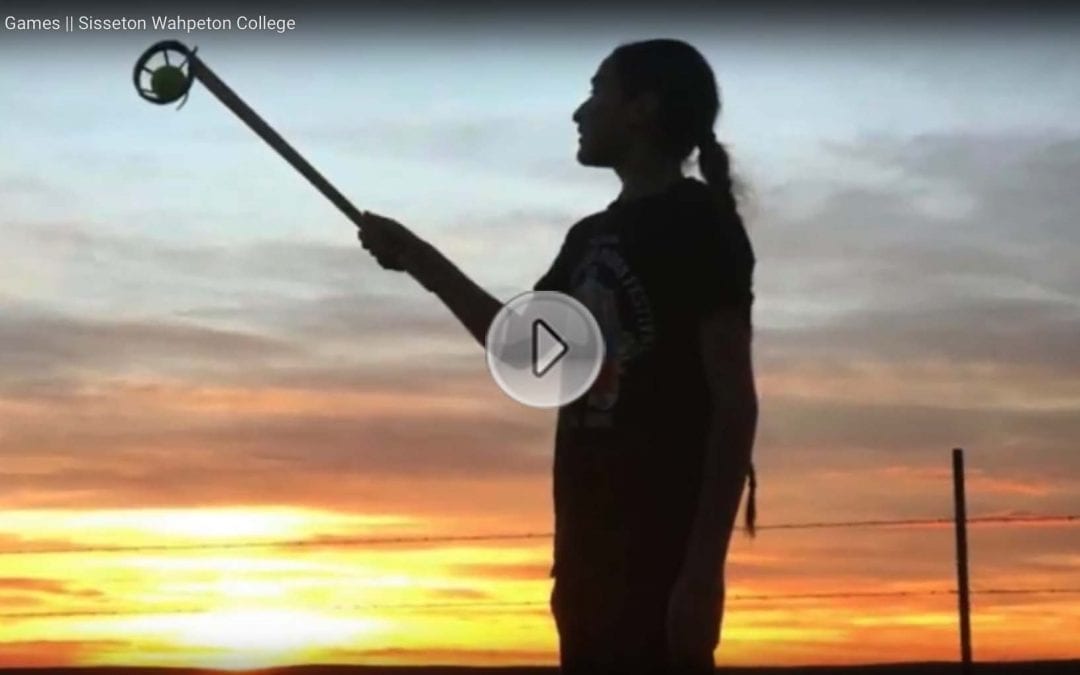
Envisioning a sustainable community can be a difficult and complex task. Students at Sisseton Wahpeton College (SWC) are learning about how to handle it with ease, however, including defining, envisioning, and building sustainability for future generations.
College Fund Launches LGBTQ Awareness Initiative with Webinar Series
The American Indian College Fund created the LGBTQ webinar series to provide a resource for all tribal colleges and universities (TCUs) on awareness and understanding of campus climate, identity, and current College Fund initiatives.
Place-Based Learning as a Framework for Building Native Student Success
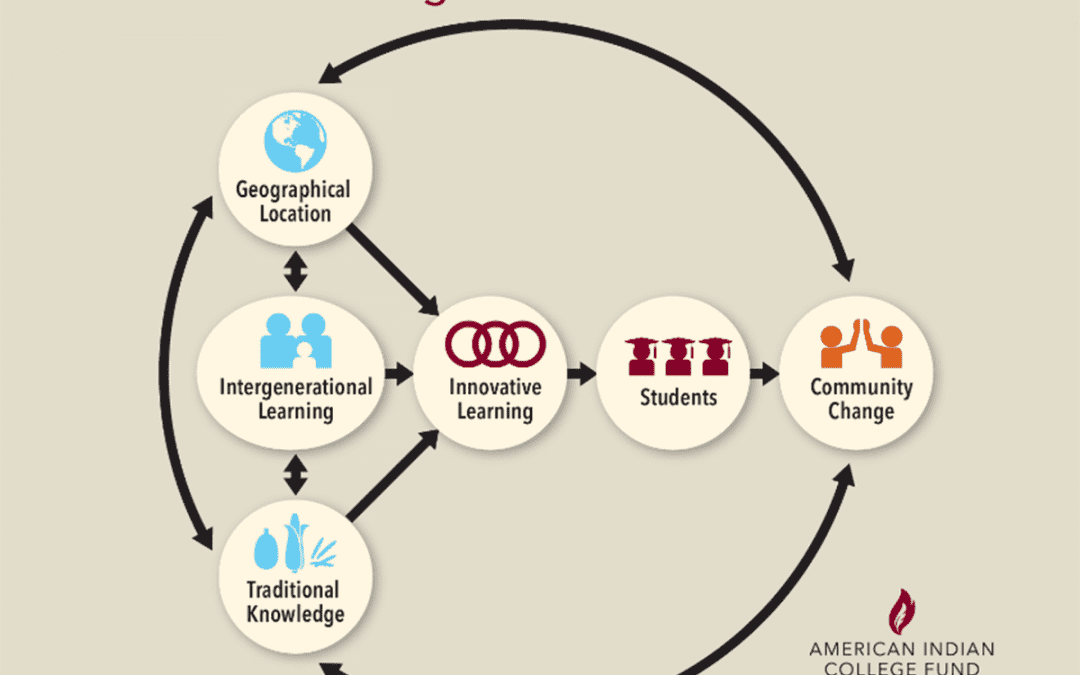
This is a collaborative series developed by the College Fund’s Environmental Sustainability, Native Arts and Early Childhood Education program initiatives. This is the first blog of a six-part series focused on place-based education.
Teamwork Helps Tohono O’odham Students Make College a Reality
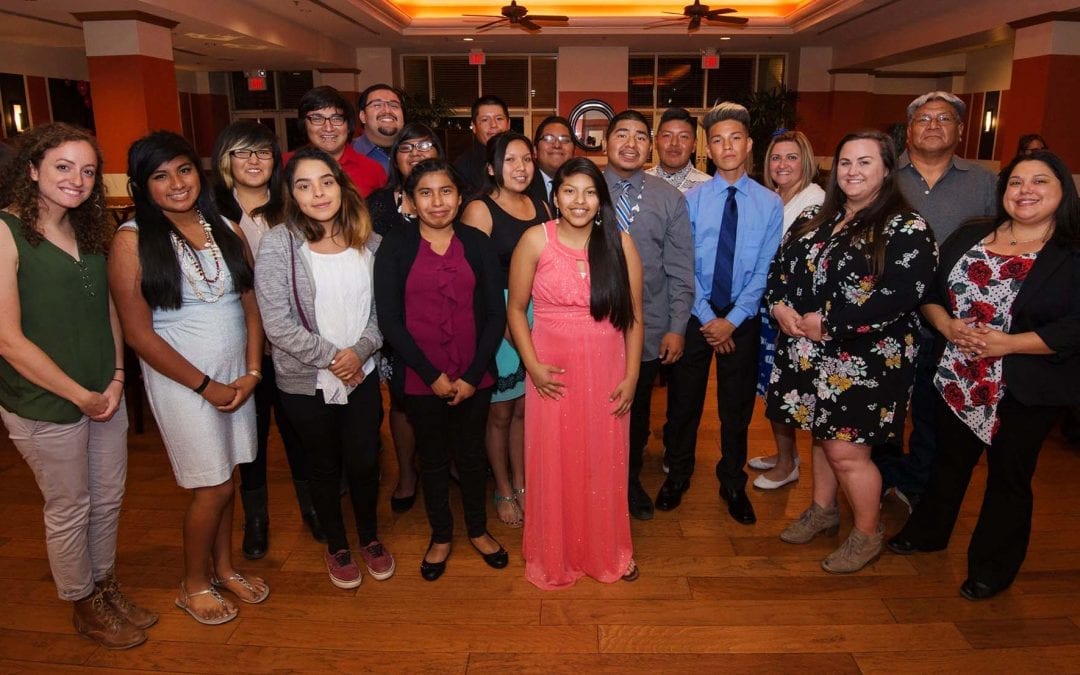
A team of staff at Tohono O’odham Community College (TOCC) and local high schools, led by Daniel Sestiaga Jr. at TOCC, has helped nearly 100 students prepare for and college success thanks to a grant from the American Indian College Fund and AT&T.
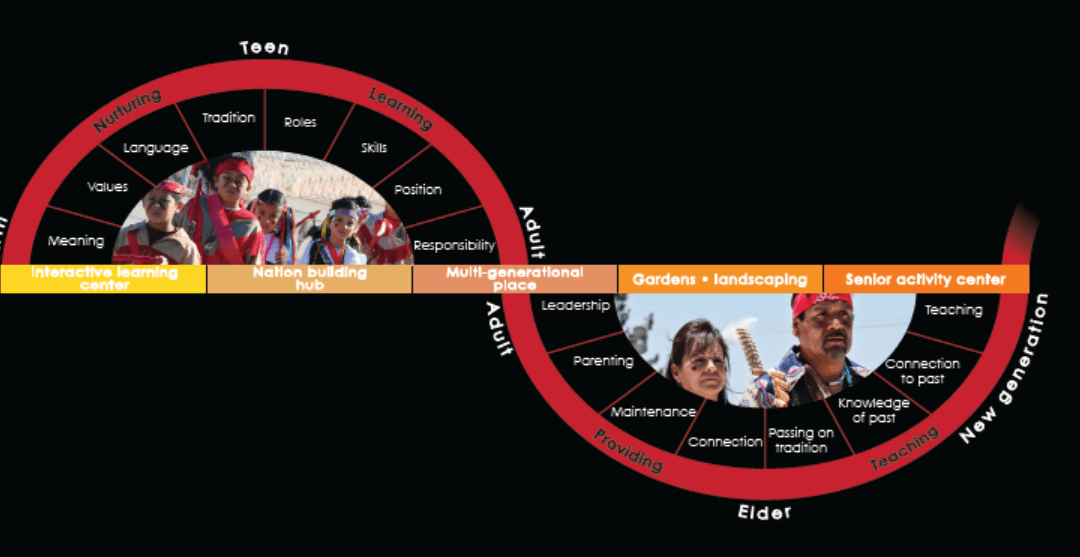
University of New Mexico’s – Indigenous Design and Planning Institute
The Indigenous Design and Planning Institute (iD+Pi) at the University of New Mexico was established on the belief that Indigenous communities should benefit from the best practices that design and planning have to offer in a manner that is culturally informed.
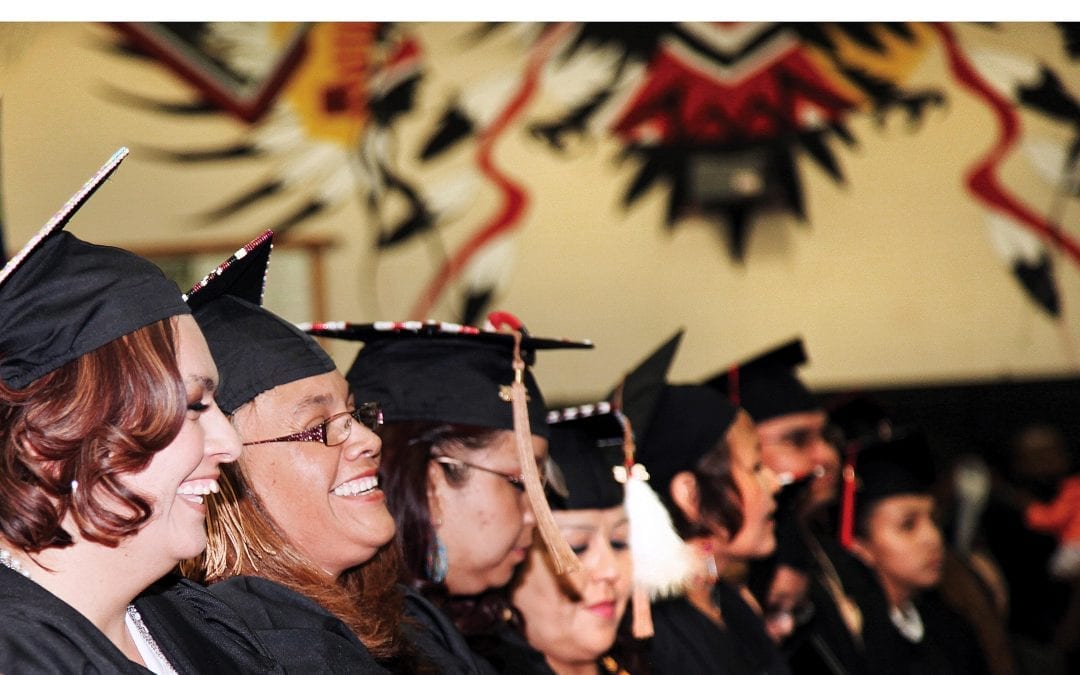
Two Native Americans Detained on Colorado Campus Tour, American Indian College Fund Urges Colleges to Make Institutions Welcoming
The story of two young Native American men detained by CSU Campus Police after a nervous parent called to report them has been in the news. The American Indian College Fund is urging education institutions to take steps to make their campuses welcoming for Native people and other people of color.
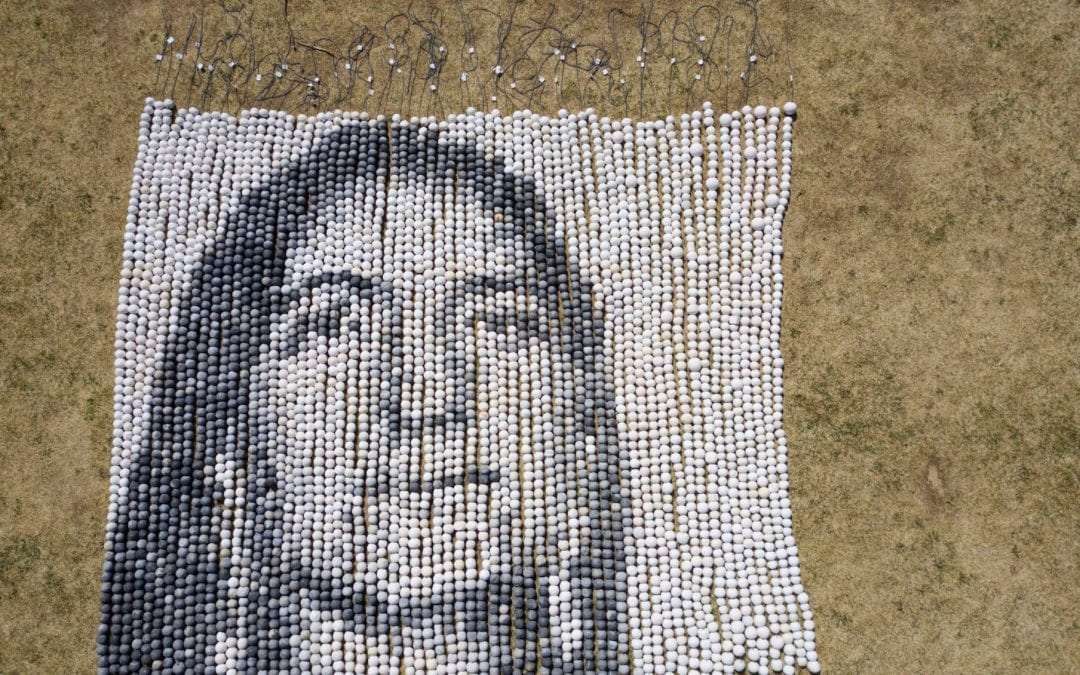
Native Artist to Debut Crowdsourced Art Project Highlighting Murdered and Missing Indigenous People
The Denver-based American Indian College Fund, a non-profit organization providing scholarships and programs supporting Native American higher education, is thrilled to announce that former scholarship recipient and tribal college graduate Cannupa Hansker Luger has organized an art exhibit with several contemporary artists to explore the interconnectedness of the human story.
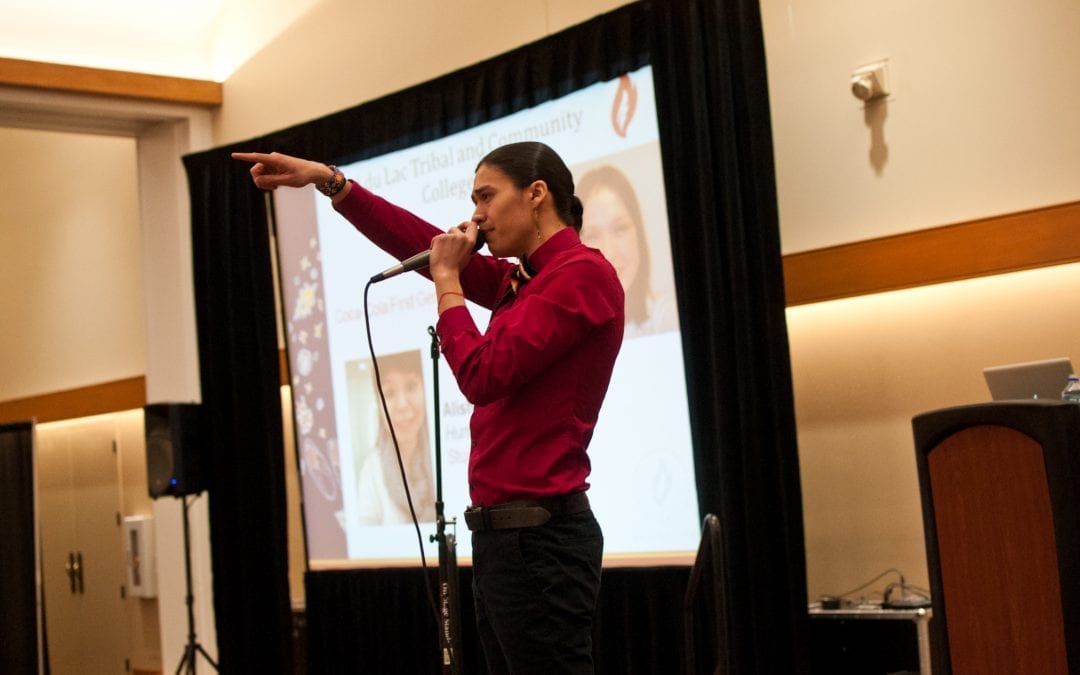
Frequently Asked Questions About Our Scholarships
Visit our scholarships page and evaluate the scholarship categories (undergraduate attending a tribal college, undergraduate attending a mainstream college, or graduate student) to click “How to Apply” begin the application process.
