
Planting the Seeds of Cultural Sustainability
April 22, 2026 | Student Ambassador Aiyanna Tanyan’s (Seminole Nation of Oklahoma) work to reclaim food sovereignty
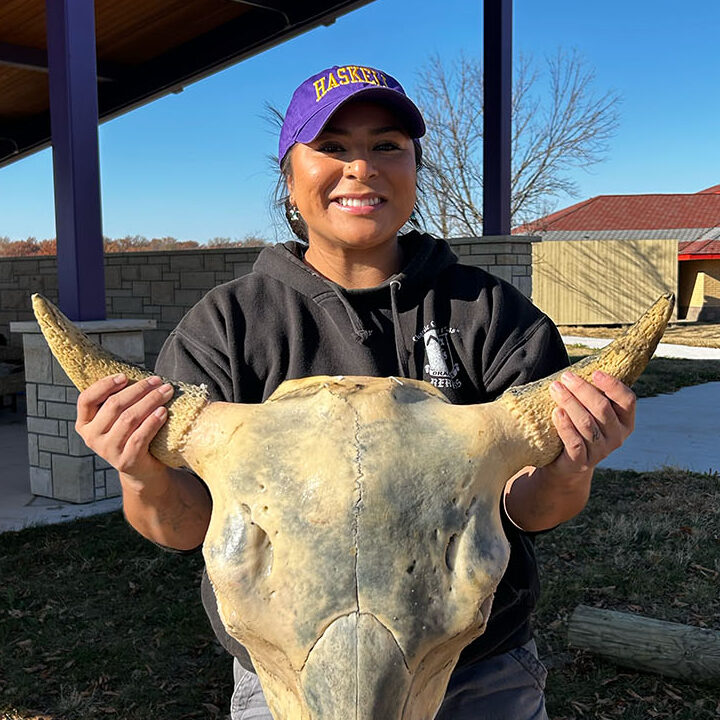
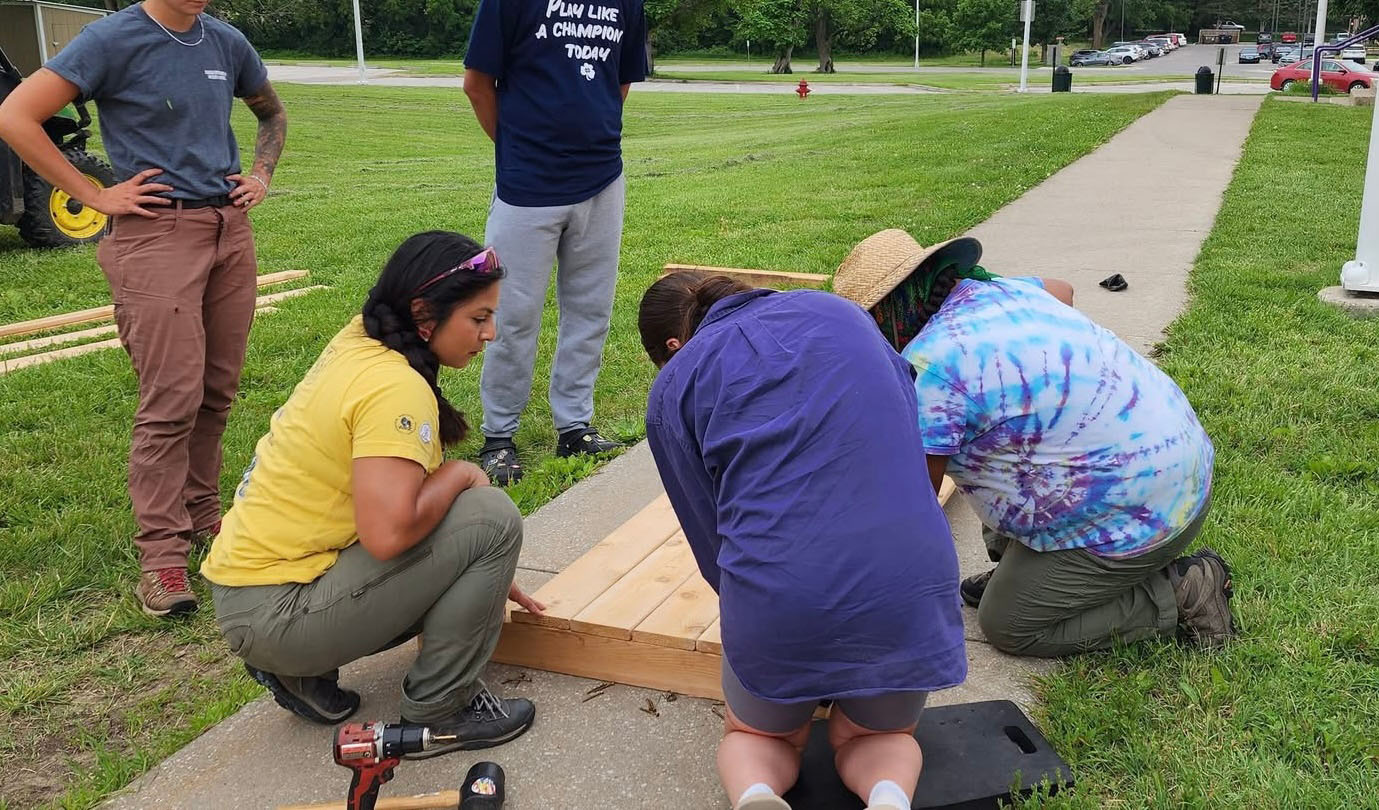
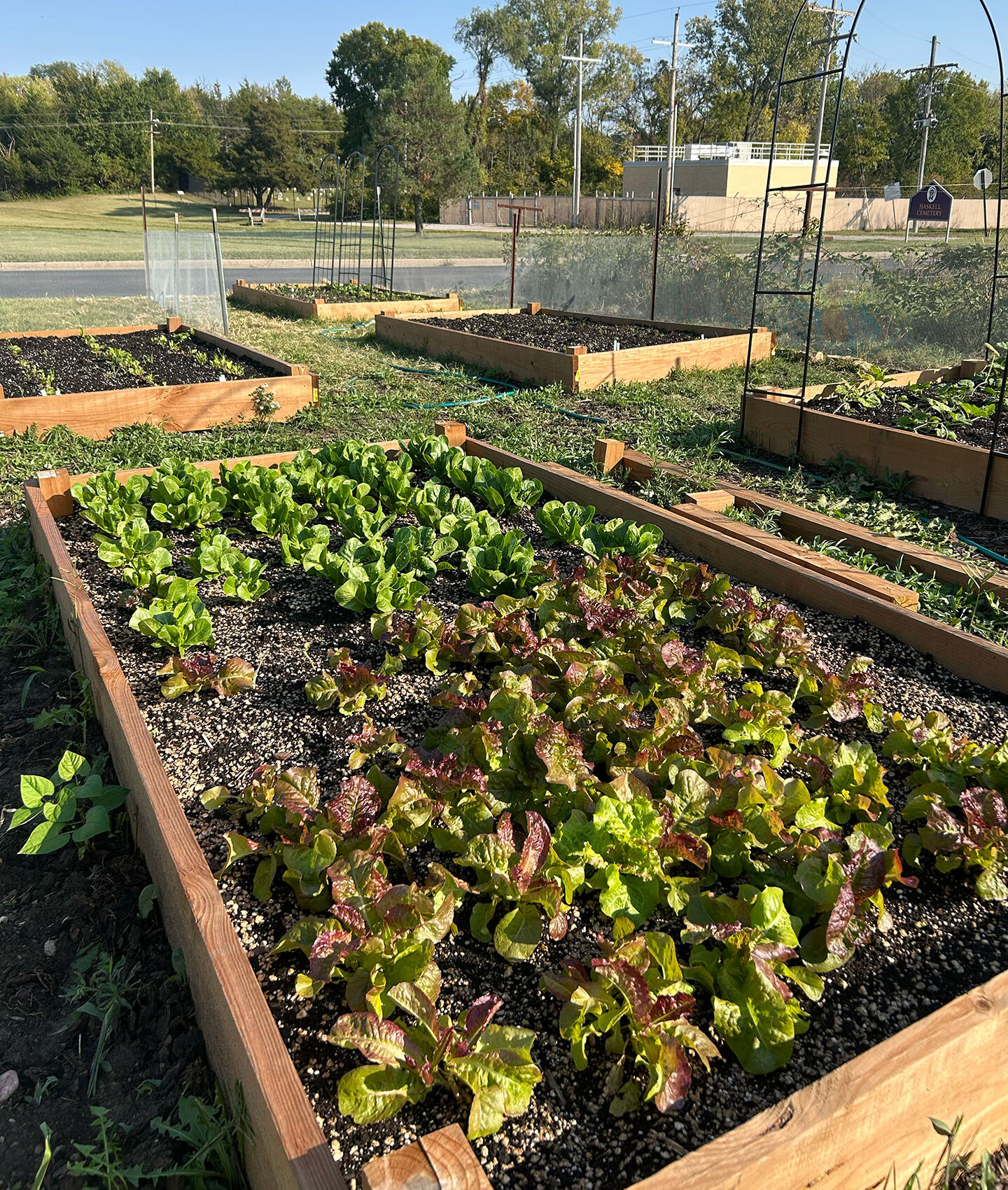
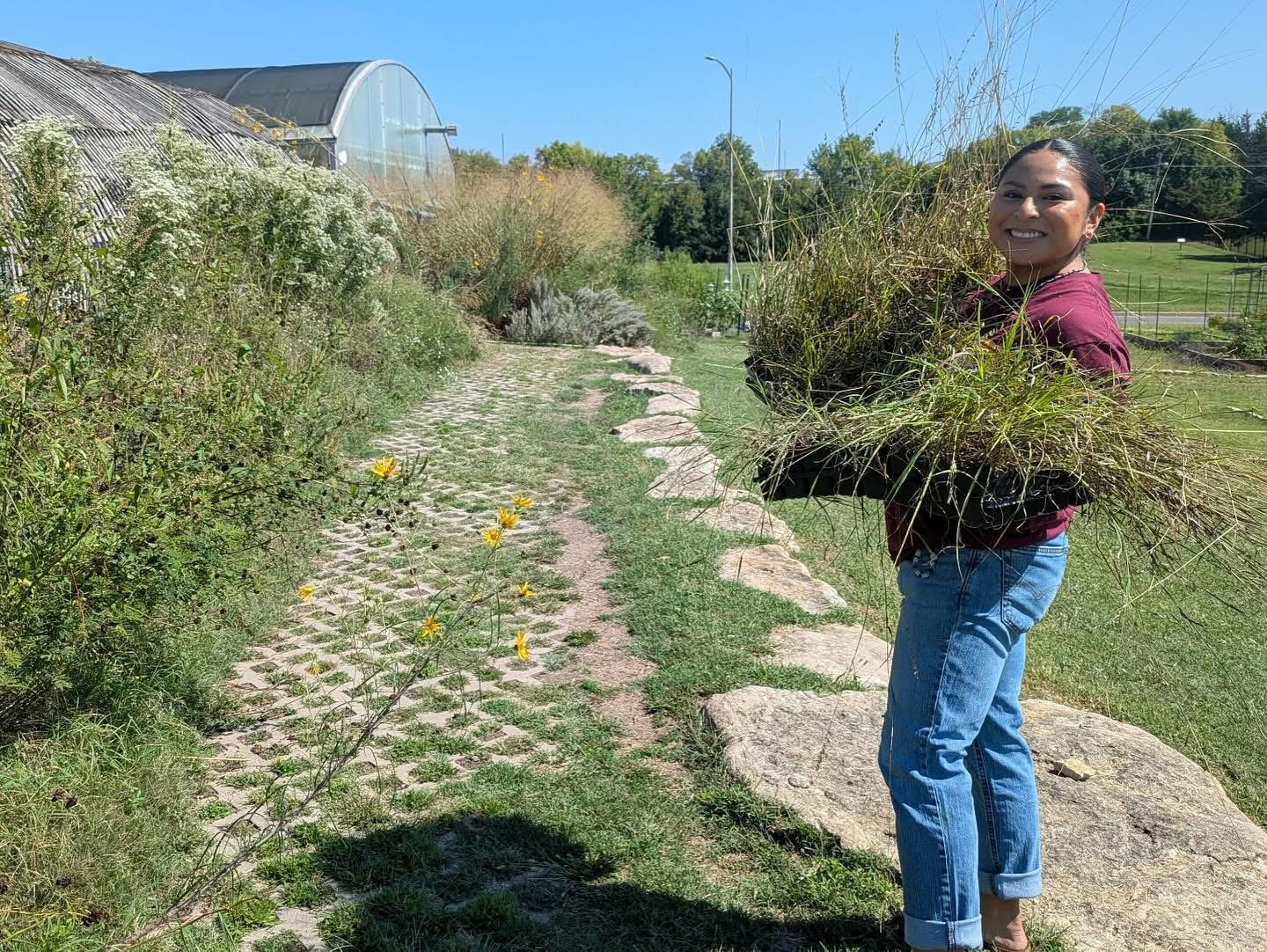
We came up with the idea of building raised garden beds near the dorms so students can easily access fresh foods and learn how to grow them themselves. Through support from the Haskell Greenhouse (funded through the USDA Equity Grant), we started building.
Last year was our first year doing this project and it was a learning experience as with many community-based projects, it comes with trial and error. However, that process taught us a lot about what works, what doesn’t, and how to build something more sustainable moving forward. This year, we’re continuing this work with stronger systems, more involvement, and a clearer vision.
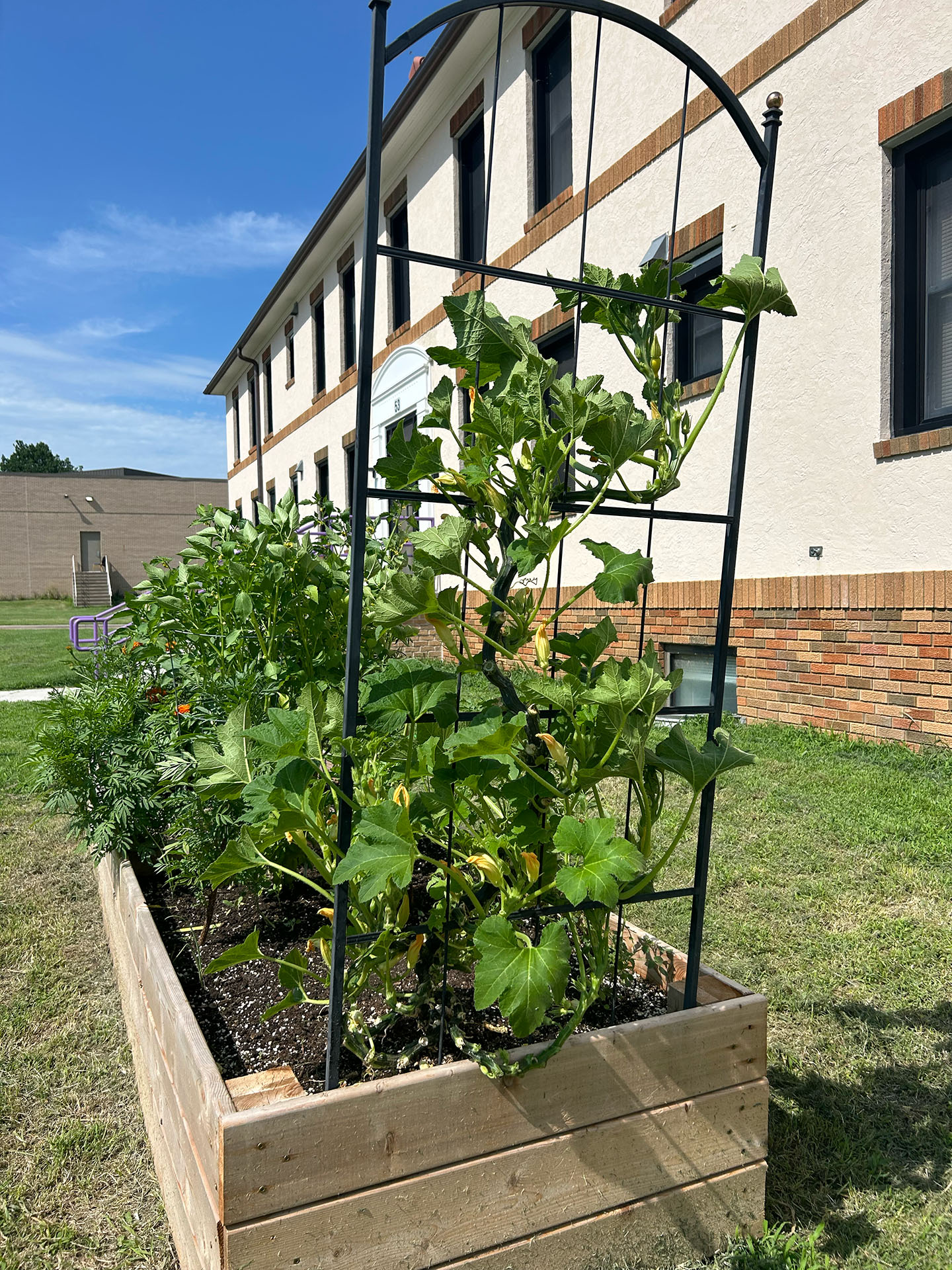
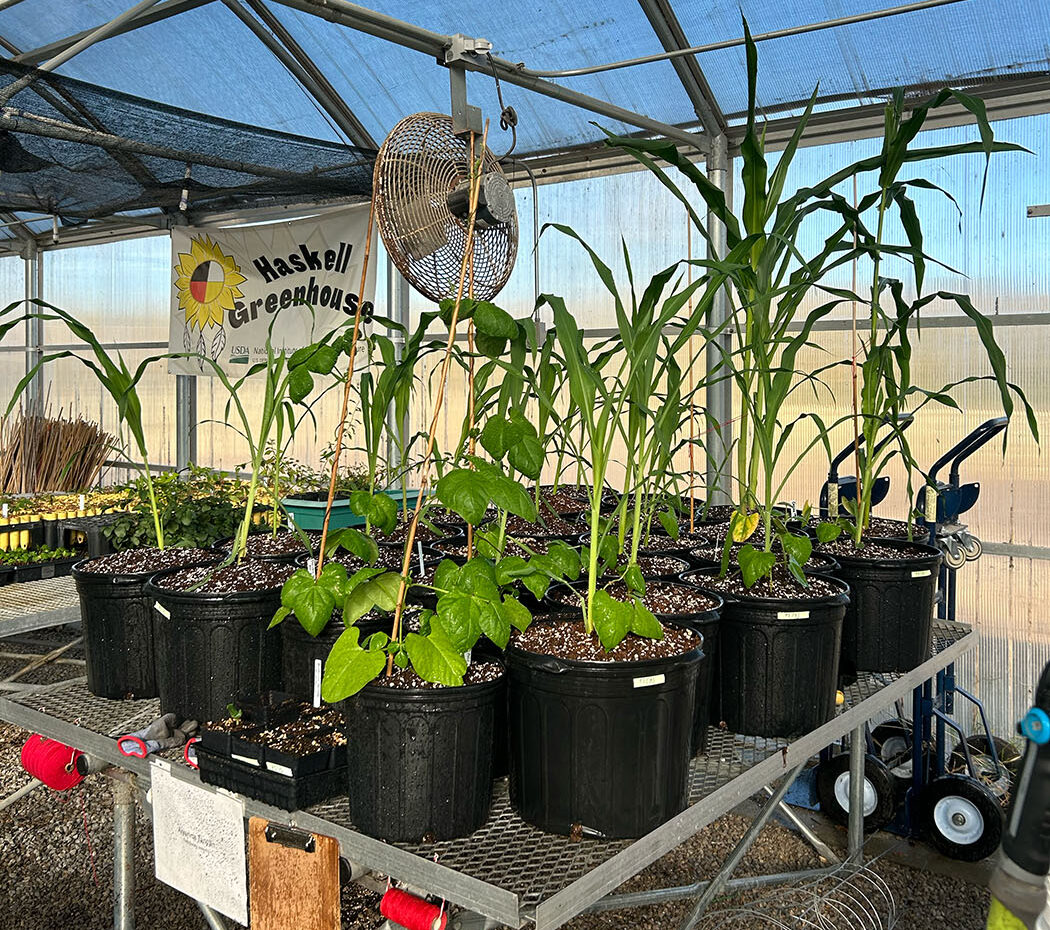
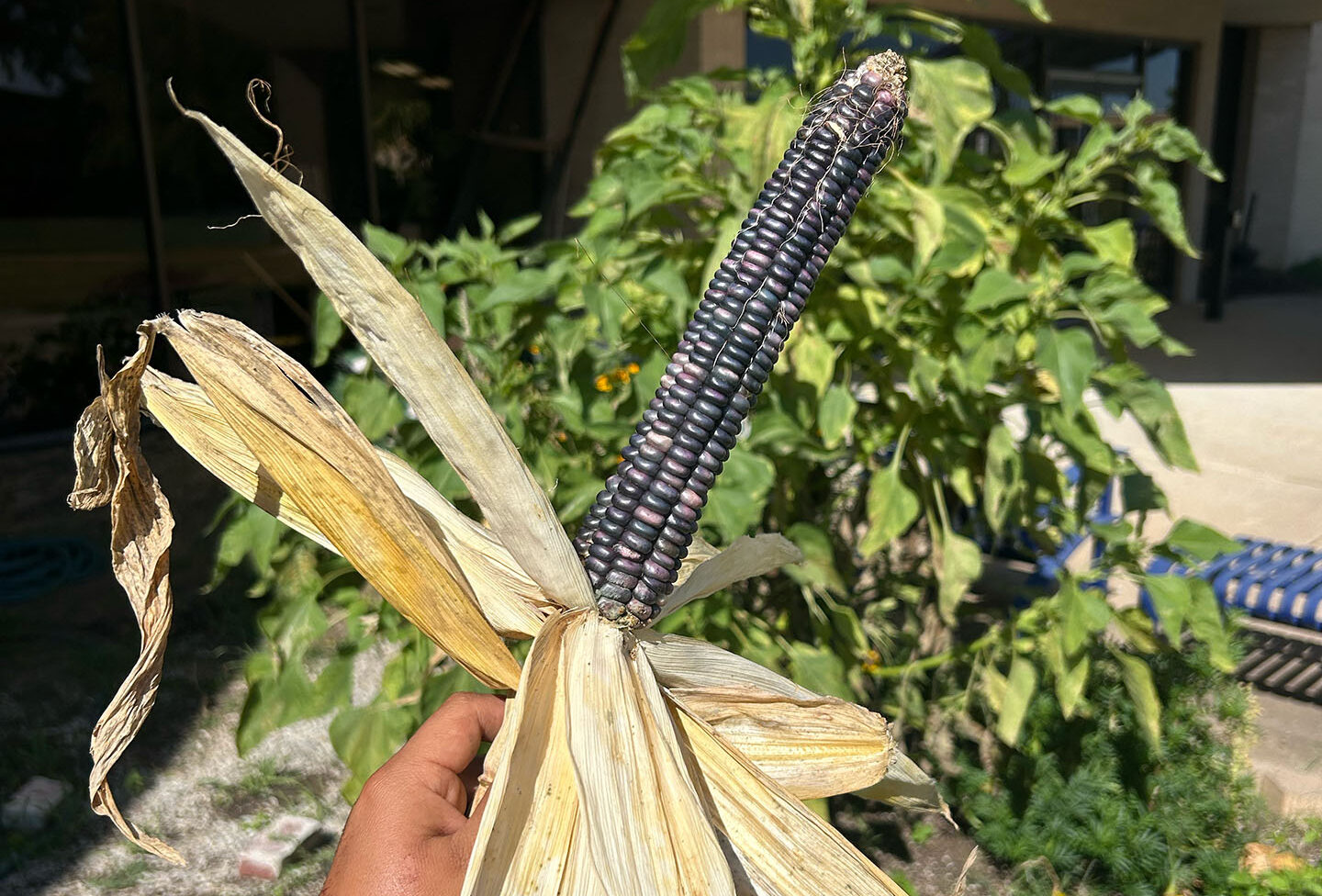
Everyone at the Haskell Greenhouse wants to help others learn, value, and view these spaces as places of teaching. I know they have taught me so much about responsibility and our relationship with the environment. Through these projects, we’re helping students reconnect with the land and understand the importance of food sovereignty for Indigenous communities. This work is ongoing, and we’re still learning. Every seed planted, and every workday shared brings us one step closer to a more sustainable and connected future.
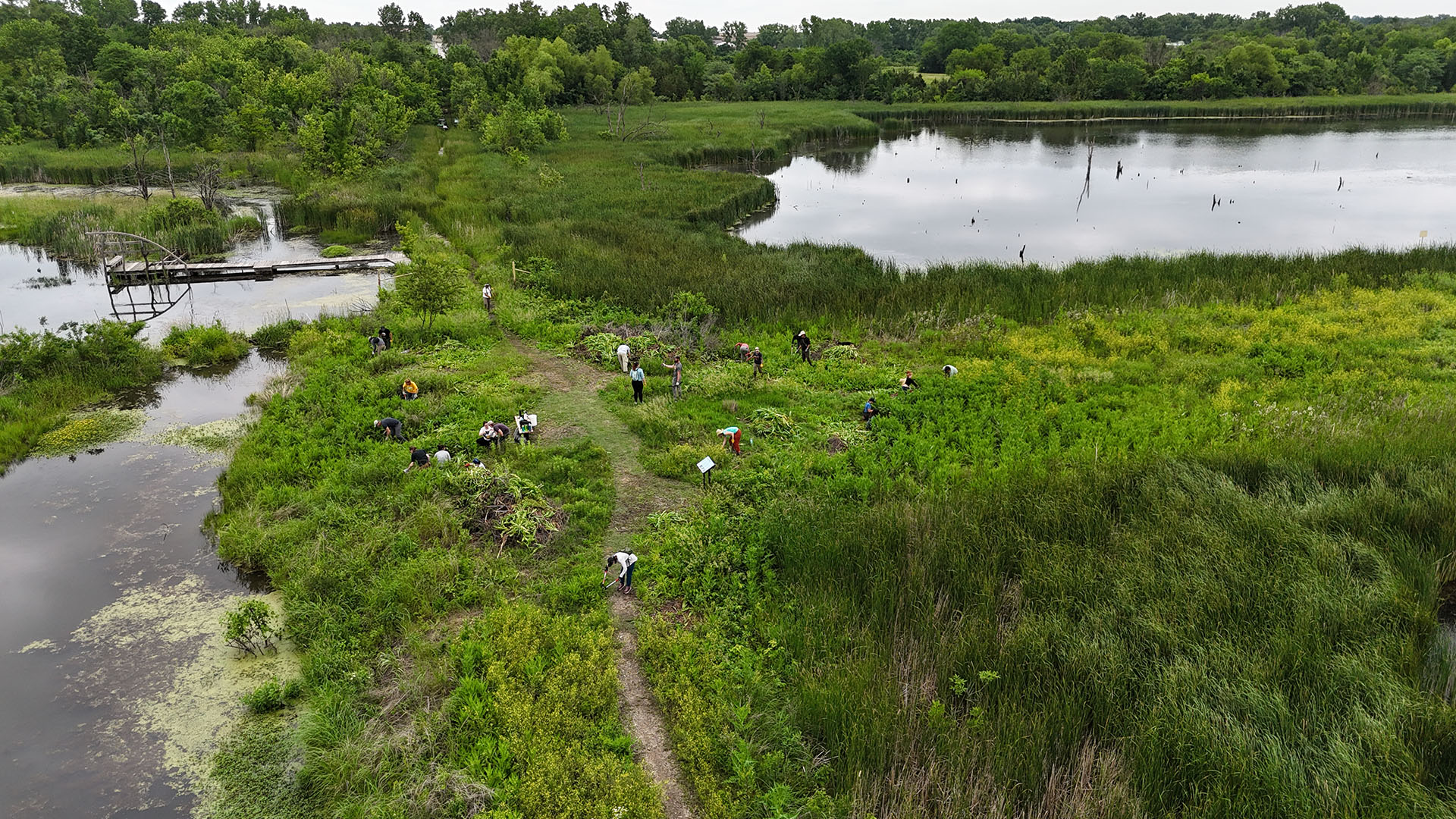
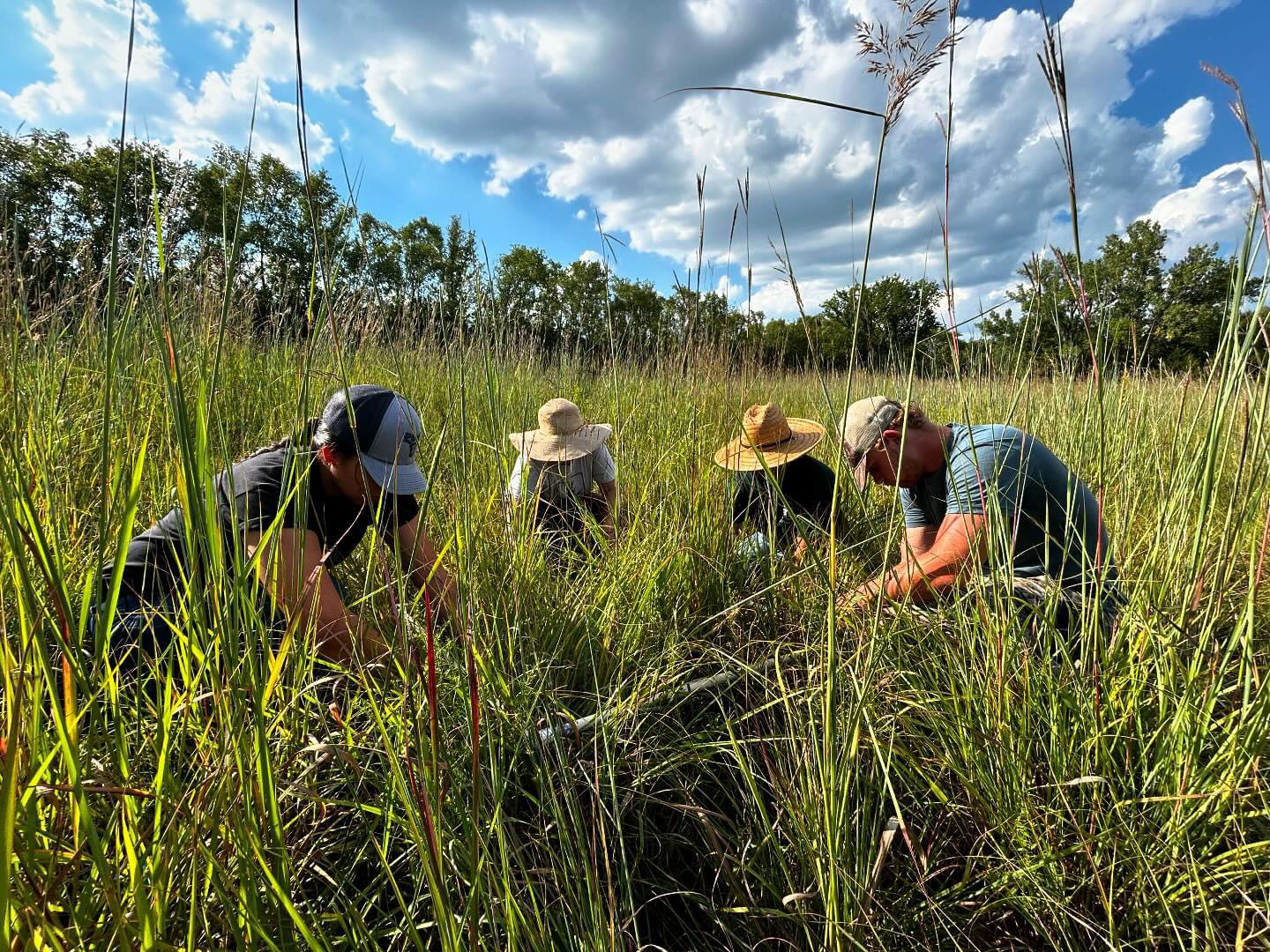
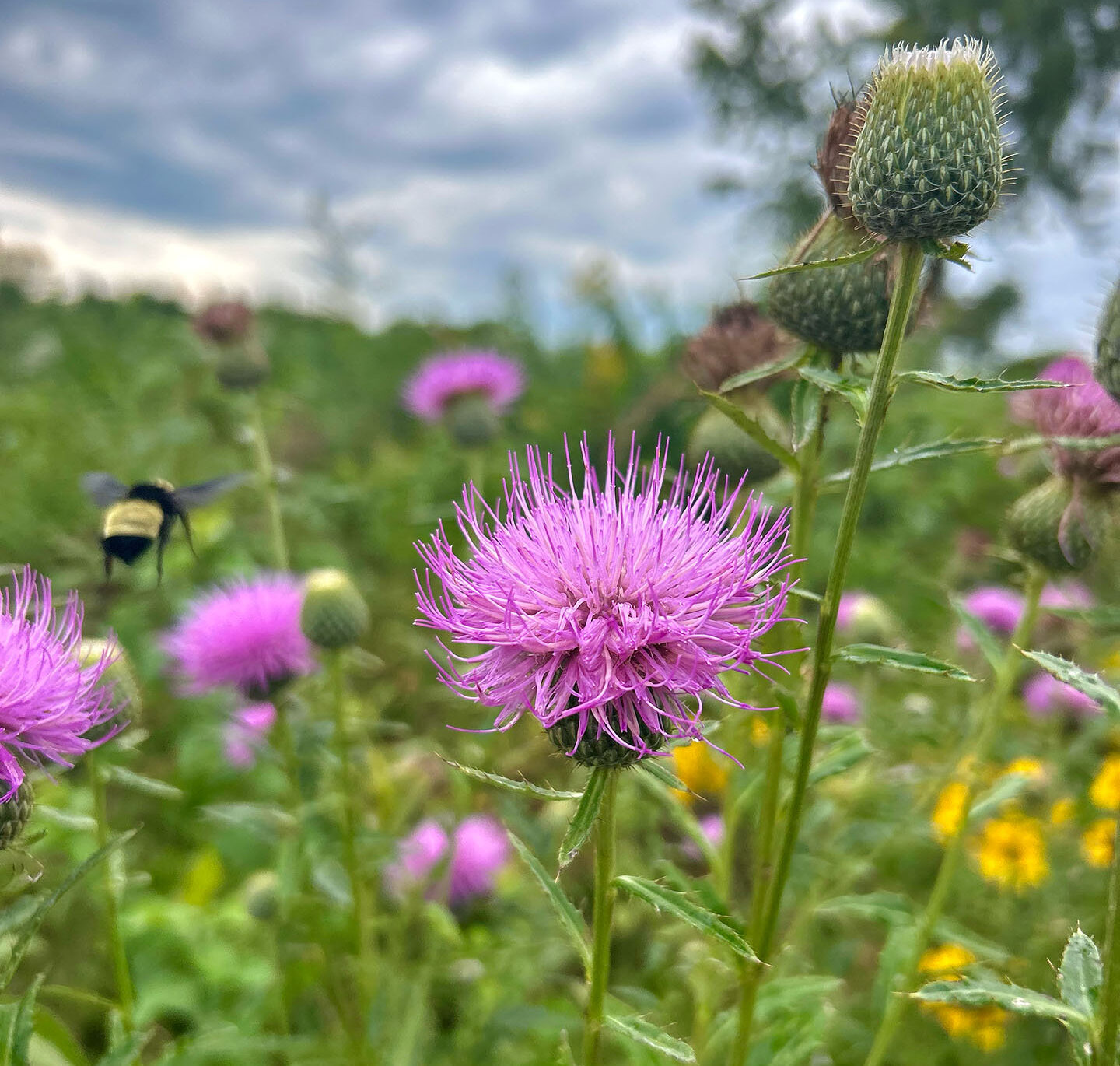
In Caring for Our Kin: Stories of Indigenous Environmental Stewardship, the College Fund shares the stories of Indigenous environmental leaders who are centering kinship and relational knowledge to build healthy ecological systems. These stories remind us that caring for the Earth means caring for one another—and that Indigenous knowledge systems continue to offer guidance, resilience, and hope for the future.
Learn more about our Environmental Stewardship Program.
Ekvnv Vcayecet. Mvto!
(Take care of the Earth/Land. Thank you)
More Blogs
College Fund Launches “Stand With Us” Campaign to Increase Natives in College
Native students are motivated, resilient and eager to activate their academic potential. And most of them need help – 90% demonstrate financial need. Help us reach our goal of raising $500,000 so 100 more American Indians can start the path to earning their college degrees. Stand with us. Stand with Students. Together we’ll empower more American Indians to make positive change in our world.
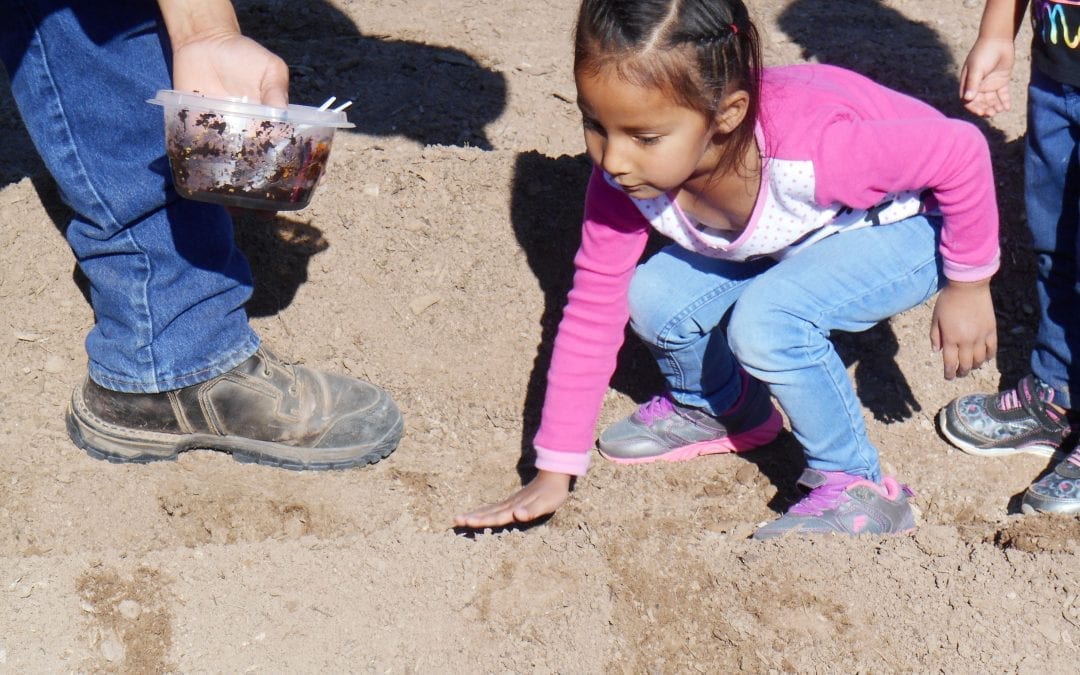
Grotto Foundation Grants $25,000 to Revitalize Lakota Language in Early Childhood
By the next century, nearly half of the roughly 6,000 languages spoken on Earth will disappear, according to estimates by the United Nations Educational, Scientific, and Cultural Organization (UNESCO). Of those languages, in North America 54 Native American languages are already extinct and another 137 are in various degree of being endangered. Yet the positive benefits of speaking one’s native language include better academic performance, self-identity, mental and physical health, and more.
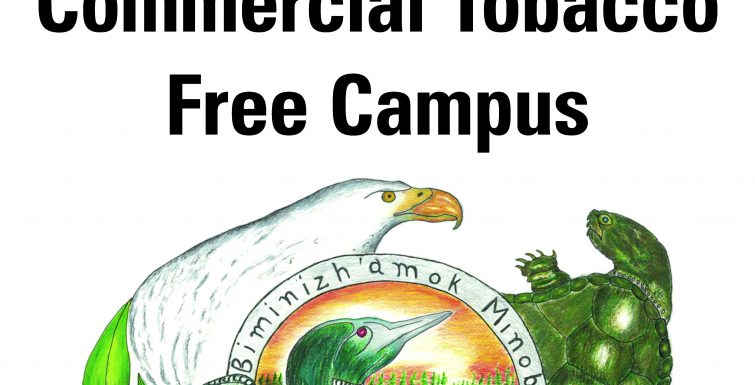
Minnesota Tribal College Embraces Commercial Tobacco-Free Health
As an institution that seeks to honor and embrace their culture, Leech Lake Tribal College (LLTC) works diligently to model Anishinaabe values. In August 2014, LLTC officially became commercial tobacco-free, prohibiting use of all commercial tobacco products on campus other than for ceremonial use.
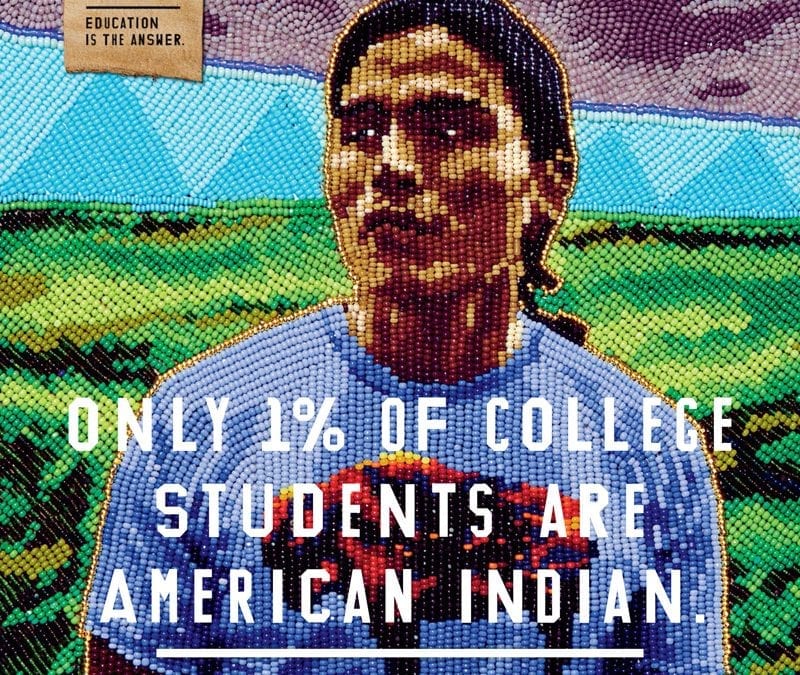
Ad Campaign Aims to Grow Enrollment of American Indian College Students Beyond 1 Percent
At the center of the American Indian College Fund’s new campaign is a staggering statistic—less than 1 percent of college students are American Indian. The College Fund joined forces with longtime partner, Portland-based advertising agency Wieden+Kennedy, to create a public service announcement to increase enrollment.

American Indian College Fund A Sponsor of 2016 Montana Tribal College Career Fairs
The college fairs give students an opportunity to contemplate their higher education and career options. The American Indian College Fund will be attending each event and will have scholarship information available for students, and is sponsoring a $500 scholarship for a luck winner at each career fair site. People can also visit with representatives from in-state and out-of-state colleges and universities, technical and trade schools, military branches, agencies, and career representatives.
Gala Featuring Broadway Star Michael Cavanaugh to Increase Native College Graduates
Less than 13% of American Indian students have earned a college degree—half of the national average. You can help change that. The American Indian College Fund Gala will be held March 1, 2016 from 6:30-10:30 p.m. at Pier Sixty at Chelsea Piers to support American Indian education.
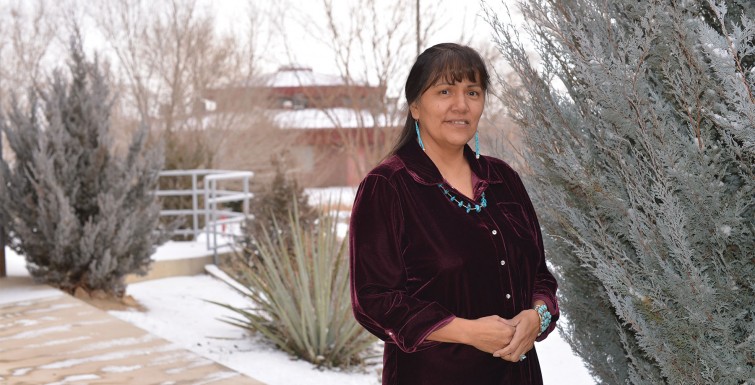
Student Uses Knowledge, Power for Success
Marcella has not had an easy life. She was primarily raised in the boarding school of Rough Rock, Arizona, and says relationships, consistency, and stability were not guarantees during her upbringing. With help from a sister’s open door, Marcella is now settled into an enriching life in Crownpoint, New Mexico, where she and her husband live near a wide collection of family members.
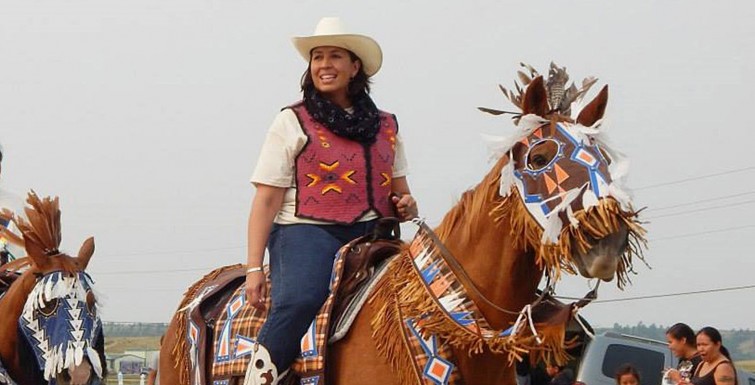
Emily White Hat Joins the College Fund as Project Manager of Native Arts & Energy Infrastructure
Prior to joining the College Fund Ms. White Hat worked for Sanford Research in Sioux Falls, South Dakota as a project evaluator, where she oversaw and conducted research using a capacity-building approach to benefit regional tribal nations.
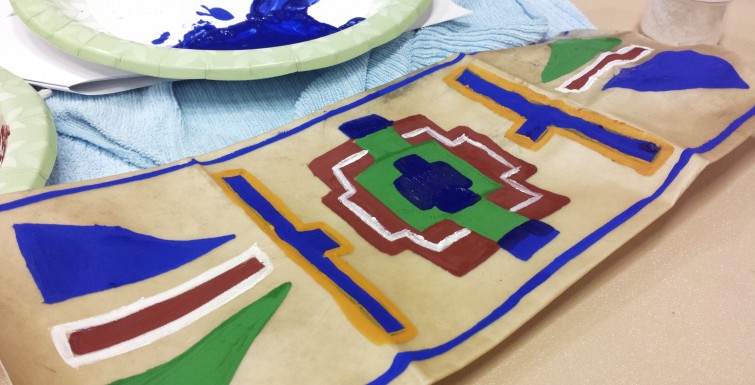
Native Art Forms Persevere at Sisseton Wahpeton College
Bridget Skenadore, the American Indian College Fund’s Native Arts and Culture Project Coordinator, had the opportunity this week to participate in the Sisseton Wahpeton College’s Wokape’ Parfleche Workshop. Parfleche was used by tribes in the Plains as rawhide containers to store food and personal belongings.
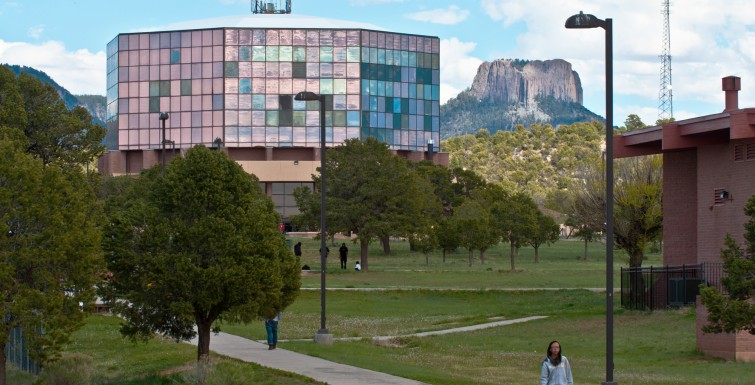
Diné College Museum Wins National Award
Diné College is a shining of example of how tribal colleges provide a high-quality education while serving as the caretakers of their tribes’ cultures. The Ned A. Hatathli Cultural Center Museum at Diné College received the Museum Excellence Award from the Association of Tribal Archives, Libraries, and Museums (ATALM) for expanding its museum and serving as an outstanding example of how Indigenous archives, libraries, museums, and individuals contribute to the vitality and culture sovereignty of Native Nations.