Living on an Indian reservation the size of a state and shuttling between three tribal college campuses and six satellite offices can be a monumental undertaking—especially when access to transportation is limited.
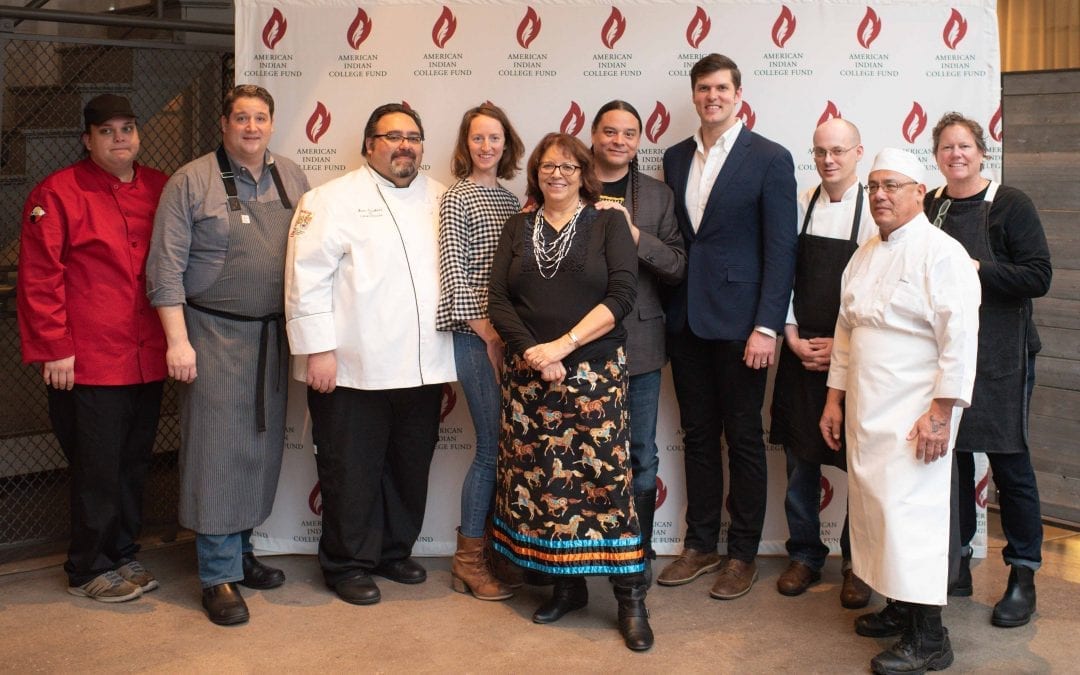
You may have tasted Native squash, but have you ever enjoyed staghorn sumac or the tart/sweet delicious taste of chokecherries prepared by a professional chef at your favorite restaurant?
Oglala Lakota College has launched its Dollar General American Indian and Alaska Native Literacy and Adult Education Program. The following individuals will be serving OLC students under the program.
Invisibility is, in essence, the modern form of racism used against Native Americans. Check out our report on how higher education institutions can create equitable and healthy learning environments for American Indian and Alaska Native students.
The backbone of a community-based program is taking into account the community’s needs. This happens by listening to people in the community who you hope to serve with your programming.
It is with heavy, but grateful hearts, that we at the American Indian College Fund, on behalf of the students and Native communities we serve, thank Vanguard founder and longtime American Indian College Fund supporter Jack Bogle for his commitment to improving the lives of American Indians.
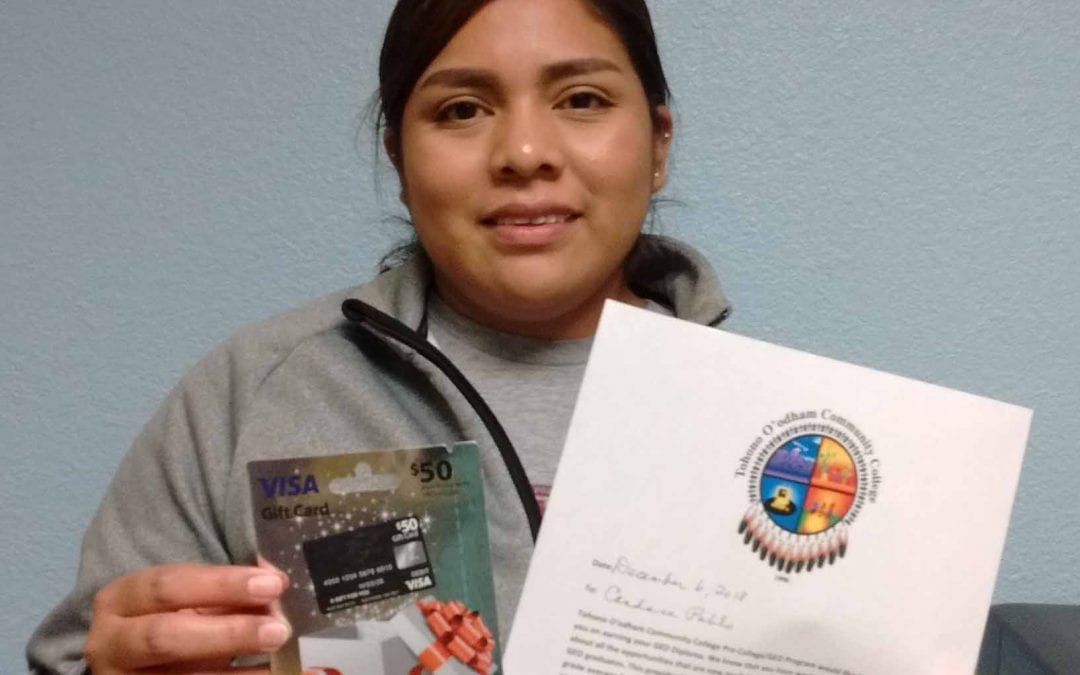
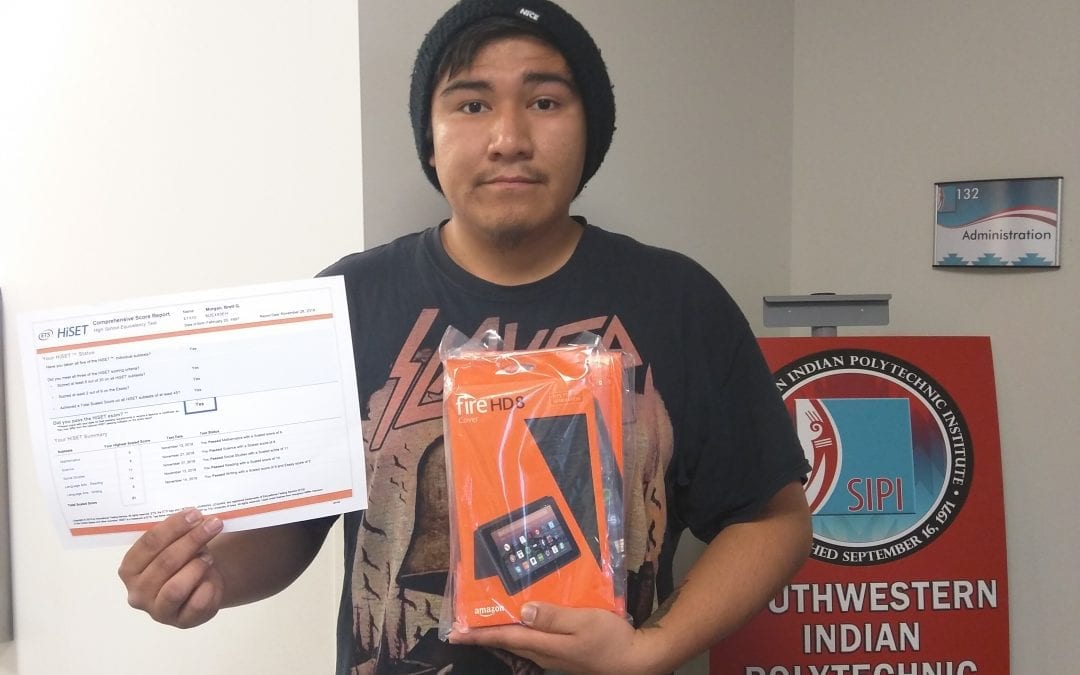
For Native students who did not complete high school, the High School Equivalency (HSE) Certification program at Southwestern Indian Polytechnic Institute (SIPI), formerly called the GED Program, serves as a stepping stone for furthering education and career opportunities.
Leech Lake Tribal College students teamed up with the Leech Lake Band of Ojibwe in Minnesota to install a community solar garden to help residents as part of the federal Low-Income Home Energy Assistance Program (LIHEAP).
Schools would be able to choose what standard of evidence to apply to cases of sexual misconduct; only formal complaints filed with an authority figure would be investigated; and schools would no longer be required to investigate complaints occurring off campus or outside of their school-sponsored programs.
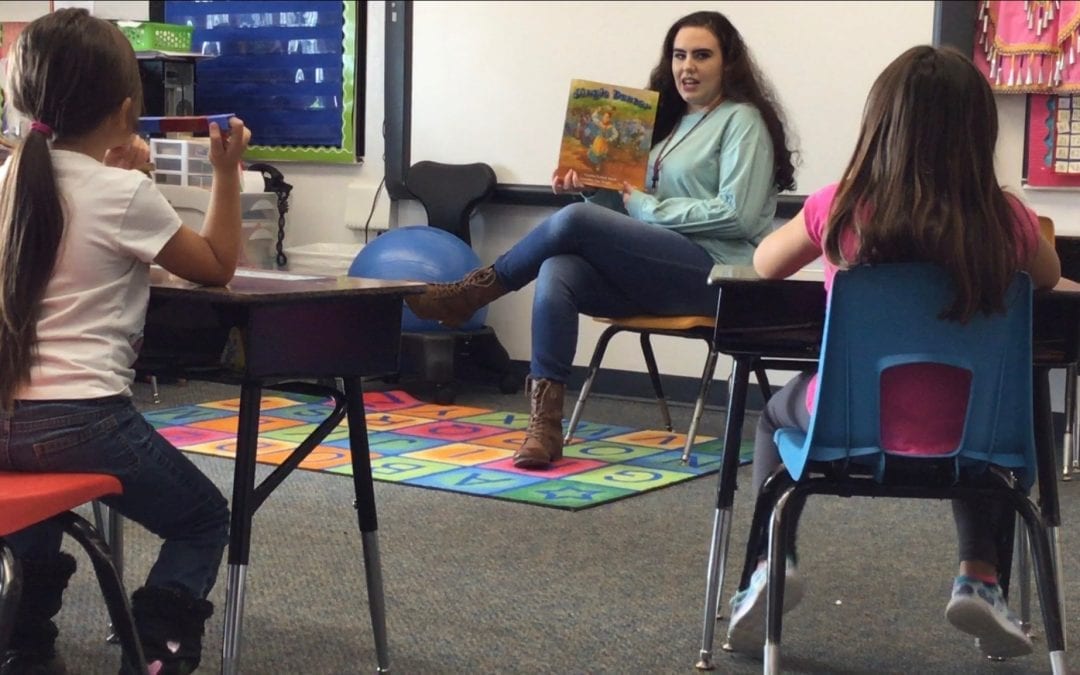
In early November, the Salish Sea Research Center team from Northwest Indian College visited our Early Learning Center classrooms. Our students were excited to see what they had brought because the scientists arrived with a mysterious, big, red ice chest. The children called it “a treasure chest of sea creatures!”