Native American Heritage Month Blogs

Browse by Category

Leaving Home to Fulfill a Destiny

Leaving Home to Fulfill a Destiny

went to work for the Blackfeet Tribe fresh out of high school.  I planned to work for just a year, and then go to college. That year turned into 22 years.  I went to college for the first time in my life just short of my 44th birthday. Had it not been for the Blackfeet Community College, I might not have ever gone to college. True, I had to start commuting 50 miles round trip again, but the upside was that my husband agreed to join me. He hadn’t ever gone to college either.

Think Indian? Think Government

Think Indian? Think Government

In 1961, during his inaugural address, President John F. Kennedy delivered the memorable line in which he emphasized, “Ask not what your country can do for you- ask what you can do for your country.” While he meant to apply this statement to the United States and the world at large, I feel that it also applies to Indian Country and my personal philosophy of “Think Indian.”

Join Us in Celebrating, Donating in November

Join Us in Celebrating, Donating in November

Native American Heritage Month is a great time to show your support for Native American students in higher education.  We invite you to share in the celebration and learn more about Indian Country with the fun articles, activities and blogs we have planned this month.  We hope that you will visit our blog regularly to hear from our guest writers who all bring their unique Native perspective for your enjoyment and enlightenment.

Carrying on the Teachings

My mother is of the Water-Flows-Together Clan and I am born for the Persian People. My maternal grandfather is Towering-House Clan and my paternal grandfather is Persian. My family is originally from Lukachukai, Arizona, but I was born and raised in Salt Lake City, Utah. I am a currently enrolled in the Higher Education Administration Educational Leadership & Policy Studies Master Program at the University of Utah. I represent the Diné Nation and the Persian people. My name is Ashley Tso.

‘Champions’ earn honors at United Tribes Technical College

‘Champions’ earn honors at United Tribes Technical College

An estimated crowd of 6,000 jammed into and around the darkened dance arena to see fire-lit knives spun-about and tossed into the night sky by members of the powwow’s featured cultural group. The Tafiti Samoan Fire Knife Dancers wowed the audience with their flaming machetes. The group was led by cultural ambassador Kap Te’O Tafti, of the Polynesian Cultural Center, Laie, Hawaii.

The Meaning of the Sacred White Buffalo

When a white buffalo calf, a male calf named Lightning Medicine Cloud, and its mother were slaughtered this week at Native-owned Lakota Ranch in Texas, Indian Country was outraged. This is because white buffalo are not only rare (according to the National Bison Association, just one out of every 10 million buffalo born are white), but they are considered sacred amongst many Native tribes.

Why Preserve Native Cultures?

Although November is Native American Heritage Month, for the American Indian College Fund, our tribal colleges, and our students, we celebrate Native heritage every day of the year. This is because our students and communities know what it means to be without Native culture, heritage, and language–because it was once U.S. government policy to assimilate American Indians, and eradicate these priceless facets of heritage. As a result, generations of American Indians were denied their birthright.

The First Tribal College—Diné College

The First Tribal College—Diné College

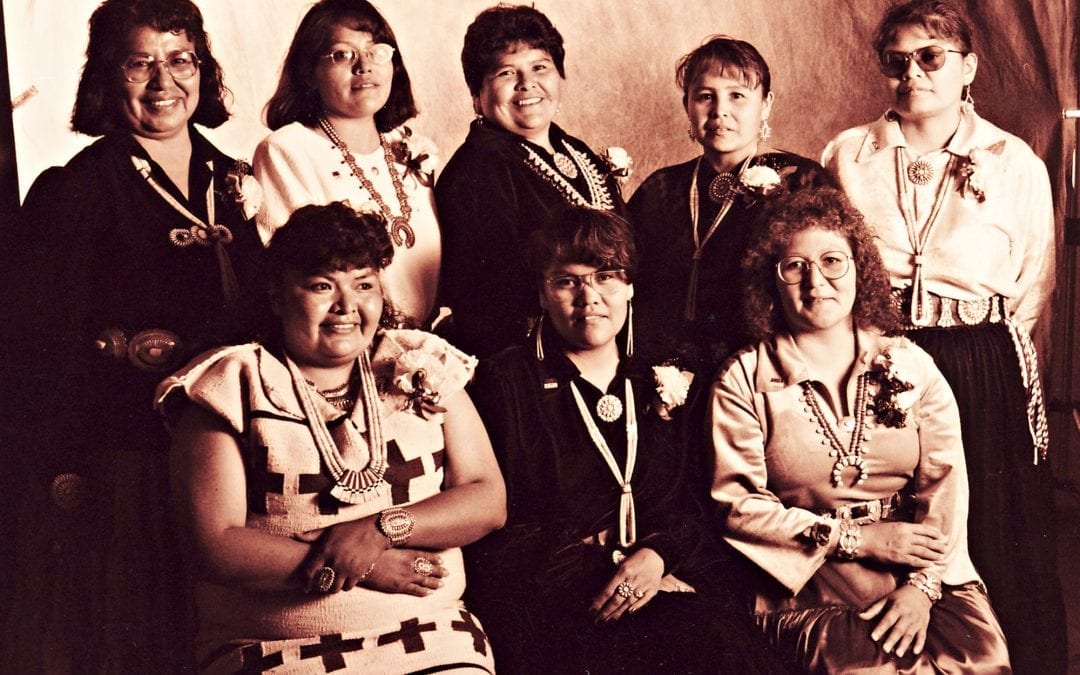
First class of baccalaureate graduates of Dine College, which marked its 30th Anniversary in 1998 as the oldest tribal college. Graduation day May 15, 1998. photo John Running. The first tribal college was Diné College, located in Tsaile, Arizona, was founded by the Navajo Nation as Navajo Community College in 1968 to educate its young people who are residents of the 26,000 square-mile Navajo Nation which is spread over Arizona, New Mexico, and Utah, while steeping them in their language, culture, and traditions.