Our Programs Blogs

Browse by Category

SIPI Parents Lead the Way

SIPI Parents Lead the Way

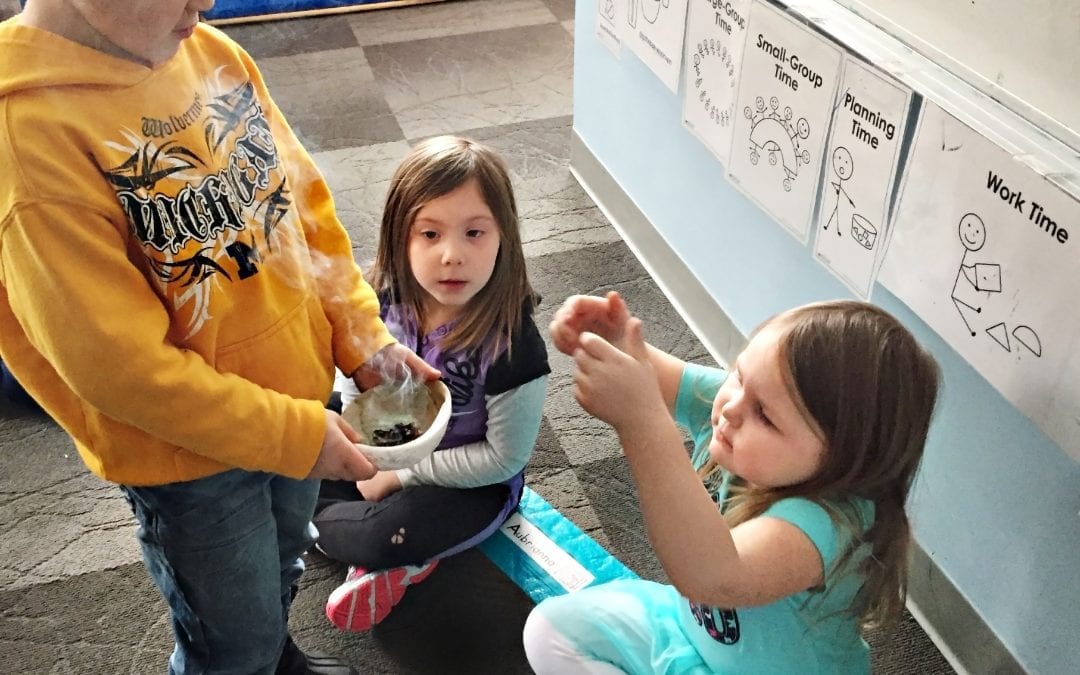
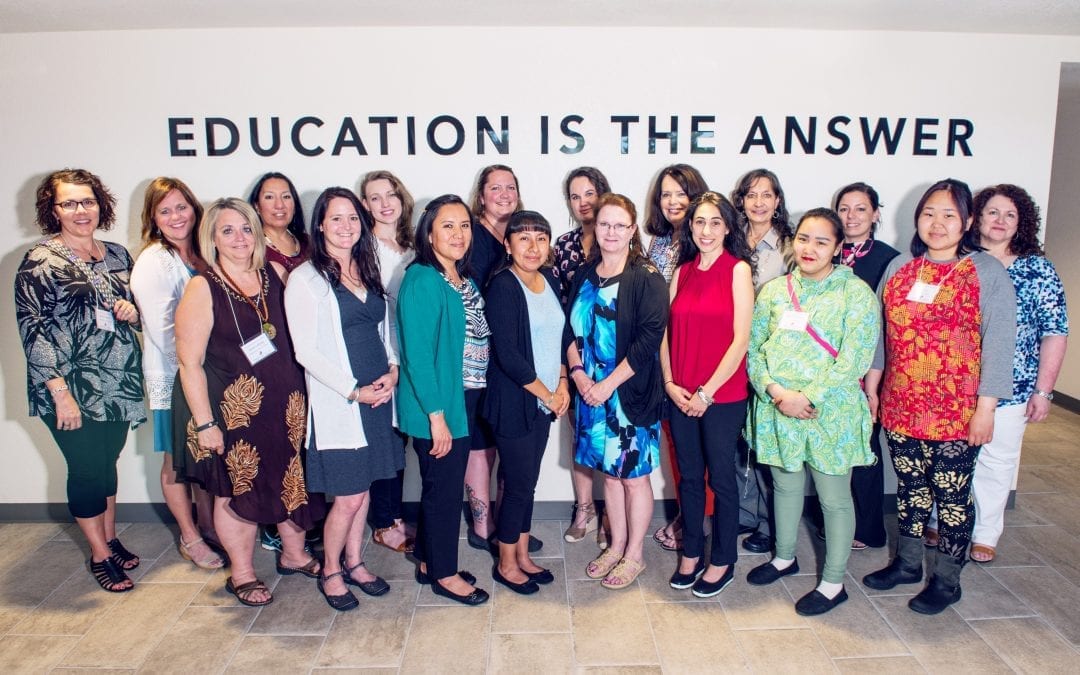
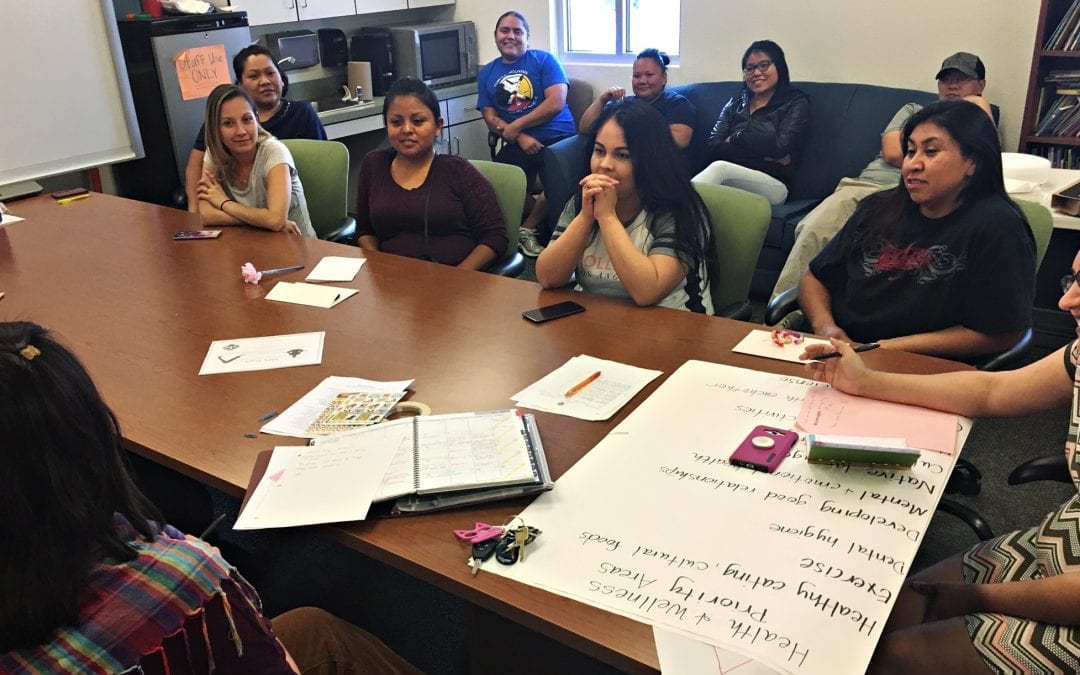
SIPI has worked hard to make sure its Restorative Teachings Initiative is grounded in community needs and parent voices. Parents were empowered through the initiative to ensure that the program is culturally responsive and meets their children’s needs. They have led the way in defining priority areas for  learning since the American Indian College Fund’s Restorative Teachings Initiative was awarded to SIPI in 2016.

Teachers Learn Techniques to Bolster Resiliency, Foster Classroom Connections

Teachers Learn Techniques to Bolster Resiliency, Foster Classroom Connections

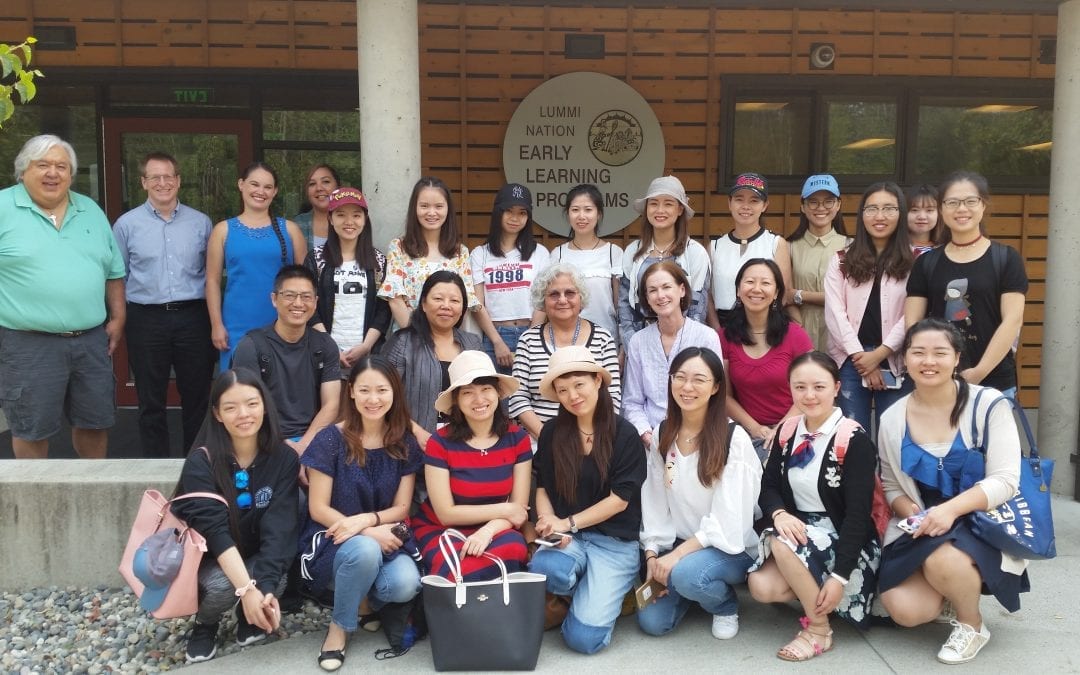
Native youth often face disproportionate challenges in their young lives. Early childhood teachers can help these young learners increase their resiliency while they face adverse circumstances by supporting factors that protect and strengthen young children, according to Ray Soriano, a keynote speaker at the 33rd Annual FOCUS on Children Conference at Bellingham Technical College.

It’s More Than Just Telling a Story!

It’s More Than Just Telling a Story!

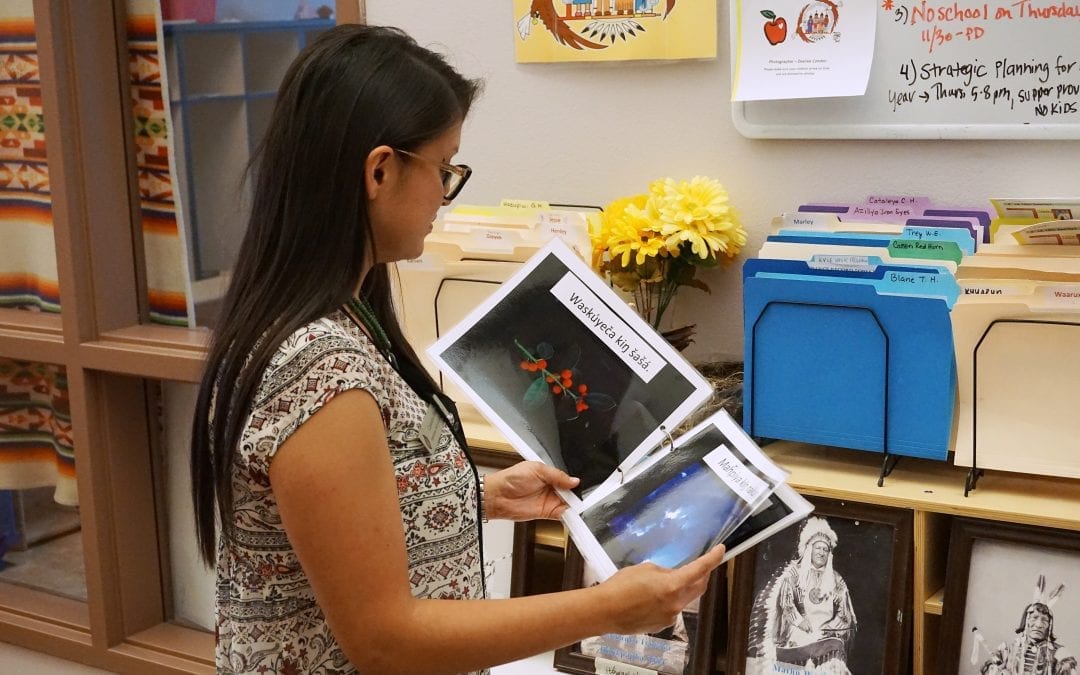
Through storytelling, the Menominee are keeping their tribal language alive. Storytelling is both an art and a necessary method for educating our young early childhood children in the Menominee community. The Menominee have used oral stories to pass down traditions to future generations, such as their local customs, how to live off the forest land, and how to survive in the natural environment in which they live

Salish Kootenai College’s Restorative Teachings Early Childhood Initiative Project

Salish Kootenai College’s Restorative Teachings Early Childhood Initiative Project

Thanks to a tribal college in Montana, American Indian students with disabilities are benefiting from the enhanced teacher training. Salish Kootenai College (SKC) is designing and delivering professional development to 40 teachers, pre-service teachers, and educational professionals to enhance the health, wellness, and educational opportunities for American Indian (AI) children with and without disabilities and their families.

Connections That Create Health, Wellness and Security

Connections That Create Health, Wellness and Security

At the heart of Iḷisaġvik College’s Restorative Teachings project is the desire to nurture and support meaningful connections between early childhood students, their families, and the community as a whole. It is through these connections that knowledge of language and culture, love, respect, and compassion are passed from one generation to the next.

Achieving the Dream – Developing Data Capacity to Increase Success

Achieving the Dream – Developing Data Capacity to Increase Success

The Achieving the Dream (ATD) program helps networking colleges to improve student success by providing a menu of services to its colleges, including technical assistance, leadership, data coaching, and more. In addition, ATD hosts an annual DREAM conference where more than 2,000 leaders from 200 community colleges across the country gather.

Fellows Contribute to Sustainable Environment and Contribute to Communities

Fellows Contribute to Sustainable Environment and Contribute to Communities

The fellowship’s goal is to promote environmental sustainability in tribal communities that leads to systemic change. The research component of the fellowship is designed to create research projects that are meaningful and relevant to the students’ tribal communities by improving community environments and the health of tribal people. By educating tribal communities about environmental issues and working together as a community, tribal communities can build and utilize better land and resource management systems.

BIMAADIZIWIN: “A Healthy Way of Life” Through Family Fun Night

BIMAADIZIWIN: “A Healthy Way of Life” Through Family Fun Night

At Keweenaw Bay Ojibwa Community College (KBOCC) traditional Ojibwe teachings which  portray the family as a part of the framework that honors the individual and the collective groups to which the individual belongs. Throughout the year, Migiziinsag (Little Eagles), an early childhood program for four-year-old children, engages by incorporating aspects of indigenous early learning, Anishinaabe language, cultural ceremonies, nutrition and physical activities. The “Family Fun Event Planning Framework” embraces four areas: