Indigenous Literacy Story Series
The Indigenous Literacy Story Series seeks to shift perceptions of literacy and education in tribal nation communities, provide evidence of literacy success and innovation in tribal nation communities, establish the College Fund as a resource and leader in literacy resources, and encourage innovation and collaboration within TCUs, across TCUs, and between Native inservice teachers.
This story series features guest writers from the College Fund, TCUs, and Native educators in the field.

Indigenous Literacy is:
A means of expressing and sustaining connection, culture, and sovereignty.
The ability to communicate (tell stories, speak, write, create, teach, or demonstrate) and comprehend (listen, read, sense, interpret, view, learn, or practice).
A starting point for Native people to co-create their environment in ways that are grounded in – and sustaining of – Indigenous cultures, languages, and ways of knowing.
Relational and intergenerational, supporting kinship with each other, ancestors, and the land.
Essential to thriving Indigenous communities.
Featured Stories
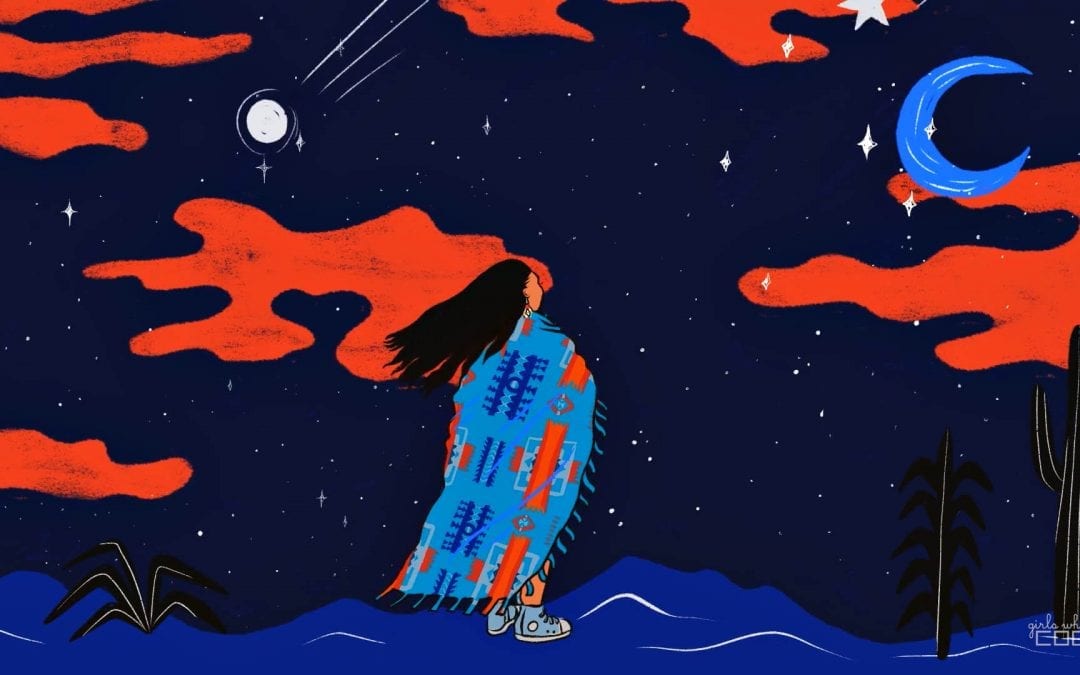
Happy International Girls Day!
Robin Maxkii is just one of our successful female scholars—a Stockbridge Munsee woman, a computer coder, and a passionate advocate for higher education for all Natives and women and girls in tech.
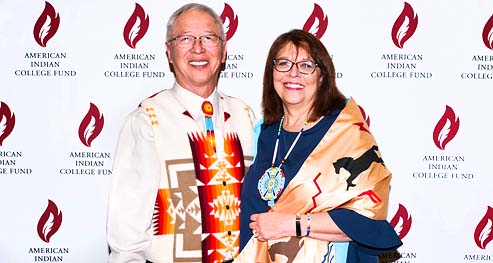
Celebrating Indigenous People’s Day
When I was in college, a guest speaker, a salesman, came to one of my classes. He said that when he traveled across the state of South Dakota, he drove quickly with a focus on getting away when he passed through the reservations.
College Fund Co-Sponsors National Dialogue on Native Teacher Education at NIEA Conference
To ensure that Native parents and communities control the education of their children while strengthening and creating a national dialogue about indigenous culture-based teacher education, the American Indian College Fund is co-sponsoring a pre-conference work session and will join four sessions on Native teacher education
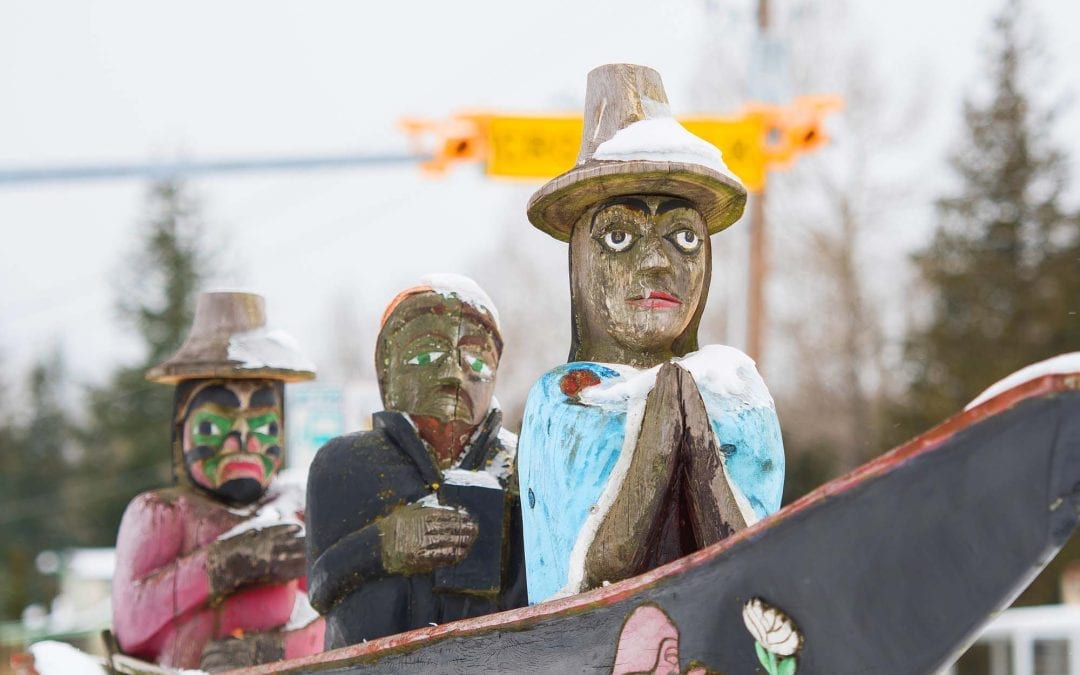
For the Wisdom of the Children: Strengthening the Teacher of Color Pipeline
A child dips her feet in Wheatfields Lake on the Navajo Reservation at sunrise and wonders what lies beneath. A young boy walks through the forests of Menominee Nation, shaded by tall green trees, surrounded by the stories and history of this sacred environmental wonder.
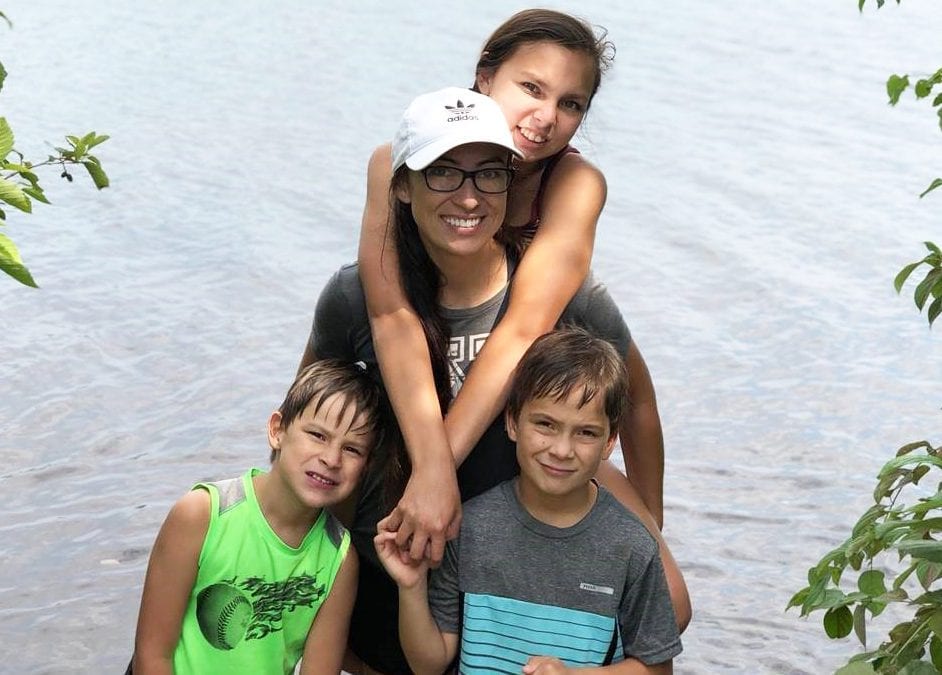
Student Spotlight: Charity Valentin – American Indian College Fund
American Indian College Fund Full Circle Scholarship Recipient, Charity Valentin (Lac Courte Oreilles Ojibwe) has three children and lives in Hayward, Wisconsin. Like many students, she has followed a non-traditional path to college – returning 10 years after high school. Charity obtained her Associate’s Degree from Lac Courte Oreilles Ojibwa Community College
Make Your Voice Heard! Register to Vote!
Today is National Voter Registration Day. Following are voter registration and voter issue tools to educate yourself and help engage others to get out the vote.
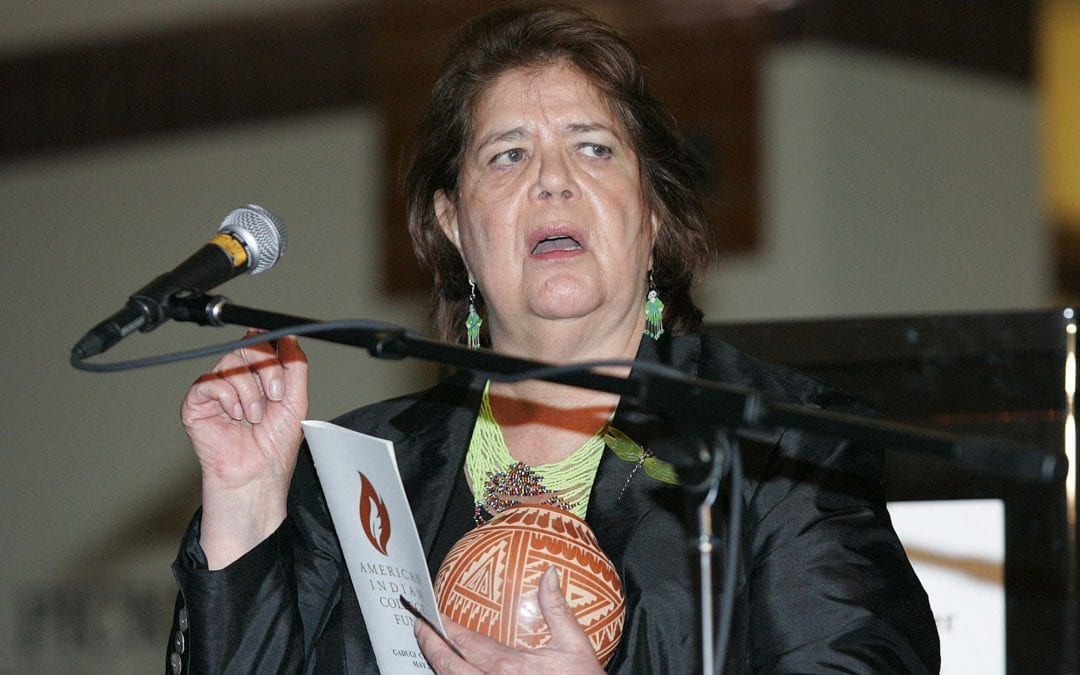
Show Up: Your Duties as a Native Person, From Citizenship to Voting
While we have always been citizens of our own nations since time immemorial it was not until 1924 when all American Indians born within the territorial limits of the U.S. were recognized as citizens, allowing us the right to vote. Today, a record number of Native candidates are running for office, making the 2018 election exciting. In early September, Indian Country Today reported that 52 Native American women are running for high-level positions in state legislatures, congress, and the position of governor.
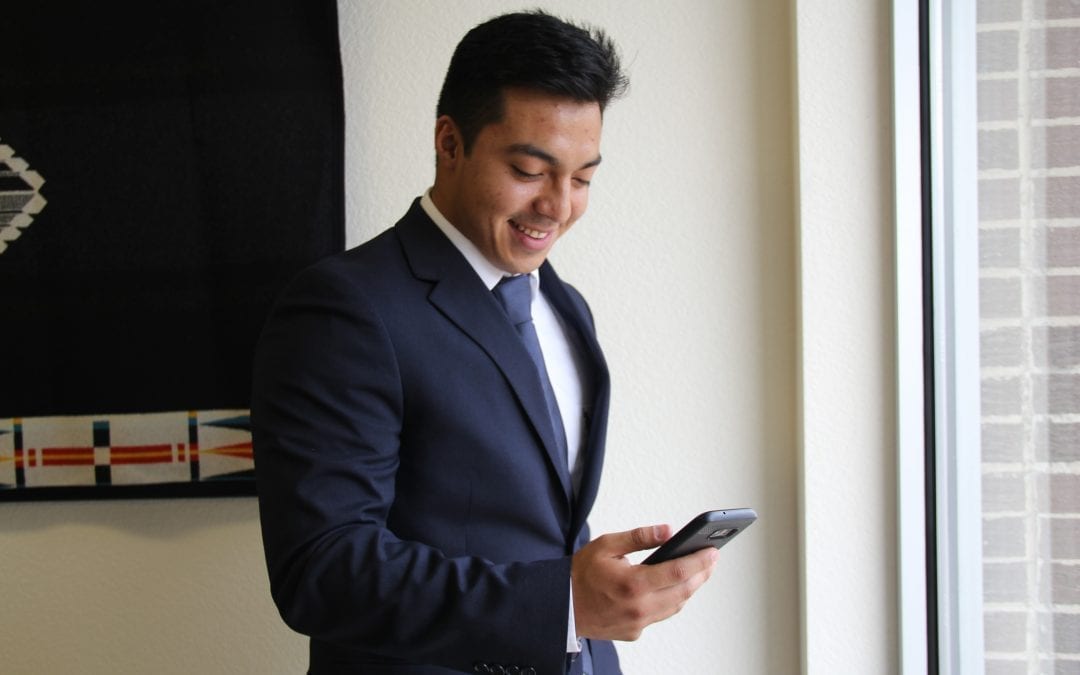
Student Spotlight: Alumnus Dakota Kahbeah
American Indian College Fund Full Circle Scholarship recipient Dakota Kahbeah is from Okmulgee, OK, and is a member of the Muscogee (Creek) Nation. He recently graduated from the College of the Muscogee Nation, where he majored in tribal services.
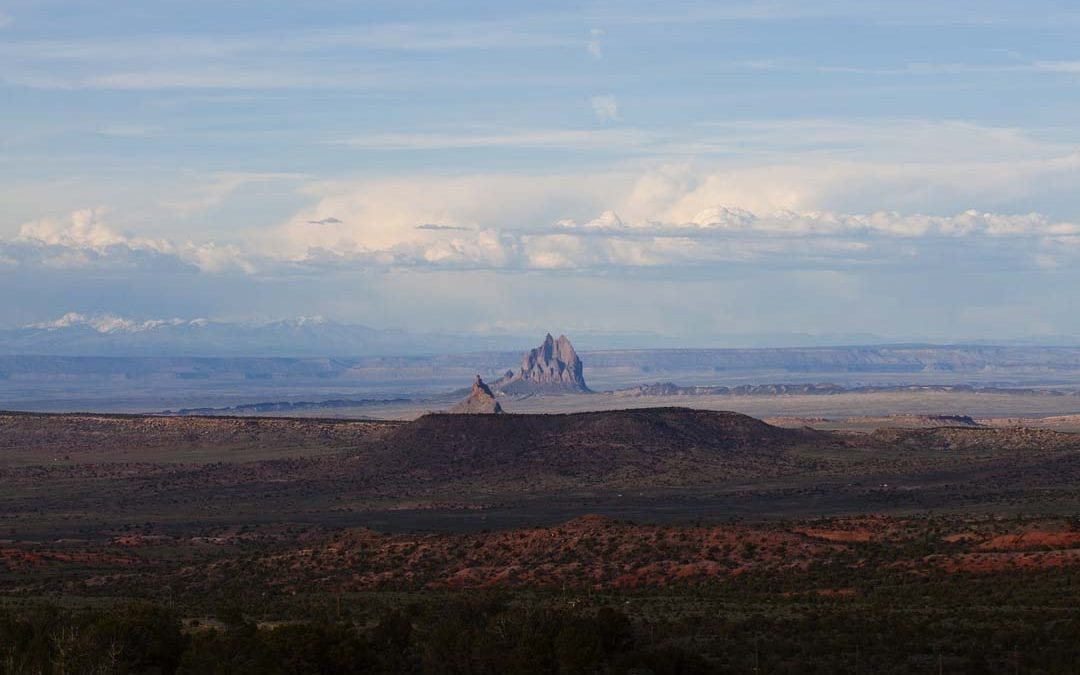
APS Foundation Provides STEM Education to Navajo Scholars through $100,000 Grant to American Indian College Fund
While a college education can provide a clear path to a successful future, for many, high fees coupled with low incomes too often mean that a college degree is simply out of reach. Currently only 14% of American Indians have a college degree—less than half the national average.
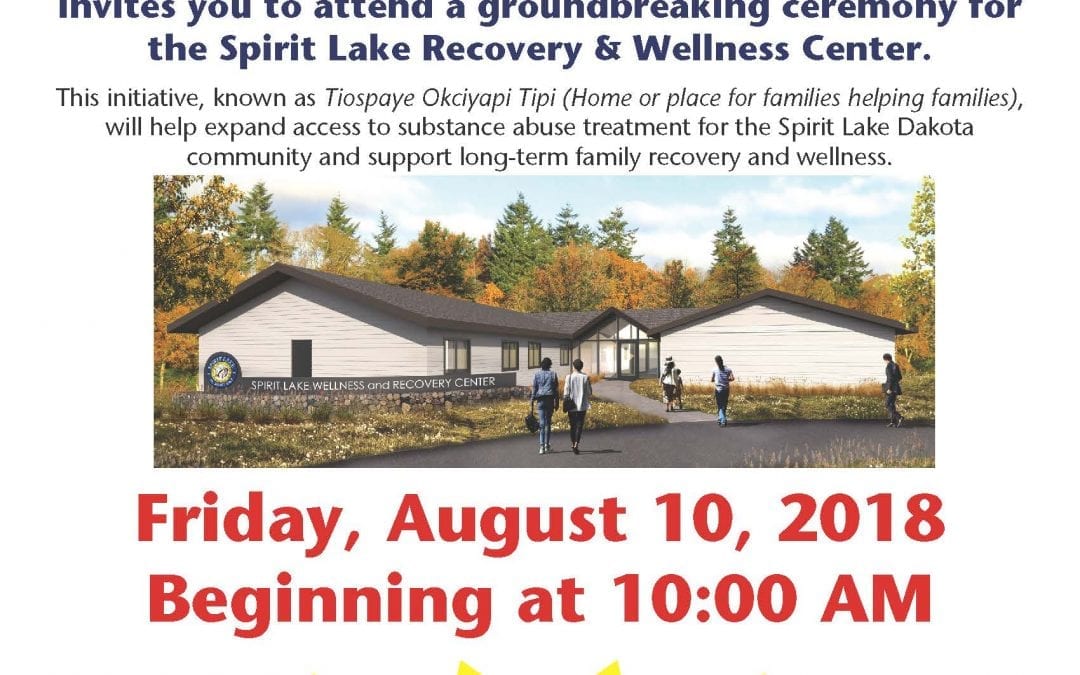
Spirit Lake Dakota “Tiospaye Okciyapi Tipi” Center Groundbreaking is August 10
Cankdeska Cikana Community College, the Spirit Lake Dakota Nation and the United Health Foundation are inviting the public to attend a groundbreaking ceremony for the Spirit Lake Recovery and Wellness Center at 10:00 a.m. on Friday, August 10, 2018.