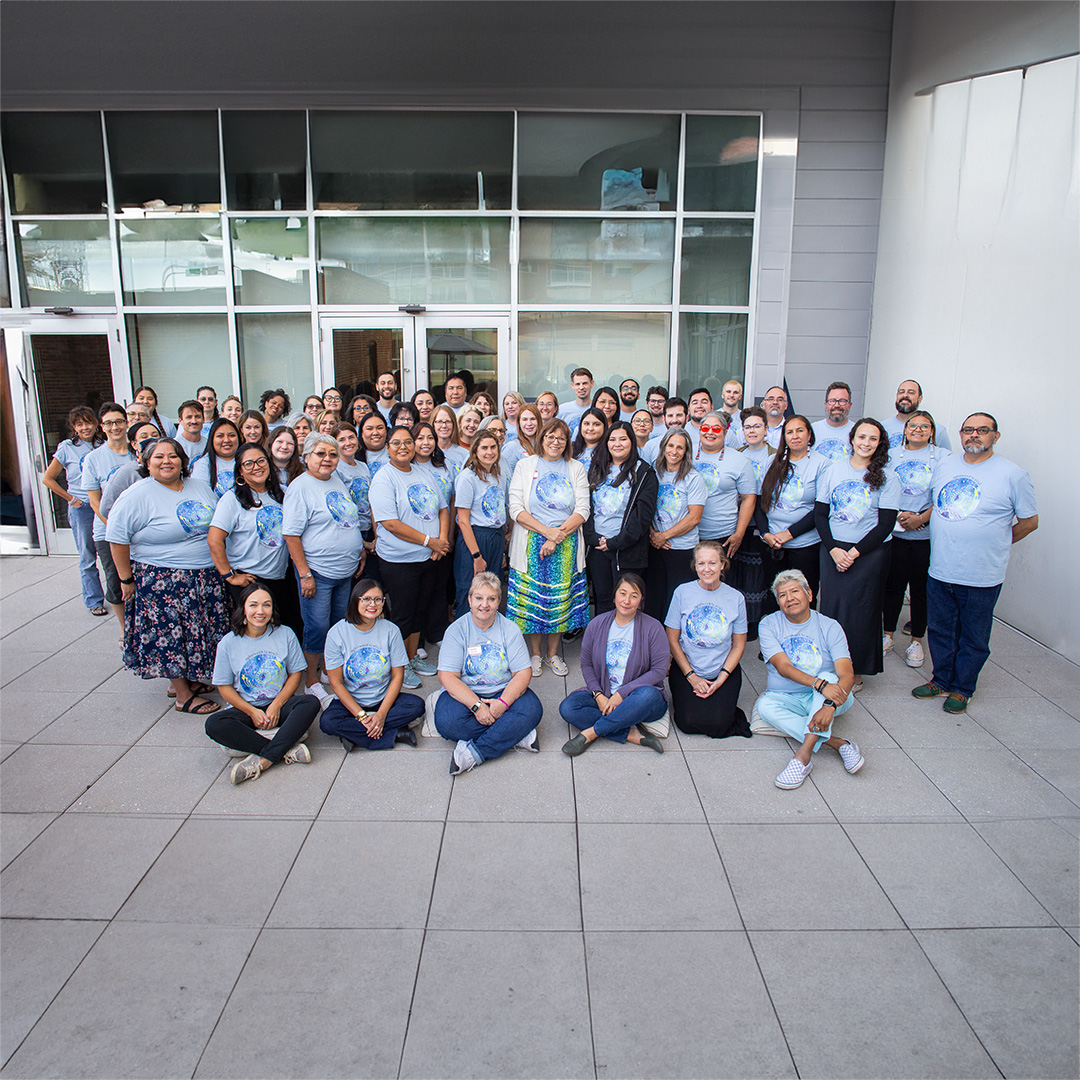
Congratulations to the American Indian College Fund’s Tarajean Yazzie-Mintz, the 2016 recipient of Harvard Graduate School of Education’s Alumni Council Award for Outstanding Contribution to Education.
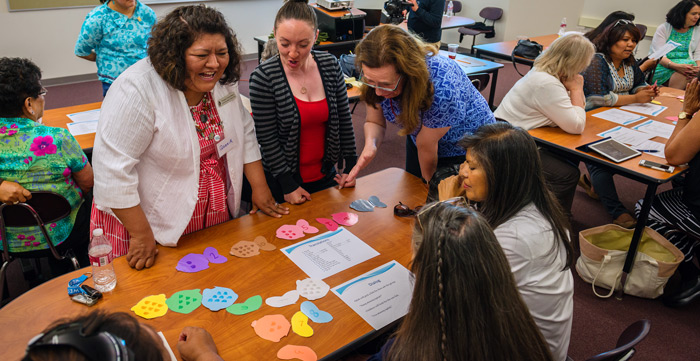

Congratulations to the American Indian College Fund’s Tarajean Yazzie-Mintz, the 2016 recipient of Harvard Graduate School of Education’s Alumni Council Award for Outstanding Contribution to Education.
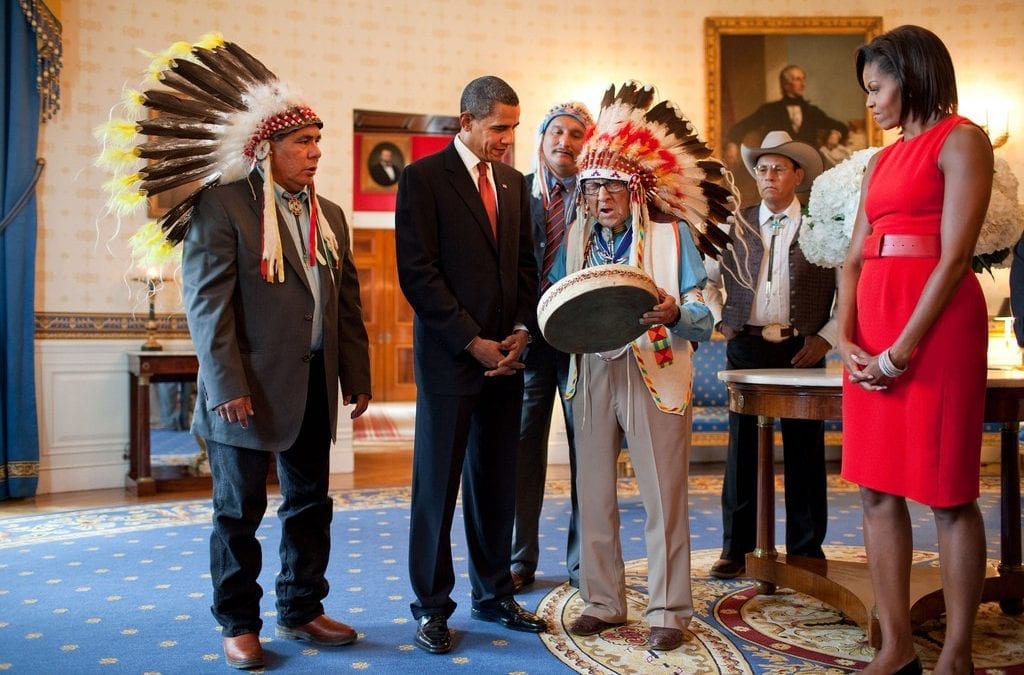
Presidential Medal of Freedom recipient Joseph Medicine Crow shows a drum to President Barack Obama and First Lady Michelle Obama during a reception for recipients and their families in the Blue Room of the White House, August 12, 2009. (Official White House photo by Pete Souza)
The American Indian College Fund, in collaboration with five tribal colleges and universities and the W.K. Kellogg Foundation, has launched a new early childhood education initiative that includes the child development knowledge from within Native American communities and the best practices of the early childhood education field.
By the next century, nearly half of the roughly 6,000 languages spoken on Earth will disappear, according to estimates by the United Nations Educational, Scientific, and Cultural Organization (UNESCO). Of those languages, in North America 54 Native American languages are already extinct and another 137 are in various degree of being endangered. Yet the positive benefits of speaking one’s native language include better academic performance, self-identity, mental and physical health, and more.
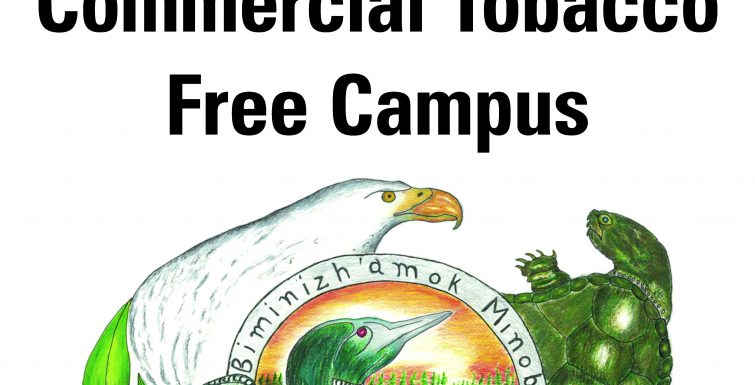
As an institution that seeks to honor and embrace their culture, Leech Lake Tribal College (LLTC) works diligently to model Anishinaabe values. In August 2014, LLTC officially became commercial tobacco-free, prohibiting use of all commercial tobacco products on campus other than for ceremonial use.
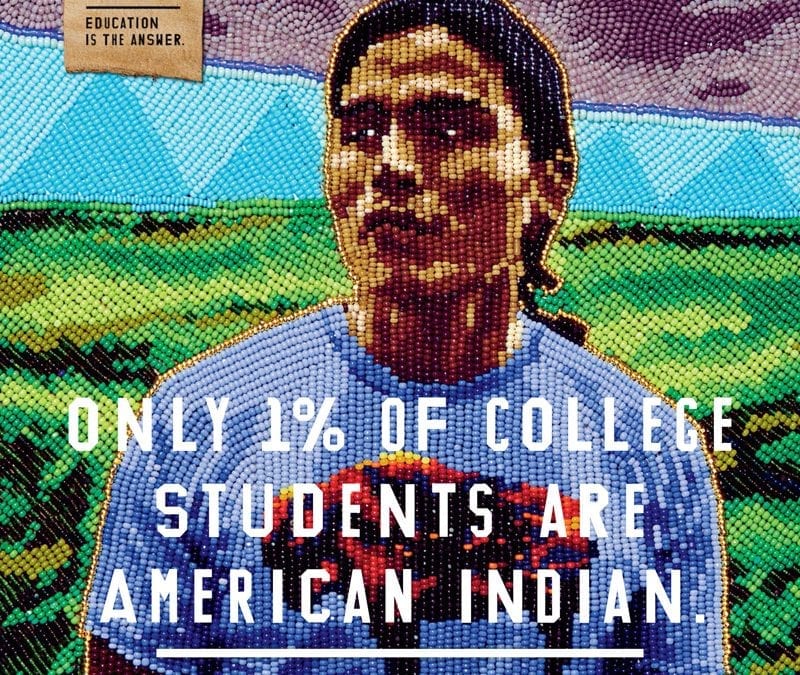
At the center of the American Indian College Fund’s new campaign is a staggering statistic—less than 1 percent of college students are American Indian. The College Fund joined forces with longtime partner, Portland-based advertising agency Wieden+Kennedy, to create a public service announcement to increase enrollment.
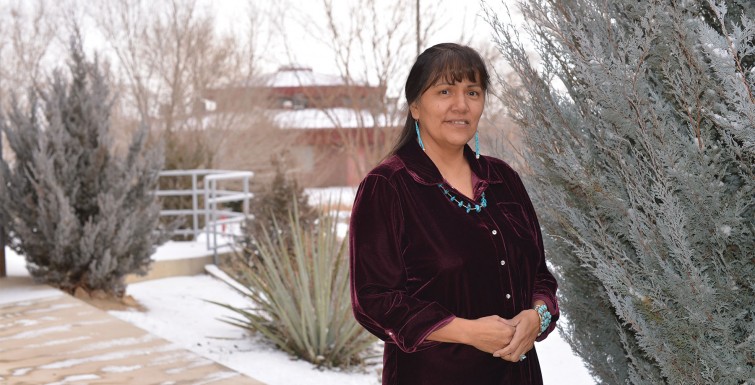
Marcella has not had an easy life. She was primarily raised in the boarding school of Rough Rock, Arizona, and says relationships, consistency, and stability were not guarantees during her upbringing. With help from a sister’s open door, Marcella is now settled into an enriching life in Crownpoint, New Mexico, where she and her husband live near a wide collection of family members.
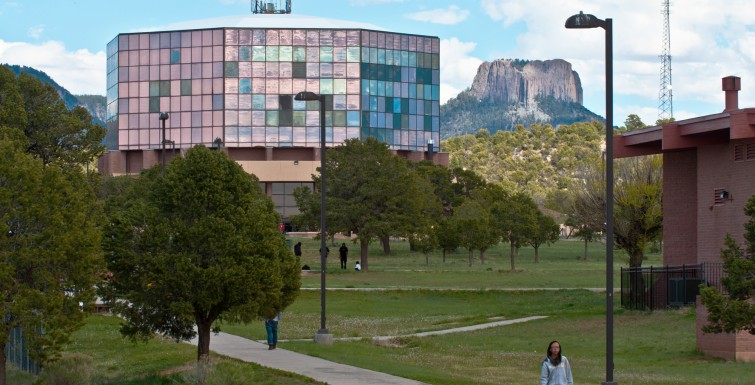
Diné College is a shining of example of how tribal colleges provide a high-quality education while serving as the caretakers of their tribes’ cultures. The Ned A. Hatathli Cultural Center Museum at Diné College received the Museum Excellence Award from the Association of Tribal Archives, Libraries, and Museums (ATALM) for expanding its museum and serving as an outstanding example of how Indigenous archives, libraries, museums, and individuals contribute to the vitality and culture sovereignty of Native Nations.
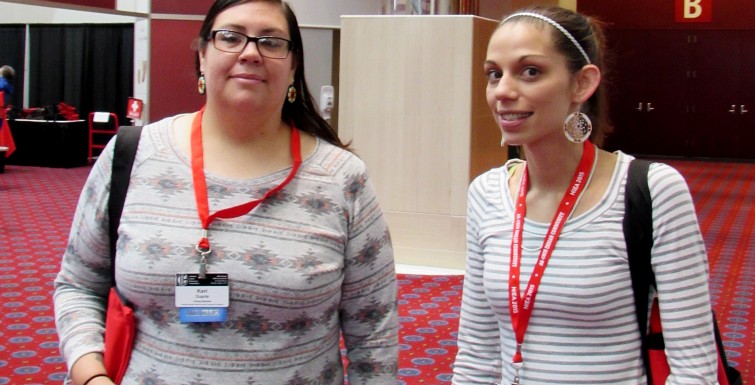
Katie, a Minnesota Chippewa student at Bay Mills Community College in Michigan, and Keri, a member of the Cheyenne River Sioux tribe studying at Oglala Lakota College in South Dakota, are both American Indian College Fund scholars who had the opportunity to network and learn more about educational and career opportunities through a partnership with the College Fund and the Wal-Mart Foundation.
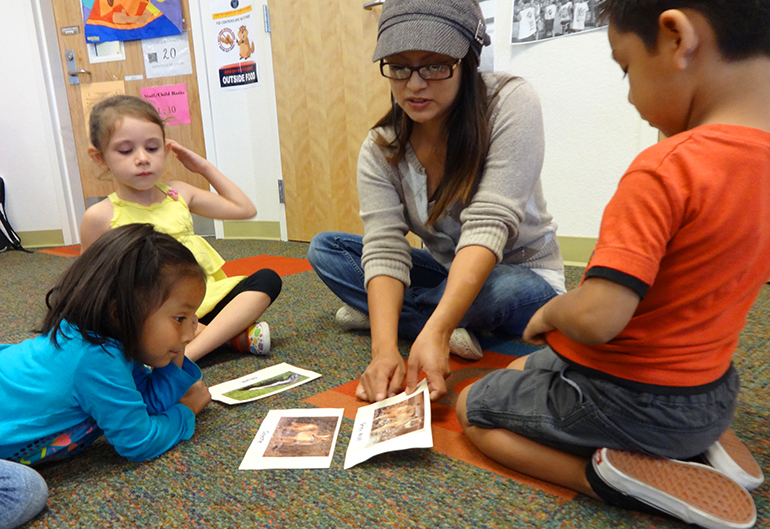
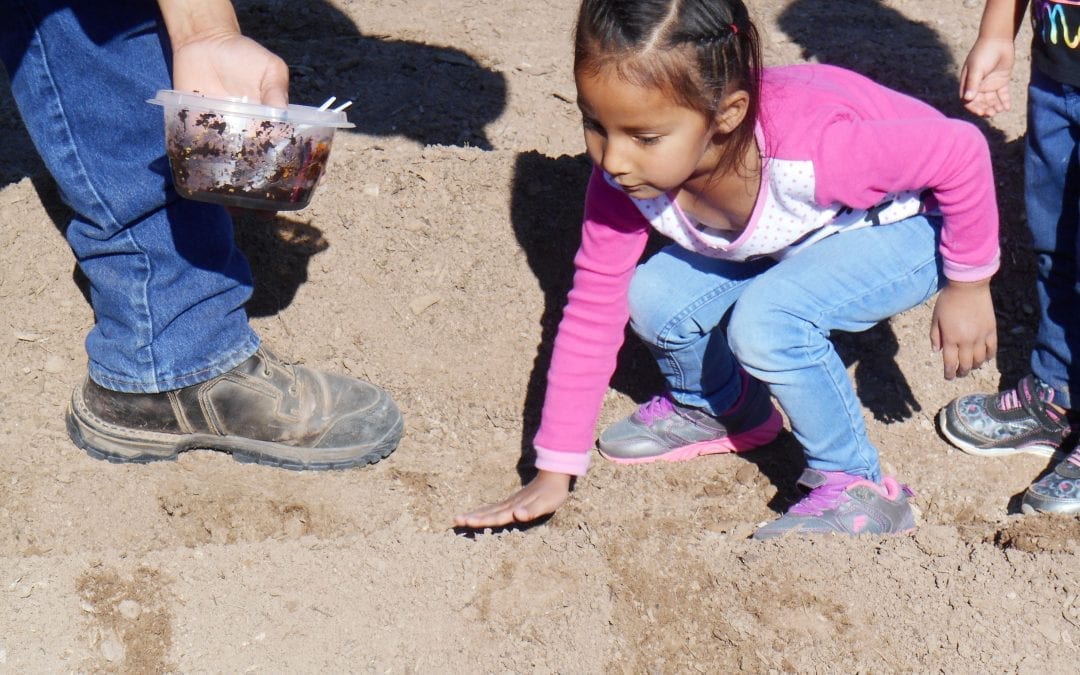
With the help of the W.K. Kellogg Foundation five years ago, the American Indian College Fund launched its Sacred Little Ones early childhood education program at four tribal colleges. The program aimed to improve Native children’s school readiness and create a platform for their academic success by third grade.