
Planting the Seeds of Cultural Sustainability
April 22, 2026 | Student Ambassador Aiyanna Tanyan’s (Seminole Nation of Oklahoma) work to reclaim food sovereignty
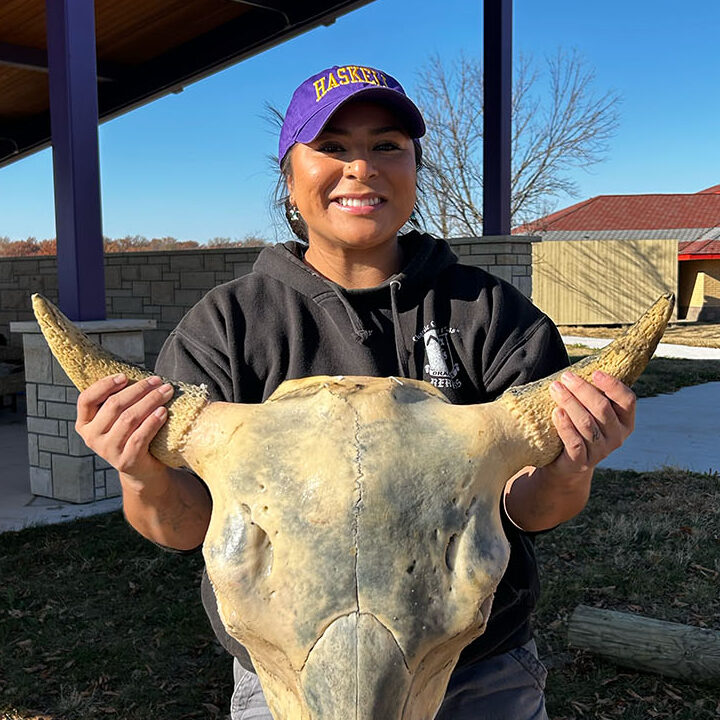
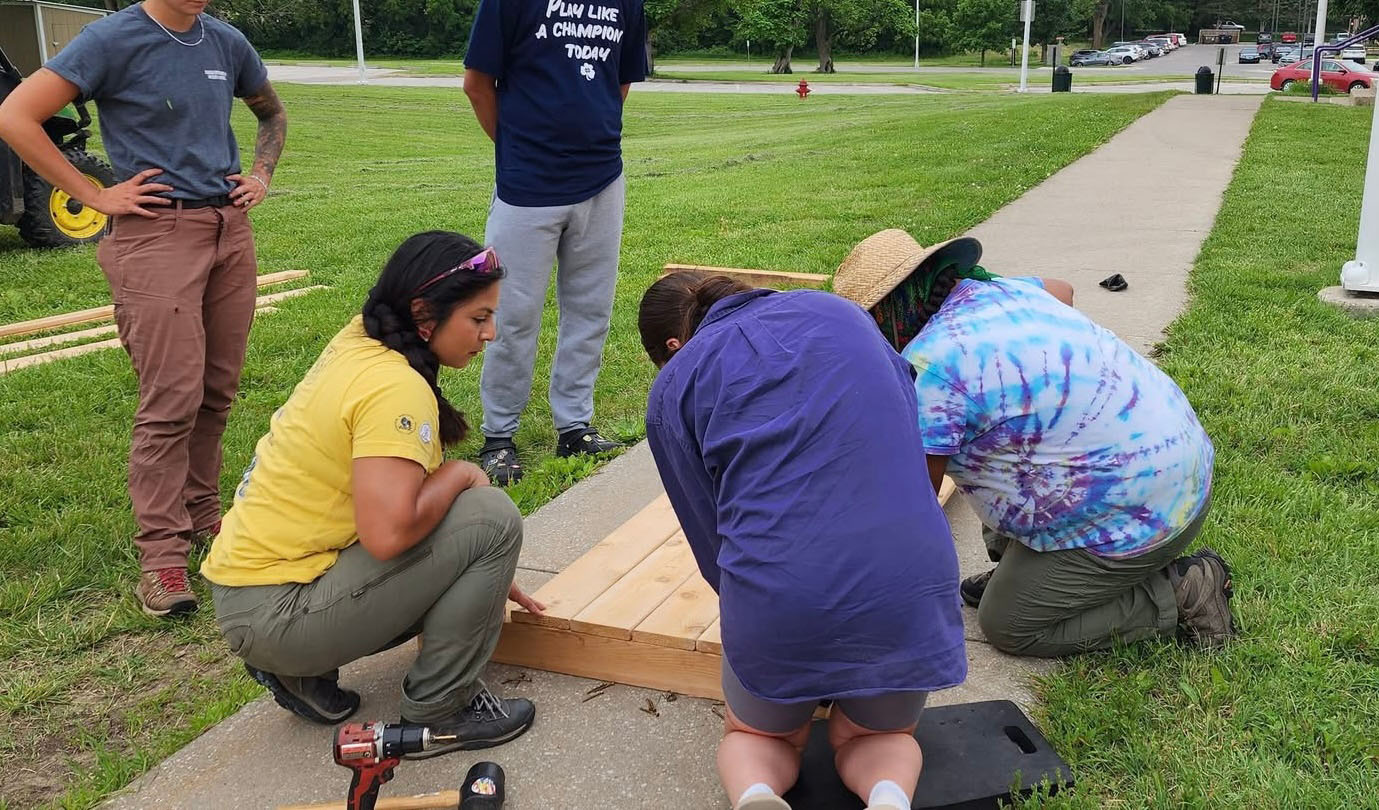
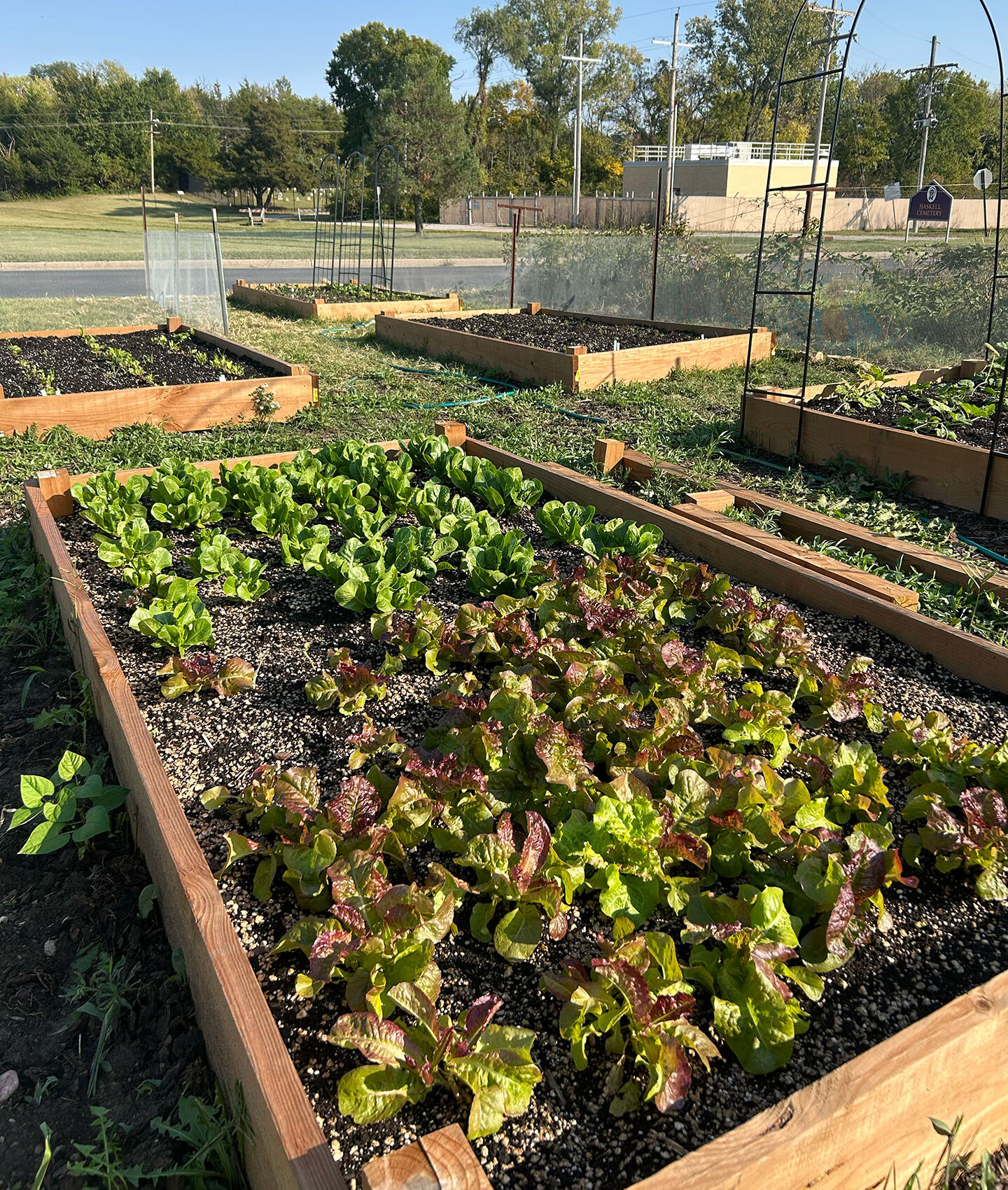
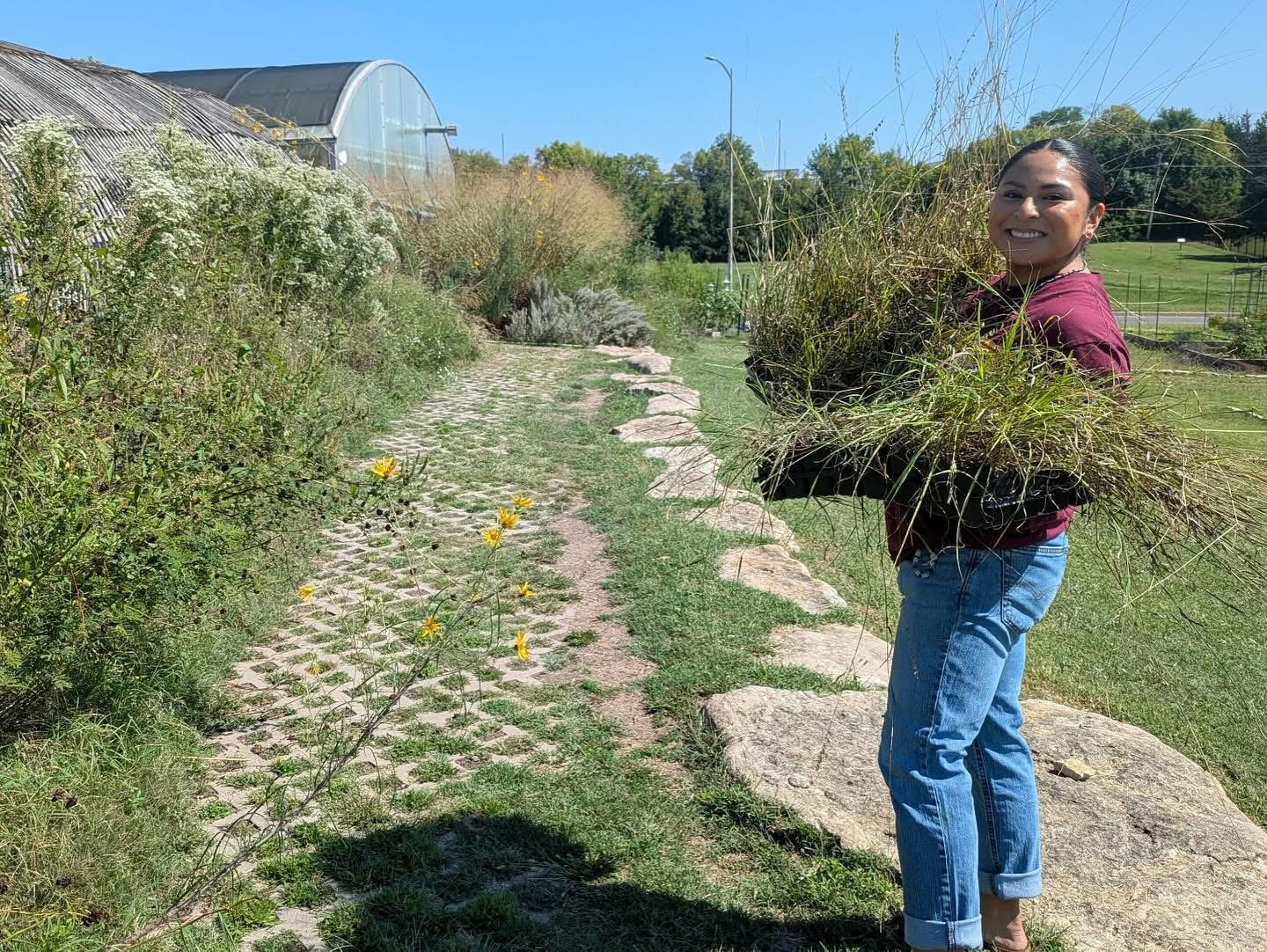
We came up with the idea of building raised garden beds near the dorms so students can easily access fresh foods and learn how to grow them themselves. Through support from the Haskell Greenhouse (funded through the USDA Equity Grant), we started building.
Last year was our first year doing this project and it was a learning experience as with many community-based projects, it comes with trial and error. However, that process taught us a lot about what works, what doesn’t, and how to build something more sustainable moving forward. This year, we’re continuing this work with stronger systems, more involvement, and a clearer vision.
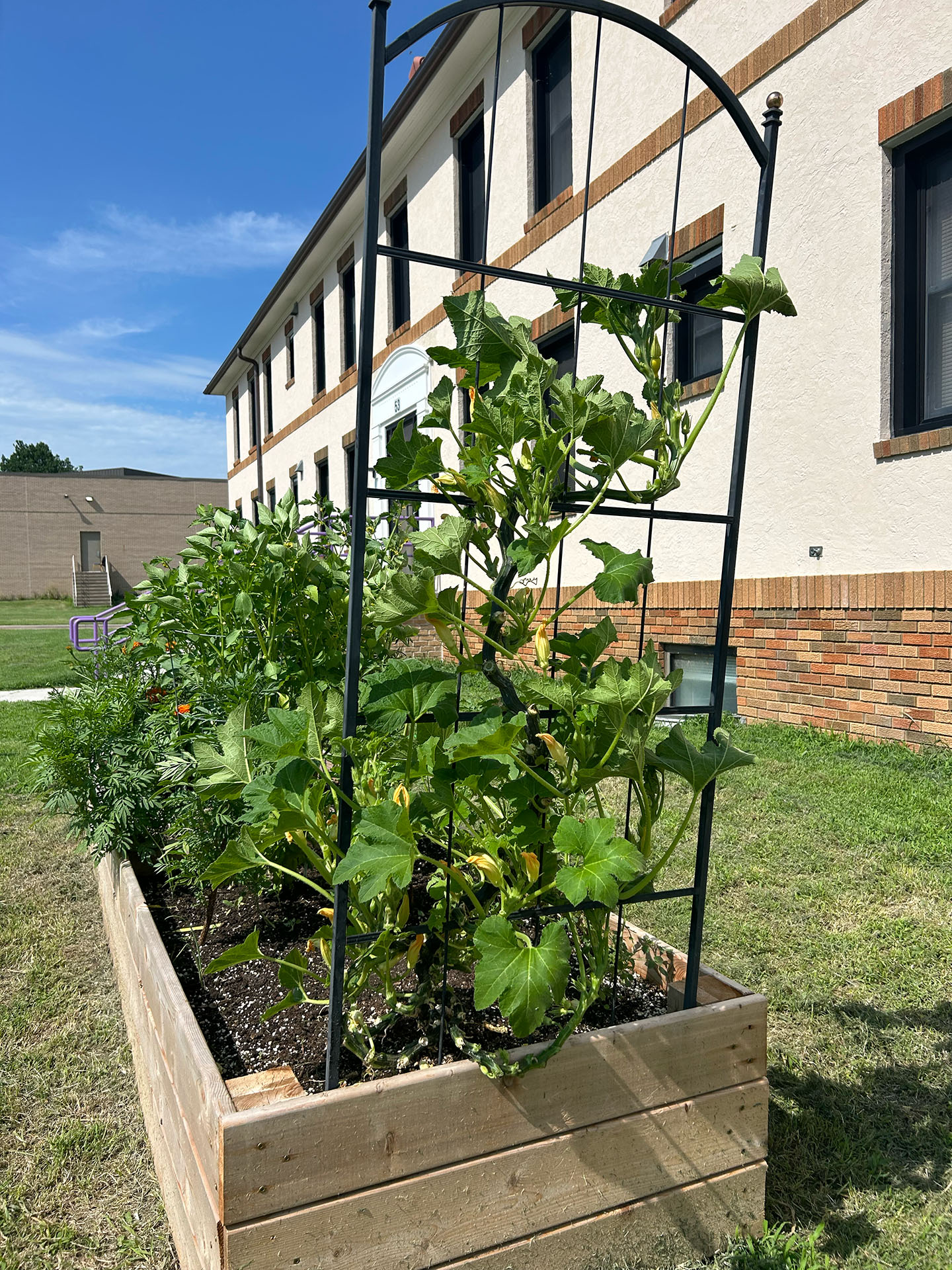
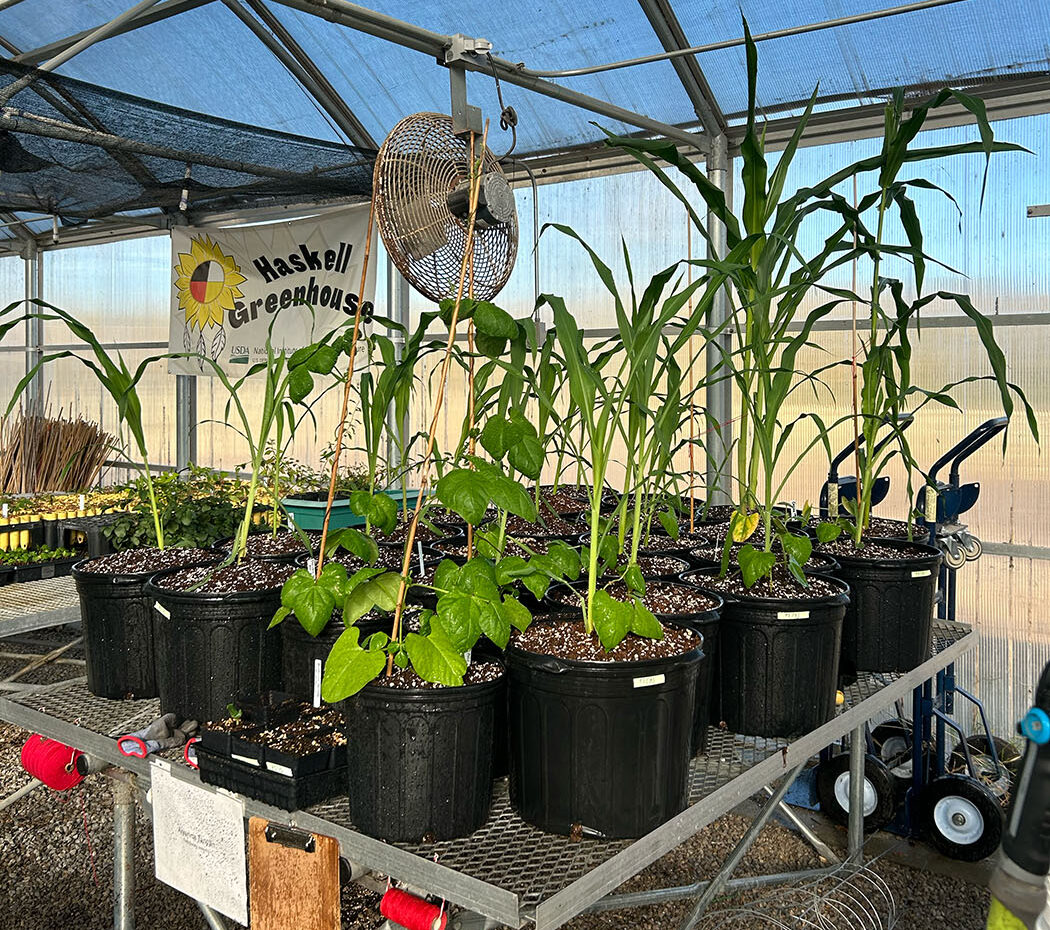
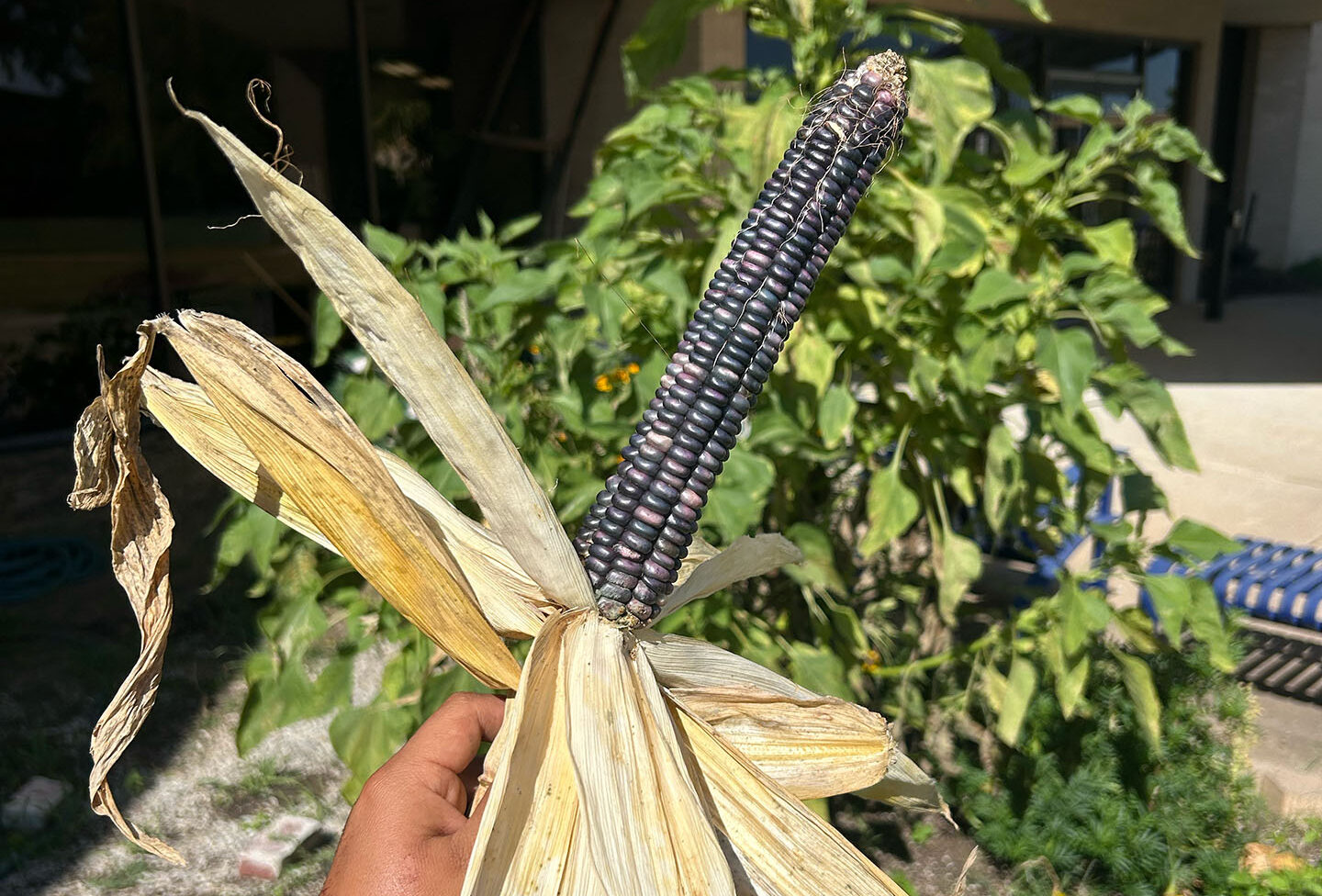
Everyone at the Haskell Greenhouse wants to help others learn, value, and view these spaces as places of teaching. I know they have taught me so much about responsibility and our relationship with the environment. Through these projects, we’re helping students reconnect with the land and understand the importance of food sovereignty for Indigenous communities. This work is ongoing, and we’re still learning. Every seed planted, and every workday shared brings us one step closer to a more sustainable and connected future.
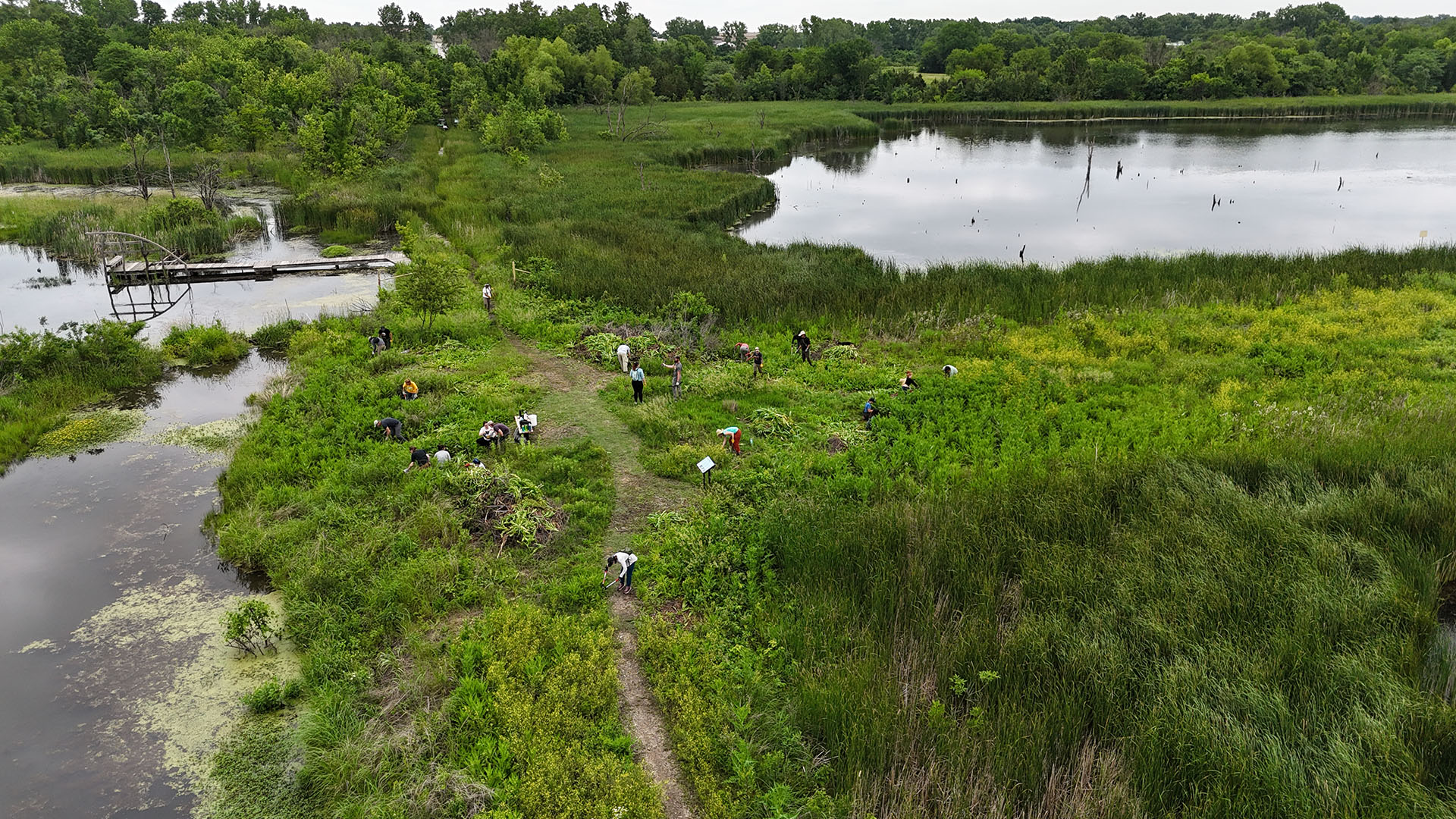
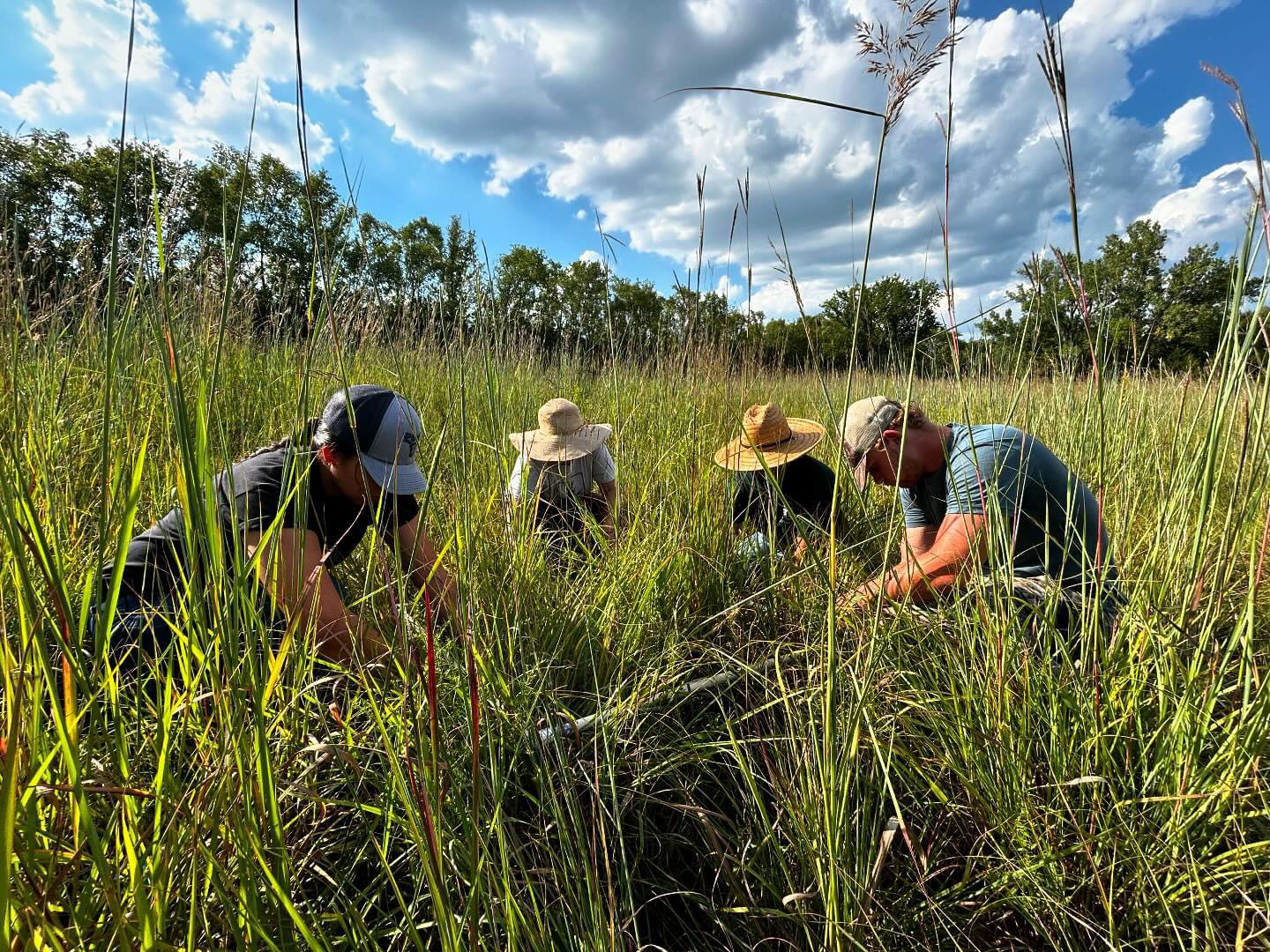
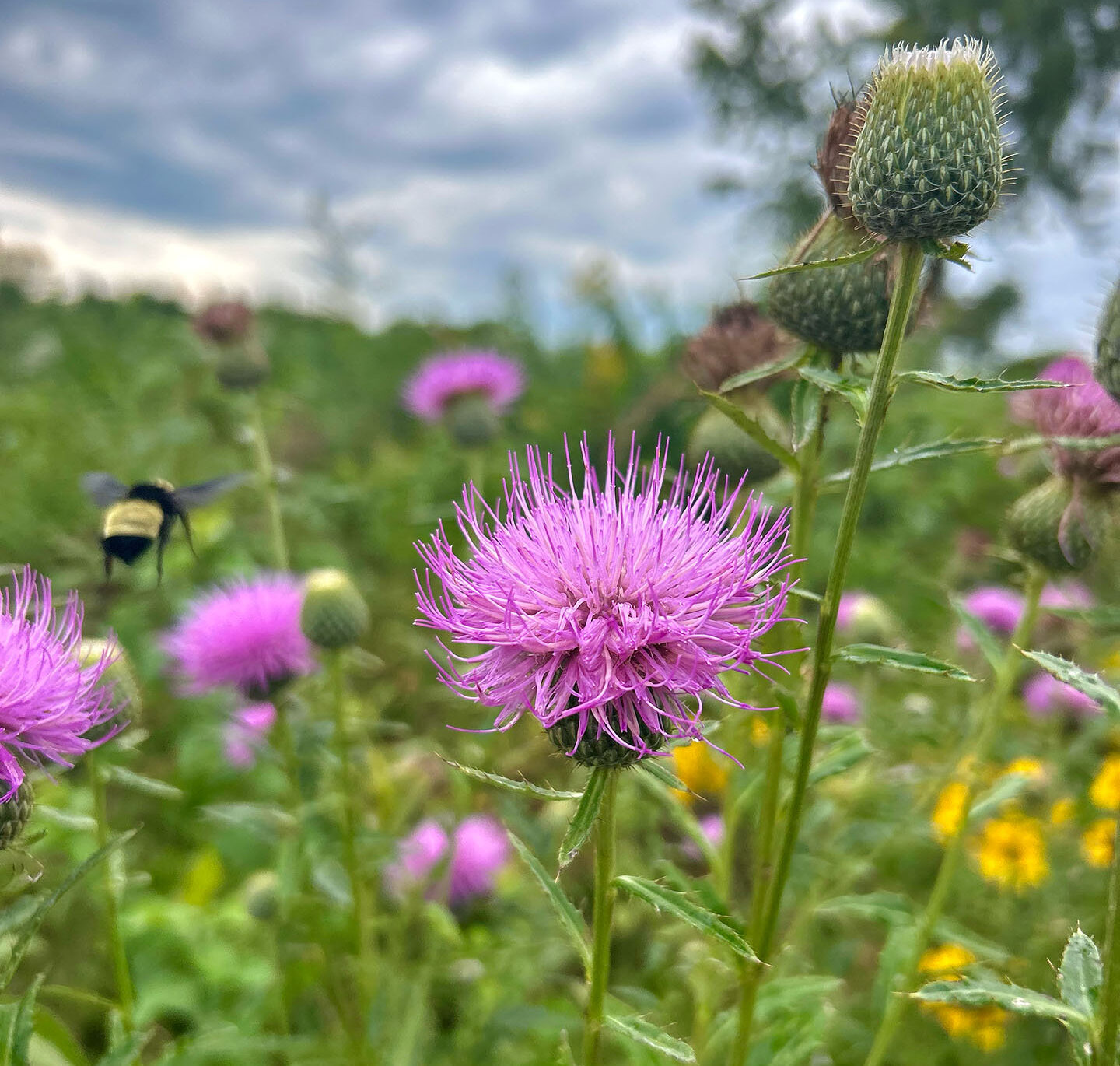
In Caring for Our Kin: Stories of Indigenous Environmental Stewardship, the College Fund shares the stories of Indigenous environmental leaders who are centering kinship and relational knowledge to build healthy ecological systems. These stories remind us that caring for the Earth means caring for one another—and that Indigenous knowledge systems continue to offer guidance, resilience, and hope for the future.
Learn more about our Environmental Stewardship Program.
Ekvnv Vcayecet. Mvto!
(Take care of the Earth/Land. Thank you)
More Blogs
Learn How Tribal College Innovations Transform Native Communities
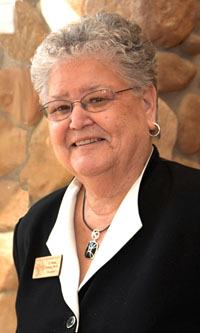
The American Indian College Fund is hosting an event in Chicago, Illinois September 30, 2014 from 5:30-7:30 p.m. featuring Dr. Verna Fowler, President of the College of Menominee Nation in Wisconsin and a ground-breaking innovator in Native higher education, will speak at the event.
ECE Researcher to Present Poster at Native Children’s Research Exchange (NCRE)
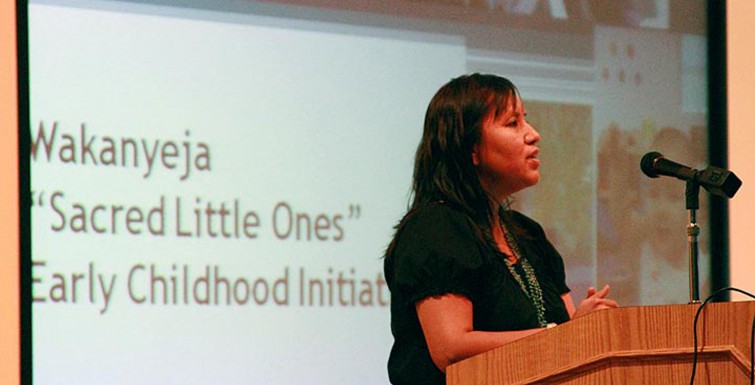
The American Indian College Fund’s Wakanyeja Early Childhood Education Initiative project director at Southwestern Indian Polytechnic Institute, Danielle Lansing, will be presenting a research poster at the Native Children’s Research Exchange (NCRE) at CU-Denver this week.
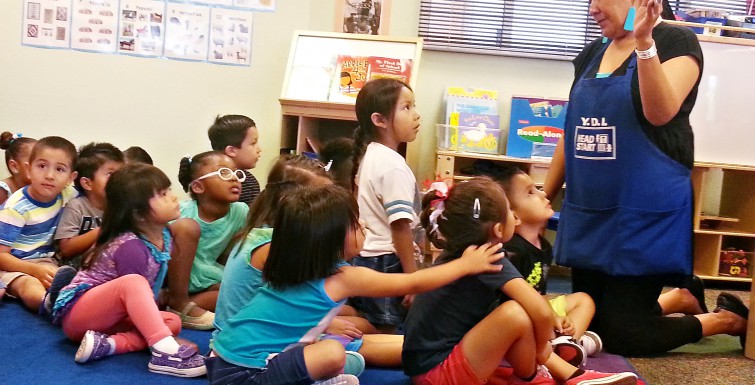
Shaping Native Early Childhood Education with Work and Commitment
This fall marks the final year of the initiative; reflection on the accomplishments of the four tribal college grantees spurs new hope and healing amongst the grantee institutions and their respective project partners. Engaging in collective inquiry to impact and change systems within and among tribal communities is complex work.
Scholarships Distributed for Fall 2014
Checks totaling $2,150,000 of TCU Scholarship Program funding are being sent to the 34 tribal colleges this fall. Allocations are determined by Indian Student Count. In addition, checks totaling $1.3 million are being distributed to Full Circle Scholarship recipients. Congratulations to all of our scholars and good luck this semester!
Cheryl Crazy Bull to Speak at 45th Annual ACCT Leadership Congress
The Association of Community College Trustees (ACCT) today announced that Cheryl Crazy Bull, president and CEO of the American Indian College Fund, will be a featured keynote speaker at the 45th Annual Community College Leadership Congress, which will take place at the Hyatt Regency Chicago this October 22 – 25, 2014.
Idina Menzel to Perform at American Indian College Fund’s 25th Anniversary Gala
The American Indian College Fund has signed Tony-award winning Broadway powerhouse vocalist Idina Menzel to perform live at its 25th Anniversary Gala, to be held Monday, October 20 at Pier Sixty in New York City. This black tie fundraising event will benefit Native American higher education and celebrate the College Fund’s mission and years of service to provide Native American access to higher education.

Meet Our Summer Interns
Ian Stand (Sac and Fox Nation) is a senior Indigenous and American Indian studies major at Haskell Indian Nations University. He comes from the San Francisco Bay Area and is a student-athlete who competes with the shot put and discus on the track and field team.
American Indian College Fund and United Health Foundation Award $100,000 in Scholarships
American Indian College Fund and United Health Foundation Award $100,000 in Scholarships to American Indian Students Pursuing Health Careers • Announcement made at sixth annual Diverse Scholars Forum in Washington, D.C. • Scholarships given as part of United Health Foundation’s Diverse Scholars Initiative, which has awarded more than $9 million since 2007
VIDEO: Higher Ed, Institutional Racism, and the Tribal College Difference
Cheryl Crazy Bull, President and CEO of the American Indian College Fund, provided the keynote address for the 27th National Conference on Race and Ethnicity in American Higher Education in Indianapolis, Indiana.
Four Tribal Colleges Awarded Three-Year Grants to Preserve and Restore Traditional Native Art
The American Indian College Fund has awarded four three-year grants of $50,000 each to tribal colleges and universities (TCUs) in the upper-Midwest through a program designed to increase the intergenerational transfer of artistic and cultural knowledge and processes from elders to adults and children and to provide direct support for Native artists, while stemming the tide of lost and endangered cultural art forms in tribal communities. The program is funded by a grant from the Margaret A. Cargill Foundation.