
Planting the Seeds of Cultural Sustainability
April 22, 2026 | Student Ambassador Aiyanna Tanyan’s (Seminole Nation of Oklahoma) work to reclaim food sovereignty
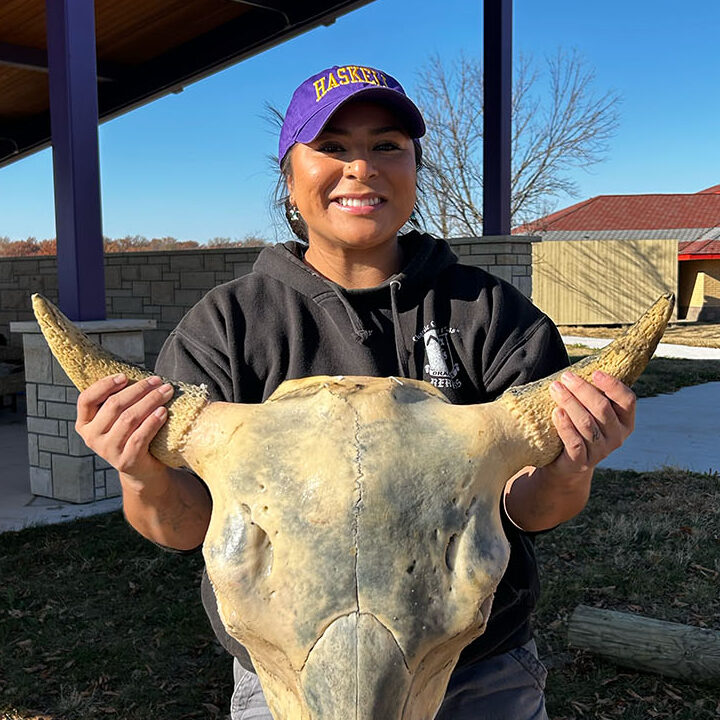
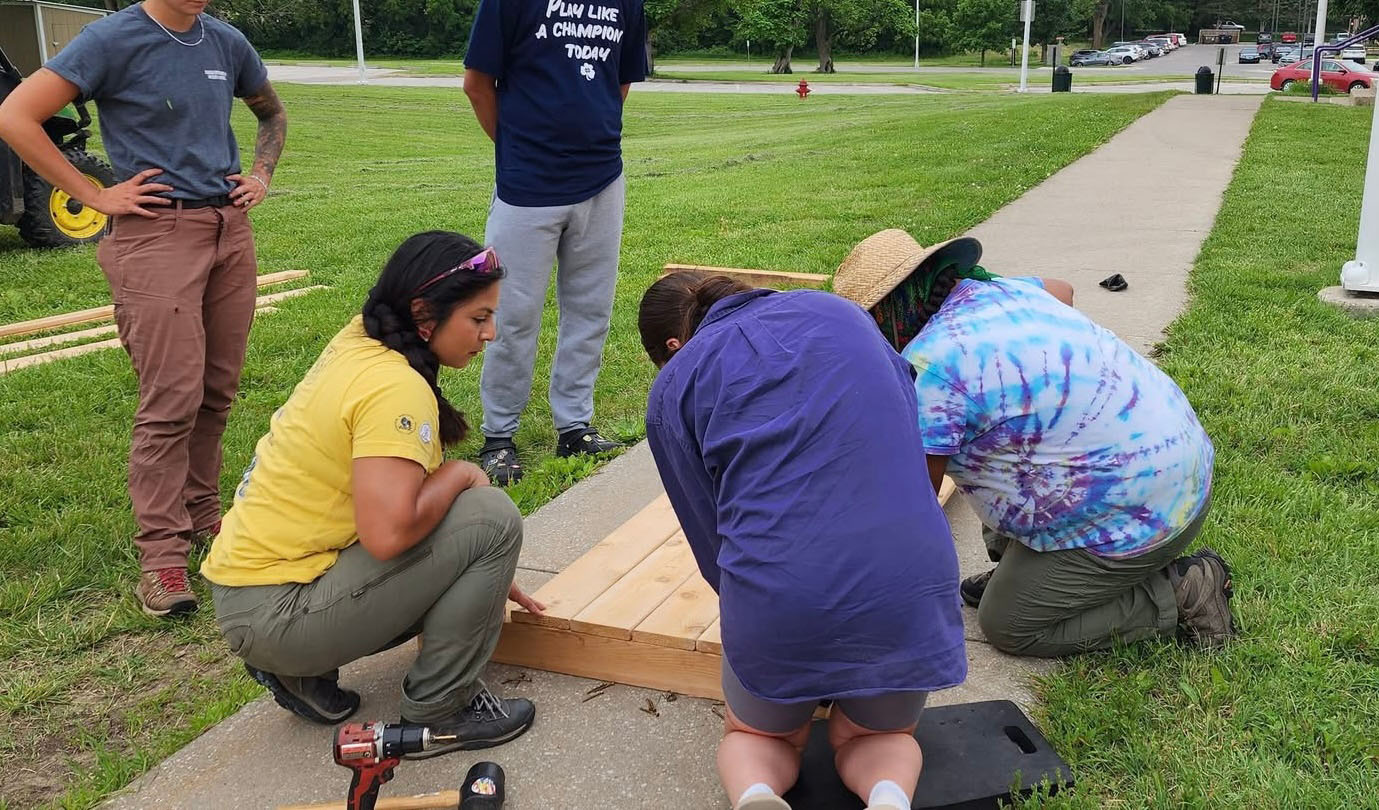
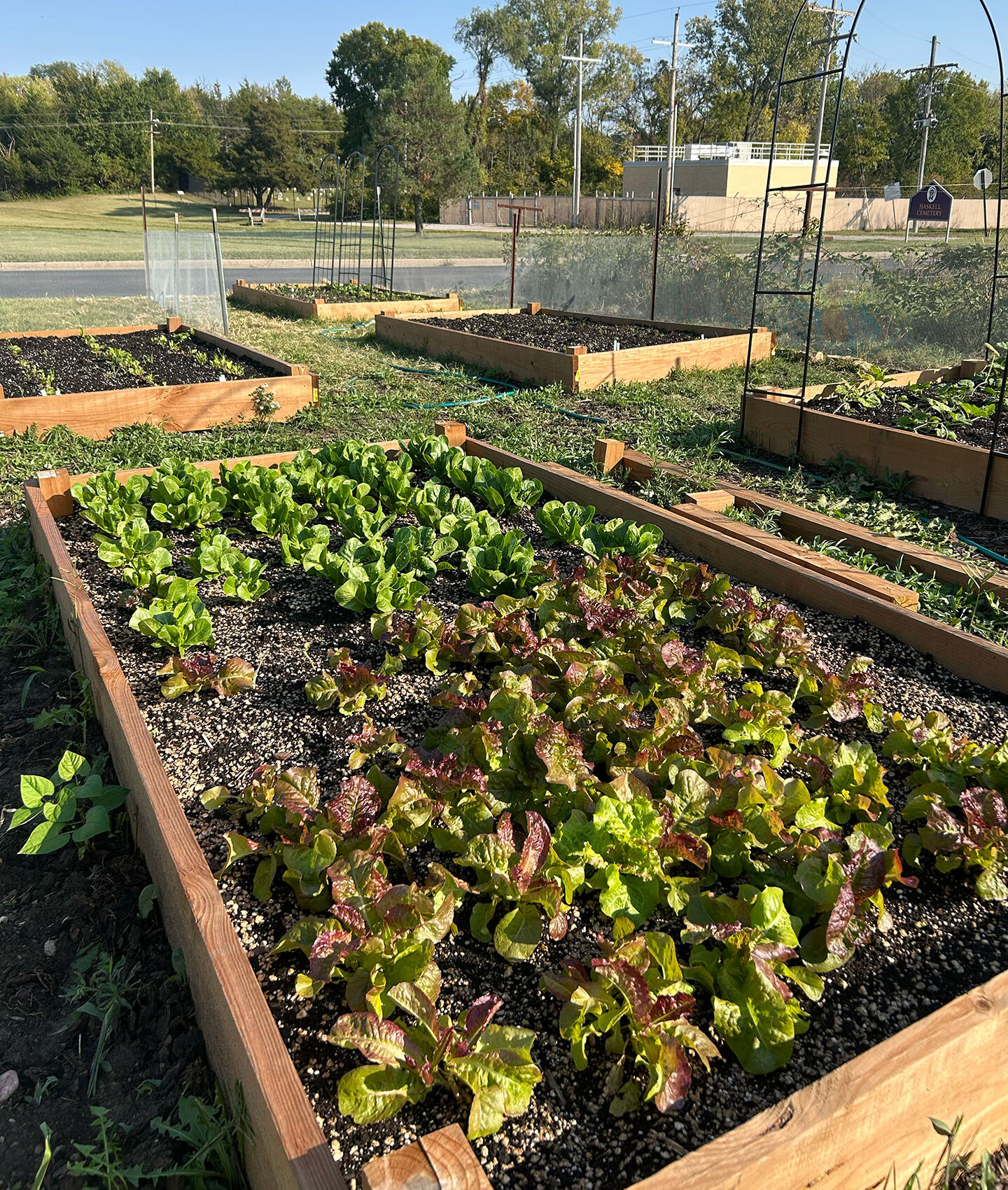
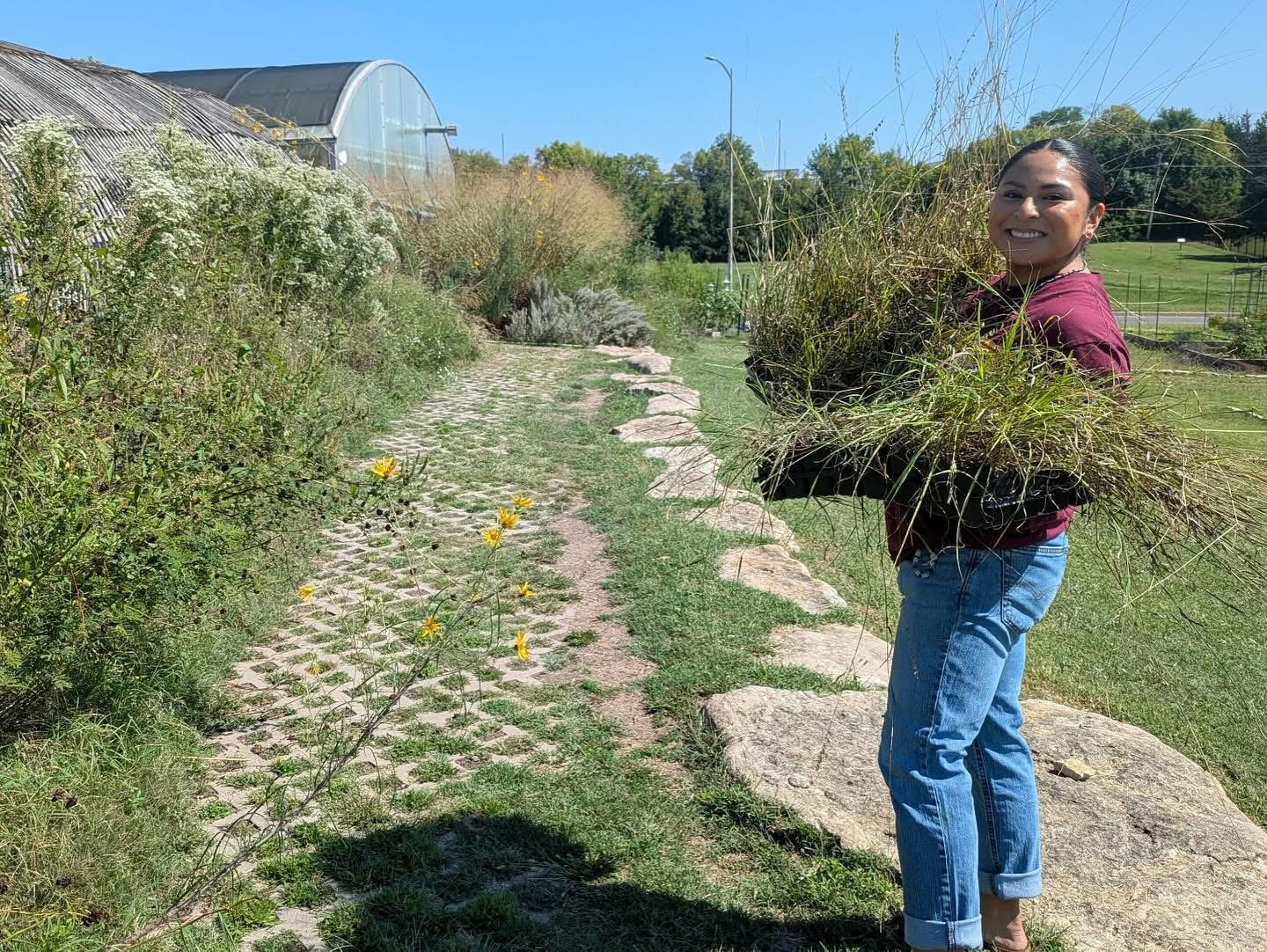
We came up with the idea of building raised garden beds near the dorms so students can easily access fresh foods and learn how to grow them themselves. Through support from the Haskell Greenhouse (funded through the USDA Equity Grant), we started building.
Last year was our first year doing this project and it was a learning experience as with many community-based projects, it comes with trial and error. However, that process taught us a lot about what works, what doesn’t, and how to build something more sustainable moving forward. This year, we’re continuing this work with stronger systems, more involvement, and a clearer vision.
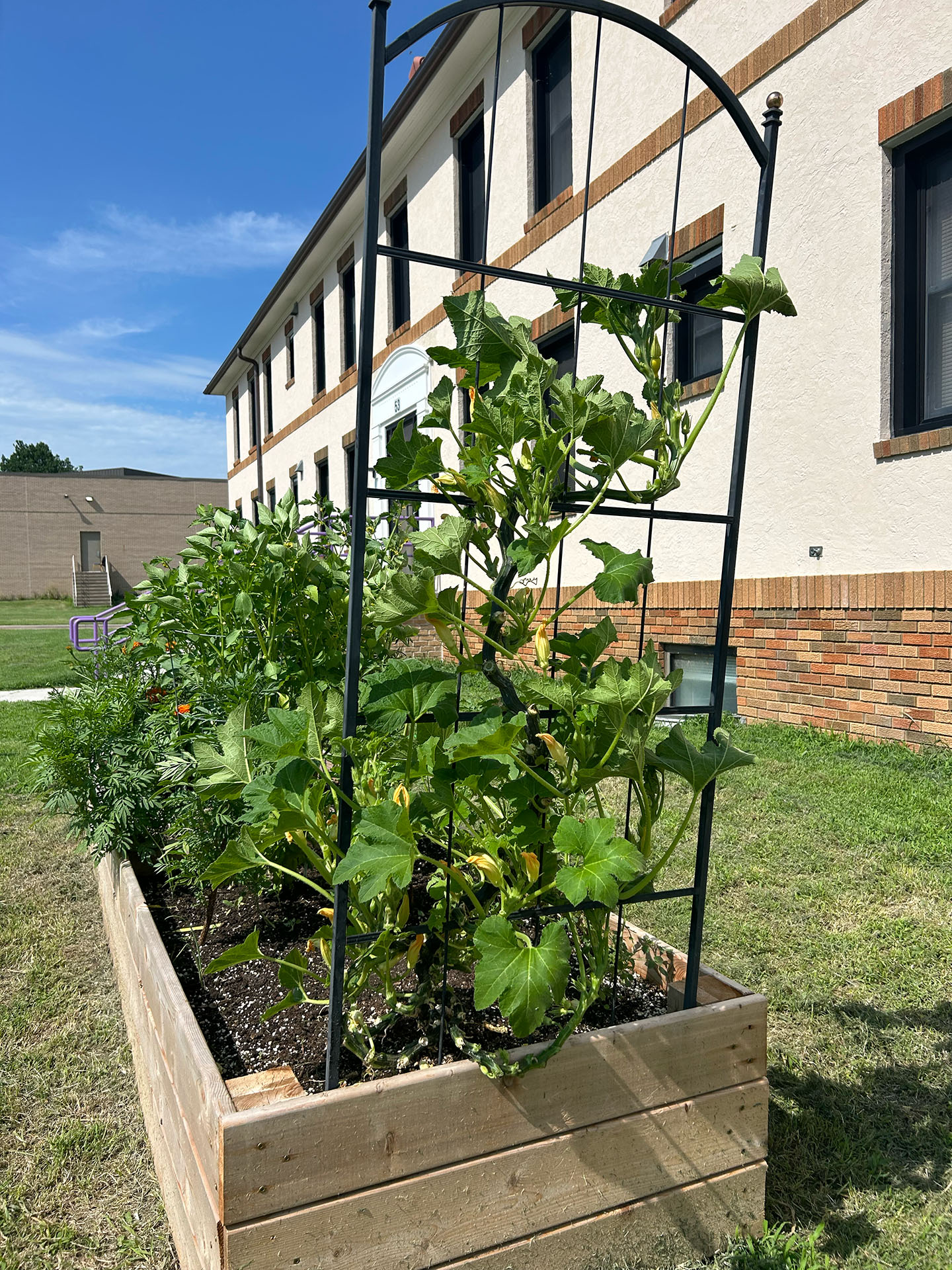
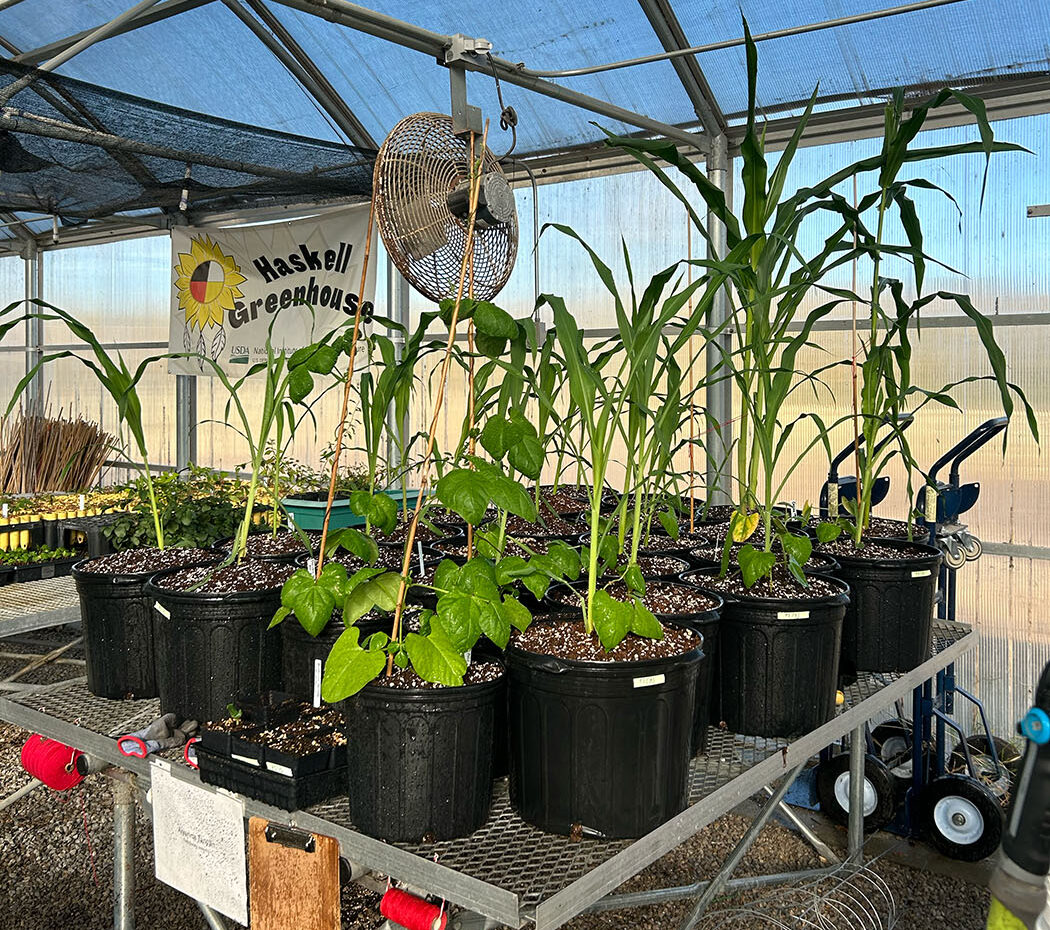
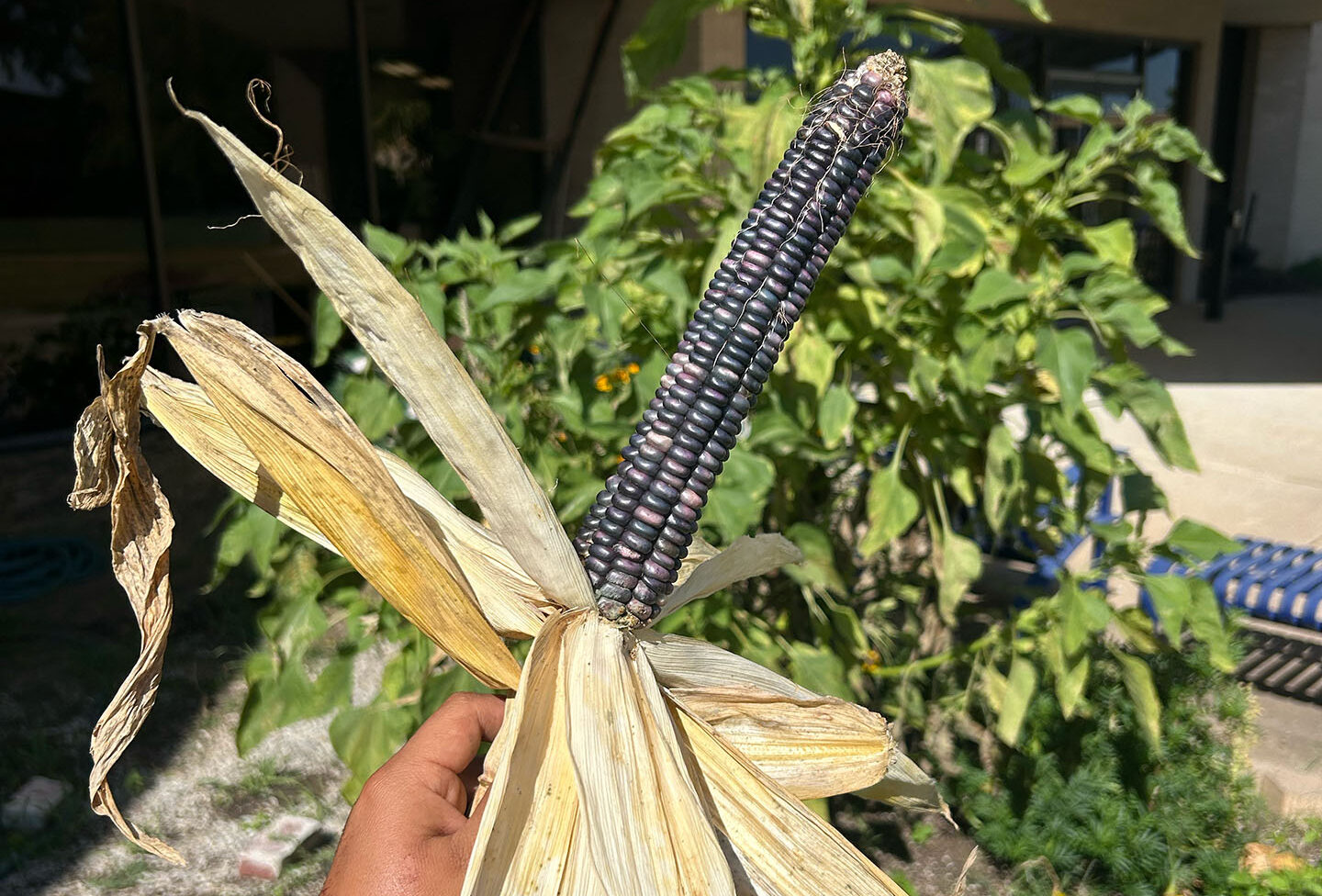
Everyone at the Haskell Greenhouse wants to help others learn, value, and view these spaces as places of teaching. I know they have taught me so much about responsibility and our relationship with the environment. Through these projects, we’re helping students reconnect with the land and understand the importance of food sovereignty for Indigenous communities. This work is ongoing, and we’re still learning. Every seed planted, and every workday shared brings us one step closer to a more sustainable and connected future.
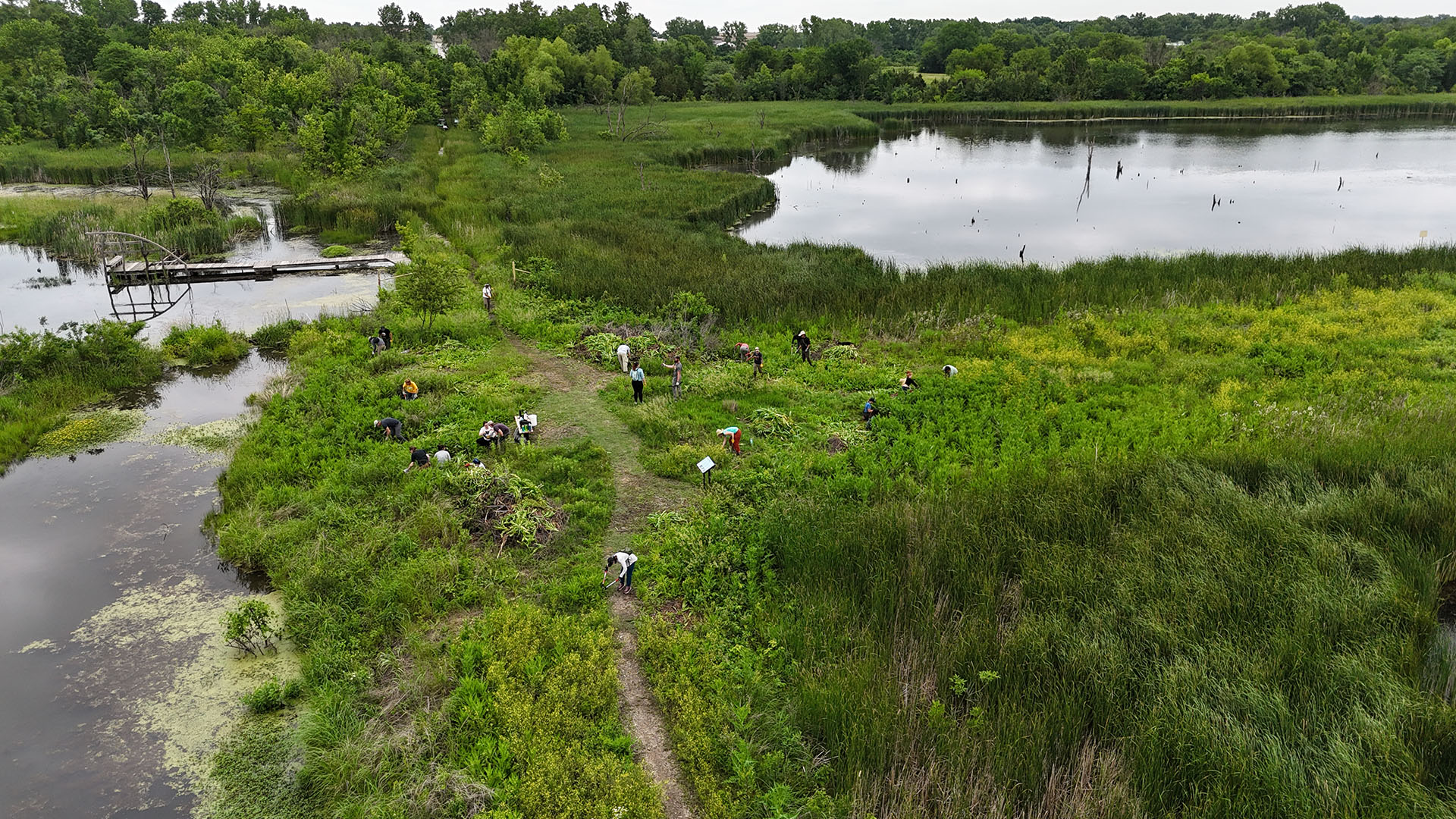
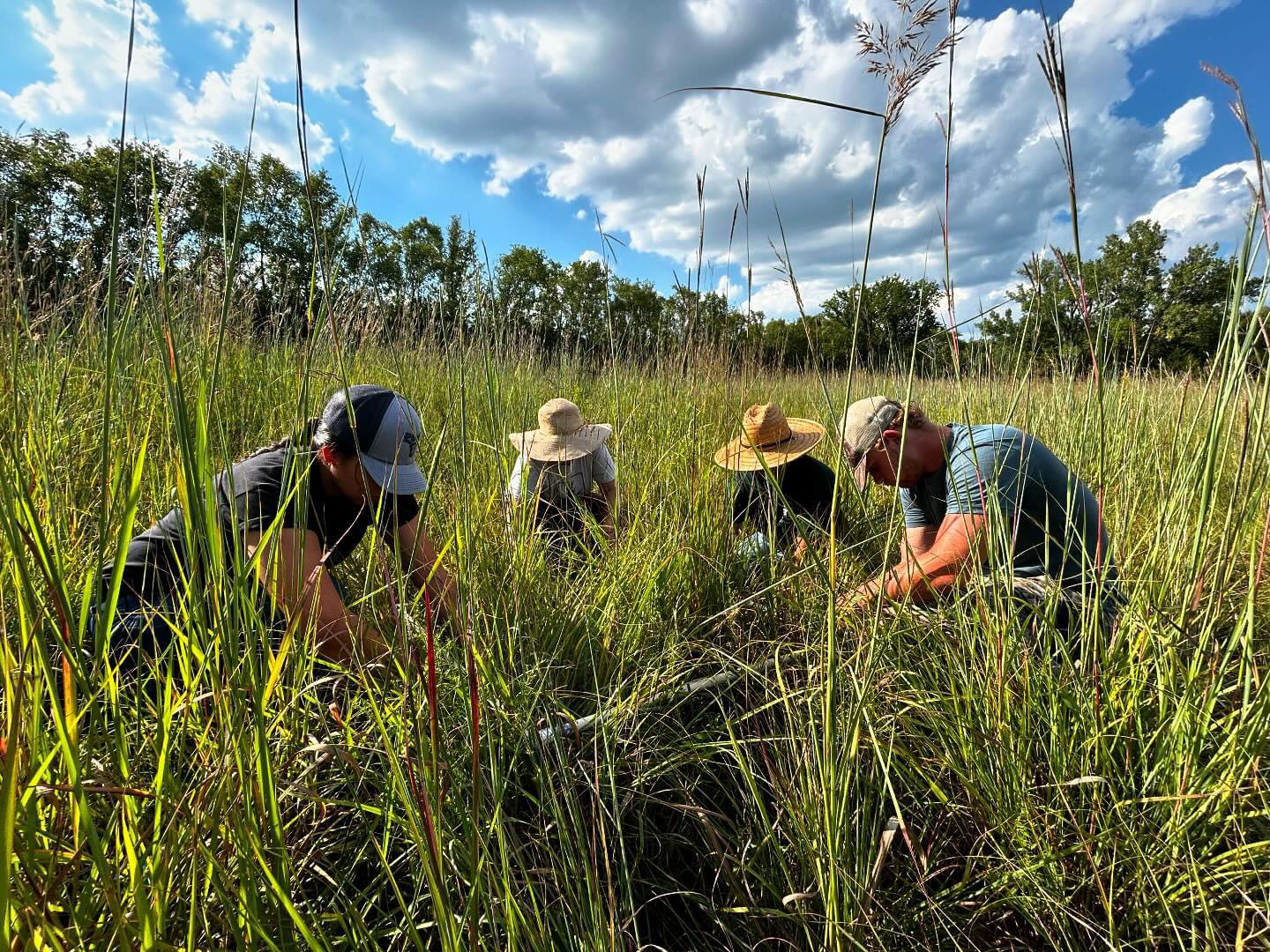
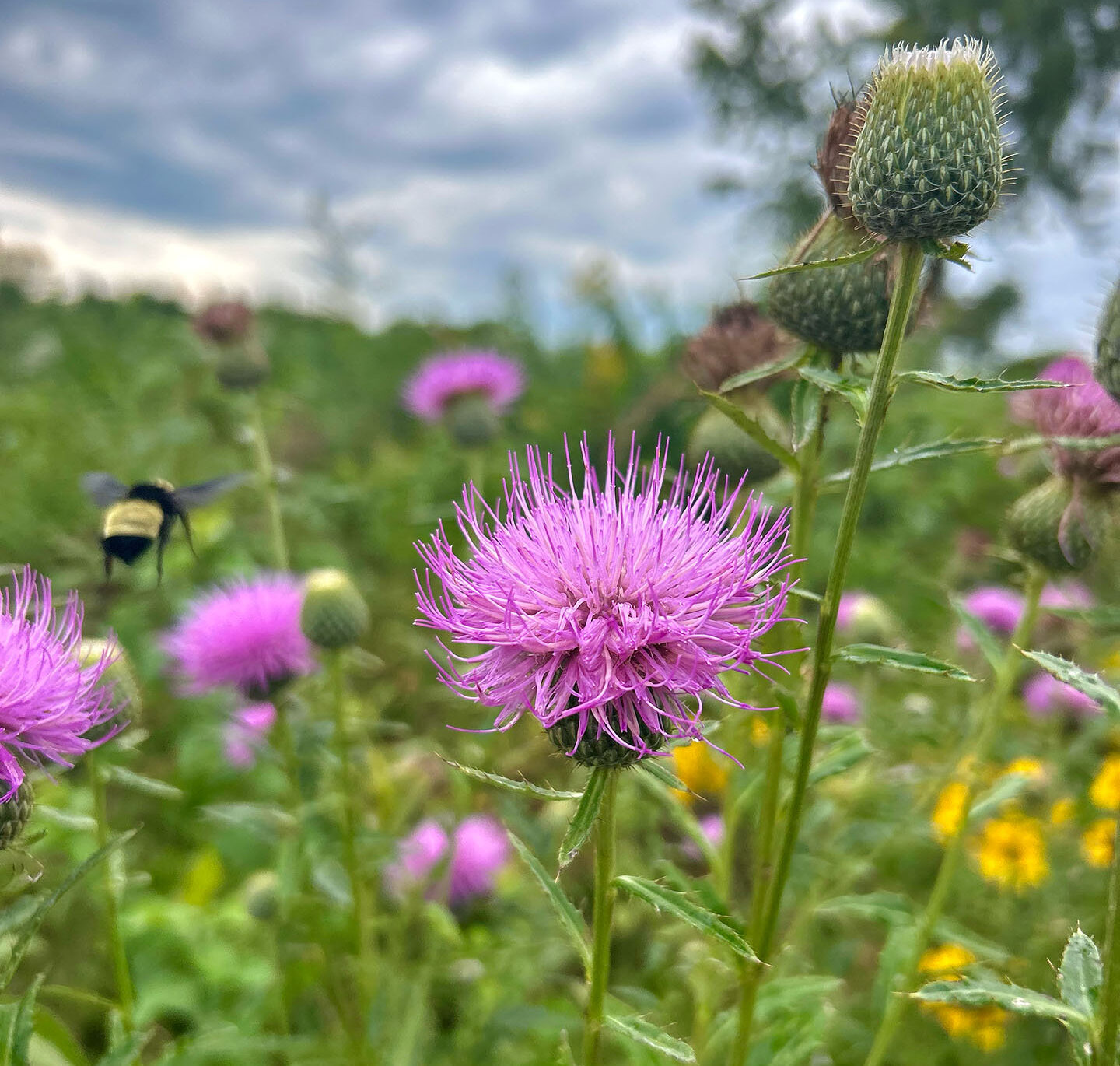
In Caring for Our Kin: Stories of Indigenous Environmental Stewardship, the College Fund shares the stories of Indigenous environmental leaders who are centering kinship and relational knowledge to build healthy ecological systems. These stories remind us that caring for the Earth means caring for one another—and that Indigenous knowledge systems continue to offer guidance, resilience, and hope for the future.
Learn more about our Environmental Stewardship Program.
Ekvnv Vcayecet. Mvto!
(Take care of the Earth/Land. Thank you)
More Blogs
Brennan- Keepers of the Menominee Forest
It is estimated the Menominee Nation had owned nearly 10 million acres which comprised of eastern half of Wisconsin, Michigan’s Upper Peninsula, and even a small part in northern Illinois. After several treaties with the United States Government, the first being in...
Test your Flu I.Q. and Find a Flu Vaccine Clinic Near You with the New Protect the Circle of Life Widget
The Centers for Disease Control and Prevention (CDC) has launched a new flu vaccination widget for American Indians and Alaska Natives. This resource was developed as part of the “Protect the Circle of Life” campaign to raise awareness about the importance of flu...
Higher Learning Commission Approved Sitting Bull College to Begin a Master’s of Science Degree
On Wednesday, January 22, 2014 Sitting Bull College (SBC) was officially notified of the results of the Higher Learning Commission of the North Central Association of Colleges and Schools reaffirmation of accreditation evaluation visit completed on October 7-9, 2013. The evaluation was completed by a team of four peer reviewers from various educational institutions in the north central area of the United States. As a result of this evaluation, SBC was granted another ten years of continued accreditation with the next accreditation visit scheduled for 2023-2024.
2014 Montana Tribal College/Career Fair Circuit
You Are Invited to Attend a Fair in Your Area to Search for College and Career Options and Win Money! 6 Tribal College events throughout the state will feature colleges, universities, military branches, agencies, and many career options and a chance to win scholarships and prizes!

Student Blogger Ulrick: Songs of Tribute Echo in Laughter
Over the past month I've been stressed with the load of late homework because I'm a professional procrastinator, and cramming studying for finals. I had completely forgotten about my personal duties. The anxiety weighed heavier on me than in previous semesters, but at...
American Indian College Fund Named a Finalist for Family Engagement Investment
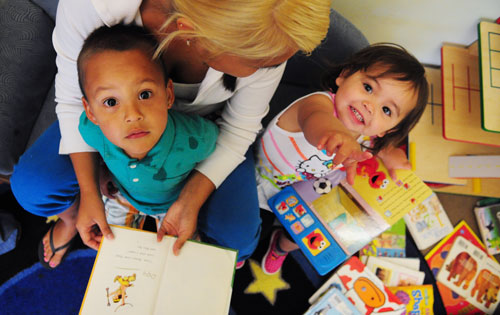
The W.K. Kellogg Foundation (WKKF) announced that the American Indian College Fund (The Fund) is part of a group of 45 innovative organizations from across the country will compete for possible funding of up to $500,000 for one to three years to implement effective family engagement models in early childhood education.
American Indian College Fund Receives $100K in Support from San Manuel Band of Mission Indians
The San Manuel Band of Mission Indians, located near Highland, Calif., provided the American Indian College Fund with $100,000 to support of various program elements, including $50,000 for the scholarship program; $25,000 for the Sovereign Nations Scholarship Fund Endowment; and $25,000 to sponsor the College Fund’s annual fundraising gala.
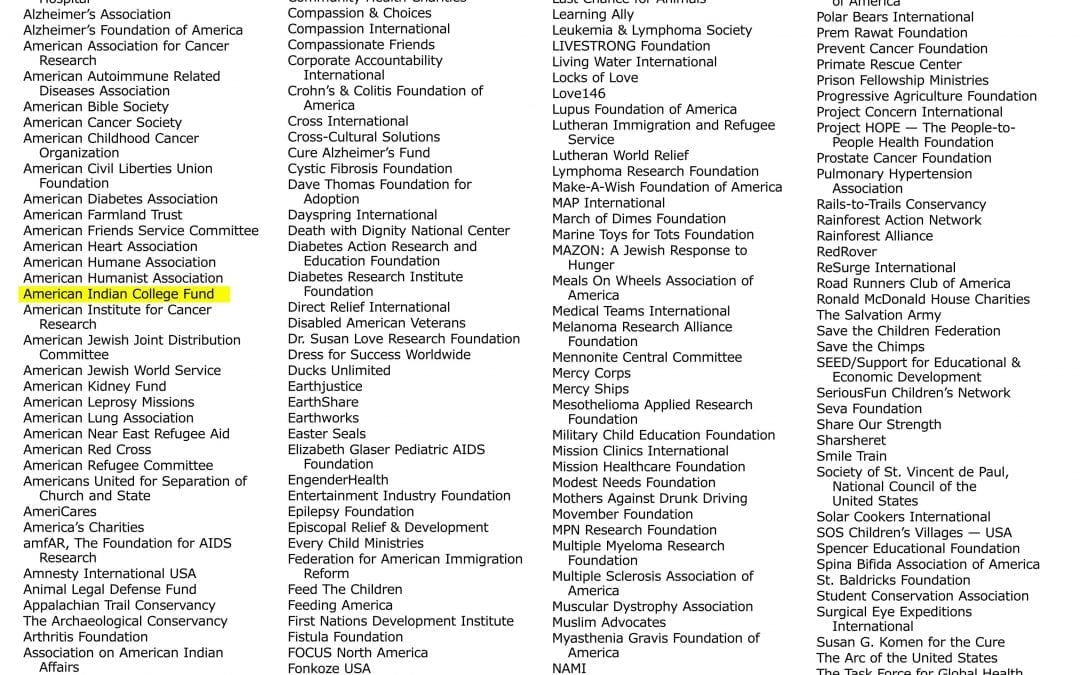
American Indian College Fund Named in Better Business Bureau Advertisement
The Better Business Bureau (BBB) named the American Indian College Fund, along with several other charities they selected for its prestigious Wise Giving Alliance (WGA), in a full-page ad in USA Today. The BBB awards a WGA Charity Seal to preferred charities to help people choose charities who are wise stewards of donations.
Comcast Commits $2.4 Million in Support and Services to the American Indian College Fund
As Native American Heritage Month comes to a close, the American Indian College Fund announced today that Comcast and the Comcast Foundation pledged more than $2.4 million to promote Native access to higher education. The American Indian College Fund received more than $2.4 million in support from Comcast for scholarships, a fundraising gala, and national advertising to promote public awareness, and College Fund President and CEO Cheryl Crazy Bull participated in Comcast’s Native American Heritage Month events as part of its employee enrichment activities.
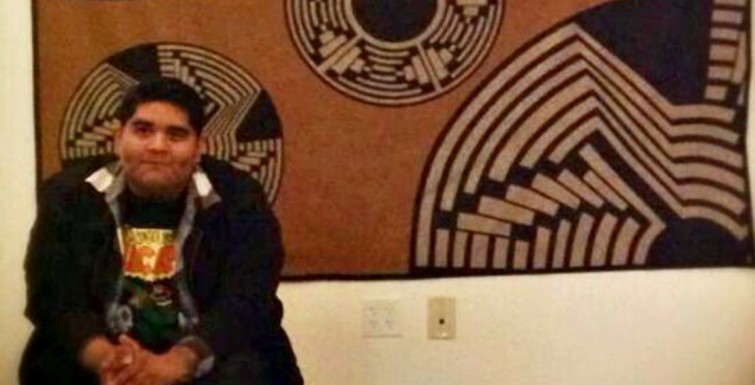
Welcome Our Guest Student Blogger!
Meet Ulrick Francisco, a social services major from Sells, Ariz. attending Tohono O’Odham Community College. Ulrick will join us for the next year as a contributing blogger on the Think Indian Blog. Ulrick was inspired to earn his degree in his hometown through...