
Planting the Seeds of Cultural Sustainability
April 22, 2026 | Student Ambassador Aiyanna Tanyan’s (Seminole Nation of Oklahoma) work to reclaim food sovereignty
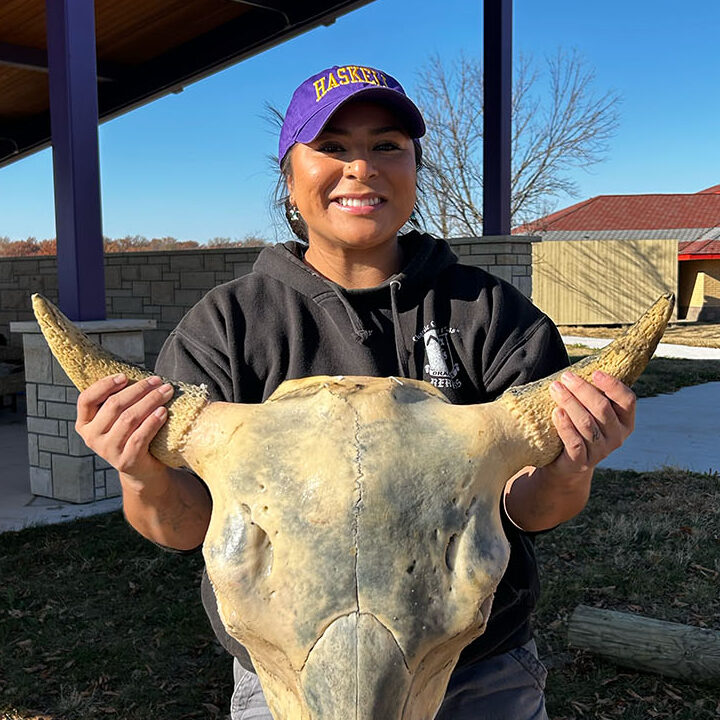
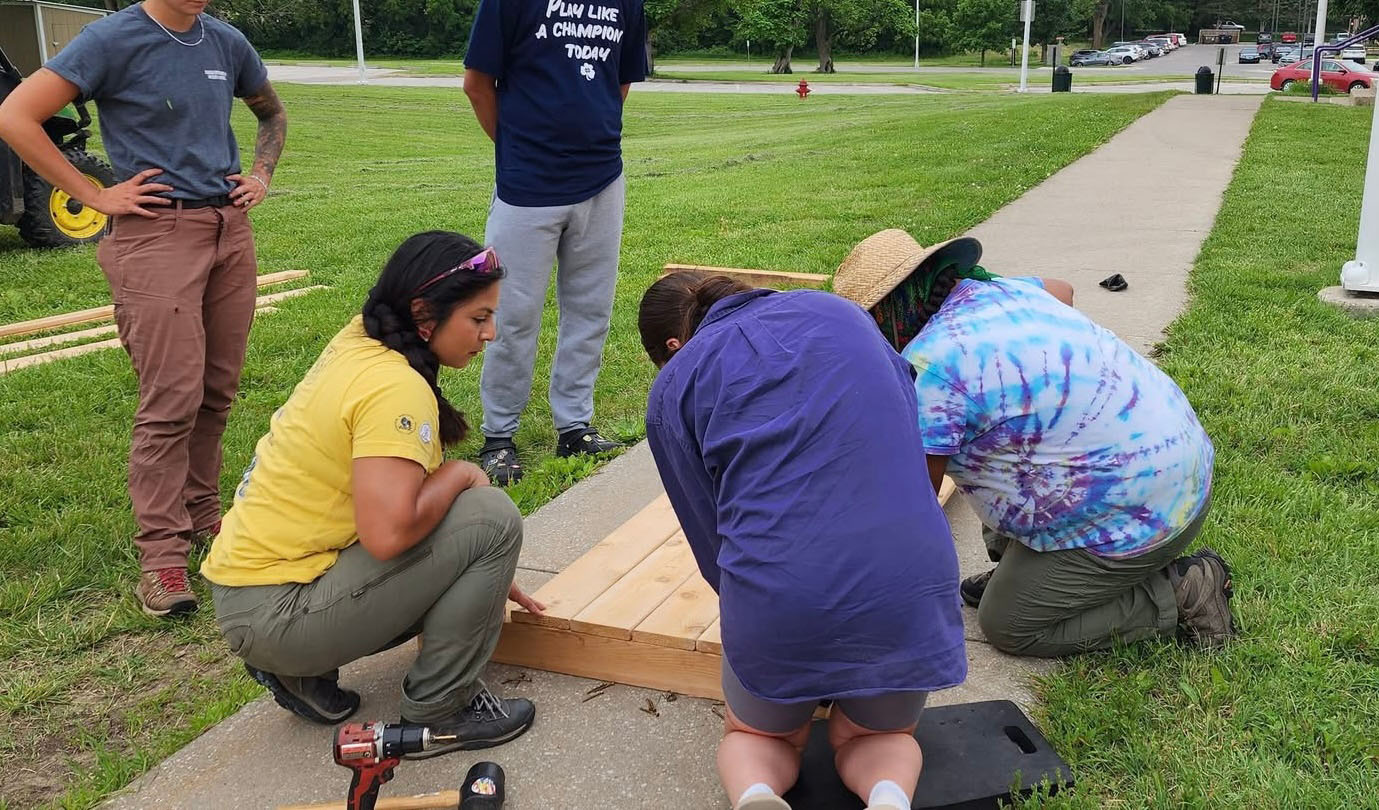
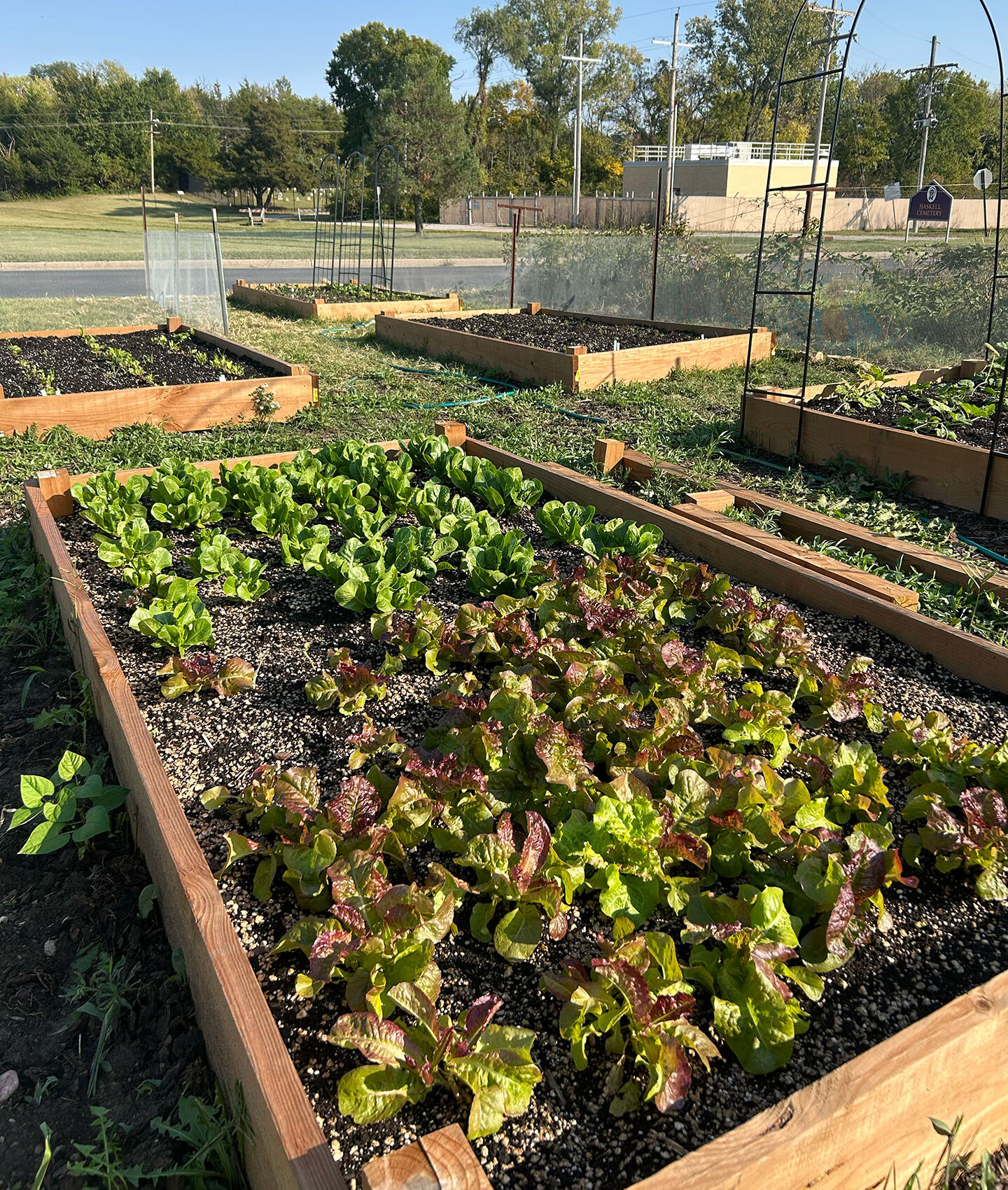
We came up with the idea of building raised garden beds near the dorms so students can easily access fresh foods and learn how to grow them themselves. Through support from the Haskell Greenhouse (funded through the USDA Equity Grant), we started building.
Last year was our first year doing this project and it was a learning experience as with many community-based projects, it comes with trial and error. However, that process taught us a lot about what works, what doesn’t, and how to build something more sustainable moving forward. This year, we’re continuing this work with stronger systems, more involvement, and a clearer vision.
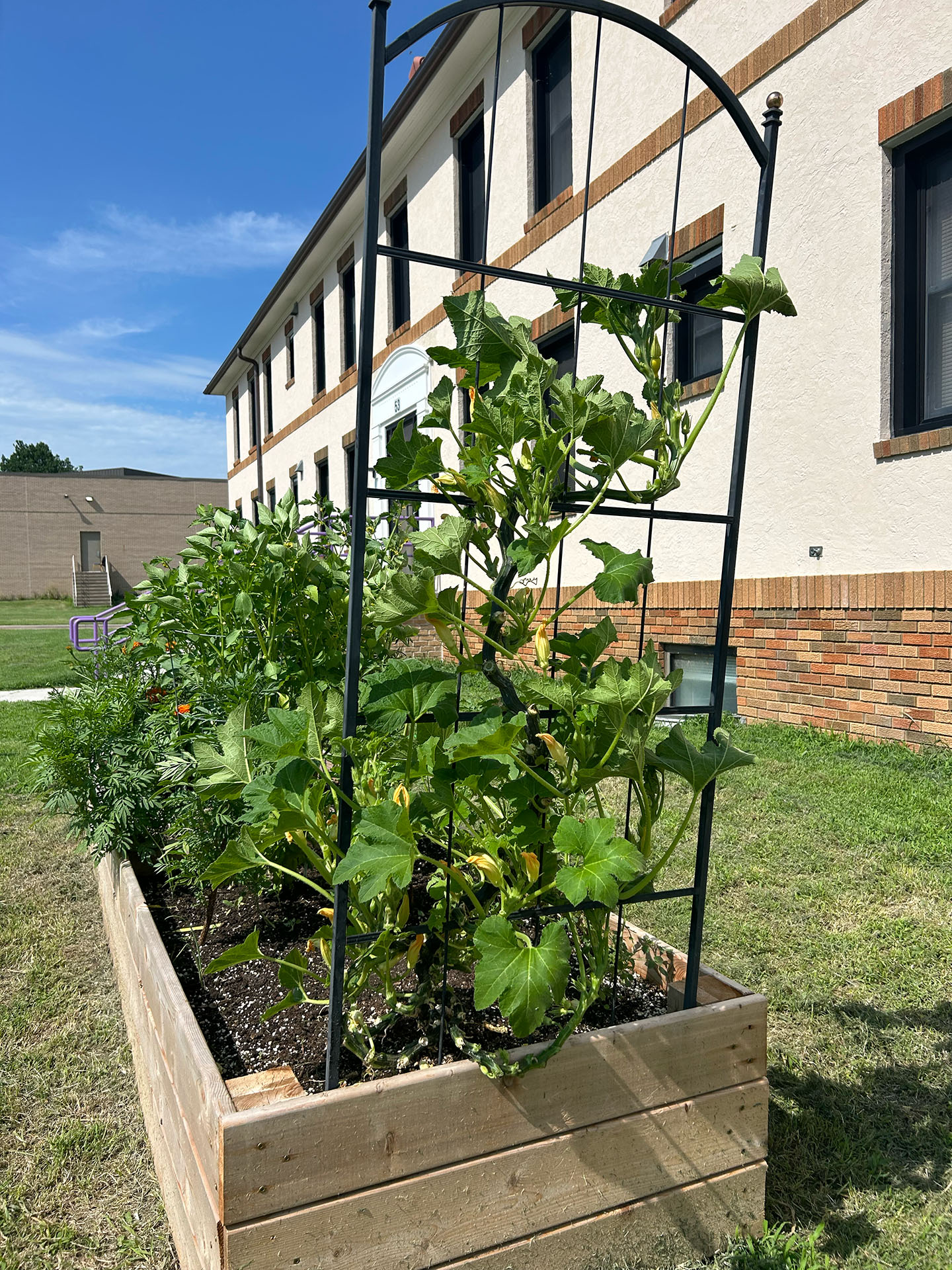
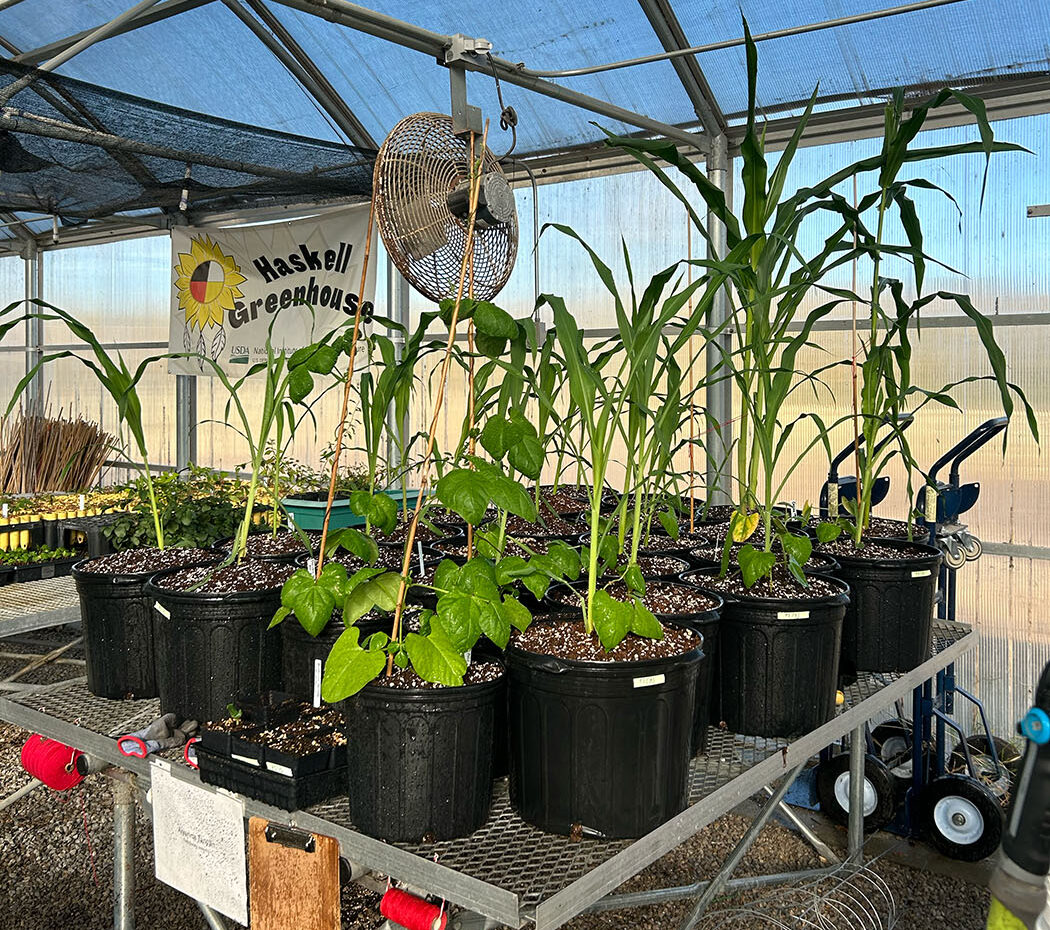
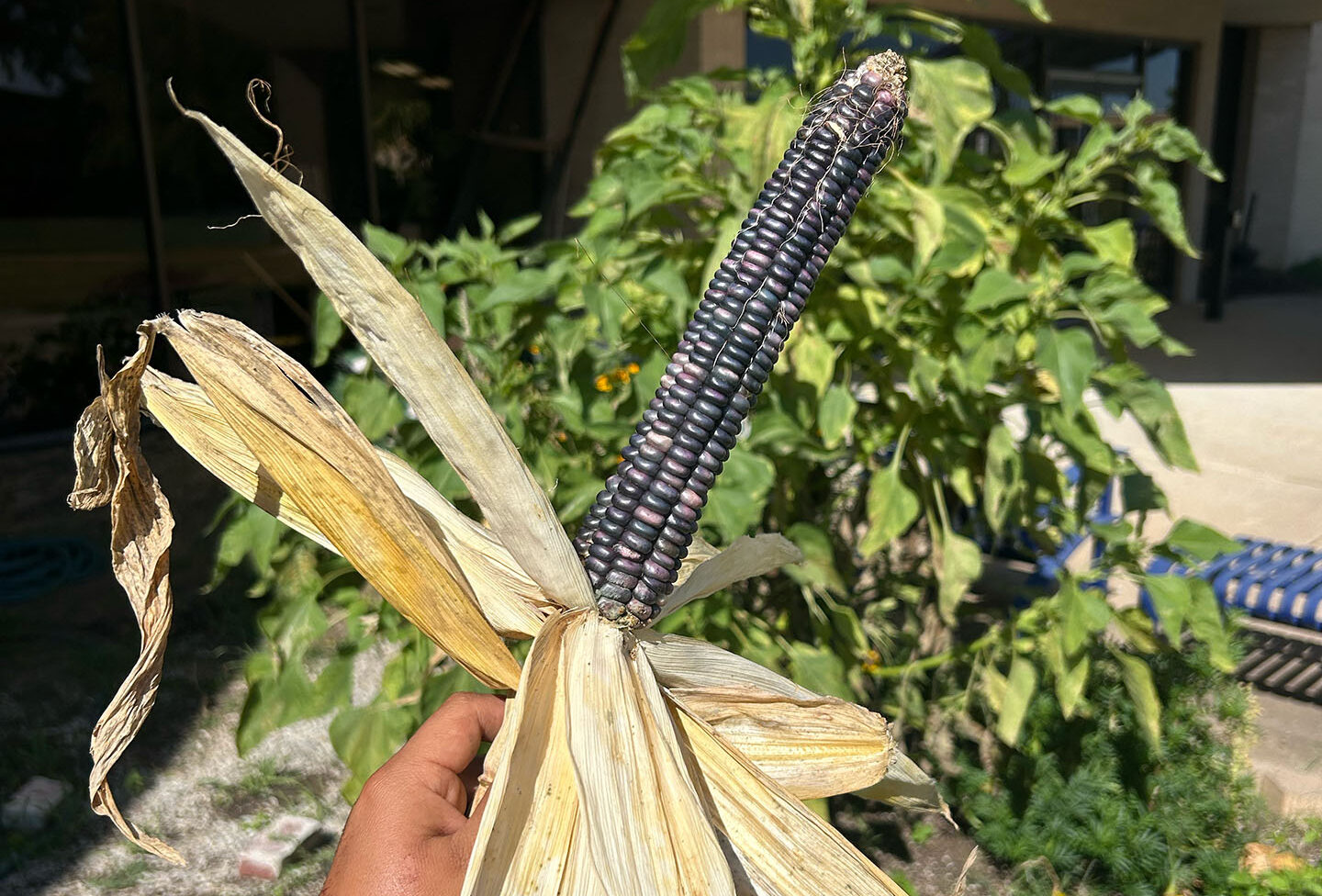
Everyone at the Haskell Greenhouse wants to help others learn, value, and view these spaces as places of teaching. I know they have taught me so much about responsibility and our relationship with the environment. Through these projects, we’re helping students reconnect with the land and understand the importance of food sovereignty for Indigenous communities. This work is ongoing, and we’re still learning. Every seed planted, and every workday shared brings us one step closer to a more sustainable and connected future.
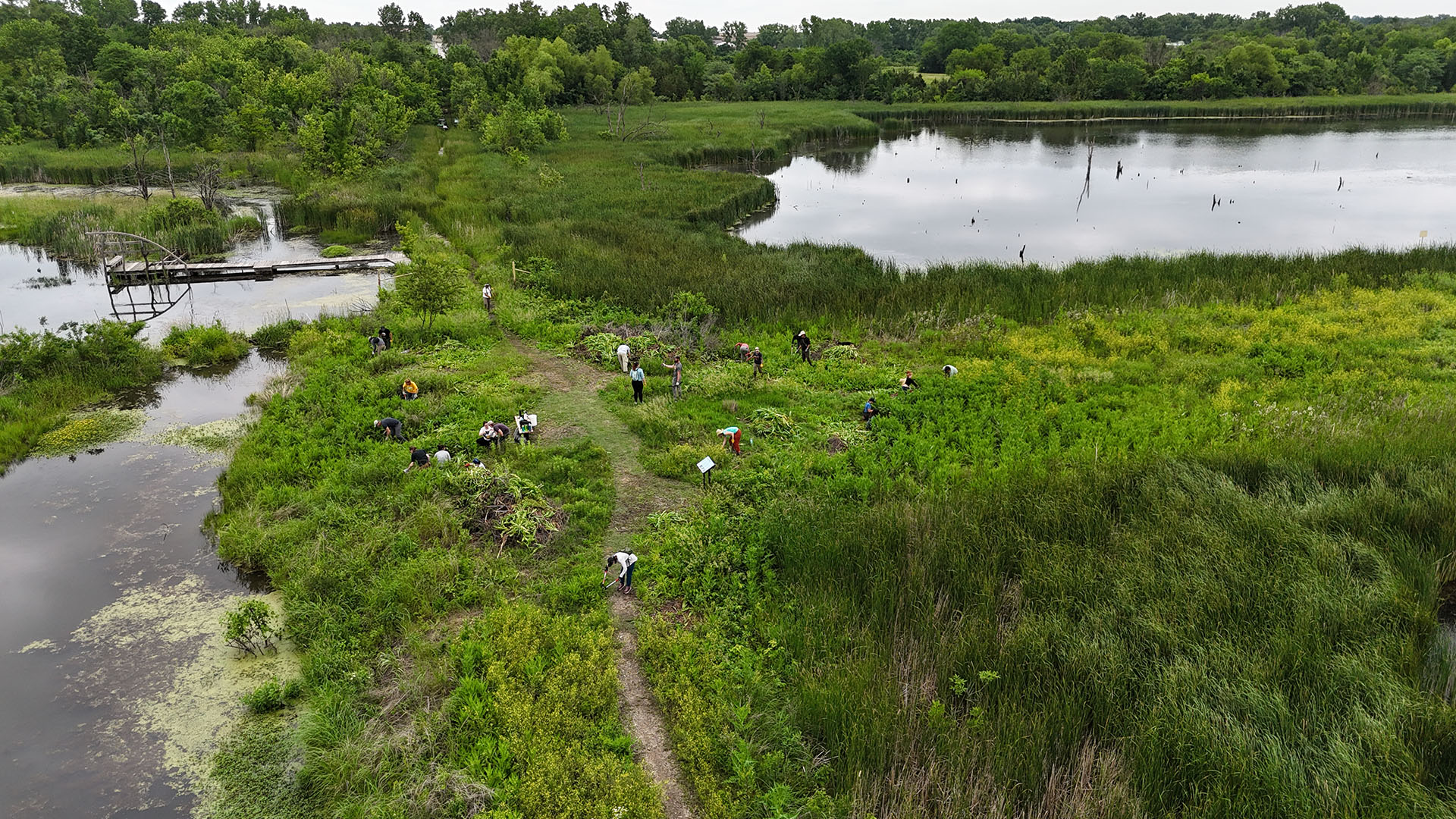
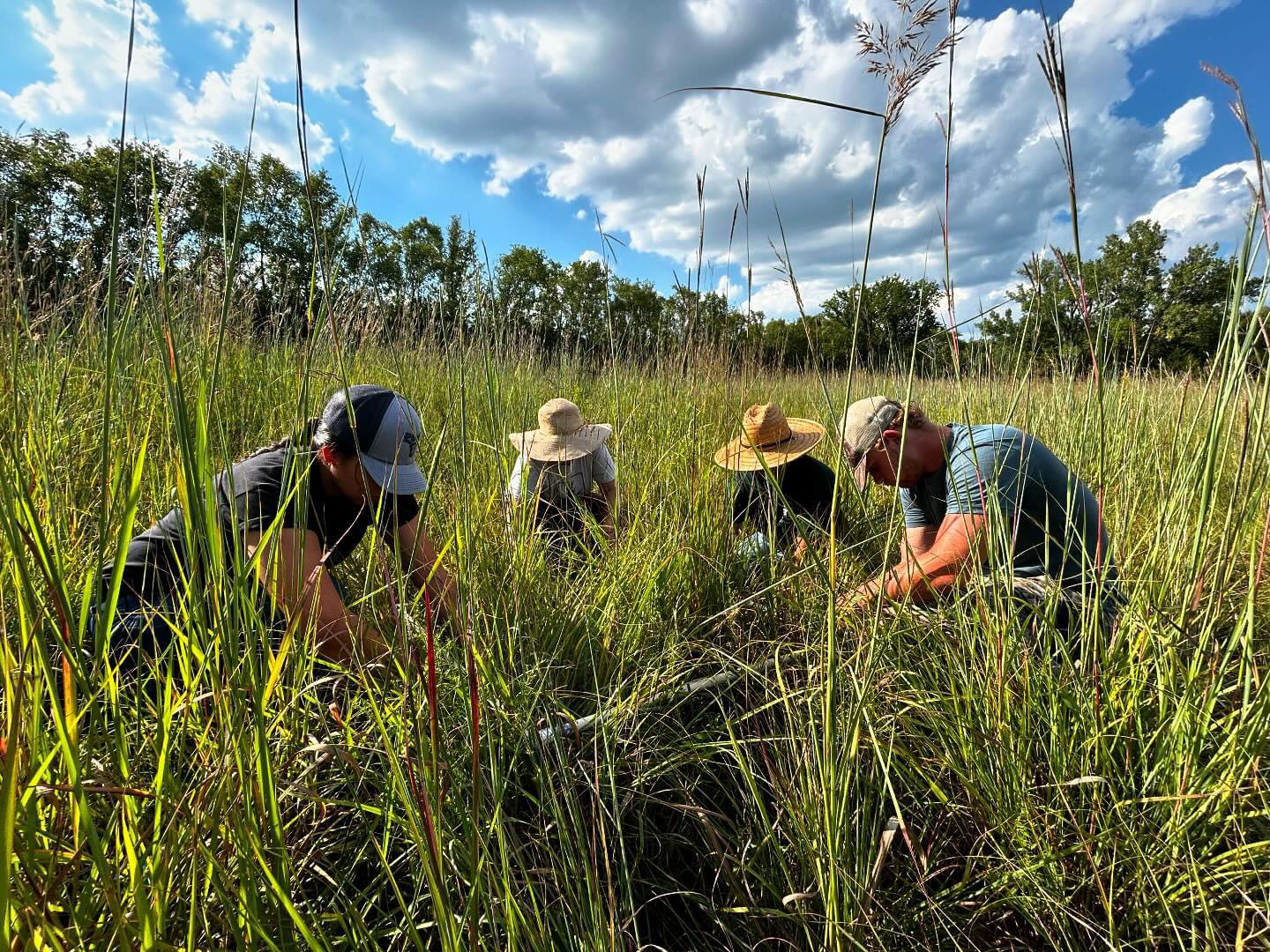
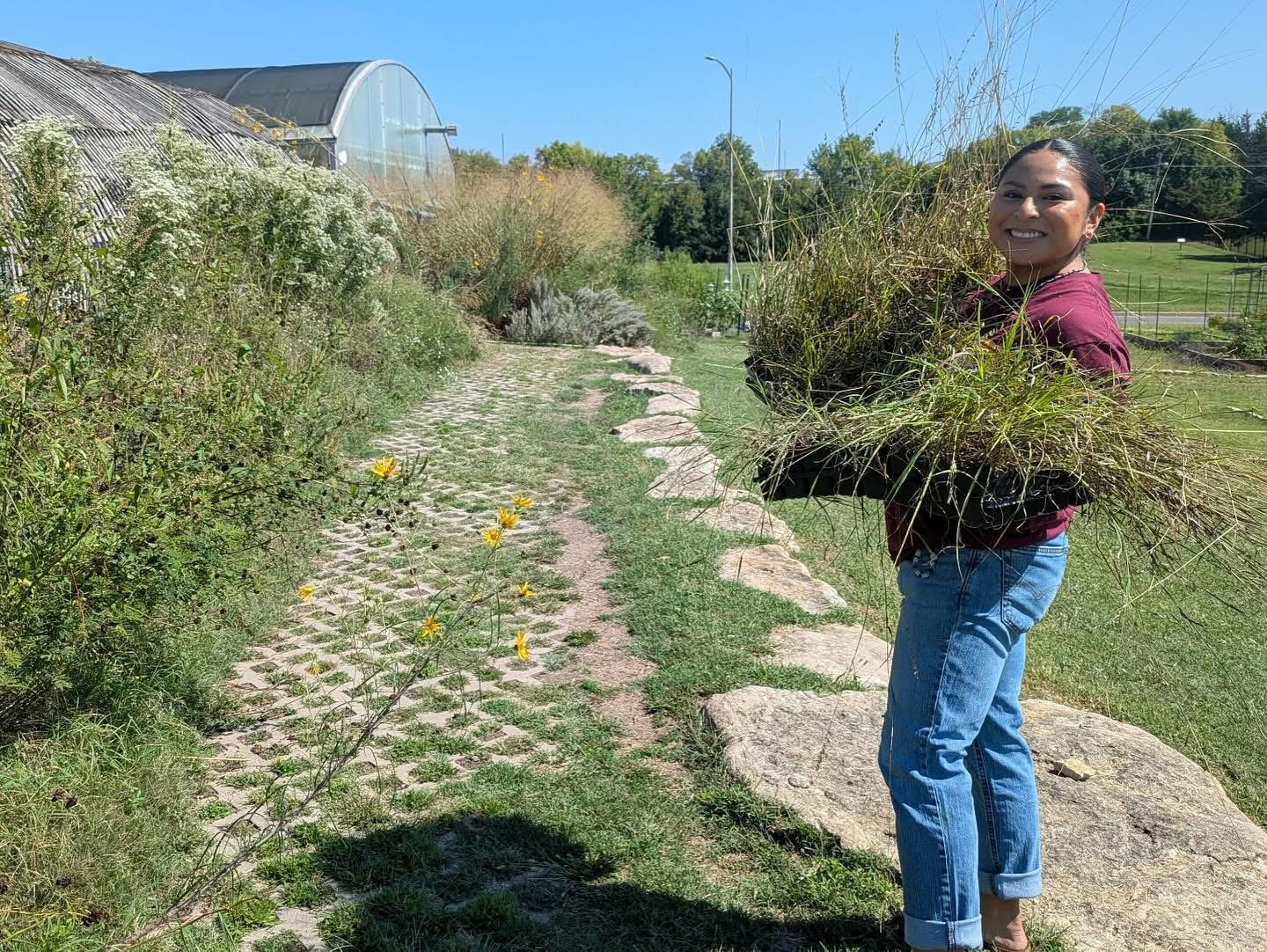
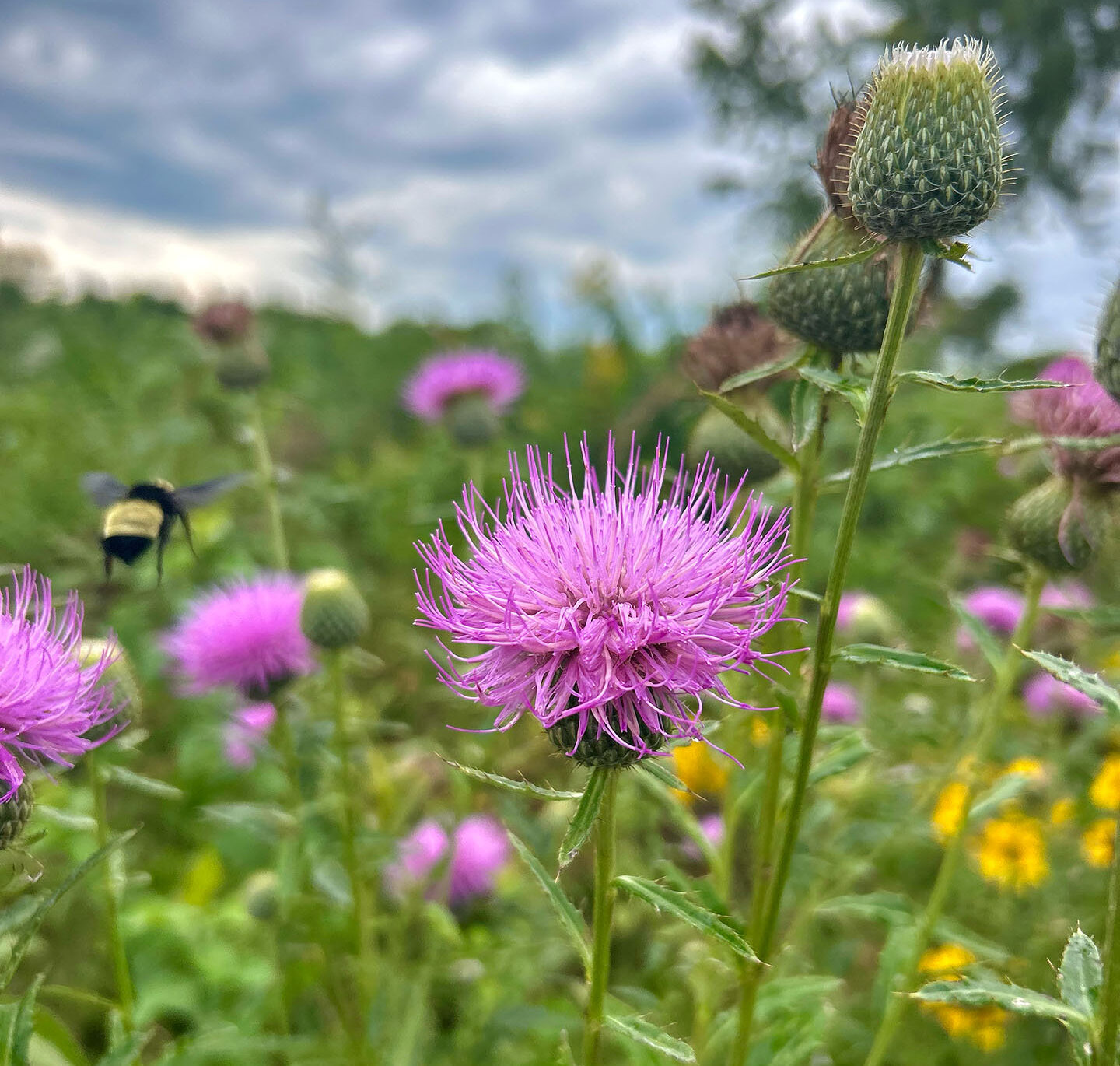
In Caring for Our Kin: Stories of Indigenous Environmental Stewardship, the College Fund shares the stories of Indigenous environmental leaders who are centering kinship and relational knowledge to build healthy ecological systems. These stories remind us that caring for the Earth means caring for one another—and that Indigenous knowledge systems continue to offer guidance, resilience, and hope for the future.
Learn more about our Environmental Stewardship Program.
Ekvnv Vcayecet. Mvto!
(Take care of the Earth/Land. Thank you)
More Blogs
American Indian College Fund to Honor Denver Native Elders at Thirteenth Annual Holiday Dinner
The Denver-based American Indian College Fund (the College Fund) partnering with University of Denver’s Center for Multicultural Excellence, will honor Denver-area Native elders at a holiday dinner on Tuesday, December 3 at The Cable Center at the University of Denver, 2000 Buchtel Boulevard, Denver, Colorado, 80210. The dinner commences at 5:30 p.m. The event is free and open to American Indians age 55 and older. For directions, please visit www.cablecenter.org.
NikeTalk.com Supports American Indian College Fund with $11,000 Gift
NikeTalk.com, an online community dedicated to fans of sneakers and sports culture, has supported the American Indian College Fund with a gift of $11,000 for scholarship support to benefit American Indian students.
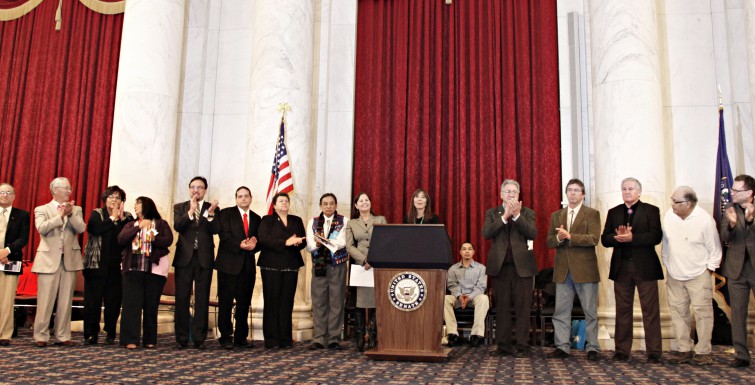
Crazy Bull: Why Tribal Colleges and Universities Matter
The week of November 18-22, 2013 was declared National Tribal Colleges and Universities Week through a U.S. Senate Resolution presented by North Dakota Senators Heidi Heitkamp and John Hoeven, sponsored by 17 Senators and adopted by the Senate on November 14. Tribal...
The Community Foundation of the Dan River Region Supports American Indian College Fund
The Community Foundation of the Dan River Region supported the American Indian College Fund with a disbursement of $5,750 from an anonymous donor to their donor-established endowment.
Tribal College Brings Tradition to Life
Between July 15 and August 2, Leech Lake Tribal College held a Community Birch Bark Canoe Building Project. Community members created a 16-foot, late 1800s traditional wiigwaasi-jiimaan (birch bark canoe) from start to finish with Ojibwe language being taught and used...
Guiding Our Destiny with Heritage and Tradition
November is Native American Heritage Month and the theme this year is “Guiding our Destiny with Heritage and Tradition.” American Indians have made immeasurable contributions to our nation’s heritage and there are countless reasons to celebrate. You can celebrate...
Annual Flame of Hope Fundraising Gala Raises $550,000 to Benefit Native Education
The American Indian College Fund is projected to raise $550,000 support Native student scholarships at its 18th annual Flame of Hope Gala, held on October 10 in Minneapolis, Minnesota. Proceeds will benefit Native education.
American Indian College Fund to Preserve and Restore Traditional Native Art Forms
American Indian College Fund to Preserve and Restore Traditional Native Art Forms at Midwestern Tribal Colleges Supported by $860,000 dollar grant from Margaret A. Cargill Foundation
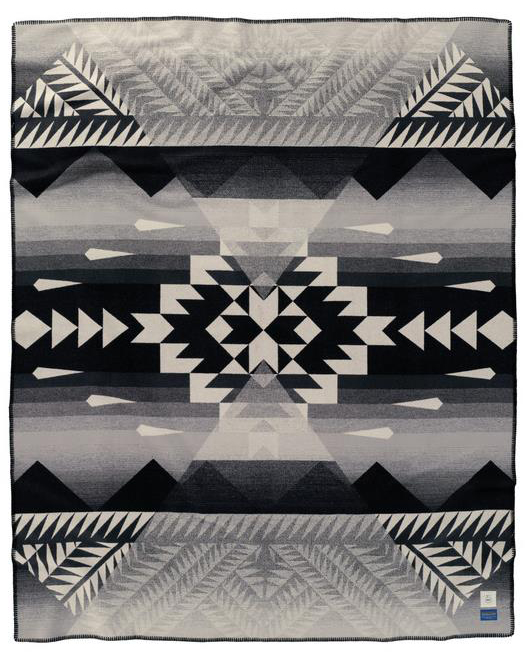
Nike N7 Blanket to Benefit American Indian College Fund
Nike N7 Blanket to Benefit American Indian College Fund Nike N7 and Pendleton Woolen Mills Collaborated on Creation
Annual Flame of Hope Fundraising Gala Raises More than $400,000 to Benefit Native Education
The American Indian College Fund is projected to raise $550,000 support Native student scholarships at its 18th annual Flame of Hope Gala, held on October 10 in Minneapolis, Minnesota. Proceeds will benefit Native education. Native artist Steven Paul Judd...