
Planting the Seeds of Cultural Sustainability
April 22, 2026 | Student Ambassador Aiyanna Tanyan’s (Seminole Nation of Oklahoma) work to reclaim food sovereignty
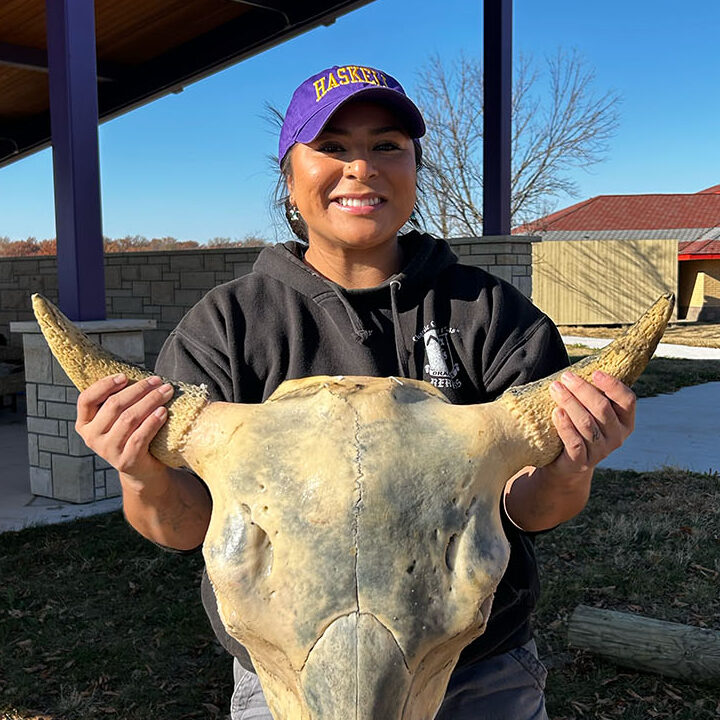
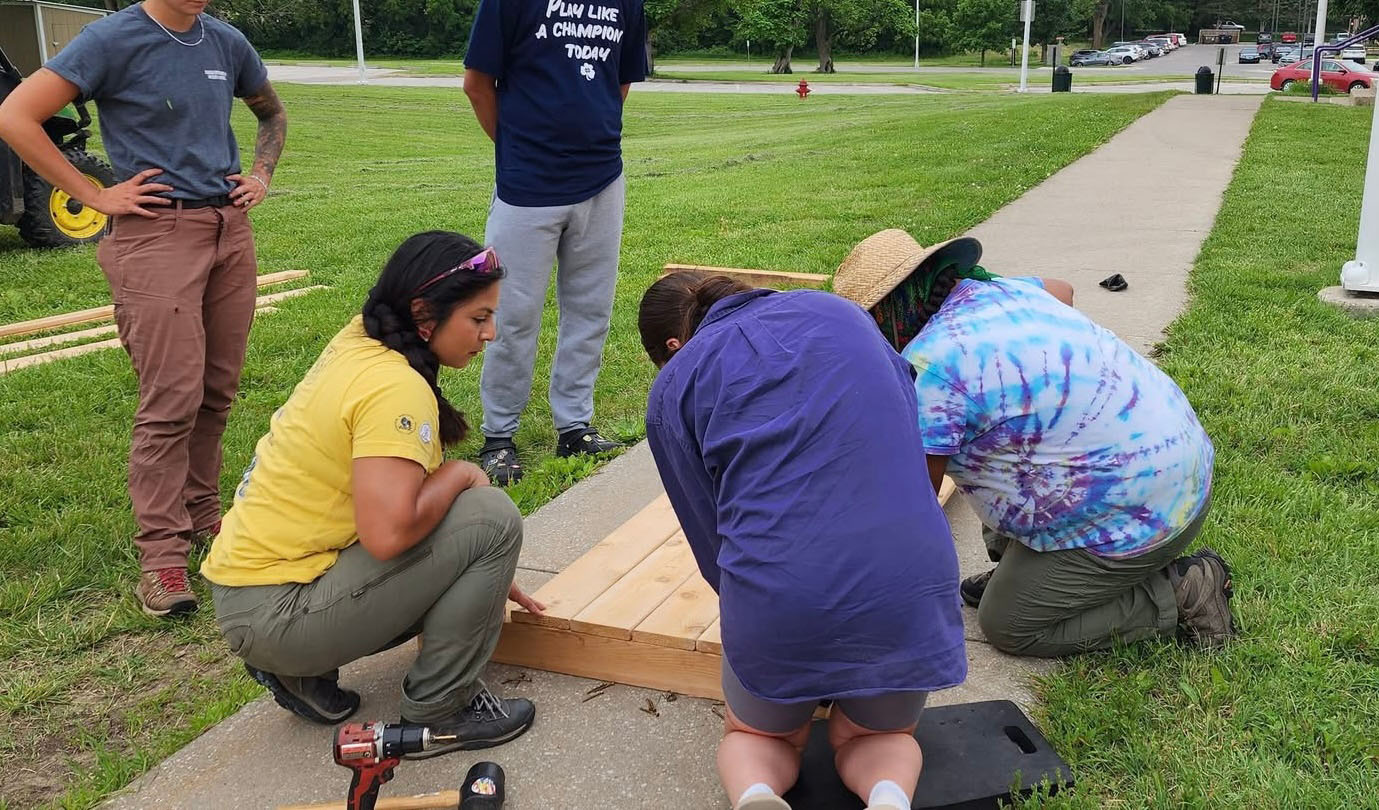
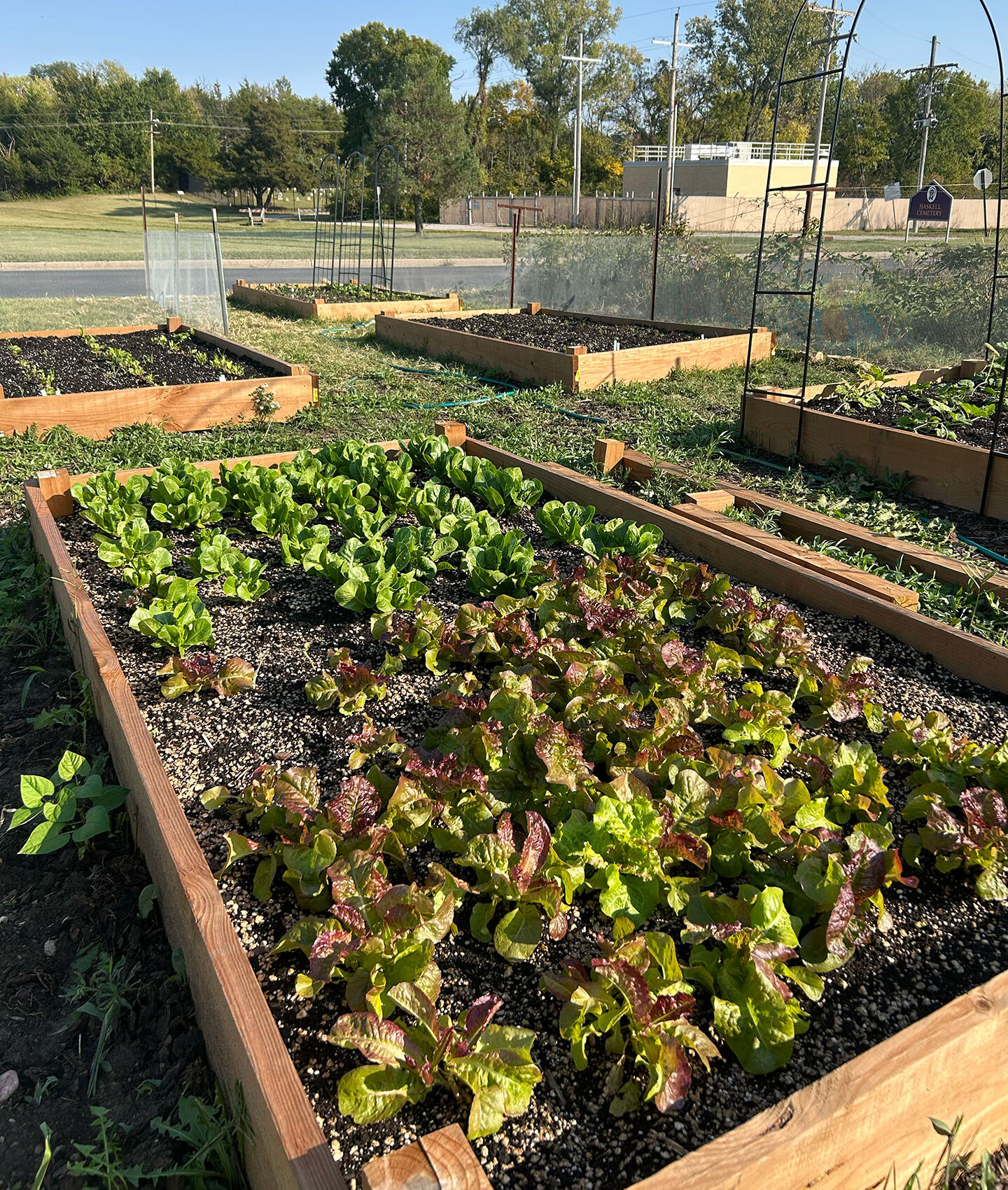
We came up with the idea of building raised garden beds near the dorms so students can easily access fresh foods and learn how to grow them themselves. Through support from the Haskell Greenhouse (funded through the USDA Equity Grant), we started building.
Last year was our first year doing this project and it was a learning experience as with many community-based projects, it comes with trial and error. However, that process taught us a lot about what works, what doesn’t, and how to build something more sustainable moving forward. This year, we’re continuing this work with stronger systems, more involvement, and a clearer vision.
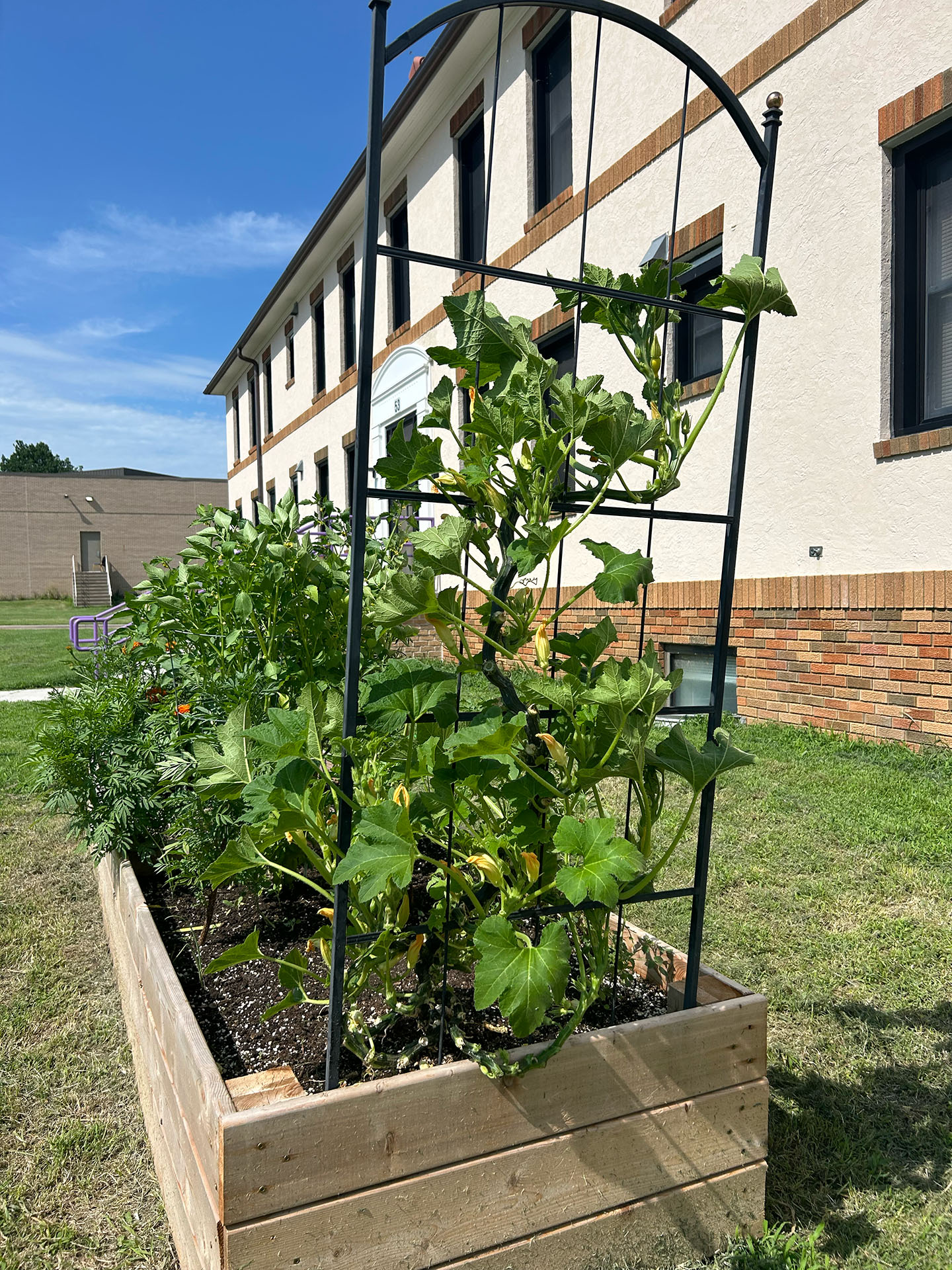
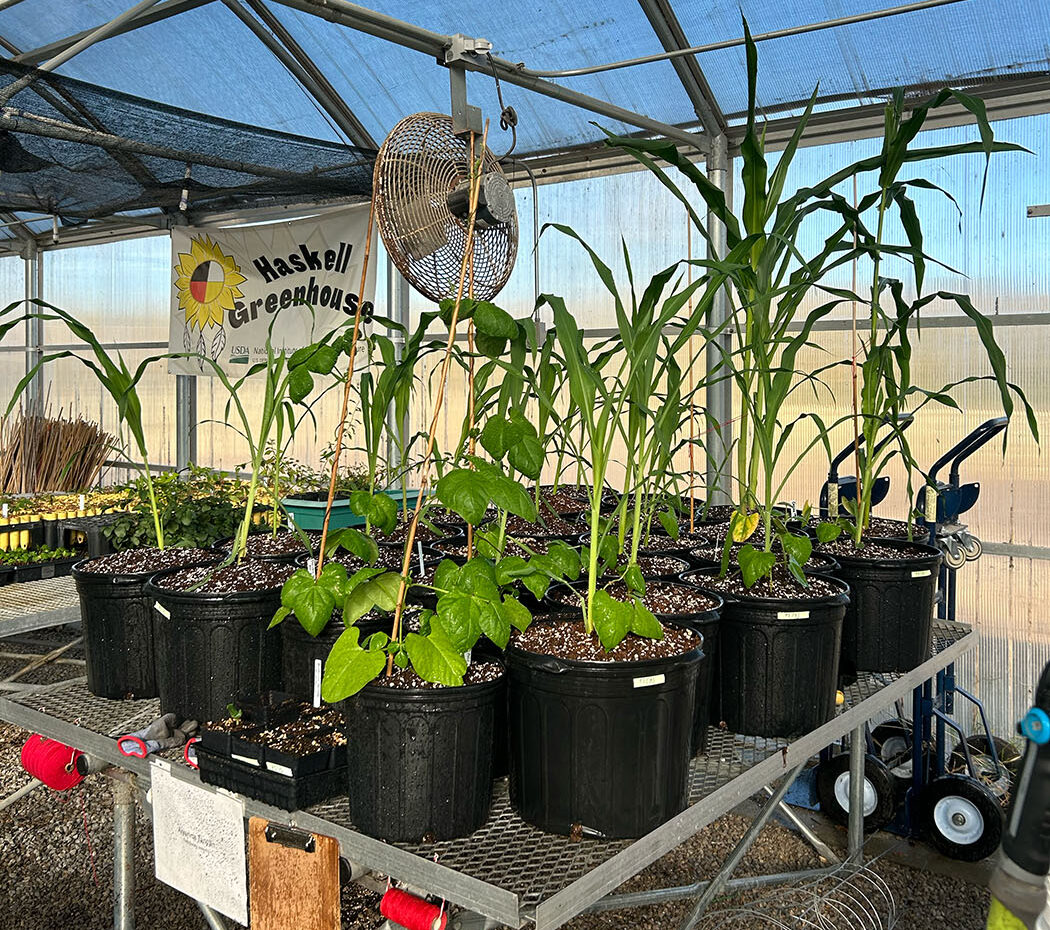
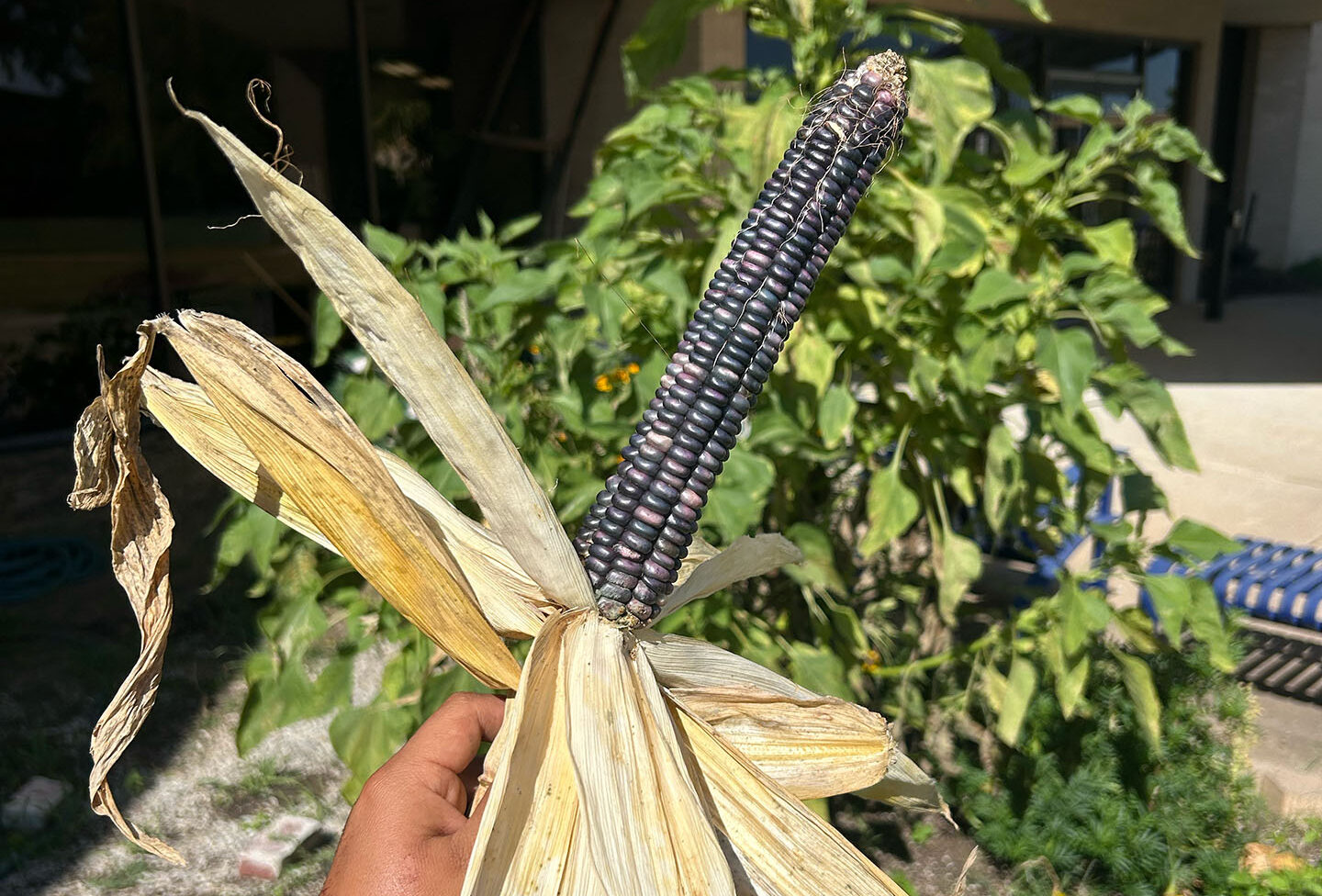
Everyone at the Haskell Greenhouse wants to help others learn, value, and view these spaces as places of teaching. I know they have taught me so much about responsibility and our relationship with the environment. Through these projects, we’re helping students reconnect with the land and understand the importance of food sovereignty for Indigenous communities. This work is ongoing, and we’re still learning. Every seed planted, and every workday shared brings us one step closer to a more sustainable and connected future.
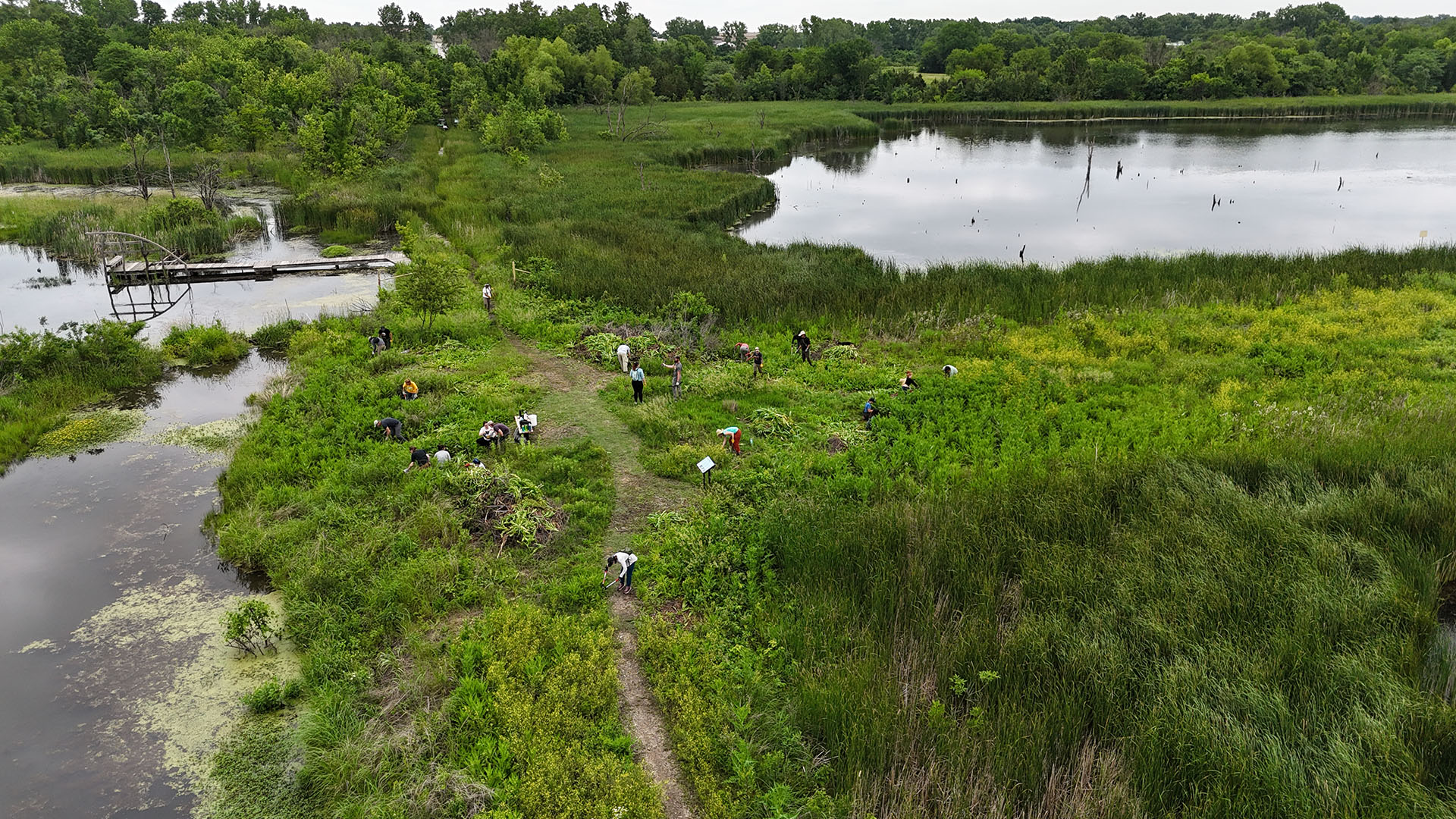
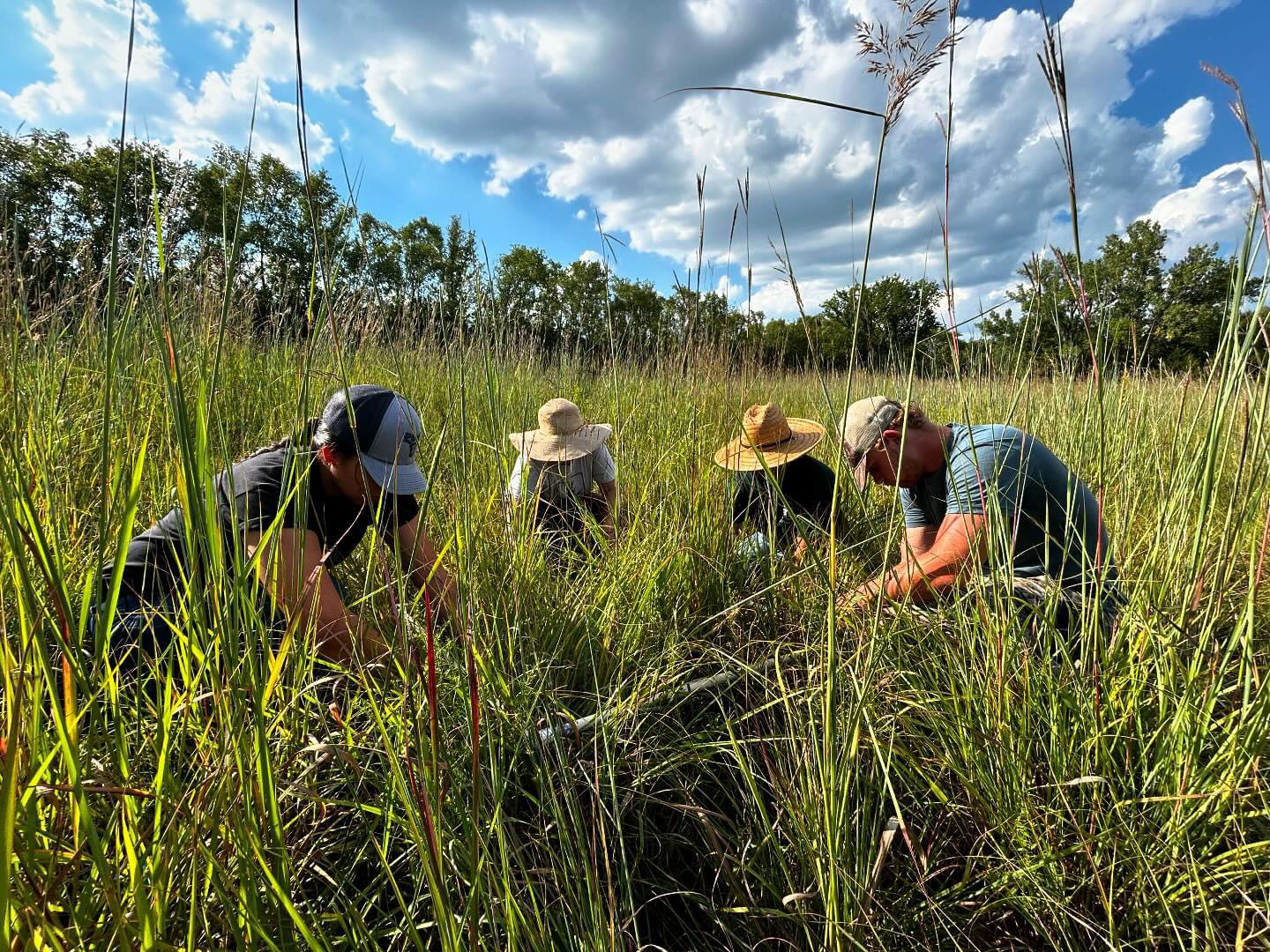
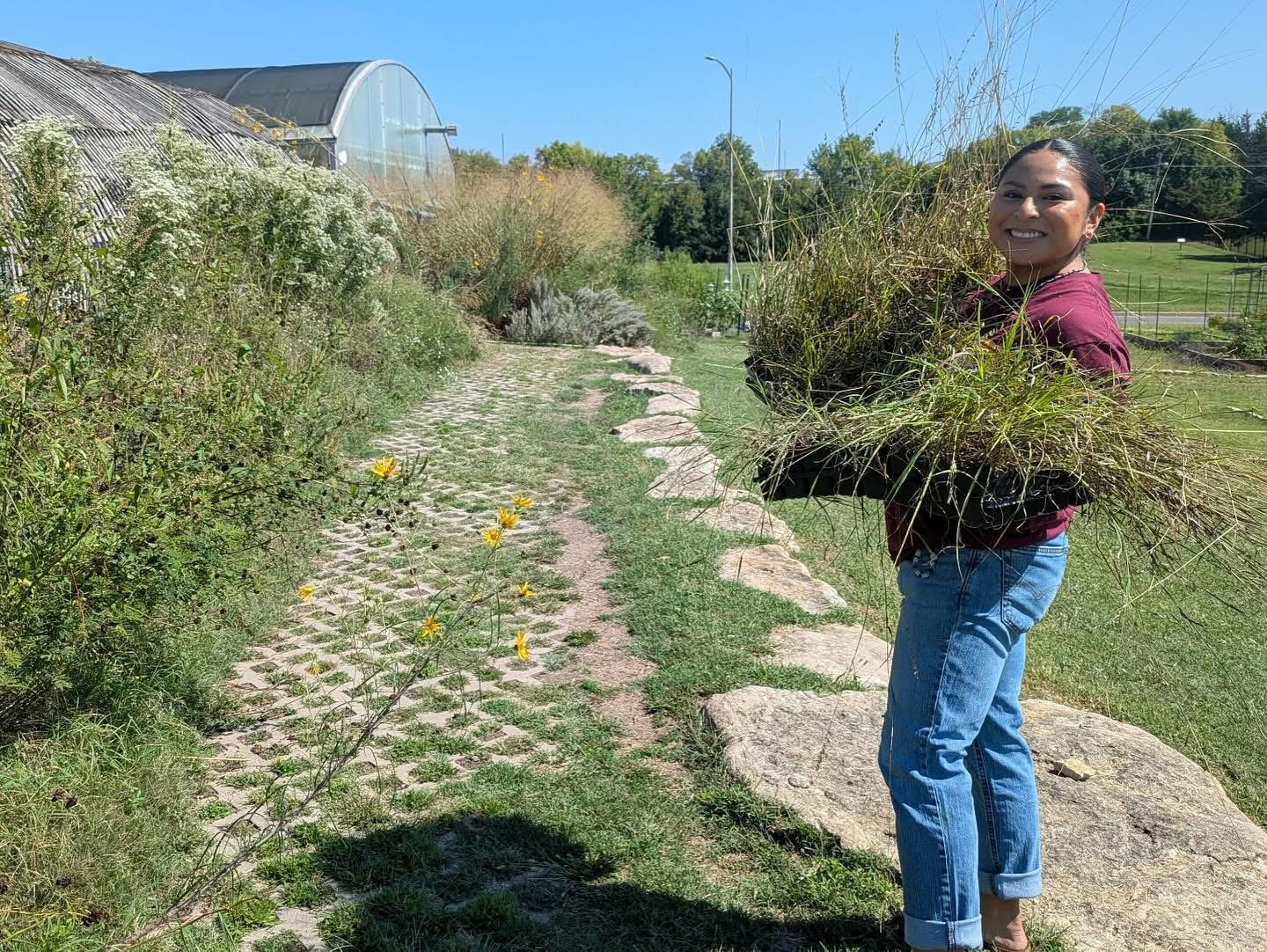
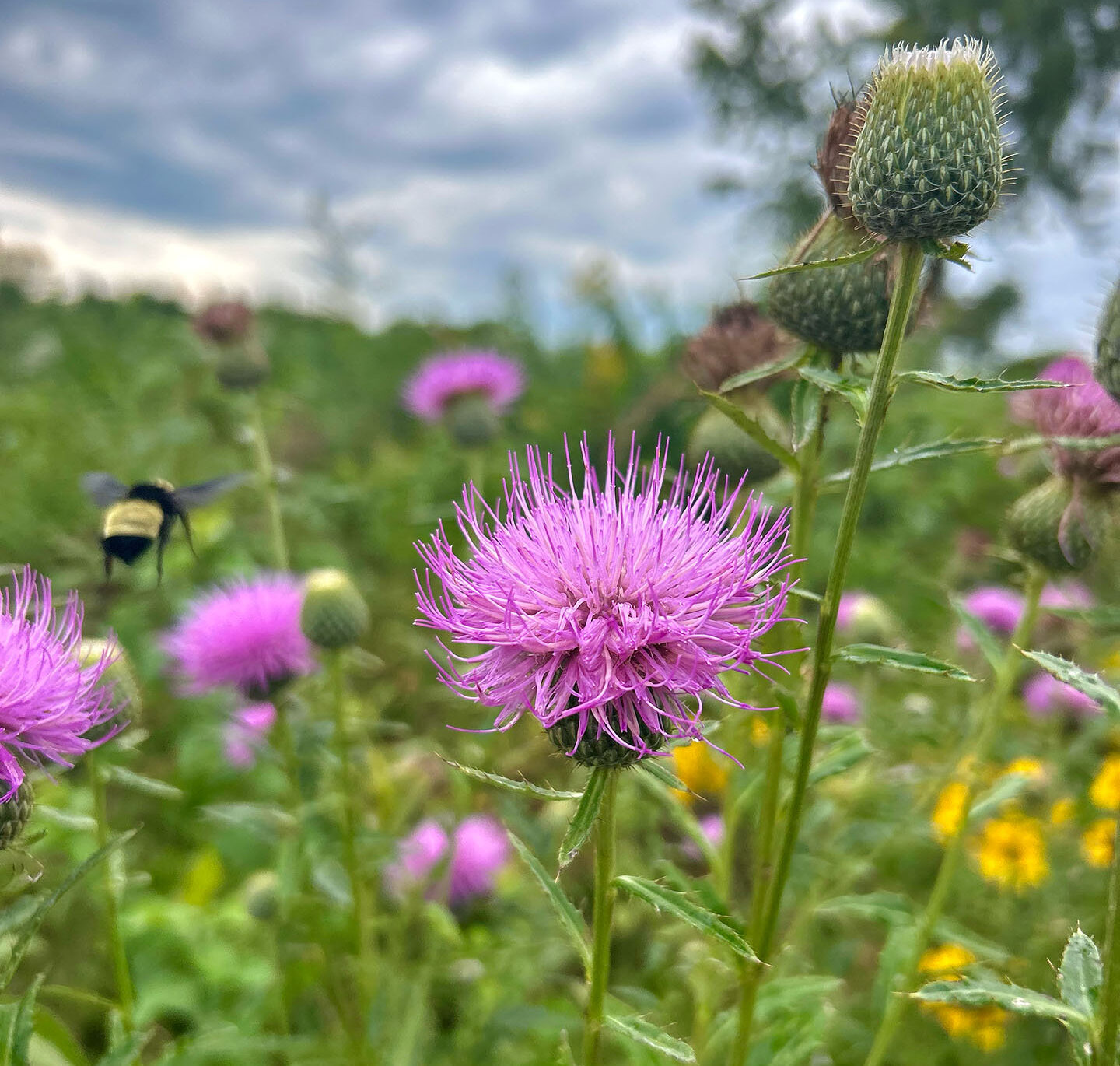
In Caring for Our Kin: Stories of Indigenous Environmental Stewardship, the College Fund shares the stories of Indigenous environmental leaders who are centering kinship and relational knowledge to build healthy ecological systems. These stories remind us that caring for the Earth means caring for one another—and that Indigenous knowledge systems continue to offer guidance, resilience, and hope for the future.
Learn more about our Environmental Stewardship Program.
Ekvnv Vcayecet. Mvto!
(Take care of the Earth/Land. Thank you)
More Blogs
The Coca-Cola Foundation Grants $250,000 to Continue Support for First Generation Scholars
The Coca-Cola Foundation is continuing its support of first-generation Native American scholars through a donation of $250,000 to the American Indian College Fund. The Coca-Cola Foundation First Generation Tribal Scholarship Program will continue to increase access to higher education and leadership development opportunities for tribal college students that are the first in their families to attend college. At least one scholar at each of the 34 tribal colleges is selected to be a Coca-Cola scholar.
New Donor Sempra Energy Establishes TCU Scholarship for Southwest Schools
Sempra Energy has donated $20,000 to the American Indian College Fund (the Fund) to establish the Sempra Energy Tribal Scholarship Program. The grant will support scholarships for American Indian students pursuing degrees in the STEM (science, technology, engineering, and mathematics) programs at tribal colleges and universities in the Southwestern United States. Students studying engineering and mathematics will receive funding preference.
Idle No More Brings Native Voices, Tribal Education to the Forefront
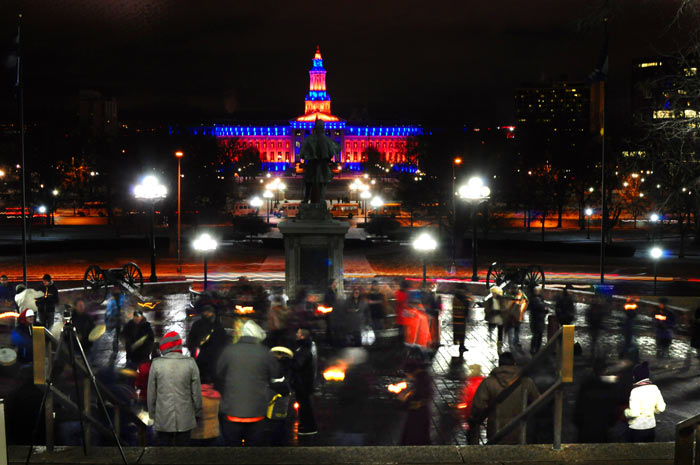
Like many Natives and our allies across our Grandmother Earth, Unci Maka, I have joined the Idle No More movement, attending round dance gatherings, praying for Chief Theresa Spence and her supporters, sharing the stories I hear and read and perusing news and opinion pieces.
Retired NBA Coach Phil Jackson Sponsors Campaign for One Lucky Donor to Spend Day with Him
Phil Jackson sponsors fundraising campaign to raise money for Native scholarships to benefit the Fund–and one lucky donor will get to meet him April 12. The campaign is currently slated to end in March, with a winner being chosen March 27. Airfare and hotel are included in the trip. Donations are not required to enter for a chance to meet Mr. Jackson.

Protect the Circle of Life: Please Get a Flu Vaccine
The flu season this year started early and is hitting the U.S. hard. American Indians and Alaska Natives, including college students, are at high risk for getting the flu and developing serious complications. The time is now for people to benefit from getting the vaccine.
Uqautchim Uglua at Ilisagvik College
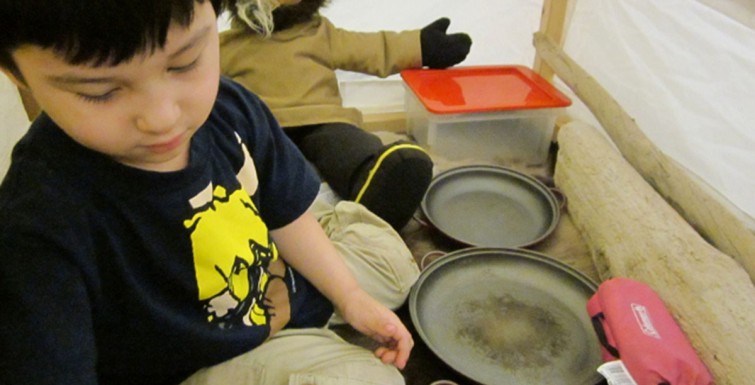
Ilisagvik College’s Uqautchim Uglua, or ‘language nest’ program, celebrated important milestones in 2012. The school introduced an Iñupiaq Early Learning Associate of Arts degree to meet the college’s goal to increase the number of indigenous certified teachers on the North Slope. This degree offers a holistic approach designed to support Native students in their learning experiences, has a traditional Iñupiaq emphasis, and meets accreditation requirements.
Croff: Look Up, Smile
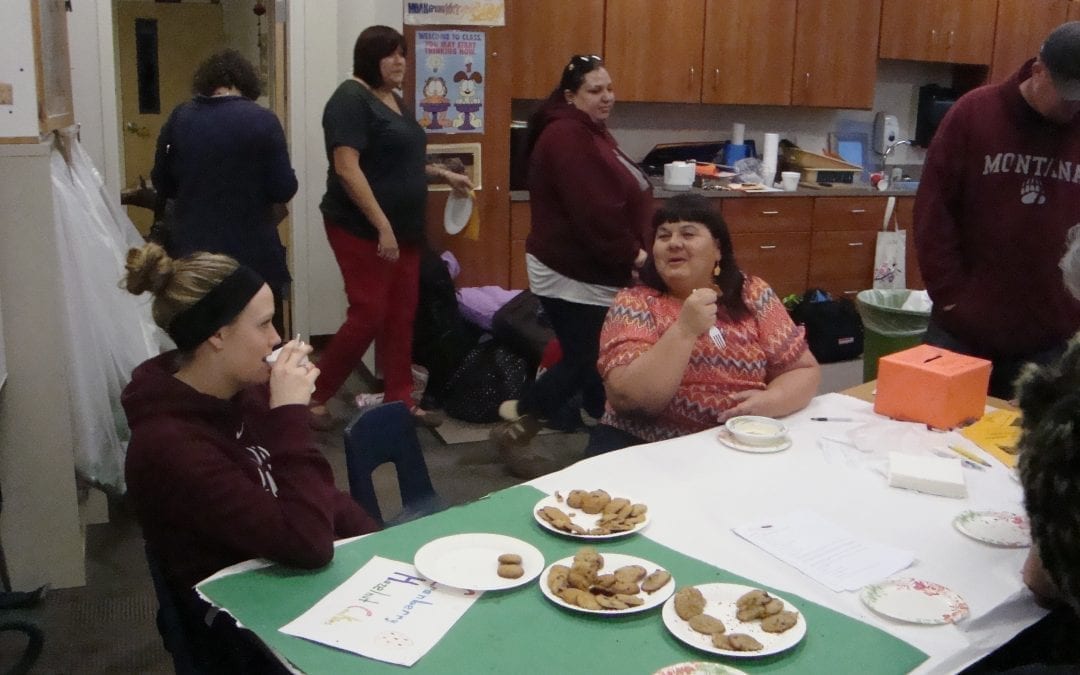
When many American Indian students study at mainstream institutions, they experience culture shock. For many, it is the first time away from a close-knit community. For others, it is their first experience away from the reservation. Transitioning to a life on a large campus can feel alienating and unwelcoming. Iva, a member of the Blackfeet nation who had lived in the reservation her whole life and a graduate of Blackfeet Community College in Montana
Northwest Area Foundation Grants $1 Million for Tribal College Leaders in Innovation Project
The St. Paul, Minnesota-based Northwest Area Foundation has made a two-year, $1 million grant to the American Indian College Fund for the Tribal College Leaders in Community Innovation Project. This competitive awards program will honor five tribal colleges conducting programs contributing to vibrant and healthy communities. The award areas will focus on children and families; health and wellness; financial literacy and entrepreneurship; or citizenship.
Program supported to build and strengthen Iñupiaq language
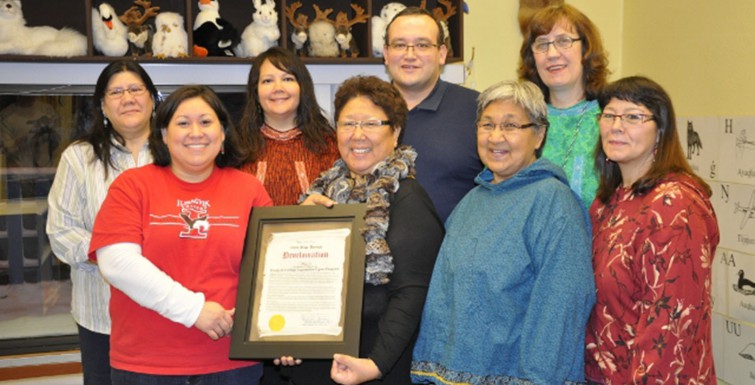
Ilisagvik College President Pearl Brower was presented with a Proclamation of Support for the Uqautchim Uglua (language nest) Program by Alaska’s North Slope Bureau Mayor Charlotte Brower. It will provide an additional $153,000 in funding for the program, which is also a participant in the American Indian College Fund’s Sacred Little Ones program, funded by the Kellogg Foundation.
Holiday Memories
For most of America, the Thanksgiving and Christmas holidays are memory-filled and memory-making annual events with families coming together to acknowledge blessings. America continues to be the place that others want to be or to live. While the commercialization of these significant holidays sometimes obscures the ‘original’ intent for the designations, I believe that most people are good and that we are a grateful people who do practice some form of spiritual or religious belief that advocates compassion and generosity.