
Planting the Seeds of Cultural Sustainability
April 22, 2026 | Student Ambassador Aiyanna Tanyan’s (Seminole Nation of Oklahoma) work to reclaim food sovereignty
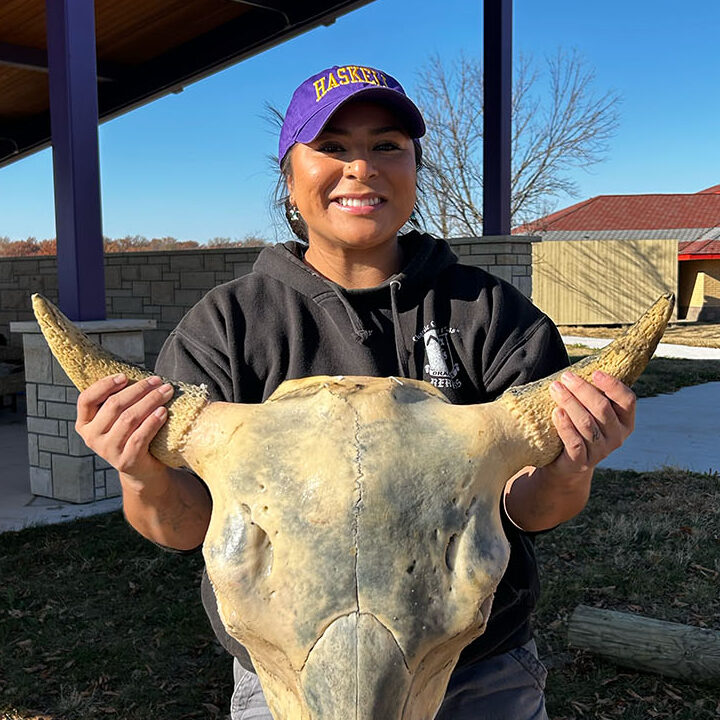
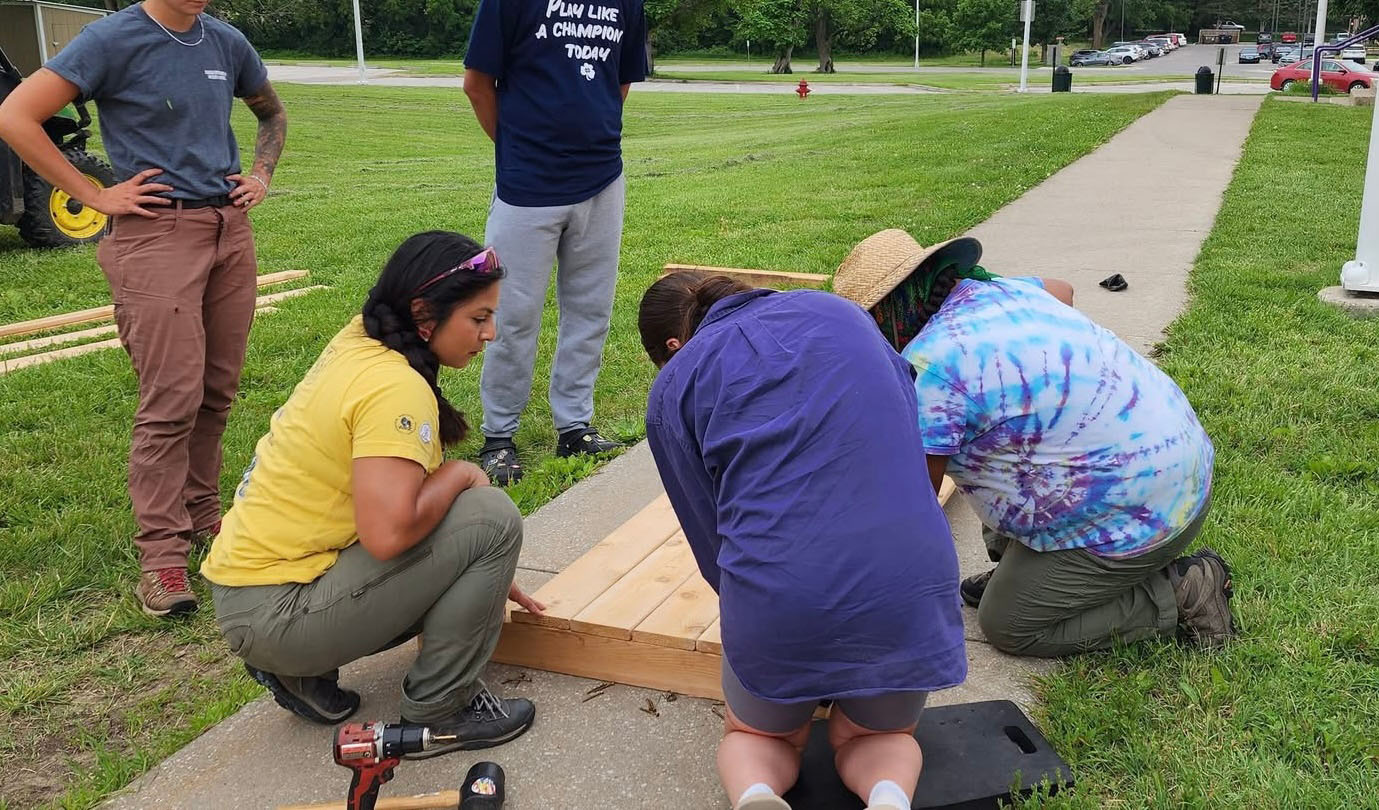
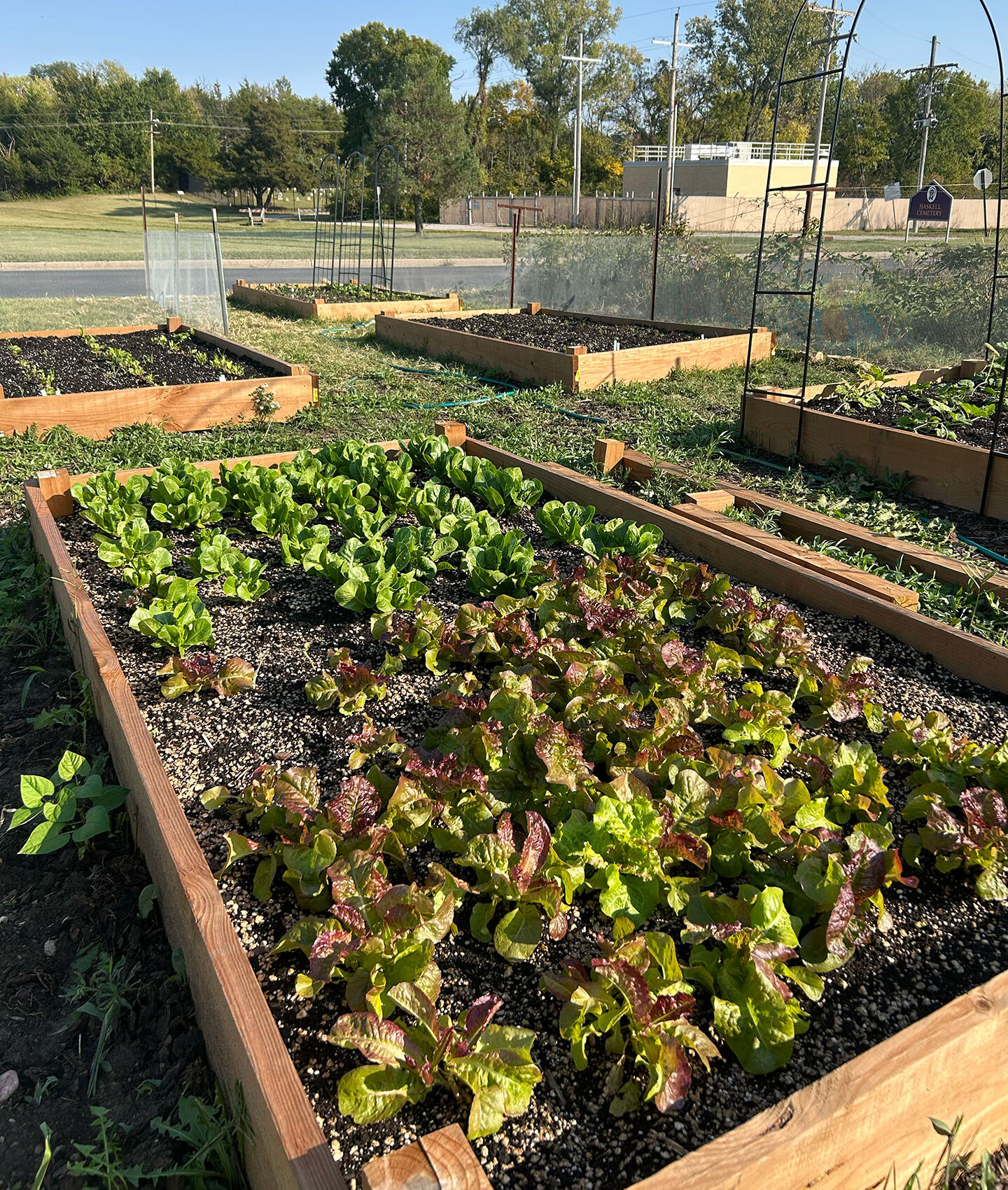
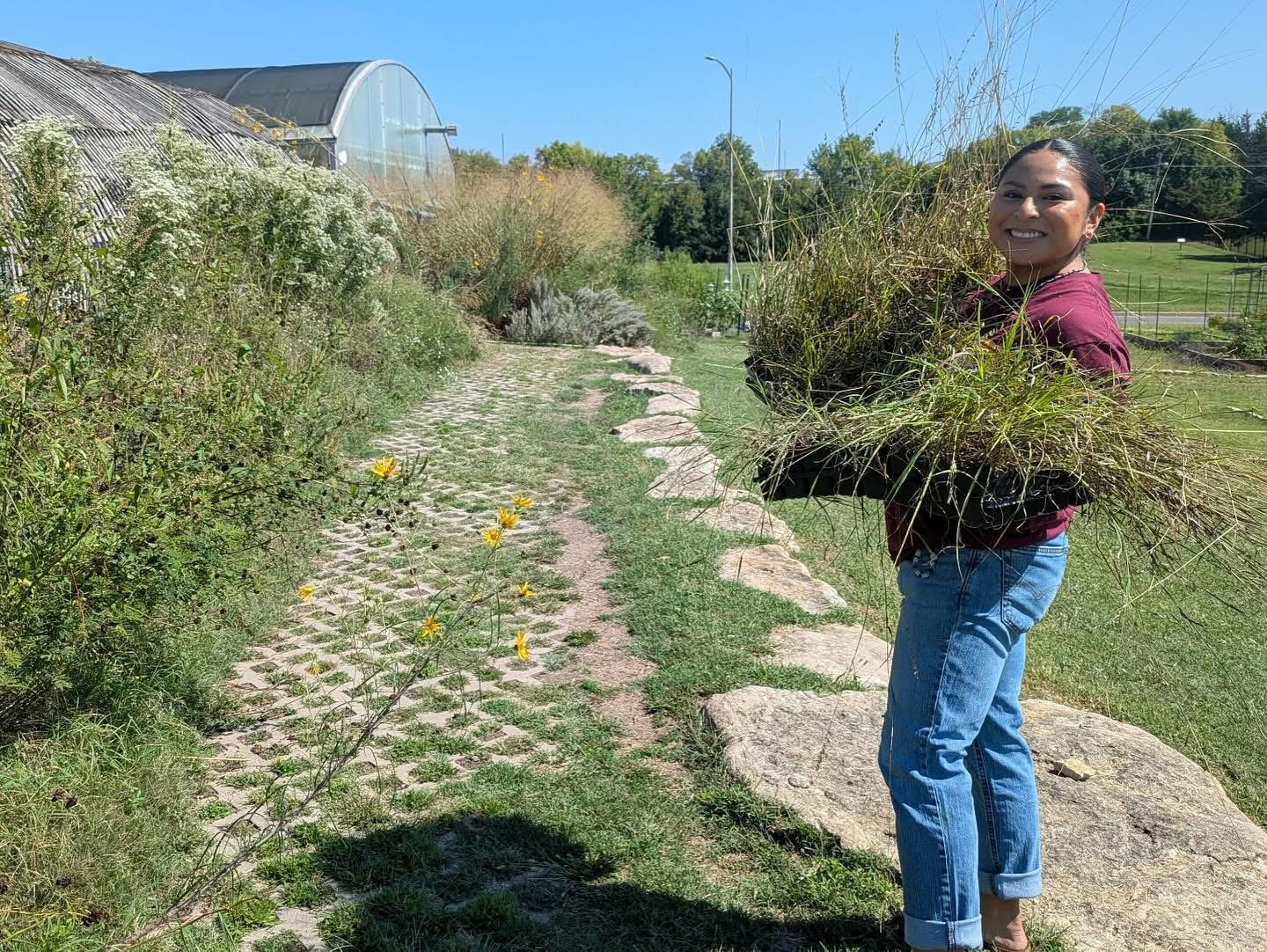
We came up with the idea of building raised garden beds near the dorms so students can easily access fresh foods and learn how to grow them themselves. Through support from the Haskell Greenhouse (funded through the USDA Equity Grant), we started building.
Last year was our first year doing this project and it was a learning experience as with many community-based projects, it comes with trial and error. However, that process taught us a lot about what works, what doesn’t, and how to build something more sustainable moving forward. This year, we’re continuing this work with stronger systems, more involvement, and a clearer vision.
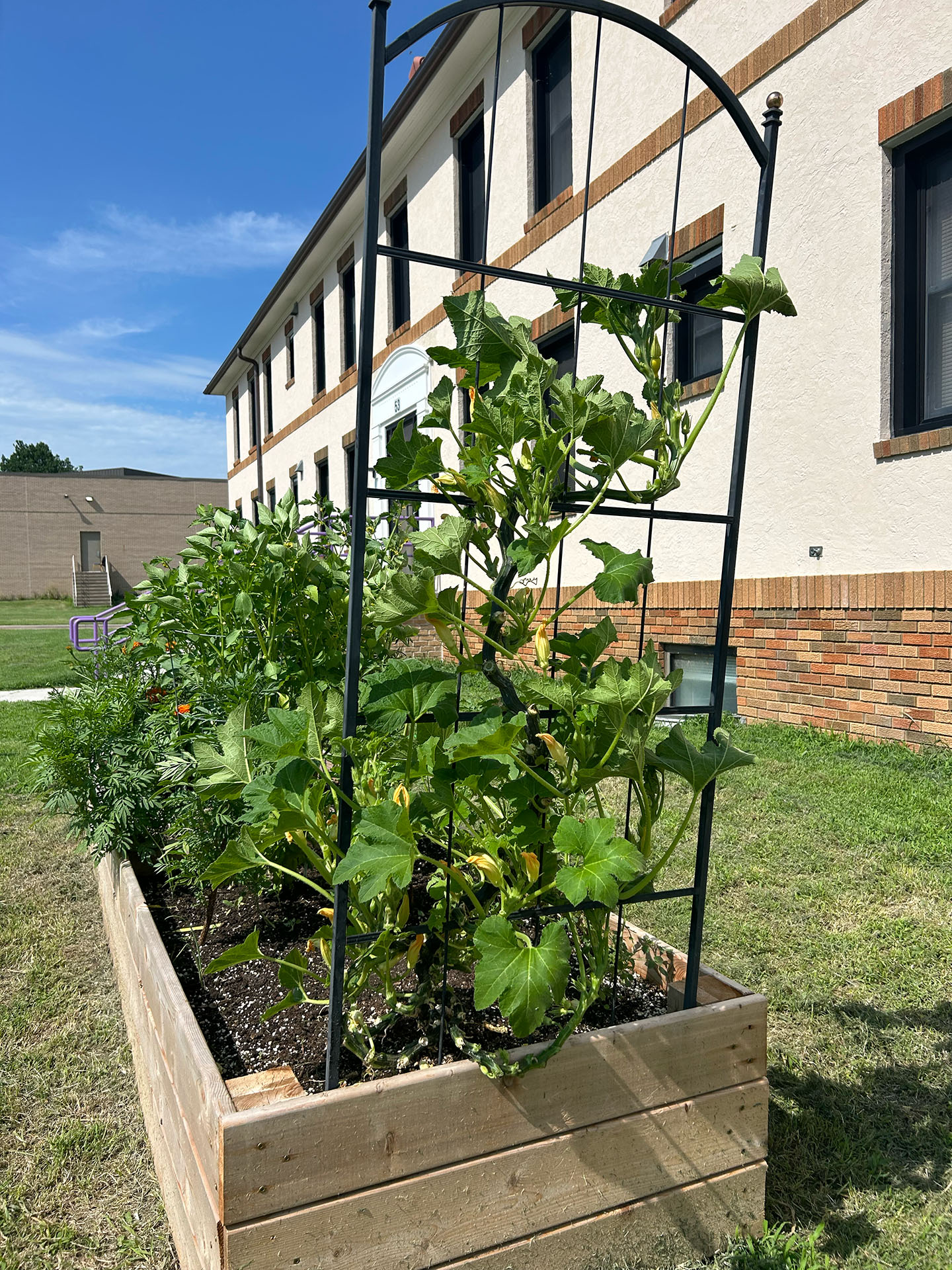
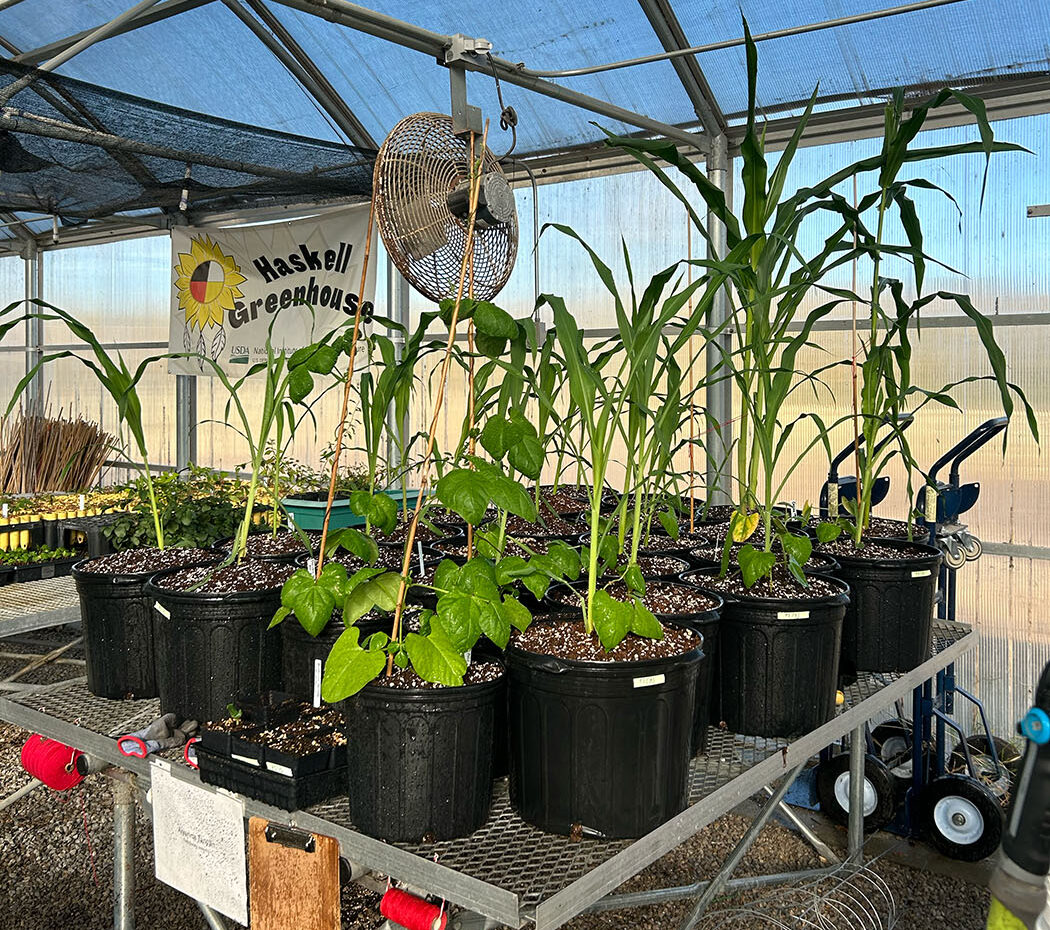
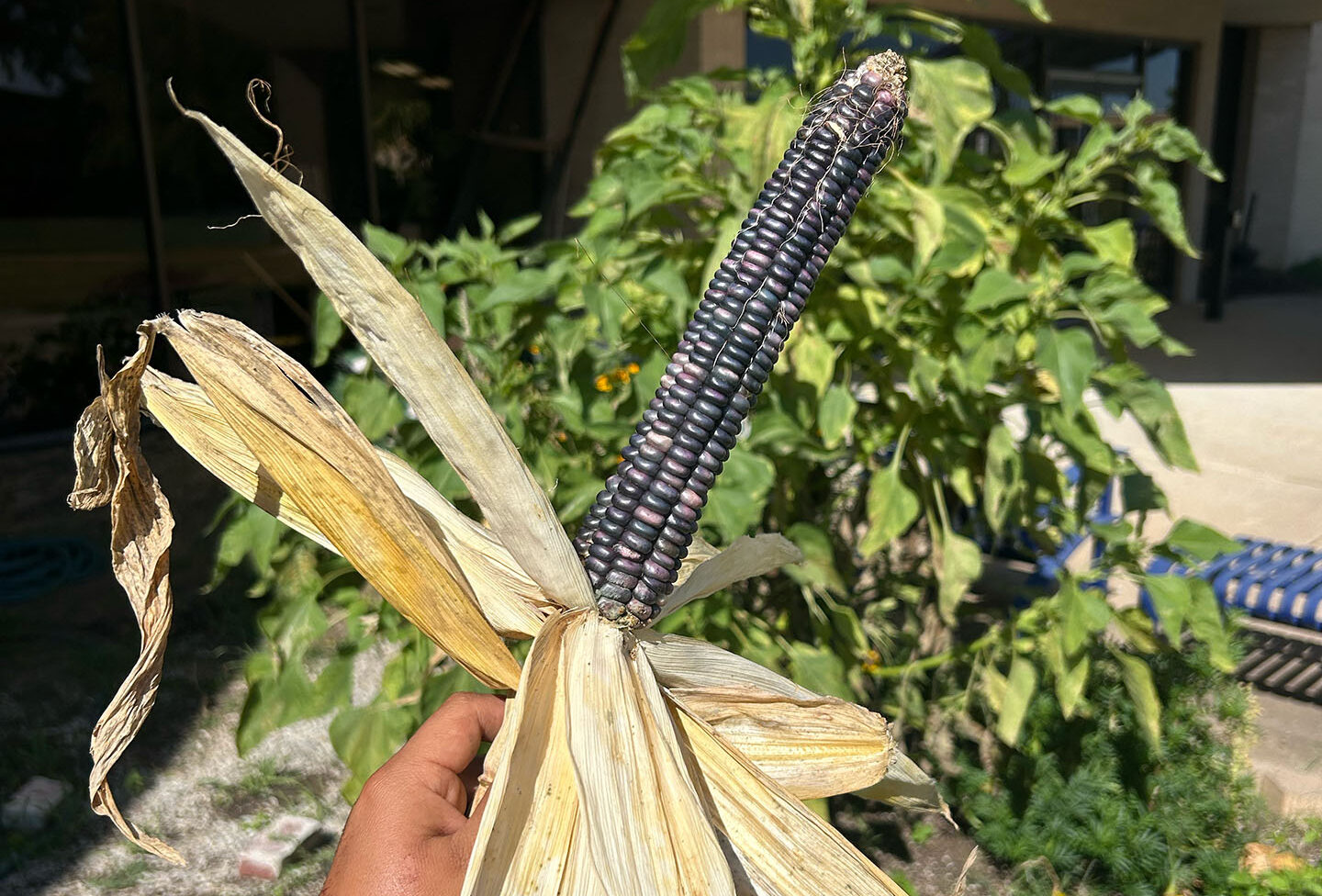
Everyone at the Haskell Greenhouse wants to help others learn, value, and view these spaces as places of teaching. I know they have taught me so much about responsibility and our relationship with the environment. Through these projects, we’re helping students reconnect with the land and understand the importance of food sovereignty for Indigenous communities. This work is ongoing, and we’re still learning. Every seed planted, and every workday shared brings us one step closer to a more sustainable and connected future.
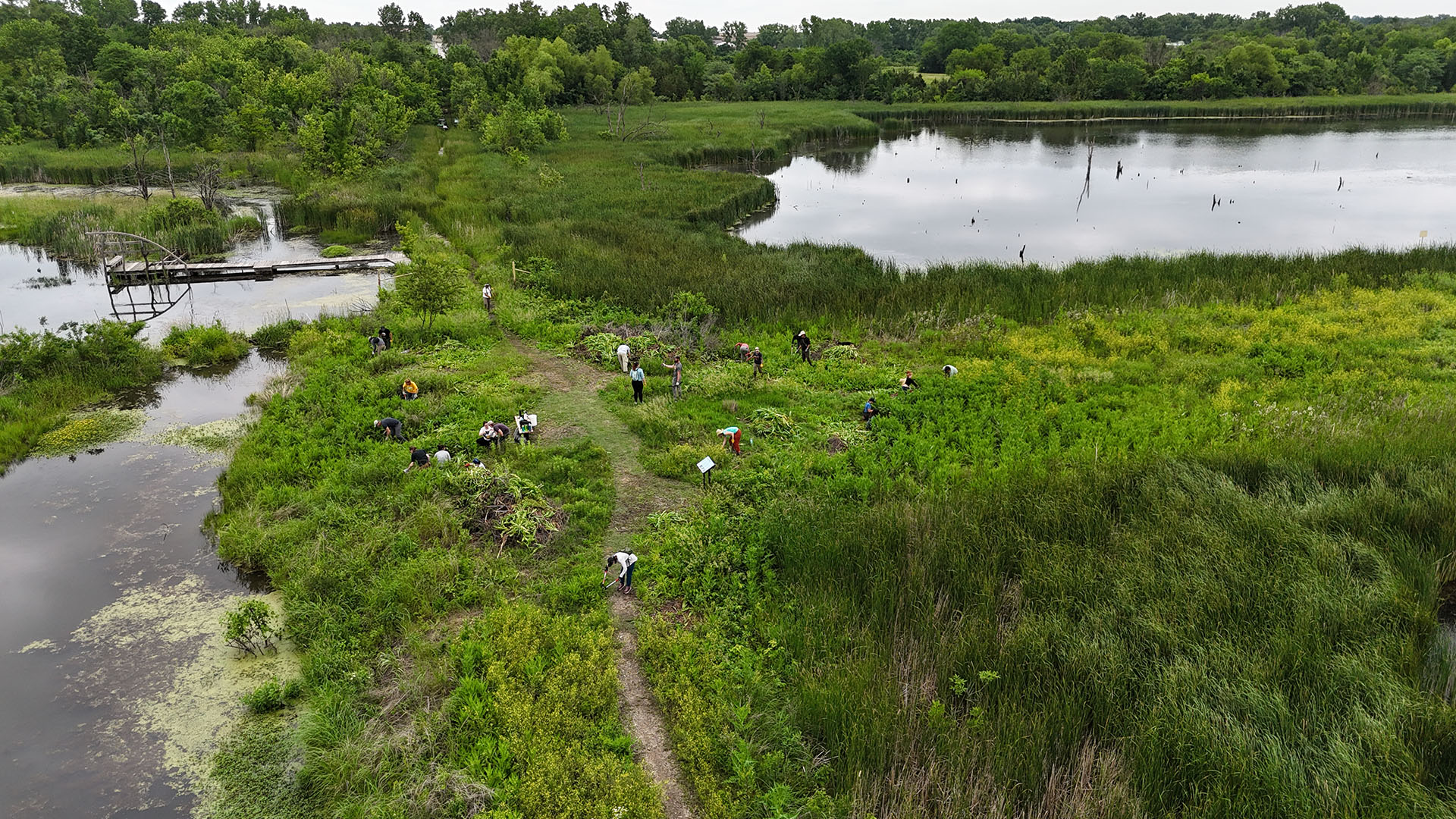
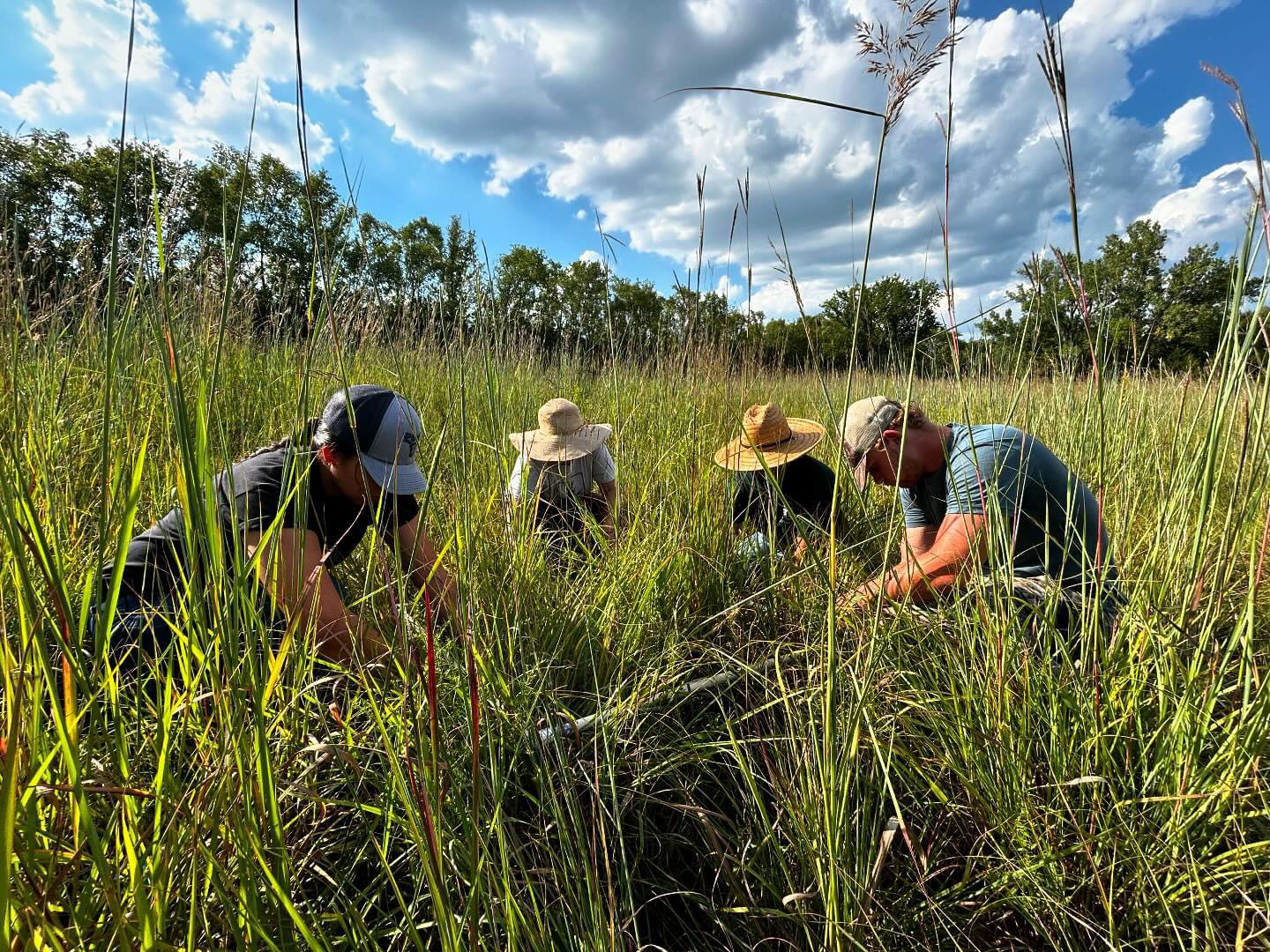
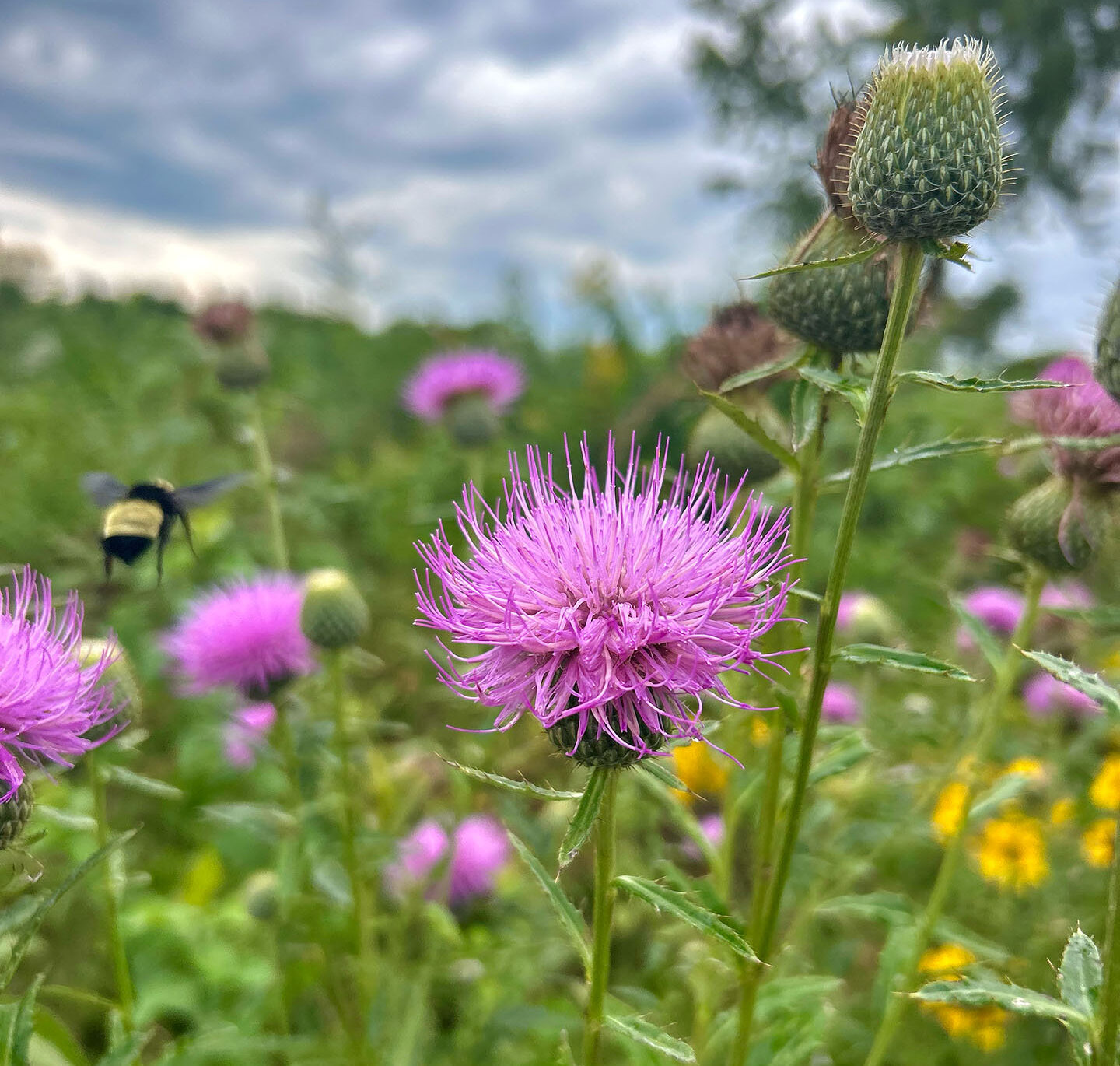
In Caring for Our Kin: Stories of Indigenous Environmental Stewardship, the College Fund shares the stories of Indigenous environmental leaders who are centering kinship and relational knowledge to build healthy ecological systems. These stories remind us that caring for the Earth means caring for one another—and that Indigenous knowledge systems continue to offer guidance, resilience, and hope for the future.
Learn more about our Environmental Stewardship Program.
Ekvnv Vcayecet. Mvto!
(Take care of the Earth/Land. Thank you)
More Blogs
The Bennett Family Foundation Grants $20,000 to American Indian College Fund
The American Indian College Fund received a $20,000 renewal grant from the Bennett Family Foundation for scholarships for American Indian students.
Thomas C. and Lois L. Sando Foundation Grants $15,000 to American Indian College Fund
The American Indian College Fund received a $15,000 grant from the Aspen-based Thomas C. and Lois L. Sando Foundation for scholarships for students pursuing college degrees. The foundation has been a supporter of the Fund for nearly 20 years.
Minnesota Shakopee Tribe Donates $585,000 to Matching Grant
The Shakopee Mdewakanton Sioux Community (SMSC) of Minnesota donated $585,000 to the American Indian College Fund (the Fund), helping it to meet a three-year challenge grant from the Johnson Scholarship Foundation (JSF) in a record six months.
Scholarships Available! Apply Today!
The American Indian College Fund is the largest of minority scholarship providers for Native American students nationwide. Yet many qualified Native students don’t get scholarships because they don’t apply! Many forget to apply or don’t want to write an essay. As a result, they are missing out on thousands of dollars.
UPS Foundation Grants $150,000 to American Indian College Fund
The American Indian College Fund received $150,000 from The UPS Foundation to continue the UPS Foundation Tribal College Scholarship Program. For 14 years, the program has been providing scholarship support to students attending the nation’s tribal colleges and universities (TCUs).
FedEx Grants $25,000 to American Indian College Fund to Establish Scholarship Program
FedEx Corp. (NYSE: FDX) awarded $25,000 to the American Indian College Fund to provide 10 Native freshmen students attending tribal college with $2,250 scholarships for the 2011-12 academic year.
University of Colorado Lauds Richard B. Williams for Distinguished Service to Native Community
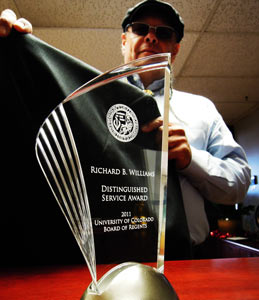
Richard B. Williams, President and CEO of the American Indian College Fund, was given the Distinguished Service Award from the University of Colorado Board of Regents in recognition of his dedicated service to American Indian students and their communities.
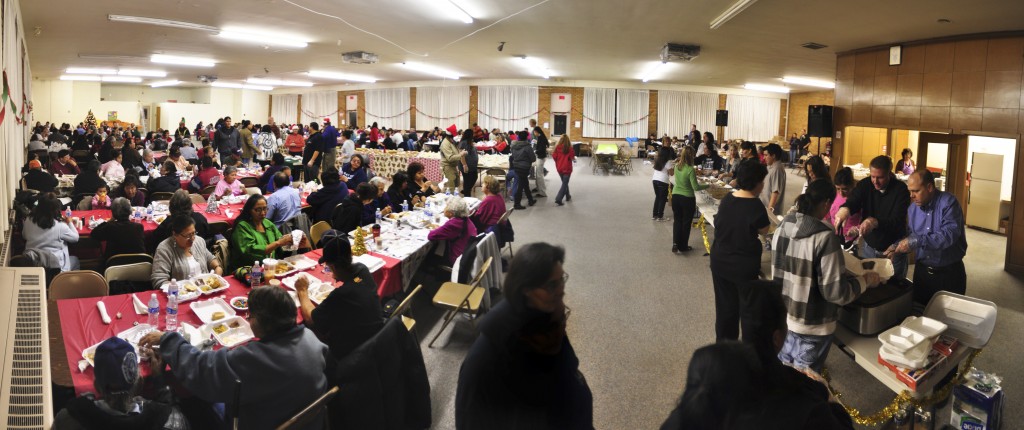
College Fund Honors Local Native Elders at Eleventh Annual Holiday Dinner
Not all holiday dinners are created equal. The Denver-based Native Elders Holiday Dinner sponsored by the American Indian College Fund has a distinctly Native flavor, from the meal itself (buffalo) to a Santa Claus that wears a war bonnet.
IBM Grants $30,000 to American Indian College Fund to Continue Scholarship Program
IBM awarded $30,000 to the American Indian College Fund for scholarships for tribal college students. The grant will support ten annual scholarships for students attending tribal colleges who are studying science, technology, engineering, mathematics, or business.
American Indian College Fund Receives $5,000 Grant from Master Key Consulting
Master Key Consulting, a leader in grants management support, software testing, and technology systems training, granted $5,000 to the American Indian College Fund towards the Master Key Consulting Tribal College Endowed Scholarship Program.